

“May your choices reflect your hopes, not your fears.”
Nelson Mandela
Introduction
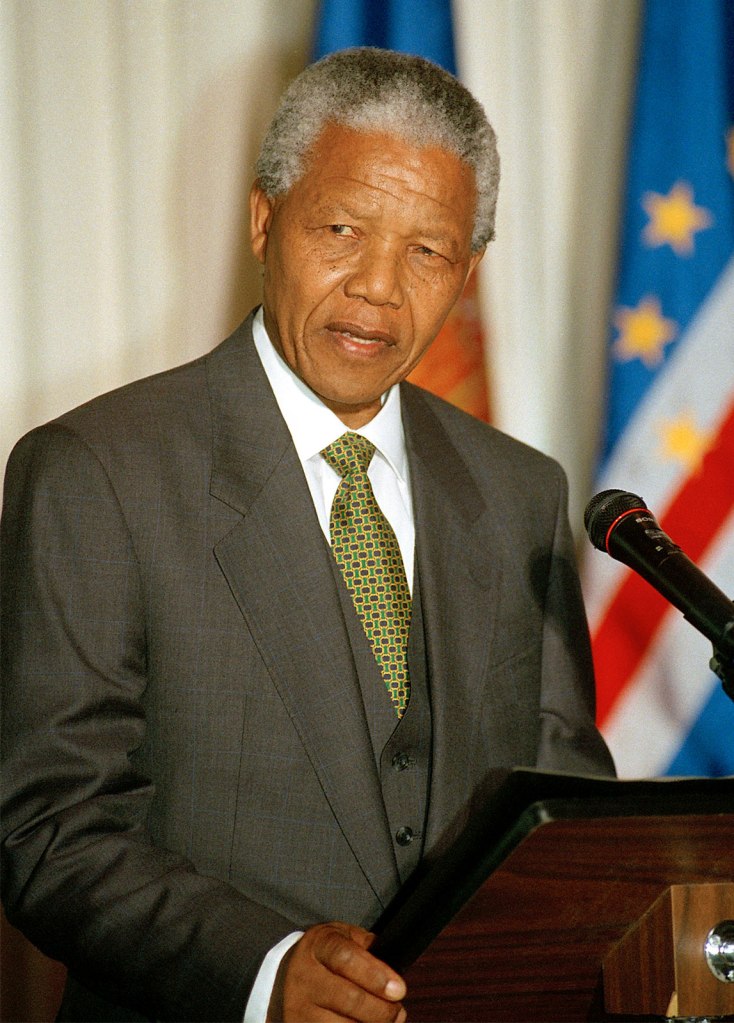
July 18th every year is observed as the Nelson Mandela International day ever since 2009. Nelson Mandela’s full name was Nelson Rolihlahla Mandela and he was also known as Madiba. He was born on July 18, 1918, in South Africa and died on December 5, 2013. He was a Black Nationalist and is popularly known as the first Black president of South Africa. He is also known for his negotiations in the 1990s with the then South African President F.W. de Klerk which helped in ending the apartheid system in the country. Later in 1993, both, Mandela and de Klerk received the Nobel Peace Prize for their efforts.
Life
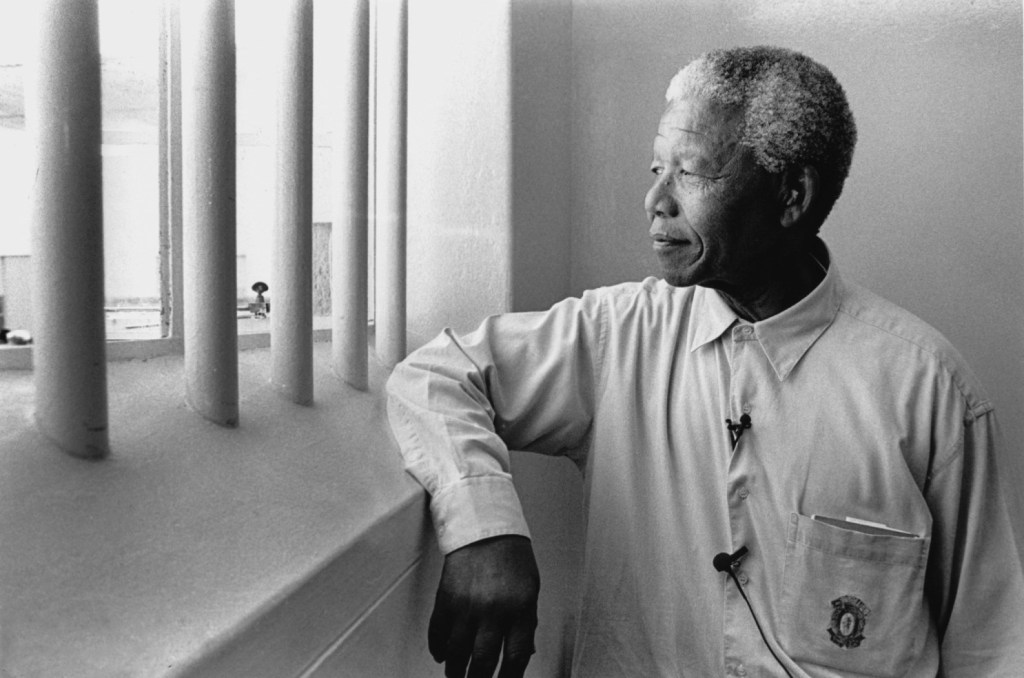
Nelson Mandela studied law at the University of Witwatersrand. He joined the African National Congress (ANC) in 1944 and became the leader of its Youth League. He established the first black law practice in 1952 in Johannesburg, his focal cases were of racial segregation. He was a part of drafting the Freedom Charter, a document demanding nonracial social democracy, in 1955. Because of actions against the apartheid legislation, he became a target and was banned and arrested on charges of treason in the year 1956 but was acquitted in 1961.
He was trained in guerrilla warfare and sabotage in 1962 but the same year he was arrested again and was sentenced to five years in prison. After the trial where he made his famous speech “I Am Prepared to Die”, he was sentenced to life imprisonment only narrowly evading the death penalty. During this sentence, he was held at the Robben Island Prison off Cape Town. He was released under the government of President de Klerk on February 11, 1990, soon after which he was made the deputy president of the ANC, he then became president of the party in 1991.
Mandela won the first elections by universal suffrage and also was sworn as the president of the first multiethnic government. In 1995, he established the Truth and Reconciliation Commission (TRC) which’s work was to investigate human rights violations that took place during the apartheid. He then resigned from ANC in December 1997. He didn’t seek a second term and transferred the presidency to his successor in 1999. He established the Nelson Mandela Foundation in 1999 through which he kept working as an advocate of peace, reconciliations, and social justice.
Mandela and Gandhi
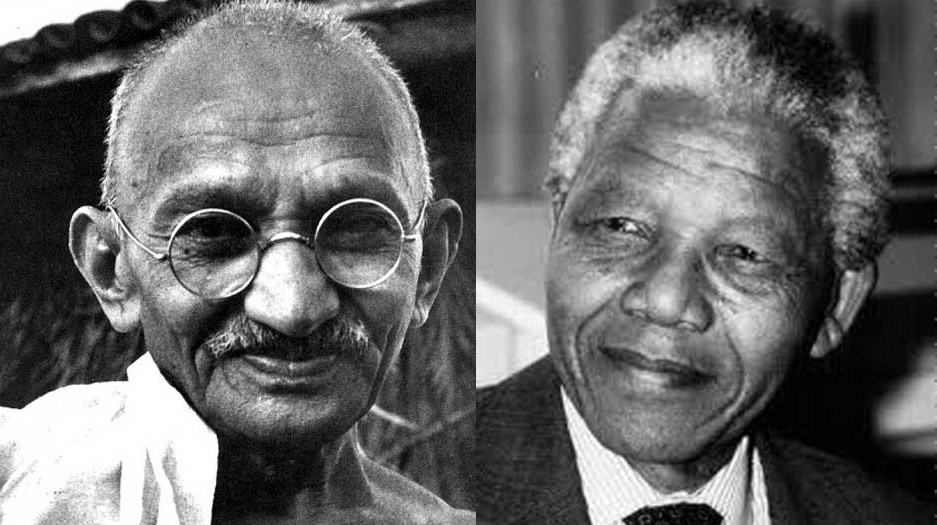
Mandela had said that Gandhiji was his role model and that he inspired him to lead South Africa on its journey of independence. He was also sometimes referred to as the “Gandhi of South Africa”. Although both of them did not meet each other, yet some similarities can be noticed such as, both emphasized moral power being a force to reckon with. Both of them were lawyers and spent time in Johannesburg’s old fort prison although it was during different years, Gandhiji in 1906 and Mandela in 1962. It is also said that during Mandela’s 27 years at the Robben Island prison, he was in the room full of books of Gandhiji, where he spent time meditating and reflecting to rid his soul of the bitterness. It was a big coincidence that two of the most inspiring world leaders had a connection to South Africa.
Conclusion
The theme of Nelson Mandela International Day 2021 is One Hand Can Feed Another. Everyone should take some time out to read about Nelson Mandela’s journey and then read about issues of violence and security around the world to understand better and play our part in the fight to make the world more peaceful.
 Eduindex
You must be logged in to post a comment.