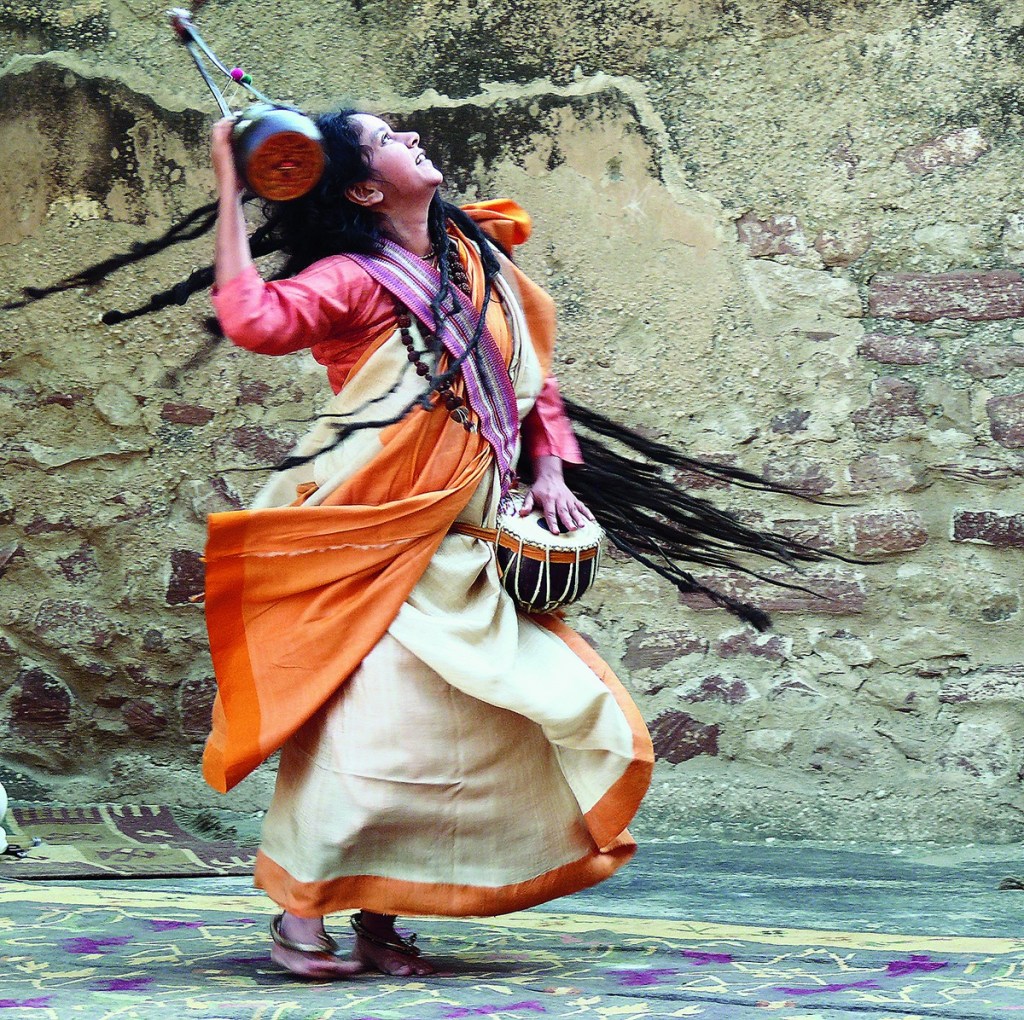
Bauls of Bengal: The Devoted Folk Singers

Parvathy Baul

Introduction

The Bauls of Bengal are an order of wandering folk singers that have kept their philosophies alive for centuries. But modern demands threaten to overtake their simple, itinerant lifestyles. Now, an audio-visual record is being taken to keep their vocal traditions alive for generations yet to come.
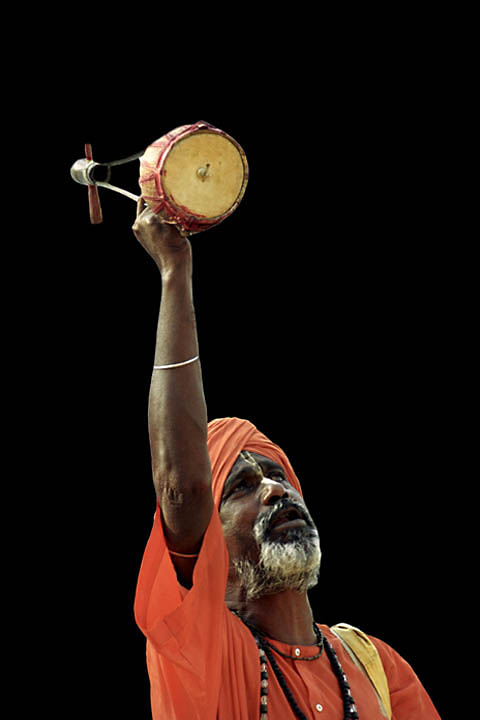
A Baul holding a Dotara

Bauls : Who They Are

In the Bengal region of South Asia, however, itinerant mystics are still welcomed widely, respected for their sincere but simple way of life, and rewarded for the brilliance of their performances, sharing memorable poetry and music, mainly with rural communities, much as they have done for several centuries. These are the Bauls of Bengal – a group that pursue a life of self-denial and meditative discipline, committed to a belief that ‘the ultimate’ existence is to be found, not so much through rituals in holy places, but in every ‘self’ and are enthusiastic to share this passion almost exclusively through their art. Bauls belong to an unorthodox devotional tradition, influenced by Hinduism, Buddhism, Vaishnavism and Sufi Islam, yet distinctly different from them. Bauls neither identify themselves with any organized religion nor with the caste system, special deities, temples or sacred places. They share only one belief —that God is hidden within the heart of man and neither priest, prophet, nor the ritual of any organized religion will help one to find Him there. To them we are all a gift of divine power and the body is a temple, music being the path to connect to that power.
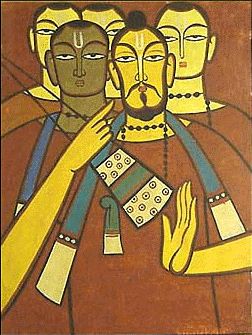
Bauls artwork by Jamini Roy

Historic Background

The word Baul comes from the Sanskrit word “Batul,” which means mad and is used for someone who is possessed or crazy for God. The Bauls are wandering minstrels of West Bengal and Bangladesh, whose song and dance reflect the joy, love and longing for mystical union with the Divine. The Baul tradition of mendicancy – ascetics who entertain in exchange for subsistence – has ancient origins, and seems to have thrived well before the rule of the great Mughal Emperors from the 16th to 18th centuries, a period during which Islam spread eastwards from the Middle East to Bengal and beyond. Originally the district of Birbhum in West Bengal was the seat of all Baul activity. Later, the Baul domain stretched to Tripura in the north, Bangladesh in the east, and parts of Bihar and Orissa in the west and south respectively. In Bangladesh, the districts of Chittagong, Sylhet, Mymensingh and Tangyl are famous for Bauls. Bauls from far off places come to participate in the Kenduli Mela and the Shantiniketan Poush Mela –the two most important fairs held in West Bengal for Baul music.
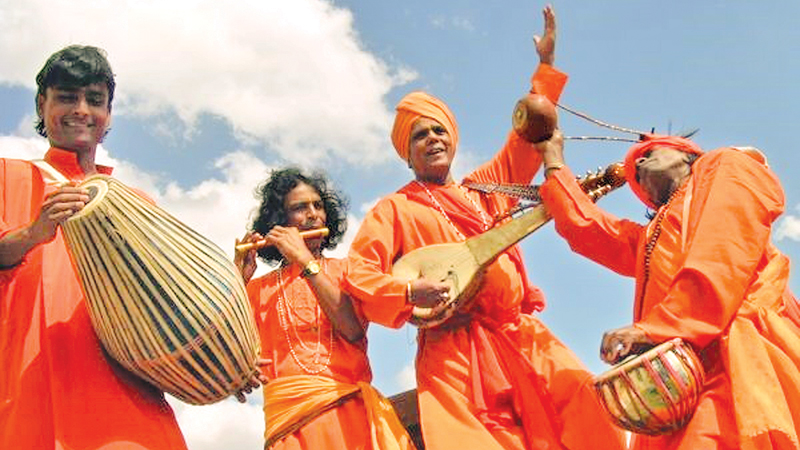
A group of Bauls in Bengal

The Characteristics and Attires

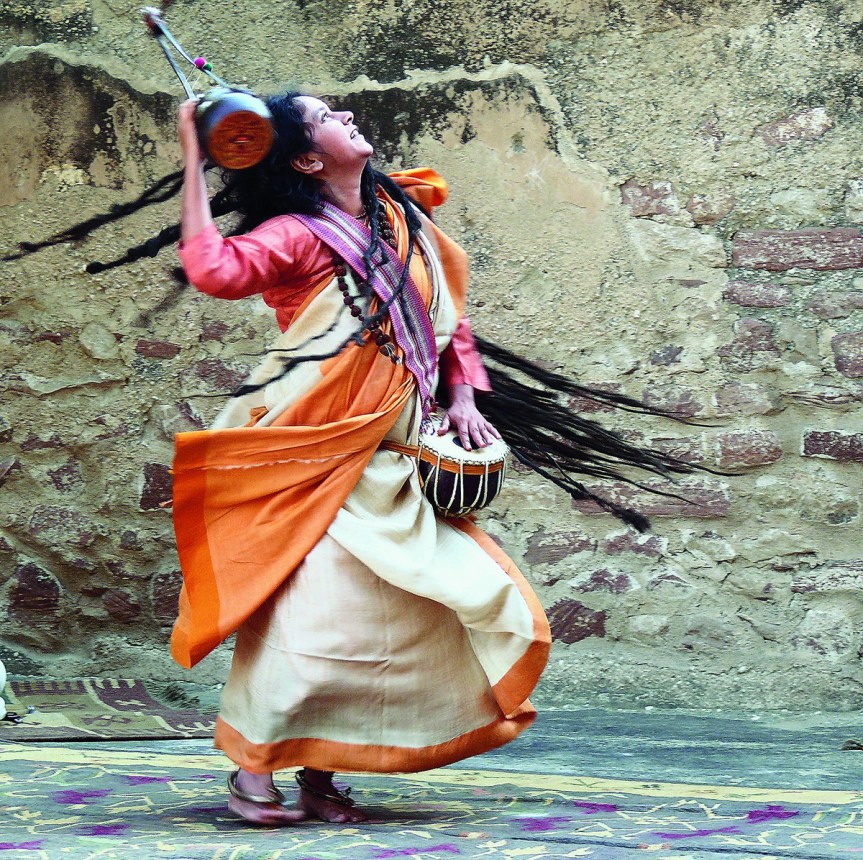
They can often be identified by their distinctive clothes and musical instruments. It’s easy to identify a Baul singer from his uncut, often coiled hair, saffron robe (alkhalla), a necklace of beads made of basil (tulsi) stems. Bauls use a number of musical instruments: the most common is the ektara, a one-stringed “plucked drum” drone instrument, carved from the epicarp of a gourd, and made of bamboo and goatskin. Others include the dotara, a long-necked fretless lute (while the name literally means “two stringed” it usually has four metal strings) made of the wood of a jackfruit or neem tree; besides khamak one-headed drum with a string attached to it which is plucked. The only difference from ektara is that no bamboo is used to stretch the string, which is held by one hand, while being plucked by another. Drums like the duggi a small hand-held earthen drum, and dhol and khol; small cymbals called kartal and manjira, and the bamboo flute are also used. Ghungur and nupur are anklets with bells that ring while the person wearing them dances.
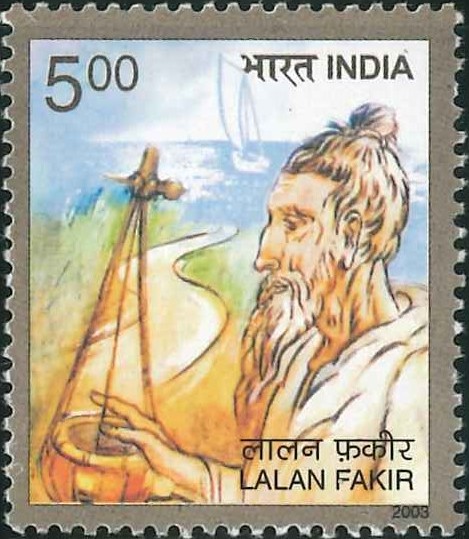
Lalan Fakir

Lalan Fakir : The Legend of Baul Movement

 Lalan Fakir (1774 -1890), the greatest of all Bauls, continued to compose and sing songs for decades without ever stopping to correct them or put them on paper. He composed a thousand songs, of which just 600 can be traced. It was only after his death that people thought of collecting and compiling his repertoire. He rejected the division of society into communities, protesting and satirising religious fundamentalism of all kinds. Lalan’s metaphysical lyrics raise a basic question – that if there is a single creator then why so many religions exist ? This is a pertinent problem in today’s world; we all know that the different ‘Gods’ have created acrimony between races and sects and as of today this concept of different ‘Gods’ remains the most decisive divisive force on planet Earth. His most famous song quoted, “Khanchar Bhitor Ochin Pakhi Kemne Ase Jay”. In 2004, Lalan was ranked 12 in BBC’s poll of the Greatest Bengali of all time.
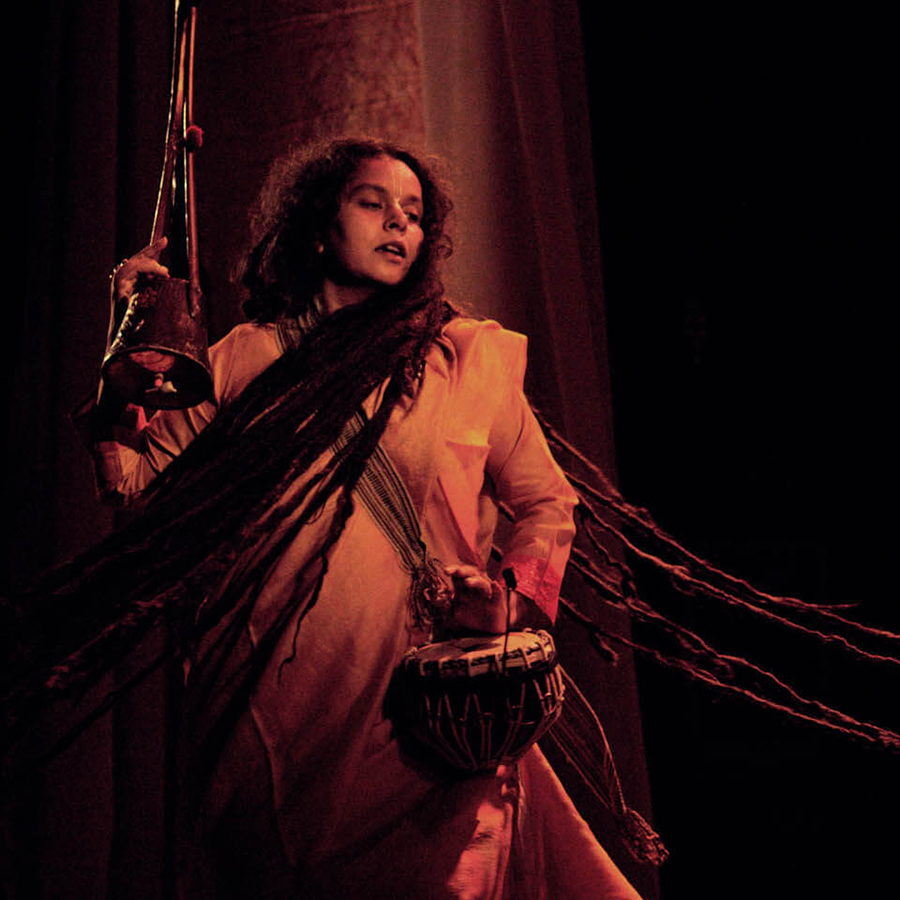
Parvathy Baul

Baul Philosophy

Bauls do not believe in the pious ‘other world’ and most of the times deny the presence of super powers. Looking from a different angle it can be said that according to them, ‘God’ resides in each human being and it is for the human being to realise this truth, the human beings are the best exponents of spirituality ever to tread on this Earth. Nowhere did this philosophy leave its imprint more powerfully than on the work of Rabindranath Tagore, who talked of Bauls in a number of speeches in Europe in the 1930s. An essay based on these was compiled into his English book ‘The religion of man’. An important part of Baul philosophy is “Deha tatta”, a spirituality related to the body rather than the mind. They seek the divinity in human beings. Often, the lyrics philosophize on love and stress to remain unattached and unconsumed by the pleasures of life even while enjoying them. Baul music celebrates celestial love, but does this in very earthy terms.
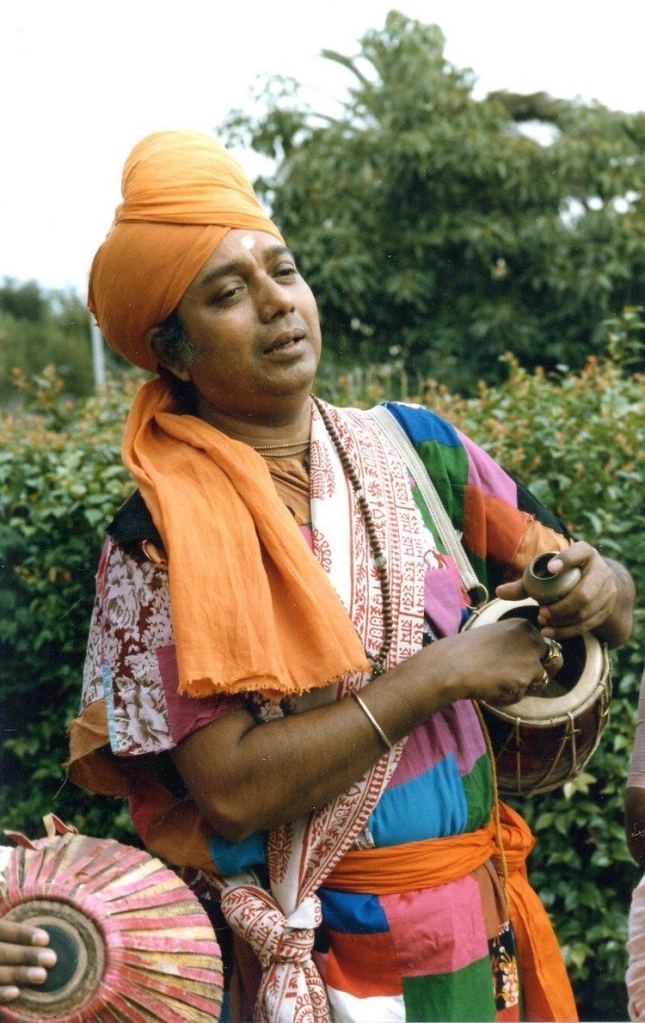
Purna Das Baul

International Connection

Referred to as the Baul Samrat, Purna Das Baul, introduced Baul songs to the West during an eight-months tour of the US in 1965 with stars like Bob Dylan, Joan Baez, Paul Robeson, Mick Jagger, Tina Turner, and all. Dubbed “India’s Bob Dylan” by the New York Times in 1984, Purna Das Baul has played with Bob Marley, Gordon Lightfoot and Mahalia Jackson and the likes. Currently another version of Baul called the folk fusion also called baul rock is also greatly accepted by the audience, especially in West Bengal. Kartik Das Baul has taken baul to different heights by associating himself with folk fusion. This type of baul was brought into the world of music by ‘Bolepur Bluez’, which was world’s first folk fusion band. There are also the Western Bauls in America and Europe under the spiritual direction of Lee Lozowick, a student of Yogi Ramsuratkumar. Their music is quite different (rock /gospel/ blues) but the essence of the spiritual practices of the East is well maintained.
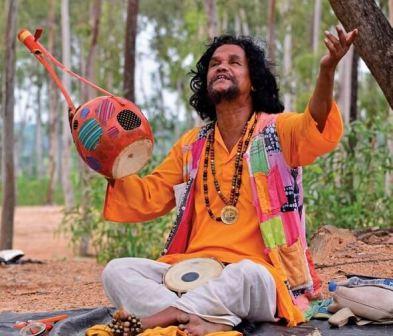
A Baul in Shantiniketan,Birbhum

Conclusion

The tradition is so integral to Bengal that it’s hard to think of Bengali culture sans the Bauls. They’re not only an intrinsic part of Bengal’s music, they’re in the mud and air of this land and in the mind and blood of its people. The spirit of the Bauls is the spirit of Bengal– ever-flowing in its society and culture, literature and art, religion and spirituality.

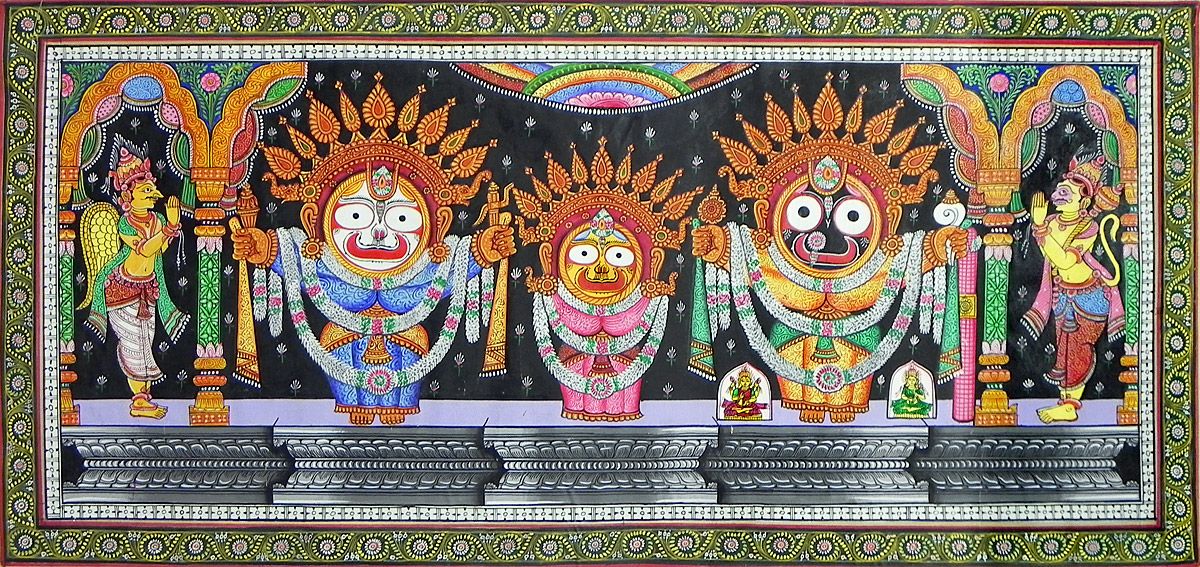
PATTACHITRA: AN INDEGENOUS FOLK AND TRIBAL ART OF ODISHA

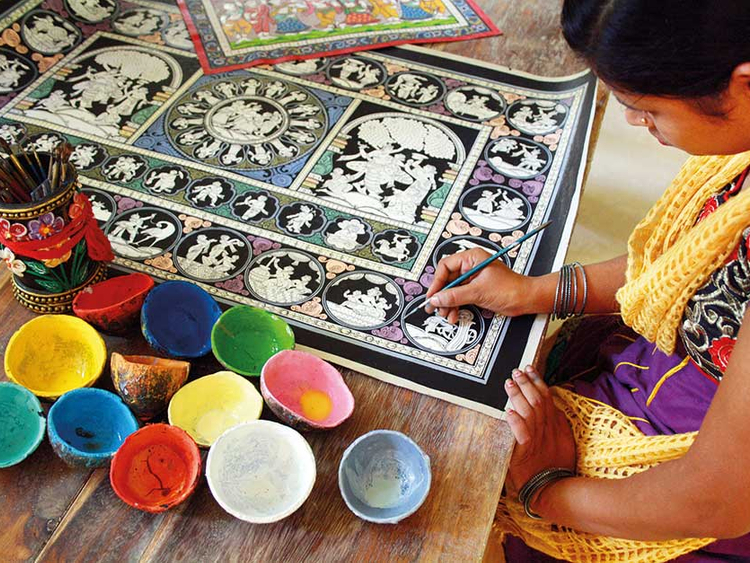
Pattachitra or Patachitra is the ancient traditional and indigenous cloth based painting technique of Odisha and is highly known for its intricate details. The word Pattachitra is derived from Sanskrit words, “Patta” meaning canvas and “Chitra” meaning painting or picture. Thus, Pattachitra is painting which is done on canvas and makes use of rich colors, creative motifs and designs for mythological narratives and folktales.

Pattachitra is a traditional and popular art forms of Odisha, India and is inspired by Jagannath and Vaishava. The specialty of the painting is that, it uses colors that are natural and are fully made by Chitraakaras or Odiya Painter. The tradition of Pattachitra painting is more than thousand years old and is still practiced in the state.

HISTORY OF THE ART FORM

The arts inscribed in “Pattachitra” resemble the ancient murals of Odisha and Lord Jagannath is taken as the source of the art form. The artform mainly shows the religious centers of Puri, Konark and Bhubaneswar region and the best works of the artform are found in and around Puri and especially in village of Raghurajpur. Other such regions were the artform is still being practiced in Paralakhemundi, Chikiti and Sonepur. The color schemes used in the artform are similar to the color schemes of deities of Puri. The wooden statues of the three deities of Puri are covered with cloth and are painted with the four limited colors of red, yellow, white and black. These deities also have their traditional art and painting which shows their life events and different tales and these are as old as the deities themselves.

Some of the popular tales or themes that are depicted in this art form are “Thia Badhia: A Depiction fo temple of Jagannath”, “Krishna Lila: Enactment of Jagannath as Lord Krishna and his powers displayed during his childhood”, “Panchamukhi: Depiction of Lord Ganesh as a five headed deity” etc. These themes are the soul of the art form and are the true reason behind the existence of this artform. The artform requires unbending concentration and careful craftmanship and it takes nearly five days of work for completing the art and it may take long or shorter period onnthe basis of the complexity of work and labour required.

Pattachitra showing Krishna Lila
Pattachitra showing Thia Badhia
Pattachitra showing Panchamukhi

THE MAKING OF PATTACHITRA

Making of Pattachitra

While making Pattachitra following steps are followed:

  1. Making the Patta : Done with the help of tamarind paste and my soaking tamarind seeds in water for three days and then are crushed to make paste which is called Niryas Kalpa.
  2. Holding the two pieces of cloth together with the tamarind paste and coating a powder of soft clay to make it firm.
  3. After the cloth becomes dry, it is polished with rough stone followed by wood or smooth stone until the surface becomes smooth and leathery.
  4. The canvas is ready for being painted.
  5. Preparing the paste using naturally available raw materials to being about indigenous paints. This is the most important step in preparation of Pattachitra.
  6. The root of Keya plant is the most common ingredient used for making the brush and then the cloth is painted.

WHAT MAKES PATTACHITRA SPECIAL ?

Pattachitra Wood Necklace

Pattachitra painting is a disciplined art form and the makers always stick to the use of natural products only for making Pattachitras. They have certain rules the follow and abide by while making an artform and end up creating remarkable paintings that depict emotions, tales, history, culture etc. and the Chitrakars try their best to being the most accurate expression through the use of the rich colorful motifs.

Pattachitra has came a long way and has gone through large number of transitions and the chitrakaras have painted on tussar silk and even on palm leaves. Wall hangings and showpieces are also being created. And all this is done by strictly following the rules and these have remained intact throughout generations.

Pattachitra Wall Hanging

Top 10 Musical Countries In The World

When we explore the musical industry every country in the world is about different culture, articulation, creation and meaning of music which make it stand out from others and make more fun, starting with this list of most musical countries of world, the first is:

1.THE UNITED KINGDOM:

The country has been a great producer and source of musical creation, with its artistic base from history of the United Kingdom, from church music, western culture with ancient and traditional folk music.

In 20th century, musicians from the UK became dominant in musical culture, which led to explosion of POP and ROCK music acts. Hence, the UK has become one of the world’s largest music industries today, with many British artists influencing the modern music.

Each country as mentioned above has different form of folk music:

English Folk Music

Northern Irish Music

Scottish Folk Music

Welsh Folk Music

Popular form of music from the UK includes: English Folk, Jazz, Rapping, Hip-Hop, Pop, Rock, British Folk Rock, Drum and Bass, Heavy Metal.

With that the UK has given us the most famous Music Artist we have at present and we’ve been listening to them from very beginning: The Beatles, Queen, The Who, The Rolling Stones, Pink Floyd, David Brownie and so many more.

2. THE UNITED STATES:

Music here reflects the country’s multi-ethnic population through a diverse array of styles. It is influenced by music mixture from that of West African, Irish and Scottish.

The United States’ music is heard by people all over the world and they love it. In 17th Century, after Native American played their first music, immigrants from different countries of the UK, Ireland, Germany bought their own musical instruments and African slaves bought in their own musical tradition.

The US also had documented folk music and recorded popular music in ethnic styles of Ukrainian, Irish, Scottish and Jewish among other communities.

Popular music genres of the US includes: Blues and Gospel, Jazz, R&B, Rock, Metal, Punk, Techno and Latin American Music.

Popular Artists: Eminem, Taylor Swift, Rihanna, Madonna, Beyonce, Bob Dylan and so many more.

3. GERMANY:

Germany comes up as a largest music market in Europe and third in the list of world music industry.

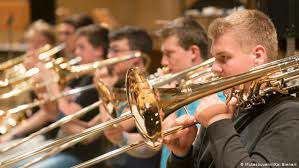
German classical is most performed in world, including Pop Rock, Punk, Disco and Indie. German Electronic music gained global influence along with Electro and Techno scene being internationally popular.

Germany hosts large rock musical festivals annually. One of them is: Rock am Ring Festival, the largest in world. Since 1990, Berlin has developed a diverse music and entertainment industry.

Coming to Classical Music, Germany is the largest in its development. They host the largest Classical Summer Music Festival: Schleswig-Holstein Musik Festival.

Classical Music of Germany includes:

Chorale (Vibrant and Energetic)

Opera

Baroque Period

Classical Era

Romantic Era

Apart from this included the Folk and English Popular music from Germany which are great hit among the people of world.

4. IRELAND:

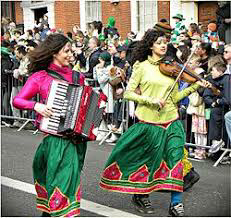
Irish music has been created in various genres in Ireland. The indigenous music is known as Irish Traditional Music which has been vibrant for ages despite globalizing cultural forces. Even after influencing from all the music from Britain, The US and other cultures, Irish music has kept its influence and has impact on modern rock music.

Some of the fusion artists have attained mainstream success.

Irish has produced Traditional music, popular modern music, Folk music and Classical Music.

Popular genres developed there were: Pop, Rock, Techno, Rock and Roll, Fusion music.

Famous Artists: Westlife, Van Morrison, Boyzone and the Cranberries.

5. INDIA:

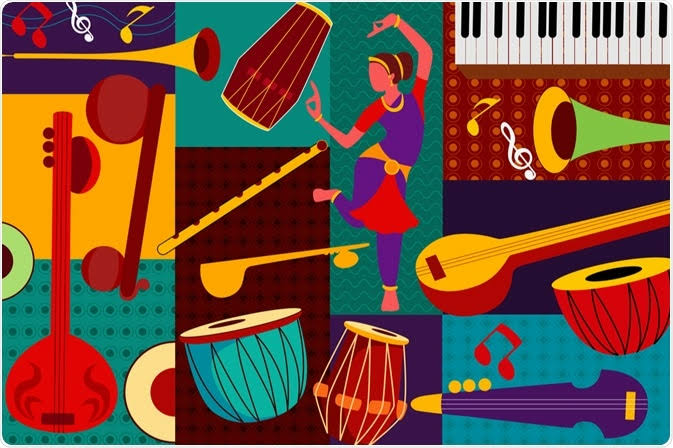
Music of India stands 5th in the list of world musical countries, including all genres classical, folk, Indian rock and Indian pop. Music here began as an integral part of socio-religious life.

Indian Music has numerous genres:

Classical Music- Hindustani and Carnatic Music (Dhrupad, Dhamar, Sadra, Raga, Tala, Pallavi)

Light Classical- Thumri, Sangeet, Qawwali, Ghazal

Folk Music- Which is different from different states of India because of diverse culture

Then we have Indian Pop, Rock and Metal, Indian Rock, Raga Rock, Jazz and Blues.

6. MEXICO:

The music culture here is diverse and is a mixture of musical genres and performances styles and influence majorly by culture of indigenous people of Mexico and Europe.

They have wide classification of music starting from:

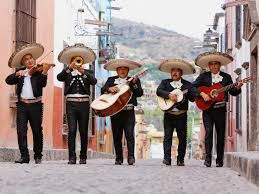
Traditional Music which is majorly divided in two forms- By musical form and styles –Corrido, Mexican Danzon, Mexican Bolero and By types of ensembles- Banda, Mariachi and Marimba.

Popular Folk Music had Grupera influenced by the styles of cumbia, norteno and reached heights of popularity in rural areas.

Popular Music had genres like Pop, Rock, Latin Alternative, Mexican Ska, Electronic.

Whereas Art Music includes Operas, Classical and Jazz which makes Mexican music culture rich of different forms and artistic editions.

7. ITALY:

Italian music is a traditional marker of Italian national culture and ethnic identity, which holds important position in society and politics. Music innovation- harmony, notation and theatre- helped in development of Opera.

Italian folk music is an important part of musical heritage of country and includes diverse arrays of styles, dance and instruments.

Characteristics of the music majorly revolved around- Society and Politics.

Classical Music included- Ballet, Sacred and Instrumental Music, Experimental Music

Folk music had deep and complex history depending on regions, songs, dance and instrumentation.

Popular music consisted of: Modern Pop, modern dance, imported styles.

Along with rich music culture, Italy hosts a lot of large music festivals – Sanremo Music festival being one of those.

8. SWEDEN:

Music of Sweden shares a touch of Nordic folk Dance with its neighboring Northern Europe Countries. The instrumental genre is the biggest in Swedish Traditional music.

Swedish music also included more modern pop and modern influences. Sweden is one of the world’s most successful exporters of popular music.

Classical music included Choral genre.

Modern music again had- Jazz, Pop, Bubblegum dance, hip-hop, rock, punk rock and heavy metal.

Progressive and Jazz-rock music along with electronic gained much popularity from the country.

9. JAPAN:

They have wide array of performers from traditional and modern music. Japan is the largest physical music market in world. Traditional music here differs a lot from the western music.

Traditional and Folk Music- Minyo – which had 4 categories- Work, Religious, Gatherings and Child songs

Okinawan Folk music- dance songs, celebratory music.

Western music consisted of traditional pop music, western classic and orchestras.

Popular music came with Jazz, Idol music, dance and disco music, rock and heavy metal along with Theme music, game music, noise music.

10. AUSTRIA:

Slavic and Hungarian forms influenced the Austrian Music culture. Yodeling, was a form of singing involving the rapid and repeated changes of registers, was called ‘juchizn’ by Austrians.

Then with upcoming technologies came the development of Rock and Pop music in Austria and they started hosting annual music festival show casing European Music Arts.