



Pandit Jawaharlal Nehru, the late Prime Minister of India, referred to Puducherry as “the Window of French Culture.”
Once the French’s primary headquarters in India, Puducherry is often nicknamed “The Paris of the East”. For 138 years, the French governed the Union Territory. It once had solely French as its official language. The town’s distinctiveness is intricately bound to its exquisite city planning and Franco Tamil architecture. The city is modelled after a late-eighteenth-century fortified French port town, “bastide”. This magnificent destination has incredibly beautiful geography along the seashores, coconut trees, and a diverse range of fauna and vegetation.
The former French settlements- Puducherry, Karaikal, Mache, and Yanam are all part of the Union Territory of Puducherry. The states of Tamilnadu and Kerala surround Puducherry and Karaikal, whereas Kerala and Andhra Pradesh surround Mahe and Yanam. It has many scenic places to visit like:
Paradise Beach


Paradise Beach, often known as Plage Paradiso, is located near Pondicherry town in Chunnambar. The beach fringed with golden sand, is relatively undiscovered. a 20- to 30-minute ferry ride over the backwaters is the only way to get here. The breathtaking ferry trip from the boathouse to the beach adds to the thrills; the backwaters on the way to the beach are lush and densely forested with mangrove plants. A plethora of birds can be seen while on the journey. Early morning, Paradise Beach is a great spot to catch a glimpse of the eastern shore’s dawn. A number of water sports facilities are also available. Visitors can also try their hand at fishing by renting fishing rods and nets.
White Town
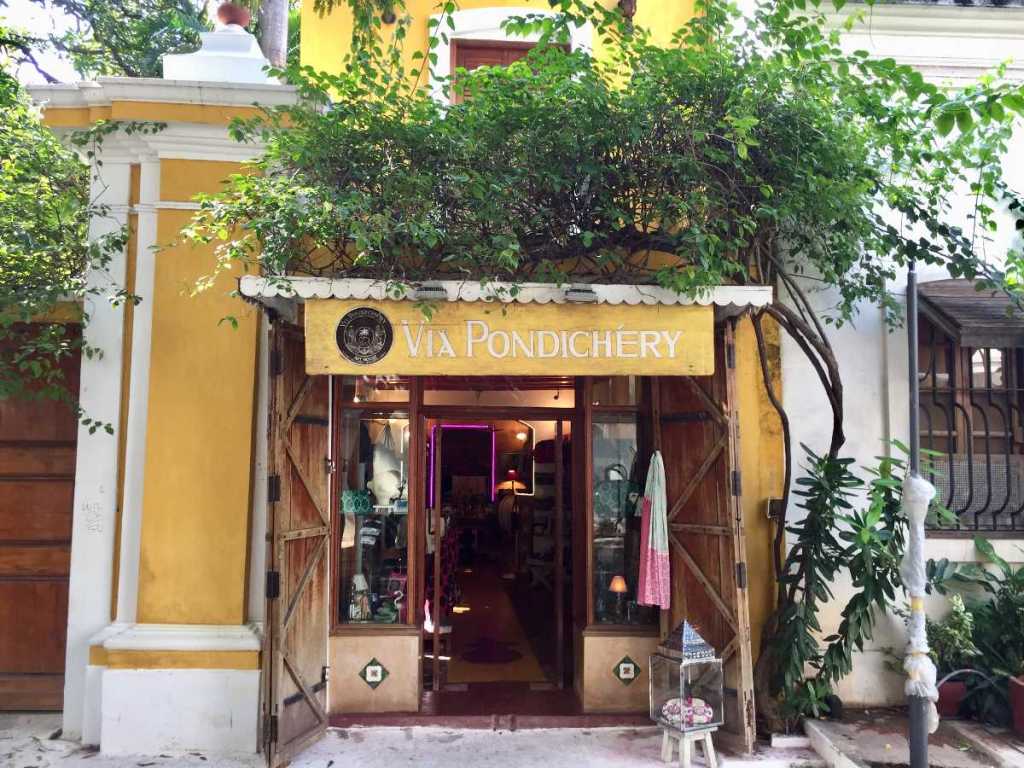
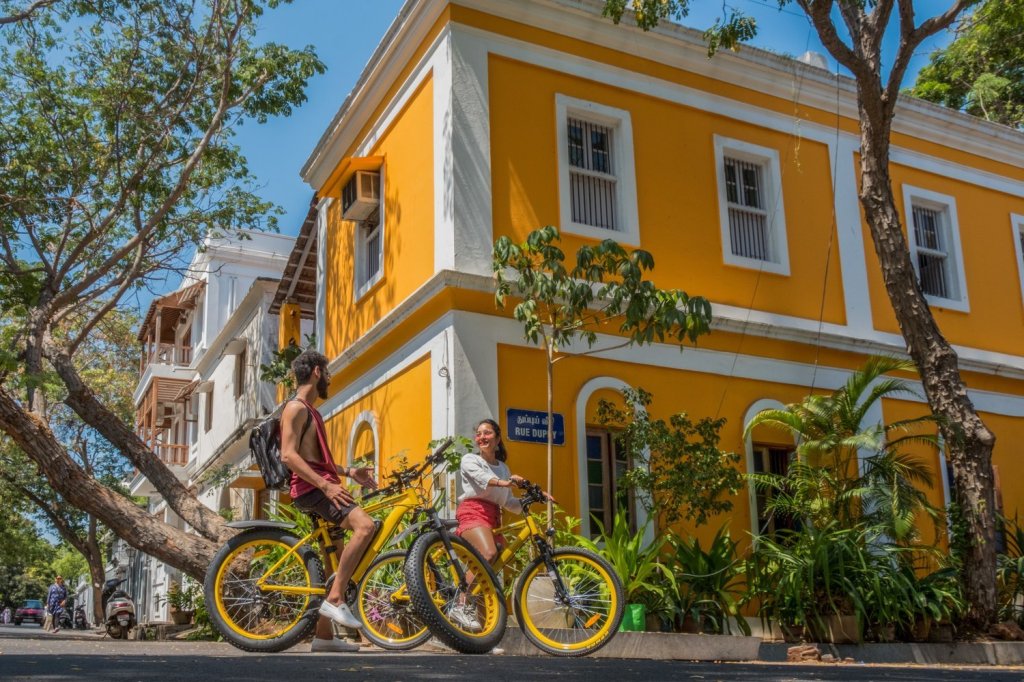
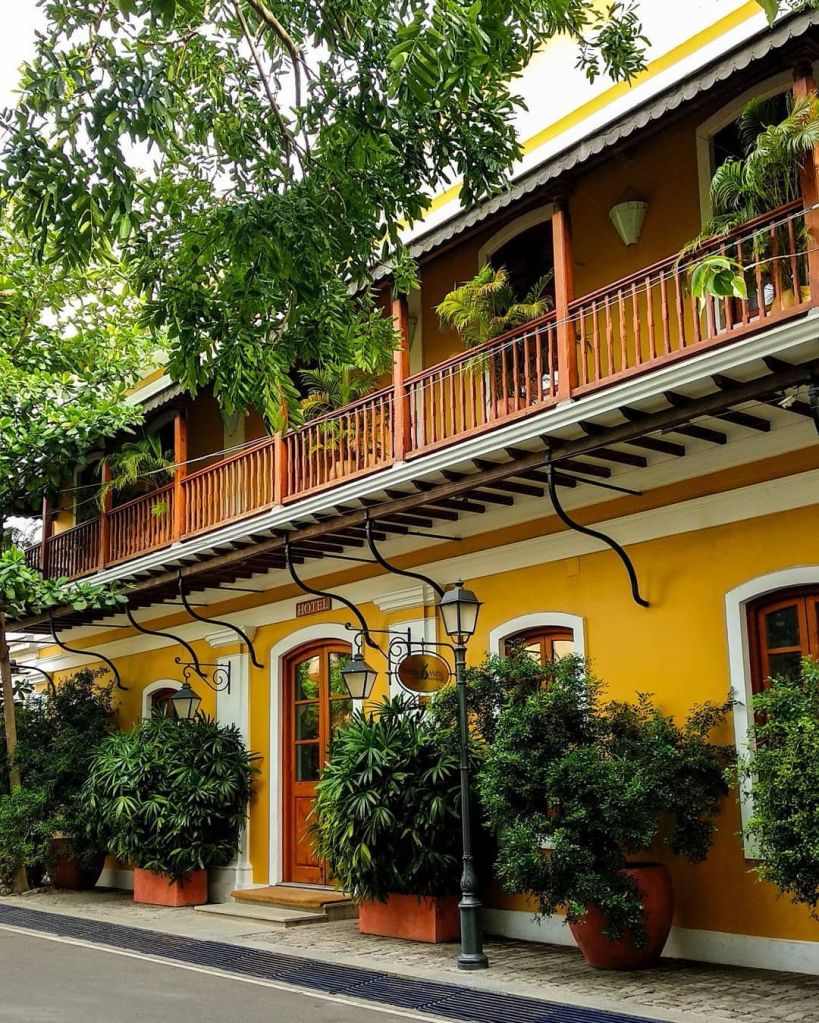

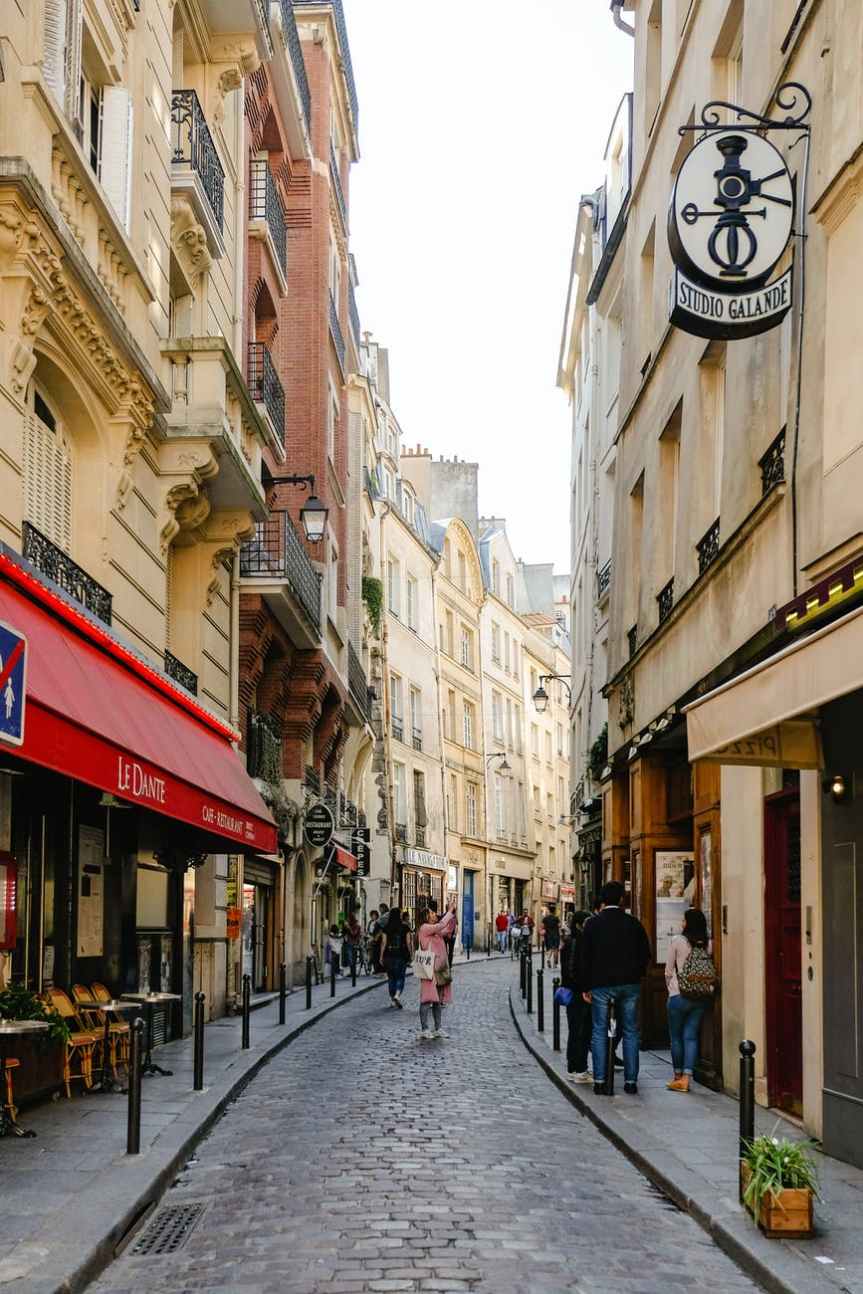
White Town, also dubbed as the French Colony of Puducherry, is a residential enclave in town with an intertwined culture of Tamils and primitive French families. The colony retains the old-world elegance, prettiness, and architecture of historic French Quarters, with cobblestone lanes and mustard yellow dwellings. The majority of them refurbished into vintage hotels, eateries, unique cafés, and art museums. The structures are typically painted in tones of pastel yellow, and the well-kept walkways are flanked with beautiful trees. White Town, known as the former French headquarters, borrows heavily from foreign culture, which is also a hallmark of the area. Furthermore, it is famed for its attractive but pricey marketplace, which is primarily comprised of boutiques, high-end labels, and stores that deal in highly customized stuff. The majority of those are still owned and operated by French nationalists.
Basilica of the Sacred Heart of Jesus


This church was built by French missionaries in 1908 and was accorded the status of Basilica in 2011. It is one of India’s 21 Basilicas and the only one in Pondicherry. The Church of the Sacred Heart of Jesus, one of Pondicherry’s most beautiful Catholic churches, is a stellar example of Gothic architecture. Biblical texts, as well as depictions of Jesus and Mother Mary, are etched in Latin on the entrance door. New Year’s Eve, Christmas Eve, and Easter Day are all lavishly celebrated in the church. The stained-glass panels of the architecture depict Christ’s life as well as the lives of the Catholic Church’s saints. The church is Pondicherry’s first basilica, the 6th in Tamil Nadu, the 20th in India, and the 50th in Asia.
Scuba Diving

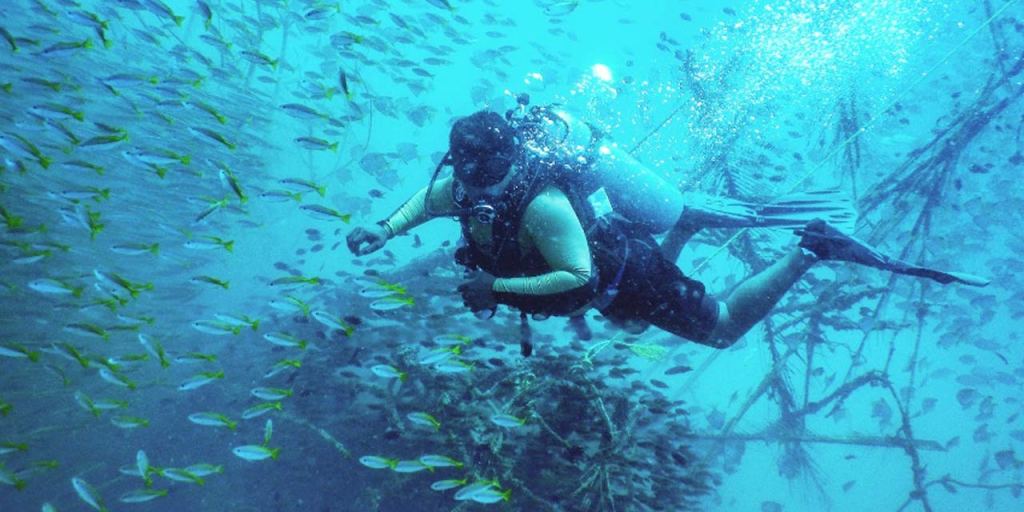
Pondicherry, rich in stunning marine life, provides an unparalleled scuba diving expedition off the country’s Eastern Shore. A dive into the sea will allow you to see spectacular coral reefs as well as fascinating creatures including manta rays, kingfish, sea snakes, lionfish, butterflies, crustaceans, moray eels, and more. Whale sharks, sharks, dolphins, and turtles are all possible sightings. Pondicherry is an enticing diving destination.
Auroville Ashram
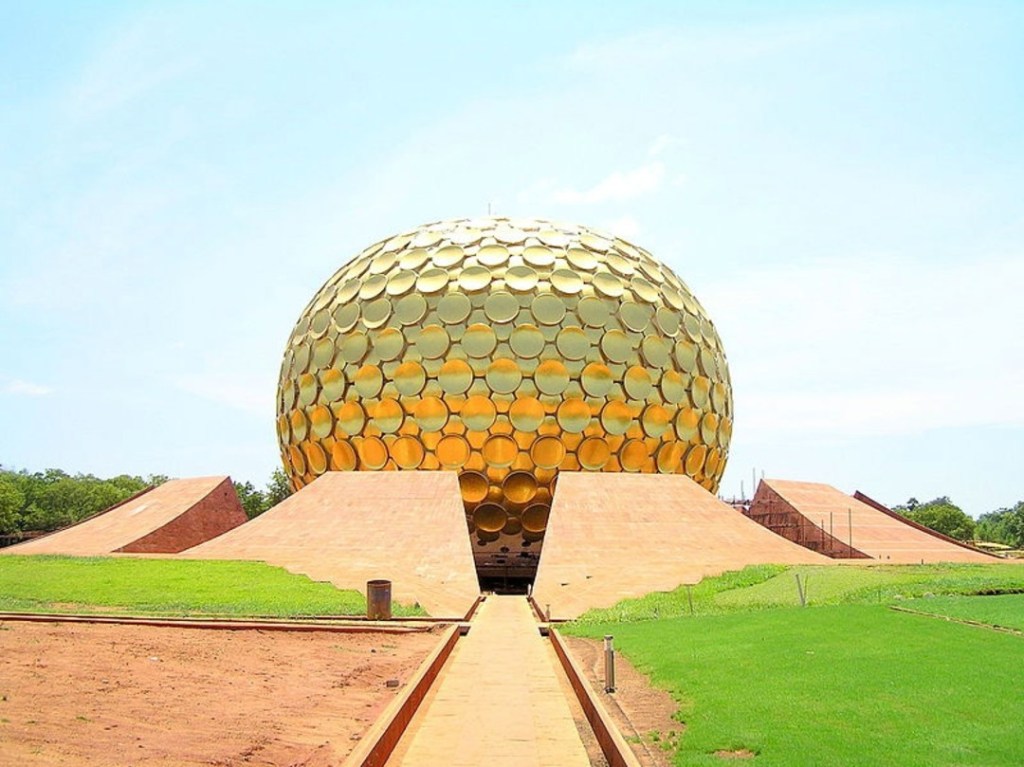
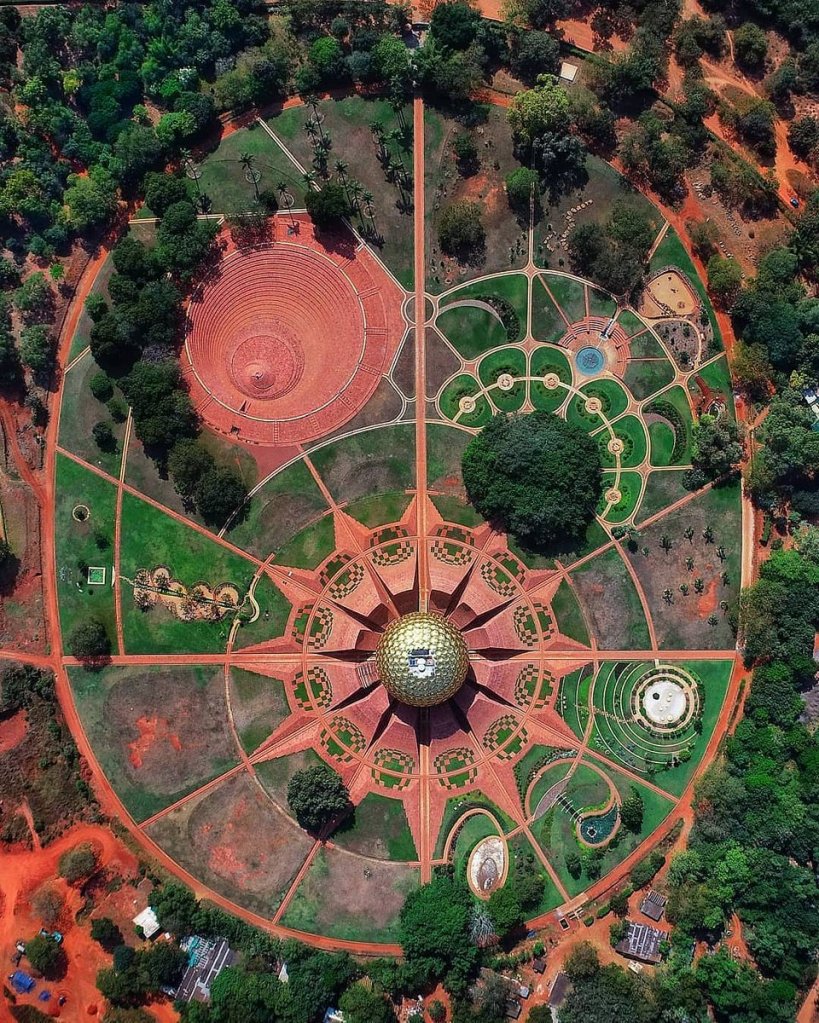

The Auroville Ashram dubbed the “Universal Town,” is an experimental township whose goal is to build a community wherein folks from all nationalities and faiths could dwell together in harmony. It was founded in 1926 by Sri Aurobindo and a disciple of Shri Aurobindo, a French Lady known as ‘Maa’ or ‘The Mother.’ The Indian government backed the initiative, and UNESCO praised it in a 1966 resolution, calling it “a project of vital importance to humanity’s future.” In 1968, the town was formally established.
The architecture of the city is as remarkable as the concept. With the famous Matrimandir in the core and gardens ringing it, the city is laid out in a circle with a radius of 1.25 kilometres. The city’s central business district, cultural corridor, peace zone, and residential zone are all located just beyond the city borders. The city is surrounded by a “green belt” that acts as a wildlife habitat, a food/timber source, and a buffer against urban development, among other things.
 Eduindex