GANGA RIVER

GANGES

INTRODUCTION

The Ganges is the largest river in India with a profound religious significance. It is known by several names, including Jahnavi, Gange, Shubhra, Sapteshwari, Nikita, Bhagirathi, Alaknanda, and Vishnupadi. Nothing can match the ever-lasting divinity of the holy River Ganga; the sacred river is a true mother by all means.

HISTORY

Bhagiratha was a legendary king of the Ikshvaku dynasty. He brought the River Ganga to Earth from the heavens because only shecould bestow nirvana to Bhagiratha’s ancestors who were cursed by Sage Kapila. After years of great penance, River Ganga descended on Earth and Lord Shiva agreed to channelize her flow. Therefore, River Ganga flowed from Lord Shiva’s hair. The place where the sacred river originated is known as Gangotri in present times, and since the river originated from Lord Shiva’s Jata (hair) it is also called Jatashankari. 

While flowing, the Ganga demolished the ashram of sage Jahna who became furious and stopped her movement. On Bhagirath’s appeal, the sage freed her; therefore, Ganga is also called Jahnavi. The Ganga then reached sage Kapil’s ashram, where Bhagirath’s ancestors were burnt to ashes and liberated to rest in peace.

HOLY RIVER

The Ganga is the only river that flows from all the three worlds – Heaven/Swarga, Earth/Prithvi, and Hell/Patala. The person who has traveled to all three worlds is addressed as Tripathaga in the Sanskrit language. 

In Hinduism, the holy River Ganga is personified and personalized as the Goddess Ganga. The followers of the Hindu religion believe that bathing in the pious Ganga can help wash all sins. People also believe that a mere touch of the river can help attain moksha (salvation) and so the ashes of the dead are immersed in the sacred river.

THE GANGA AARTI

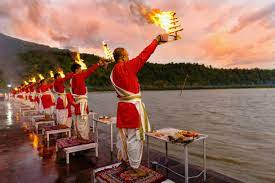
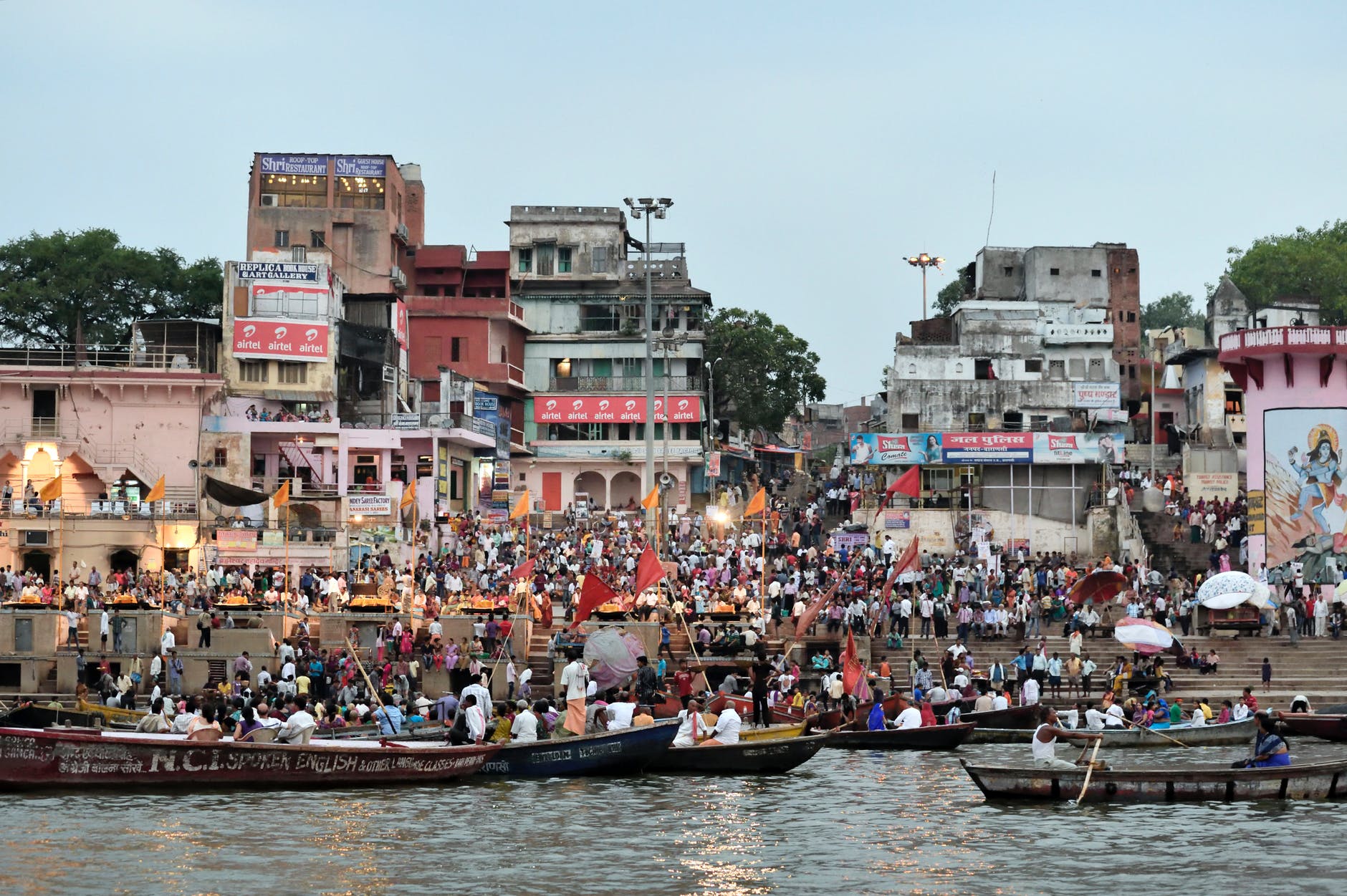
The famous Ganga Aarti takes place at twilight every day and is an incredibly moving ceremony. All the ghats are filled with the aroma of flowers and the fragrance of incense sticks. Several priests perform this ritual by carrying deepam and moving it up and down in a rhythmic tune of bhajans. Many Sodha Travelers have communicated that the Aarti was a profound highlight of their Indian experience, and we agree!

THE GANGA GHATS

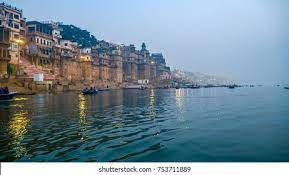
 A ghat is a series of steps that lead to the river, and Hindus believe that bathing in Ganga is truly auspicious and will wash away all sins. Travelers often visit these ghats to bathe and witness the funeral rites. A funeral ghat is a place where families gather to cremate the bodies of their loved ones. Later, their ashes are offered to the river. The Manikarnika Ghat in Varanasi is a famous funeral ghat. 

“GANGA TO ME IS THE SYMBOL OF INDIA’S MEMORABLE PAST WHICH HAS BEEN FLOWING INTO PRESENT AND CONTINUES TO FLOW TOWARDS THE OCEAN OF THE FUTURE”

Water and No Water: Wastage, Shortage and mismanagement.

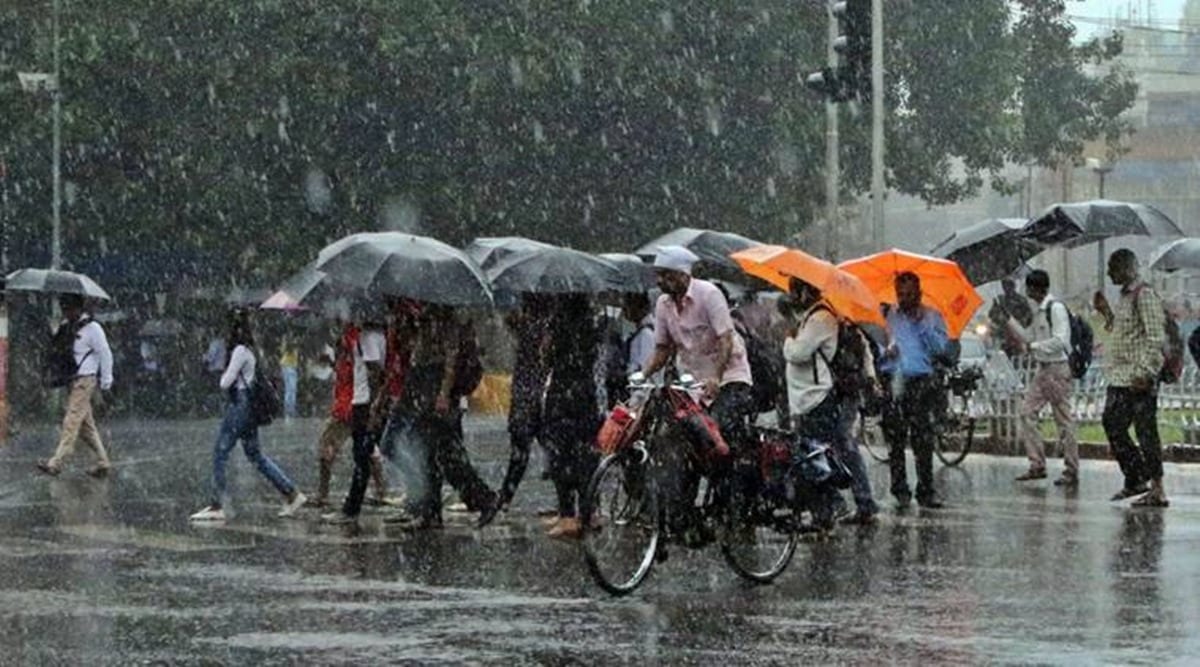
Mumbai is facing a shortage of water with a third of its residents not having drinking water as per a recent report. This comes in heels with the news of massive water-logging across the city and flood-like situations. This is reminiscent of the Chennai Water Crisis in 2019 when a flood had hit the city in 2018 and in May 2019, the city declared a zero-water day – no water left in any of its reservoirs. As per statistics, in the coastal city with a medium size river flowing right through it (the famed Anna University is actually partially built on lands claimed from the river), 60% of its population relies on bottled water for drinking all year long. Was this always the case? History suggests no. But it has been so for about a decade now. This is not very shocking given that Mawsynram, the place with the highest recorded average rainfall on the planet also faces water shortage during summers!!!

Maharashtra received 17 per cent excess rainfall since June: IMD | India  News,The Indian Express
A lot of rain, and yet no water to drink

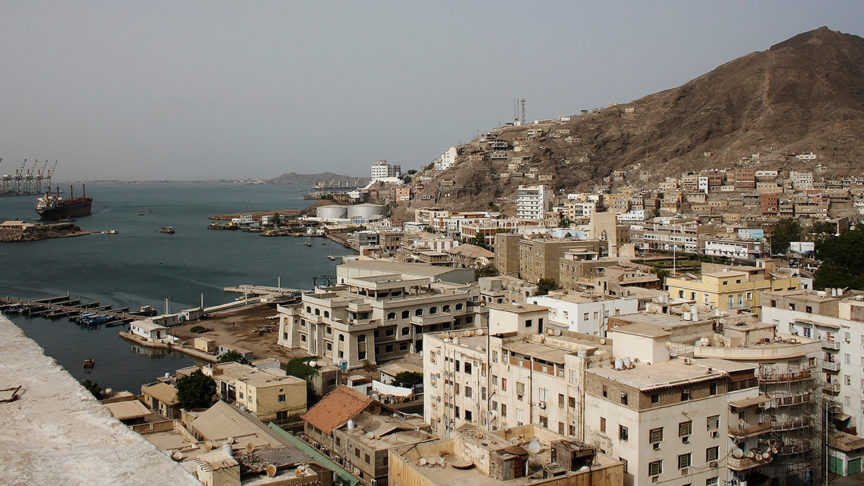
Yemen – the poorest of Arab nations and a region marred by civil war and international interference for more than a decade now might also have the root of its civil war as water shortage. Let us understand that the Yemeni factions are the Houthis, the republicans – with both basically supporting their tribal interests – and a swinging group of Saudi-led forces. Records suggest that there existed blood feud between villages just because a village constructed a well very close to that of the other village. As per data, Yemen has the least water availability per capita on the planet, even inviting statements like – if water were to get exhausted on Earth, this process would begin in Yemen. This is odd, given the fact that Dubai is a sprawling metropolis situated in the same Saudi desert.

War and pieces: Political divides in southern Yemen – European Council on  Foreign Relations
Yemen is the most water depreciated nation on the planet.

The situation is actually grim in many more places – Northern India – a land abundant with rivers and lakes – most of them, technically all of them polluted beyond potability. Go to Africa and the nations with rainforests and rivers are dry.

What is the cause then? We often hear of climate change. A reader would agree about the reality of climate change but would certainly not let go of the sheer amount of mismanagement involved in the handling of water resources. Governments all over the world have tried in their own way to clean water bodies – the money ending up in their coffers owing to balant corruption. In India, for instance, the Save Ganges Movement or ‘Ganga bachao abhiyaan’ in the vernacular has been a project spanning over three decades and costing lakhs of crores – the best part – to no result. NGOs and villagers have often revived water bodies across the planet showing the importance of public participation in government or local initiatives. But, the people aren’t really very concerned about this issue it seems. It might find itself in discussions during summers or in newspapers – but people refuse to consider it as a problem as grim as climate change. No one can imagine the change Chennai saw with themselves.

LIFE-GIVING GANGA’S PLIGHT

“Best of rivers, born of all the sacred waters,” the Ganges, Described in the Mahabharata.

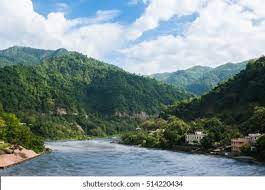
Ganga river, also deemed as the Ganges River, flows 2,700 km from the Himalayas mountains to the Bay of Bengal in northern India and Bangladesh The Ganga rises from the Gangotri glacier about 4,000 metres above sea level on the southern slopes of the Himalayan Alps. The Bhagirathi is joined by the tributaries Alaknanda and Mandakini to form the Ganga in the Himalayan region. Its river basin covers over 1 million square kilometres and is home to more than 650 million people. The Ganges is vital for the survival of millions of people and a diverse range of biodiversity.

The Ganga and its tributaries support a diverse range of fauna and flora. The Ganges supports 104 species of Rotifers, or minute creatures, 378 species of fish, eleven amphibian species, twenty-seven reptile species, eleven types of mammals, and 177 species of aquatic birds, according to the Zoological Survey of India. The Ganges River dolphin, the Sundarbans’ Royal Bengal tiger, freshwater turtles, Gharial crocodiles, Sarius Crane, egrets, herons, and terns are just a few well-known species.

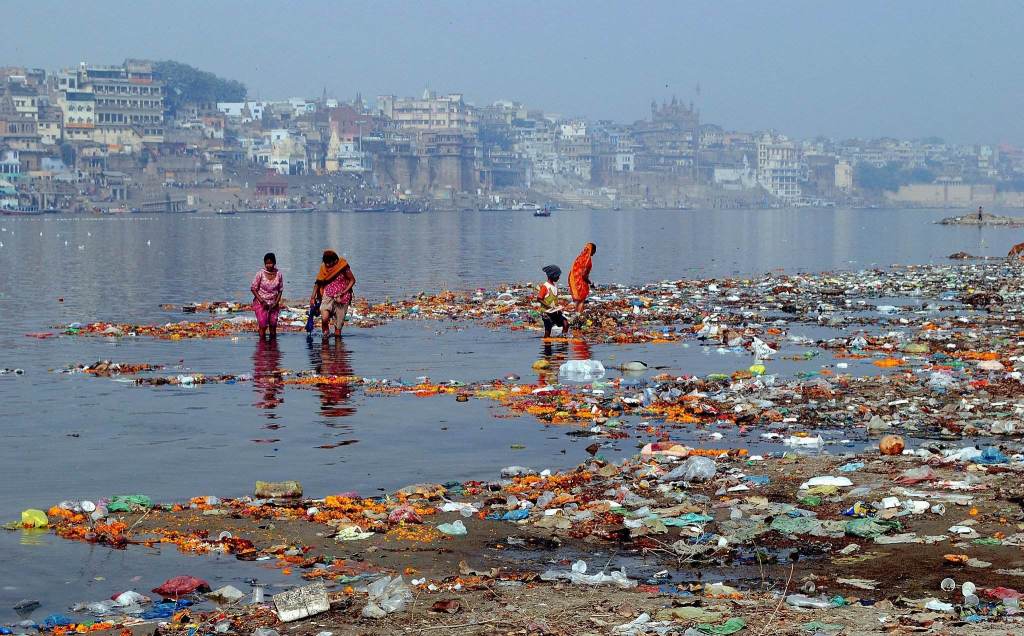
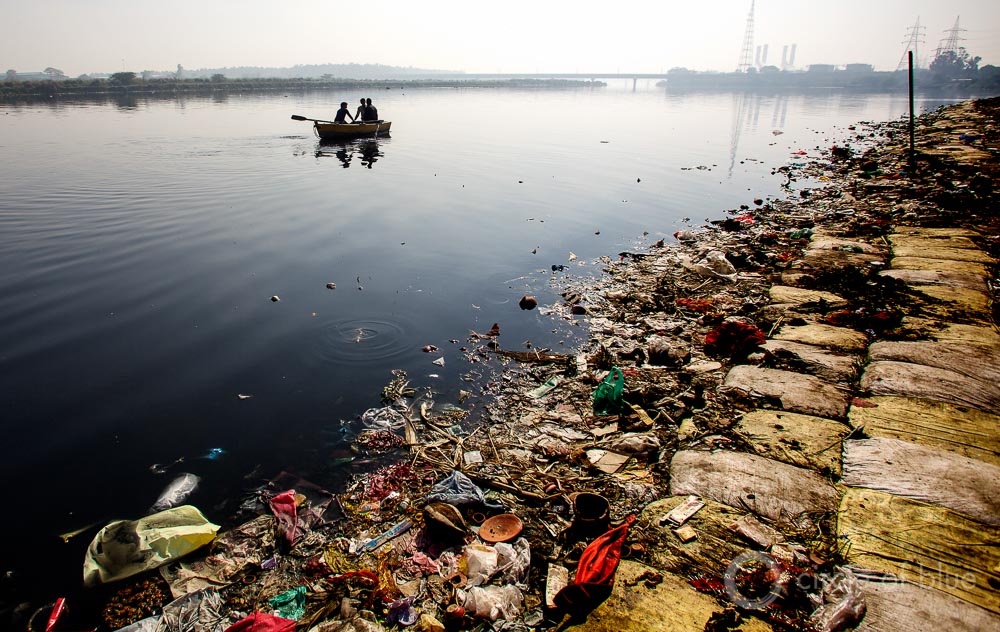
But due to the rapid rise of urbanization, farming, and commercialization in recent decades, the Ganges currently faces serious concerns. The Ganga has now become one of the five highly polluted rivers on the planet. Excessive water drawn-out for cultivation and other purposes, barrages, dams hindrance in the natural movement of the Ganges, and trash from households and industries have irreparably damaged this once pure and mighty, free-flowing river.

River pollution’s key sources

  • Hazardous trash from textile mills, slaughterhouses, abattoirs, hospitals, distilleries, and chemical facilities, being discharged into the river in large quantities.
  • The massive number of fertilizers and pesticides regularly employed in agriculture activities is washed into the Ganga with rainwater, endangering marine life.
  • Dams disrupting the river’s natural movement are also responsible for polluting the Ganga.
  • Open defecation on the river banks, some 70% of those living in rural areas have no access to toilets.
  •  Disposal of lost loved ones’ remains in the river since it is a river worshipped by a larger religious community.

Sewage- the most prominent contaminant

A report published by The Inter-Ministerial Group, established by the Indian government to study the pollution sources in the Ganga River, revealed that sewage and contaminated water dumped in the river are the principal sources of pollution in the Ganga. It also discovered a significant disparity between the quantity of garbage produced along the Ganga and the scale of waste treatment. It identified that plenty of cities along the Ganga’s banks, such as Kanpur, Varanasi, and Allahabad, lack any kind of sewerage systems at all. Approximately 2.9 billion liters of sewage, residential, and industrial wastewater are discharged straight into the Ganga daily. Millions of people who rely on the Ganga for all of their water needs are harmed by pollution. Many of these individuals have little choice but to continue to rely on the Ganga’s contaminated waters for survival, exposing themselves to waterborne diseases like dysentery, cholera, diarrhea, and typhoid.

OVerburdened Sewage Treatment Plants (STPs)

Among wastewater treatment capacity and ‘official estimated’ production, there is an 80% disparity. As per the Central Pollution Control Board, sewage is produced at a rate of 6,087 million liters per day (MLD), with a treatment capacity of 1,208.8 MLD. Since most cities are already established and overpopulated, constructing new conveyance and treatment systems isn’t just a difficult but an enormously expensive undertaking. Many of the already set up STPs are no longer functional or are underused due to a lack of financing from cities and local municipalities.

INDUSTRIAL & COMMERCIAL WASTE

More than 500 million liters of industrial wastewater is thrown straight into the Ganga daily. With toxic chemicals and pollutants flooding its waters at levels far past any form of permissible or safe levels, the Ganga has now become a toxic supplier of drinking and bathing water. 764 of the factories, approximately utilize 1123 MLD of water and dump 500 MLD of contaminated water in the Ganga’s mainstream. Tanneries produce the most hazardous types of toxins, and in a location like Unnao, more than 790 times the permitted level of chromium (about 1,125 tonnes), is dumped into the river. Small-scale companies continue to pollute the Ganga with over a billion gallons of toxic chemicals due to the lack of efficient and economical treatment methods.

FLAWED SOLID WASTE MANAGEMENT 

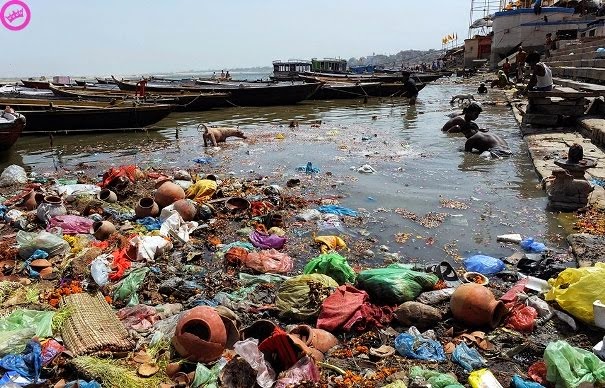
Many cities along the Ganga and its tributaries lack solid waste management systems, & even if they have, they are never adequate to handle the volume of waste generated each day. This solid trash is carried into the Ganga and its tributaries, either deliberately or because of rains during the monsoon. Vast quantities of biodegradable debris in the water consume a lot of oxygen as it breaks down, inflicting illness or death in aquatic animals like the threatened Gangetic dolphin. There were once tens of thousands of Ganges River dolphins in the river, but there are currently only about 1,200-1,800 left. Non-biodegradable materials float through rivers, obstructing the natural flow of air and gradually releasing their harmful toxins into the river. Aquatic species frequently eat these items obliviously and perish as a consequence. The general public lacks environmental awareness and education, inadvertently throwing their litter into the surroundings, utterly oblivious to the effects.

INAPPROPRIATE AGRICULTURAL PRACTICES

Over 80% of the river’s water is used for irrigation, while numerous hydro-power projects dry out vast swathes of the river, upping levels of pollution drastically. Evaporation and other variables cause around half of the water drawn from the Ganga for irrigation to be wasted before it can nurture a single crop. Out-of-date infrastructures, such as damaged and poorly assembled pipes and unsustainable farming techniques, are to blame for much of this damage. Groundwater depletion as a consequence of over-extraction for irrigation purposes.

The Ganges River nurtures the entire country and is crucial for everyone’s survival. Therefore, it must be rescued from its current plight. The public must be educated and made aware of the problem; efficient drainage systems must be built; and illegal dumping of harmful and hazardous materials by industries and households must be prohibited, promotion of water conservation for irrigation, Enactment of rules to keep dangerous chemical run-off out of the Ganga, Increasing farmer awareness of the practices and benefits of sustainable, organic farming, Solid waste collection and treatment at the source, minimizing and repurposing solid waste need to be done.


God Save Ganges- from us!

Photo by Roxanne Shewchuk on Pexels.com

The Ganges River, or the Ganga as we call it, starts from high above in the Himalayas(Bhagirathi flows out of Gangotri glacier from the state of Uttarakhand) and drain into the Bay of Bengal, though before draining into the Bay of Bengal, it creates the world’s largest delta- The Ganges Delta. This delta is extremely fertile, spreading over a very large area and home to a large number of people. The river is known as Ganga from the region where the two rivers of Bhagirathi and Alaknanda meet ,i.e., Devprayag and flows onto the Indo-Gangetic plain. It thus forms a very large part of northern an eastern part of India and also Pakistan, Nepal and Bangladesh. It is the longest river of India and flows over a distance of 2,525, km. on it way downstream, it passes through the cities of Kolkata, Mirzapur, and Varanasi. The river Ganges is the holiest river of the Hindus and many people visit the region of Varanasi where the Ganges flows as it is considered the holiest of all those cities. According to our 2001 census, the Ganga basin alone supports 43 percent of our population. It has the largest drainage area in the whole world. Its tributaries originate from Bangladesh, China (Tibet) and Nepal.

So, now that we understand What is Ganga? Where does it originate? Where does it drain? Let us have a brief look at its importance, not that we need to, because we have been exploiting it since time immemorial. We, of course, know its importance better and its uses.

  1. With its basin spread across 11 north Indian states, it is the primary source of fresh water to people of many of those states.
  2. Not only does it provide water, it is a very important source of livelihood as people settle near its banks and depend on its water as well as fertile plains, producing  rice, wheat, potato, etc. that are important cash crops.
  3. It also provides space for animal husbandry and fisheries, river based trade and transport.
  4. It is home to many unique fauna species- eg. Ganga River Dolphin- our National Aquatic Animal, the endangered turtle and crocodilian species and so many more.
  5. River Ganges holds a very sacred place for the Hindus. The sandy banks are also the burial ground for their loved ones.
  6. Many industries are developed along the banks of the river. It acts as their dumping grounds. Not only for industries, it also acts as the dumping grounds for the nearby population.

But now, this lifeline to the country is the 5th most populated river in the world whose water is not deemed unfit to drink(without treating). (Source: Wikipedia). A recent report by a Delhi based NGO (http://toxicslink.org/docs/Quantitative%20analysis%20of%20Microplastics%20along%20River%20Ganga.pdf) found that the mighty Ganga is heavily polluted with microplastics, especially concentrated in Varanasi and Kanpur, followed by Haridwar. What’s even more shocking is their composition-  industrial and secondary broken-down plastics from articles of everyday use and, of course, religious offerings wrapped in non- degradable plastic. The days are coming when the glory of the Ganges will be a thing of the past. Is this how we treat something we respect, worship and adore? And if this is, as it definitely seems, then all the other natural bodies and organisms beware- Any of you might be our next target for the time of Ganga might come to an end.