

Handicraft as we all know it, is the craft work of processing materials by hands or simple hand tools. The outcome of such a craftwork involves decorative pieces or useful objects. The materials used in the making are mostly natural, but can be industrially processed or even recycled too.
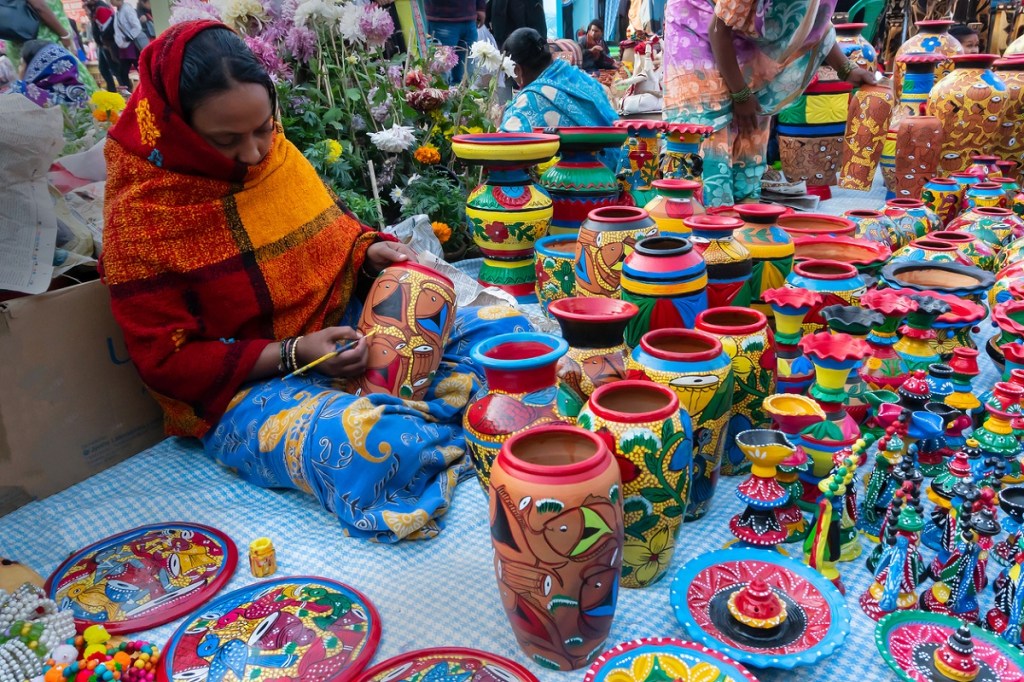
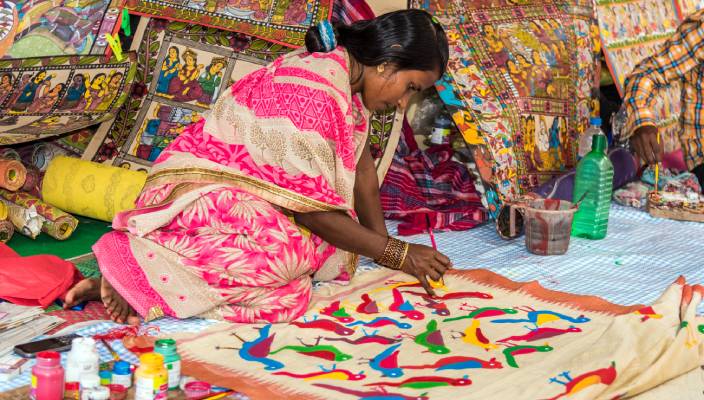
Handicraft is an artform that is deeply rooted in the traditions of India. And the sector provides livelihood to lakhs of people. They produce goods ranging from carpets, potteries, paintings, embroidery and the list goes on. Every region in India has handicraft that is unique to that region. Such as Chikan Kari weaving from Lucknow. Madhubani paintings from Mithalia, Bidri metal handicraft from Karnataka, Pashmina shawls from Kashmir and so on.
However, over the years this industry had to endure certain challenges, making it hard for the artisans to flourish and make a living.
Issues faced by artisans
There are a number of reasons why artisans in the craft industry are facing problems. Some of the widely varied reasons are;
- Informal sector- Handicraft industry is a highly informal sector. Artisans are usually structured through informal contracts between traders, middlemen, master artisans and low skilled artisans. Along with that, this industry is largely unorganised, making it hard for the industry to flourish organically.
- Lack of education- The lack of education makes it difficult for the artisans to manage inventory, access government schemes information and bargain with traders and middleman.
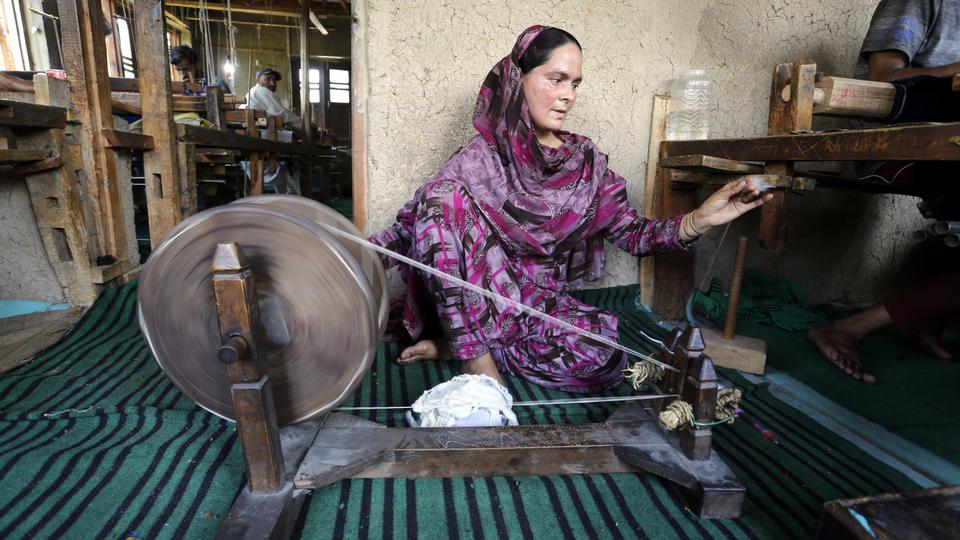
- Outdated production methods- Artisans lack the funds to upgrade to better tools and technologies or undergo training.
- Competition from organised sector- Artisans are losing customers, due to the arrival of cheaply priced machine made products, especially Chinese made goods.
These are few of the reasons handicraft industry is lagging behind. However, it is never too late to make amends and prevent the sector from sinking.
How to revive the Handicraft industry?
One of the first steps to be taken to boast the Handicraft industry, is the action to make this industry organised. It is a given fact that middlemen and traders mend their ways into benefiting from the sales by jeopardizing the livelihood of artisans. Having an organised and formal sector will help with the righteous distribution of profit. This is the task of the government to take needful action and prioritise this industry just like any other high yielding industry.
Along with taking into account the mission of creating awareness among the artisans and educating them on basic information about the working and functioning of the industry. Apart from that, it is also important for the government to create awareness among the common public and urge them to help save the livelihood of handicraft workers, and avoid choosing cheaper machine made alternative. Thus helping to preserve the Indian tradition.
Government’s role in empowering Indian Handicraft
Over the past few years, the Government of India has launched schemes and plans that could potentially benefit the handicraft artisans. Some of the schemes are;
- National Handicraft Development Programme
- Ambedkar Hastshilp Vikas Yojna
- Handicraft Mega Cluster Mission
- Integrated Handloom Development Scheme
Mentioned above are just few of the schemes launched by the government. But just launching schemes would not be of much help, until and unless those schemes are actually implemented at the grassroot level.
In instances like these, NGOs like Cradftizen Handicraft, Asha Handicraft Association, etc., play a vital role in campaigning such schemes across the artisans, and making them aware about their right and benefits.
The handicraft industry makes Rs 25,000 crores annually by exporting goods. This sector has a lot of potential that can be tapped and channelised into a highly profitable industry, along with benefit and uplifting the artisans, who are keeping the Indian traditions and craft alive.
 Eduindex
You must be logged in to post a comment.