
World Hepatitis Day 2021

Introduction

Every year on July 28th, World Hepatitis Day is observed. The goal is to raise awareness about viral hepatitis. Hepatitis is a medical condition in which the liver is in an inflammatory condition. The theme for this year is “Hepatitis Can’t Wait”, magnifying the urgency of putting efforts to eliminate hepatitis as a public health threat by 2030.

History

July 28th was chosen as the date for World Hepatitis Day because it is the birthday of Nobel-prize-winning scientist Dr. Baruch Blumberg, the scientist who discovered the Hepatitis B virus (HBV) and also developed a diagnostic test and vaccine for the same virus.

Dr. Baruch Samuel Blumberg was born on July 28, 1925, and died on April 5, 2011. He was an American physician, geneticist, and co-recipient of the 1976 Nobel Prize in Physiology or Medicine with Daniel Carleton Gajdusek. He was president of the American Philosophical Society from 2005 to his death. He served as a U.S. Navy deck officer during World War 2. He received his MD in 1951 from Columbia University and his D. Phil in 1957 from the University of Oxford. While studying yellow jaundice in 1964, he discovered a surface antigen for hepatitis B in the blood of an Australian aborigine, which is the reason it was initially called “Australian antigen”.

About Hepatitis
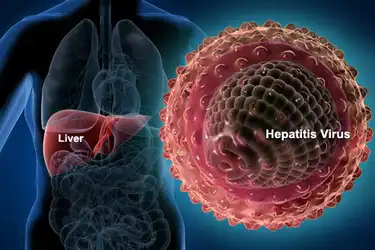
It is referred to as an inflammatory condition of the liver. It is usually caused by a viral infection but it can also be caused by other things. It can include autoimmune hepatitis and also hepatitis which can occur because of medication, drugs, toxins, and alcohol. There are five types of hepatitis based on different viruses. 

Hepatitis A is caused by an infection with hepatitis A virus (HAV), this is mostly transmitted by consuming food or water which is contaminated by feces from a person infected by HAV. 

Hepatitis B is transmitted through contact with infectious body fluids like blood, vaginal secretions, or semen. It can be transmitted by injection drug use, having sex with an infected partner, or sharing razors with an infected person. 

Hepatitis C is caused by the hepatitis C virus (HCV). It can also be transmitted through direct contact with infected body fluids, especially through used injections and sexual contact. 

Hepatitis D is also known as delta hepatitis, it causes a serious liver disease by hepatitis D virus (HDV). It is caused by coming in direct contact with infected blood, it is rare as it only occurs with hepatitis B because it cannot multiply without the presence of hepatitis B. 

Hepatitis E is waterborne and is caused by hepatitis E virus (HEV), it can usually be found in areas with poor sanitation and from ingesting fecal matter that has contaminated the water supply. 

Facts and Figures

  • 1,100,000 deaths per year are caused by Hepatitis B and C.
  • 9,400,000 people are receiving treatment for chronic HCV.
  • 10% of people with chronic HBV are diagnosed and 22% of those receive treatment.
  • 42% of children have access to the birth dose of HBV vaccine.
  • According to WHO, 325 million people around the world have HBV or HCV.
  • Hepatitis isn’t just an STD, there are other ways of getting it as well.

Conclusion

With the figures of infection and death around the world, it is clear that we can’t just sit and wait around for them to decrease. It is important to make people aware of it, teach them the way to avoid it, and reach a stage where the vaccine can be provided to everyone. As common citizens, we can’t help in the production and reach of the vaccine but we can help in raising awareness and taking steps towards sanitation.
References

World Hepatitis Day 2021: Theme, Hep types, and Significance.

What is hepatitis? Theme this year, few symptoms, about types of Hep, and how to contribute?

THEME 2021 : “Hepatitis Can’t Wait”

What is Hepatitis:

Hepatitis means inflammation of the liver. It can lead to scarring, cirrhosis, and liver cancer. There are 5 main hepatitis viruses: –

Types A, B, C, D and E. These 5 types are very serious since they cause severe illness, even leading to death. They can also cause outbreaks and spread of epidemic.

 A person dying every 30 seconds from a hepatitis related illness 

Causes :

Heavy alcohol use, toxins, some medications, autoimmune diseases can cause hepatitis

Ways of transmission: Have contact or receiving of contaminated blood or blood products, invasive medical procedures using contaminated equipment. Hepatitis B can transfer from mother to baby at birth, from family member to child, and by sexual contact.

Main symptoms:

  • Jaundice (yellowing of the skin and eyes)
  • Dark urine,
  • Extreme fatigue
  • Nausea
  • Vomiting
  • Abdominal pain. 

Types of hepatitis:

1 Hepatitis A Virus (HAV) :

Transmitted through consumption of contaminated water, food; sometimes sexual contact. It’s trace is present in faeces. In most of the cases, it is usually mild and when treated properly it can make one immune from further infections. But, left untreated it can turn life threatening.

Additional symptoms :

  • Abdominal pain or discomfort, (by your liver)
  • Clay-colored bowel movements
  • Severe itching

Safe, effective vaccines are available to prevent HAV.

2 Hepatitis B Virus (HBV): –

Transmitted through exposure to infective blood, semen, and other body fluids, mother to baby, family member to a child during early childhood, transfusions of HBV-contaminated blood and blood products, contaminated injections during medical procedures, and through injection drug use. Medical workers have a greater chance of exposure.

Add Symptoms:

  • Fever
  • Joint pain
  • Loss of appetite

Safe, effective vaccines are available to prevent HAV.

IT HAS NO CURE, BUT JUST CAN BE PREVENTED

3 Hepatitis C Virus :-

Transmitted through exposure to infective blood, instruments during surgeries; even though the chance is low, sexual transmission is possible. If detected soon it can be treated. But, most of them have no idea they have Hep C starts with it’s acute form which rarely shows symptoms.

Add. symptoms:

  • Bleeding easily
  • Bruising easily
  • Itchy skin
  • Fluid buildup in your abdomen (ascites)
  • Swelling in your legs
  • Spiderlike blood vessels on your skin

NO Vaccine yet

4 Hepatitis D Virus : –

It can transmit through blood and body fluids but it only occurs when the person is already affected with Hepatitis B. IT IS MOST SEVERE FORM OF HEPATITIS. It can lead to lifelong liver damage and even death. HBV vaccine gives protection from Hepatitis D virus. If you have HBV, haven’t taken HBV vaccine and live where HDV is more prevalent; the chance of contracting HDV is higher.

Add. Symptoms:

  • Not feeling hungry
  • Joint pain
  • Dark urine
  • Light-colored stool

NO CURE

5 Hepatitis E Virus (HEV): –

Transmission through contaminated food like undercooked meat from infected animals, such as pigs or deer, or water. The one that causes most outbreaks. It can get better by practicing hygiene, but pregnant women and people with weak immune system are at a risk.

Add. symptoms:

  • Light-colored poop
  • Skin rash or itching
  • Joint pain
  • Less hunger and throwing up

Safe and effective vaccines to prevent HEV infection have been developed but are not widely available.

Why 28th July?

It is the birthday of Dr Baruch Blumberg, the Nobel-laurate scientist discovered the Hepatitis B virus (HBV), diagnostic tests and vaccine for Hep B.

How to contribute:

  • Practice hygiene for yourself and encourage those around you.
  • Join drives which support sanitation of unhygienic, neglected areas.
  • Educate yourself and people around you.
  • Donate to legit Hep donations.
  • Before travelling to areas where Hep prevails, get yourself vaccinated against Hep.
  • Spread awareness, because it might help someone one day. (Learning about symptoms encourages one to go to Doctor)
  • Join the campaigns by WHO.

REF:

https://www.who.int/news-room/events/detail/2021/07/28/default-calendar/world-hepatitis-day-2021