

Kargil Vijay Diwas, observed annually on July 26th, commemorates the success of Operation Vijay and the valor of the Indian armed forces in the Kargil War. The war, which lasted approximately 60 days, ended on July 26, 1999, with India successfully reclaiming control over the high outposts in the Kargil district of Jammu and Kashmir that had been infiltrated by Pakistani forces. This day is dedicated to honoring the bravery, sacrifice, and patriotism of the soldiers who fought and laid down their lives in the defense of the nation.
The Background of the Kargil War
The Infiltration and Conflict
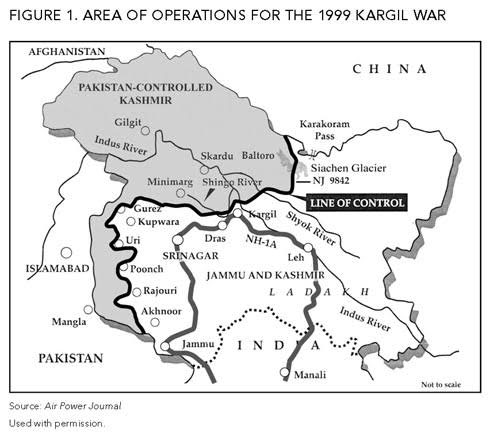
The Kargil War, also known as the Kargil conflict, began in May 1999 when Pakistani forces and militants infiltrated Indian territory across the Line of Control (LoC) in the Kargil sector of Jammu and Kashmir. They occupied strategic heights, including the peaks of the Tololing complex and Tiger Hill, posing a significant threat to the Srinagar-Leh highway and India’s national security.
Operation Vijay
In response to the infiltration, the Indian Army launched Operation Vijay, a massive military campaign aimed at driving out the intruders and reclaiming the occupied territory. The operation involved fierce battles in the harsh and treacherous terrain of the Kargil region, where soldiers had to fight at high altitudes, often in freezing temperatures and under heavy enemy fire.
The Outcome
After two months of intense fighting, the Indian armed forces successfully recaptured all the occupied positions. The conflict ended on July 26, 1999, marking a significant victory for India. The day was named Kargil Vijay Diwas to honor the courage and sacrifice of the soldiers who participated in the operation.
The Significance of Kargil Vijay Diwas
Honoring the Fallen Heroes
Kargil Vijay Diwas is a day of remembrance and respect for the soldiers who fought in the Kargil War, especially those who made the ultimate sacrifice for their country. It is a time to reflect on their bravery, dedication, and unwavering commitment to protecting the nation’s sovereignty.
Celebrating Patriotism and Courage
The day celebrates the indomitable spirit of the Indian armed forces and their ability to overcome significant challenges to secure victory. It is a testament to the courage, resilience, and patriotism of the soldiers who fought against all odds to defend their country.
Reaffirming National Unity and Pride
Kargil Vijay Diwas serves as a reminder of the unity and pride that the victory brought to the nation. It reinforces the importance of national security and the need to remain vigilant against any threats to the country’s integrity.
Key Events and Heroes of the Kargil War
Important Battles and Operations
-
Battle of Tololing: One of the key battles during the Kargil War was the battle for the Tololing complex, which saw intense fighting and significant casualties. The recapture of Tololing was crucial for the success of Operation Vijay.
-
Capture of Tiger Hill: The capture of Tiger Hill was a major milestone in the conflict. The operation to reclaim this strategic peak involved a daring assault by Indian soldiers, who climbed steep and icy slopes to dislodge the intruders.
-
Battles at Batalik and Drass: The Batalik and Drass sectors witnessed some of the fiercest fighting of the war. The successful operations in these areas were instrumental in regaining control over the Kargil sector.
Brave Heroes
-
Captain Vikram Batra: Known for his bravery and the famous slogan “Yeh Dil Maange More,” Captain Vikram Batra was posthumously awarded the Param Vir Chakra for his extraordinary courage during the capture of Point 5140 and Point 4875.
-
Lieutenant Manoj Kumar Pandey: Awarded the Param Vir Chakra posthumously, Lieutenant Manoj Kumar Pandey led his platoon to victory in the battle for Khalubar. His courage and leadership were pivotal in securing the objective.
-
Major Saurabh Kalia: Major Saurabh Kalia and his patrol were among the first to report the presence of infiltrators. They were captured and endured brutal treatment before being martyred. Their sacrifice highlighted the gravity of the conflict.
Observances and Celebrations
Wreath Laying and Memorial Services
On Kargil Vijay Diwas, wreath-laying ceremonies are held at war memorials across the country, including the Kargil War Memorial in Drass, Ladakh. These services honor the soldiers who laid down their lives during the conflict and serve as a poignant reminder of their sacrifice.
Tributes and Commemorations
Various events, including cultural programs, exhibitions, and educational activities, are organized to commemorate the victory and pay tribute to the war heroes. These events aim to raise awareness about the significance of the Kargil War and the bravery of the soldiers.
Remembrance Events
Remembrance events, such as candlelight vigils and memorial walks, are held to honor the memories of the fallen soldiers. These events provide an opportunity for the public to come together and express their gratitude for the sacrifices made by the armed forces.
Patriotic Programs and Documentaries
Television channels and media outlets broadcast special programs and documentaries highlighting the events of the Kargil War, the stories of the heroes, and the significance of the victory. These programs serve to educate and inspire viewers about the importance of national security and patriotism.
The Legacy of Kargil Vijay Diwas
Inspiration for Future Generations
Kargil Vijay Diwas serves as an enduring source of inspiration for future generations. The stories of bravery, sacrifice, and patriotism from the Kargil War inspire young people to serve their country and uphold the values of courage and honor.
Strengthening National Resolve
The observance of Kargil Vijay Diwas strengthens the nation’s resolve to remain vigilant and prepared to defend its sovereignty. It underscores the importance of a strong and capable military and the need to support and honor the men and women who serve in the armed forces.
Promoting National Unity
The day promotes a sense of national unity and pride, reminding citizens of the importance of standing together in times of adversity. It reinforces the idea that the strength and security of the nation depend on the collective efforts and commitment of its people.
Conclusion
Kargil Vijay Diwas is a day of profound significance in India’s national calendar. It is a day to honor the bravery and sacrifice of the soldiers who fought in the Kargil War, to celebrate the victory achieved through their courage and determination, and to remember the lessons of unity and resilience that the conflict taught the nation. As we commemorate Kargil Vijay Diwas on July 26, 2024, let us pay tribute to the heroes of Operation Vijay, reflect on their sacrifices, and renew our commitment to upholding the values of patriotism and national pride.
Feel free to share this article to raise awareness about the significance of Kargil Vijay Diwas and to honor the brave soldiers who made the ultimate sacrifice for the nation.
 Eduindex
You must be logged in to post a comment.