

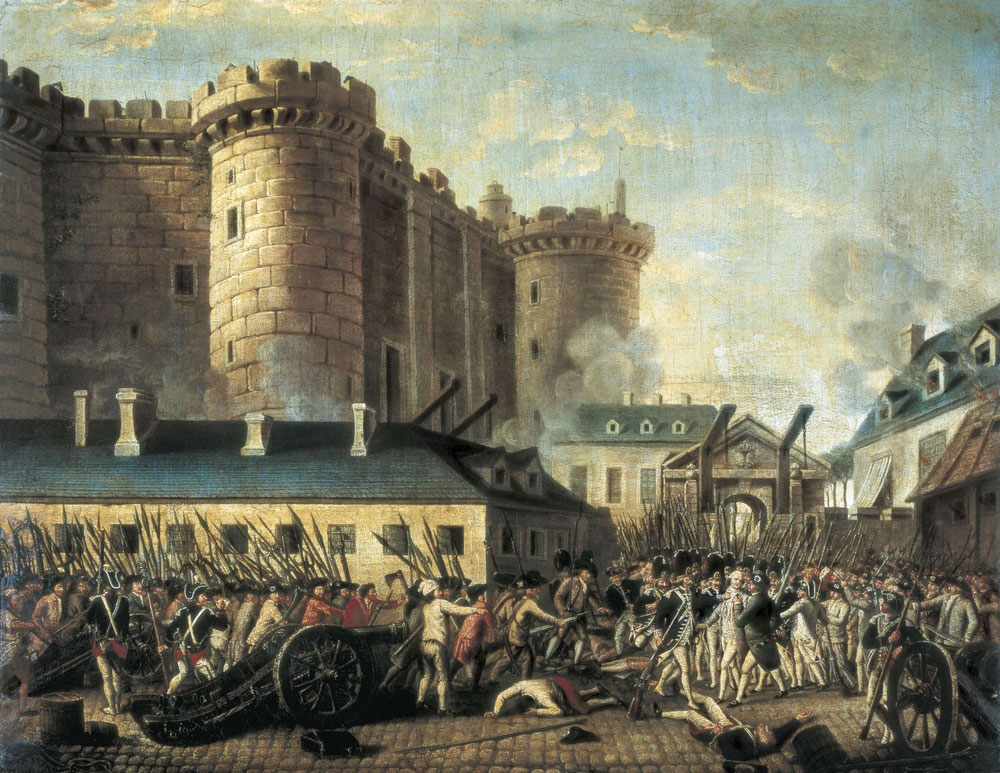
The French revolution which began in 1789 changed the face of europe. It dismantled the ancient monarchial government and introduced the ideas of liberty, fraternity and equality. It was followed throughout the world. It all began on one day in July when the people of Paris captured a 14th century gothic prison known as Bastille.
Paris was at boil from the early summer of 1789. People had been suffering from food shortage and weight of taxes to pay King Louis XI’s vast debts. The political tumult caused by establishment of the Estates General, France’s Parliament and disappointments caused by the dismissal of the popular minister Jaques Necker on July 111th stimulated the event. Paris, close to insurrection and in Francoi Mignet’s words, “intoxicated with liberty and enthusiasm”, showed wide support for the AssemblyMoreover, the militarisation of city caused a menace amongst public,. Since June the king had appointed troops at the periphery of Paris. The Parisians looted approximately 3000 firearms and five canons. The weapons however needed gunowder which was stored at Bastille. So the march went to prison to grab the gunpowder for the newly liberated weapons.
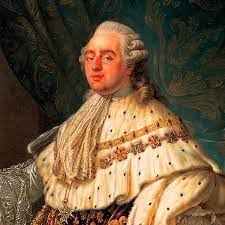
The crowd gathered outside the fortress around mid-morning, calling for the pulling back of the seemingly threatening cannon from the embrasures of the towers and walls and the release of the arms and gunpowder stored inside. Two representatives from the Hotel de Ville were invited into the fortress and negotiations began, while another was admitted around noon with definite demands. The negotiations dragged on while the crowd grew and became impatient. Parisians burst into an outer courtyard and a battle erupted. Nearly 100 citizens and 8 prison guards were killed. The governor and 3 of his officers were beheaded. H=On hearing that the Bastille had fallen Louis XVI asked the duke de La Rouchefoucald “So, is there a rebellion?”, to which he replied “No sir, a revolution!”.
The storming of Bastille unfurled the French Revolution. This would force the King to begin concessions and embolden people’s movement to overthrow monarchy. In 1880, France declared the Storming of Bastille their national holiday. Throughout the century of revolutions in France, Storming of Bastille on July 14, 1789 retained its power as the most important symbol of people bringing down despotic government.
 Eduindex
You must be logged in to post a comment.