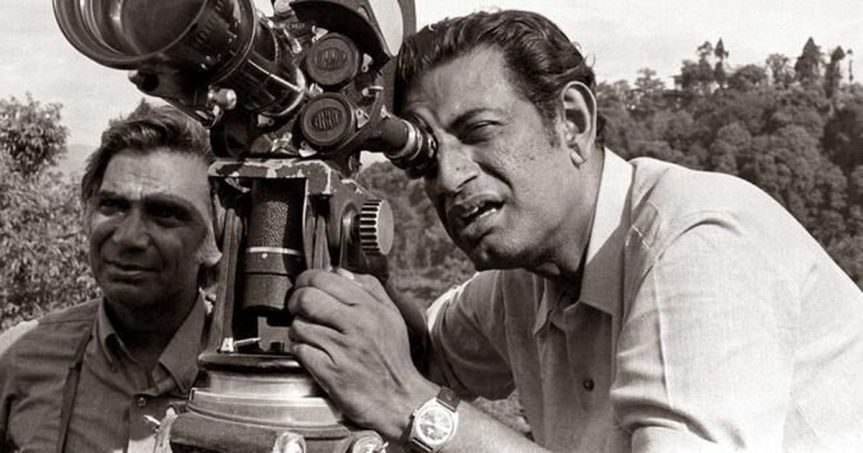
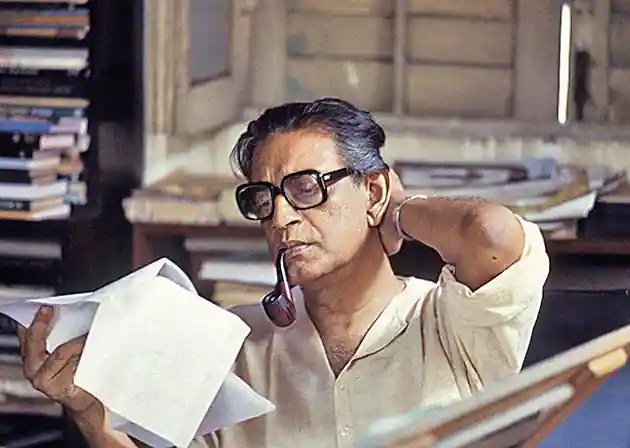
Analysing Satyajit Ray: Through The Eyes of The Master

Satyajit Ray

Introduction

Satyajit Ray was India’s first internationally recognized film-maker and, several years after his death, still remains the most well-known Indian director on the world stage. Ray has written that he became captivated by the cinema as a young college student, and he was self-taught, his film education consisting largely of repeated viewings of film classics by de Sica, Fellini, John Ford, Orson Welles, and other eminent directors.
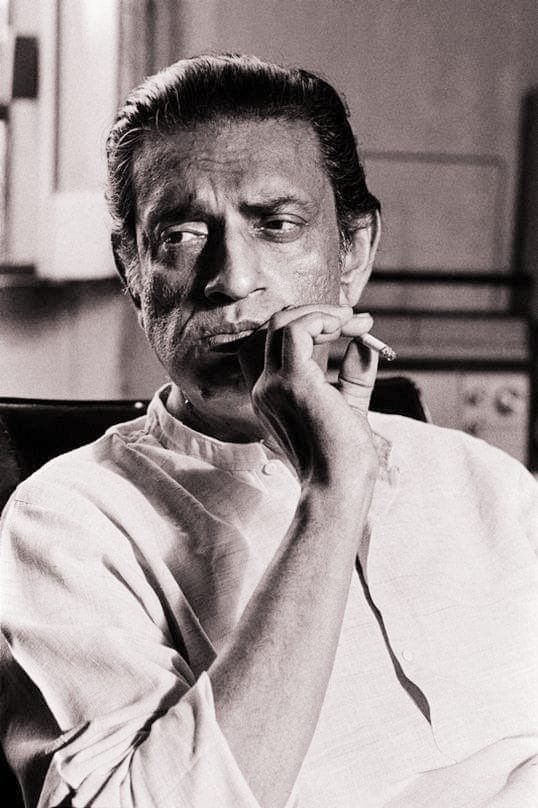
Satyajit Ray

Early Life and Family Background

Satyajit Ray was born into an illustrious family in Kolkata (then Calcutta) on 2nd May,1921. His grandfather, Upendra Kishore Ray-Chaudhary, was a publisher, illustrator, musician, the creator of children’s literature in Bengali and a leader of the Brahmo Samaj, a religious and social movement in nineteenth century Bengal. His father, Sukumar Ray, was a noted satirist and India’s first writer of nonsensical rhymes, akin to the nonsense verse of Edward Lear. Having studied at Ballygunge Government High School, Calcutta and completed his BA in economics at Presidency College, Satyajit Ray went on to develop an interest in fine arts. Later in life, Satyajit Ray made a documentary of his father’s life. His film, Goopy Gyne Bagha Byne, was based on a story published by his grandfather in 1914, but even other films, such as Hirok Rajah Deshe, “The Kingdom of Diamonds”, clearly drew upon his interest in children’s poetry and nonsensical rhymes.
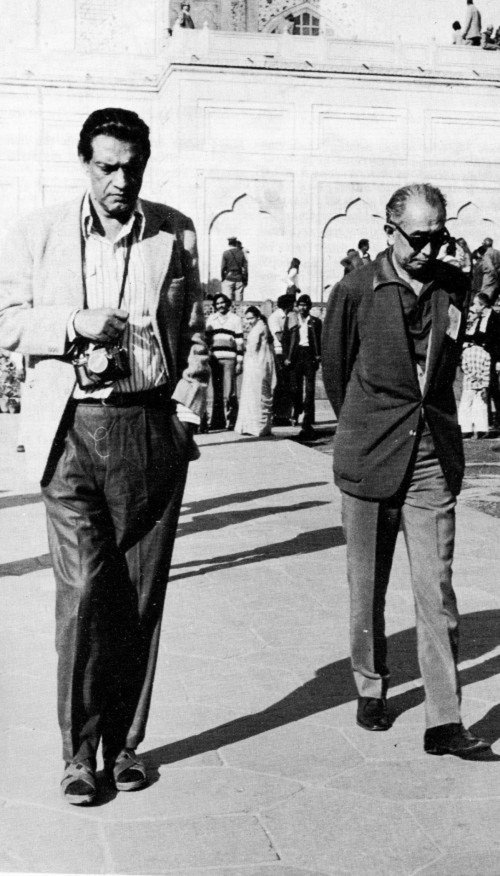
Satyajit Ray with Akira Kurosawa

The Crisis of Indian Cinema Before Ray

From the 1920s to the early 1950s, several directors working within Hollywood—as well as filmmakers in former Soviet Union, France, Italy, Germany, and Japan—considered cinema not as a mere tool of entertainment but as a medium for creative expression. Filmmakers such as Charlie Chaplin, Sergei Eisenstein, Jean Renoir, Roberto Rossellini, Vittorio De Sica, Akira Kurosawa, and others deployed artistically innovative filmic devices to convey profound statements about the complexities of life. Some of the aesthetically satisfying films produced during this period were hailed as cinematic masterpieces. Films in India, however, prioritised cliched elements such as sentimental slush, ersatz emotion, theatricality, romantic tales, spectacle-like songs, and happy endings in these decades. Instead of making serious attempts at formal experimentation, Indian directors continued catering to the lowest common denominator audience.

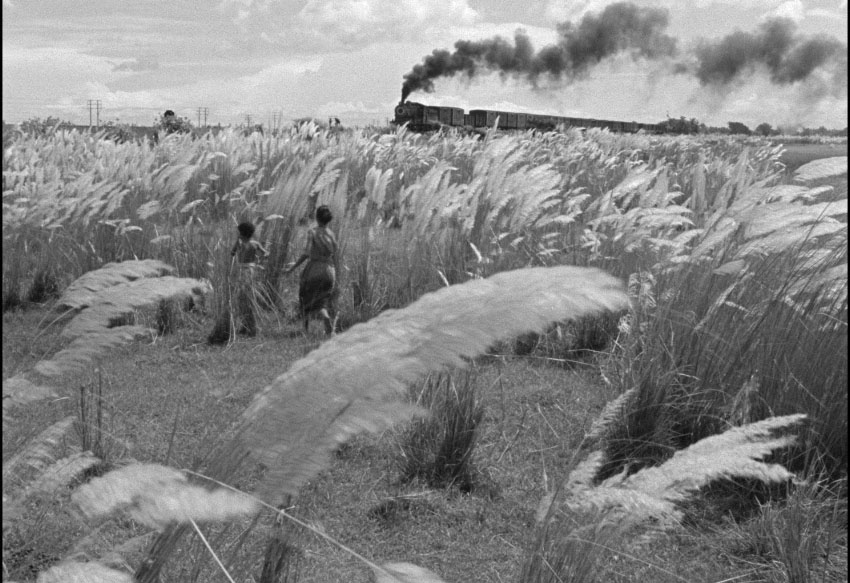
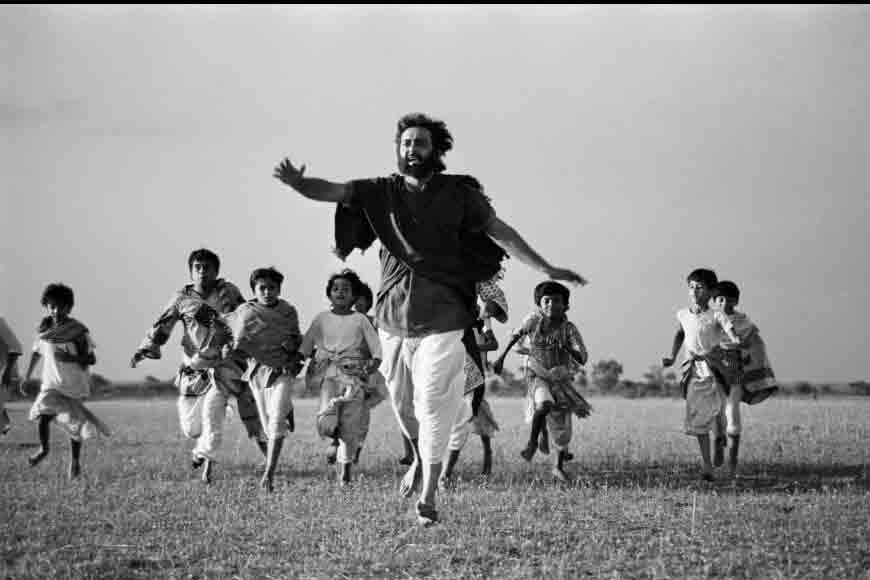
Iconic scene from Pather Panchali (1955)
Pather Panchali (1955)

Breakthrough of Satyajit Ray

A young Ray had grown up on Hollywood movies, so when his ad agency sent him to London for higher training, he spent more and more of his time in the company of films and started “losing interest in advertising in the process,” he once said in an interview. During this trip, he saw Vittorio De Sica’s “Ladri di biciclette” (Bicycle Thieves),in 1948, a neo-realist Italian masterpiece of post-War despair and was entranced by its beguiling simplicity and humanism. Back in Calcutta, he heard that Jean Renoir was in town and walked straight into the hotel where the great French filmmaker was staying to confide in his own dreams of making a movie someday. Renoir, who was location-scouting for The River in Calcutta at the time, encouraged the aspirant. And so began the journey of the song of the little road.
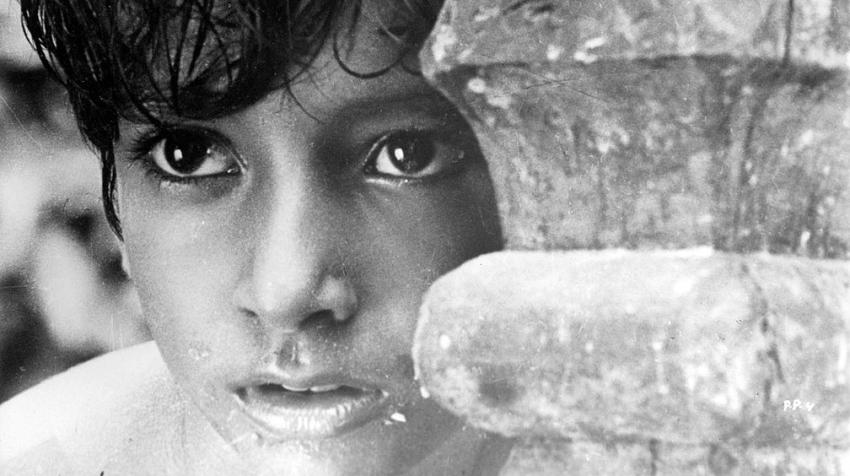
Subir Banerjee as Apu in Pather Panchali (1955)


Ray’s landmark debut, Pather Panchali ( which was adapted from  eponymous 1928 Bengali novel “Pather Panchali” by eminent Bengali novelist Bibhutibhusan Bandopadhay) was on a shoe-string budget in 1955 with a mostly non-professional cast. All the while, he clung on to his job for a safety net even as he shot what would become the first of the classic Apu Trilogy on weekends. The film was apparently being made by a group of neophytes, who had to stop filming more than once, owing to the depletion of their shoestring budget.
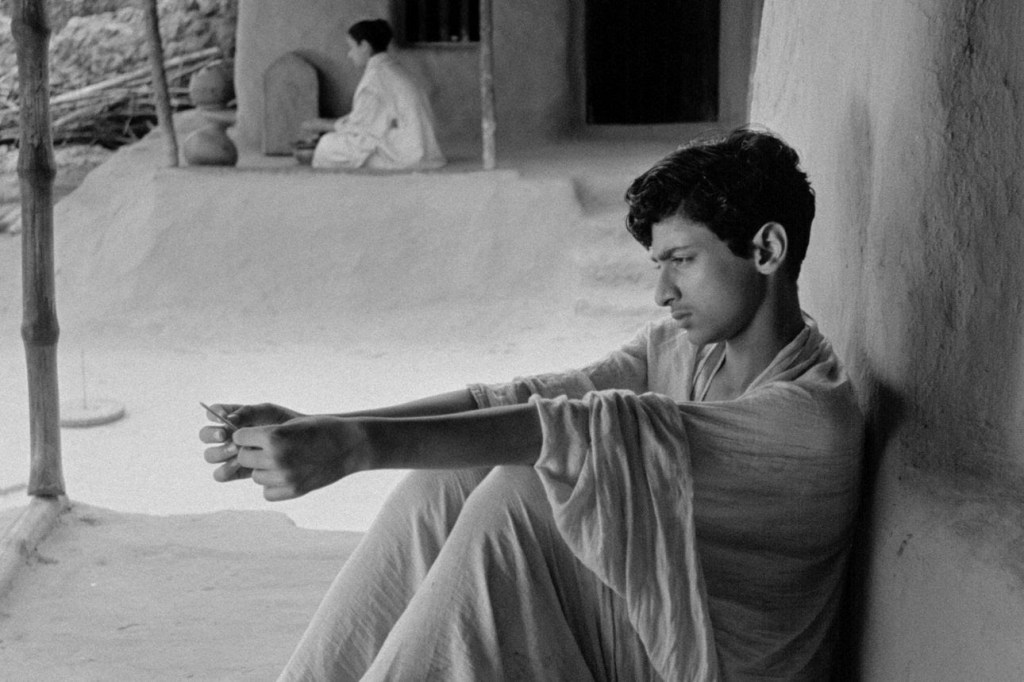
Smaran Ghoshal as Apu in Aporajito (1956)

Notable Films of Satyajit Ray

Ray directed 36 films, comprising 29 feature films, five documentaries, and two short films. Pather Panchali was completed in 1955 and turned out to be both a commercial and a tremendous critical success, first in Bengal and then in the West following a major award at the 1956 Cannes International Film Festival. sured Ray the financial backing he needed to make the other two films of the trilogy: Aparajito (1956; The Unvanquished) and Apur Sansar (1959; The World of Apu). Pather Panchali and its sequels tell the story of Apu, the poor son of a Brahman priest, as he grows from childhood to manhood in a setting that shifts from a small village to the city of Calcutta.
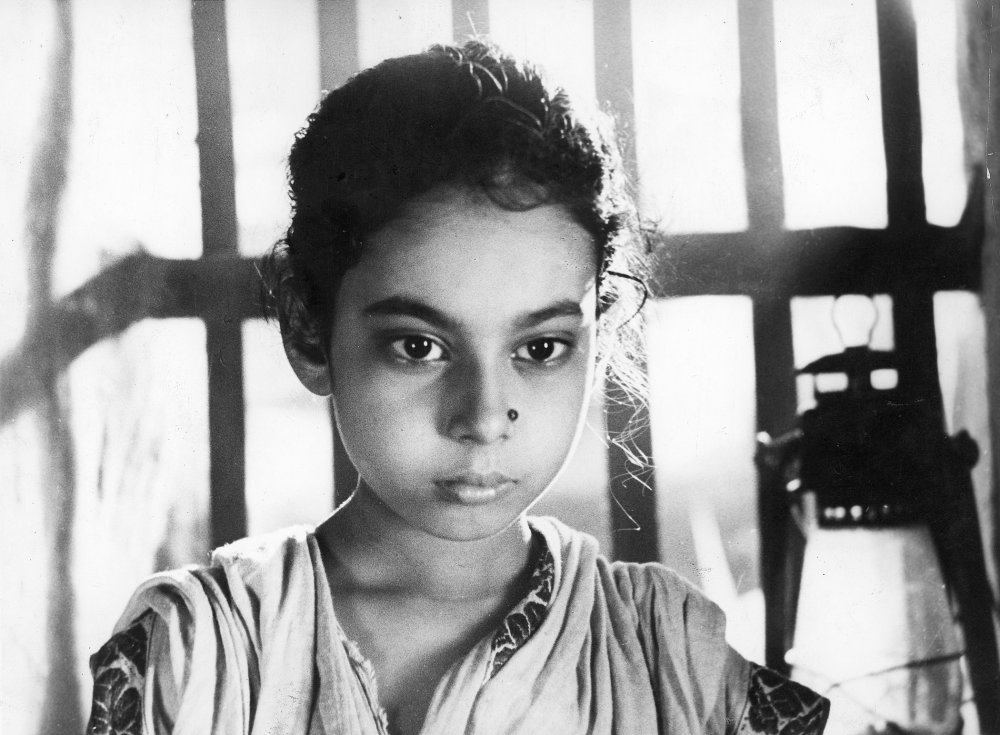
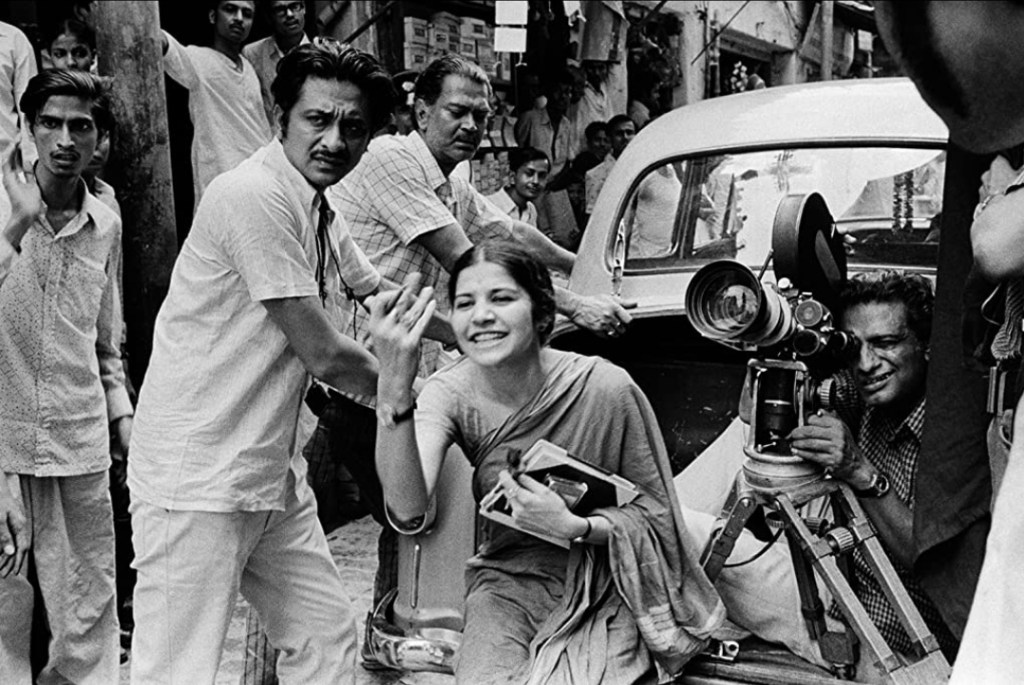
Chandana Banerjee in Teen Kanya (1961)
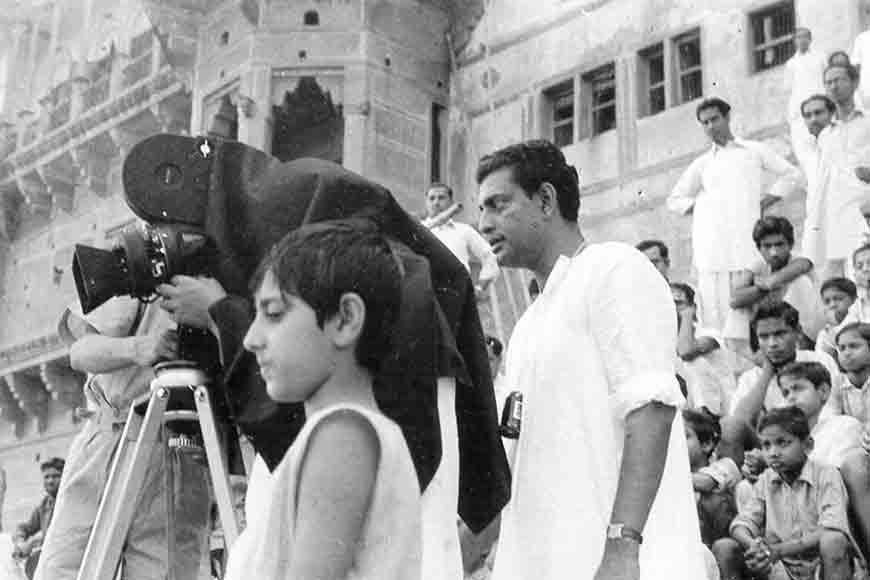
During the Shooting of Jana Aranya (1975)
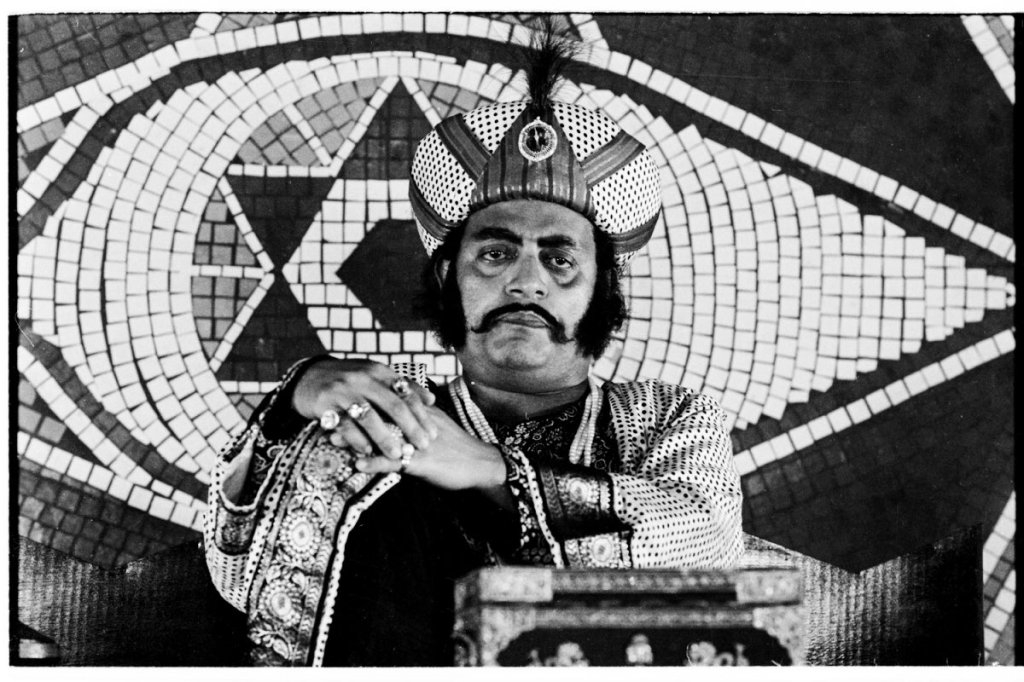
Utpal Dutta in Hirok Rajar Deshe(1980)
Soumitra Chatterjee in Hirok Rajar Deshe (1980)
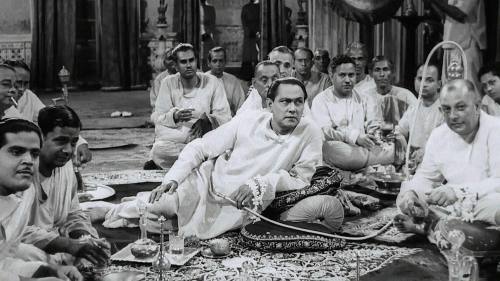
Chhabi Biswas (in middle) in Jalsaghar (1958)
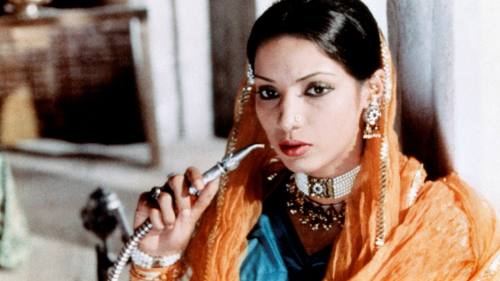
Shabana Azmi in Shatranj ke Khilari (1977)
Satyajit Ray during the shooting of Sonar Kella(1974)

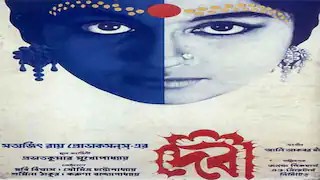
Ray’s major films about Hindu orthodoxy and feudal values (and their potential clash with modern Western-inspired reforms) include Jalsaghar (1958; The Music Room), an impassioned evocation of a man’s obsession  with music; Devi (1960; The Goddess), in which the obsession is with a girl’s divine incarnation; Sadgati (1981; Deliverance), a powerful indictment of caste; and Kanchenjungha (1962), Ray’s first original screenplay  and first colour film, a subtle exploration of arranged marriage among wealthy, westernized Bengalis. Shatranj ke Khilari (1977; The Chess Players), Ray’s first film made in the Hindi Language , with a comparatively large budget, is an even subtler probing of the impact of the West on India. Although humour is evident in almost all of Ray’s films, it is particularly marked in the comedy Parash Pathar (1957; The Philosopher’s Stone) and in the musical Goopy Gyne Bagha Byne (1969; The Adventures of Goopy and Bagha), based on a story by his grandfather. 

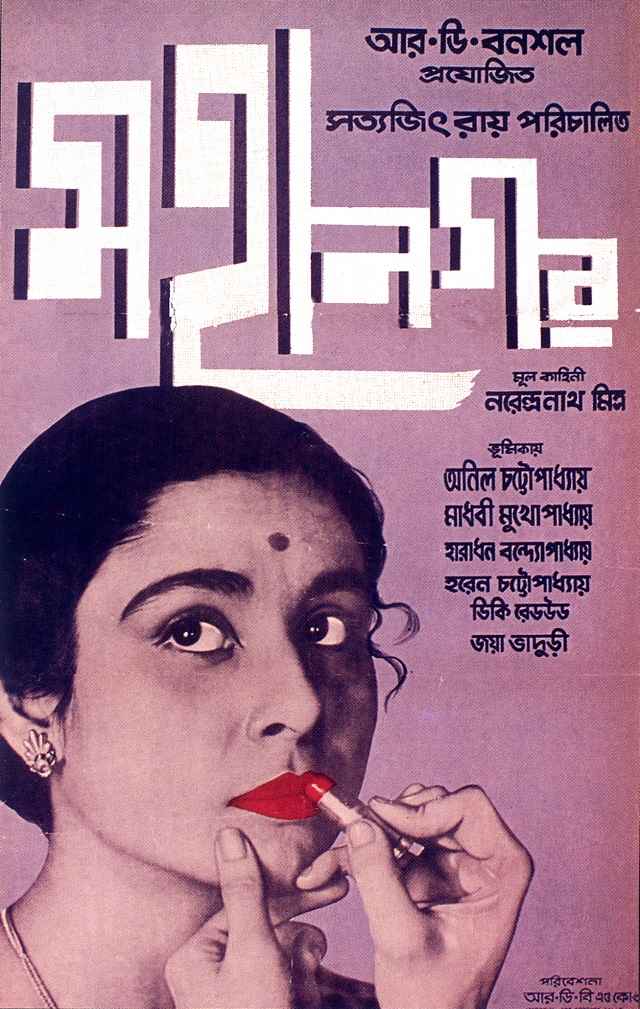
His other notable films were Ahsani Sanket (1973; Distant Thunder), Aranyer Din Ratri (1970; Days and Nights in the Forest) , Mahanagar (1963; The Big City) and a trilogy of films made in the 1970s—Pratidwandi (1970; The Adversary), Seemabaddha (1971; Company Limited), and Jana Aranya (1975; The Middleman), Ganashatru (1989; An Enemy of the People),  Shakha Prashakha (1990; Branches of the Tree), and the Agantuk (1991; The Stranger).
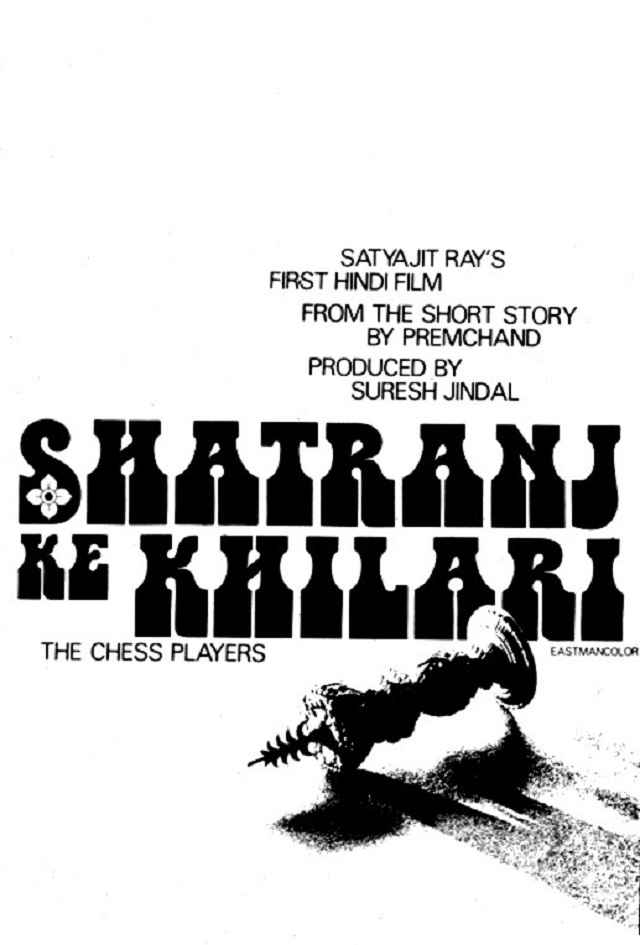
Poster of Shatranj ke Khilari (1977)
Poster of Devi(1960)
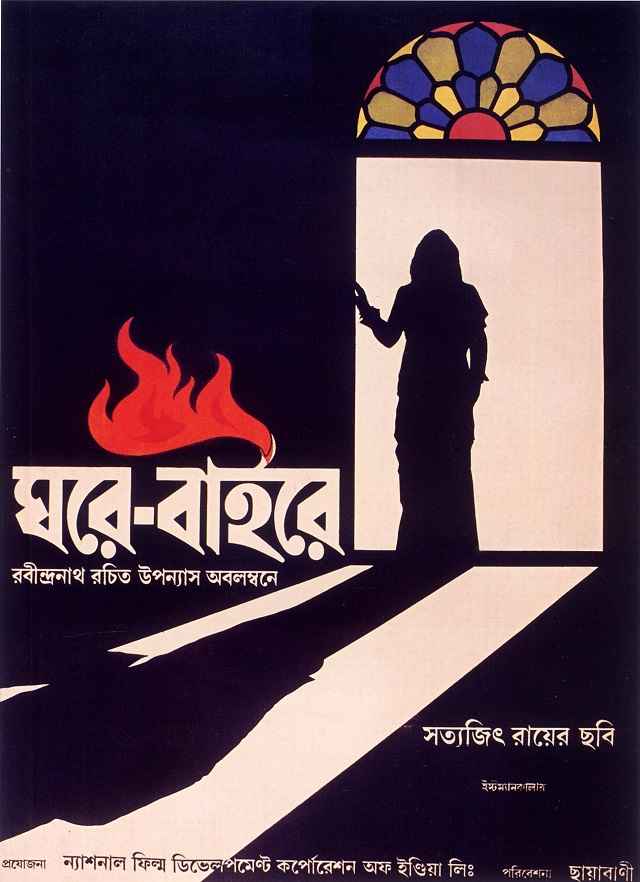
Poster of Ghore-Baire
Poster of Mahanagar(1963)
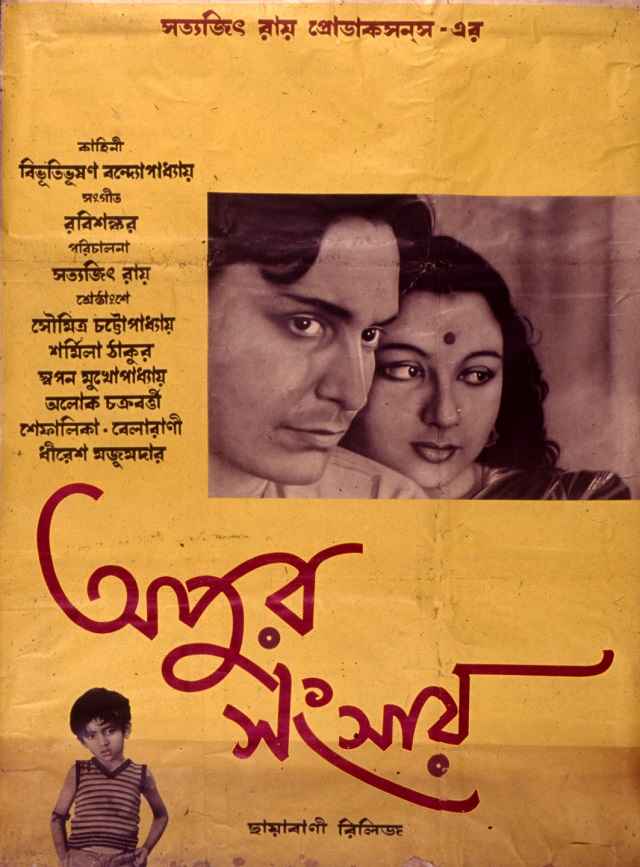
Poster of Apur Sansar (1959)
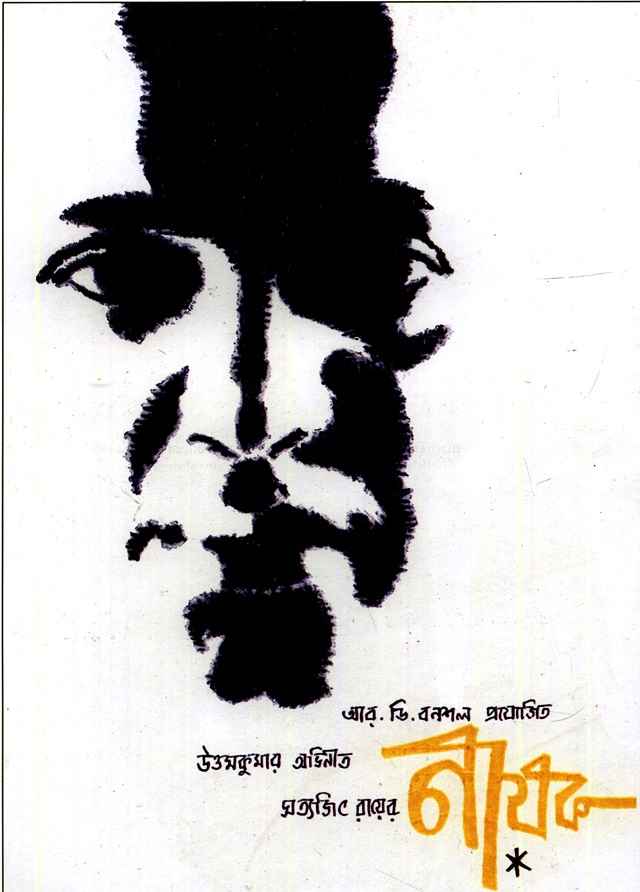
Poster of Nayak
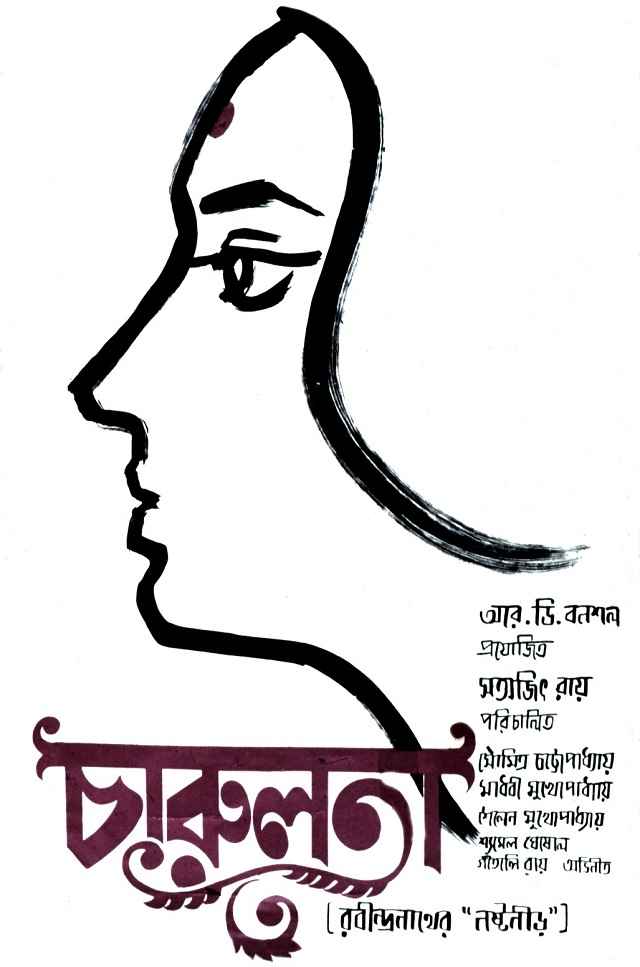
Poster of Charulata

Work As A Novelist

Ray created two popular fictional characters in Bengali children’s literature—Feluda, a sleuth, and Professor Shanku, a scientist. The Feluda stories are narrated by Topesh Ranjan Mitra aka Topse, his teenage cousin, something of a Watson  to Feluda’s Holmes. The science fictions of Shonku are presented as a diary discovered after the scientist had mysteriously disappeared. Ray also wrote a collection of nonsensical verses named Today Bandha Ghorar Dim, which includes a translation of Lewis Carroll’s “Jabberwocky”. He wrote a collection of humorous stories of Mulla Nasiruddin  in Bengali.  Ray wrote an autobiography about his childhood years, Jakhan Chhoto Chhilam (1982), translated to English as Childhood Days: A Memoir by his wife Bijoya Ray. In 1994, Ray published his memoir, My Year’s with Apu, about his experiences of making The Apu Trilogy.
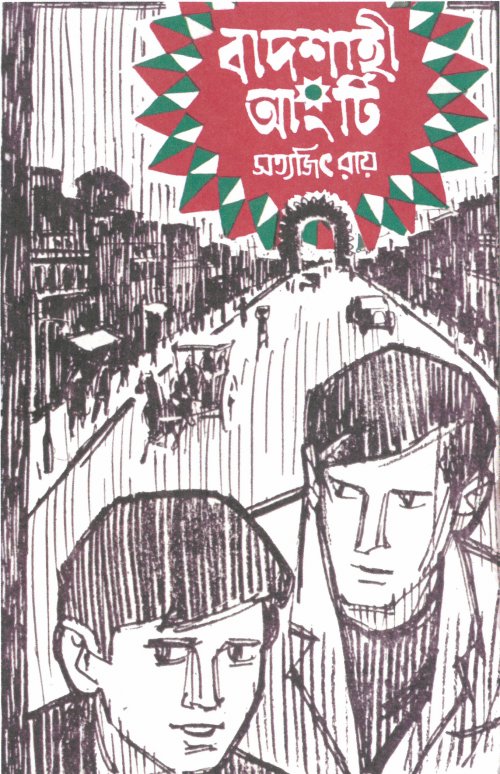
Book Cover illustrated by Satyajit Ray, himself for his first detective novel “Badshahi Angti”.
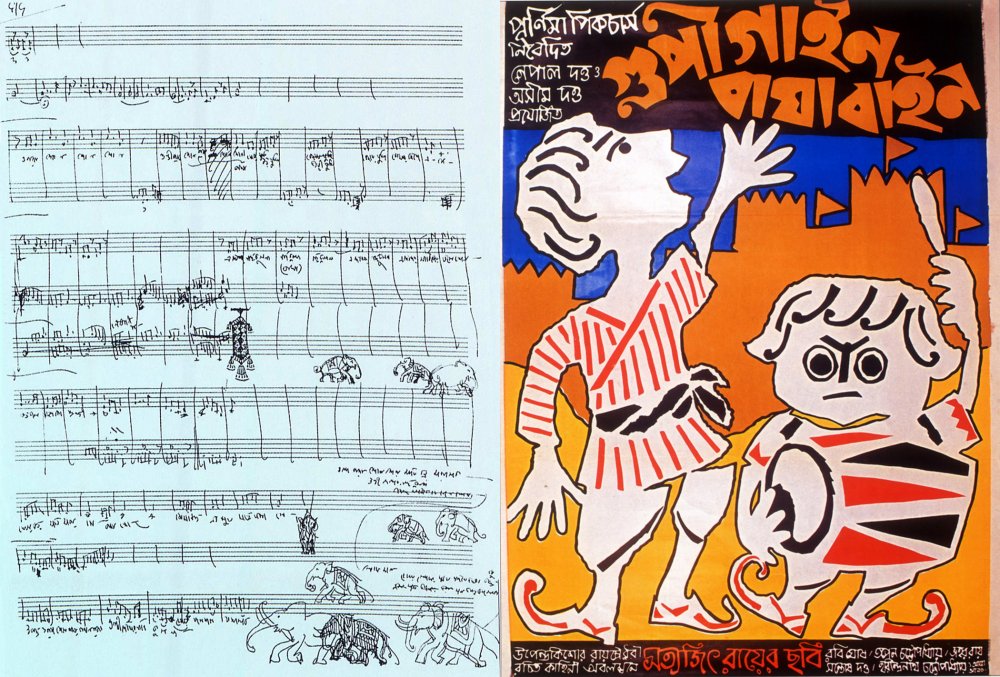
The musical score and Poster for Goopy Gyne Bagha Byne(1969), done by Satyajit Ray, himself
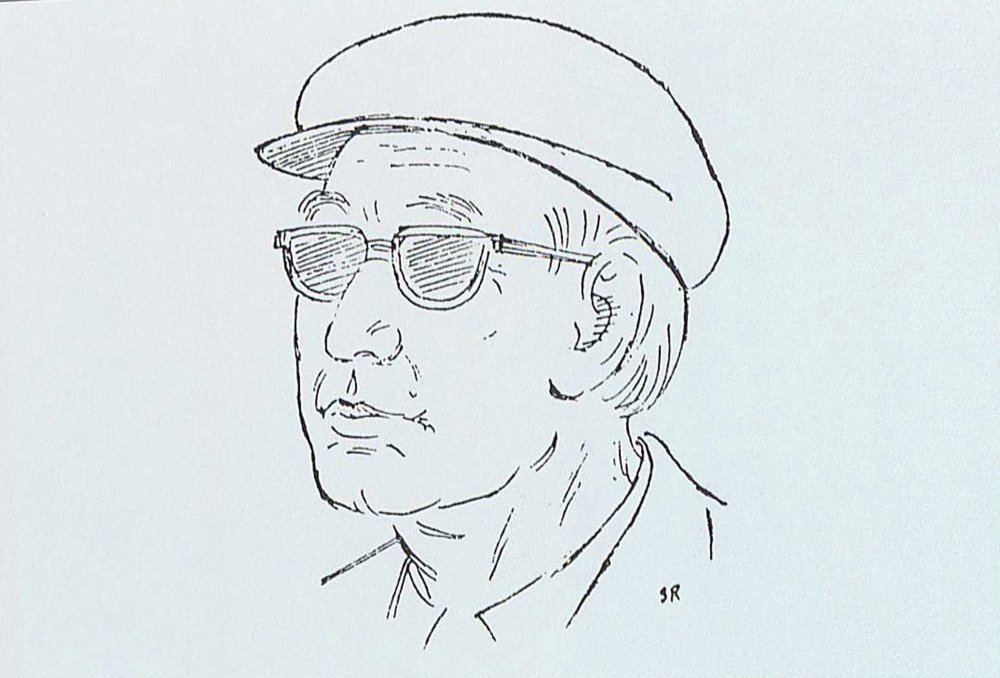
Portrait of Akira Kurosawa, illustrated by Satyajit Ray

Critical Analysis of Satyajit Ray

Instead of acting like a propagandist, Ray wanted to make people aware of the persistence of certain social problems. Devi and Ganasatru show people’s blind religious beliefsSakha Prasakhadiscloses the involvement of the top officials with bribery and corruption, Shatranj ke Khilari indicates the indolence and lack of political consciousness of the wealthy people, Aranyer Din Ratrireveals the insensitivity and boasting of the urban young men, and Mahapurush mockingly exposes the failure of the urban elite to embrace rational thoughts. Given the necessity of making people conscious of the same problems in present-day society, these films are still relevant today. Ray’s films also made a departure from tradition by frequently including strong women characters. Sarbajaya in Pather Panchali and Aparajito, Manisha in Kanchenjungha, Arati in Mahanagar, Charu in Charulata, Karuna in Kapurush, Aditi in Nayak, Aparna and Jaya in Aranyer Din Ratri, Sudarshana in Seemabadhdha, and Ananga in Asani Sanket appear as bolder, more confident, and more resilient than the male characters. In an interview, Ray states that the inclusion of unwavering women characters reflects his own attitudes towards and personal experience with women.

Awards Received by Satyajit Ray

Ray received many awards, including 36 National Film Award  by the Government of India, and awards at international film festival. In 11th Moscow International Film Festival 1979, he was awarded with the Honorable Prize for the contribution to cinema. At the Berlin International Film Festival, he was one of only four filmmakers to win the Silver Bear for Best Director  more than once and holds the record for the most Golden Bear  nominations, with seven. At the Venice Film Festival, where he had previously won a Golden Lion for Aparajito  (1956), he was awarded the Golden Lion Honorary Award in 1982. That same year, he received an honorary “Hommage à Satyajit Ray” award at the 1982 Cannes International Film Festival. Ray is the second film personality after Charlie Chaplin  to have been awarded an honorary doctorate  by Oxford University.

He was awarded the Dadasaheb Phalke Award  in 1985, and the Legion of Honour  by the President of France  in 1987. The Government of India awarded him the Padma Bhusan in 1965 and the highest civilian honour, Bharat Ratna, shortly before his death. The Academy of Motion Picture Arts and Sciences  awarded Ray an Honorary Award  in 1992 for Lifetime Achievement. In 1992, he was posthumously awarded the Akira Kurosawa Award for Lifetime Achievement in Directing at the San Francisco International Film Festival.

Conclusion

Whenever we talk about radical filmmaking in the realm of Bengali cinema, Satyajit Ray’s maiden feature (made in the face of tremendous odds) is mentioned. From Pather Panchali to his last film Agantuk, Ray never compromised on high standards, thereby making a huge impression. Having a greater familiarity with the oeuvre of Ray would enable people to understand the impressive qualities and importance of socially-meaningful cinema. We are surely in need of films that would make us perceive the beauty of a dewdrop on a blade of grass, strengthen our sense of humanism, and raise our social consciousness—hence, the everlasting relevance of the cinema of Satyajit Ray.
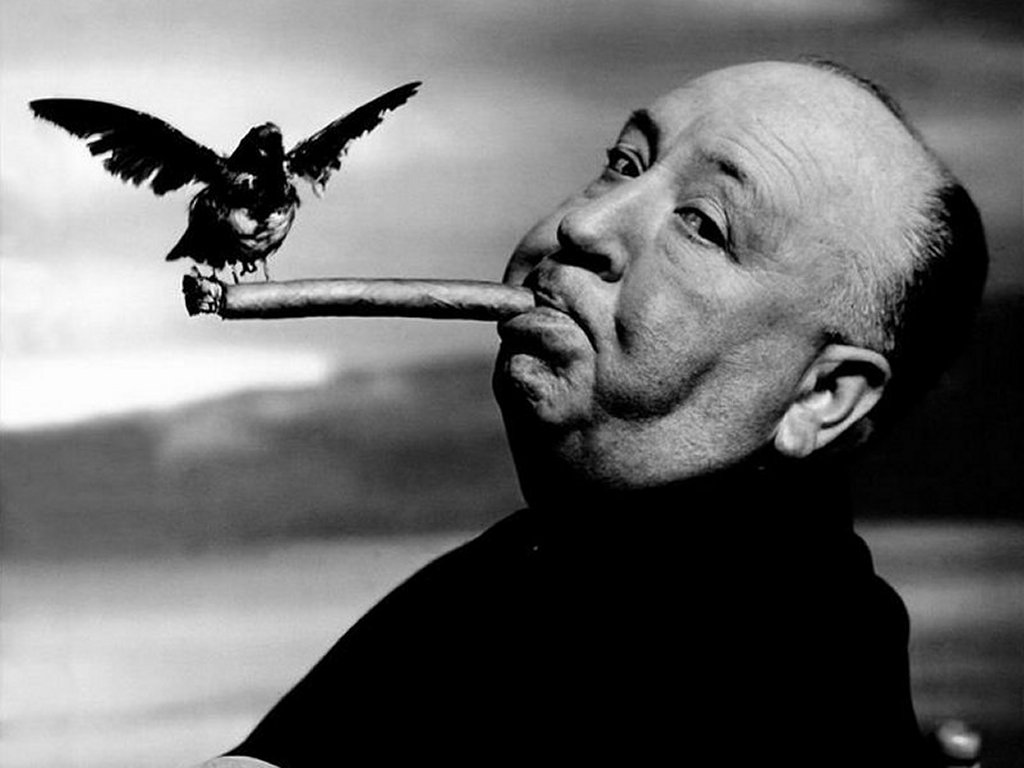
Analyzing Alfred Hitchcock: The Psychological Genius Mind

Sir Alfred Hitchcock

Introduction

The movies of Alfred Hitchcock, seem to have a permanent place in both American and Global Cinematic history. He is a common topic to turn when discussing auteur directors, film history,  suspense and psychoanalysis. His visual style is very distinct, the close-ups, subjective camerawork, unusual camera angles and the list goes on. Today, in this article, we intend to analysis the visual choices of Hitchcock’s most well known works including Vertigo, Rear Window and Psycho.

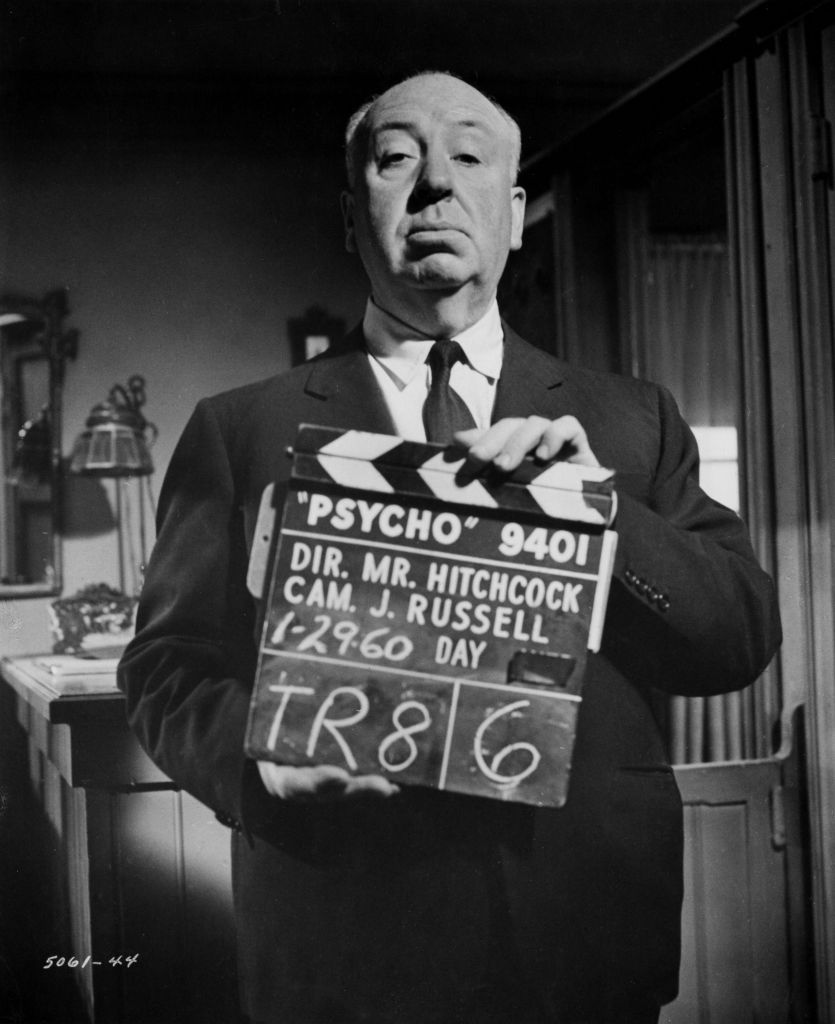
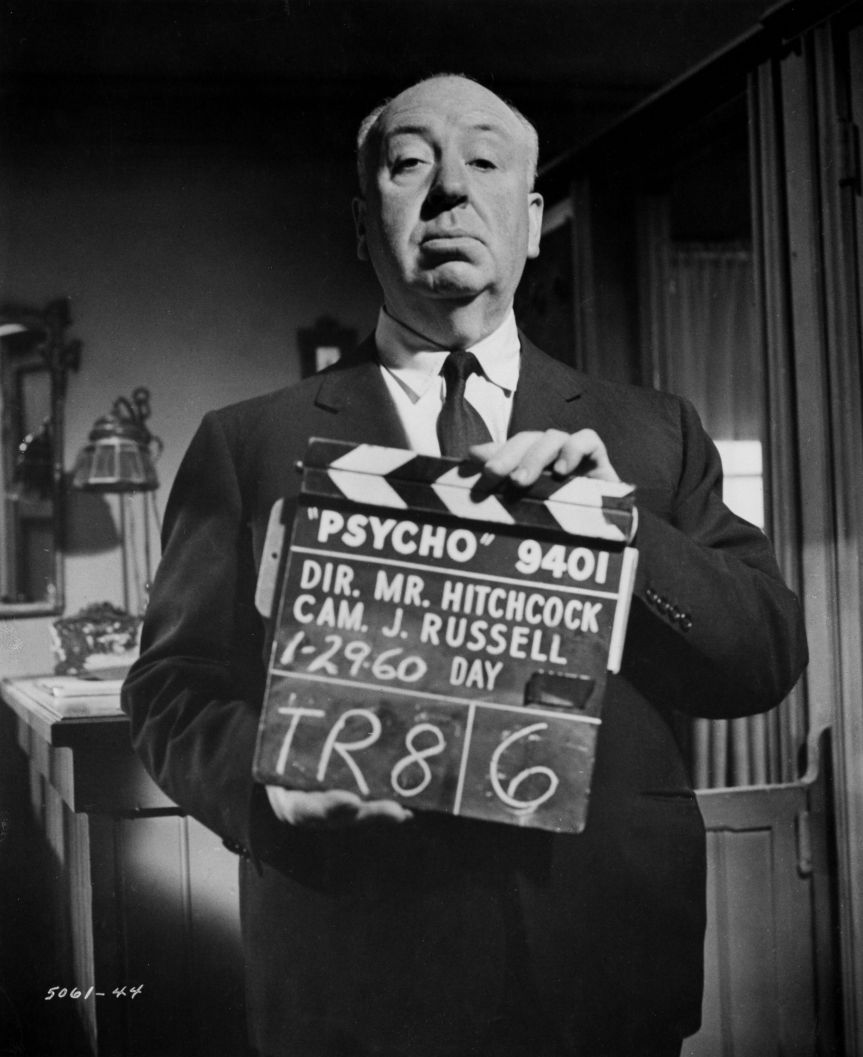
Sir Hitchcock before the shooting for Psycho (1960)

About Alfred Hitchcock

Sir Alfred Joseph Hitchcock  (13 August 1899 – 29 April 1980) was an English filmmaker who was one of the most influential figures in the history of cinema. In a career spanning six decades, he directed over 50 feature films, many of which are still widely watched and studied today. Known as the “Master of Suspense“, he became as well known as any of his actors thanks to his many interviews, his cameo roles  in most of his films, and his hosting and producing the television anthology Alfred Hitchcock Presents  (1955–65). His films garnered 46 Academy Awards nominations, including six wins, although he never won the award for Best Director despite five nominations.
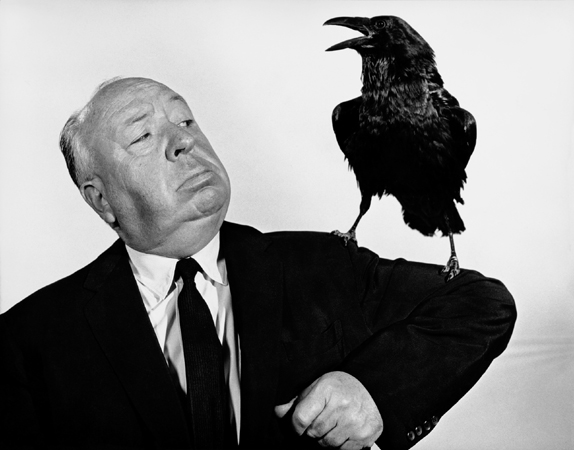
Sir Hitchcock

Techniques and Methodology of Hitchcock’s Works

Alfred Hitchcock’s attention to detail in his films is one of the many things that makes him one of the most recognized film auteurs of all time. He was very particular what about he wanted seen on screen and how he wanted to get those shots. From camera movements to the things found in the mise-en-scène, Hitchcock was very precise about every little thing that is seen in his on screen worlds. He would strategically place objects throughout the mise-en-scène and have characters wear certain clothing. By doing this, Hitchcock is able to let the audience know things about the characters and the plot without it having to be said on camera. Hitchcock once said that “If it’s a good movie, the sound could go off and the audience would still have a perfectly clear idea of what was going on” . To Hitchcock, the conversations in his films were not important.  Visuals were of the utmost importance.  He loved point of view shots, which showed a shot of the actor and then cut to a shot of what the actor was looking at in order to convey what the actor is looking at; pretty much, the Kuleshov effect.

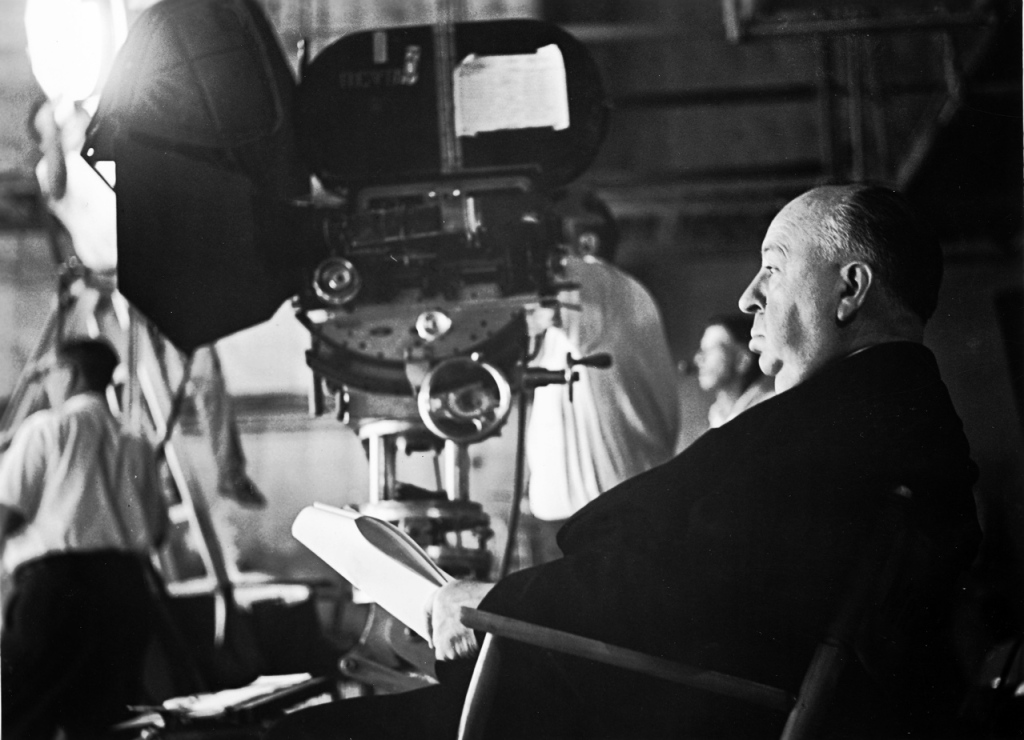
Sir Alfred Hitchcock on the set of one of his movies

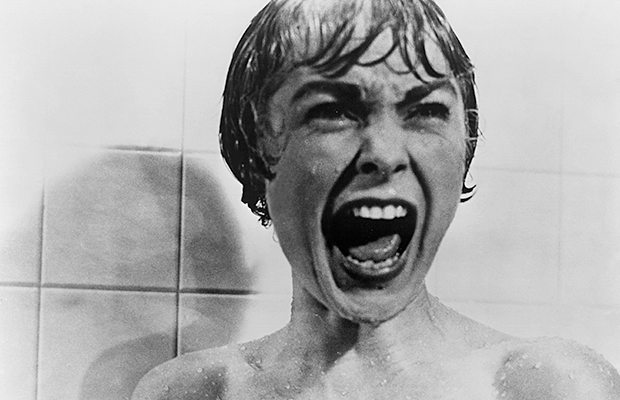
The soundtrack was extremely important to Alfred Hitchcock, as he managed to sync the music with the actions of the scenes.  His most famous scene would be the shower scene in Psycho, where the orchestra is perfectly correlated with the murder.  In his famous film, Hitchcock also incorporated the use of shot/reverse shot, a standard shot pattern that directors use to film conversations between two characters. In general, the actors avoid speaking directly to the viewer, because doing so acknowledges the audience’s presence and destroys the illusion of a naturally unfolding story. From panning shots, to tracking shots Alfred Hitchcock used his techniques in filming and editing in order to create great products that continue to intrigue audiences to this day.
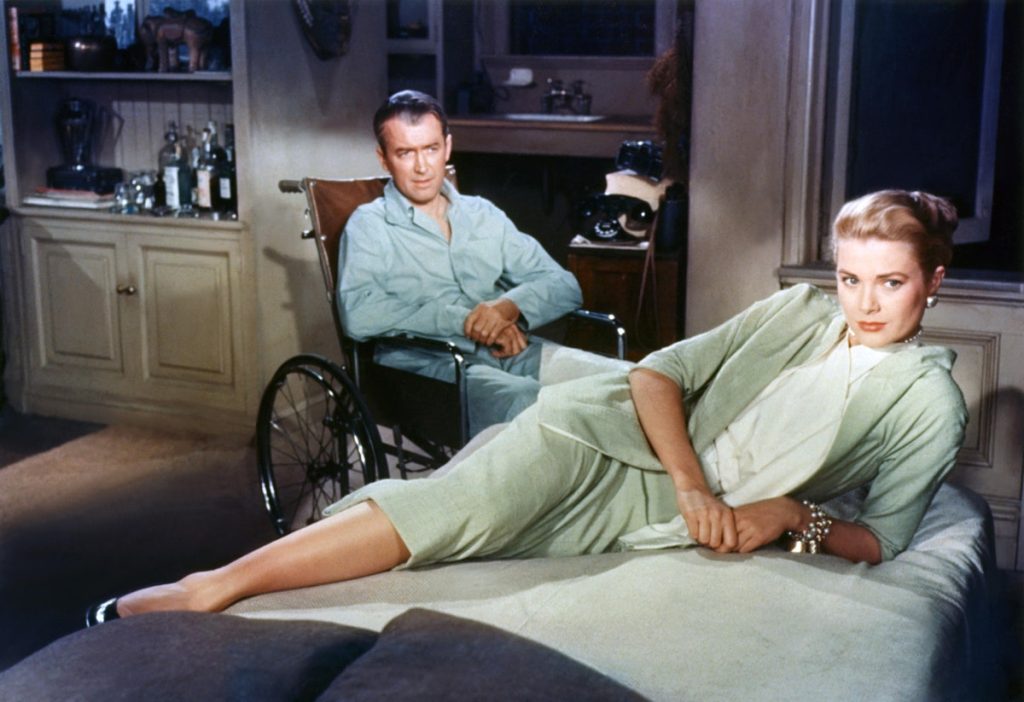
James Stewart as Jeff and Grace Kelly as Lisa Carol in Hitchcock’s Rear Window (1954) movie

Analysis of The Film “Rear Window” (1954)

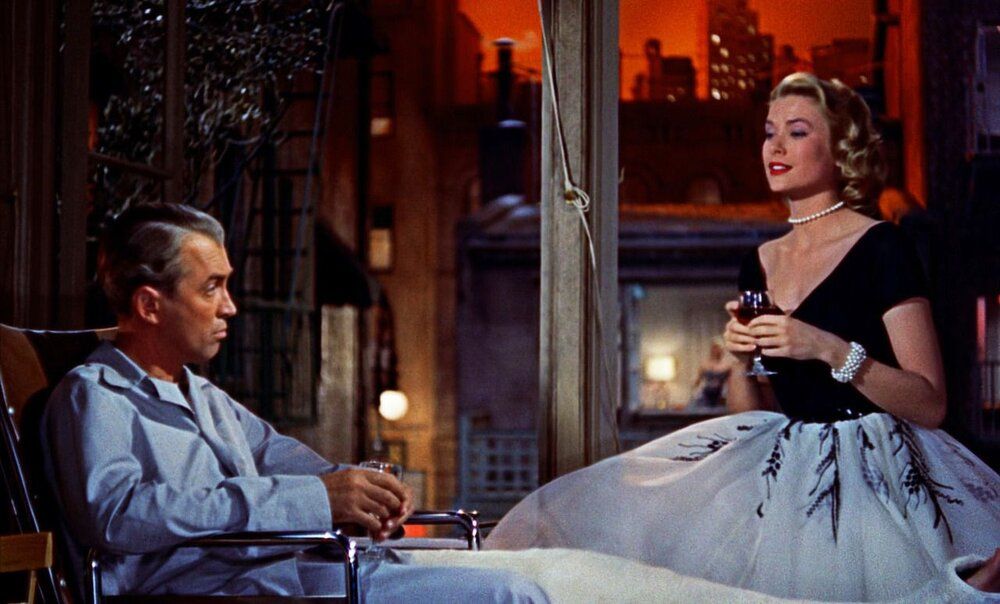
The cinematography of Rear Window mainly focuses on the use of lighting and shadows. With the darkness and mystery of the film, Alfred Hitchcock was able to use his lighting to his best advantage. The light always is picking up on important symbols or messages in the scene. Such as the scene when the salesman finally comes into Jeff‘s room, the light only picks up on Jeff’s most valuable senses; his hands and eyes. Along with the lighting, the interesting angles are very common.  Not only did it create suspense, it creates confusion and the viewer wants to see more. Mise en Scene was very important in this film, as all of the scenes happened in the same group of apartments. In the city of New York, everything is very tight because of the huge population. The use of the differently decorated rooms also created personality and character for the roles who didn’t even speak

Scene from Hitchcock’s Rear Window (1954) movie

Although sound and music weren’t always in the film, it was there when it needed to be. The traffic and sounds of the city were placed delicately to remind the viewer of the area. The mix of piano from the songwriter in one apartment, from the screeching violins during nail-biting moments, created emotions for the viewer. Editing was evident everywhere, especially during a fight scene, or used very consciously during high suspense. The fades were apparent from day to day, which helped the viewer better understand the passage of time.

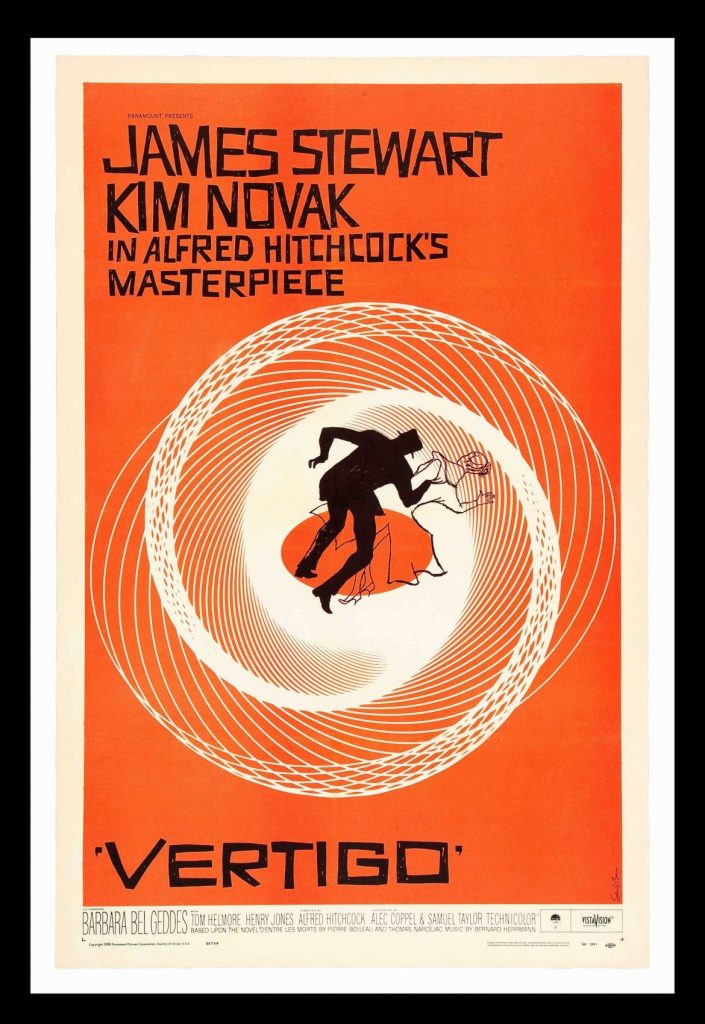
Poster of Hitchcock’s Vertigo (1958) movie

Analysis of The Film “Vertigo” (1958)

Vertigo is a 1958 suspense thriller directed by Alfred Hitchcock, written by Alec Coppel and Samuel Taylor and based upon the 1954 novel ‘D’entre Les Morts’ by Pierre Boileau and Thomas Narcejac. Starring James Stewart, Kim Novak and co-starring Barbara Bel Geddes.

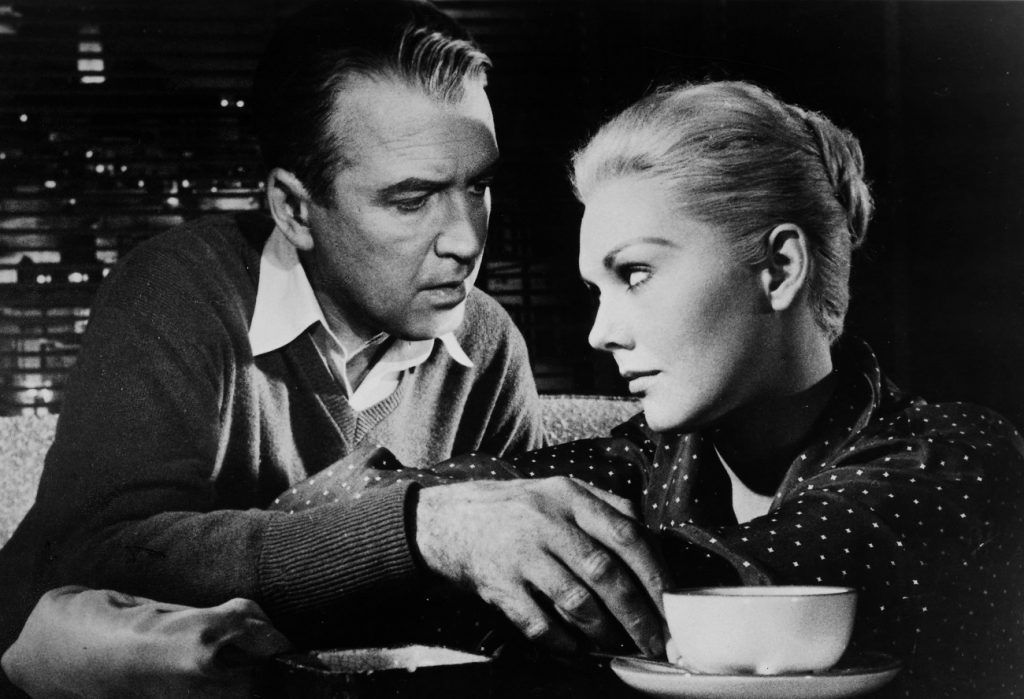
James Stewart as John Ferguson and Kim Novak as Madeleine in Hitchcock’s Vertigo (1958) movie

Vertigo is a film which functions on multiple levels simultaneously. On literal level it’s a mystery suspense story of a man hoodwinked into acting as an accomplice in a murder, his discovery of a hoax, and the unravelling of the threads of the murder plot. On a Psychological level, the film traces the twisted , circuitous routes of a psyche burdened down with guilt, desperately searching for an object on which to concentrate its repressed energy. Finally, on an allegorical or figurative level, it is a retelling of a immemorial tale of a man who has lost his love to the death and in hope of redeeming her descends into the underworld,  the most famous of these stories being that of Orpheus and Eurydice in Greek Mythology. Vertigo’s complexity however does not end with this multilevel approach to its tale, the film also succeeds in blurring the already fine line between objectivity and subjectivity . It takes the viewers so far into the mind of its main characters ( Scottie, played by Hitchcock veteran James Stewart), that audiences’ own objectivity, at least initially, is lost and replaced by complete identification with Scottie’s fantasies and obsessions.

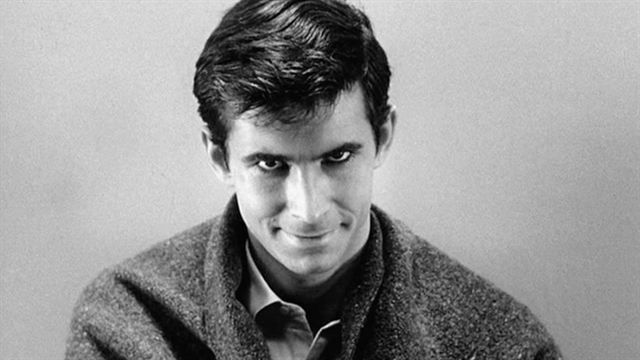
Anthony Perkins as Norman Bates in Hitchcock’s Psycho (1960) movie

Analysis of The Film “Psycho” (1960)

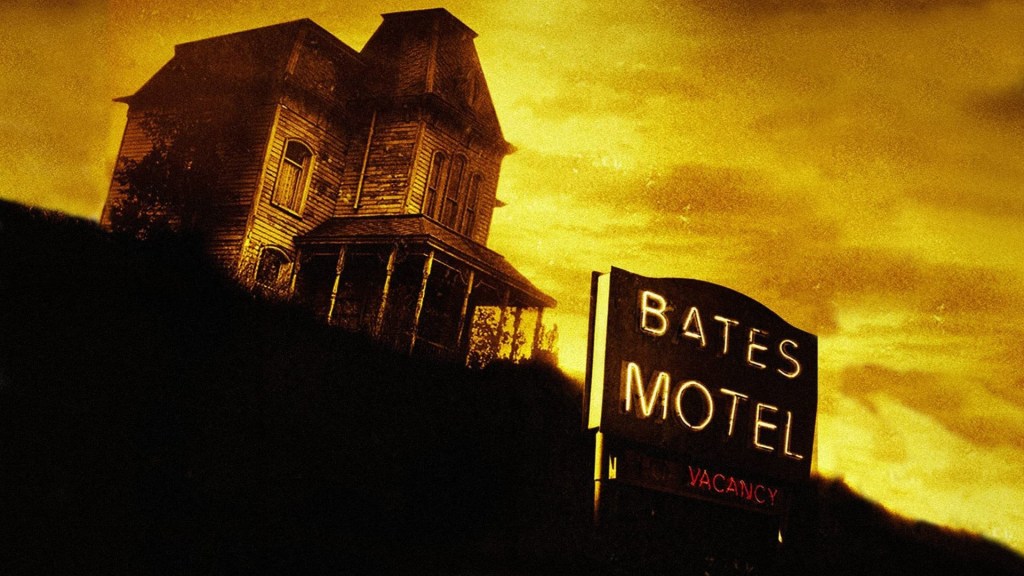
Hitchcock’s Psycho has been commended for forming the archetypical basis of all horror films that followed its 1960 release. The mass appeal that Psycho has maintained for over three decades can undoubtedly be attributed to its universality.

Scene from Hitchcock’s Psycho (1960) movie

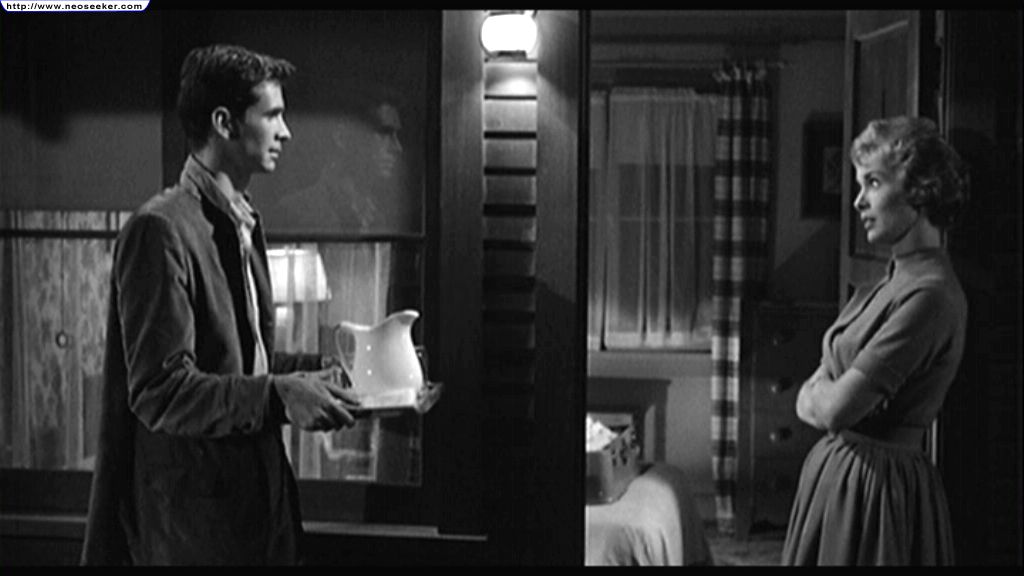
In Psycho, Hitchcock allows the audience to become a subjective character within the plot to enhance the film’s psychological effects for an audience that is forced to recognize its own neurosis and psychological inadequacies as it is compelled to identify, for varying lengths of time, with the contrasting personalities of the film’s main characters. Hitchcock conveys an intensifying theme in Psycho, that bases itself on the unending subconscious battle between good and evil that exists in everyone through the audience’s subjective participation and implicit character parallels. The initial confrontation between Marion and Norman Bates is used by Hitchcock to subtly and slowly sway the audience’s sympathy from Marion to Norman. Hitchcock compels the audience to identify with the quiet and shy character whose devotion to his invalid mother has cost him his own identity. Upon the introduction of Norman, Hitchcock introduces the first of several character parallels within Psycho. The clash between Marion and Norman, although not apparent to the audience until the end of the film, is one of neurosis versus psychosis.

Anthony Perkins as Norman Bates and Janet Leigh as Marion Crane in Hitchcock’s Psycho (1960) movie

The fear that Psycho creates for the audience does not arise from the brutality of the murders but from the subconscious identification with the film’s characters who all reflect one side of a collective character. Hitchcock enforces the idea that all the basic emotions and sentiments derived from the film can be felt by anyone as the unending battle between good and evil exists in all aspects of life.The effective use of character parallels and the creation of the audience’s subjective role in the plot allows Hitchcock to entice terror and convey a lingering sense of anxiety within the audience through a progressively intensifying theme. Hitchcock’s brilliance as a director has consolidated Psycho’s place among the most reputable and profound horror films ever made.

Scene from Hitchcock’s Psycho (1960) movie

Conclusion

Alfred Hitchcock who has been entitled to the master of apprehension, suspense and fear, entices the audience to discern his unknown inner in a simulation over cinema curtain. Human, sets back his instincts for years; withholds sex and anger and wrap it in his inner depths where even is impenetrable for himself. But there is always probability of arising it in the society as a coarse event. Eruption of anger from sub-consciousness of Hitchcock’s characters brings along murder, crime and often imagination, tragic psychic disturbances. Anyone might be involved with the condition of these characters in real world. Most of Hitchcock’s movies create suspense in very first minutes of the show. The propensity to know arouses in him. He limits and draws attention of the audience to the film.Dark spaces, long and fearsome roads, deserted places and empty of habitat, are signs and symbols which sometimes refers to unaware and its inner events. Making use of sharp-pointed lines and thorn-shaped edges in locations and shades, which are taken from Gothic style, makes the movies horror and terror. Hitchcock through increasing vigilance, guides the audience toward making a powerful “ego” against incidents which mostly indicates determinism.

Indian actors who proved their mettle in Hollywood.

Hollywood movies and American television are replete with extraordinary talent from all over the world. Several actors from India have been part of celebrated movies and shows that come out of Hollywood. From renowned Indian actors such as Irrfan, Om Puri and Nasiruddin Shah, to younger actors such as Dhanush, there is no dearth of talent when it comes to brilliant talent out of India.Actors from India have made waves in Hollywood for many years now, but there are a few stand-out names among them all, both old and new. Take a look at the list of five such indian actors who played a prominent role in Hollywood movies.

1.Irrfan Khan

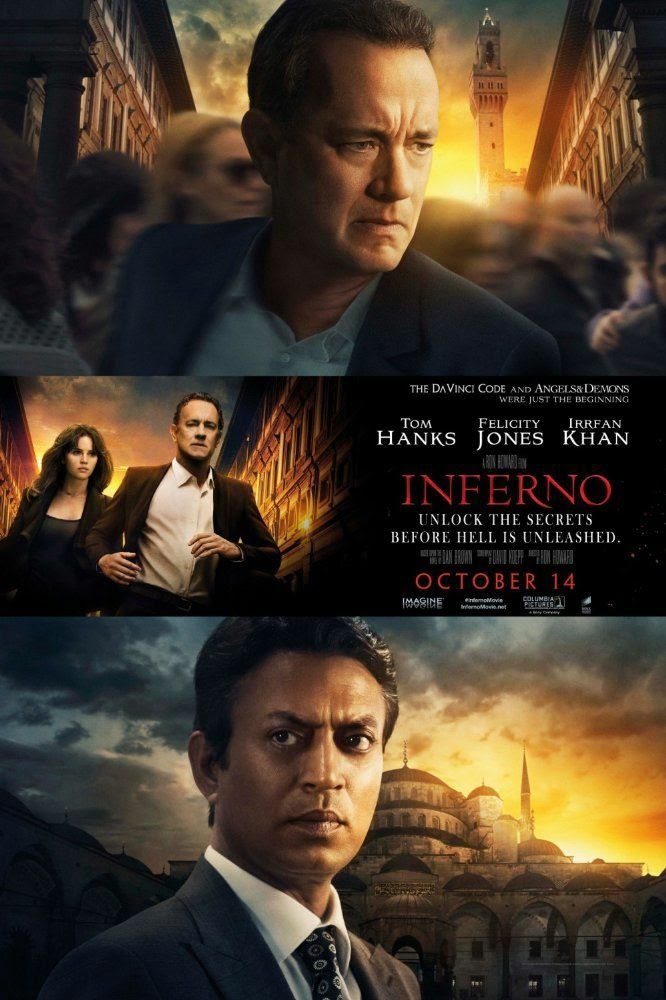
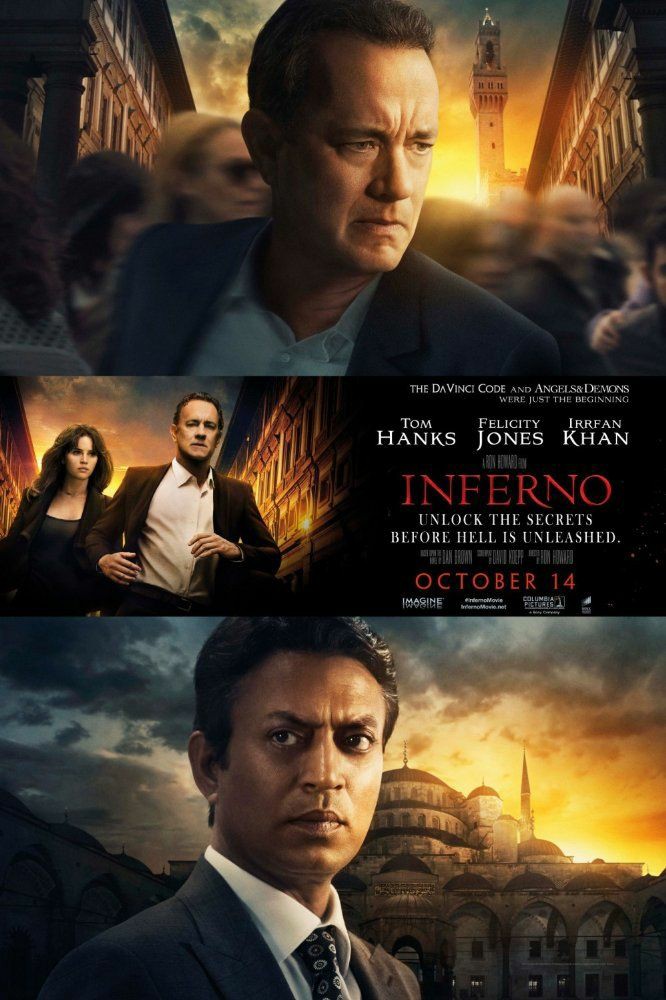
Irrfan Khan was an actor who defined brilliance.The late actor was well-regarded for his varied roles in Bollywood, having starred in dramas, comedies and indie films too. Cited in the media as one of the finest actors in Indian cinema, Khan’s career spanned over 30 years and earned him numerous accolades, including a National Film Award, an Asian Film Award, and six Filmfare Awards. In 2011, he was awarded the Padma Shri, India’s fourth highest civilian honour The late actor’s rendezvous with Hollywood started with A Mighty Heart and The Darjeeling Limited. In 2006, he starred in the lead role alongside Tabu in Mira Nair’s The Namesake. Other movies that he has starred in are Slumdog MillionaireThe Amazing Spider-Man in 2012, Jurassic WorldLife of Pi and Inferno.

2.Anupam Kher 

Anupam Kher is an Indian actor and the former Chairman of Film and Television Institute of India. He has appeared in over 500 films predominantly in Hindi language, and many plays .Apart from being extremely popular in Bollywood and opting for roles that make his versatility evident, Kher was seen playing the role of court-mandated therapist, Dr. Cliff Patel in the romantic comedy movie “Silver Linings Playbook” (2012). He was also seen in ‘Bend it like Beckham’ playing the role of a quintessential Indian father.Kher also appeared in Hotel Mumbai, based on the true events of the horrific 26/11 attacks in Mumbai when terrorists took over several key spots in India’s financial capital, including the celebrated Taj Mahal hotel. In the movie, Kher played the head chef who decides not to escape the hotel when the window of opportunity presents itself and stays back to help the guests who are still trapped inside.

3.om puri

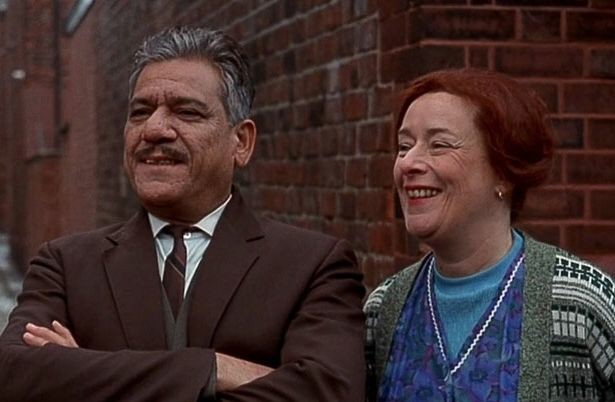
Another veteran Indian actor was Om Puri, known for his roles in Indian arthouse movies. The actor appeared in a number of Hollywood movies, from the Tom Hanks-Julia Roberts starring movie, Charlie Wilson’s War, The Hundred-Foot Journey, where he starred alongside Dame Helen Mirren, and the comedy-drama, East Is East . Om Puri was one of the few actors whose work has travelled from Bollywood to British and Pakistani cinema. The actor was part of Richard Attenborough’s Academy Award-winning film Gandhi. He was also part of Roland Joffe’s City of Joy, Mike Nichols’s Charlie Wildon’s War, Michael . Puri was also paid homage at Oscar Awards 2017.Puri was awarded Padma Shri, the fourth highest civilian award of India, in 1990.In 2004, he was made an honorary Officer of the Order of the British Empire.

4.Aishwarya Rai

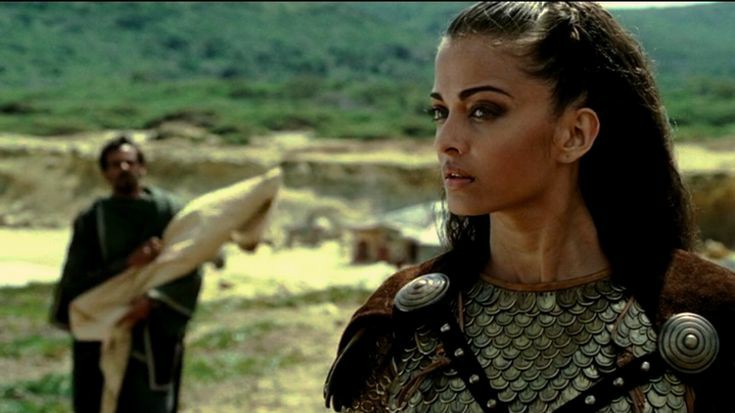
The lovely Aishwarya Rai is one of the most popular Indian celebrities the world over & was one of the first of her generation of Indian actors to have crossed over to Western projects, with lead roles in movies like Gurinder Chadha’s Bride & Prejudice, Provoked, The Last Legion with Colin Firth and Ben Kingsley, and as the femme fatale in the comedy-drama, The Pink Panther 2.Rai is touted as one of the most beautiful actresses in commercial Indian cinema and has, for years, been on the jury for the Cannes Film Festival.Rai has received numerous accolades, including two Filmfare Awards, and was honoured with the Padma Shri by the Government of India in 2009 and the Ordre des Arts et des Lettres by the Government of France in 2012. She has often been cited in the media as “the most beautiful woman in the world”

5.Ali fazal

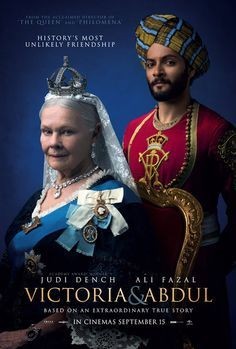
Ali Fazal’s Bollywood journey is filled with hits and misses. However, he had done some notable projects in Hollywood. The actor has starred in Fast and Furious 7 and went on to play the lead in Victoria and Abdul alongside Judi Dench. One star who is slowly making inroads in the West is the versatile Ali Fazal. The actor, who is well known for his role in crime thriller web show ‘Mirzapur’, starred alongside Dame Judi Dench in ‘Victoria & Abdul’. He will soon be seen in ‘Death on the Nile’, a Hollywood adaptation of the Agatha Christie novel of the same name.

Best fantasy TV/Web Series to Watch

There have been innumerous fantasy web series being launched since the 21st century dawned mainly because of the advancement of technology. With each year visual effects improved. Following are some of the most popular web series arranged according to the IMBD rating and are mainly released after 2010.

10. Chilling Adventures Of Sabrina (7.5)

Released in 2018 with 2 seasons and 36 episodes, it is a fantasy, horror, drama Netflix series. It is produced by Warner Bros Television. The leading role is played by a character named Sabrina Spellman Sabrina who is a half-human and half-witch who struggles to keep the balance between both sides.

9. The Vampire Diaries (7.7)

It was released in 2009 with 8 seasons and the 171st episode ended in 2017. With the genre of drama, supernatural, fantasy, horror it further has 2 more series interlined to some extent namely The Originals (8.2) and Legacies(7.4). It mainly consists of vampires werewolves and witches.

8. The Umbrella Academy (8)

With a perfect blend of action-adventure comedy and fantasy, it was released in 2019 has 2 seasons and 20 episodes. One peculiar 43 women gave birth at the same time and each child had a unique ability. Sir Reginald Hargreeves adopted 7 of them and formed a superhero squad named ‘The Umbrella Academy

7. Wanda Vision (8.1)

It is a recent web series launched in 2021 starred by 2 Marvel characters Wanda Maximoff and Vision. With the genre of action fantasy drama-comedy, the first few episodes are more towards comedy and with each episode, the series has more action.

6. Lucifer (8.1)

Released in 2016 with currently 5 seasons and 83 episodes, the story revolves around Lucifer Morningstar, lord of the hell who was cast out of heaven. With fantasy comedy, drama as its genre the series is set for another season.

5. The Witcher (8.2)

It is action, drama, fantasy series released in 2019 with 1 season and 8 episodes. It revolves around Geralt of Rivia, a monster hunter, who struggles to find his place in a world where humans are more wicked than beasts.

4.Supernaturals(8.4)

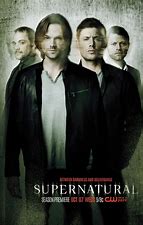
Released in 2005 with 15 seasons and 327 episodes the story is based on 2 brothers who hunt supernatural creatures. It is an action-adventure, drama, fantasy, horror series which finished in 2020.

3.Stranger Things (8.7)

The series premiered on Netflix on July 15, 2016, with 3 seasons and 25 episodes. It is a science fiction, horror, and drama web series. The story starts with the disappearance of a boy and the appearance of a strange girl Eleven with supernatural powers

Image result for loki serues

2. Loki (8.9)

Recently premiered based on a Marvel character Loki, it has 1 season and 5 episodes so far. It is an action-adventure fantasy drama series. There are supposed to be a total of 6 episodes in the first season and the second season is in development.

1. Game of Thrones (9.3)

Released in 2011 with 8 seasons and 73 episodes, it is based on 9 families who try to control the land of Westeros. With fantasy, tragedy, drama as its genre, it is one of the most popular series up to date

Top 20 best mystery Thriller movies

There is an undefined beauty in the film, filled with mystery and unexpected events. It drives most of us crazy when we don’t know what will happen next. When watching a mystery movie, the scenario is completely different. We love watching movies where it is impossible to predict. A mystery film becomes even better when the flavor of thriller is added to it. Thrillers are also about plausibility. Once magic or science-fiction works its way into the storyline, the film becomes less about normal people surviving harrowing situations and more about the mechanics of the fantasy world it now inhabits. The events of a thriller may be highly unlikely but they could, at least in an impressionistic way, happen in the real world. That’s what makes them captivating. It could happen to you. keeping this in mind I had prepared the list of best rated mystry thriller movies. The list consists of both , Hollywood as well as bollywood movies. The Movies are mostly numbered on the basis of their ratings, reviews from critics and public response. This is not a universal list in this genre, just take it as some suggestions if you wanna watch on this genre.

20. Prisoners (imdb- 8.1)

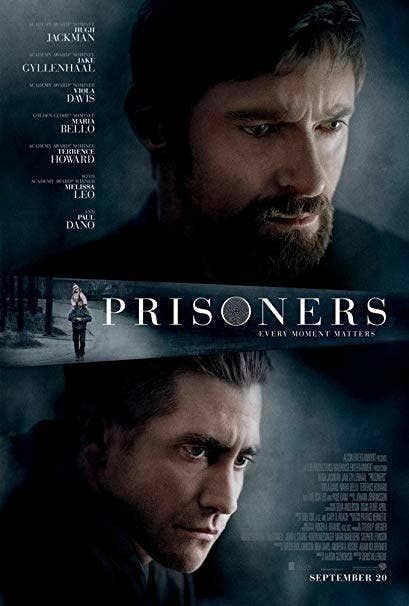
Prisoners is a 2013 American thriller film directed by Denis Villeneuve from a screenplay written by Aaron Guzikowski. The plot focuses on the abduction of two young girls in Pennsylvania and the subsequent search for the suspected abductor by the police. After police arrest a young suspect and release him, the father of one of the daughters takes matters into his own hands. It was chosen by the National Board of Review as one of the top ten films of 2013, and at the 86th Academy Awards, it was nominated for Best Cinematography.Gyllenhaal received the Best Supporting Actor of the Year Award at the 2013 Hollywood Film Festival for his “truly compelling, subtly layered” performance as Detective Loki.

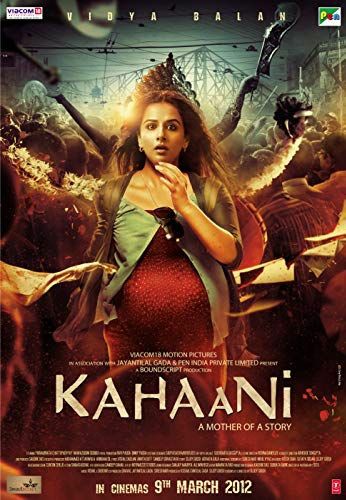
19.kahaani (IMDb-8.1)

Kahaani is a Indian Hindi-language thriller film co-written, co-produced and directed by Sujoy Ghosh. It stars Vidya Balan as Vidya Bagchi, a pregnant woman searching for her missing husband in Kolkata during the festival of Durga Puja, assisted by Satyoki “Rana” Sinha and Khan. Kahaani garnered generally positive reviews from critics. The film won several awards, including three National Film Awards and five Filmfare Awards. The latter included trophies for Best Director (Ghosh) and Best Actress (Vidya).

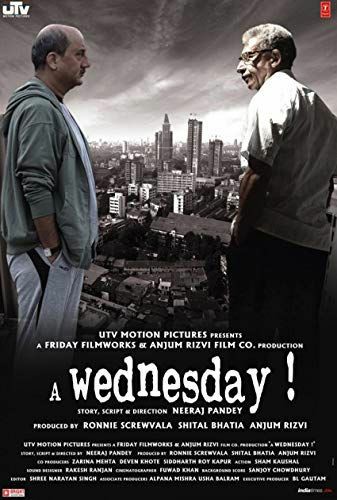
18.A Wednesday (IMDb-8.1)

A Wednesday! released on 5 September 2008 is a 2008 Indian Hindi-language thriller film written and directed by Neeraj Pandey.It stars Naseeruddin Shah and Anupam Kher. Set between 2 pm and 6 pm on a Wednesday,the film depicts an about-to-retire police commissioner (Anupam Kher) narrating a sequence of events that unfolded on a particular Wednesday. There does not exist any written record. The awareness of the incident exists only in his mind and in those of several individuals who were involved, willingly and unwillingly, and how those events affected the lives of all the concerned people. it won a number of awards including the Indira Gandhi Award for Best Debut Film of a Director at the 56th National Film Awards.

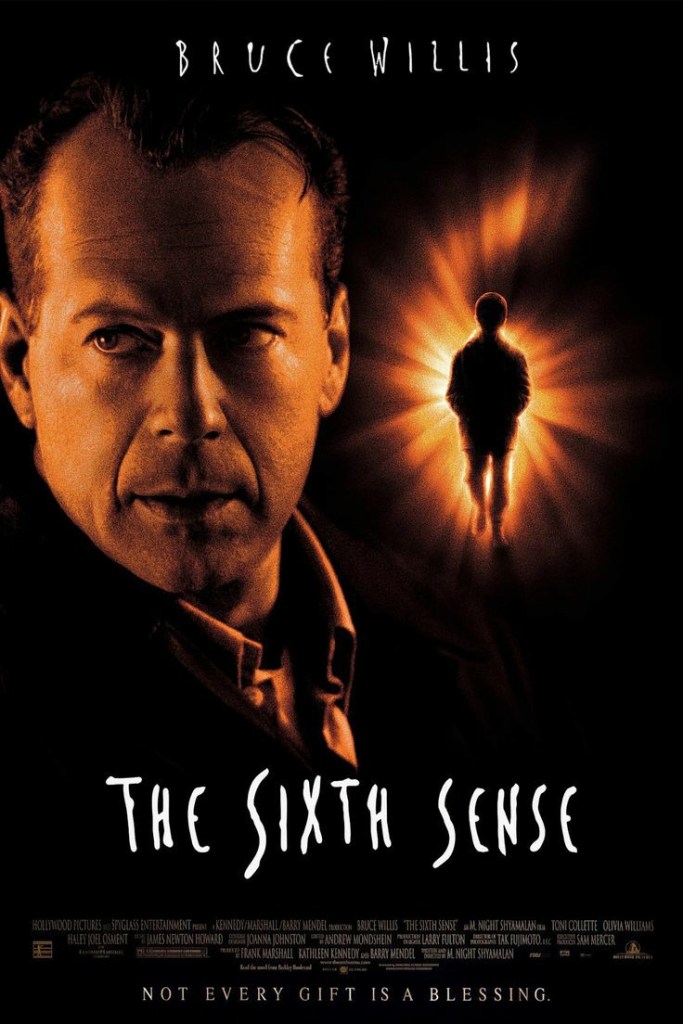
17.The sixth sense (IMDb- 8.1)

The Sixth Sense is a 1999 American supernatural psychological thriller film written and directed by M. Night Shyamalan. It stars Bruce Willis as a child psychologist whose patient (Haley Joel Osment) can talk to the dead. The film established Shyamalan and introduced the cinema public to his traits, most notably his affinity for surprise endings.It was nominated for six Academy Awards, including Best Picture, Best Director and Best Original Screenplay for Shyamalan, Best Supporting Actor for Osment, and Best Supporting Actress for Collette. It was the second-highest-grossing film of 1999, taking about $293 million in the US and $379 million in other markets.In 2013, the Writers Guild of America ranked the screenplay #50 on its list of 101 Greatest Screenplays ever written.

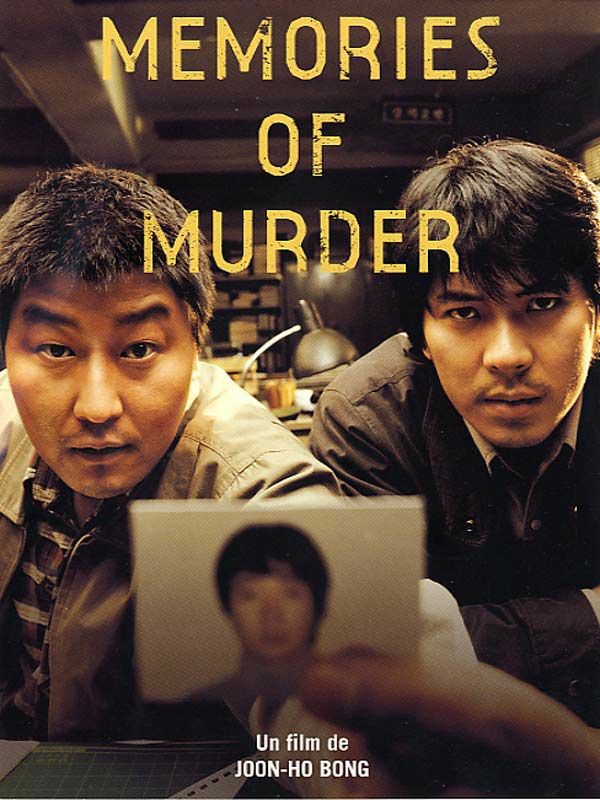
16.The memory of a murder(IMDb-8.1)

Memories of Murder is a 2003 South Korean crime thriller film co-written and directed by Bong Joon-ho. It is loosely based on the true story of Korea’s first confirmed serial murders, which took place between 1986 and 1991 in Hwaseong, Gyeonggi Province.The film has earned critical acclaim for its twisted tone, cinematography, editing, score, Song’s performance, and Bong’s direction and screenplay. Since its release, it won numerous national awards and has been regarded by many to be one of the finest films of the 21st century. It received screenings at several international film festivals, including Cannes Film Festival, Hawaii International Film Festival, London International Film Festival, Tokyo International Film Festival and San Sebastian International Film Festival, where Bong Joon-ho won the Best Director Award.

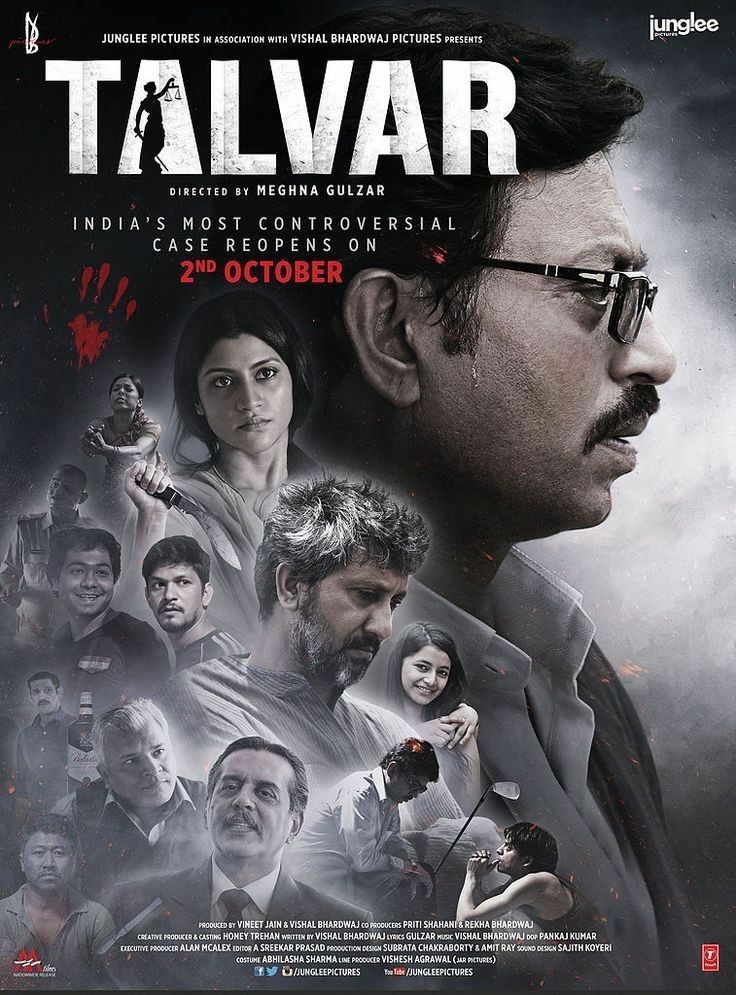
15.Talvar (IMDb- 8.2)

Talvar is a 2015 Indian Hindi-language thriller drama film directed by Meghna Gulzar and written by Vishal Bhardwaj. Produced by Bhardwaj and Vineet Jain, the film is based on the 2008 Noida double murder case involving a teenage girl and her family’s servant. Starring Irrfan Khan, Konkona Sen Sharma and Neeraj Kabi, the film follows the investigation of a case from three different perspectives in which her parents are either guilty or innocent of the murder charges by the police investigation, the first CBI probe and an investigation by a different CBI team.Talvar received a positive critical reception.Bhardwaj received the Best Adapted Screenplay Award for Talvar at the 63rd National Film Awards, and Prasad received the Award for Best Editing at the 61st Filmfare Awards.

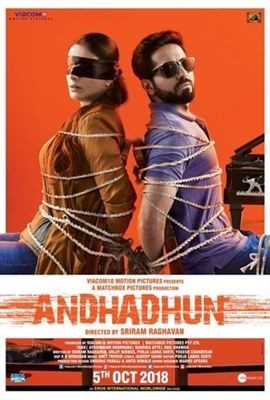
14.Andhadhun (IMDb-8.2)

Andhadhun is a 2018 Indian Hindi-language black comedy crime thriller film co-written and directed by Sriram Raghavan, produced by Matchbox Pictures, and distributed by Viacom18 Motion Pictures. The film revolves around Akash, a piano player pretending to be visually-impaired, unwittingly becomes entangled in a number of problems as he witnesses the murder of a former film actor.Critics highlighted the writing, and Khurrana and Tabu’s performances. It won four awards, including Best Director and Best Screenplay, at the Screen Awards ceremony and five Filmfare Awards, including Best Film (Critics) and Best Actor (Critics) for Khurrana. It also won three National Film Awards: Best Feature Film in Hindi, Best Actor for Khurrana, and Best Screenplay.

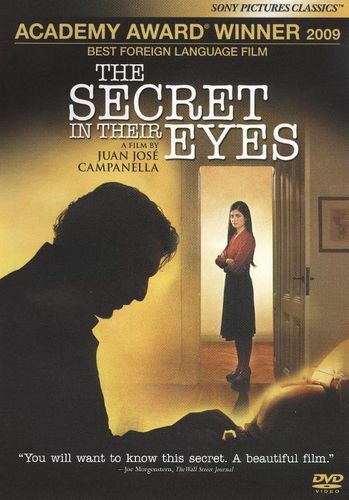
13.The secret in their eyes (IMDb-8.2)

The Secret in Their Eyes is a 2009 Argentinian crime drama film directed, co-written, produced and edited by Juan José Campanella.The film depicts a judiciary employee and his boss, a law clerk, in 1974, played by Ricardo Darín and Soledad Villamil, as they investigate a rape and murder case, while also following the characters 25 years later reminiscing over the case and unearthing the buried romance between them.The film received awards in both Hollywood and Spain, notably the Academy Award for Best Foreign Language Film at the 82nd Academy Awards, making Argentina, with 1985’s The Official Story, the first country in Latin America to win it twice. In 2016, The Secret in Their Eyes was ranked No. 91 by international critics for the BBC’s 100 Greatest Films of the 21st Century.

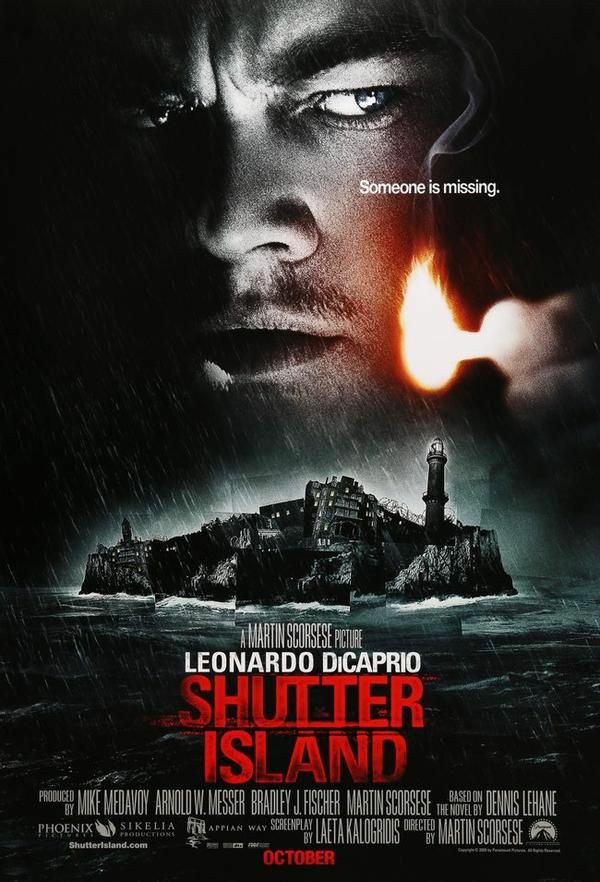
12.shutter island (IMDb- 8.2)

Shutter Island is a 2010 American neo-noir psychological thriller film directed by Martin Scorsese and written by Laeta Kalogridis, based on Dennis Lehane’s 2003 novel of the same name. Leonardo DiCaprio stars as Deputy U.S. Marshal Edward “Teddy” Daniels, who is investigating a psychiatric facility on Shutter Island after one of the patients goes missing. Mark Ruffalo plays his partner and fellow deputy marshal, Ben Kingsley is the facility’s lead psychiatrist, Max von Sydow is a German doctor, and Michelle Williams is Daniels’ wife. Released on February 19, 2010, the film received mostly positive reviews from critics, was chosen by National Board of Review as one of the top ten films of 2010, and grossed over $294 million worldwide.

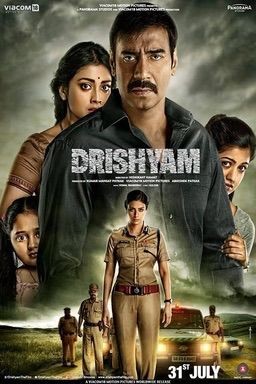
11.Drishyam (IMDb- 8.2)

Drishyam is a 2015 Indian Hindi-language thriller film directed by Nishikant Kamat. The film is a remake of the 2013 Malayalam-language film of the same name. The film was jointly produced by Kumar Mangat Pathak, Ajit Andhare and Abhishek Pathak, and stars Ajay Devgn, Tabu and Shriya Saran, and also features Ishita Dutta and Mrunal Jadhav. The movie revolves around Desperate measures that are taken by a man who tries to save his family from the dark side of the law, after they commit an unexpected crime.

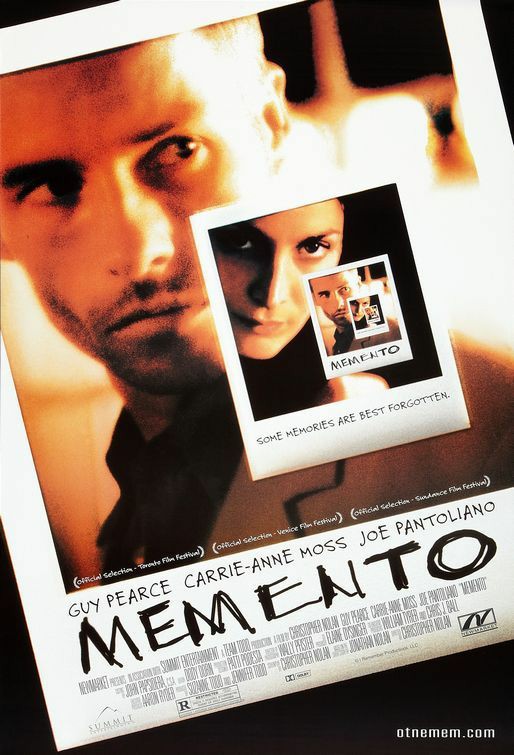
10.memento (IMDb- 8.4)

Memento is a 2000 American neo-noir psychological thriller film written and directed by Christopher Nolan, and produced by Suzanne and Jennifer Todd. It revolves around a man who, as a result of an injury, has the inability to form new memories) and has short-term memory loss approximately every fifteen minutes. He is searching for the people who attacked him and killed his wife, using an intricate system of polaroid photographs and tattoos to track information he cannot remember.Memento received numerous accolades, including Oscar nominations for Best Original Screenplay and Best Film Editing.The film is now widely regarded as one of Nolan’s finest works and one of the best films of the 2000s.

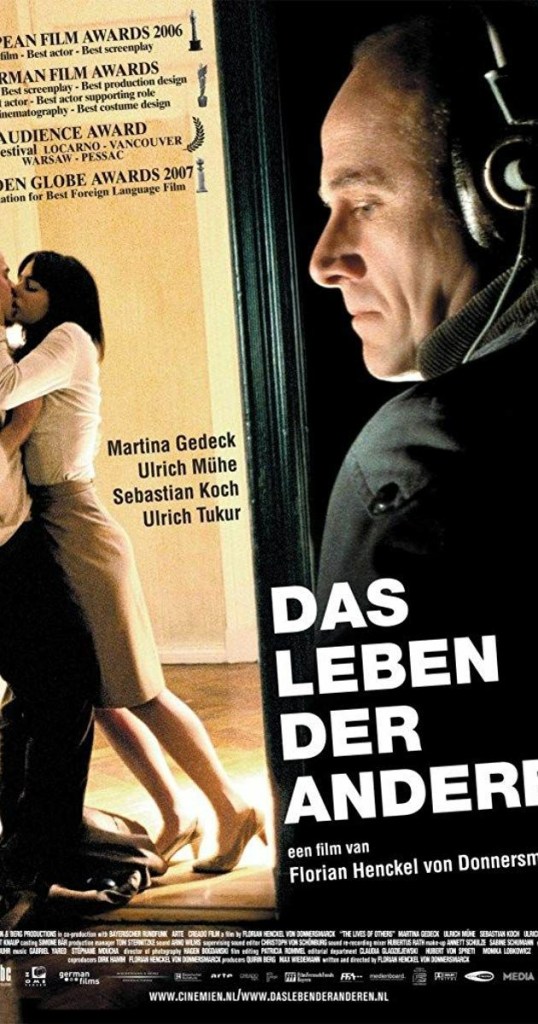
9.The lives of others (IMDb-8.4)

The lives of others is a 2006 German drama film written and directed by Florian Henckel von Donnersmarck marking his feature film debut. The plot is about the monitoring of East Berlin residents by agents of the Stasi, East Germany’s secret police. It also won the BAFTA Award for Best Film Not in the English Language and European Film Award for Best Film, while was nominated for the Golden Globe Award for Best Foreign Language Film.

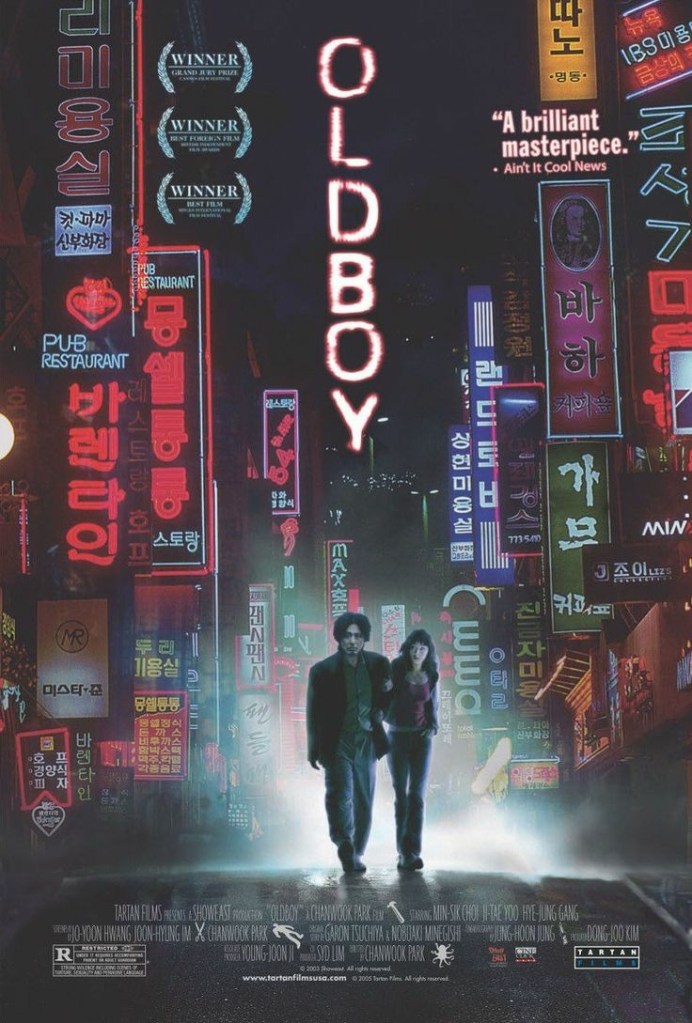
8.oldboy (IMDb- 8.4)

It is a 2003 South Korean neo-noir action thriller film, co-written and directed by Park Chan-wook. The film follows the story of Oh Dae-su, who is imprisoned in a cell which resembles a hotel room for 15 years without knowing the identity of his captor or his captor’s motives. When he is finally released, Dae-su finds himself still trapped in a web of conspiracy and violence. His own quest for vengeance becomes tied in with romance when he falls in love with an attractive young sushi chef, Mi-do.

The film won the Grand Prix at the 2004 Cannes Film Festival and high praise from the President of the Jury, director Quentin Tarantino.

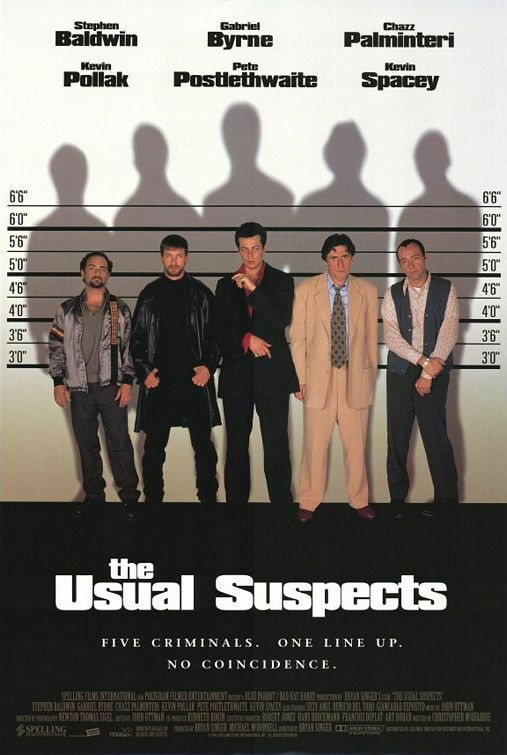
7.The usual suspect (IMDb- 8.5)

The Usual Suspects is a 1995 American neo-noir mystery thriller film directed by Bryan Singer and written by Christopher McQuarrie.The plot follows the interrogation of Roger “Verbal” Kint, a small-time con man, who is one of only two survivors of a massacre and fire on a ship docked at the Port of Los Angeles. Through flashback and narration, Kint tells an interrogator a convoluted story of events that led him and his criminal companions to the boat, and of a mysterious crime lord—known as Keyser Söze—who controlled them. .The film was shown out of competition at the 1995 Cannes Film Festival.It received favorable reviews and was eventually given a wider release. McQuarrie won an Academy Award for Best Original Screenplay and Spacey won the Academy Award for Best Supporting Actor for his performance.

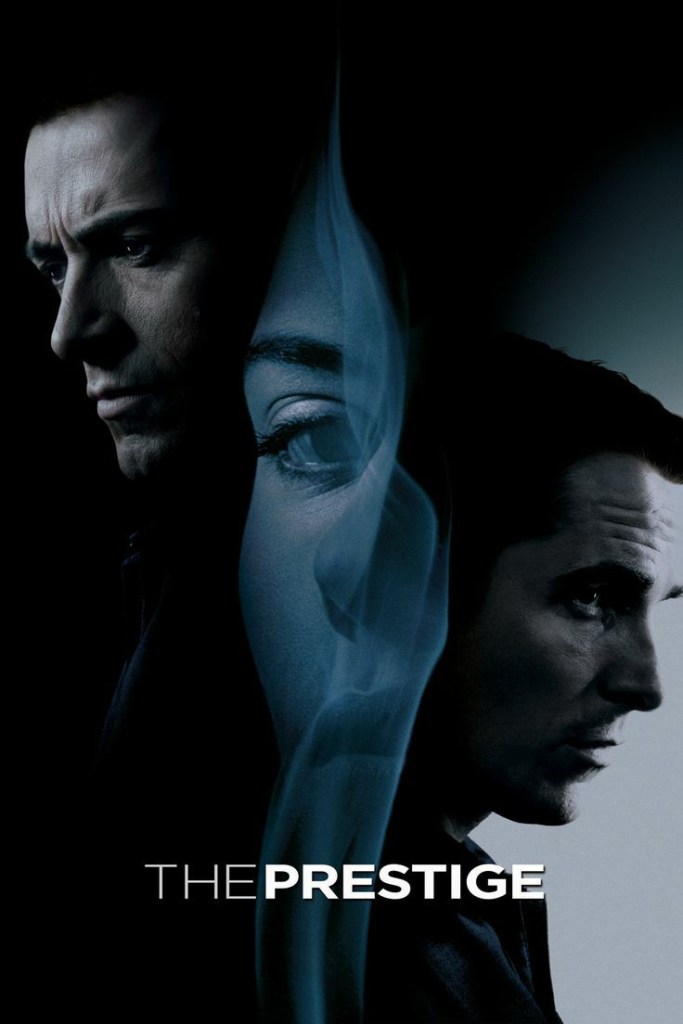
6.The prestige (IMDb -8.5)

The Prestige is a 2006 science fiction psychological thriller film directed by Christopher Nolan, written by Nolan and his brother Jonathan, based on the 1995 novel of the same name by Christopher Priest. It follows Robert Angier and Alfred Borden, rival stage magicians in London at the end of the 19th century. Obsessed with creating the best stage illusion, they engage in competitive one-upmanship, with fatal results. It got Academy Award nominations for Best Art Direction and Best Cinematography.

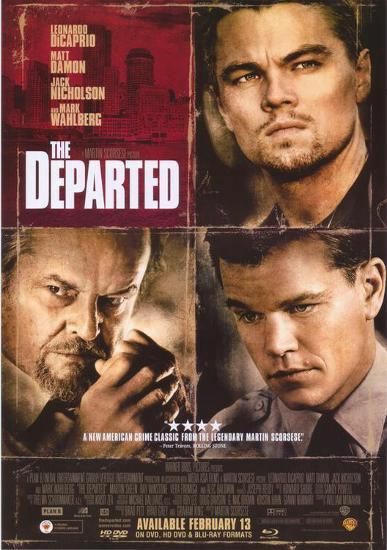
5.The. Departed (IMDb- 8.5)

The Departed is a 2006 American crime thriller film directed by Martin Scorsese and written by William Monahan. The film takes place in Boston. Irish Mob boss Frank Costello (Nicholson) plants Colin Sullivan (Damon) as a mole within the Massachusetts State Police; simultaneously, the police assign undercover state trooper Billy Costigan (DiCaprio) to infiltrate Costello’s crew. When both sides realize the situation, Sullivan and Costigan each attempt to discover the other’s identity before they are found out.

The Departed was a critical and commercial success, and won several awards, including four Oscars at the 79th Academy Awards, for Best Picture, Best Director, Best Adapted Screenplay, and Best Film Editing, becoming Scorsese’s first win for Best Director; Wahlberg was also nominated for Best Supporting Actor.

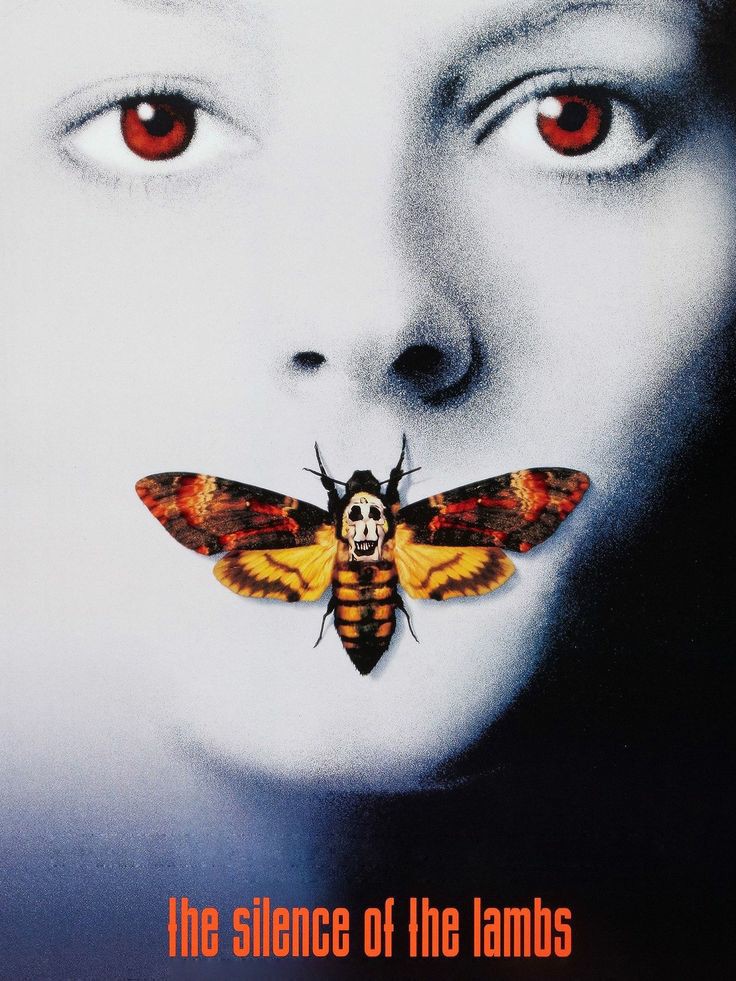
4.The silence of the lambs (IMDb- 8.6)

The Silence of the Lambs is a 1991 American psychological horror[ film directed by Jonathan Demme. It revolves around a young FBI trainee who is hunting a serial killer, “Buffalo Bill” (Ted Levine), who skins his female victims. To catch him, she seeks the advice of the imprisoned Dr. Hannibal Lecter (Anthony Hopkins), a brilliant psychiatrist and cannibalistic serial killer. The film also features performances from Scott Glenn, Anthony Heald and Kasi Lemmons.

The Silence of the Lambs is regularly cited by critics, film directors and audiences as one of the greatest and most influential films. It won Academy Awards in all the top five categories: Best Picture, Best Director, Best Actor, Best Actress, and Best Adapted Screenplay.

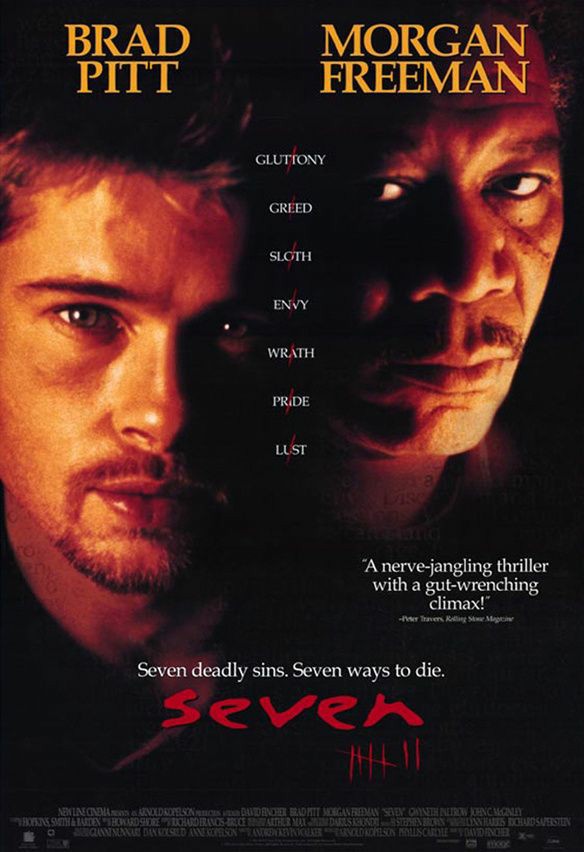
3.seven

Seven is a 1995 American neo-noir psychological crime thriller film directed by David Fincher and written by Andrew Kevin Walker. It stars Brad Pitt, Morgan Freeman, Gwyneth Paltrow, Kevin Spacey, R. Lee Ermey and John C. McGinley. The film tells the story of David Mills (Pitt), a detective who partners with the retiring William Somerset (Freeman) to track down a serial killer who uses the seven deadly sins as a motif in his murders.itwas the seventh-highest-grossing film of the year, grossing over $327 million worldwide. It was well received by critics and was nominated for Best Film Editing at the 68th Academy Awards.

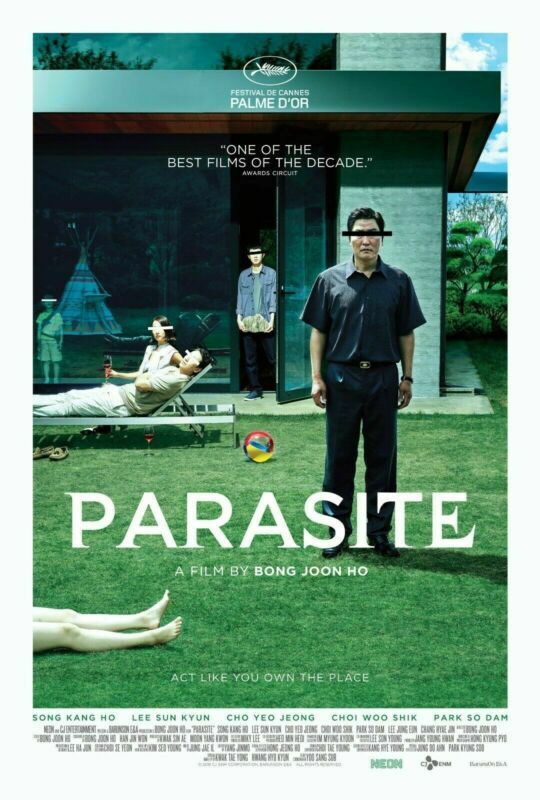
2.parasite (IMDb -8.6)

It is a 2019 South Korean black comedy thriller film directed by Bong Joon-ho, who co-wrote the screenplay with Han Jin-won.It revolves around a poor family who scheme to become employed by a wealthy family and infiltrate their household by posing as unrelated, highly qualified individuals.

Parasite premiered at the 2019 Cannes Film Festival on 21 May 2019, where it became the first South Korean film to win the Palme d’Or. Among its numerous accolades, Parasite won a leading four awards at the 92nd Academy Awards: Best Picture, Best Director, Best Original Screenplay, and Best International Feature Film, becoming the first non-English language film to win the Academy Award for Best Picture.

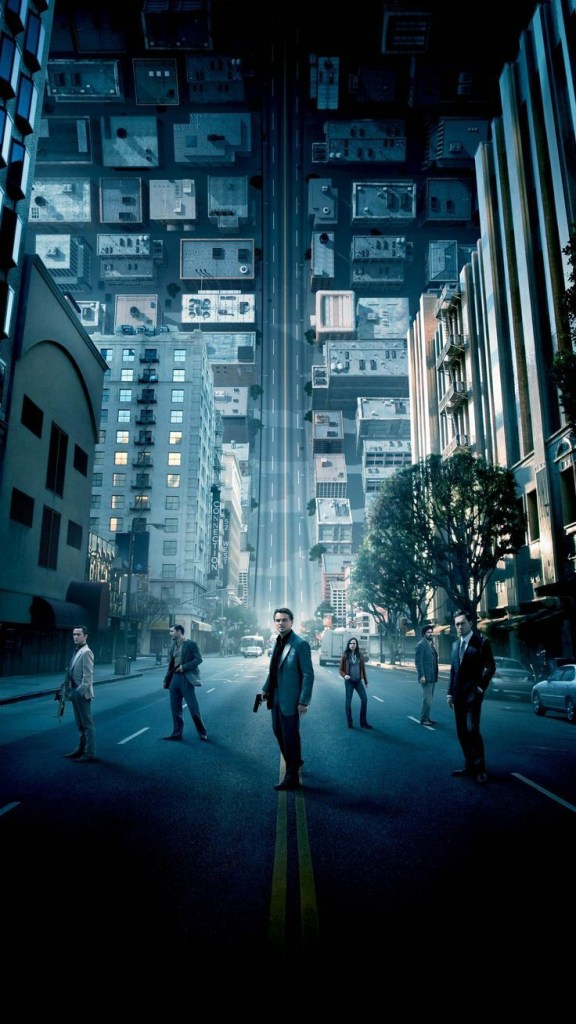
1.inception (IMDb-8.8)

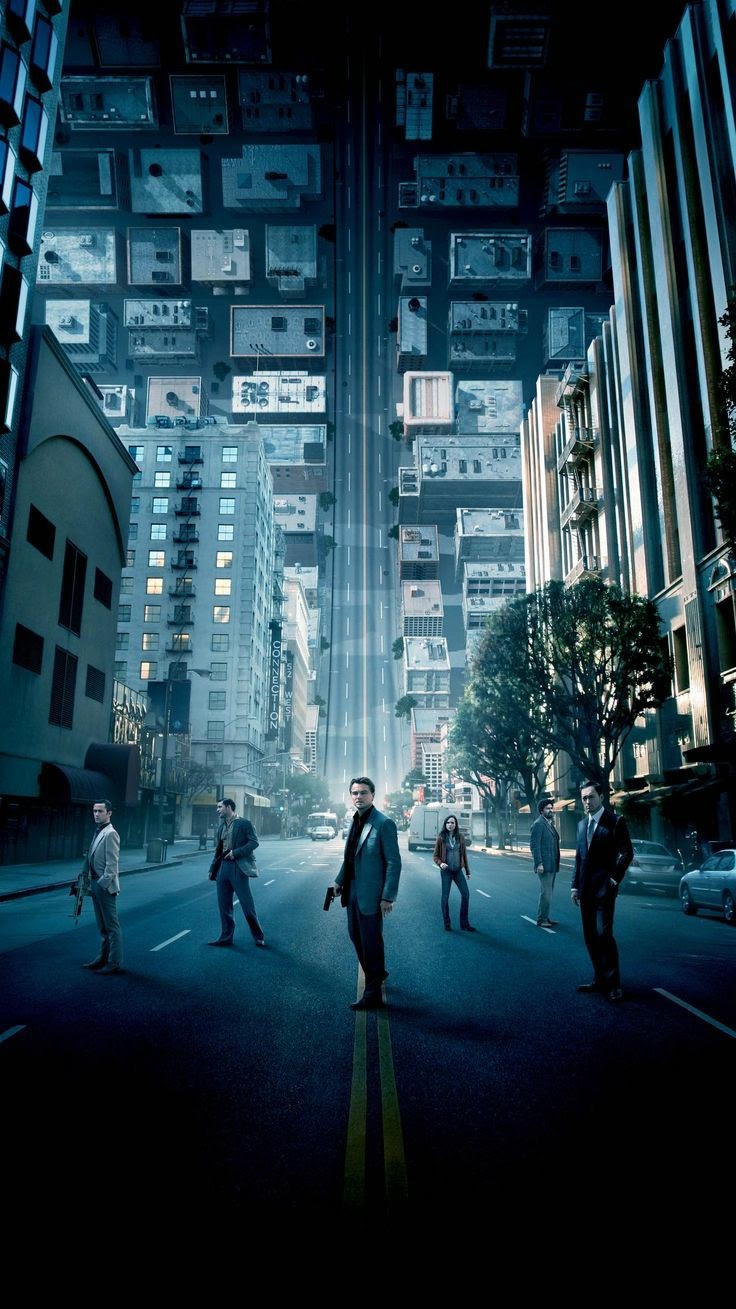
The film stars Leonardo DiCaprio as a professional thief who steals information by infiltrating the subconscious of his targets. He is offered a chance to have his criminal history erased as payment for the implantation of another person’s idea into a target’s subconscious.Inception received critical praise for its screenplay, direction, themes, action sequences, visual effects, musical score, and ensemble cast. It won four Academy Awards in Best Cinematography, Best Sound Editing, Best Sound Mixing, and Best Visual Effects and was nominated for four more: Best Picture, Best Original Screenplay, Best Art Direction, and Best Original Score.

Musical nostalgia

Vaishali Singh (Cheenu Singh Rathore)

And sometimes in life the music playing in the background brings you back to the most beautiful days of your life, music is also known to bring the nostalgia,  Some musical notes makes you feel a bit different, the closing credit (background music) of “Gortimer Gibbons Life On Normal Street” (a web series casts on Prime Amazon) is an example of such a of music, I’m in love with it, though this web series casted 12 or 13 years old children, but somehow I got so much connected to that series that it became my favourite series, at the end of the each episode they share a moral, and somewhere in this fast-paced world, we are losing our morals values and ethics, the show has casted the light on all aspects of life, it showed 3 friends, who are just young kids, but handles all the tough situations of life, the show has also showed the process of growing up and a tons of life lessons, I am very bad at watching web series and movies as well I don’t watch movies so often and when it comes to web series I never watch them, but somehow amidst this outbreak I got to see a web series called “Just Add Magic”, it was all about magic spell and cook book, it was the first web series which made me feel to watch the next episode and I completed this series within a very less amount of time, this web series awaked my interest in this magical illusion so I googled “web series like JUST ADD MAGIC” and just got this name “GORTIMER GIBBONS LIFE ON NORMAL STREET” on the top of the result so when I started watching it I liked it lesser than the first one but overtime this particular series somehow made me so attached to it, and especially the music which plays at the end of each episode.             I’ve learnt a lot from this show, although I haven’t watched it all episodes yet but this song has gave me a lifetime memory.