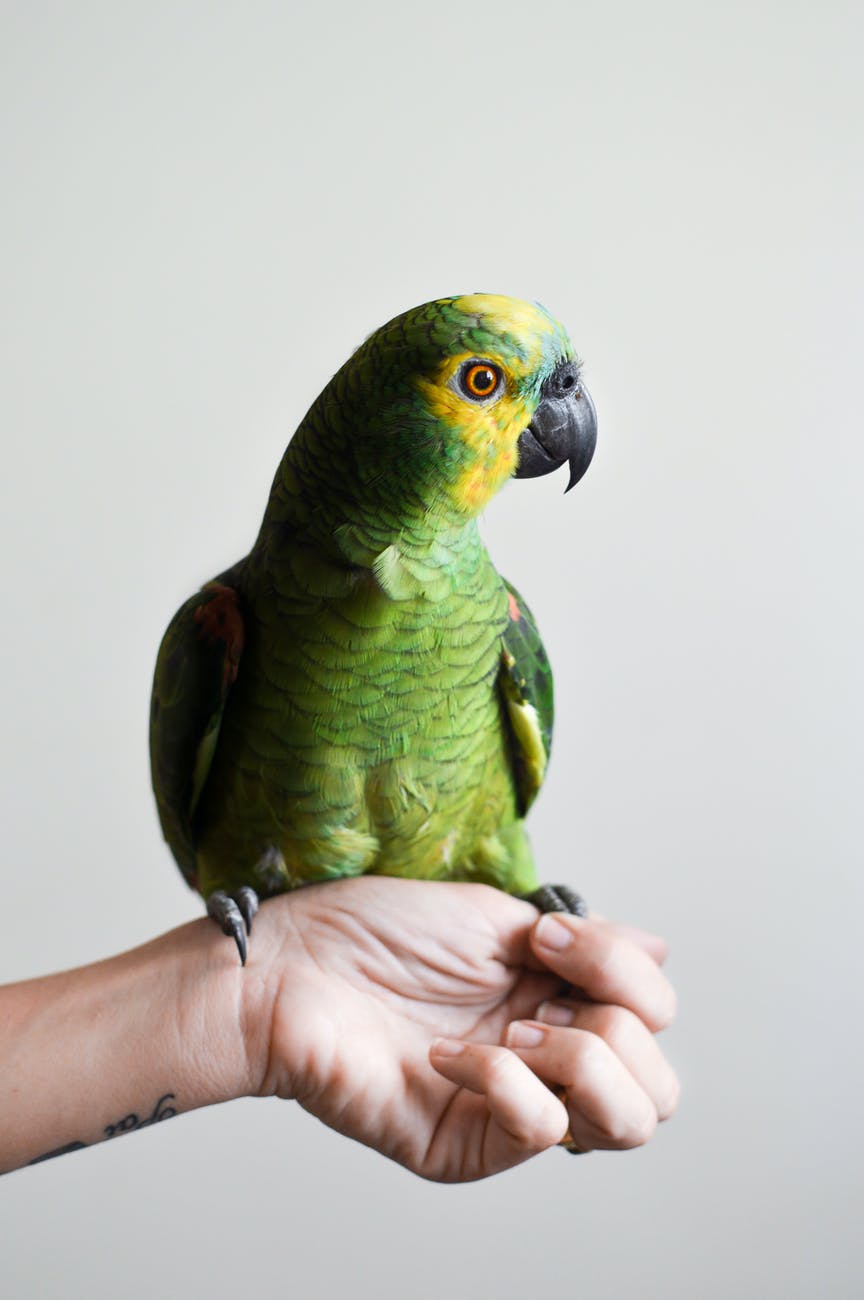
Is rice consumed by humans harmful for parrots?

There is a urban legend that goes – “consuming uncooked rice is harmful for a bird and can even lead to it’s death.” Out of fear of causing harm to flocks, people have stopped throwing rice at weddings. If you are a parrot owner who has been believing in this urban legend so far, it is time to get rid of this misconception and include rice to the diet of your feathered buddy! No one is quite sure how this myth emerged but there is no truth to this notion and on the factual side rice can be cosidered a tasty and nutritious dietary staple. The infamous myth of rice killing birds was based upon the faulty assertion that rice upon consumption consumes all the moisture in a bird’s stomach and henceforth expands and causes tearing, ultimately leading to it’s demise. But the fact is rice after soaking up moisture in a bird’s stomach will expand in a way that will lead to a healthy digestion.
However, the question of focus is – what kind of rice is more preferrable? Raw or cooked? Or how much quantity of rice should you feed your pet parrot?
Rice contains protein, Iron, thiamine, niacine and magnesium that promotes optimal physiological function in birds. Rice is also rice in carbs and helps in providing energy to birds. Technically, birds can be fed both raw and cooked rice. While parrots living in the wild habitat are most likely to consume uncooked rice, one can feed their pet parrot cooked rice. Infact, in many cases it has been observed that parrots after getting a taste of soft and starchy flavour of cooked rice have rejected raw rice. Furthermore, birds with small beaks find it difficult to consume and digest uncooked rice. It is extremely important to keep in mind that under no circumstances, one should feed their parrot fried rice since they can be detrimental to their health. Fried rice contains oil, salt and other ingredients which are unhealthy substances for birds. Excess salts can lead to hardening of arteries and cause heart problems that can be fatal for your parrot. Only pure rice without any additives is considered nutritious for birds. While rice is considered healthy, one shouldn’t force it upon their pets if they refuse to consume rice. Just like humans, your pet bird also has his/her own set of preferences. Therefore, it is advisable that you consult your vet before making any changes to your pet’s diet routine.

Photo by Caio on Pexels.com

ANIMAL HYBRIDS🐫🐆🐎

A hybrid is an offspring produced from the mating of parents from different species or sub-species. Albeit it is rarer, animals from distinct but closely linked species do mate in nature. The result, a genetic amalgam, an offspring with characteristics from both parents. Certain hybrids occur because of human interference, typically created to combine the finest qualities of both creatures, although they might have dire repercussions. Mentioned below are some of the most unique hybrids that exist on the planet.

Mule

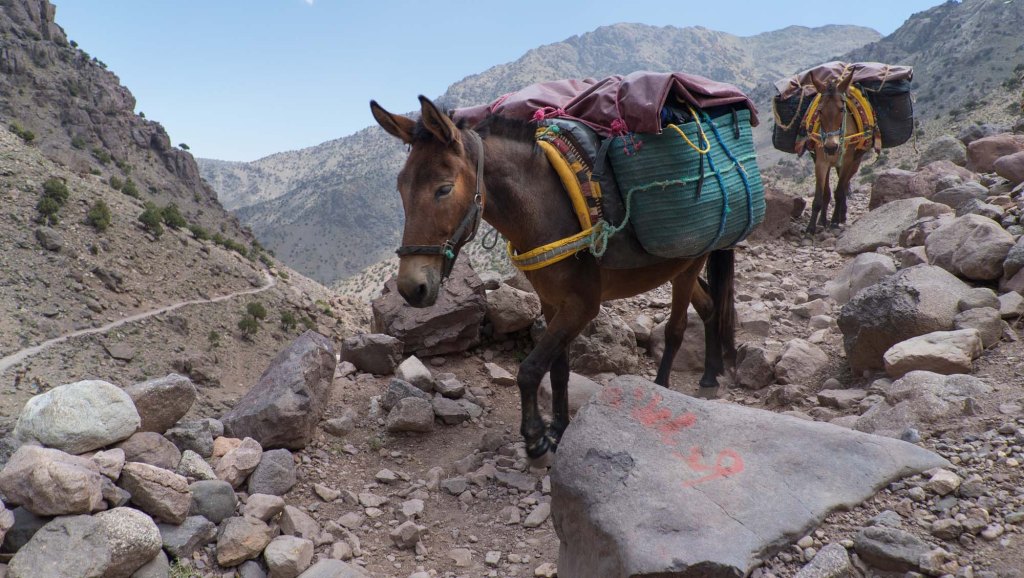
Mules are the offspring of a crossbreeding between male donkeys and female horses. A mule’s size and look vary greatly from one to the next and is mostly dictated by their horse mother’s size and ancestry. Mules exist in a variety of sizes and shapes, including miniatures, smaller pony-types, tall and lightweight physiques, and even heavyweights. Mules have donkey-like limbs, narrower hooves, and short manes, but they are horse-like in height, neck length, tail appearance, and hindquarters, as well as color.

Female mules are 99.9% infertile, whereas male mules are all sterile. They can’t procreate, thus their existence is solely dependent on human assistance. Mules are sterile due to their odd number of chromosomes. Because a horse has 64 chromosomes and a donkey has 62, the mule inherits 32 horse chromosomes from the mother and 31 donkey chromosomes from the father, totaling 63 chromosomes. This inhibits the mules from producing gametes, which are required for male and female mules to produce offspring. Because their chromosomes do not match up properly, they have problems producing sperm or eggs.

Mules enjoy the best of both worlds as crossbreeding eliminates undesirable hereditary traits while passing on beneficial ones. They are tougher, eat less food, have a better immune system, live longer, and have greater stamina than horses of comparable size and height. Vulnerable to the same illnesses as horses and donkeys, they tend to get sick less often. Mules are clever and less obstinate than their fathers, donkeys. They are more vigilant and mindful of the danger, making them safer to ride through treacherous terrain. Mules have an average lifespan of 35 to 40 years.

Cama

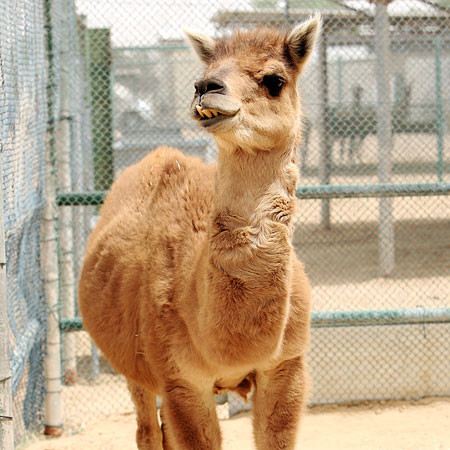
Cama is a cross between a dromedary camel from Asia and a llama from South America. Camels and llamas are distant relatives despite their variations in size, anatomy, and geographic distribution. They share a common ancestor, a camelid species that existed 30 million years ago in the Rocky Mountain region of North America. On January 14, 1998, the first cama was born. The goal with lama was to produce an animal that could yield more wool than a llama while still possessing the size, power, and cooperative attitude of a camel.

Because a mature dromedary camel can weigh up to six times that of a llama, the hybrid must be created by artificial insemination. Inseminating a female camel with llama sperm has not generated healthy offspring. The only successful combination is inseminating a female llama with dromedary camel sperm. Cama stands between 49 and 57 inches tall (at the shoulder) and has no hump on the back. They possess soft fur that is slightly shorter than llama fleece, small ears, a long tail, and cloven hooves. Just like camel, Cama is a herbivore, and can drink vast amounts of water at once, and survive without it for lengthy periods.

Liger

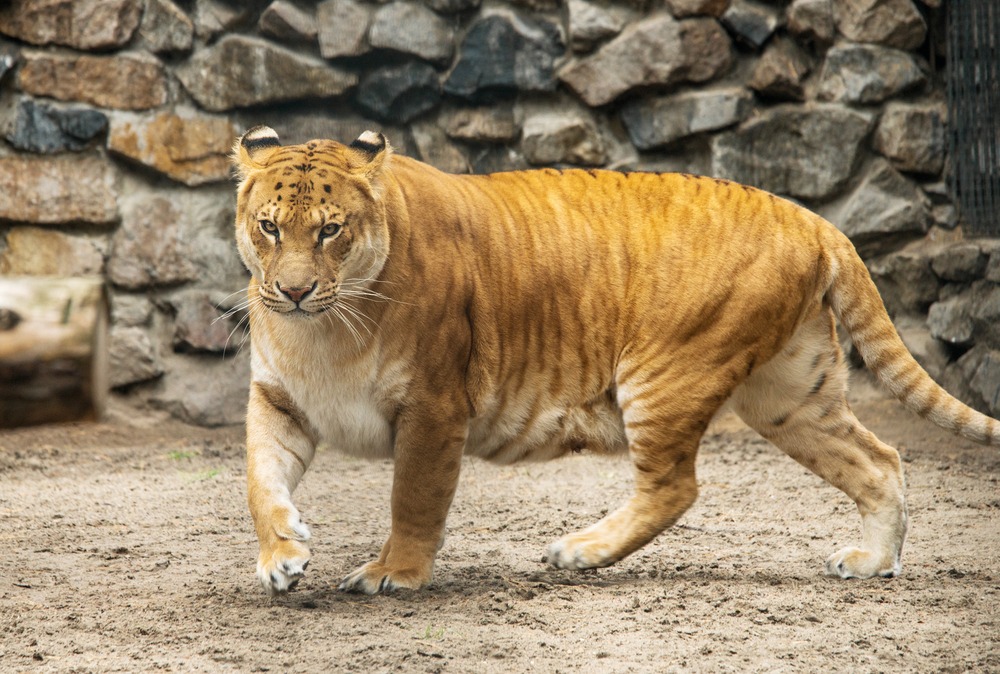
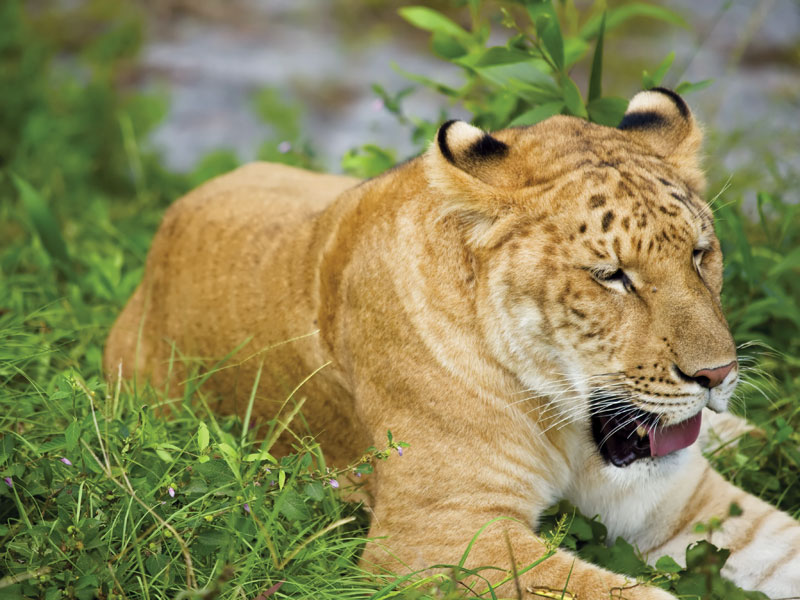
The liger is a cross between a male lion and a tigress, both of which belong to the genus Panthera but, are of the species Leo and Tigris. The liger is the world’s largest feline, reaching up to 12 feet tall while standing on its hind legs. Ligers are generally larger and heavier than their parents. The absence of specific growth-limiting genes, according to biologists, is the explanation of the liger’s enormous size.

Because ligers are often bigger than either parent, carrying the baby puts the tigress at risk, necessitating C-section deliveries or even killing her. These cats are genetically unfit and suffer from a life of neglect and isolation. Ligers are prone to obesity and aberrant growth, which puts stress on their internal organs and are prone to birth abnormalities that result in premature death.

Zonkey

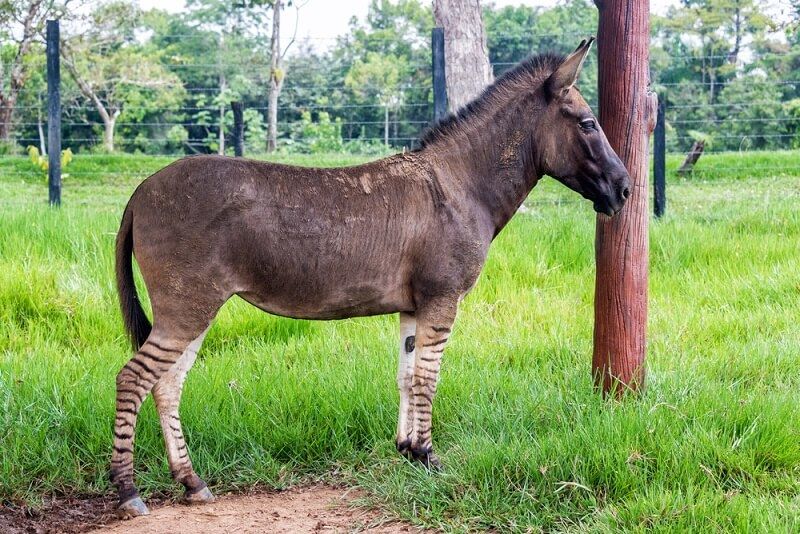
A “zonkey” is a male zebra crossed with a female donkey. Due to their power and stamina, zonkeys are bred for riding and as labor animals for transporting and carrying heavier things. They have the appearance of a little equine & their overall hue is tan, brown, or grey, with a lighter underside. The darker stripes of the zonkey are particularly visible on the lighter regions of the body and their legs. They have a black mane that runs the length of their back ridge to the tip of their tail, which is usually black as well. Their head and ears are both enormous, giving them the look of a donkey rather than a zebra.

Male zonkeys are sterile & cannot procreate, whereas female zonkeys are mostly infertile. The explanation for sterile hybrids is straightforward: It inherits an odd number of chromosomes. A zonkey is a hybrid between a zebra (44 chromosomes) and a donkey (62 chromosomes). As a result, the child’s chromosomal count is 53. Zonkeys are herbivores,  Grass & plants that grow on the ground make up a great portion of their diet. For grazing and grinding down the fibrous grass, they have flat, broad teeth.

Wholphin 

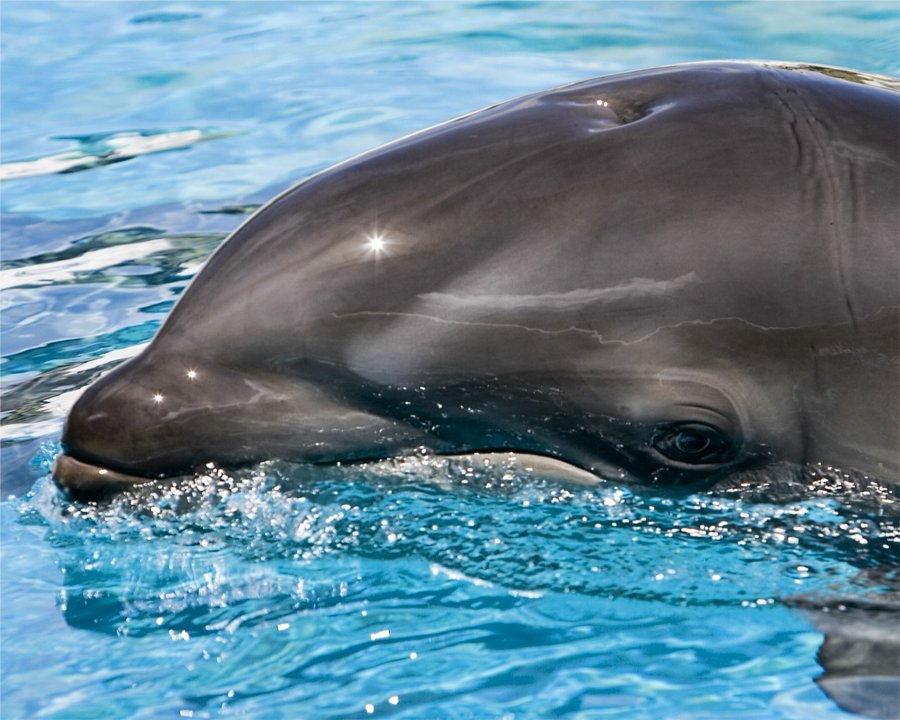
A wholphin is a rare hybrid born when a female bottlenose dolphin and a male false killer whale mate. On May 15, 1985, the first captive wholphin was born in a pool, which a female bottlenose dolphin and a male false killer whale shared. The wholphin is a blend of the parent species in terms of size, color, and shape. The bottlenose dolphin has 88 teeth, the fake killer whale has 44 teeth, and the wholphin, their hybrid, has 66 teeth, the average number of teeth of its parents.

Wholphin is a carnivorous creature. Its diet consists of fish like herring and capelin. They grow quickly, and only a few months after birth, they are the size of a one-year-old dolphin. Female wholphins are fertile and can create new offspring of wholphins after mating with dolphins. Wholphins have a 40-year average lifespan.

NEANDERTHALS – Our Closest Relatives

The Neanderthals (Homo neanderthalensis) are our closest ancient human relatives. Homo is a Latin word describing “man” or “human.” The term neanderthalensis comes from the Neander Valley in Germany, where the first significant specimen was discovered in 1856. The German word for valley is ‘Tal,’.  Hence, Homo neanderthalensis signifies “Human from the Neander Valley.”

During the Pleistocene Epoch (roughly 2.6 million to 11,700 years ago), Neanderthals first appeared at least 200,000 years ago. Around 35,000 to 24,000 years ago, they were superseded by modern humans (Homo sapiens). Neanderthals co-existed alongside homo sapiens for a long time before going extinct around 28,000 years ago. Both fossils and DNA evidence indicate that the Neanderthals and modern human lineages split at least 500,000 years ago.

Homo sapiens, or modern humans, originated in Africa, whereas Neanderthals appeared in Europe and Asia. From Portugal and Wales in the west to Siberia’s the Altai Mountains in the east, the species was widespread all over Eurasia. Neanderthal populations were resilient, living in icy cold habitats in England and Siberia approximately 60,000 years ago, and mild temperate woods in Spain and Italy approximately 120,000 years ago.

 Physical Appearance

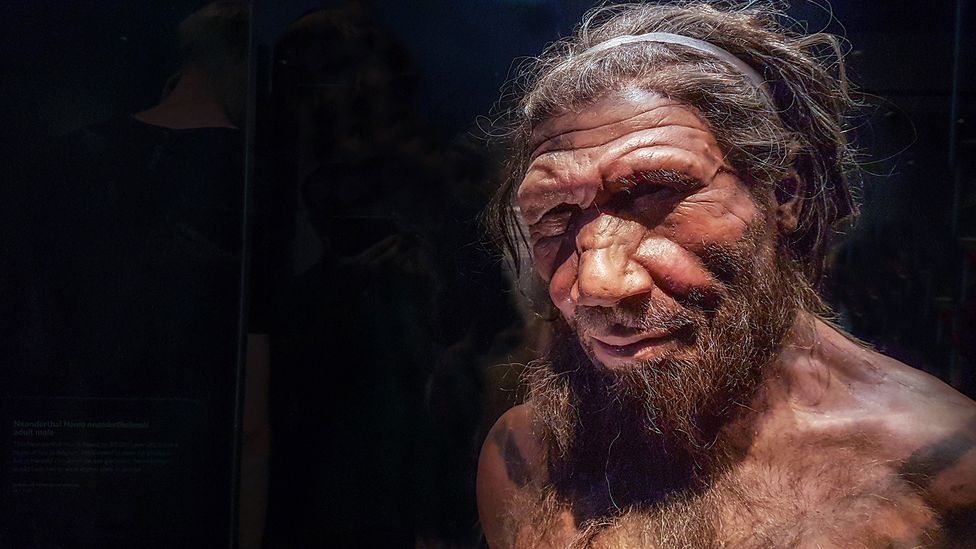
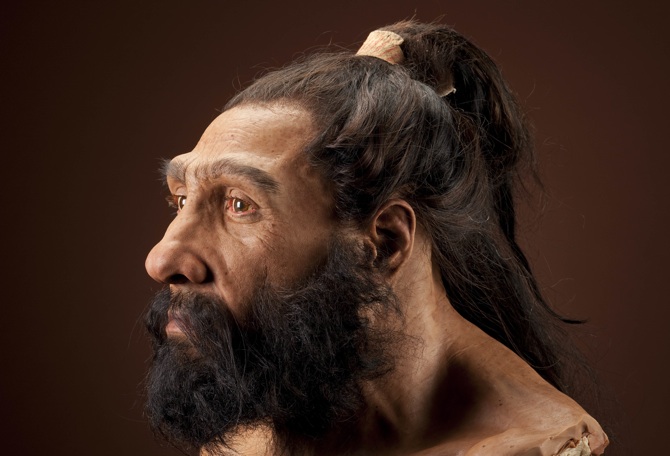
Neanderthals possessed a long, low head (opposed to modern humans’ more globular skull) with a noticeable forehead ridge above the eyes. A broad, wide nose that jutted forward in the middle of the face. Some researchers believe this trait evolved as a way to survive in colder, drier regions. The air they breathed would’ve been moistened and warmed by the nose’s vast interior size.

Their front teeth were large and scratched, suggesting they were regularly used in food preparation and other tasks. Unlike humans, Neanderthals didn’t have much of a chin. They had a robust, muscular physique with broad hips and shoulders. Adults weighed 64-82 kg and stood 1.50-1.75 m tall. On average, ancient Neanderthals were taller than later Neanderthals, yet they weighed about the same.

Their short, stocky bodies were well-suited to frigid climates. They had proportions that limited the skin’s surface area, likely to save heat in cooler regions, thanks to their broad torso mixed with their short lower legs and lower arm bones. Some researchers believe that the Neanderthals’ physique also gave them better strength in their arms and legs, allowing them to participate in close-range hunting ambushes.

Neanderthals Tools

Neanderthals were quite intelligent and skilled beings. Late Neanderthals had brain sizes ranging from 1,200cm3 to 1,750cm3, larger than the current average, yet proportional to their body size. Homo sapiens skulls from roughly 30,000 years earlier possessed, on average, bigger brains than modern humans. Spears and stone handaxes excavated in caves reveal that Neanderthals were skilled toolmakers.

Neanderthals devised incredible stone technology over 300,000 years ago. This entailed developing pre-shaped stone cores that could later be fine-tuned into a finished tool. It abled them to produce tools when they needed them. They were seasonal hunters and ate whatever animals were available at the time. Sharp wooden spears and enormous numbers of big animal carcasses, uncovered by scientists, indicating that Neanderthals chased and butchered them.

Neanderthals built shelters, regulated fire, and even crafted symbolic or attractive artifacts. There is proof that Neanderthals buried their deceased and even decorated their graves with flowers. This sophisticated and symbolic behavior had never been seen in other monkeys or earlier human species. Being buried substantially enhances the chances of becoming a fossil, which may explain why the Neanderthal fossil record is so extensive as opposed to the fossils of other human species.

Neanderthals Diet

Neanderthals are usually portrayed as carnivorous ice-age hunters and scavengers who ate massive creatures. Food remains deposited in the calculus around their teeth, on the other hand, suggest that the Neanderthal diet contained a variety of plants, either directly accessed or devoured from the stomach contents of their plant-eating prey. Fungi, Mussels, baby seals, and even dolphins were among the things they consumed.

But, as opposed to early humans living in tropical Africa, where consumable plant foods were plentiful all year, the diversity of plant foods available to Neanderthals fell dramatically during the winter season, requiring them to rely primarily on alternative food sources like meat.

Neanderthals DNA

As per fossil and genetic evidence, Neanderthals and modern humans (Homo sapiens) descended from a single ancestor between 700,000 and 300,000 years ago. Neanderthals and modern humans shared the same genus (Homo) and lived in the same geographic locations in western Asia for 30,000–50,000 years; genetic data suggests that they eventually split off into distinct species of the human family tree after mating with non-African homo sapiens.

Neanderthals and modern humans, it appears that these two groups mated whenever they crossed paths until modern humans swept into Europe during a particularly frigid period. Their arrival may have hindered Neanderthals from returning to areas where they once thrived, hastening the extinction of the Neanderthals. Their numbers plummeted to the brink of extinction barely a few thousand years after modern humans arrived in Europe. By roughly 40,000 years ago, all traces of them had vanished.

In many populations today, the genetic traces of this mingling can still be found. Neanderthal genomes make up about 2% of European and Asian genomes. The genetic shift, on the other hand, seems to have had little impact on African populations.


Break the Binary

How will you feel when you’ll be made fun of based on your gender? or How will you feel when your family will abandon you because of your gender?
These are the most basic challenges faced by transgenders in India. They’re insulted for their appearance knowing that it’s natural and not their choice. They also face other problems such as physical and sexual violence, false arrest. They also face difficulties in getting their share in ancestral property. Due to lack of proper education, begging on the streets and sex work was their only option for survival.
After years of hard work and struggle, they’ve got their stand in society. Many transgender across the country have made their own identity and have inspired many.

Here are some well-known transgenders all over India

Manabi Bandopadhyay

Isn’t she charming? She is Manabi Bandopadhyay, the first transgender college principal. She is the first transgender who has completed a Ph.D. She adopted a son too. She has inspired many transgenders by taking a stand for herself and completing her studies and becoming successful.

Laxmi Narayan Tripathi

Laxmi Narayan Tripathi is a transgender rights activist. She is also seen in various movies and is also a Bharatnatyam dancer, choreographer, and also motivational speaker. She is the first transgender individual to represent Asia – Pacific at a UN task meeting in 2008. She has also worked for many NGOs including Astitva Trust.

Joyita Mondal

Joyita Mondal is a first transgender judge of a civil court. She is also a social worker in West Bengal, India. She suffered a lot during her childhood but despite the difficulties, she finished her studies. She also started an organization, Dinajpur Notun Alo.

Gauri Sawant

Gauri Sawant is a transgender activist from Mumbai, India. She left her house when she was 18 and started her journey from there. She is the director of Sakhi Char Chowghi who supports transgender people and also helps people who have AIDS/HIV. She also has an adopted daughter.

Naaz Joshi

Naaz Joshi is India’s first transgender beauty queen.
She is as beautiful as any other woman on this planet.

Transgenders have never failed to impress us. They shine in their way and it’s time for us to accept them and give them the respect they deserve because, in the end, we all are human beings.