INDEPENDENCE

We remember the day with the sacrifices of our brave Indian freedom fighters. When India got independent, our first Prime Minister, Pandit Jawaharlal Nehru Unfurled, our tricolor national flag at Red Fort and Lahori Gate in Delhi. From that day and onward, this day celebrated as an independent day. The honor of the day’s solemn occasion, many programs dedicated at Red fort-like march past by our Indian soldiers, 21 gunshots are fired for the beginning of events and cultural activities by school students. Kite flying has also done as the tradition of Independence Day celebration, with kites of various sizes, shapes, and colors filling in the sky. Later on, from the year 1974, all the chief minister of respective State unfurled the National flag. We soonly update Paragraph on Independence day in hindi and Bengali.

Another contemporary relevance of the independence day as Anniversary of the partition of the subcontinent into countries, India and Pakistan. Our country is recognized as the largest democracy in the world. On this day, the Indian Independence Act 1947 was passed by the UK Parliament, which transferred legislative sovereignty to the Indian nation.
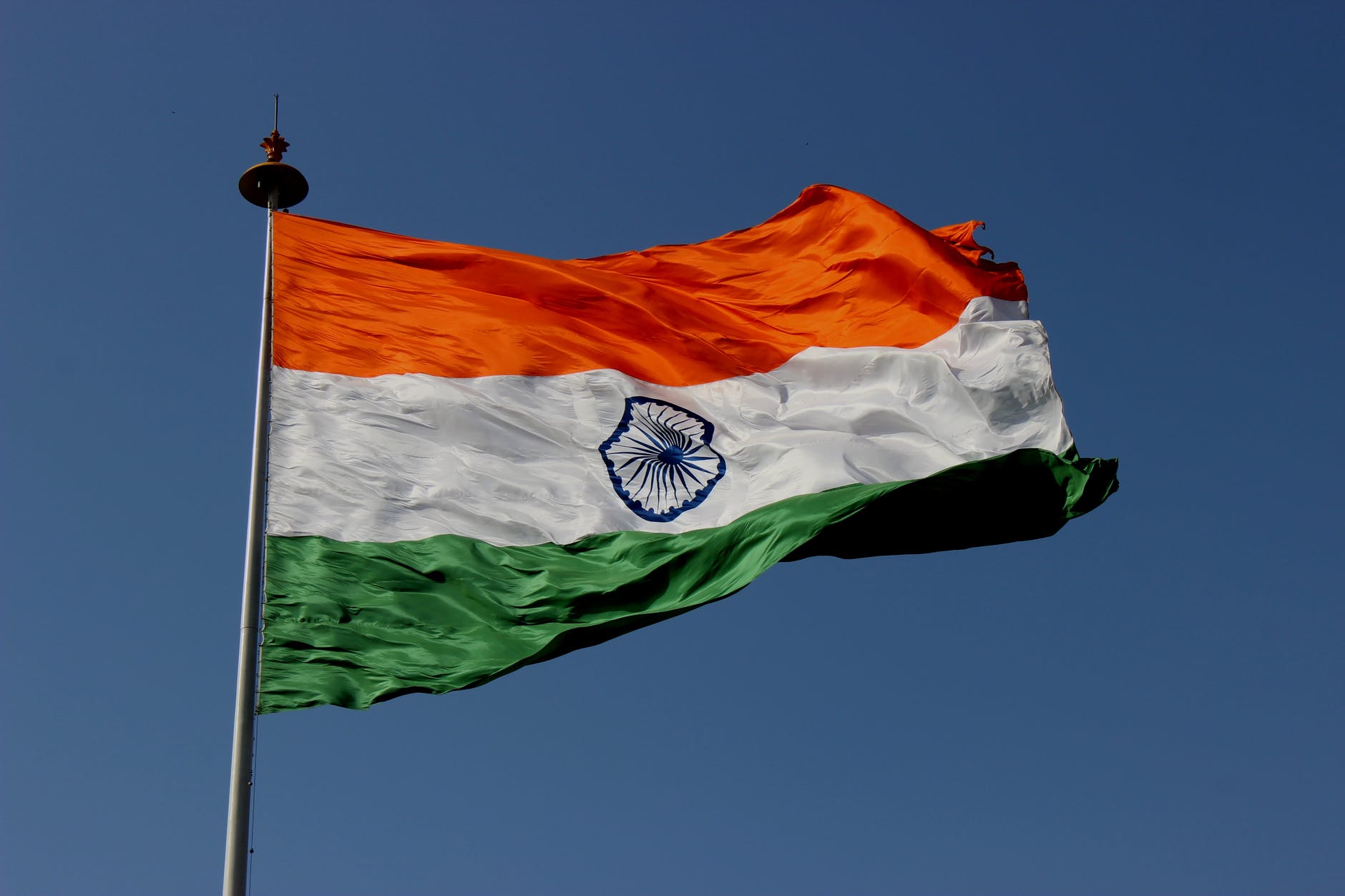
Photo by Alok Uniyal on Pexels.com

One of the most memorable days in Indian history is 15th August. It’s the day on which the Indian sub-continent got independence after a long struggle. India only has three national festivals that are celebrated by the whole nation as one. One being the Independence Day (15th August) and the other two being Republic Day (26th January) and Gandhi Jayanti (2nd October). After independence, India became the largest democracy in the world. We fought very hard to get our independence from the Britishers. In this essay on Independence Day, we are going to discuss the history and importance of Independence Day.

History of Our Independence DayFor almost two centuries the Britishers ruled over us. And the citizen of the country suffered a lot due to these oppressors. British officials treat us like slaves until we manage to fight back against them.We struggled for our independence but work tirelessly and selflessly under the guidance of our leaders Jawahar Lal Nehru, Subhash Chandra Bose, Mahatma Gandhi, Chandra Shekhar Azad, and Bhagat Singh. Some of these leaders choose the path of violence while some choose non-violence. But the ultimate aim of these was to drive out the Britishers from the country. And on 15th August 1947, the long-awaited dream come true.Why We Celebrate Independence Day?To relive the moment and to enjoy the spirit of freedom and independence we celebrate Independence Day. Another reason is to remember the sacrifices and lives we have lost in this struggle. Besides, we celebrated it to remind us that this freedom that we enjoy is earned the hard way.Apart from that, the celebration wakes up the patriot inside us. Along with celebration, the young generation is acquainted with the struggles of the people who lived at that time.

Activities on Independence Day

Although it’s a national holiday the people of the country celebrate it with great enthusiasm. Schools, offices, societies, and colleges celebrate this day by organizing various small and big events.

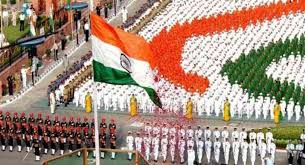
Every year at Red Fort the Prime Minister of India host the national flag. In the honor of the occasion, 21 gunshots are fired. This is the begging of the main event. This event is later on followed by an army parade.The school and colleges organize cultural events, fancy dress competitions, speech, debate, and quiz competition.Importance of Independence DayEvery Indian holds a different viewpoint about Indian Independence. For some, it’s a reminder of the long struggle while for youngsters it stands for the glory and honor of the country. Above all, we can see the feeling of patriotism across the country.The Indian’s celebrate Independence Day with a feeling of nationalism and patriotism across the country. On this day every citizen echoes with festive feeling and pride in the diversity and unity of the people. It’s not only a celebration of Independence but also of the unity in diversity of the country.
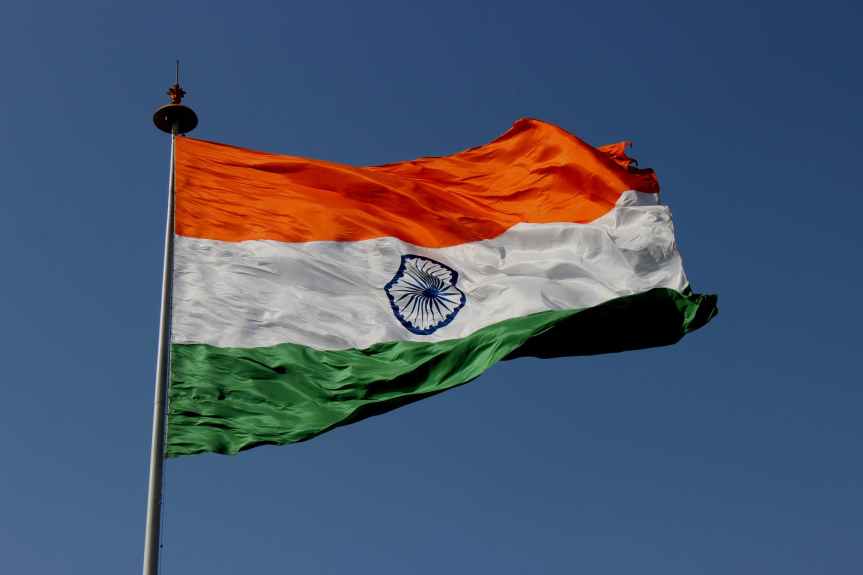
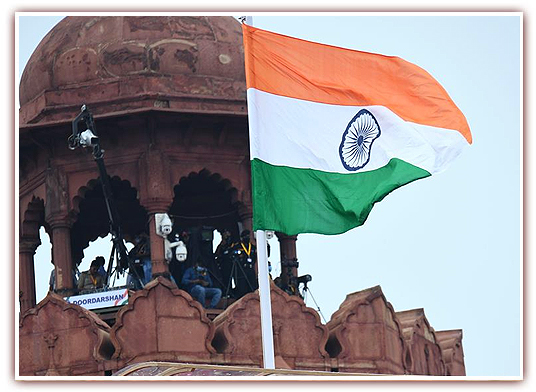
‘INDEPENDENCE DAY’ Celebration

Mother India breathed the fragrance of freedom on 15 August, 1947. In the picture, we can see the hoisting of the national flag presumably by a senior and respected member of some community. This is a common sight in India where patriotic feelings are expressed at this time of the year. It is but natural that we should all feel strongly for our country, and what better time to express these feelings than on Independence Day!

However, the happy look on the faces of these people cannot hide the ugly truths that stare us in the face even after more than sixty years of independence. It is good that we celebrate our freedom with great enthusiasm as depicted in the picture. But mere smiles, celebrations and flag hoisting ceremonies are of no use unless we imbibe the spirit of Indianness in us. The spirit exhibited on this day should become a part of our very being.

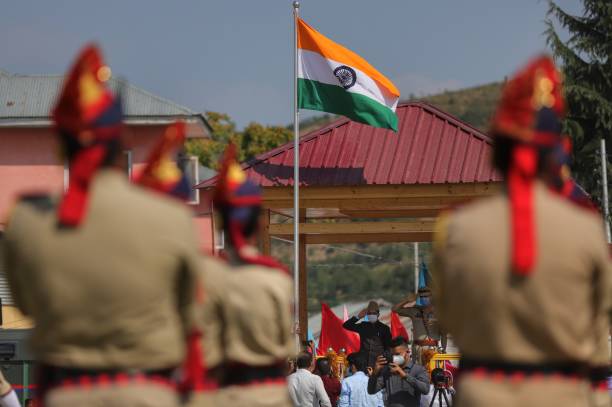
CRPF and Jammu and Kashmir Police personnel takes part in the parade on India’s 74th Independence day in Baramulla, Jammu and Kashmir, India on 15 August 2020. (Photo by Nasir Kachroo/NurPhoto via Getty Images)

Generally we sing the national anthem with a lot of enthusiasm and then forget all about the relevance of the day as soon as the function is over. We throw sweet packets here and there and litter our surroundings. Moreover, in a country where more than fifty per cent of the population has a hand-to-mouth existence, the wastage of food is no less than sacrilege. If we do not respect the dignity of our people and surroundings, all the respect showered on the national anthem and the national song become meaningless

We must raise our voices in unison against the hypocritical phenomenon of paying lip-service to the concept of patriotism but stooping to grossly lackadaisical behaviour when it comes to performing our roles as Indians. Spitting or relieving ourselves in public places, not obeying the law while availing of transport facilities, disrespecting public property, joining mobs to create nuisance, calling strikes and bringing life to a halt on working days, remaining spectators to the corruption around us are all different patterns of behaviour that lower the prestige of our nation.

When we hoist the national flag, it is important that we feel clear in our conscience. One may argue that a small number of people setting the right example would not make much of a difference. This would indeed be a myopic interpretation of reality. The truth is that you may be a drop in the ocean, but the ocean is incomplete little gesture of respecting your country At least without in the true sense of the term would make a reasonable difference to the jawans on the border who risk their lives day and night to ensure that we can smile, secure in our knowledge of security when we look at the national flag fluttering high in the air.

History:

India was ruled by the Britishers for many years. The East India Company ruled India for about 100 years. It was in 1757 when the East India Company won the battle of Plassey. It was after the win went the Company started exerting power over India. Our nation had its rebellion against the foreign rule for the first time in 1957. The entire country united against British power. It was an unfortunate event as India was defeated back then but after that time. Indian rule was then passed to the British who ruled our country till India got its independence. Our nation faced a long campaign to gain independence. Britain then began to weaken after two world wars and India was finally free. India’s freedom struggle has always been an inspiration to the work as it was the most non-violent campaign in the world.

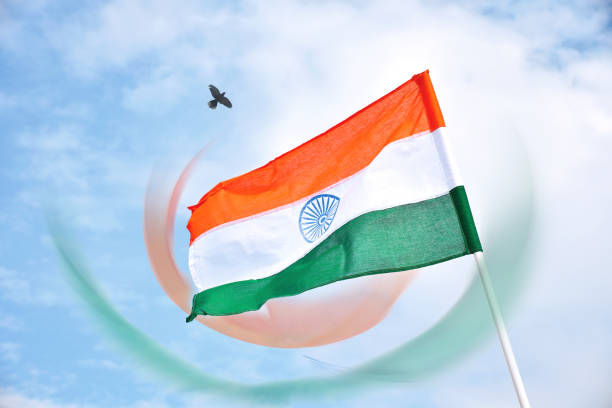
National Flag of India

Facts:

India has been independent for 73 years.

India is named after the river Indus.
India has had 14 Prime Ministers out of which one has been a female Prime Minister.
India has had 13 full-time Presidents out of which only one has been a woman.
The Indian National Flag was designed by Pingali Venkayya who was one of the freedom fighters and also an agricultural from Andhra Pradesh.
India’s national anthem was adopted three years of post-independence.
Mahatma Gandhi wasn’t able to celebrate the first Independence Day in Delhi.

Most Controversial Figure : Vinayak Damodar Savarkar

Vinayak Damodar Savarkar commonly known as Swatanryaveer or simply Veer Savarkar was born on 28 May, 1883 and died on 26th February 1966. He was an Indian independence activist, historian , poet, novelist , politician who formed the Hindu Nationalist philosophy of Hindutva. He was a leading personality in Hindu Mahasabha

Vinayak Savarkar is highly controversial figure in India because of his mercy petition he wrote to British Government when he was imprisoned in Andaman and Nicobar. But what many fails to understand is the mentality behind the mercy petition. Prisoners in Kaala Paani ( Andaman and Nicobar) were treated horribly and brutally. They were tortured to death . They were neither given good food nor good living condition. To save himself from such inhumane torture Vinayak Savarkar appealed for mercy. He was barrister and he knew his rights well. He knew sitting inside jail he will not be able to serve his country and so tried to get out by writing mercy petition.

But before judging and throwing him into the light of black or white , it is important to know why some hate him and others remark him as a patriot

Why he is loved :

1) He went to Gray’s Inn Law college in London and stayed at famous India House. At that time , India House was a hub of student politics . Savarkar founded the Free India Society to mobilise youth against the colonial rule in India

2) He burnt all foreign goods and propagated the idea of ‘Swadeshi’

3) He plotted armed revolt against the Morley- Minto reform but was arrested for it

4) He established a temple called ‘ Patit Pawan Mandir’ in Maharashtra , where people from every caste were welcomed

5) His book ‘The Indian war of Indian Independence 1857’ inspired many freedom fighters like Bhagat Singh , Chandra Shekhar Azad , Subash Chandra Bose .

6) Savarkar was one of the first writers to call for India’s first war for Independence against British. He asked for poorna swaraj ( Total independence) when people were settling for less

7) After his release from jail , he worked on the abolishment of untouchability in Ratnagiri

8) He wrote mercy petitions not only for himself but for other prisoners too.

Why He is Hated:

1) When Savarkar was 12 years old , he lead a march with his schoolmates to vandalise a mosque in order to take revenge against atrocities committed against Hindus by Muslims.

2) He was fierce critic of Indian National Congress and Mahatma Gandhi.

3) He opposed the ‘Quit India Movement and later objected to INC’s acceptance to the Indian partition

4) For his mercy petition written to British Government.

Over the years many facts have beem destroyed and twisted, so no one can ever say if Vinayak was a hero or villain. It is well known fact that there is no person with zero flaws. There is some good in evil and some evil in good.