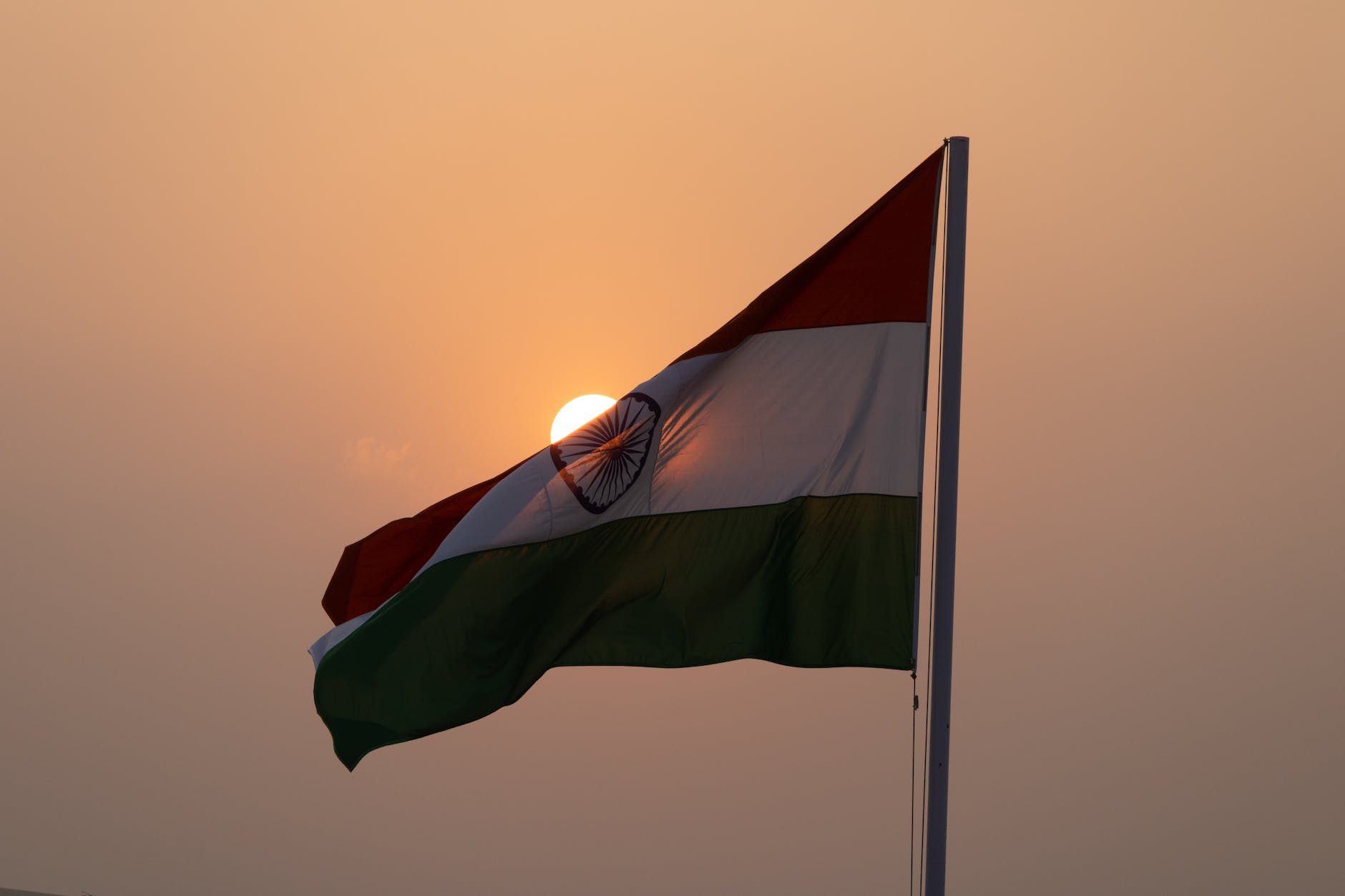
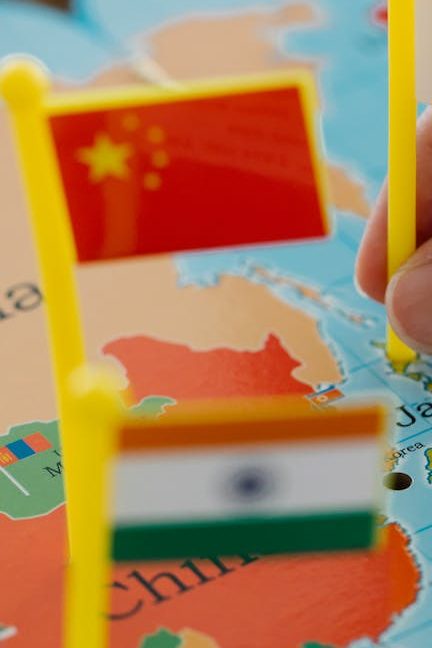
India to test Agni-V missile.

India recently issued a NOTAM notice declaring the Bay of Bengal a no-fly zone ahead of another Agni-V ballistic missile test scheduled for December 15-16 from Abdul Kalam Island off the coast of Odisha.

The development comes amid the reported movement of a Chinese research vessel in the Indian Ocean Region (IOR). According to data collected by the Norwegian company Maritime Optima, as reported by ThePrint, Yuan Wang 5 re-entered the Indian Ocean region. The report stated that the Yuan Wang 5 was currently southbound in the Indian Ocean off the coast of the Indonesian island of Java.

Agni V is India’s long-range surface-to-surface ballistic missile, capable of hitting a target 5,000 kilometres away with pinpoint accuracy. This range puts almost the entire country of China within the missile’s range. Though an ICBM requires a missile with a range of at least 5,500 km, India’s closest contender for an ICBM is the Agni 5, which can reach countries on other continents, including parts of Africa and Europe.

Though the government claims that it has a maximum range of around 5,000 kilometres, several reports indicate that it can hit targets as far away as 8,000 kilometres, according to the report. The nuclear-capable missile can carry a warhead weighing around 1,500 kg and has a launch weight of 50,000 kg, making it one of the country’s most powerful missiles.

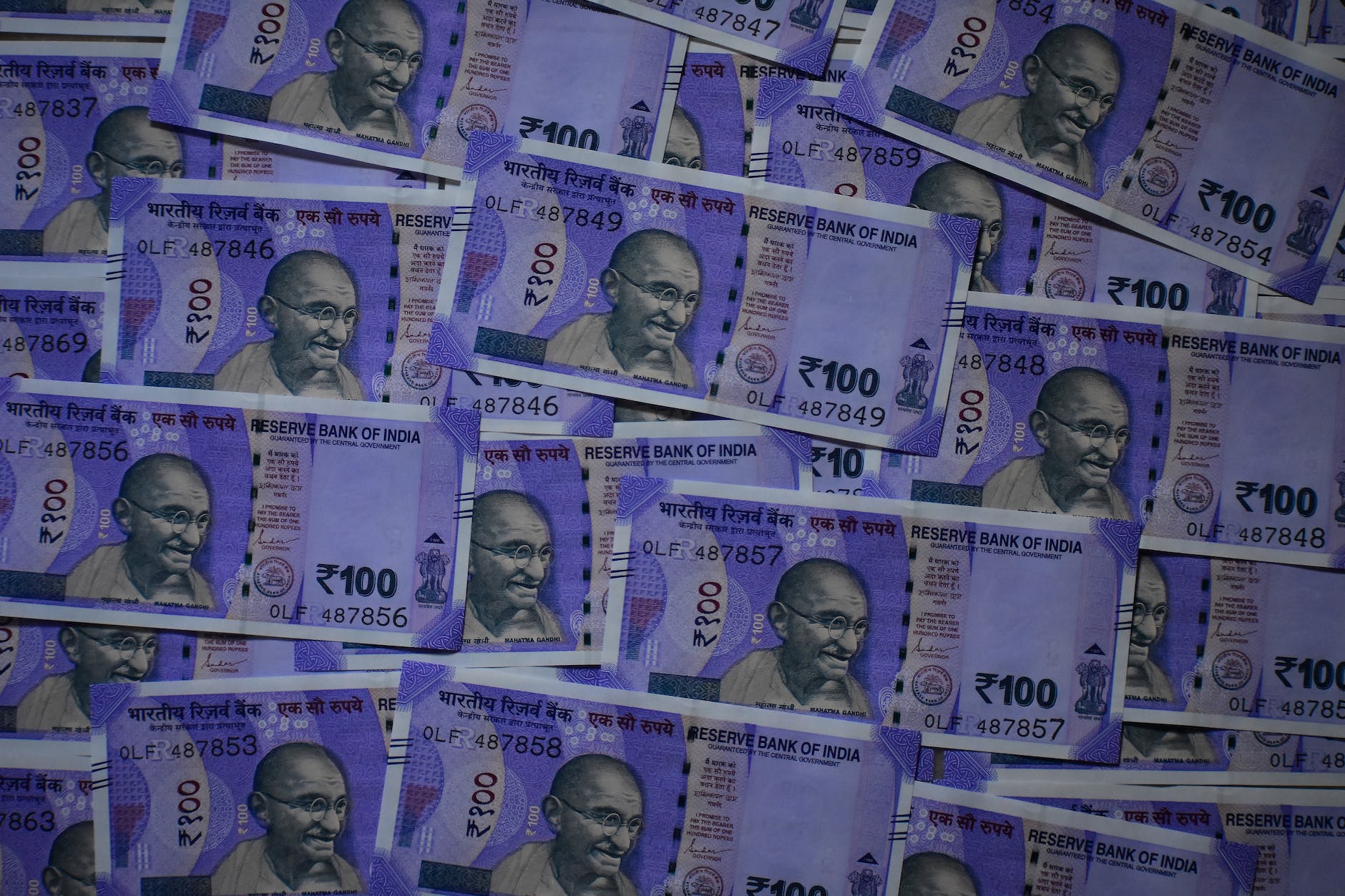
India assumes G-20 presidency.

Indonesian President Joko Widodo officially handed over the G20 presidency to India on November 16 this year at the summit in Bali. The year-long presidency assumed by India comes at a time when the world is struck with uncertainties about recovery from a pandemic-hit economy.                                  Prime Minister Narendra Modi, in a series of tweets, highlighted the country’s commitment towards resolving challenges of “climate change, terrorism and pandemic” through international cooperation.

The main objectives of G20, according to the Council on Foreign Relations (CFR), includes policy discussion and coordination on economic and financial issues around the globe. However, over the years, the meeting has extended its aims to cover global terrorism, health and sustainable development.

The leadership of G20 rotates annually among nations, where the President nation determines the agenda of the summit held every year. Non-members, namely, the International Monetary Fund (IMF), the World Bank, the United Nations (UN), World Trade Organization (WTO), among others participate regularly in the G20 proceedings.

Top 5 fastest growing states by GSDP.

After witnessing unprecedented challenges due to the covid-19 pandemic, India’s states are well on their way to recovery, according to the Reserve Bank of India’s Handbook of Statistics on Indian States released last week. Almost every state economy has already surpassed its pre-pandemic size and state finances are looking up even as concerns over elevated fiscal deficit remain. Rural wage growth, however, has failed to keep pace with average retail inflation, which may become a cause of decline in spending. 

Gujarat is the fastest-growing state for the last nine years (from FY12 to FY21), according to the latest data released by RBI. Gujarat’s Gross State Domestic Product (GSDP) at the constant price has increased at compounded annual growth rate (CAGR) of 8.2 per cent.

Karnataka is the second fastest-growing major state economy, with a CAGR of 7.3 per cent. At the third spot is Haryana. With a CAGR of 6.7 per cent, Madhya Pradesh is ranked fourth in the list of fastest-growing states. Madhya Pradesh is followed by Andhra Pradesh which has registered an annual GSDP growth rate of 6.5 per cent.

India receive a whopping 100 billion dollars as remittance according to a report by World Bank.

The World Bank Report has stated that India, the third largest economy of Asia, is set to become the first country to receive $100 billion in remittances from migrant workers abroad. Notably, India had received $89.4 billion in remittances in 2021, according to the World Bank report, which then made India the top recipient globally.

India will be the first country in the world to receive $100 billion from remittances during 2022, the World Bank has said.

Remittance flows to India will rise 12% to reach $100 billion this year, according to a World Bank report published Wednesday. That puts its inflows far ahead of countries including Mexico, China and the Philippines.

Highly-skilled Indian migrants living in wealthy nations such as the US, UK, and Singapore were sending more money home, according to the report. Over the years, Indians have moved away from doing lower paid work in places like the Gulf. Wage hikes, record-high employment and a weakening rupee also supported growth.

Remittances to India were enhanced by wage hikes and a strong labor market in the US and other OECD countries. In the Gulf Cooperation Council destination countries, governments ensured low inflation through direct support measures that protected migrants’ ability to remit. 

Report for most inclusive nation for religious minorities, India tops the list.

The Centre for Policy Analysis (CPA), in its first global minority report, has listed India at the top of the list of countries for its treatment of religious minorities. India has topped the list on counts of inclusiveness towards religious minorities.

Released by former Vice President of India Venkaiah Naidu, the report is based on conceptual issues relating to human rights, minorities, concept of religious freedom and culture dilemma of religious minorities, cause of religious differences and more.

While India has been ranked one in the global minority report, the United State of America (USA) bagged fourth spot. Nepal is ranked at 39, whereas Russia is ranked 52. China and Bangladesh were ranked at 90 and 99, respectively. Pakistan is ranked at 104 in the report, whereas Taliban-led Afghanistan secured 109th position.

This is for the first time that an Indian body has rated other nations on the basis of their treatment of religious minorities.

Gujarat’s GIFT city aims to be financial hub of asia.

India’s newest financial hub is rising from scrubland near the banks of the Sabarmati River once dominated by marsh birds and grazing buffalo.  

In the state of Gujarat, just a few glass-fronted towers greet the 20,000 employees of companies such as JPMorgan Chase & Co. and HSBC Holdings Plc who commute in each weekday. Its full name is Gujarat International Finance ­Tec-­City, but it’s more commonly known as GIFT City. It occupies 886 acres between Gujarat’s capital, Gandhinagar, and Ahmedabad, its biggest city. As of October, bankers managed a combined $33 billion here.

An exemption from the many rules and taxes that hamper business and trading in the rest of India. GIFT City is an experiment in free markets nestled inside a $3 trillion economy—one of the world’s fastest-growing—that’s long been reluctant to let its national currency, the rupee, become a plaything of international investors. The goal is to create a welcoming place where India-centric trading that’s moved to Dubai, Mauritius or Singapore can return home.

USA removes India from its currency monitoring list.

The United States Department of Treasury has taken off India’s name from the from its Currency Monitoring List of major trading partners. In its biannual report to Congress, the US’ Treasury Department conveyed that along with India, it had also removed Mexico, Thailand, Italy and Vietnam from the list. With this, seven economies that are now on the current monitoring list include Japan, China, Korea, Singapore, Germany, Malaysia and Taiwan.

The Currency Monitoring List closely follows the currency policies of some of the US’ major trade partners. If a country appears on the list, it is regarded as a “currency manipulator”. A ‘currency manipulator’ is a designation that the US government authorities give to countries that according to the US, engage in “unfair currency practices” for trade benefits. Thus, inclusion in the list simply means that the country is artificially lowering the value of its currency to get an advantage over others. This is because a lower currency value leads to reduced export costs from that country. 

Removal of India from the list by the US’ Treasury Department can be seen as a positive news both in terms of market aspect and India’s monetary policy-making. If Indian market experts are to be believed, the development means that the Reserve Bank of India (RBI) can now take robust measures to manage the exchange rates effectively, without being tagged as a currency manipulator. This may also be a big win from a markets standpoint and also signifies the growing role of India in global growth.

Home affordability report on Indian cities.

Ahmedabad continues to be the most affordable housing market at 22 per cent, followed by Pune at 26 per cent and Chennai at 27 per cent, among the top eight cities in India, global property consultant Knight Frank India’s Affordability Index for the third quarter (Q3) of 2022 showed.

Driven by the constant demand for housing properties, Bengaluru has emerged as the fourth most expensive real estate market in the country, stated in report.

Along with this, Mumbai and Hyderabad were known to have one of the most expensive residential markets in the country.

The index revealed that Bengaluru’s affordable housing market has become more expensive mainly because of the 50 bp hike in the repo rate by the Reserve Bank of India the previous month.

The repo rate hike ultimately caused the rise in median loan rates. These loan rates are a direct indication of the affordability of interested buyers and also impact consumer behaviour.

India lost 159 billion dollars in 2021 due to heat waves.

Photo by Fabio

India suffered an income loss of USD 159 billion, 5.4 per cent of its gross domestic product, in the service, manufacturing, agriculture, and construction sectors due to extreme heat in 2021, according to a new report.

Heat exposure in the country led to the loss of 167 billion potential labour hours, a 39 per cent increase, said the Climate Transparency Report 2022 compiled by an international partnership of organisations.

Labour productivity in India is projected to decline by five per cent from the 1986–2006 reference period if global temperatures increase by 1.5 degrees Celsius, it said. The decline in labour productivity will be 2.1 times more if the global temperatures increase by 2.5 degrees Celsius, and 2.7 times at a three degree Celsius scenario.

Losses to earnings from heat-related labour capacity reduction were the highest in India among G20 nations in 2021. Other countries include Indonesia (1.6% of GDP), and Saudi Arabia (1% of GDP).

Global Hunger Index report is an attempt to tarnish India’s image : says GoI.

The government has yet again rejected the Global Hunger Index (GHI) 2022 which ranks India 107 among 121 countries and has called it “an erroneous measure of hunger” and an attempt to “taint” India’s image. It also wrongly claims that the ranks are based on an opinion poll.

“Three out of the four indicators used for calculation of the index are related to health of Children and cannot be representative of the entire population,” says the press statement issued by the Ministry of Women and Child Development. This is the second year in a row the government has rejected the GHI rankings.

The GHI scores are calculated using four indicators — undernourishment, child stunting, child wasting and child mortality.

It adds that that the fourth indicator, estimate of Proportion of Undernourished (PoU), population is based on an opinion poll conducted on a very small sample size of 3000 based on “Food Insecurity Experience Scale (FIES)” Survey Module of Food and Agriculture Organisation- a claim that was also rejected last year by representatives of the Global Hunger Index.

The government said the data used to arrive at the rating drawn from a narrow sample for a country of India’s size and through dubious methods is not only wrong & unethical, but it also reeks of obvious bias. It also accused the Concern Worldwide and Welt Hunger Hilfe, the publishing agencies of the Global Hunger Report, of not having done their due diligence before releasing the report.

The central government highlighted the prejudice and erroneous method used by the agency, pointing out how irrelevant, and questions not searching for factual responses were used in the survey to arrive at the Hunger Index. 

India has slipped to 107th rank in Global Hunger Index(GHI).

India has slipped to the 107th position in the Global Hunger Index (GHI) in 2022, down from the 101st position in 2021. The GHI, jointly published by Concern Worldwide and Welthungerhilfe, comprehensively measures and tracks hunger at the global, regional, and country levels. Of the 121 countries on the GHI, India is ranked behind its neighbours Nepal (81), Pakistan (99), Sri Lanka (64), and Bangladesh (84).

The Global Hunger Index score is calculated on four indicators – undernourishment, child wasting (the share of children under the age of five with low weight for their height), child stunting (children under the age of five with low height for their age) and child mortality (the mortality rate of children under the age of five).

India’s global hunger index score is 29.1, which puts the country in the “serious” category of hunger problems. India’s score has improved slightly from last year’s 27.5. However, in 2000, India’s score was a much better 38.8 points. NB

The index calculates the hunger levels and malnutrition across the world. This year, the report accessed data from 136 countries but evaluated 121 of them. The report on the index said that sufficient data was not available for the remaining countries.

IMF’s Chief praises India’s economic growth.

India has emerged as “a bright light” at a time when the world is facing imminent prospects of a recession, the chief economist of the International Monetary Fund (IMF) said on 12 October, noting that the country, however, needed key structural reforms in order to achieve the ambitious target of being a USD 10 trillion economy.

Pierre-Olivier Gourinchas, chief economist of the IMF said: “Well, India is, I want to say, sort of bright light. The Indian economy has been doing reasonably well.”   In its World Economic Outlook, the IMF projected a growth rate of 6.8 per cent in 2022 as compared to 8.7 per cent in 2021 for India.

The projection for 2023 slides down further to 6.1 per cent, he noted.

Responding to a question on the ambitious goal of India becoming a USD 10 trillion economy, Gourinchas told PTI that he certainly believes this is achievable.

“Inflation is still above the central bank target in India. We expect India’s inflation at 6.9 per cent in 2022-23, which is likely to come down to 5.1 per cent next year. So, the overall stance of the policy we think that fiscal and monetary policy should be probably on the tightening side,” Gourinchas said.

India abstained to vote against China at UNHRC.

During this week UN Human Rights Council was holding a debate on the human rights situation in China’s restive Xinjiang region. Human rights groups have been sounding the alarm over what is happening in the resource-rich north-western Chinese province for years, alleging that more than one million Uyghurs had been detained against their will in a large network of what Beijing calls “re-education camps”.

The efforts of the US and Western countries to bring a resolution against China on the situation of Uighur Muslims in the United Nations Human Rights Council (UNHRC) suffered a setback when 11 countries, including India and Ukraine, indirectly helped China by abstaining to vote at the time of voting.

This is only the second time in the UNHRC’s 16-year history that a US resolution has been rejected. It also explains the changing global equations. Most of the discussion after the UNHRC vote is about India’s stand. Given the current state of relations with China, the US expected support from India. However, India said that it has stuck to its policy of not voting against any country in institutions like the UNHRC.

However, it is believed that India has taken this step due to the apprehension of a UN vote on Jammu and Kashmir in future.

Know all about ‘Prachand’, India’s own homemade attack helicopter.

Indigenously-built light combat helicopter (LCH) ‘Prachand’ was inducted into the Indian Air Force at Jodhpur airbase. The Light Combat Helicopter (LCH), developed by state-run aerospace major Hindustan Aeronautics Ltd (HAL), has been primarily designed for deployment in high-altitude regions. It was inducted into the IAF at a ceremony in Jodhpur in the presence of Defence Minister Rajnath Singh and Chief of Air Staff Air Chief Marshal VR Chaudhari.

The LCH is a multi-role combat helicopter designed and manufactured by HAL, which is made in HAL’s helicopter division in Bengaluru. The helicopter can carry rockets, air-to-air and anti-tank missiles, and bombs.

The helicopter has the necessary agility, manoeuvrability, range extension, high elevation efficiency, and 24/7/365 all-weather fighting potential to carry out tasks like combat search and rescue (CSAR), destruction of enemy air defence (DEAD), counter-insurgency (CI), functions against slow-moving aircraft and remotely piloted aircraft (RPAs), high altitude bunker busting, counter-insurgency operations in the jungle and urban environments, and support to ground forces.

The production of LCH by HAL will give the Atmanirbhar Bharat initiative more momentum and encourage the indigenization of defence production and the nation’s defence industry as part of the ongoing effort to achieve self-reliance in the defence manufacturing sector and reduce imports.

India to add 80 new airports till 2027.

India’s aviation regulator has stated that the country could add nearly 80 new airports in the next four to five years. India’s annual aviation sector growth rate currently sits at around 9% but is likely to reach double digits in the coming years.

In the last eight years alone, the number of airports in the country has increased from 74 to 141. This number is expected to shoot up to around 220 in the next half a decade with all the new airports that have been planned.

While new airports are expected to support India’s growing aviation market, the civil aviation ministry has a much larger vision. One of them is to possibly develop an aviation hub in India, with the government planning to create an ecosystem to support such a development in the future.

While Indian airports often feature in the list of busiest and well-maintained airports, they’re nowhere near some of their global counterparts when it comes to offering fast and reliable connections to international passengers.

While there are many challenges to developing a hub airport in India, aviation minister Jyotiraditya Scindia plans to iron out those issues in the coming few years. The larger plan also includes having more than 90 airports that are carbon-neutral by 2024, with a 2030 net-zero emissions target.