NATIONAL mean a person owing allegiance to and entitled to the protection of a sovereign state. CITIZEN is preferred for one owing allegiance to a state in which sovereign power is retained by the people and sharing in the political rights of those people. the rights of a free citizen SUBJECT implies allegiance to a personal sovereign such as a monarch. the king’s subjects NATIONAL designates one who may claim the protection of a state and applies especially to one living or traveling outside that state.
The Reserve Bank of India (RBI) on December 1, 2022, began the much-awaited trial run of India’s first retail central bank digital currency (CBDC) or ‘e-rupee’ in four cities—Mumbai, Delhi, Bengaluru, and Bhubaneswar—through eight participating banks.
CBDC is not expected to replace India’s premier instant payment solution, Unified Payment Interface (UPI), instead, it is touted to replace physical cash.
Experts pointed out that to carry out payments through UPI, individuals need to have a bank account and often a functioning debit card, but for accessing the e-Rupi wallet, there will be no need to have such a bank account.
UPI transactions are backed by physical currency. This means the payment will not go through if the user’s bank account does not have enough funds. The e-rupee, however, can be used for digital payments in lieu of currency/cash. “The e-rupi is issued by RBI and is a legal tender in itself. It need not necessarily be backed by physical currency.
The World Bank Report has stated that India, the third largest economy of Asia, is set to become the first country to receive $100 billion in remittances from migrant workers abroad. Notably, India had received $89.4 billion in remittances in 2021, according to the World Bank report, which then made India the top recipient globally.
India will be the first country in the world to receive $100 billion from remittances during 2022, the World Bank has said.
Remittance flows to India will rise 12% to reach $100 billion this year, according to a World Bank report published Wednesday. That puts its inflows far ahead of countries including Mexico, China and the Philippines.
Highly-skilled Indian migrants living in wealthy nations such as the US, UK, and Singapore were sending more money home, according to the report. Over the years, Indians have moved away from doing lower paid work in places like the Gulf. Wage hikes, record-high employment and a weakening rupee also supported growth.
Remittances to India were enhanced by wage hikes and a strong labor market in the US and other OECD countries. In the Gulf Cooperation Council destination countries, governments ensured low inflation through direct support measures that protected migrants’ ability to remit.
Equity Research major Morgan Stanley (MS) on Monday said the Sensex could hit 80,000 by the end of 2023. This comes even as the Sensex closed at a record high of 62,504 after gaining 0.34 per cent, or 211 points. The Nifty rose 0.27 per cent, or 50 points, to close at 18,562. Nifty is just 53 points away from making a new lifetime high.
The bull-run in Indian equity markets is intact, said analysts at Morgan Stanley in a recent note, and expect the S&P BSE Sensex to hit 80,000 levels by December 2023 in their bull-case scenario, to which they have assigned a 30 per cent probability. From the current levels, this translates into an upside of nearly 29 per cent.
For this, while the corporate earnings are projected to compound 25 per cent annually over FY22-25, Morgan Stanley expects India to be included in the global bond indices, which could result in nearly $20 billion of inflows over the subsequent 12 months. That apart, commodity prices including oil and fertiliser are expected to correct sharply.
As their base-case, however, Morgan Stanley sees the S&P BSE Sensex to scale up to 68,500 levels – up 10 per cent from the current levels.
The Centre for Policy Analysis (CPA), in its first global minority report, has listed India at the top of the list of countries for its treatment of religious minorities. India has topped the list on counts of inclusiveness towards religious minorities.
Released by former Vice President of India Venkaiah Naidu, the report is based on conceptual issues relating to human rights, minorities, concept of religious freedom and culture dilemma of religious minorities, cause of religious differences and more.
While India has been ranked one in the global minority report, the United State of America (USA) bagged fourth spot. Nepal is ranked at 39, whereas Russia is ranked 52. China and Bangladesh were ranked at 90 and 99, respectively. Pakistan is ranked at 104 in the report, whereas Taliban-led Afghanistan secured 109th position.
This is for the first time that an Indian body has rated other nations on the basis of their treatment of religious minorities.
SVR Srinivas, Chief Executive Office of Dharavi Redevelopment Project said, “We got three bids of which we opened two financial bids of Adani and DLF as Naman Group did not qualify in the technical bidding. The bid by Adani Group was for Rs 5,069 crore and DLF was Rs 2,025 crore. We will now further go with the approval from the state government and also form a special purpose vehicle (SPV) for the redevelopment of Dharavi.”
Three companies namely Adani Realty, DLF and Naman Group had submitted bids for the redevelopment of Dharavi and rehabilitation of slum dwellers. With the selection of the successful bidder, the redevelopment of Dharavi will finally take off now, after multiple failed attempts in the last 15 years.
The winner of the Rs 20,000-crore project is decided on the basis of the highest initial investment pledge. The Maharashtra government aims to finish the project in the next 17 years and complete rehabilitation in the next seven years. Overall, more than 10 million sq ft is expected to come up as part of the Dharavi redevelopment project.
India’s newest financial hub is rising from scrubland near the banks of the Sabarmati River once dominated by marsh birds and grazing buffalo.
In the state of Gujarat, just a few glass-fronted towers greet the 20,000 employees of companies such as JPMorgan Chase & Co. and HSBC Holdings Plc who commute in each weekday. Its full name is Gujarat International Finance Tec-City, but it’s more commonly known as GIFT City. It occupies 886 acres between Gujarat’s capital, Gandhinagar, and Ahmedabad, its biggest city. As of October, bankers managed a combined $33 billion here.
An exemption from the many rules and taxes that hamper business and trading in the rest of India. GIFT City is an experiment in free markets nestled inside a $3 trillion economy—one of the world’s fastest-growing—that’s long been reluctant to let its national currency, the rupee, become a plaything of international investors. The goal is to create a welcoming place where India-centric trading that’s moved to Dubai, Mauritius or Singapore can return home.
Gone are the days when we had the opportunity to watch our favourite national cricket team play a game or a series in a year. Now, we have cricket throughout the year. Teams visit different countries and play several series in a year. Now the series also have various duration. Some are very short and some are of very long duration. It appears as if cricket has lost its shine.
Now, players play throughout the year. If they are free, then they take part in some domestic tournaments all over the globe. IPL has been one of the biggest influencers in such a manner. It gives the players a platform to showcase their skills and also provides them with a chance to earn big amounts. They are also paid handsomely in such tournaments and sometimes. Even get recognition in their respective countries.
But all of this is slowly creating problems. Now, the question arises that how can this round-the-clock behaviour be stopped. Is there any way that can ensure that cricket stays relevant for a longer duration? The new format of T20 is also taking the shine off the test matches.
With the exit of India, in T20 World Cup the talks are on several sections of society giving their opinion. The team reached the semi-final and then aced a 10- wicket defeat from the England cricket team.
After this defeat, questions are raised about the performance of the team. A blame game is also going on. Some blame the batsmen, some blame the bowlers, some blame the lack of experience and some even blame the coach.
But at the core, there is also some positive result in this year’s performance. The younger lot of the team has performed well to some extent. The team did reach the semi-final and this is a good sign. It can give some confidence to the team before they proceed to the ODI World Cup in 2023.
For the preparation part, the Indian team which is playing in NZ currently, has some changes. For starters, Dravid has been replaced by Laxman as the new head coach of the Indian cricket team.
For the time being, the team has been able to win the T20 series against the NZ team. There were three matches, out of which the first one was washed out. The second one was won by the Indian team. Then the third match ended in a tie. So, this results in the Indian team winning the series. Now, it’s time for the ODI series. The series will better prepare the team for the next year’s ODI World Cup.
After this series, there is also a series against the Bangladesh team in Bangladesh. It will also be helpful as the series will be played in friendly conditions. Another plus point is that as the next year’s World Cup will be played in India, so familiar conditions will give more exposure to the youngsters to play in the single-day format of the popular game.
iPhones have been able to grab eyeballs everywhere. They have the best hardware for all users. For convenience, various form factors are available for the users. Every year, new iPhones give users something new to experience.
But pandemic has been able to affect the overall manufacturing of the iPhones worldwide. It has been mainly due to the disruption at the China plant. China has the largest iPhone manufacturing plant. It was due to the lockdown due to the COVID pandemic. The plant is the Zhengzhou plant.
On the positive side, India has started to gain due to this loss. Now, there is positive information that Hosur near Bangalore, will get the largest iPhone plant in the country. Now, iPhones will be manufactured at the new plant where approximately, 60000 people will get to work with new iPhones. Among these 60000 workers, 6000 are tribal women from the areas of Ranchi and Hazaribagh. These women have been trained to manufacture the latest iPhones. The new plant is under the control of Tata Electronics. Other than this, Apple also has other manufacturers in the country namely Foxconn, Wistron and Pegatron.
To reduce the stress on the parts supplier, Apple has given a contract to LG as a new display supplier. This will ensure that Samsung will have less burden in terms of display supply during and after the pandemic period.
This new change has some major effects on the overall supply of the latest iPhones. The new devices will not face supply chain disruptions anymore. It will also ensure that India will be one of the major suppliers or exporters of iPhones to other markets.
But there have also been rumours that iPhones can get a price cut in India. But this is not true. As there will be no reduction in the prices of the iPhones in India. But there will be some relief to the availability of parts in our country. If the need arises, then there can also be a great market for refurbished iPhones. It will help in increasing the number of iPhone users in our country.
iPhones are also facing a little bit of a slowdown in terms of sales. This can be due to the weak financial conditions of several sections of society. So now, this kind of effect has also been seen in companies like Samsung. Samsung is currently planning to reduce the production of mobile phones by 30 million. The reduction of production will also enable the unnecessary stacking up of inventory in various warehouses.
All the above points depict that iPhones will have a great future. India will also play an important part in making a more user-friendly iPhone. The device will be more easily accessible to general users. Maybe there can also be a reduction in the prices of the iPhones. The newer models will also get the opportunity to be assembled or manufactured in countries like India. It will also help in increasing employment in the manufacturing field. The number of skilled people will also increase in terms of electronic manufacturing in our country.
With the introduction of 5G in Hyderabad and Bangalore, India has been able to get into the era of 5G. It is going to be a major change in the technological advancement in India.
On the network front, the trials are still going on for 5G in some other parts of our country. There will be an introduction of 5G in the rest of the country also. The introduction will happen very soon. The telcos are currently busy giving the final ok to the network performance for a better experience for the public.
Among all this, companies like BSNL have not been able to launch even 4G in our country. As the latest development, the contract has been given to TCS for the installation of the towers and the technology which will be taking care of the entire system. It will be the biggest order for a home-grown technical implementation in India.
Now, the next phase for BSNL will be to launch the 5G services along with 4G as soon as possible. For that, the work is going on. It is expected that BSNL will launch 4G by December or January and 5G will be rolled out by August next year.
On the private telcos front, Jio is the one which has launched 5G in Hyderabad and Bangalore. Airtel is also working hard to launch the latest 5G network in the market.
In the field of internet-related technology and especially equipment, there are some companies which are considered the world leader. The companies are Nokia, Ericsson and Huawei.
So, if India becomes successful in developing the technology for implementing such revolutions in a country like India. Then, India will be one of the few countries that have been able to implement indigenous built technology in the country.
For those, who are not in touch with such development, the private telcos are planning to launch the services in the metro cities at first. After that, the rest of the country will be able to experience it.
In case of advantages, 5G has better speeds than 4G. The network also provides a greater number of devices to be connected. The new network will also provide better stability than the previous generations.
These new implementations will also likely increase job opportunities in the tech field.
The new launch will also initiate more locally made technologies in the future. In recent times, even Tata has been able to get the opportunity to make iPhones in India.
There is also an initiative which will allow some companies to manufacture chips in our country. It is necessary as there is a shortage of chips in India. All of these changes will surely improve the scenario of the tech world in India. There will also be some challenges to the implementation that the companies will have to tackle. It will also reveal some underlying concerns regarding the networks and the possible issues that the beta users will generally face during the trials. All of these factors will slowly disappear. Now, we will see how the 5G changes the face of our country.
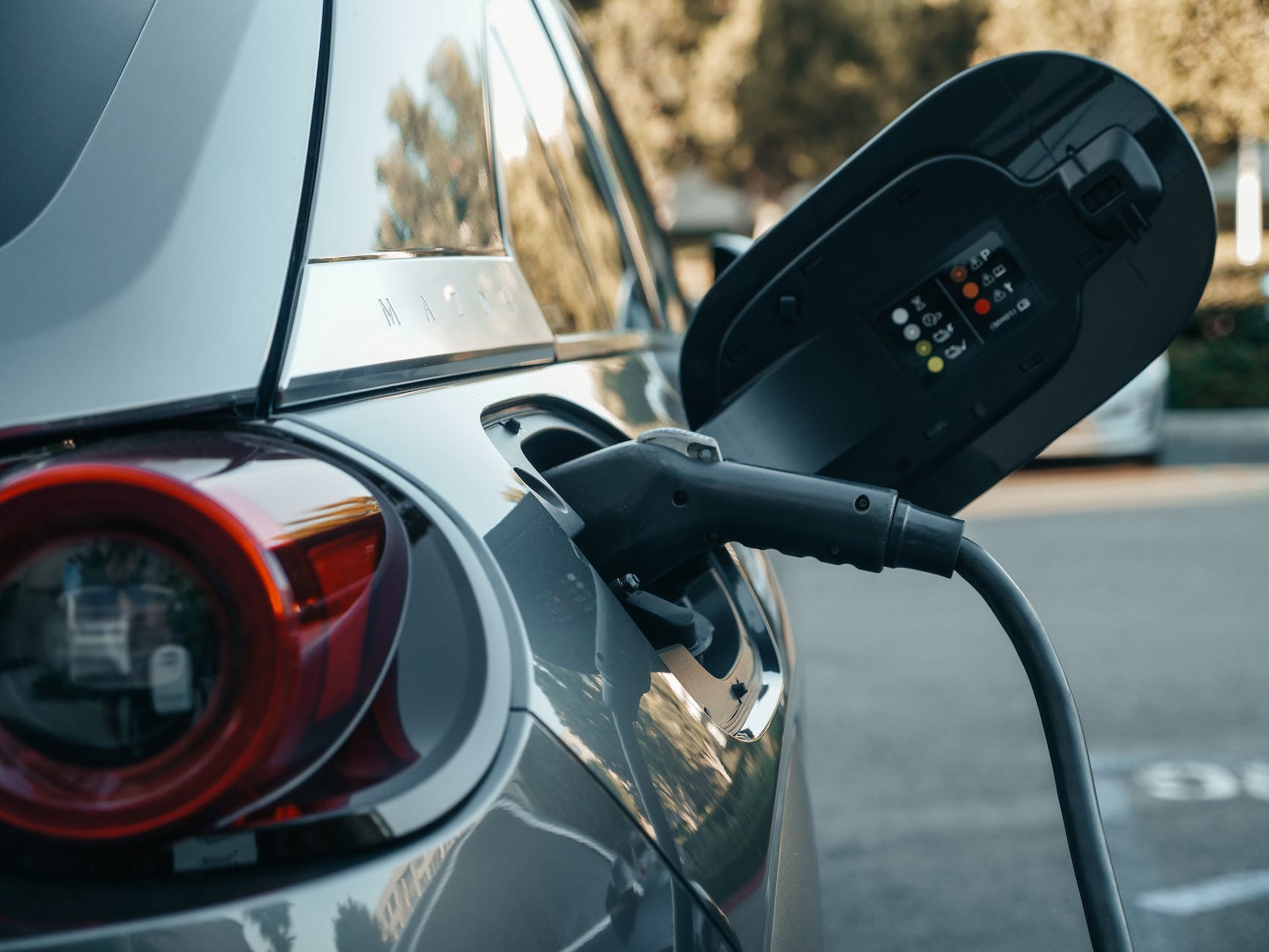
Electric vehicles (EVs) may play a critical role in the future of mobility but the journey so far has been fraught with challenges. While customers may fundamentally be in favour of switching to electric alternatives, when it comes to buying one, they are still hesitant. The biggest impediments to the adoption of these vehicles on a large scale are range anxiety (the worry that the vehicle will run out of charge before reaching the destination or charging point) and its price. According to an EY report, an electric car costs 2X times an ICE variant in India. The cost of an electric two-wheeler is 15% more than that of an ICE variant.
A Bengaluru-based startup SWYTCHD provides electric vehicles on a monthly subscription basis. This subscription is all inclusive which covers insurance, charging refunds, servicing, maintenance, and breakdown support.
The Bengaluru-based startup, founded in December 2021 by Sameer Arif, offers a range of EVs (both two-wheelers and cars) on a monthly subscription model. The subscription includes costs of insurance, general servicing, maintenance (including normal wear and tear), breakdown support, and charging refunds, up to a maximum distance of 1,200 km a month.
“Unlike a purchase process that requires a lot of time, dedication and capital, SWYTCHD is an easy decision with minimal paperwork, which can be done from the comfort of the home.”says Sameer
The subscription starts from Rs 5,000 for two-wheelers and Rs 30,000 for four-wheelers per month. The service is currently available only in Bengaluru. SWYTCHD has partnered with Bounce as the official leasing and subscription partner for its Infinity scooter. Apart from this, the company also offers two-wheelers from Ather, Revolt Motors, Hero, and Ola, and cars such as TATA Tigor XZ+, TATA Nexon EV XZ+ Lux, Hyundai Kona Premium, and MG ZS EV Exclusive.
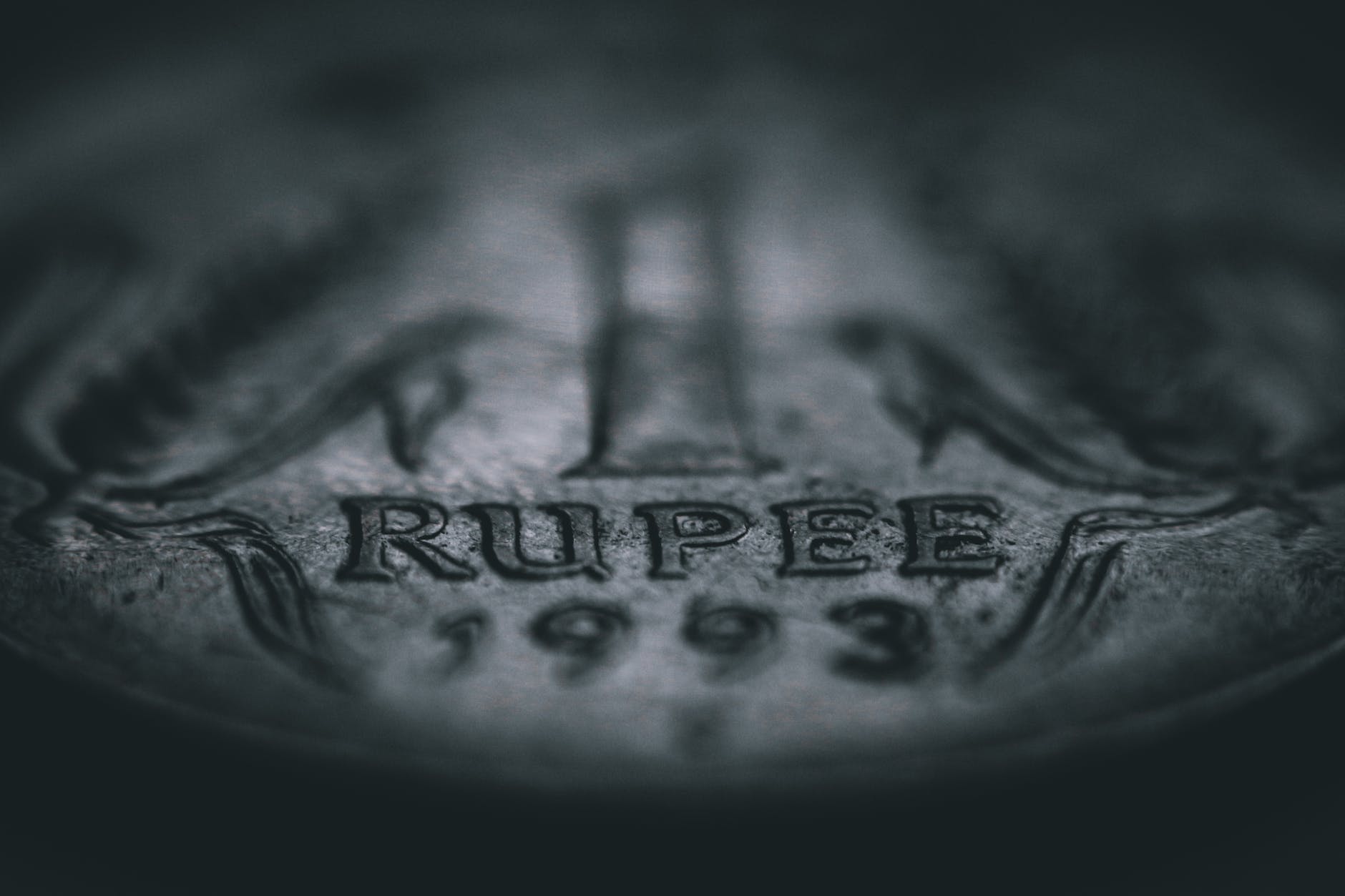
The Indian rupee has been hitting new lows, week after week. From holding on to 74 against the US dollar in January to dropping to 83 last week — a double-digit fall in percentage terms in just 10 months — the rupee’s depreciation has not augured well for the economy. Economists caution that the currency could plunge further in the coming months before settling down. Some forecasters argue that the rupee could rebound and gain strength in the next fiscal year.
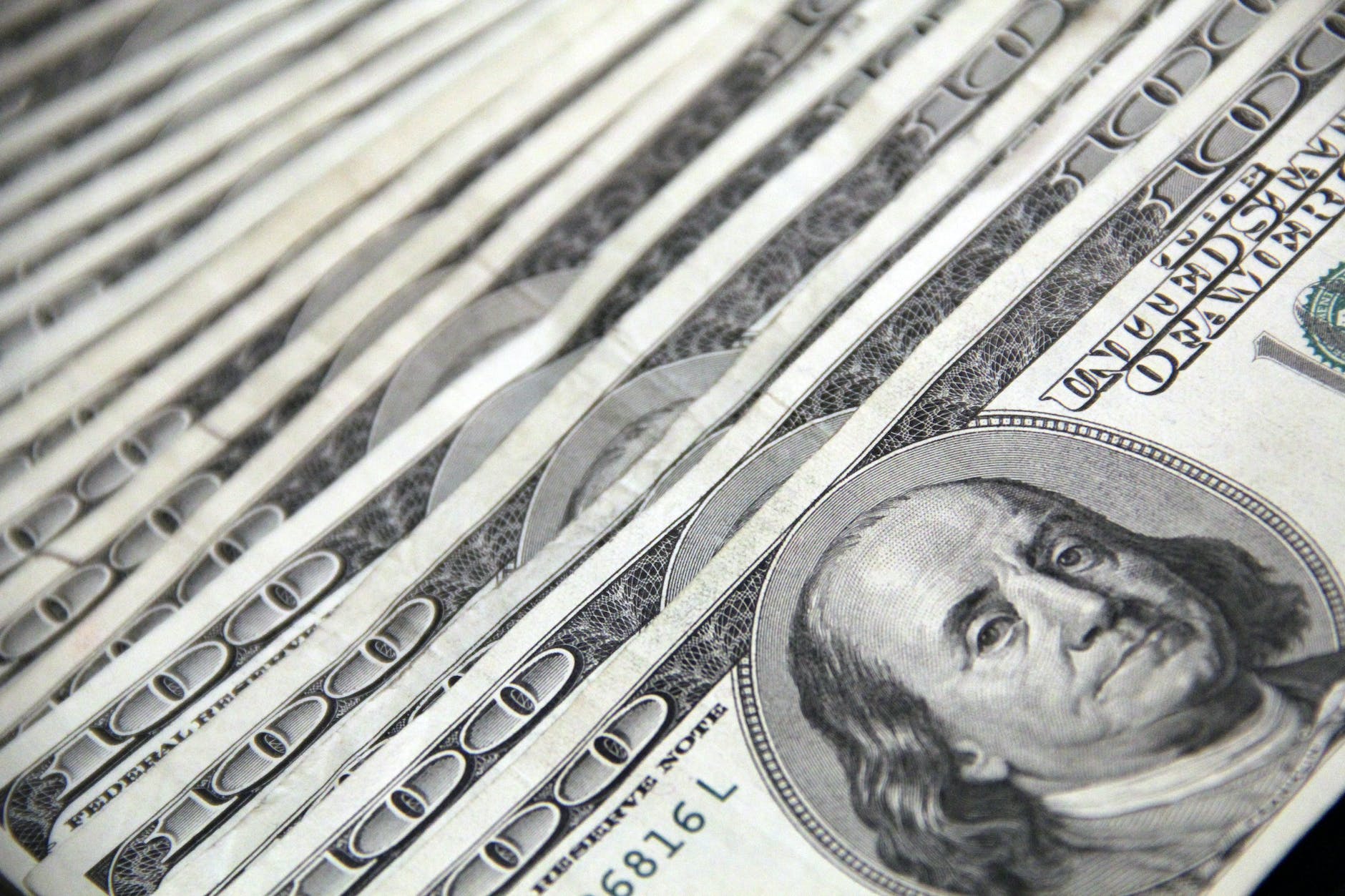
The fall of the rupee has been precipitated by global factors and an unusual strengthening of the dollar against almost all major currencies of the world. While the rupee has performed way better against the greenback than biggies such as the pound and the euro, the runaway dollar can’t be taken lightly since it has a massive fallout on India’s import bills and inflation.
The rupee will fall further against the US dollar over the rest of the year, a Reuters poll last week showed, setting up the currency for its steepest annual decline in at least nine years due to a widening domestic trade balance and surging US interest rates.
It is likely to fall further to 84.50 by December, according to the mean and median forecasts of a poll of 14 bankers and foreign exchange advisors. The estimates in the poll ranged between 83.25 and 86, showing a broad consensus that the Rupee would not recover this year.
Urban Indians are most worried about unemployment (39 per cent), financial and political corruption (27 per cent), crime and violence (25 per cent), poverty, social inequality (22 per cent) and climate change (22 per cent) in the month of October, revealed Ipsos What Worries the World survey.
At least 2 in 10 urban Indians were worried about inflation (21 per cent), and India was placed last among 29 markets in its worry around inflation.
Ipsos in India said, “India is still reeling under the collateral impact of the prolonged coronavirus and global slowdown of the economy due to the war in Ukraine, which are impacting jobs, leading to rising in corruption, crime and social inequality. Even the inflation impact is manifesting itself though India is better placed than its global counterparts due to the government’s steps to keep the fuel prices in check. Floods and adverse climate impacts are making urban Indians worry about climate change. These issues need to be addressed by the government first.
Rishi Sunak born on May 12, 1980, is a British politician who has served as Prime minister designated the United Kingdom and Leader of the conservative party since 24 October 2022. He previously served as Chancellor of the Exchequer from 2020 to 2022 and chief secretary to the treasure from 2019 to 2020. He has been a member of Parliament and MP for Richmond York since 2015.
Rishi Sunak was born in Southampton to parents of Punjabi-Indian descent who migrated to Britain from East Africa in the 1960s. He was educated at Winchester College read philosophy politics and economics PP at Lincoln College Oxford and gained an MBA from Stanford University in California. As a Fulbright scholar while studying at Stanford, he met his future wife shitamorti, the daughter of Inar Narayana Morty the Indian Billionaire businessman who founded Infosys. Sunak and Morty are the 2022 richest people in Britain with a combined fortune of 730 metres as of 2022. After graduating Sunak worked for Goldman Sachs and later as a partner at the huge fund firms the Children’s investment fund management and Saleem Partner. Sonic was elected to the House of Commons for Richmond in North Yorkshire. Its the 2015 general election succeeding William Hague sonic supported Brexit in the 2016 reference on EU membership he was appointed to Thresha Mays’s second government as the parliamentary government in the 2018 reshuffle he voted three times in favor of Mays’s Brexit withdrawal agreement after May resigned, Sonak supported Boris Johnson campaign to become a conservative leader. After Johnson was elected and appointed prime minister he appointed Sunak as Chief secretary to the treasury Sonak replaced Saja David as Chancellor of ex check after his resignation in February 2020 Cabinetry shuffle as Chancellor sunak was prominent in the government’s financial response to the Covid 19 pandemic and it’s economic impact including the coronavirus job retention and reaches to help out schemes. He resigned as Chancellor on July 2022 followed by Johnson’s resignation amid a government crisis. Sunak stood in the Conservative party leadership election to replace Johnson and last the members vote for Liz Dress following Truss’s resignation amid another government crisis. Sunak was elected unopposed as a leader of the conservative party and is set to become the next British prime minister.
He is the eldest of three siblings. His father was born and raised in the colony and protectorate of Kenya present-day Kenya while his mother was born in Tanganyika which later became part of Tanzania. His grandfather was born in Punjab province British India and migrated from East Africa with their families to the UK in the 1960s. His paternal grandfather Ramdas Sunak was from Gujranwala in presence Pakistan and moved to Nairobi in 1936 to work as a clerk where he was joined by his wife Suhagwani sunk from Delhi
Sunak’s maternal grandfather rub reason berry MBE worked in Tanganyika as a tax officer and had arranged a marriage with 16-year-old Tanganyika born srksha with whom he had three children the family moved to the UK in 1966 funded by Srksha sold her wedding jewelry Sunk attended school in Romsey Hampshire and Winchester college a boy’s independent boarding school where he was head boy.
The president of India Sri Ramnath Kovind inaugurated a virtual conference of governors on the role of national education policy NEP 2020 and transforming higher education in New Delhi. Today Prime Minister Narendra Modi addressed the inaugural session of the conference which was attended by union education minister sir Ramesh April Shank for Education Sri Sanjay Dutta governors lieutenant governor administrations of states and also some sat chief ministers and education ministers addressing the conference.
The president of India said that the national education policy NEP will take the country, especially the youth forward by the needs and aspirations of the 21st century congratulated the prime minister for his visionary leadership and inspiring role in shaping this historical document he also appreciated Dr. Kastura Runyan and ministers as well as the officials of education ministry for giving shape to NEP. Through an elaborate process that took into consideration more than two lack suggestions received 2.5 lakhs gram panchayats more than 12.5 thousand local bodies and about 675 districts if changes are effectively brought about India will emerge as an education superpower he added elaborating on the NEP. The president said that governors being chancellors of states Universities have a crucial role to play in the implementation of NEP there are some 400 states Universities with about 40k colleges affiliated with them hence it was imperative to establish coordination and dialogues with these universities which could be done by governors who are also the chancellors the president said that Education is the most effective way for social justice and hence the NEP calls for an investment of about 6 percentage of GDP jointly by the center and the states. He said the NEP emphasized strengthening public educational institutions for a vibrant democratic society and at the same time inculcating respect among students for fundamental rights duties constitutional values and patriotism speaking on the occasion the prime minister said the education policy and education system are important means of fulfilling the aspirations of the country. The prime minister said that though the responsibility of education lies with the central state and local level governments their interference in the policy should be minimal. He said the relevance and effectiveness of the education policy will increase when more and more teachers, parents, and students get associated with it. He added that NEP 2020 was drafted after receiving feedback from millions of people across the country and from those related to the Education sector which is why there is a sense of ownership and an all round acceptance among people about this policy. The prime minister further said that NEP is not only directed at reforming the education system but also at giving a new direction to the social and economic fabric of 21st-century India. he said the policy aims at making India self-reliant or atma nirbhar by making our youth further ready in a rapidly changing world and equipping them with the knowledge and skills as per the requirements of the future. He added that NEP focuses on learning rather than studying and goes beyond the curriculum to emphasize his critical thinking he said there is more emphasis given on passion practically and performance than a process he said that the policy aims at making India a knowledge economy in the 21st century. He said that it also allows for offshore campuses of top international Universities in India which will address the issue of brain drain in his welcome remarks union education Minister Sri Rameshh’s portrayal of Shank touched upon the journey evolution and consultation process of the NEP. The minister said this policy is the result of a wide-ranging consultation process covering Laksa villages block districts’ academicians vice chancellor principal teachers and scientists he stressed the new direction and support to research that will be given through the national research foundation. He said the NEP will make our education system both flexible and stable he said the focus and the police are on reform transform and performance and hope the road to a swatch status act atma nirbhar and Ek Bharat Shrestha Bharat will go through this NEP policy the minister of State for Education Sri Sanjay dutra appreciated the entering insights from the governor’s conference and thanked all the participants of the conference discussion sessions with governors lieutenant governor and education minister of the states and union Territories were held during the conference the prospect of transformational reforms in higher education under the new NEP 2020 and the road ahead was elaborately discussed upon in the session the governors and lieutenant governors briefed the president and other participants about various issues with regards to their states and union Territories.
The New Education Policy is a comprehensive and all-encompassing policy that seeks to revamp the Indian education system in its entirety. One of the most significant changes proposed by the NEP is the switch from the 10+2 education structure to a new 5+3+3+4 education system.
Under the new system, students will spend five years in elementary school, three years in middle school, three years in high International schools, and four years in college. This will allow for a more well-rounded and holistic education, as students will be exposed to a broader range of subjects and disciplines.
In addition, the New Education Policy 2022 also proposes introducing multiple exit options so that students can choose to leave the education system after completing elementary school, middle school, or high school if they so desire.
The NEP 2022 is an ambitious and far-reaching policy that seeks to transform the Indian education system into one that is on par with the best in the world.
This national education policy focuses on students’ individual needs. It aims to create a more flexible and adaptive education system that can meet the needs of students and the economy.
Vocational Education is part of the new education policy. It includes teaching the mother tongue and provincial languages up to the 5th year of schooling. Training in vocational skills will be included from the 6th class onwards.
Until the beginning of this year, the country had saved enough for the rainy day, because of strong capital flows in the past. However, those reserves are depleting fast. India lost nearly $85 billion of its forex reserves in the first half of the fiscal year, the second biggest depletion among major emerging market (EM) peers during the period.
India’s forex reserves were $528.4 billion as of 14 October, the lowest since July 2020, and sharply down from the record $642.4 billion last year. The rupee has crashed more than 10% against the US dollar this year and slipped below 83 for the first time in past few weeks.
To help arrest rupee’s record fall, the Reserve Bank of India has also burned $114 billion from its forex coffer, triggering concerns on this front as well. The central bank has however attributed about two-thirds of the decline to valuation effects. The decline of the forex reserves cannot be solely attributed to a central bank’s intervention to defend the currency against the dollar.
There has been a sharp depletion of forex reserves in the last few months, but what is comforting is India’s high level of reserves that has enabled it to withstand the sharp depletion without any major panic so far. Another comforting factor is the country’s low external debt (20% of gross domestic product) and the short-term debt as a share of total external debt is around 20%.








 Eduindex
You must be logged in to post a comment.