Indian army

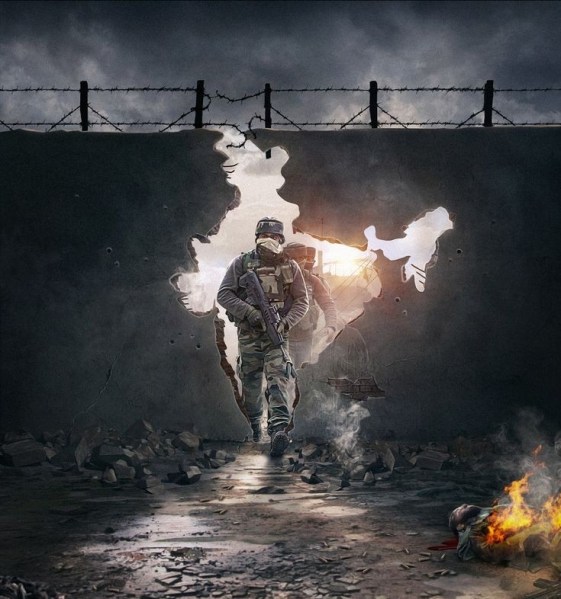
The Indian Army does not need any introduction, we all have love, respect and appreciation for our soldiers and the Indian Army.As we all know that the Indian Army has a long and glorious history, therefore, it is difficult to talk about everything in such a confined space.The Indian Army is a land-based unit, while the Indian Air Force works in air defense and the Indian Navy is a naval unit.Our Indian Army is the second largest army in the world with about 1.23 million personnel on active rolls and another 9.6 lakh in reserves.The Indian Army is primarily responsible for defending the country against land-based attacks.It also helps other agencies to deal with terrorism, to deal with emergency situations in the country and to save people in case of natural disasters like floods, earthquakes etc.The current Chief of Army Staff (COAS) is General Bipin Rawat (as of 2018). As the Indian Army is very large, it is divided into regiments.
Some important regiments are Punjab Regiment, Madras Regiment, Rajputana Rifles, Sikh Regiment etc.It also has its own intelligence unit, abbreviated as “military intelligence” or “MI”.The Indian Army (under British rule) participated in World War I and II before independence. After independence, it has fought several full-fledged wars like Kargil War (1999), Bangladesh Liberation War (1971), India-Pakistan War (1965), Indo-China War (1962) and First Kashmir War (1947).
Apart from these, the Indian Army has also handled some minor conflicts like Siachen struggle (1984), Operation Polo (1948), Indo-China conflict (1967) etc.
There is no doubt that our Indian Army is one of the best armies in the world.

The main role of the Indian Army is to protect our country from external and internal threats, it has proved its subtly many times.It has fought five major wars since independence and has successfully handled many smaller conflicts and won wars even when enemies had better weapons.For example, in 1965 there were Patton tanks (gifted to them by the US) in Pakistan, it was considered invincible at the time.India had nothing that could compete with those Patton tanks, but the Indian Army was able to defeat the Pakistani tanks in the Battle of Asal North.
Hawaldar Abdul Hameed mounted his jeep and destroyed six Pakistani tanks with a rifle in the back and was killed in an attempt to destroy the seventh.
For this he was awarded India’s highest military honor – Paramveer Chakra. It is believed that the Americans came to India to learn the methods and equipment by which their invincible Patton tanks were destroyed.It is believed that India rejected his request.The Indian Army also successfully handled many riots, for example the Godhra riots, 1992 Mumbai riots, 1984 riots etc.It is also currently dealing with terrorism in Jammu and Kashmir and some North Eastern state currently has around 1.23 million people on active rolls, while others have 9.6 lakh rupees.It has also produced many notable sports persons, who have brought it to our country. Some of them are Milkha Singh, Rajyavardhan Rathore, Vijay Kumar, and Major Dhyanchand etc.The Indian Army is one of the best armies in the world. It has the capability to handle any external and internal threat. Overall, we can say that the Indian Army is the soul of our country.


“There will be no withdrawal
without written orders and
these orders shall never be
issued.”

-Field Marshal Sam Manekshaw as core Commander in 1962.

Ultimate aim of governance should be to empower the people

 The Vice President, Shri M. Venkaiah Naidu today emphasized that the ultimate aim of governance should be to empower the people and to move towards minimum government, which according to him, will happen only when the last mile has been traversed and the people at the bottom of the pyramid have been reached. He also said that the success of good governance lies in including and making the toiling masses equal stakeholders in the process of development.

Addressing the participants of 48th Advanced Professional Programme in Public Administration (APPPA) conducted by Indian Institute of Public Administration in New Delhi today, the Vice President said that the key to good governance lies in inclusivity, use of technology and maintaining high moral standards. “Technology fosters transparency and hence accountability, which is the basic feature of good governance, while moral standards impart legitimacy,” he added. He hoped that these two together will usher in a new political culture preparing the ground for bringing in transformational reforms.

Underlining that people’s participation is very important for inclusive and responsive governance, Shri Naidu said that reforms are only initiated by the Government but actually bear fruit only when people proactively work for the future of their country. Referring to the ongoing celebrations of Azadi ka Amrit Mahotsav, the Vice President urged every Indian to work with an aim of building a happy, healthy, prosperous and developed nation when we enter the 100th year of our Independence.

Observing that the focus today is shifting from government to governance, the Vice President said that India is on the move, shedding the baggage of its past and embarking on a journey towards hope and the fulfilment of its ultimate destiny which is to lead the world.

On this occasion, Shri Naidu also stressed the need to get out of the colonial mindset and asked the administrators to use people’s language while discharging their official duties. “You should interact with the people in their own language,” he told them. Referring to the adage — ‘service to man is service to God’, the Vice President wanted all officials to make ‘people’s service’ their main motto.

Lauding IIPA’s contribution to national development, Shri Naidu said that he is happy to see IIPA today is adapting itself to the needs of a dynamic and fast changing era, and to the rapidly changing socio-economic milieu. Calling for arresting the trend of falling standards in public life, he wanted the administrators and leaders to set examples in integrity and ethics.

Referring to the concept of Ram-Rajya, so often espoused by Mahatma Gandhi, he said that in Indian tradition, it is a metaphor to define how a well governed welfare state should look like and exhorted the administrators to follow these lofty ideals to build a society free from poverty, discrimination and inequality.

Academic Degrees in India.

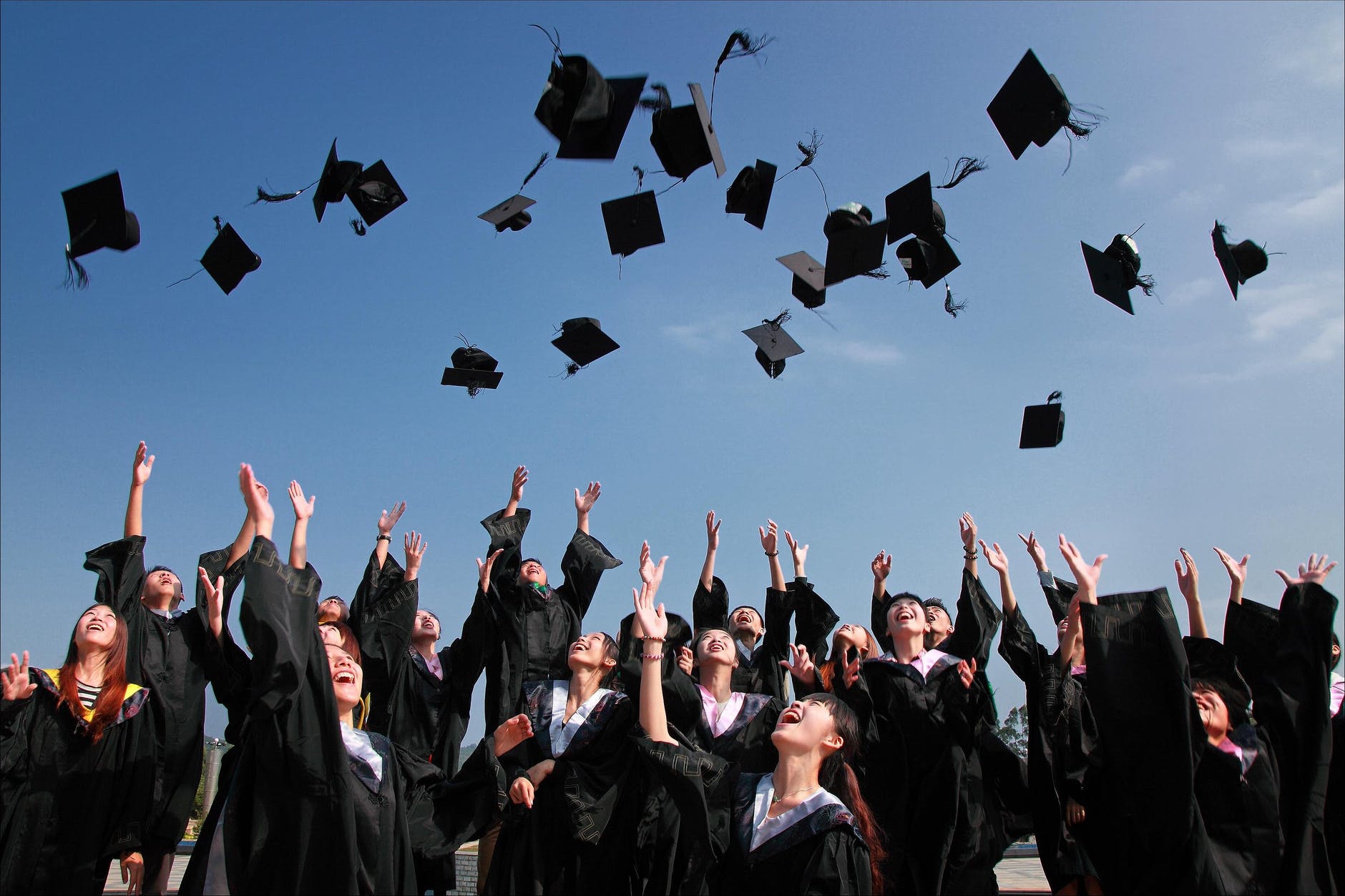
An academic degree is a college or university diploma, often associated with a title and sometimes associated with an academic position, which is usually awarded in recognition of the recipient having either satisfactorily completed a prescribed course of study or having conducted a scholarly endeavour deemed worthy of his or her admission to the degree. It is a qualification awarded to students upon successful completion of a course of study in higher education, usually at a college or university. These institutions commonly offer degrees at various levels, usually including bachelor’s, master’s and doctorates, often alongside other academic certificates and professional degrees. The most common degrees awarded today are associate, bachelor’s, master’s, and doctoral degrees. 

Some of the popular academic degrees pursued in India are:

Bachelor of Arts (BA)

A BA represents the completion of an undergraduate program that focuses on a discipline in the arts or humanities. What distinguishes a BA from other types of bachelor’s degrees is that it tends to emphasize each student’s exploration of a given subject.

Bachelor of Commerce(B.Com)

B.Com stands for Bachelor of Commerce which is a three year undergraduate program. B Com subjects impart Analytical skills, Financial Literacy, Business Acumen, Business Laws, Taxation knowledge etc, with aim to make the student job ready in the field of Banking, Accounting, Insurance and Finance. 

Bachelor of Technology (B.Tech)

B.Tech or Bachelor of Technology is one of the prestigious and most popular courses opted by science students. It is a 4-year full-time undergraduate course and is offered in various disciplines such as Computer Science, Civil, Mechanical, Electronics, and Information Technology.

Master of Business Administration (MBA)

The Master of Business Administration (MBA) is an internationally-recognized graduate-level degree that develops the skills required for careers in business and management. The value of the MBA, however, is not limited strictly to the business world. An MBA can also be useful for those pursuing a managerial career in the public sector, as well as government and the nonprofit sectors. 

Bachelor of Science (BSc)

BSc or Bachelor of Science is an undergraduate degree of three years duration which is universally offered across institutes and universities across India. BSc is one of the most popular courses opted by students who have a flair for scientific aptitude and zeal for research-oriented and calculative approaches based on a proven systematic method. Science is all about experimentation, research and discovery. A BSc degree is a culmination of both theoretical and practical ways of learning. 

Concept of Agricultural Marketing

The term market is derived from the Latin term’ marcatus ‘ which means trade or place where business is conducted.

In real terms ; market is defined as place where the sellers of particular good or service can meet with buyer of that good and services where there is potential for transaction to occur.

Agricultural marketing is study of all activities, agencies and policies that are involved in procurement of farm inputs by farmers and movement of agricultural products from farm to ultimate consumers. So it can be said to serve as link between farm 🚜🐄🌾 and non farm sector.

Thus it is a collaborative effort including marketing functions from post – harvest handling to pre- sowing; assembling, handling, storage, transport, processing, retailing, wholesaling, export of agricultural commodities and purchasing inputs for next agricultural season. It also includes marketing services as market information, weighing, standardization, financing, price risk mechanism and institutional development.

Dimension of agricultural marketing system includes market structure, it’s conduct and performance. The purpose of marketing is to find the right place, right time, right product and right time to make it selling superfluous.

Importance of agricultural marketing :

Agricultural market plays a important role in various ways to increase farm income, provide employment opportunities, optimum utilisation of resources, creation of utility and growth of agro-based industries.

The agricultural product differ from industrial product in many ways:

1.Nature of product: Most agricultural products are perishable in nature and hence cannot be stored for longer duration while industrial products can be stored for longer duration .

2.Weather and Season dependent: Most agricultural products are season bound and produced in particular season whereas industrial products are available throughout the year.

3.Bulkiness in nature : Agricultural products are bulky in nature and are difficult to handle, transport, storage etc. which adds to transportation cost.

4. Supply lag: As agricultural commodities are season bound so there is difference in supply and demand of goods.

5. Requirements of land area: For production of agricultural goods we needs more land as compared to industrial products like cultivation practices etc.

So from this role of agricultural markets can be determined as they hold separate importance in the economy .

Vande Bharat : India's Indigenous bullet train.

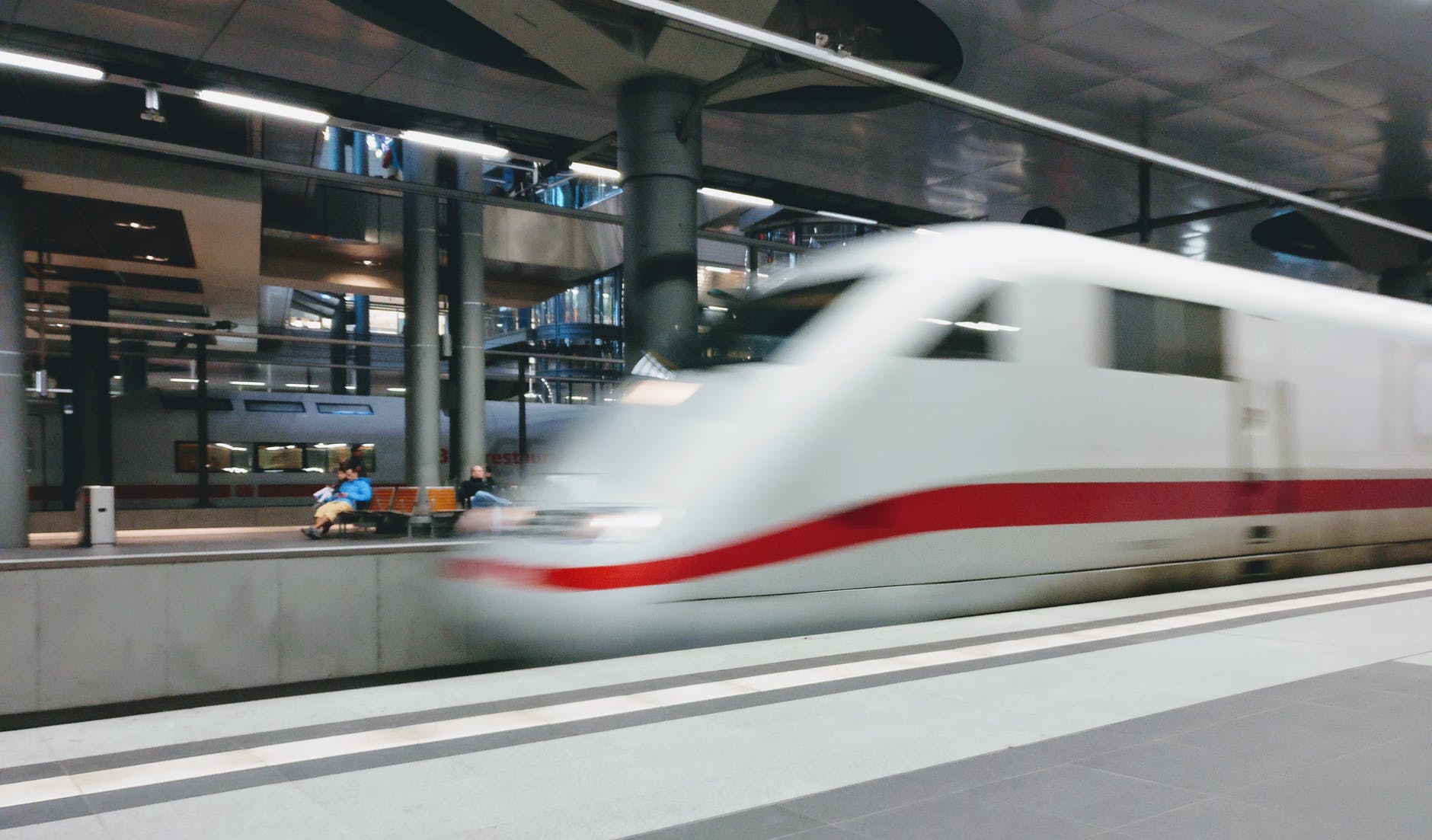
Indian Railways is developing its own super-fast train by increasing the speed of the locally made Vande Bharat Express in a phased way to match those running in European nations. The railways plans to increase the speed of the new version of the Vande Bharat

Express train to 180km per hour (kmph) this year from 160kmph. The train is expected to run at speeds of 220kmph byb2025 and subsequently faster at 260kmph, on par with the speed of most European high-speed trains. Vande Bharat would also increase its speed in phases and continue to improve the overall passenger experience, safety and security.

The first version of the Vande Bharat trains was launched in 2019 under the Make in India initiative and is  designed to reach speeds up to  160kmph. However, this has been boosted to 180kmph in the second version, which will start operating this month, with 75 such trains deployed by 15 August next year as part of the country’s 75 years of independence celebrations.

Indian Railways has set a tar-get of manufacturing 300 Vande Bharat train sets over the next three years (2025). This will be increased to 500 trains by 2028. Prime Minister Narendra Modi has given the Railways a target to make at least 75 such trains by August 2023, coinciding with 75 years of Indian Independence. The plan is also to connect 75 key Indian cities with these trains. Indian Railways’ Integral Coach Factory, Chennai, plans to manufacture around 10 Vande Bharat trains a month and, eventually, the Rail Coach Factory, Kapurthala, and the Modern Coach Factory, Rae-bareli, are also likely to start manufacturing these coaches to meet the target of 500 trains. Two sets of Vande Bharat trains are running on the Delhi-Katra and Delhi-Varanasi routes. Two more Vande Bharat semi-high-speed trains are expected to enter operations by August.

India and its neighborhood- relations

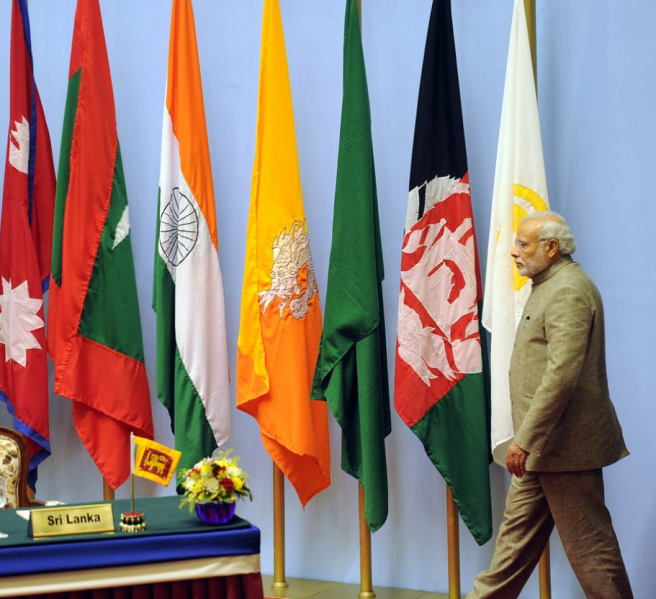
India shares geographical boundary with eight countries namely Pakistan, Afghanistan, China, Nepal, Bhutan, Bangladesh and Sri Lanka. Since the inception of our foreign policy, India has aimed at building trust with its neighbors. It aims at peaceful friendly relations and mutual economic development by enhanced trade and investments.

•Pakistan: Improving relations with Pakistan has been among top priorities in Indian foreign policy. After the visit of Pakistan former Prime Minister Parvez Musharaff in 2004, there has been a vacuum in our talks. It seems that radical groups in Pakistan took undue advantage of this vacuum and consequently there has been increased reports of cross-border terrorism activities. 26/11 attack is an unwashable strain on the fabric of friendship between India and Pakistan. But as it is said that ‘time heals all wounds’. The recently elected Narendra Modi led National Democratic alliance government’s attitude is worth appreciation. Indian Prime minister invited his Pakistani counterpart in his swearing in ceremony in New Delhi. This is a clear indication that both Nations are willing to take their relations on newer heights. In this aspect changed outlook India should try to adopt a sustainable foreign policy towards Pakistan. Smaller initiatives like Indo-Pak trade fair at Jalandhar, Punjab (India) needs to be encouraged. Healthy trade relations will help both sides equally.

•Nepal: Since the birth of democratic institution in Nepal, India has increasingly tried to have good relations with Nepal. Currently a joint hydro power project is being built on Sharda River. This power plant is thought to mutually help both India and Nepal with respect to electricity production and irrigation facilities. From the environmental perspective, there are a number of Tiger reserves along Indo-Nepal border. Both countries have identified their importance and are helping each other to sustain the existing ones and creating new ones. •China: China being manufacturing hub of world, is strategically very important to India. In fact China has become a role model for development. India needs to build strong trade relations with China. Increasing Foreign Direct Investment caps in various sectors has been one such step of India to invite investors from abroad.Apart from these bilateral relations, India has been active on various other forums as well which provides for greater engagement with its neighbors. For example India has been one of the pioneering advocate of TAPI (Turkmenistan, Afghanistan, Pakistan and India). This project aimed at bringing gas from Gulf countries and distribute it in TAPI countries.

India is an active member in BRICS (Brazil, Russia, India China and South Africa). BRICS is emerging a one of the significant union in world. BRICS nations represent 40 per cent of world population and has approximately sixteen trillion dollars as its Nominal Gross Domestic Product (GDP). BRICS nation contributes around eighteen per cent of world economy. The recent BRICS summit held at Brazil in July 2014.
One of the German intellectual has rightly said that ‘For economic development of a nation, peace with its neighbors is a pre-requisite’. India not only recognizes this statement but also conforms to it. Going by the mood of current Indian government in India, Union government too knows the importance of its neighbors. If India wants to be a super-power then maintaining friendly relations with its neighbors is a first step of ladder in this direction.


India has always wanted friendly ties with its neighbours, there can be no debate around it. We want to live in harmony and peace.

-Narendra Modi

Why insurance is important for living?

Who else won’t crave for a safe fence around their life in this uncertain world? Insurance is one of the safest fences a human being ever has. Various kinds of insurances are rooting into our society. People are confused over the selection of insurance .Some of them are still doubted in types of insurance and how this insurance act as a benefactor .Let us discuss about 5 important insurance that you must know and its allies below.

TYPES OF INSURANCES LIFE INSURANCE

LIFE INSURANCE

Life insurance offers a protection over the family members of the policy holder’s .This will help mostly the one who is going for an adventurous trip or something risky or rather some of them who are facing a life threatening disease .Usually in this insurance there will be a nominee. Nominee is the person who experience the money which policy is pointing

HEALTH INSURANCE

There is always a doubt prevails among the common people is health insurance and life insurance is same. It is a kind of medical insurance which covers the entire medical expenses of the party (policy holder) and risk of the treatment.

DISABILITY INSURANCE

Disability insurance shortly called as DI. This insurance helps a differently abled person who cannot work properly to meet their daily requirements behalf of this disability. There are two kinds of disability benefits .One is short term disability benefit and other is long term benefits

AUTO INSURANCE

This Insurance policy shields from the financial loss held during an accident or theft. Auto insurance provide for property (including damages caused by theft), liability (having legal responsibility to other for injuring body parts or damaging property), medical (the amount of treating wounds extending to funeral expenses)

TRAVEL INSURANCE
Travel insurance takes off liability of a risky travelling. Medical expenses, lost luggage, flight cancellations, and other losses a traveler might face is factored into this policy. The right time to set off the insurance is from the date which travel begins to till it ends

Zero probability of recession in India.

Amid global pandemic accompanied by Russia-Ukraine crises and rising prices of fuels, the major economies across the globe are facing economic slowdown majorly in the form of peaked inflation, unstable government, industrial slowdown, low supplies and much more consequences. Some of the economies have slipped into crises, while some are struggling through the worst phase of slowdown. Industry experts have been showing aspersions that a global recession is just around the corner.

The recent survey by Bloomberg has attempted to gauge the percentage probabilities of various countries slipping into recession. The survey by Bloomberg said that risk of recession in a handful of Asian economies is rising as higher prices spur central banks to accelerate the pace of their interest rate hikes. Sri Lanka, which is in the midst of its worst economic crisis ever, has an 85% probability of falling into recession in the next year, up from a 33% chance in the previous survey by far the highest increase in the region. Economists see a 20% chance that China will enter recession, and a 25% likelihood that South Korea or Japan will enter one. Bloomberg economists also raised their expectations for a chance of recession in New Zealand, Taiwan, Australia and the Philippines to 33%, 20%, 20% and 8%, respectively. Central banks in those places have been raising interest rates to tame inflation.

India being one of the major and growing economy, also have been facing the consequences of global crises, particularly inflation. The survey report by Bloomberg for India is that it mentions that India has zero probability of slipping into recession. India literally has 0 percent chances of recession as against economic giants US and China which has 40 percent and 20 percent respectively. Although for India, surging domestic prices of key commodities is mainly on account of imported inflation, retail inflation based on consumer price index stood at 7.01%. In April, it had jumped to 8-year high of 7.79% have feared the economist about a probable recession but the case for India is much better compared to other economies.

Poverty in India


Poverty is defined as the lack of sufficient money to meet basic needs such as food and shelter. Poverty is a situation in which a person is homeless and has very little money. Due to the growing population in urban areas, India’s poverty rate is rising. The most important fact is that huge numbers of people live in poverty, with the majority living on the edge of it. Poverty in India is mostly observed in rural regions due to a large number of uneducated and unemployed people within the growing population.Many people cannot afford proper food for their daily lives, and because they do not have their own homes, they sleep on streets or footpaths. As a result, more people require more food, money, and shelter, but poverty grows rapidly due to a lack of these resources. This is why the rich become richer and the poor become poorer, making it difficult to bridge the gap. Poverty has several consequences, including poor housing, illiteracy, increased child labor and unemployment, and poor hygiene. As a result, these poor individuals cannot afford a balanced diet, decent clothes, or a good education for the simple reason that they do not have enough money.

Poverty may be reduced by providing sufficient education and facilities to farmers, allowing them to become more profitable and not feel the need to migrate to cities in search of work. Also, uneducated individuals should receive a good education to improve their lives, and family planning is also necessary for getting out of poverty. Poverty in our country dates back to ancient times, when the poor were not given the same privileges as the wealthy, and they were even denied access to religious places. Unemployment, a lack of education, poor resource utilization, corruption, and poor government policy are all major causes of poverty.In India, poverty is high when compared to other nations due to the poor growth rate of per capita income per person. Due to a lack of career prospects, many individuals work as rickshaw pullers, construction laborers, domestic servants, and other low-wage jobs, which leads them to live in slum areas.In addition, lack of land resources has been one of the key reasons for poverty in India; even small farmers in our nation are poor since they cultivate but do not receive fair pay in terms of profit, resulting in poverty.

India’s population has been rapidly increasing. In 1991, India’s population was around 84.3 crores, with a high rate of poverty; now, our country’s population is around 130 crores, with the population nearly doubling in the last three decades, but not enough has been done to control poverty in our country. As the population grows, so does unemployment, and poverty is just a reflection of unemployment. More capital is necessary for developing industry, providing adequate transportation, and other projects, as a result of which the country’s deficiency is underdeveloped and more people live in poverty. Lack of skilled labor also contributes to poverty since less-skilled workers lack industrial training and education and miss out on opportunities that more skilled workers can avail. Lack of infrastructure means that transportation and communication have not been properly developed, resulting in farmers receiving fertilisers for cultivation late and industries receiving power and raw materials not on time and thus, end products not being properly marketed and reaching customers on time. Hence, to escape poverty, our government must be more serious, and citizens must share equal responsibility.Remarkably, as a result of rural-to-urban migration, the incidence of rural poverty has fallen steadily. First and foremost, population growth should be strictly controlled to tackle the serious problem of poverty. Other approaches to fight this problem include expanding work possibilities, educating people, eliminating black money, decentralized planning, and assisting women and youth in becoming self-sufficient.


“Paverty” is not created by “poor people”

Criminal Justice System in India

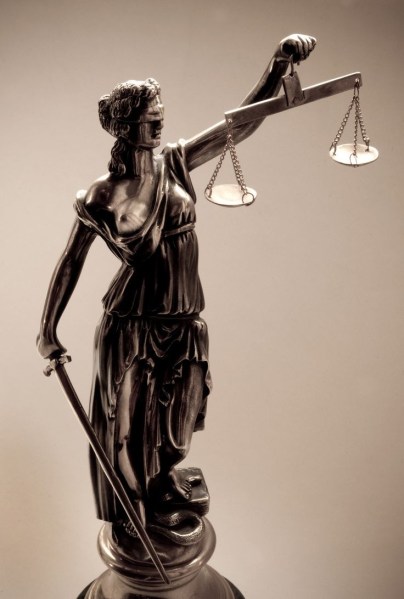
The aim of the Criminal Justice System is to punish the guilty and protect the innocent. Although the broad contours of the Criminal justice system are seldom codified, these can be inferred from different statutes, including the Constitution and judicial pronouncements. In a democratic civilized society, the Criminal Justice System is expected to provide the maximum sense of security to the people at large by dealing with crimes and criminals effectively, quickly and legally. More specifically, the aim is to reduce the level of criminality in society by ensuring maximum detection of reported crimes, conviction of the accused persons without delay, awarding appropriate punishments to the convicted to meet the ends of justice and to prevent recidivism.In this article, we shall be discussing the history and evolution of the system, the institutions, along with various perspectives of the constitutional aspect of rights of citizens, efforts for reforms, and delivery of justice.

Criminal law, including all matters included in the Indian Penal Code, Criminal procedure, including all matters included in the Code of Criminal Procedure feature under the concurrent list of the 7th Schedule as entries-1, and 2 respectively.Certain exceptions are also provided under these two provisions(Entry-1, and 2) of the 7th Schedule. For example, offences against laws with respect to the matters specified in List-I or List-II of the 7th Schedule of the constitution, excluding the use of naval, military or air forces or any other armed forces come under this category.

•The Criminal Justice System in India follows the legal procedures established by the British during the pre-independence era.
•An Indian Penal Code (IPC) defining crime and prescribing appropriate punishments was adopted in 1860, prepared by the first Law Commission of India.
•It was developed in line with the English criminal law.
•Code of Criminal Procedure was enacted in 1861 and established the rules to be followed in all stages. This was amended in 1973.
•The NN Vohra Committee, set up in 1993, observed increasing criminalization of politics, talked of the unholy nexus.
•It was an effort to push the reforms in the criminal justice system.
•In 2000, the Government of India formed a panel headed by the former Chief Justice of Kerala and Karnataka, Justice V.S. •Malimath, to suggest an overhaul of the century-old criminal justice system.
•In 2003, the Justice Malimath Committee submitted a report with 158 recommendations.
•The Committee opined that the existing system “weighed in favour of the accused and did not adequately focus on justice to the victims of crime.”

The entire existence of an orderly society depends upon the sound and efficient functioning of the Criminal Justice System. The law of the land has to be in tune with the demands of the changing times and nature of complexities in offences. There should be a broader dialogue among all the stakeholders for effective provisions so that the interest of justice is served and served right, where no innocent suffers prejudice, exclusion leading to miscarriage of justice.

Similarly, the rules and procedures established by law need to reach the common man, and the role of civil society in this endeavour is paramount. Further, there is a need to streamline the police reforms, beef up the forensic evidence-based investigation, and prioritize advanced scientific analysis which must be strengthened and upgraded, catering to the demands of the present times. The infrastructural challenges confronting the judiciary must be addressed to facilitate the process of ensuring justice.


The criminal justice system, like any
system designed by human beings,
clearly has its flaws.

Criminal Justice System in India

The aim of the Criminal Justice System is to punish the guilty and protect the innocent. Although the broad contours of the Criminal justice system are seldom codified, these can be inferred from different statutes, including the Constitution and judicial pronouncements. In a democratic civilized society, the Criminal Justice System is expected to provide the maximum sense of security to the people at large by dealing with crimes and criminals effectively, quickly and legally. More specifically, the aim is to reduce the level of criminality in society by ensuring maximum detection of reported crimes, conviction of the accused persons without delay, awarding appropriate punishments to the convicted to meet the ends of justice and to prevent recidivism.In this article, we shall be discussing the history and evolution of the system, the institutions, along with various perspectives of the constitutional aspect of rights of citizens, efforts for reforms, and delivery of justice.

Criminal law, including all matters included in the Indian Penal Code, Criminal procedure, including all matters included in the Code of Criminal Procedure feature under the concurrent list of the 7th Schedule as entries-1, and 2 respectively.Certain exceptions are also provided under two provisions(Entry-1, and 2) of the 7th Schedule. For example, offences against laws with respect to the matters specified in List-I or List-II of the 7th Schedule of the constitution, excluding the use of naval, military or air forces or any other armed forces come under this category.

•The Criminal Justice System in India follows the legal procedures established by the British during the pre-independence era.
•An Indian Penal Code (IPC) defining crime and prescribing appropriate punishments was adopted in 1860, prepared by the first Law Commission of India.
•It was developed in line with the English criminal law.
•Code of Criminal Procedure was enacted in 1861 and established the rules to be followed in all stages. This was amended in 1973.
•The NN Vohra Committee, set up in 1993, observed increasing criminalization of politics, talked of the unholy nexus.
•It was an effort to push the reforms in the criminal justice system.
•In 2000, the Government of India formed a panel headed by the former Chief Justice of Kerala and Karnataka, Justice V.S. Malimath, to suggest an overhaul of the century-old criminal justice system.
•In 2003, the Justice Malimath Committee submitted a report with 158 recommendations.
•The Committee opined that the existing system “weighed in favour of the accused and did not adequately focus on justice to the victims of crime.”

The entire existence of an orderly society depends upon the sound and efficient functioning of the Criminal Justice System. The law of the land has to be in tune with the demands of the changing times and nature of complexities in offences. There should be a broader dialogue among all the stakeholders for effective provisions so that the interest of justice is served and served right, where no innocent suffers prejudice, exclusion leading to miscarriage of justice. Similarly, the rules and procedures established by law need to reach the common man, and the role of civil society in this endeavour is paramount. Further, there is a need to streamline the police reforms, beef up the forensic evidence-based investigation, and prioritize advanced scientific analysis which must be strengthened and upgraded, catering to the demands of the present times. The infrastructural challenges confronting the judiciary must be addressed to facilitate the process of ensuring justice.


The criminal justice system, like any
system designed by human beings,
clearly has its flaws.

Horticulture

The science and art of growing, producing, marketing, and utilizing high-value, intensively grown food, and ornamental plants in a sustainable manner is known as Horticulture.Annual and perennial plants, fruits and vegetables, decorative indoor plants, and landscape plants are all examples of horticulture crops.

Horticulture farming also aims to enhance the quality of life, as well as the beauty, sustainability, and recovery of our ecosystem and the human condition.
Horticulture is divided into the cultivation of plants for food (pomology and olericulture) and plants for ornament (floriculture and landscape horticulture). Pomology deals with fruit and nut crops. Olericulture deals with herbaceous plants for the kitchen, including, for example, carrots (edible root), asparagus (edible stem), lettuce (edible leaf), cauliflower (edible flower buds), tomatoes (edible fruit), and peas (edible seed). Floriculture deals with the production of flowers and ornamental plants; generally, cut flowers, pot plants, and greenery. Landscape horticulture is a broad category that includes plants for the landscape, including lawn turf but particularly nursery crops such as shrubs, trees, and vines.

Temperate zones for horticulture cannot be defined exactly by lines of latitude or longitude but are usually regarded as including those areas where frost in winter occurs, even though rarely. Thus, most parts of Europe, North America, and northern Asia are included, though some parts of the United States, such as southern Florida, are considered subtropical. A few parts of the north coast of the Mediterranean and the Mediterranean islands are also subtropical. In the Southern Hemisphere, practically all of New Zealand, a few parts of Australia, and the southern part of South America have temperate climates. For horticultural purposes altitude is also a factor; the lower slopes of great mountain ranges, such as the Himalayas and the Andes, are included. Thus, the temperate zones are very wide and the range of plants that can be grown in them is enormous, probably greater than in either the subtropical or tropical zones. In the temperate zones are the great coniferous and deciduous forests: pine, spruce, fir, most of the cypresses, the deciduous oaks (but excluding many of the evergreen ones), ash, birch, and linden.

There is no sharp line of demarcation between the tropics and the subtropics. Just as many tropical plants can be cultivated in the subtropics, so also many subtropical and even temperate plants can be grown satisfactorily in the tropics. Elevation is a determining factor. For example, the scarlet runner bean, a common plant in temperate regions, grows, flowers, and develops pods normally on the high slopes of Mount Meru in Africa near the Equator, but it will not set pods in Hong Kong, a subtropical situation a little south of the Tropic of Cancer but at a low elevation.In addition to elevation, another determinant is the annual distribution of rainfall. Plants that grow and flower in the monsoon areas, as in India, will not succeed where the climate is uniformly wet, as in Bougainville in the Solomon Islands. Another factor is the length of day, the number of hours the Sun is above the horizon; some plants flower only if the day is long, but others make their growth during the long days and flower when the day is short. Certain strains of the cosmos plant are so sensitive to light that where the day is always about 12 hours, as near the Equator, they flower when only a few inches high; if grown near the Tropic of Cancer or the Tropic of Capricorn, they attain a height of several feet, if the seeds are sown in the spring, before flowering in the short days of autumn and winter. Poinsettia is a short-day plant that may be seen in flower in Singapore on any day of the year, while in Trinidad it is a blaze of glory only in late December.


The glory of gardening: hands in the dirt, head in the sun, heart with nature.

To nurture a garden is to feed not just on the body, but the soul.

Communalism

For centuries people belonging to different religious communities have been living together in India without any friction or ill will. Major communities in India being the Hindus, the Muslims, the Sikhs, the Christians, the Parsees, the Jains, the Buddhists, etc.All these communities lived with each other in perfect toleration. It was only at the turn of the century that the British rulers in India followed policy of divide and rule and with that the gulf between various religious communities very considerably increased.The device of giving separate representation to each major community in elected bodies and civil services widened the gap, particularly among two major Indian communities, namely, the Hindus and the Muslims. When late Muhammed Ali Jinnah expounded his two nation theory, gap between these communities still more widened.The result of all this was that there was communal hatred. Before the partition of the country, there were communal riots in some parts of the country resulting in the killing of several hundred people and looting and burning property worth crores of rupees. Everything inhuman and unhuman was done in the name of religion.The country had to be partitioned because the Muslim League, under the leadership of M.A. Jinnah made it clear that the Muslims and the Hindus were two separate nations, which could not live together and partition of India was the only solution of communal and political problems of the country.

Communalism as a political philosophy has its roots in the religious and cultural diversity of India.It has been used as a political propaganda tool to create divide, differences and tensions between the communities on the basis of religious and ethnic identity leading to communal hatred and violence.In ancient Indian society, people of different faith coexisted peacefully.Buddha was perhaps the first Indian prophet who gave the concept of secularism.Meanwhile, Kings like Ashoka followed a policy of peace and religious tolerance.Medieval India witnessed the arrival of Islam in India marked by occasional occurrences of violence such as Mahmud Ghazni’s destruction of Hindu temples and Mahmud of Ghor’s attack on Hindus, Jains and Buddhists.While, religion was an important part of people’s lives but there was no communal ideology or communal politics.Rulers like Akbar and Sher Shah Suri followed the religious policy of toleration towards different cultures and tradition practiced across country.However, some sectarian rulers like Aurangzeb were among the least tolerant towards other religious practises.
As a modern phenomenon it has arose as a result of British colonial impact and the response of Indian social strata.

There is need to reform in present criminal justice system, speedy trials and adequate compensation to the victims, may act as deterrent.Increase in representation of minority community and weaker sections in all wings of law-enforcement, training of forces in human rights, especially in the use of firearms in accordance with UN code of conduct.Codified guidelines for the administration, specialised training for the police force to handle communal riots and setting up special investigating and prosecuting agencies can help in damping major communal disgruntlement.
Emphasis on value-oriented education with focus on the values of peace, non-violence, compassion, secularism and humanism as well as developing scientific temper (enshrined as a fundamental duty) and rationalism as core values in children both in schools and colleges/universities, can prove vital in preventing communal feelings.Government can adopt models followed by countries like Malaysia that has developed early-warning indicators to prevent racial clashes.The Malaysian Ethnic Relations Monitoring System (known by its acronym Mesra) that makes use of a quality of life index (included criteria such as housing, health, income and education) and a perception index to gauge people’s needs and feelings about race relations in their area.Also the Hong Kong model of combating communalism by setting up a “Race Relation Unit” to promote racial harmony and facilitate integration of ethnic minorities, can be emulated by India.RRU has established a hotline for complaints and inquiries on racial discrimination. Meanwhile, to create awareness about communal harmony, RRU talks to schools on culture of ethnic minorities and concept of racial discrimination.Government can encourage and support civil society and NGOs to run projects that help create communal awareness, build stronger community relation and cultivating values of communal harmony in next generation.
There is a need for minority welfare schemes to be launched and implemented efficiently by administration to address the challenges and various forms of discrimination faced by them in jobs, housing and daily life.A pro-active approach by National Foundation for Communal Harmony (NFCH), the body responsible for promoting communal harmony is needed.NFCH provides assistance for the physical and psychological rehabilitation of the child victims of communal, caste, ethnic or terrorist violence, besides promoting communal harmony, fraternity and national integration.A legislation is required to curb the communal violence. Communal Violence (Prevention, Control and Rehabilitation of Victims) Bill, 2005 must be enacted soon.


When people unfortunately use religion to facilitate their envy, arrogance and hate, communalism surfaces.

Salient features of world’s physical geography

Earth is splendid terrestrial haven. It is imperative to know physical geography through its display of environmental diversity. In scientific studies, it is established that Geography is a word that originated from two Greek roots. Geo-denotes to “Earth,” and graphy stands for “picture or writing.” Geography is the study of earth as the home of present day human being (Sagmit, 1998).The main objective of geography is the assessment, and explanation of Earth, its variability from place to place, the way places and features transform over time, and the processes responsible for these variations and changes. Geography is termed as the spatial science because it incorporates recognizing, analysing, and explaining the variations, similarities, or differences in phenomena situated on the surface of Earth. Geography is unique among the sciences by virtue of its characterization and central purpose. It describes the values and attitudes towards environment and sharpen intellectual and practice skill.

Earth’s structure is divided into three zones that include crust, Mantle and core. Crust is the solid outer layer of the Earth, and its depth is usually never more than 1 per cent of the Earth’s radius, or averaging 40–50 km, but this varies significantly around the sphere. These are two different types: oceanic and continental. Mantle is the region within the Earth’s interior that range from 25 to 70 km below the surface, to a depth of ~2,900 km. It is composed mainly of silicate rocks, rich in iron and magnesium. At the base of the mantle, temperatures may reach up to 5,000°C. These high temperatures may help to generate convection currents which drive plate tectonics. Core is the very centre of the Earth and is composed of iron and nickel. It consists of an outer core (semi-molten) and inner core (solid). The temperature at the very centre of the Earth (~6,300 km below surface) may reach 5,500°C.

Geography is inherently encompassing discipline. It brings together facts from other sciences such as physical biological and social. Physical geography is related to the physical science. Physical geography includes the processes and attributes that constitute Earth which incorporate human activities where they interface with the atmosphere. Different branches of Physical geography are climatology, Meteorology, Geomorphology and pedageography (Sagmit, 1998).Scientific studies have revealed that physical geographers are more interested in comprehending all aspects of Earth and can be considered generalists because they are qualified to scrutinize a natural environment in its entirety, and how it functions as a unit. In physical geography, researchers study about lithosphere, atmosphere, hydrosphere, and biosphere. Due to interaction of these elements, numerous changes occur on earth surface. Most physical geographers concentrate on advanced study in one or two specialties. For instance, meteorologists and climatologists believe how the interaction of atmospheric components influences weather and climate. Meteorologists focus their studies learning the atmospheric processes that affect daily weather, and they use current data to predict weather conditions. Climatologists are interested in the averages and extremes of long-term weather data, regional classification of climates, monitoring and understanding climatic change and climatic hazard, and the long term impact of atmospheric conditions on human actions and the surroundings.

The factors involved in landform development are as varied as the environments on Earth, and include gravity, running water, stresses in the Earth’s crust, flowing ice in glaciers, volcanic activity, and the erosion or deposition of Earth’s surface materials. Biogeographers scrutinize natural and human-modified environments and the ecological processes that influence their characteristics and distributions, including vegetation change over time. They also research and explain the ranges and patterns of vegetation and animal species, seeking to find out the environmental factors that limit or facilitate their distributions. Several soil scientists are geographers, who are concerned in mapping and analysing soil types, determining the aptness of soils for certain uses, such as agriculture, and working to conserve soil as a natural resource. Geographers are broadly concerned to study water bodies and their processes, movements, impact, quality, and other features. They may serve as hydrologists, oceanographers, or glaciologists. Many geographers involved with water studies also function as water resource managers, who work to ensure that lakes, watersheds, springs, and groundwater sources are suitable to meet human or environmental needs, provide an adequate water supply, and are as free of pollution as possible. Hydrology is merging science. It helps to understand the processes in which water plays an important role in nature through oceans, rivers and glaciers in sustaining life forms of earth surface.


IN OUR CHANGING WORLD NOTHING CHANGES MORE THAN GEOGRAPHY

History of India & Indian National Movement.

Early times the Indian subcontinent appears to have provided an attractive habitat for human occupation. Toward the south it is effectively sheltered by wide expanses of ocean, which tended to isolate it culturally in ancient times, while to the north it is protected by the massive ranges of the Himalayas, which also sheltered it from the Arctic winds and the air currents of Central Asia. Only in the northwest and northeast is there easier access by land, and it was through those two sectors that most of the early contacts with the outside world took place.

Within the framework of hills and mountains represented by the Indo-Iranian borderlands on the west, the Indo-Myanmar borderlands in the east, and the Himalayas to the north, the subcontinent may in broadest terms be divided into two major divisions: in the north, the basins of the Indus and Ganges (Ganga) rivers (the Indo-Gangetic Plain) and, to the south, the block of Archean rocks that forms the Deccan plateau region. The expansive alluvial plain of the river basins provided the environment and focus for the rise of two great phases of city life: the civilization of the Indus valley, known as the Indus civilization, during the 3rd millennium BCE; and, during the 1st millennium BCE, that of the Ganges. To the south of this zone, and separating it from the peninsula proper, is a belt of hills and forests, running generally from west to east and to this day largely inhabited by tribal people. This belt has played mainly a negative role throughout Indian history in that it remained relatively thinly populated and did not form the focal point of any of the principal regional cultural developments of South Asia. However, it is traversed by various routes linking the more-attractive areas north and south of it. The Narmada (Narbada) River flows through this belt toward the west, mostly along the Vindhya Range, which has long been regarded as the symbolic boundary between northern and southern India.

India’s movement for Independence occurred in stages elicit by the inflexibility of the Britishers and in various instances, their violent responses to non-violent protests. It was understood that the British were controlling the resources of India and the lives of its people, and as far as this control was ended India could not be for Indians.

On 28 December 1885 Indian National Congress (INC) was founded on the premises of Gokuldas Tejpal Sanskrit School at Bombay. It was presided over by W.C Banerjee and attended by 72 delegates. A.O Hume played an instrumental role in the foundation of INC with an aim to provide Safety Valve to the British Government.
A.O Hume served as the first General Secretary of INC.
The real Aim of Congress is to train the Indian youth in political agitation and to organise or to create public opinion in the country. For this, they use the method of an annual session where they discuss the problem and passed the resolution.
The first or early phase of Indian Nationalism is also termed as Moderate Phase (1885-1905). Moderate leaders were W.C Banerjee, Gopal Krishna Gokhale, R.C Dutt, Ferozeshah Mehta, George Yule, etc.
Moderates have full faith in British Government and adopted the PPP path i.e. Protest, Prayer, and Petition.
Due to disillusionment from Moderates’ methods of work, extremism began to develop within the congress after 1892. The Extremist leaders were Lala Lajpat Rai, Bal Gangadhar Tilak, Bipin Chandra Pal, and Aurobindo Ghosh. Instead of the PPP path, they emphasise on self-reliance, constructive work, and swadeshi.
With the announcement of the Partition of Bengal (1905) by Lord Curzon for administrative convenience, Swadeshi and Boycott resolution was passed in 1905.


ONE INDIVIDUAL MAY DIE; BUT THAT IDEA WILL, AFTER HIS DEATH, INCARNATE ITSELF IN A THOUSAND LIVES.

-Netaji Subhash Chandra Bose