Freedom fighters of India

On 15th August 1947, India got its independence. India’s freedom movement was against the British. India got its independence through many struggles and scarifies. Freedom fighters have the main role in India’s independence. In this blog, we are going to see some of the freedom fighters of India.

Freedom fighters of India
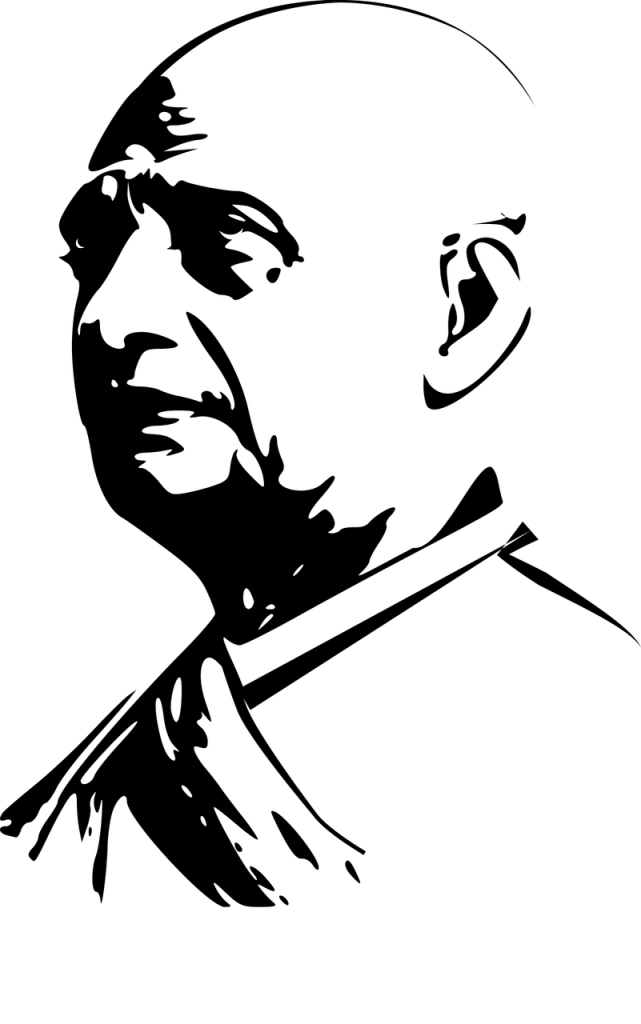
  1. Sardar Vallabhbhai Patel

Vallabhbhai Jhaverbhai Patel was born in 1875, he is a very brave man from a very young age. He earned the tittle Sardar after his heroic contribution in BardoliSatyagrah. Originally his profession was lawyer, but he left his profession and joined freedom movement to represent against British. He is also called the ‘Iron man of India’. After the independence of India, he became deputy PM of India.

2. Jawaharlal Nehru
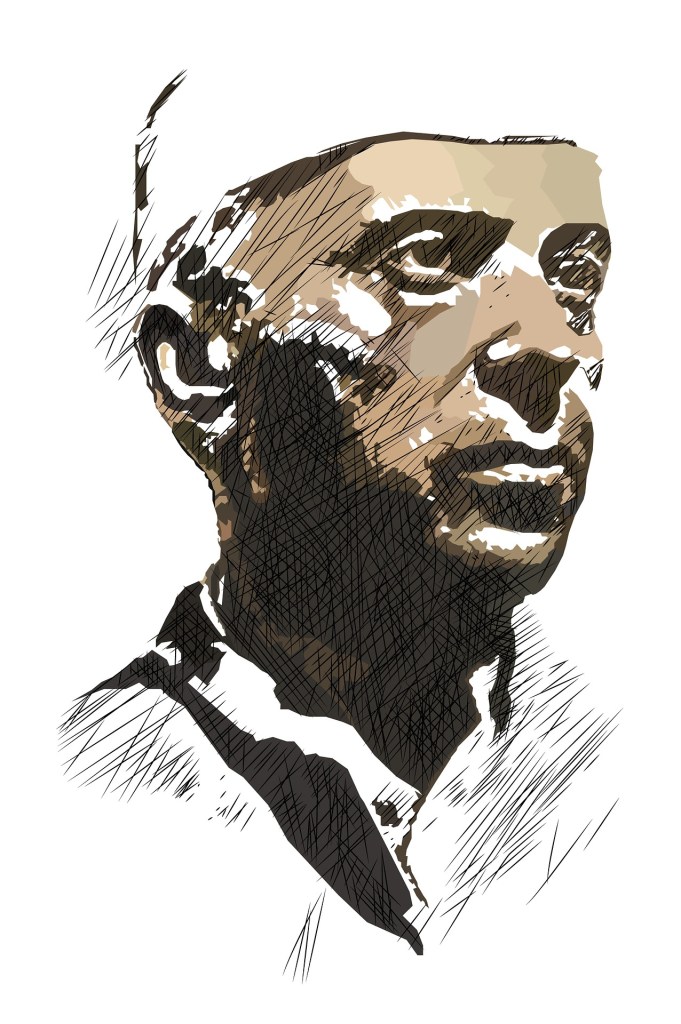
Jawaharlal Nehru was born on 14 November, 1889. He is the only son of his father and mother. He served as the first Prime Minister of India. His passion for India’s independence influenced many people. He is considered one of the greatest statesmen in India. He joined freedom struggle, he became popular as India’s freedom fighter. His birthday is celebrated as Children’s day in India.

3. Mahatma Gandhi
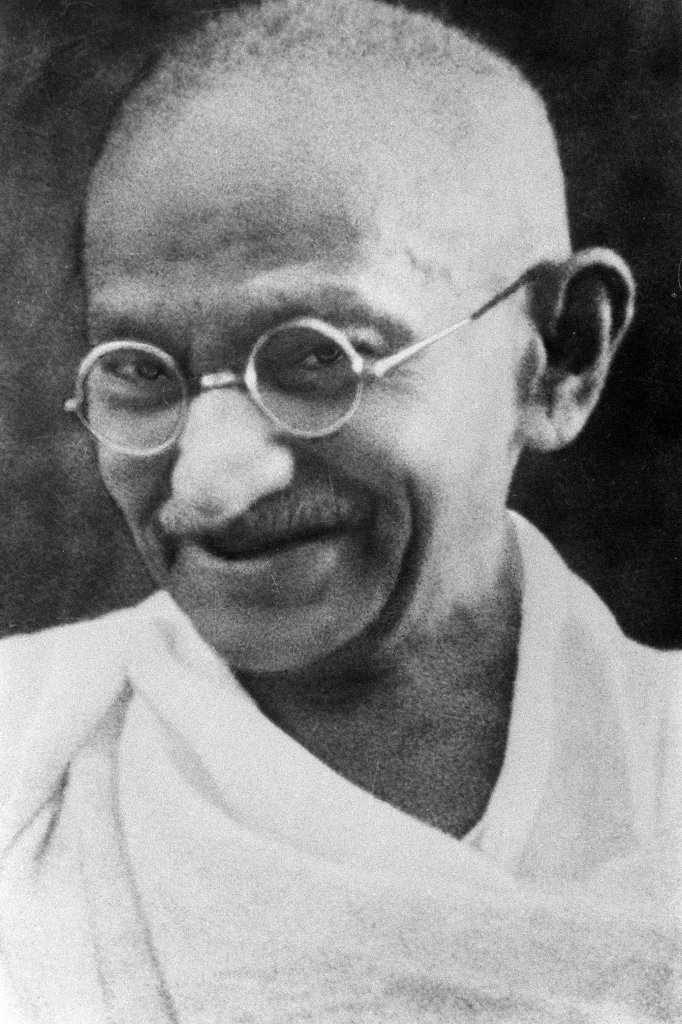
Mohandas Karamchand Gandhi was born on 2nd October he was raised in a Hindu family in Gujarat, 1869. He studied Law in London and went to South Africa to practice. He was entitled the ‘Father of Nation’ of India. After 21 years living in South Africa, he returned to India in 1915, when he was 45 years old. Gandhi ji led many non violent national campaigns for easing poverty, ending untouchability, expanding women rights, and Swaraj. He started Dandi Salt March against the British for imposing salt tax. He started Quit India Movement for British to leave India and many more. He has done many hunger strikes to stop religious fights.

4. Lal Bahadur Sastry

Lal bahadur Sastry was born on 2nd October, 1902. He is a silent freedom fighter. He was participated in many freedom movements such as Quit India movement, Salt Satyagraha Movement, Civil Disobedience movement etc led by Mahatma Gandhi. He served as the Home Minister of India and later as a Prime Minister in 1964. He received the tittle ‘Shastri’ after he completed his education at Kashi Vidyapeeth.

5. Rani Lakshmi Bai

Rani Lakshmi bai was born on 19 November, 1828, Varanasi. She is the queen of Jhansi, She is an important member in 1857 revolution. She became the symbol of resistance to the British raj for Indians. She is the wife of Maharaja Gangadhar Rao. After the dealth of Maharaja Gangadhar Rao, she defended her kingdom jhansi from British force invading it.

6. Bhagat Singh

Bhagat Singh was born on 28th September, 1907 in Banga(Present Pakistan).He was born and raised in a Sikh family of freedom fighters in Punjab. He is a famous revolutionary in India’s independence movement. He joined Non-cooperation movement in 1921 led by Gandhi ji. Chauri Chaura Incident changed him and makes him extreme in his fight against British.

7. Begum Hazrat Mahal

Begum Hazrat mahal was born on 1820, Faizabad. She worked with leaders like NanaSaheb and maulavi. She has participated in 1857 revolution. She single handed defended lucknow from leading troops. She also fought many wars for nepal.

That’s all from my side. I hope you like it.
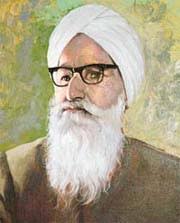
Getting New Tempo of Life from Nanak Singh

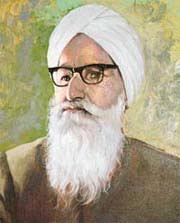
Nanak Singh 1998 stamp of India.jpg
Nanak Singh (Source: Wikipedia)

Looking Back to inmost salient lion from North-west corner of India:

The milieu where we are going through, reminds us of such a beacon whose life was out of the world of ceramic painting. In the prevailing situation in where myriad of youths are gloomy and distracted, all the deluge of depression and ‘break-up’ with our soul & courage, that poet-cum-author pillages our interest towards his escapade in the worrit situation he passed through, not lying on fortune’s lap.

“It seems to imply that in the lifeblood of our society, red corpuscles have disappeared.”

From Novel Chitta Lahu (White Blood), by Nanak Singh

Yes, we are talking about that very Panjabi author — Nanak Singh. This Indian poet, songwriter & novelist of Panjabi language made a royal entry to this world on the 4th July, 1897 through a poor Punjabi Hindu family. His literature produced crackles in the period of India’s Independence movement. If we take a magnificent lens on the pages of Modern Indian History, Nanak Singh was more prominent of them who wanted to eliminate the dual mentality of that ‘babu’ who went soft on the fierce deeds of the British.

The revolutionary identity got influenced and involved in the Jallianwala Bagh Massacre. On that auspicious day (April 13, 1919), of Punjabi New Year, Singh saw a lot of kin shot to death by the British troops, even two of his friends drooped on his lap for their last time. Then the author entity of Singh’s inner mind erupted in anger — invented an epic poem, mocking colonial rule — “Khomeini Visayans” (Bloody Baisakhi) from native heart. While conducting ‘Akali Movement’, in charge of the editor of ‘Akali’ papers, he became the subject of crimson eyes of the British — that resulted in the imprisonment of that new leader. In the meanwhile, he converted himself into Sikh. Hence, he portrayed the savagery and ‘legal violence’ of the British on peaceful Sikhs — and published his second anthology called “Zakhmi Dil ” (1923), which got banned within a fortnight of its publication, as expected.

Implementation of Singh’s Views in Present time:

This legend’s natural inclination towards protest against coercion, unjust & inequitable feud, as well as bluffing at every step, pulled him to pick-up ink as well as the flag of Mother India. Under Singh’s tenure, both the fallacy of British & dogmatism of Literature (specially in regional languages) got curtained. Yes, we agree delightfully that the British are no longer in power in India. But the orthodoxy, bigotry & undesired fanaticism has prepared a lot of arrest warrants for Indians. This situation reminds us of that nonesuch person:

Who escaped the boundary of patriarchy — implemented the quote of Lalan Fakir in reality —

“Everyone Sees Male & Female/ But, I see Only Humans” 

“সবাই দেখে নারী পুরুষ, আমি দেখি শুধুই মানুষ”

Lalan Fakir

We get a lot of views in his novels.

Nanak Singh (Source: ‘The Watchmaker‘ book written by Singh & translated by Navdeep Suri)

He’s Nanak Singh, whose voice was full of courage & pluck that successfully punctured British’s confidence, gives a message to us to belabor the deception of socio-political hand-cuffs. In his writing, always one thing got itself highlighted — the search for celestial happiness through fraternity, integrity & Liberty. 

However, all Indians, not only Panjabis draw inspiration from this icon who gives birth to every Indian from the previous fluffy life of usual inertia — that erects pillars to build a Happier nation for Future.


So, don’t delay to come forward to blow the conch of Humanity with the previously chanted hymns of Nanak Singh.