


Dances reflect the mood and feelings of human beings through expression and body movements. India is known for many dance forms each of which is originated from its state. However, only six classical dance forms such as Bharatanatyam, Kuchipudi, Kathak, Kathakali, Odissi, and Manipuri are nationally recognized. Apart from this, many dance forms have their origin from India. Indian dance arts are not only about body movements and gestures. It is one of the ancient ways of showing devotion to God. It shows the inseparable connectivity with the Indian culture. Here, in this article, some of the famous dance forms of India would be discussed briefly.
BHARATANATYAM
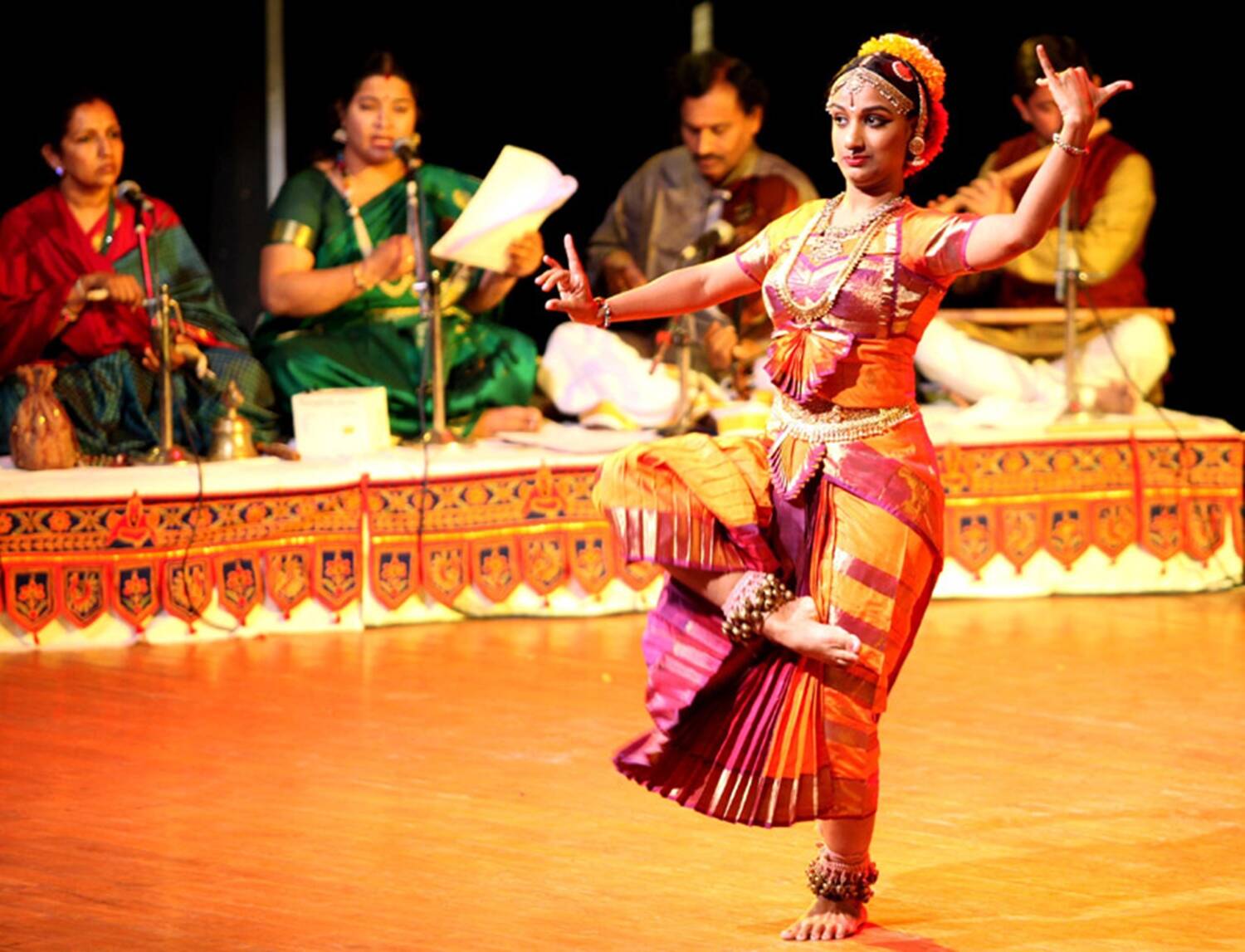
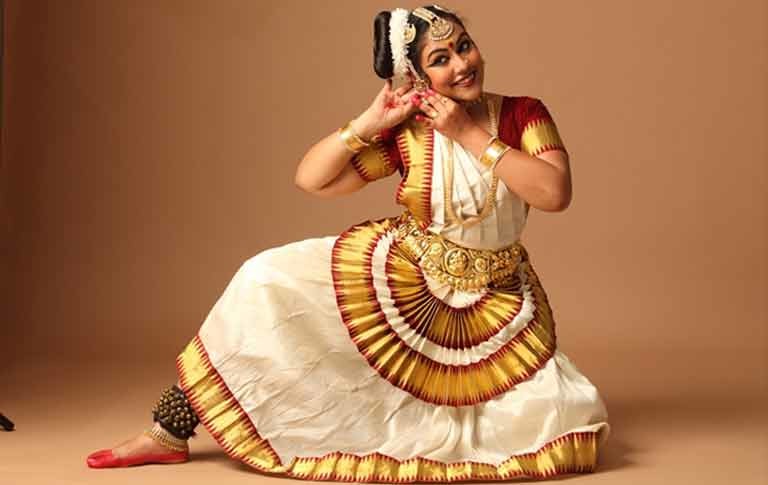
Being one of the most famous classical dances of the world, Bharatanatyam owns its origin from Tamil Nādu, one of the southern states of India. Bharatanatyam was performed for the divine Carnatic music by women in temples in the ancient period. The movements and gestures of this dance form are called mudras and the dancer uses mudras and facial expressions to show the Navarasa (9 emotions). It is one of the most honourable art and is still learned by many women in the south.
KATHAK
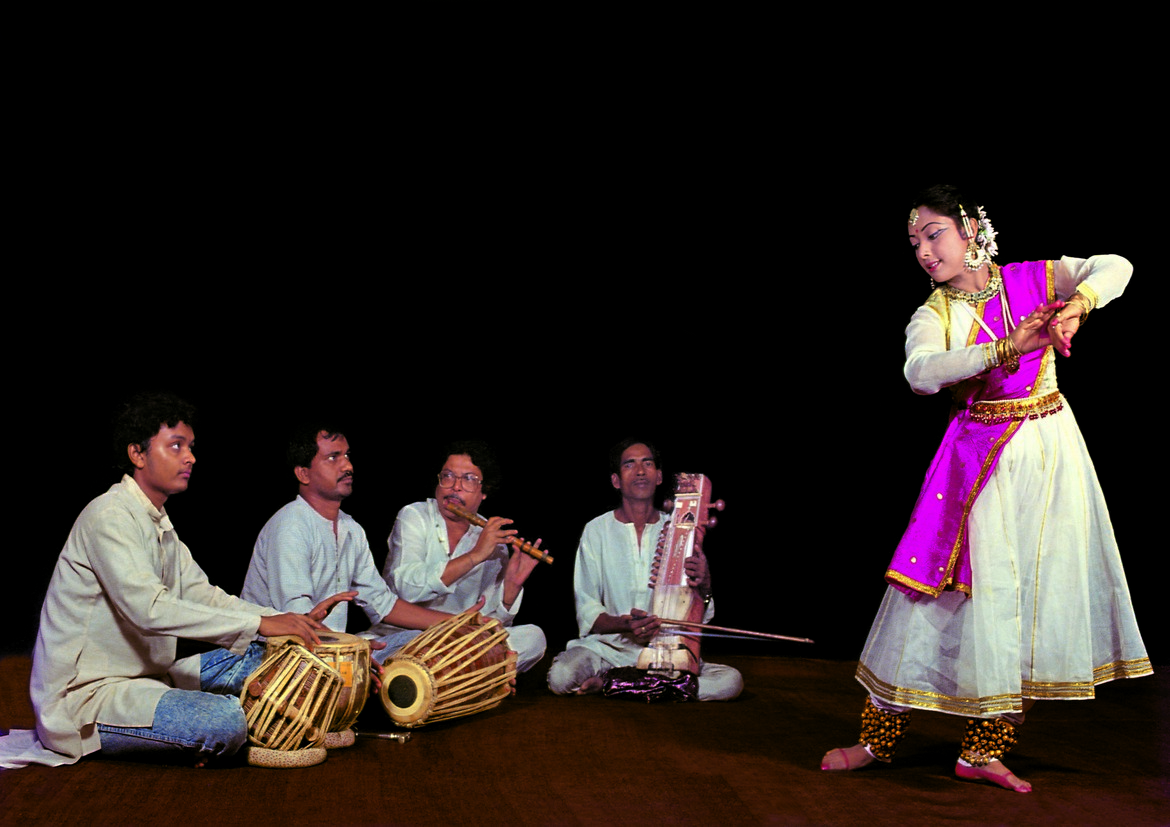
Kathak is an Indian dance form that has its origin from the northern state, Uttar Pradesh. The word Kathak is derived from the term ‘Katha’ which means story. This dance is performed in a way to narrate a story with the dance movements. Both male and female dancers perform together. The ankle movement is the most important one which is done by wearing the Ghungroos (Ankle bells).
KATHAKALI
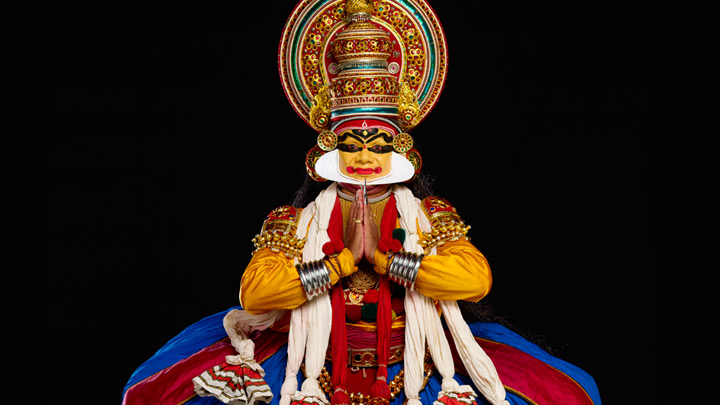
Kathakali is another traditional dance form that is related to storytelling. It is originated from The Land of Spices of India, Kerala. The tales performed are Ramayana and Shiva stories. It includes heavy makeup, costumes, and face masks that are bright and colourful. The dance depicts both evil and good through facial expressions and gestures.
KUCHIPUDI
Kuchipudi, belonging to the southern state Andhra Pradesh is said to be the toughest dance form. It includes singing along with dancing. Hence it requires more skill and dedication compared to other forms. It was performed by male dancers, especially the brahmins in temples in ancient times. However, as time flew it became common and is performed even by women nowadays.
ODISSI
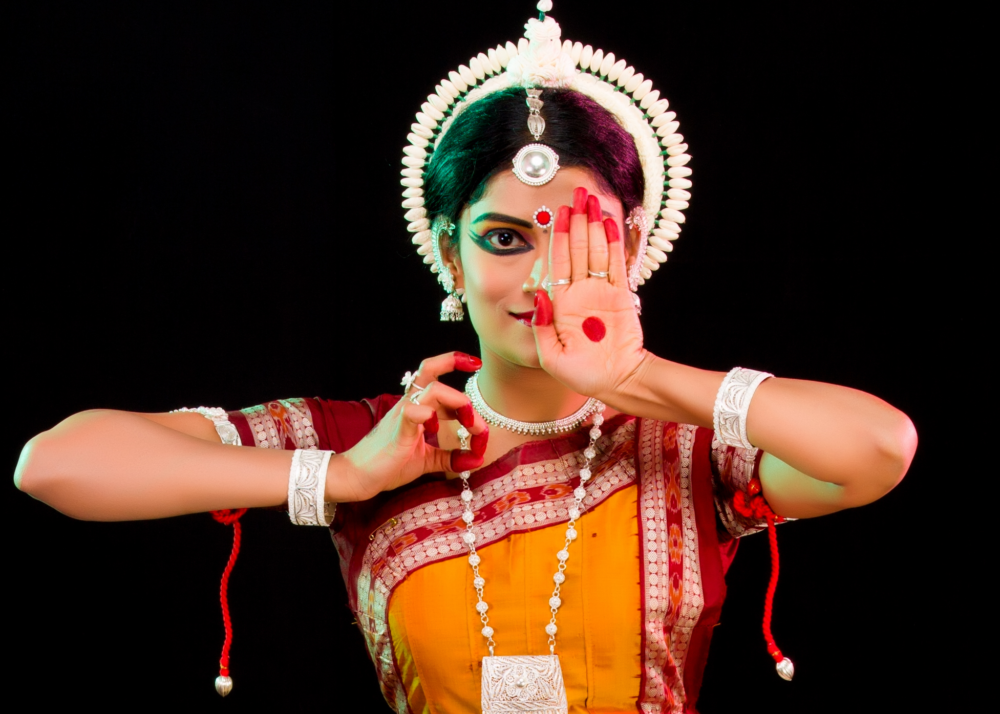
Odissi is the oldest dance form from the eastern state of India, Odisha. It narrates the stories of the Gods Shiva and Surya which are given in the form of poems. These poems are played as songs and the dancers express them through more than 50 intriguing mudras. These mudras are sculpted in the Hindu temples of India. It is preserved by practicing and making its survivance till today.
MANIPURI
Manipuri stands as a symbol to represent the rich traditions of the north-eastern state, Manipur. It narrates the romantic relationship between Lord Krishna and Radha, which is called Raas Leela. It is performed to the music of classical instruments by wearing the traditional Manipuri costumes and makeup to showcase the tale of the two gods.
Bhangra, Garba, Bihu, Mohiniyattam, Ghoomar, Lavani, Rouf, Karagattam, etc. are the other well-known dance forms of India.

 Eduindex
You must be logged in to post a comment.