Have you ever got disturbed while watching movie? Have you ever thought about the absurdity of some scenes in movies? Have you ever wondered about the need of a so called “item dance” in movies? If yes, then this article will help you in your way ahead.
Films are always considered as a medium of entertainment and stating this argument many of the film makers have taken the liberty to do whatever they like, ignoring the great impact it could have on the society. By putting forth the shallow argument that people are looking for commercial movies, they have shut the doors of political correctness.
All of you would have found some scene or the other incorrect in most of the so-called “mass movies”. Objectification of women as well as men, denial of choice, body shaming, sexist jokes, establishment of caste supremacy and several other disturbing trends are being normalised in movies these days.
The filmmakers should realise the impact these could have on the society, particularly the younger population, as the heroes themselves are endorsing these practices.
Most of the commercial movies these days will have the central character from a high caste family, with his friends always being inferior to him. The hero could love any woman based on her looks and she is obliged to love him back without any freedom to choose or else the hero could adopt any means from stalking to making suicide threats. Also, the hero is always glorified by pointing out the inefficiencies of his friends. Most of the songs would also be means for objectification.
This do not signify that all movies are wrong. There are several movies which uphold political correctness. Let us look into some such movies:
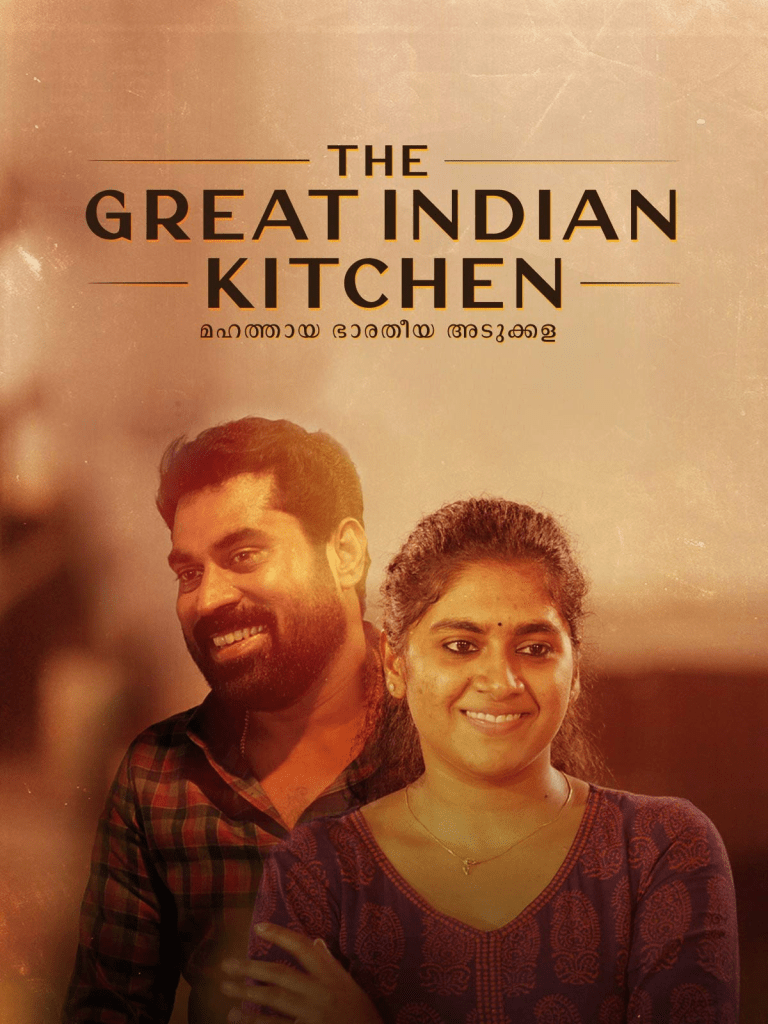
The great Indian Kitchen
The Great Indian Kitchen is a 2021 Indian Malayalam-language drama film written and directed by Jeo Baby. The film tells the story of a newlywed woman who struggles to be the submissive wife that her husband and his family expect her to be. The central characters are not given names, which is the biggest political idea. Just like the name signifies, it mainly happens inside the kitchen and clearly shows the monotonous lives of Indian wives and finally ends with the wife breaking the chains of marriage.
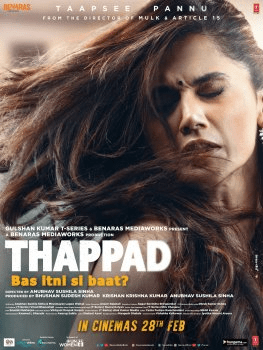
Thappad
Thappad is a 2020 Indian Hindi-language drama film directed by Anubhav Sinha, which he also co-produced with Bhushan Kumar of T-Series. The film, starring Taapsee Pannu, was released in theatres on 28 February 2020.Amrita Sandhu and Vikram Sabharwal are happily married. Amrita is a sparkling woman and a homemaker, who is shown to spend her days looking after Vikram and the house. As the story progresses, she comes to some realizations and gradually breaks the marriage which had cost her self-respect and passion.
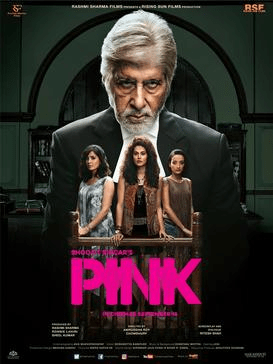
Pink
Pink is a 2016 Indian Hindi-language legal thriller film directed by Aniruddha Roy Chowdhury and written by Shoojit Sircar, Ritesh Shah and Aniruddha Roy Chowdhury. Pink features an ensemble cast, which includes Taapsee Pannu, Kirti Kulhari, Andrea Tariang, Amitabh Bachchan, Angad Bedi, Tushar Pandey, Piyush Mishra, and Dhritiman Chatterjee. It clearly put forwards the statement, “no means no, whoever says it”.
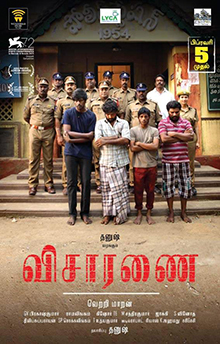
Visaranai
Visaranai is a 2015 Indian Tamil-language crime drama film written and directed by Vetrimaaran. The film deals with lives of two men before and after thrown into a Kafkaesque scenario in which they get tortured for confession. The film strongly stands against the encounter. The story is an eye opener for all those who blindly supports encounter.
Ishq
Ishq is a 2019 Indian Malayalam language thriller film written by Ratheesh Ravi and directed by Anuraj Manohar. The film revolves around the life of a man from Kochi, named Sachi and his girlfriend, Vasudha. The story mainly revolves around the moral policing that they had to face. But the more than that it ends with the message that virginity is not the ultimate measure of a woman’s worth.
The great success of these movies clearly explains the acceptance for these movies. It shows that audience are ready to accept movies which deals with serious topics.
The advent of OTT platforms and the receptive audience have encouraged filmmakers to experiment with their creations. The extent of criticism in the era of social media has also instilled fear in many. Even though it is the case, the film industry needs a revamp. It should be updated
Have you ever got disturbed while watching movie? Have you ever thought about the absurdity of some scenes in movies? Have you ever wondered about the need of a so called “item dance” in movies? If yes, then this article will help you in your way ahead.
Films are always considered as a medium of entertainment and stating this argument many of the film makers have taken the liberty to do whatever they like, ignoring the great impact it could have on the society. By putting forth the shallow argument that people are looking for commercial movies, they have shut the doors of political correctness.
All of you would have found some scene or the other incorrect in most of the so-called “mass movies”. Objectification of women as well as men, denial of choice, body shaming, sexist jokes, establishment of caste supremacy and several other disturbing trends are being normalised in movies these days.
The filmmakers should realise the impact these could have on the society, particularly the younger population, as the heroes themselves are endorsing these practices.
Most of the commercial movies these days will have the central character from a high caste family, with his friends always being inferior to him. The hero could love any woman based on her looks and she is obliged to love him back without any freedom to choose or else the hero could adopt any means from stalking to making suicide threats. Also, the hero is always glorified by pointing out the inefficiencies of his friends. Most of the songs would also be means for objectification.
This do not signify that all movies are wrong. There are several movies which uphold political correctness. Let us look into some such movies:
The great Indian Kitchen
The Great Indian Kitchen is a 2021 Indian Malayalam-language drama film written and directed by Jeo Baby. The film tells the story of a newlywed woman who struggles to be the submissive wife that her husband and his family expect her to be. The central characters are not given names, which is the biggest political idea. Just like the name signifies, it mainly happens inside the kitchen and clearly shows the monotonous lives of Indian wives and finally ends with the wife breaking the chains of marriage.
Thappad
Thappad is a 2020 Indian Hindi-language drama film directed by Anubhav Sinha, which he also co-produced with Bhushan Kumar of T-Series. The film, starring Taapsee Pannu, was released in theatres on 28 February 2020.Amrita Sandhu and Vikram Sabharwal are happily married. Amrita is a sparkling woman and a homemaker, who is shown to spend her days looking after Vikram and the house. As the story progresses, she comes to some realizations and gradually breaks the marriage which had cost her self-respect and passion.
Pink
Pink is a 2016 Indian Hindi-language legal thriller film directed by Aniruddha Roy Chowdhury and written by Shoojit Sircar, Ritesh Shah and Aniruddha Roy Chowdhury. Pink features an ensemble cast, which includes Taapsee Pannu, Kirti Kulhari, Andrea Tariang, Amitabh Bachchan, Angad Bedi, Tushar Pandey, Piyush Mishra, and Dhritiman Chatterjee. It clearly put forwards the statement, “no means no, whoever says it”.
Visaranai
Visaranai is a 2015 Indian Tamil-language crime drama film written and directed by Vetrimaaran. The film deals with lives of two men before and after thrown into a Kafkaesque scenario in which they get tortured for confession. The film strongly stands against the encounter. The story is an eye opener for all those who blindly supports encounter.
Ishq
Ishq is a 2019 Indian Malayalam language thriller film written by Ratheesh Ravi and directed by Anuraj Manohar. The film revolves around the life of a man from Kochi, named Sachi and his girlfriend, Vasudha. The story mainly revolves around the moral policing that they had to face. But the more than that it ends with the message that virginity is not the ultimate measure of a woman’s worth.
The great success of these movies clearly explains the acceptance for these movies. It shows that audience are ready to accept movies which deals with serious topics.
The advent of OTT platforms and the receptive audience have encouraged filmmakers to experiment with their creations. The extent of criticism in the era of social media has also instilled fear in many. Even though it is the case, the film industry needs a revamp. It should be updated
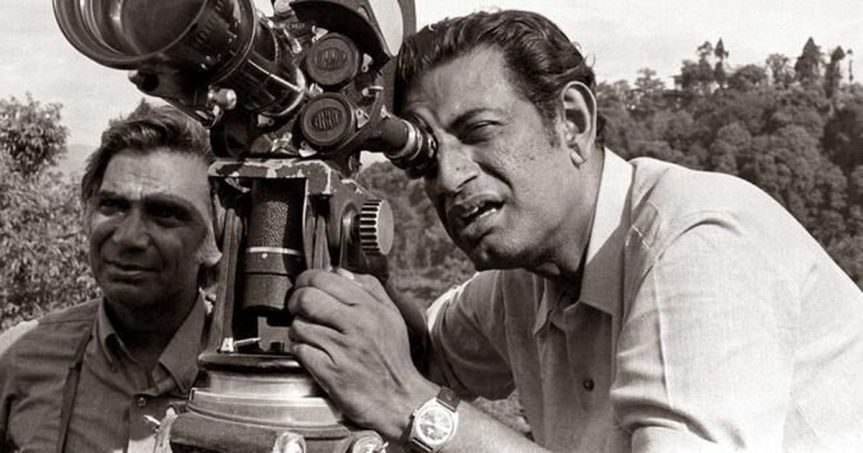
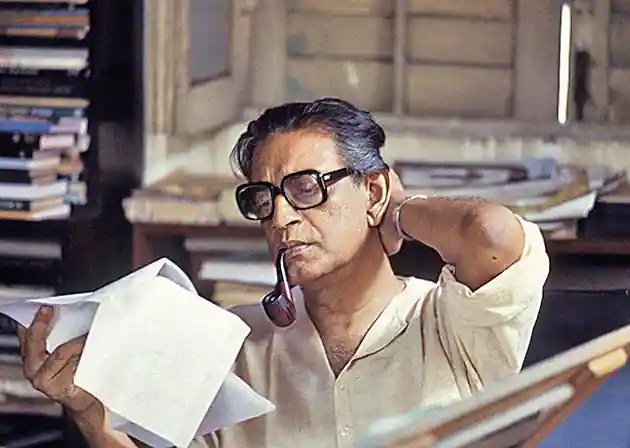
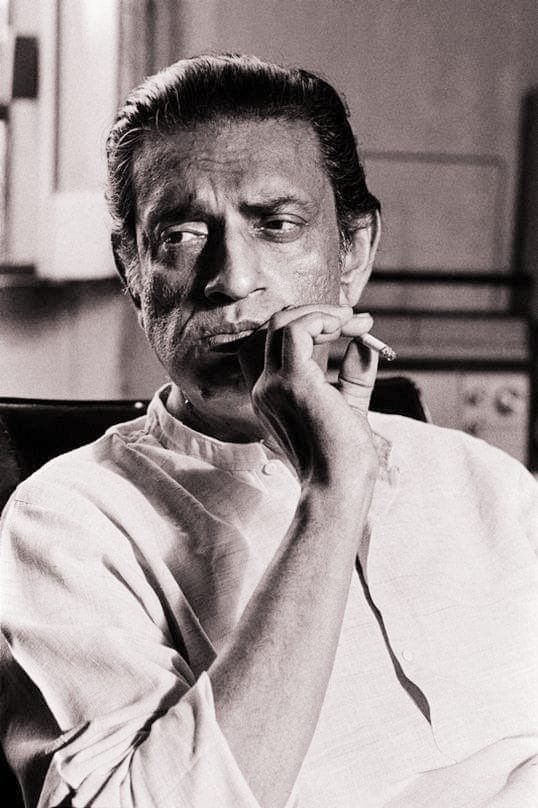
Satyajit Ray was India’s first internationally recognized film-maker and, several years after his death, still remains the most well-known Indian director on the world stage. Ray has written that he became captivated by the cinema as a young college student, and he was self-taught, his film education consisting largely of repeated viewings of film classics by de Sica, Fellini, John Ford, Orson Welles, and other eminent directors.
Satyajit Ray
Early Life and Family Background
Satyajit Ray was born into an illustrious family in Kolkata (then Calcutta) on 2nd May,1921. His grandfather, Upendra Kishore Ray-Chaudhary, was a publisher, illustrator, musician, the creator of children’s literature in Bengali and a leader of the Brahmo Samaj, a religious and social movement in nineteenth century Bengal. His father, Sukumar Ray, was a noted satirist and India’s first writer of nonsensical rhymes, akin to the nonsense verse of Edward Lear. Having studied at Ballygunge Government High School, Calcutta and completed his BA in economics at Presidency College, Satyajit Ray went on to develop an interest in fine arts. Later in life, Satyajit Ray made a documentary of his father’s life. His film, Goopy Gyne Bagha Byne, was based on a story published by his grandfather in 1914, but even other films, such as Hirok Rajah Deshe, “The Kingdom of Diamonds”, clearly drew upon his interest in children’s poetry and nonsensical rhymes.
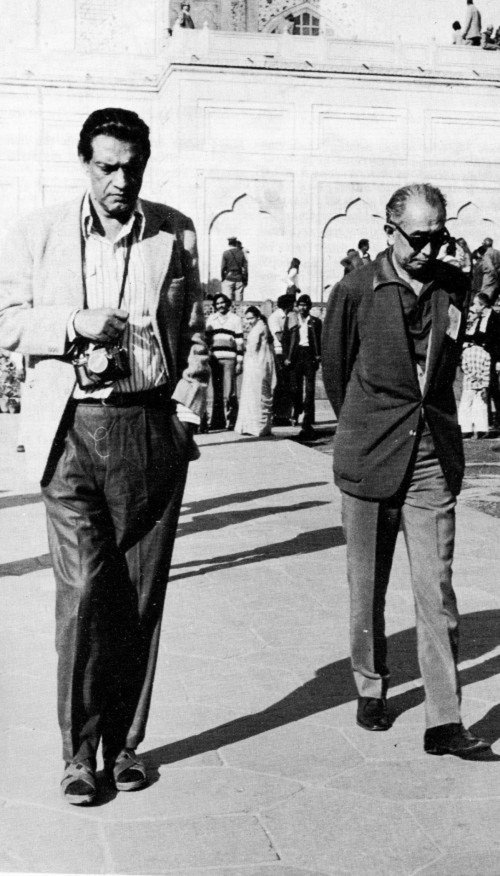
Satyajit Ray with Akira Kurosawa
The Crisis of Indian Cinema Before Ray
From the 1920s to the early 1950s, several directors working within Hollywood—as well as filmmakers in former Soviet Union, France, Italy, Germany, and Japan—considered cinema not as a mere tool of entertainment but as a medium for creative expression. Filmmakers such as Charlie Chaplin, Sergei Eisenstein, Jean Renoir, Roberto Rossellini, Vittorio De Sica, Akira Kurosawa, and others deployed artistically innovative filmic devices to convey profound statements about the complexities of life. Some of the aesthetically satisfying films produced during this period were hailed as cinematic masterpieces. Films in India, however, prioritised cliched elements such as sentimental slush, ersatz emotion, theatricality, romantic tales, spectacle-like songs, and happy endings in these decades. Instead of making serious attempts at formal experimentation, Indian directors continued catering to the lowest common denominator audience.
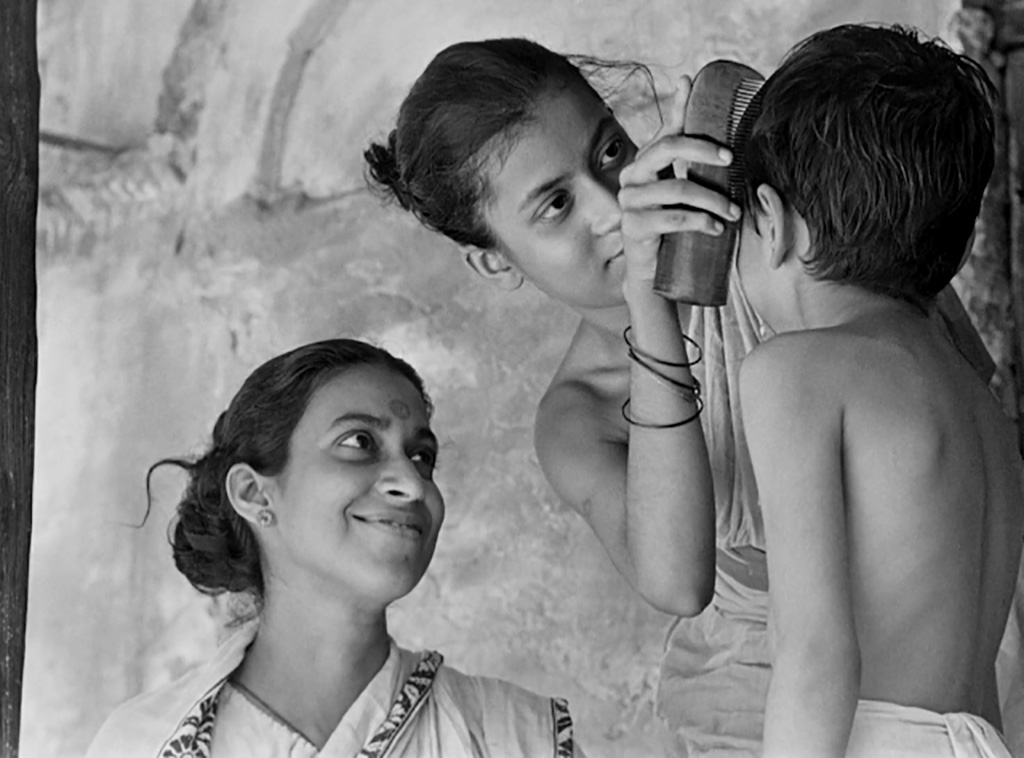
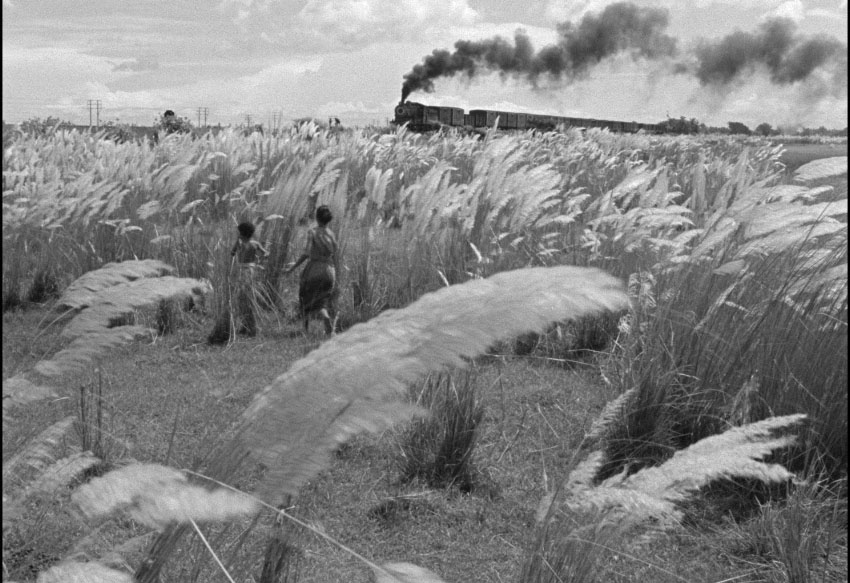
Iconic scene from Pather Panchali (1955)Pather Panchali (1955)
Breakthrough of Satyajit Ray
A young Ray had grown up on Hollywood movies, so when his ad agency sent him to London for higher training, he spent more and more of his time in the company of films and started “losing interest in advertising in the process,” he once said in an interview. During this trip, he saw Vittorio De Sica’s “Ladri di biciclette” (Bicycle Thieves),in 1948, a neo-realist Italian masterpiece of post-War despair and was entranced by its beguiling simplicity and humanism. Back in Calcutta, he heard that Jean Renoir was in town and walked straight into the hotel where the great French filmmaker was staying to confide in his own dreams of making a movie someday. Renoir, who was location-scouting for The River in Calcutta at the time, encouraged the aspirant. And so began the journey of the song of the little road.
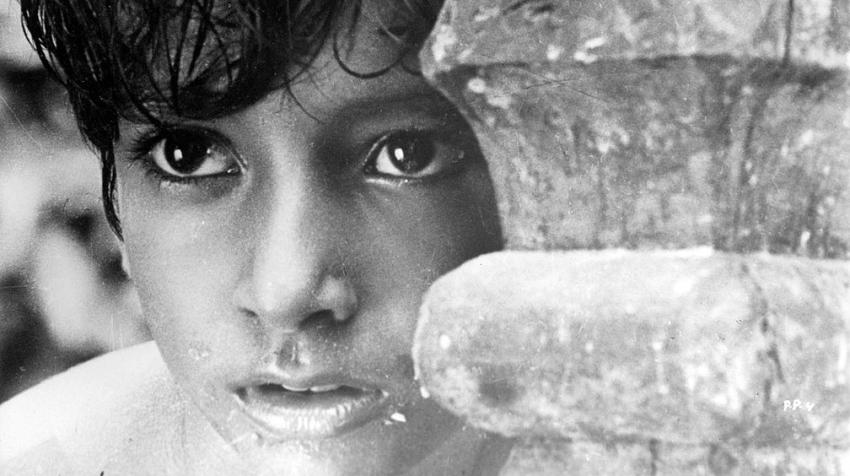
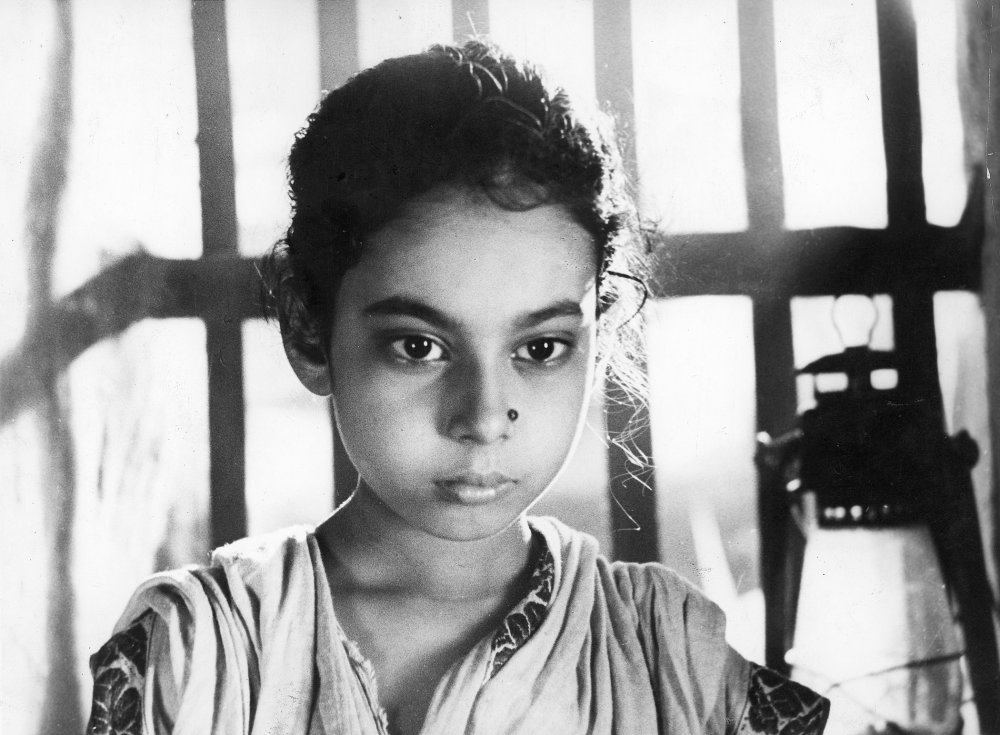
Subir Banerjee as Apu in Pather Panchali (1955)
Ray’s landmark debut, Pather Panchali ( which was adapted from eponymous 1928Bengali novel “Pather Panchali” by eminentBengali novelist Bibhutibhusan Bandopadhay) was on a shoe-string budget in 1955 with a mostly non-professional cast. All the while, he clung on to his job for a safety net even as he shot what would become the first of the classic Apu Trilogy on weekends. The film was apparently being made by a group of neophytes, who had to stop filming more than once, owing to the depletion of their shoestring budget.
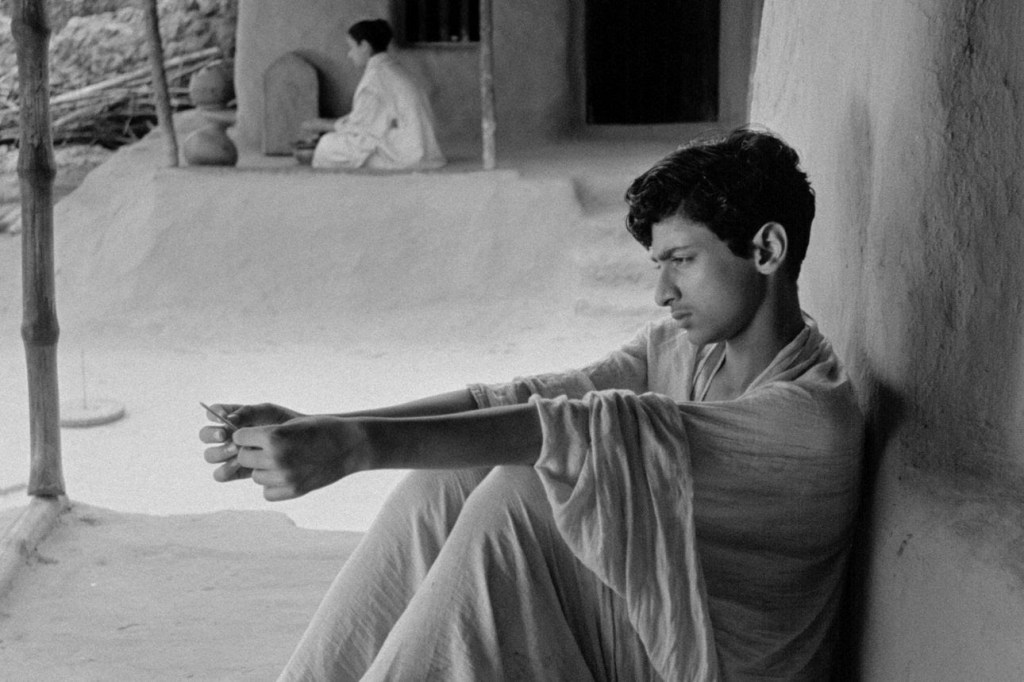
Smaran Ghoshal as Apu in Aporajito (1956)
Notable Films of Satyajit Ray
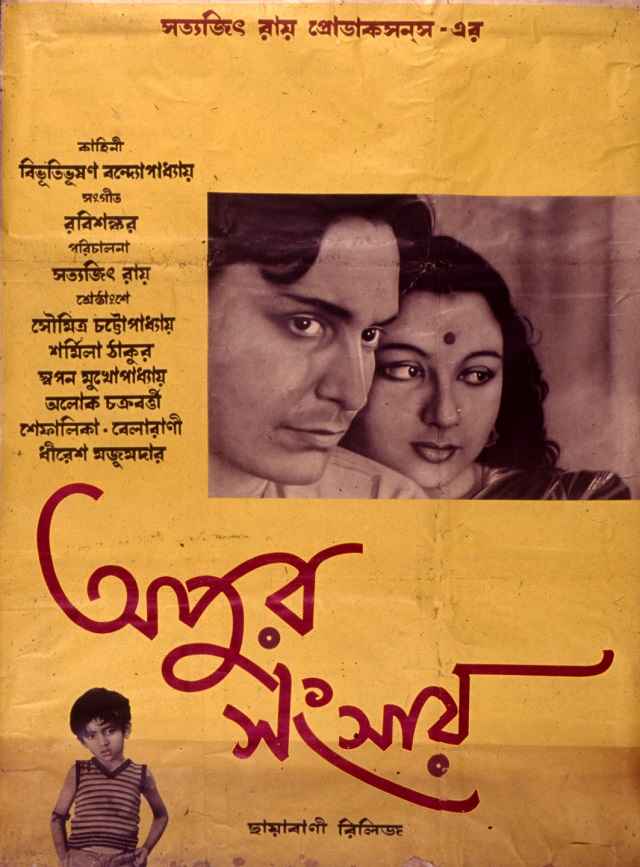
Ray directed 36 films, comprising 29 feature films, five documentaries, and two short films.Pather Panchaliwas completed in 1955 and turned out to be both a commercial and a tremendous critical success, first in Bengal and then in the West following a major award at the 1956 Cannes InternationalFilm Festival. sured Ray the financial backing he needed to make the other two films of the trilogy: Aparajito (1956; The Unvanquished) and Apur Sansar (1959; The World of Apu).Pather Panchaliand its sequels tell the story of Apu, the poor son of a Brahman priest, as he grows from childhood to manhood in a setting that shifts from a small village to the city of Calcutta.
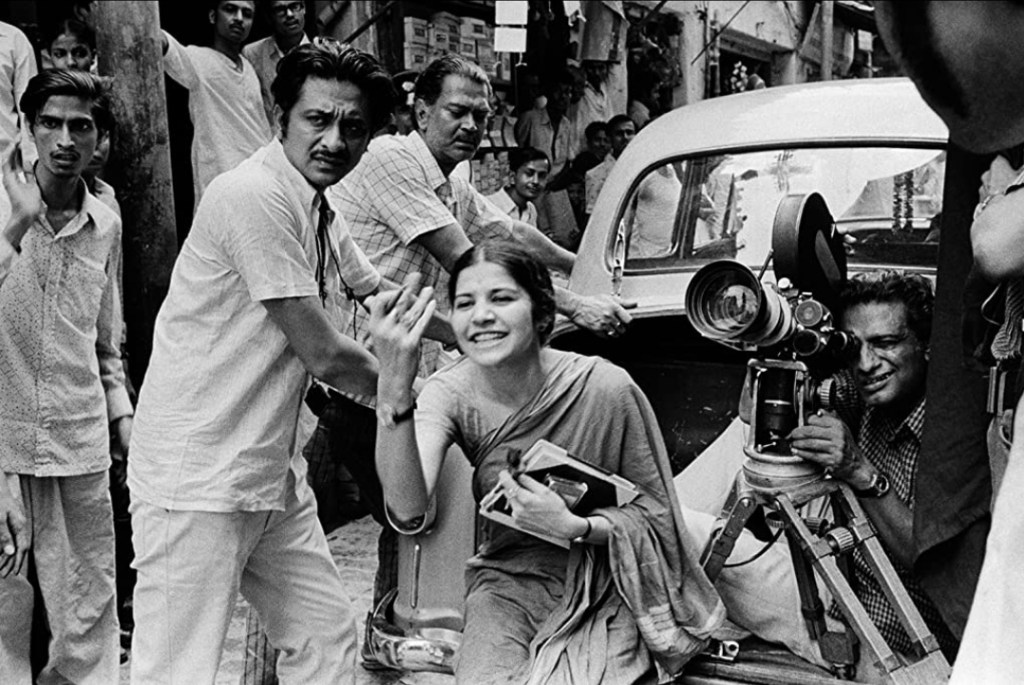
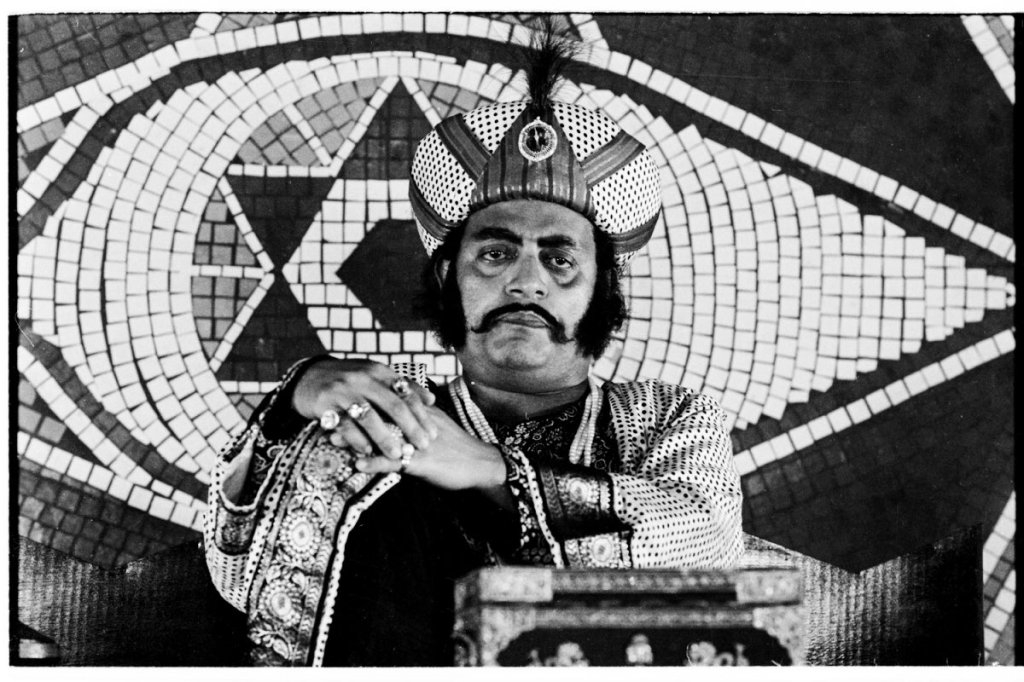
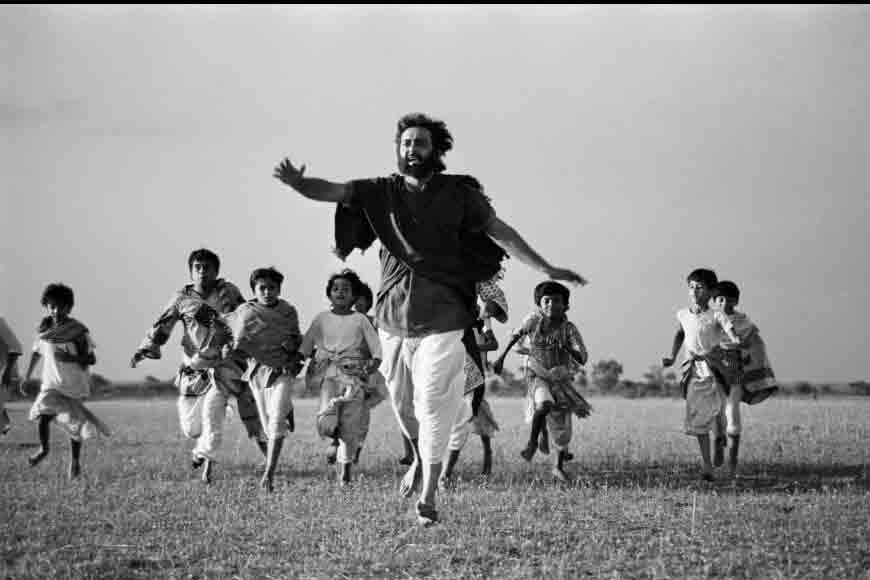
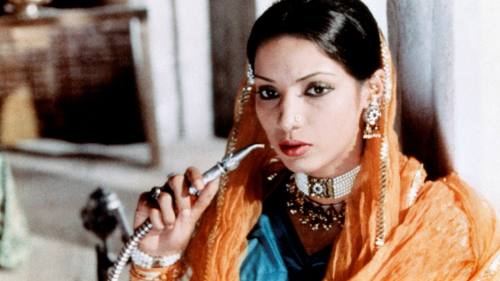
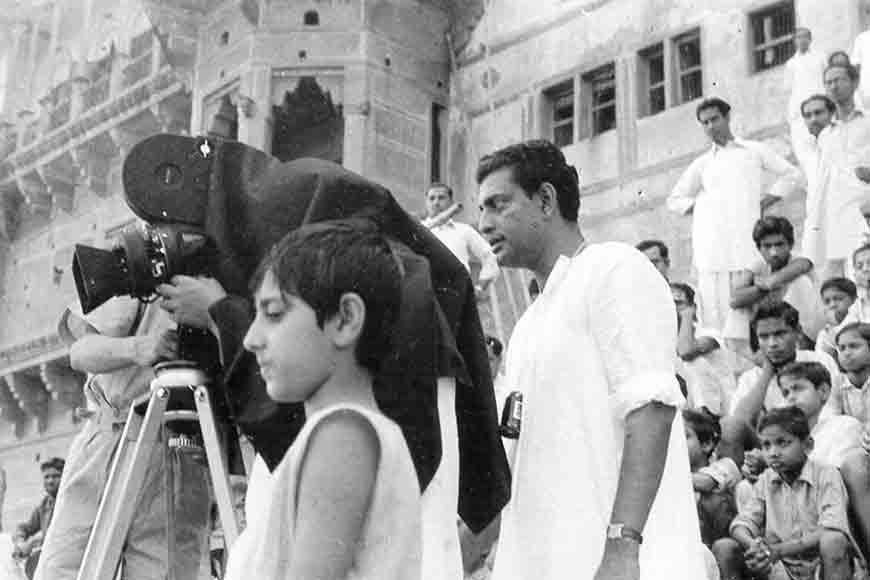
Chandana Banerjee in Teen Kanya (1961)During the Shooting of Jana Aranya (1975)Utpal Dutta in HirokRajar Deshe(1980)Soumitra Chatterjee in Hirok Rajar Deshe (1980)Chhabi Biswas (in middle) in Jalsaghar (1958)Shabana Azmi in Shatranj ke Khilari (1977)Satyajit Ray during the shooting of Sonar Kella(1974)
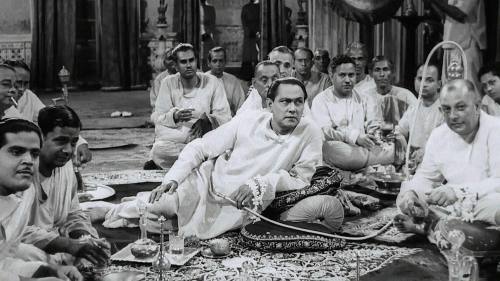
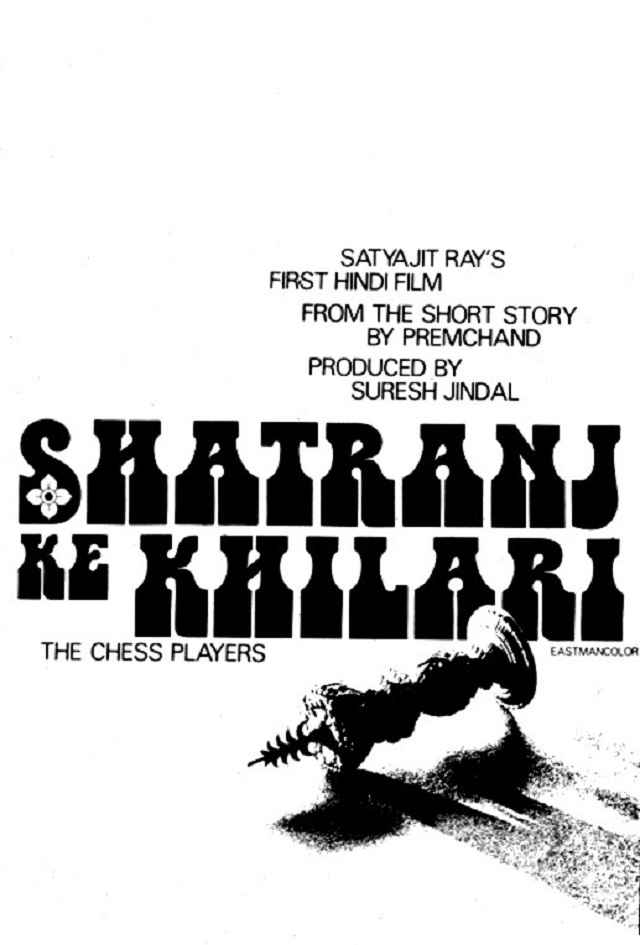
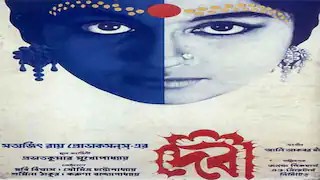
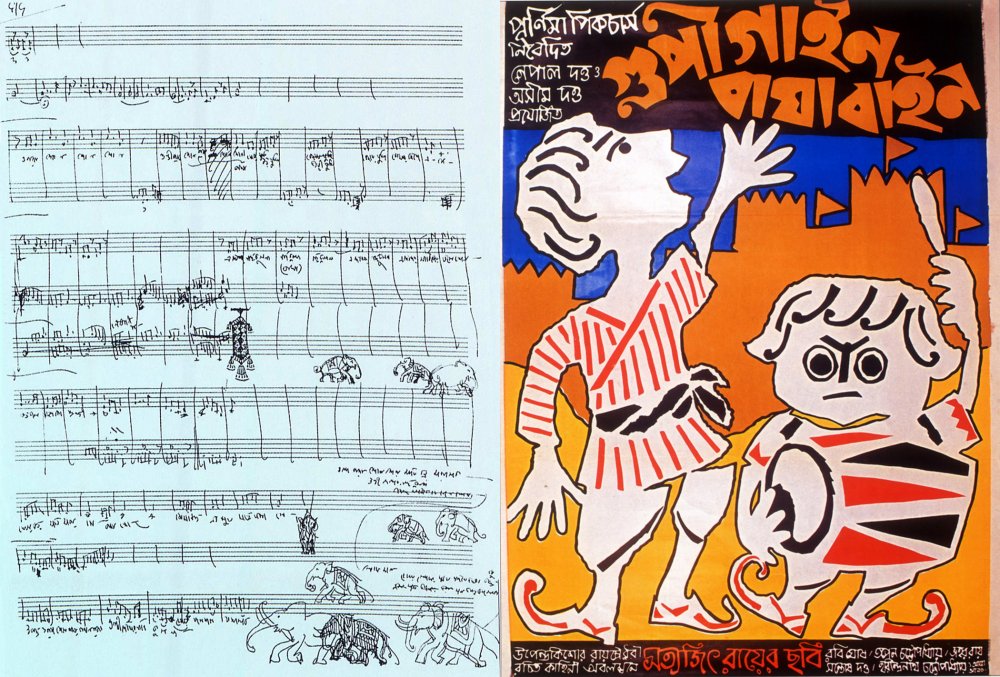
Ray’s major films about Hindu orthodoxy and feudal values (and their potential clash with modern Western-inspired reforms) include Jalsaghar (1958; The Music Room), an impassioned evocation of a man’s obsession with music; Devi (1960; The Goddess), in which the obsession is with a girl’s divine incarnation; Sadgati (1981; Deliverance), a powerful indictment of caste; and Kanchenjungha (1962), Ray’s first original screenplay and first colour film, a subtle exploration of arranged marriage among wealthy, westernized Bengalis.Shatranj ke Khilari (1977; The Chess Players), Ray’s first film made in the Hindi Language , with a comparatively large budget, is an even subtler probing of the impact of the West on India. Although humour is evident in almost all of Ray’s films, it is particularly marked in the comedy Parash Pathar (1957; The Philosopher’s Stone) and in the musical Goopy Gyne Bagha Byne (1969; The Adventures of Goopy and Bagha), based on a story by his grandfather.
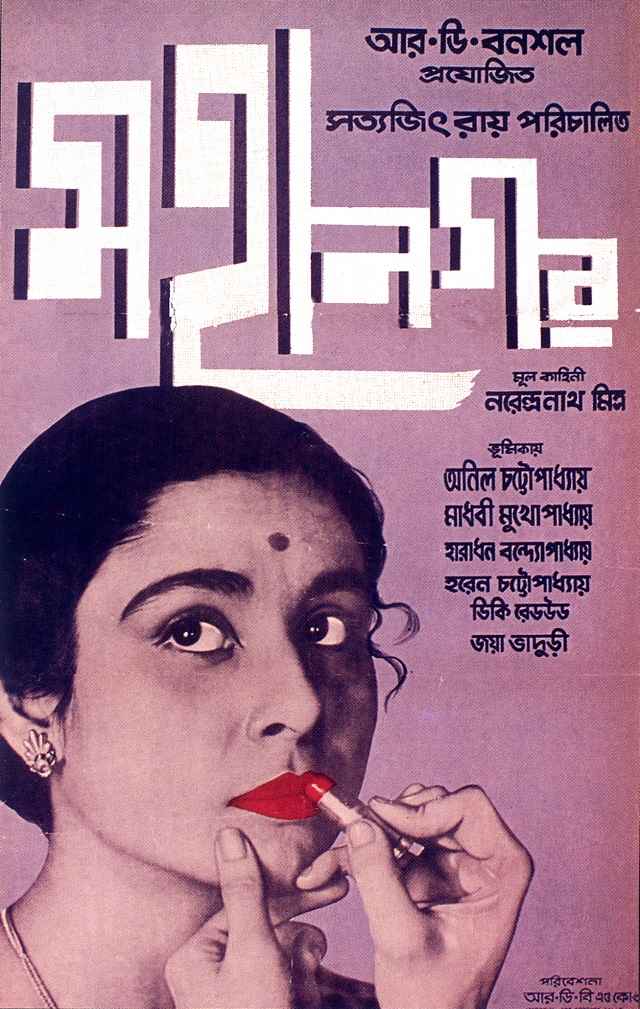
His other notable films were Ahsani Sanket (1973; Distant Thunder), Aranyer Din Ratri (1970; Days and Nights in the Forest) , Mahanagar (1963; The Big City) and a trilogy of films made in the 1970s—Pratidwandi (1970; The Adversary), Seemabaddha (1971; Company Limited), and Jana Aranya (1975; The Middleman), Ganashatru (1989; An Enemy of the People), Shakha Prashakha (1990; Branches of the Tree), and the Agantuk (1991; The Stranger).
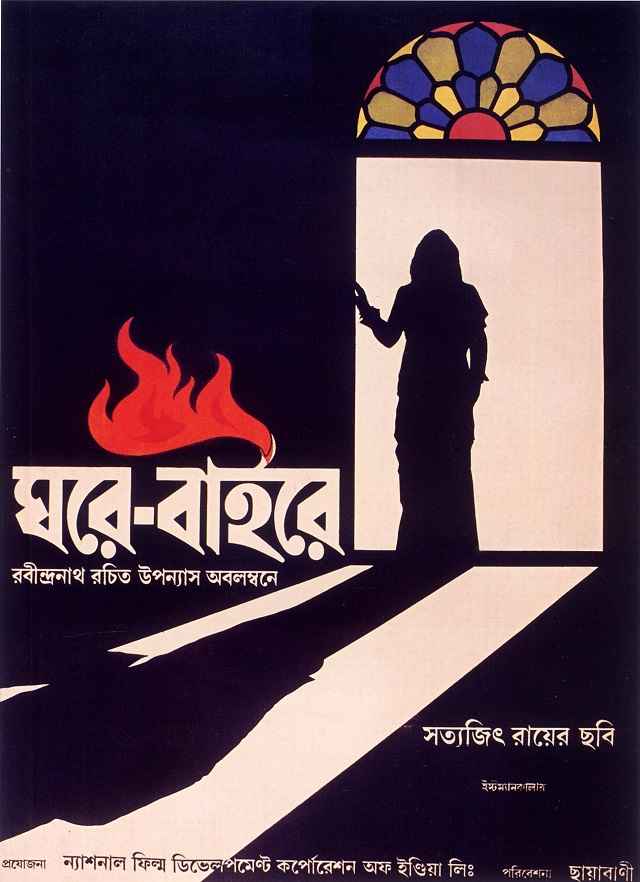
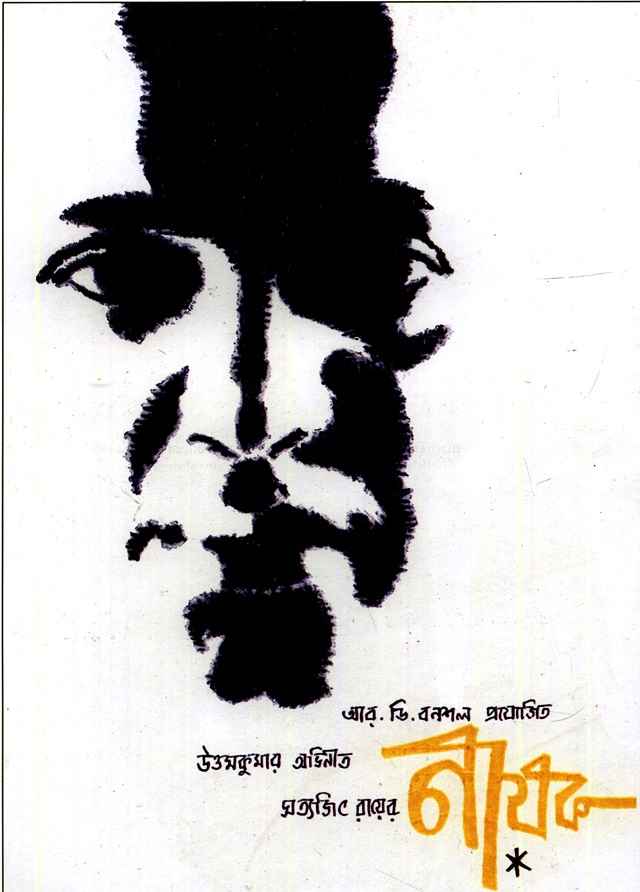
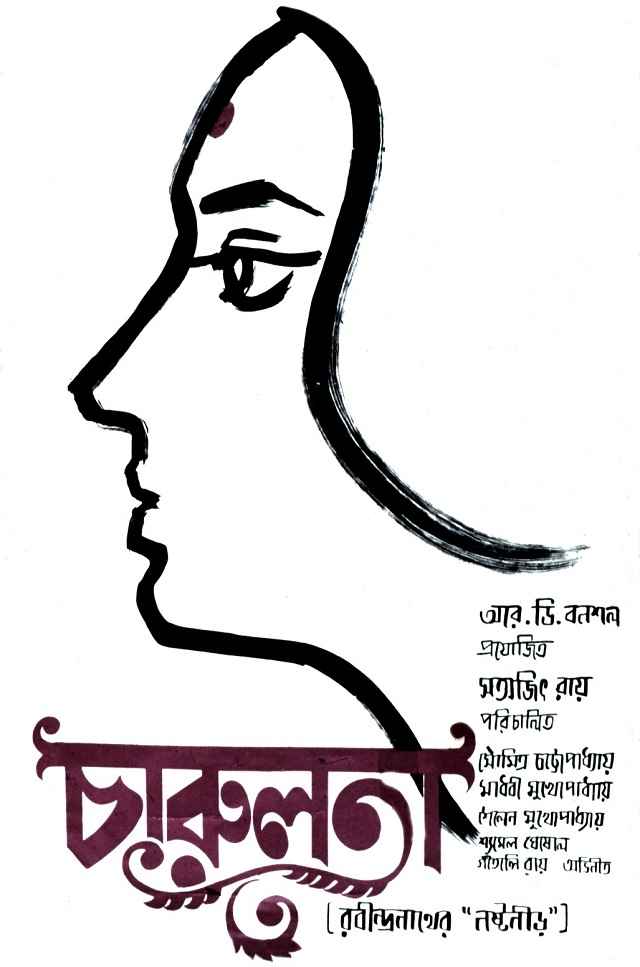
Poster of Shatranj ke Khilari (1977)Poster of Devi(1960)Poster of Ghore-BairePoster of Mahanagar(1963)Poster of Apur Sansar (1959)Poster of Nayak Poster of Charulata
Work As A Novelist
Ray created two popular fictional characters in Bengali children’s literature—Feluda, a sleuth, and Professor Shanku, a scientist. The Feluda stories are narrated by Topesh Ranjan Mitra aka Topse, his teenage cousin, something of a Watson to Feluda’s Holmes. The science fictions of Shonku are presented as a diary discovered after the scientist had mysteriously disappeared. Ray also wrote a collection of nonsensical verses named Today Bandha Ghorar Dim, which includes a translation of Lewis Carroll’s “Jabberwocky”. He wrote a collection of humorous stories of Mulla Nasiruddin in Bengali. Ray wrote an autobiography about his childhood years, Jakhan Chhoto Chhilam (1982), translated to English as Childhood Days: A Memoir by his wife Bijoya Ray. In 1994, Ray published his memoir, My Year’s with Apu, about his experiences of making The Apu Trilogy.
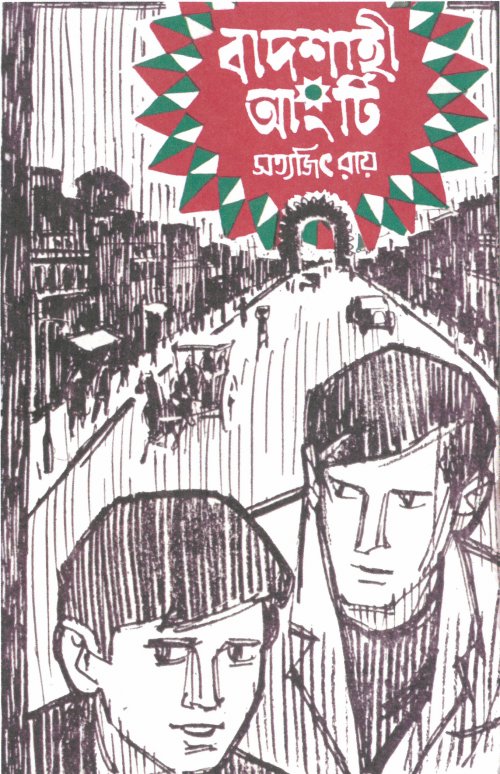
Book Cover illustrated by Satyajit Ray, himself for his first detective novel “Badshahi Angti”.The musical score and Poster for Goopy Gyne Bagha Byne(1969), done by Satyajit Ray, himself Portrait of Akira Kurosawa, illustrated by Satyajit Ray
Critical Analysis of Satyajit Ray
Instead of acting like a propagandist, Ray wanted to make people aware of the persistence of certain social problems. Devi and Ganasatru show people’s blind religious beliefs, Sakha Prasakhadiscloses the involvement of the top officials with bribery and corruption, Shatranj ke Khilari indicates the indolence and lack of political consciousness of the wealthy people, Aranyer Din Ratrireveals the insensitivity and boasting of the urban young men, and Mahapurushmockingly exposes the failure of the urban elite to embrace rational thoughts. Given the necessity of making people conscious of the same problems in present-day society, these films are still relevant today. Ray’s films also made a departure from tradition by frequently including strong women characters. Sarbajaya in Pather Panchali and Aparajito, Manisha in Kanchenjungha, Arati in Mahanagar, Charu in Charulata, Karuna in Kapurush, Aditi in Nayak, Aparna and Jaya in Aranyer Din Ratri, Sudarshana in Seemabadhdha, and Ananga in Asani Sanketappear as bolder, more confident, and more resilient than the male characters. In an interview, Ray states that the inclusion of unwavering women characters reflects his own attitudes towards and personal experience with women.
Awards Received by Satyajit Ray
Ray received many awards, including 36National Film Award by the Government of India, and awards at international film festival. In 11th Moscow InternationalFilm Festival 1979, he was awarded with the Honorable Prize for the contribution to cinema. At the Berlin International Film Festival, he was one of only four filmmakers to win the Silver Bear for Best Director more than once and holds the record for the most Golden Bear nominations, with seven. At the Venice Film Festival, where he had previously won a Golden Lion for Aparajito (1956), he was awarded the Golden Lion Honorary Award in 1982. That same year, he received an honorary “Hommage à Satyajit Ray” award at the 1982 Cannes International Film Festival. Ray is the second film personality after Charlie Chaplin to have been awarded an honorarydoctorate by Oxford University.
He was awarded the Dadasaheb Phalke Award in 1985, and the Legion of Honour by the President of France in 1987. The Government of India awarded him the Padma Bhusan in 1965 and the highest civilian honour, Bharat Ratna, shortly before his death. The Academy of Motion Picture Arts and Sciences awarded Ray an Honorary Award in 1992 for Lifetime Achievement. In 1992, he was posthumously awarded the Akira Kurosawa Award for Lifetime Achievement in Directing at the San Francisco International Film Festival.
Conclusion
Whenever we talk about radical filmmaking in the realm of Bengali cinema, Satyajit Ray’s maiden feature (made in the face of tremendous odds) is mentioned. From Pather Panchali to his last film Agantuk, Ray never compromised on high standards, thereby making a huge impression. Having a greater familiarity with the oeuvre of Ray would enable people to understand the impressive qualities and importance of socially-meaningful cinema. We are surely in need of films that would make us perceive the beauty of a dewdrop on a blade of grass, strengthen our sense of humanism, and raise our social consciousness—hence, the everlasting relevance of the cinema of Satyajit Ray.
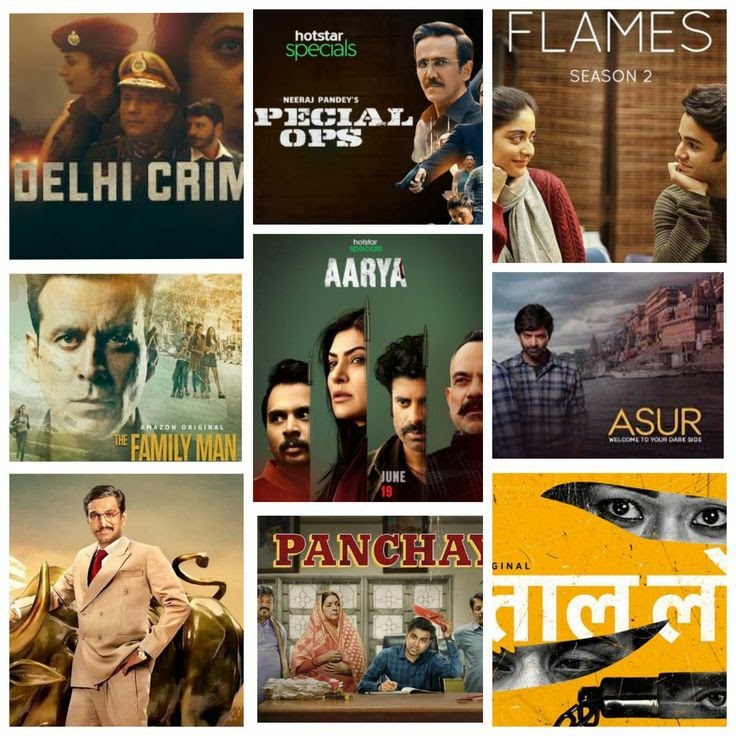
Over the last few years, the internet has become a hub of new talent and an amazing collection of hindi web series that has made binge-watching our favourite activity. While with the emergence of the Hindi web series in the country, a fresh wave has made us watch innovative and interesting Indian web series content. Today creators are not shying away from thinking and creating excellent content and this is helping the audience as well to understand the depth of cinema and enjoy it at the same time. Indian web series have grown to become one of the best sources of inspiration and entertainment, thanks to the advent of Netflix and amazon prime.To get you started, we’ve compiled a list of the best Indian web series that you’d love to watch on repeat.
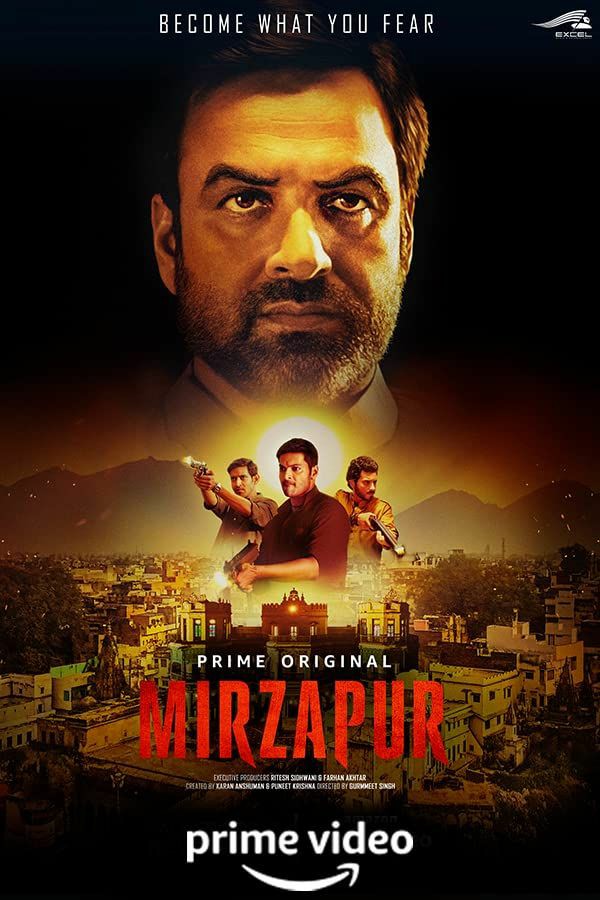
mirzapur(2018- ), IMDb- 8.4
Mirzapur is an Indian action crime thriller streaming television series on Amazon Prime Video, created by Karan Anshuman, who wrote the script along with Puneet Krishna and Vineet Krishna. Anshuman directed the first season of the series, along with Gurmmeet Singh and Mihit Desai, who also directed the second season of the series. The series is produced by Rithesh Sidhwani and Farhan Akhtar of Excel Entertainment.
The story follows the rule of Akhandanand Tripathi (Pankaj Tripathi), also known as Kaleen Bhaiya, the mafia don and proverbial ruler of Mirzapur in the Purvanchal region of Uttar Pradesh
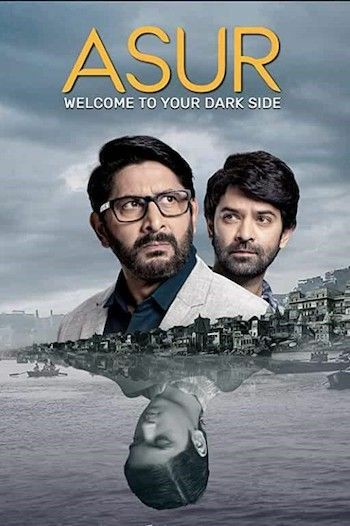
Asur(2020- ), IMDb- 8.5
Asur is a 2020 Indian Hindi-language crime thriller web series, produced by Tanveer Bookwala of Ding Entertainment for the video on demand platform Voot. The series stars Arshad Warsi, Barun Sobti and Amey Wagh. The series is set in the context of a modern day serial killer having religious ties. Arshad Warsi made his OTT debut through this series.
Set in the backdrop of the mystical city of Varanasi, Asur follows Nikhil Nair, a forensic-expert-turned-teacher, who returns to his roots at the Central Bureau of Investigation, and along with his former mentor Dhananjay Rajpoot, finds himself caught in a cat-and-mouse game with a brutal serial killer. What follows is a blend of suspense, mythology and the murders of some people totally unrelated.
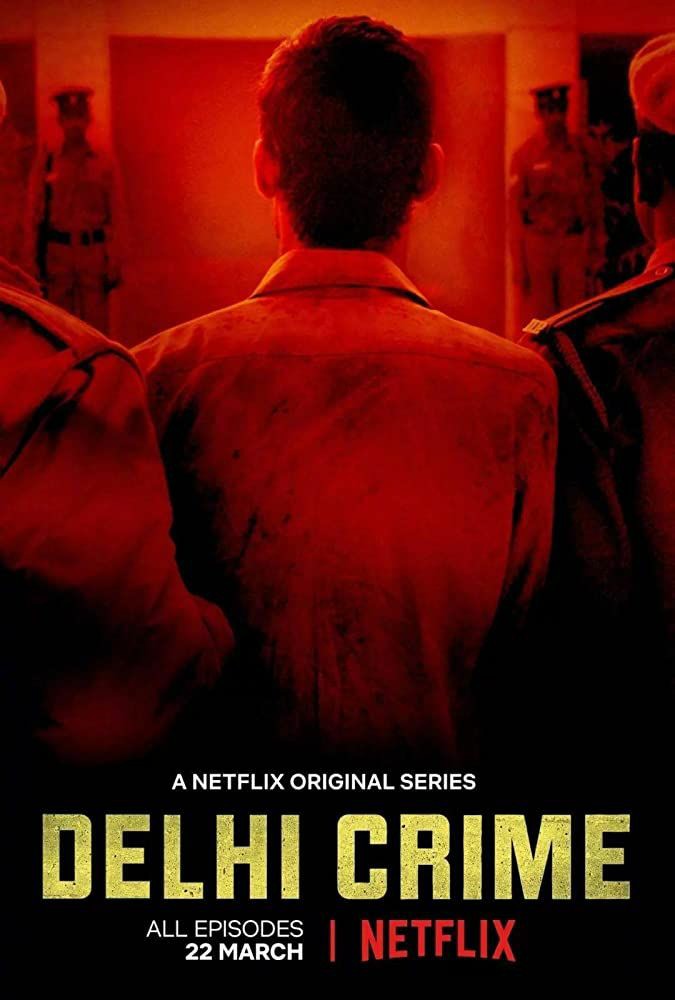
Delhi crime(2019- ), IMDb-8.5
Delhi Crime is an Indian crime drama streaming television series written and directed by Richie Mehta. It is a Netflix Indian original series produced by Golden Karaven, Ivanhoe Productions, Film Karavan and Poor Man’s Productions Starring Shefali Shah, Rasika Dugal, Adil Hussain and Rajesh Tailang, the series is set in the aftermath of the 2012 Delhi gang rape.
It received mostly positive response from critics praising the script, premise and performance of the main cast members. At the International Emmy Awards held in September 2020, Delhi Crime received the award for Outstanding Drama Series becoming the first ever Indian series to win this award
sacred games(2018-2019) , IMDb-8.6
Sacred Games is an Indian crime thriller streaming television series based on Vikram Chandra’s 2006 novel of the same name. India’s first Netflix original series, it was produced and directed by Vikramaditya Motwane and Anurag Kashyap as Phantom Films.Sacred Games is the only Indian series to appear on The New York Times’ “The 30 Best International TV Shows of the Decade” list.
Sartaj Singh (Saif Ali Khan) is a troubled police officer in Mumbai who receives a phone call from gangster Ganesh Gaitonde (Nawazuddin Siddiqui), who tells him to save the city within 25 days; the series chronicles the events which follow.
The family man(2019- ), IMDb- 8.8
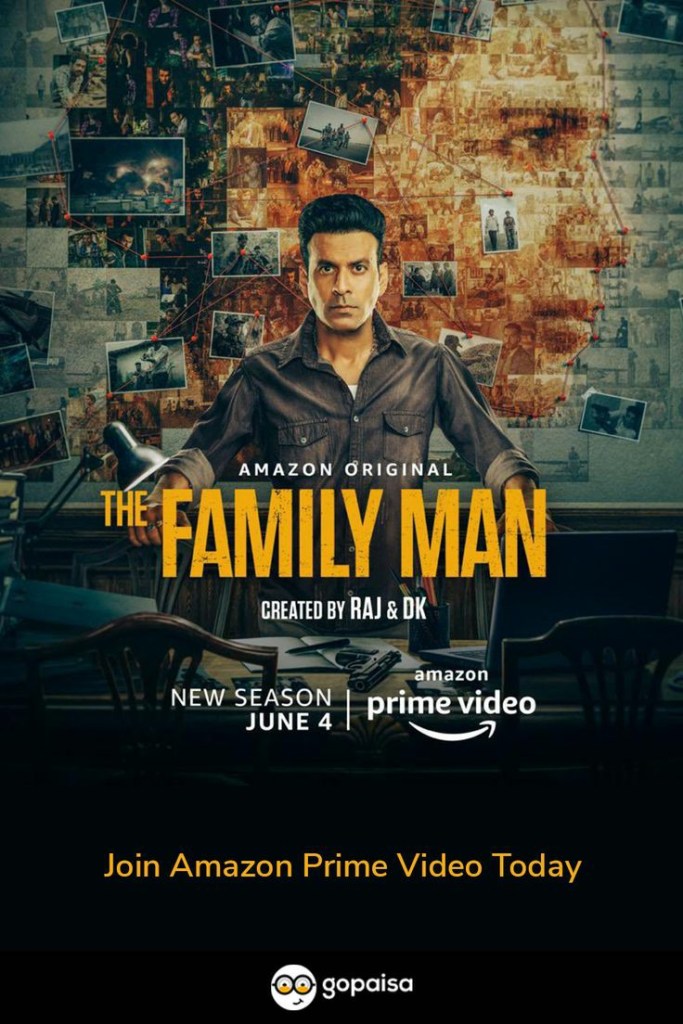
The Family Man is an Indian espionage action thriller streaming television series created by Raj Nidimoru and Krishna D.K. for the streaming service Amazon Prime Video.The series was announced in June 2018, with the filming of the first season began simultaneously in Mumbai, Delhi, Kerala, Jammu and Kashmir, Ladakh and was wrapped up within May 2019. Filming for the second season began in November 2019, and was wrapped up in September 2020.
It features Manoj Bajpayee as Srikant Tiwari, a middle-class man secretly working as an intelligence officer for the Threat Analysis and Surveillance Cell (TASC), a fictitious branch of the National Investigation Agency.
Scam 1992(2020- ), IMDb-9.5
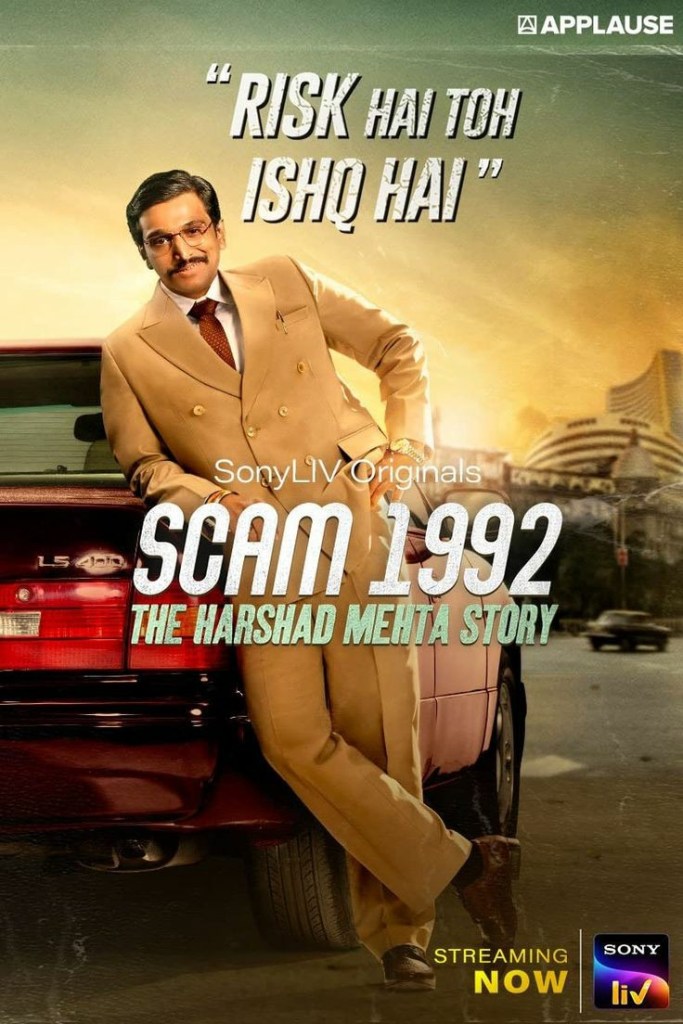
Scam 1992: The Harshad Mehta Story is an Indian financial thriller streaming television series on SonyLIV directed by Hansal Mehta. The series is adapted from journalist Sucheta Dalal and Debashish Basu’s 1992 book The Scam: Who Won, Who Lost, Who Got Away.
Scam 1992 was premiered on SonyLIV on 9 October 2020. The series eventually received praise from the performances of the cast members, writing and the major technical aspects. It became the most viewed web series on the streaming platform.In March 2021, SonyLiv and Applause Entertainment announced the second installment of the franchise titled Scam 2003. It is to be directed by Hansal Mehta.
for more information related to the topic , please vist the link below 👇
After independence, cinema became a vehicle for addressing social ills. Bollywood portrayed a society which was both desired and achievable. In the golden era of Bollywood films, from the 1950s to the late 1970s, an India which was rural but had vibrant and rich traditions was portrayed. Films show cased the relationships, customs, norms and ethics of Indian society.
“Kaagaz ke phool”, “Mother India”, “Pakeezah”, “Half Ticket” or “Padosan” are just a few titles from this golden era of Bollywood film making.”
But then came the 1980s, and the ” action era”. The Bollywood heroine lost her strength and space to her hero. Now as globalisation has taken hold, Indian cinema is becoming increasingly influenced by Western cinema.
The Indian Cinema Industry has changed significantly since 1947. Indian films are now competing on the world stage with western productions. Indian cinema portrays the essence of Indian society. The ethnic and traditional value of the Indian society, it’s cultural diversity and above all, the unty among the varied cultural and religious sects is highlighted by Indian cinema.
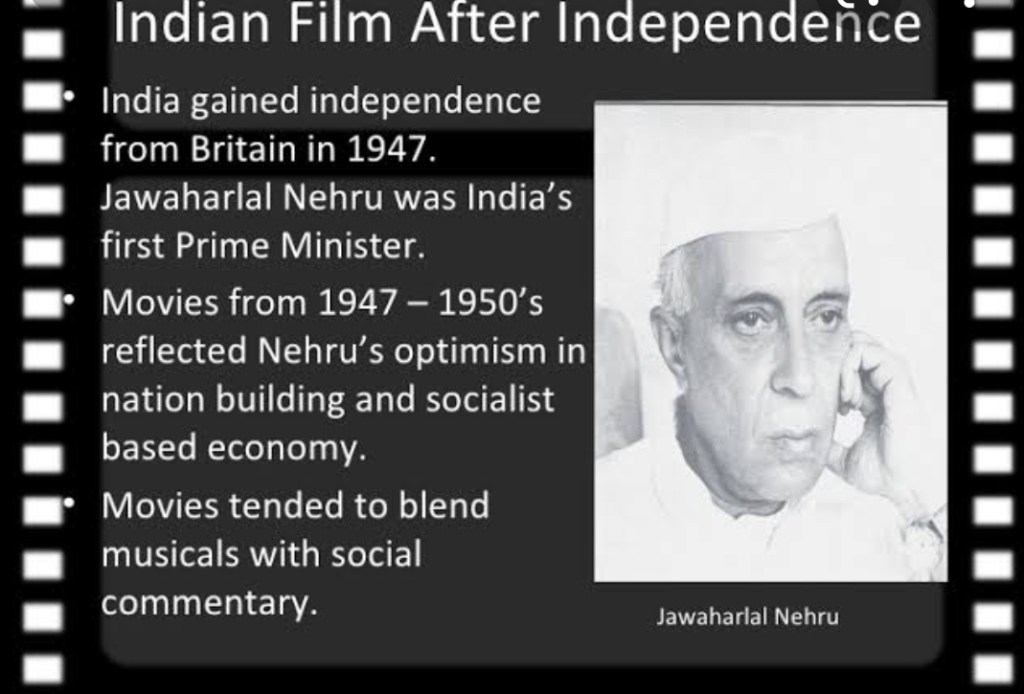
Some important films from the era that come to mind are “Andaz(1949)”, “Mother India(1957)”. These films are true to India’s first prime minister Pt. Jawaharlal Nehru’s ideals of modern India- developing cities, roads, dams, bridges, doctors, and engineers, being the emblem of modernity. This trend continues as Hindi cinema never failed to capture the nerve of the important historical events in post-colonial India.
The 1930s
Caste and religion based connotations are plenty; and these icons are understood to be the representations of a great cultural Indian past that need to be maintained.
“That day in 1931, on seeing the word ‘Swaraj’ in the title of Shantaram’s film Svarajyache Toran (Thunder of the Hills) and the poster of the film depicting Chhatrapati Shivaji hoisting a flag, the Head of the British Indian censor flew into a rage.”
“The most significant film made around that little-known saga was – Shatranj ke Khiladi (1977) by Satyajit Ray with Tom Alter (whose Urdu was as fluent as the Queen’s English) playing General Weston and Richard Attenborough as General Outram.”
As the Indian economy gradually opened up to the world, the Hindi cinema started catering to the growing influence of the Indian diaspora. Wel one stark difference is that the majority of the nationalistic films made today tend to embrace an extreme form of patriotism that can best be described as “jingoistic” in nature.
“Poet and film maker Gulzar plays Suneel, an Indian student studying in England, and as a part of the freedom movement, he delivers speeches on the campus. The commercial blockbuster Kranti (1981) claimed to be based on a true story of a freedom struggle between 1825-1875 but did not specify which one. “
“Another ‘faction’ 1942 A Love Story (1994) was a fine balance between one of bright romance and a nationalistic plot to assassinate the tyrant General Douglas. But the tail piece of the film succumbed to the stock make-believe variety.”






 Eduindex
You must be logged in to post a comment.