

10,000,000,000,000,000,000
10 quintillions, this gigantic figure represents the total population of insects flying, swimming, slithering, creeping, or crawling across the Earth’s surface, each one serving a critical role. It translates to almost 1.2 billion insects per person. There are more than 1.5 million known insect species, more than three times the total of other animals on the planet.
Even if their look repels us, a world without them would be uninhabitable. Insects are the unsung heroes of the ecosystem, and they need to be acknowledged.
But as per the findings, more than 40% of bug species are dwindling, with a third facing extinction. Insects have an extinction rate eight times higher than mammals, birds, and reptiles. Insects’ overall mass is decreasing at a rate of 2.5 percent every year, hinting that they may go extinct within a century.
What if all of the World’s insects simply vanished?
The results would be dire & catastrophic.
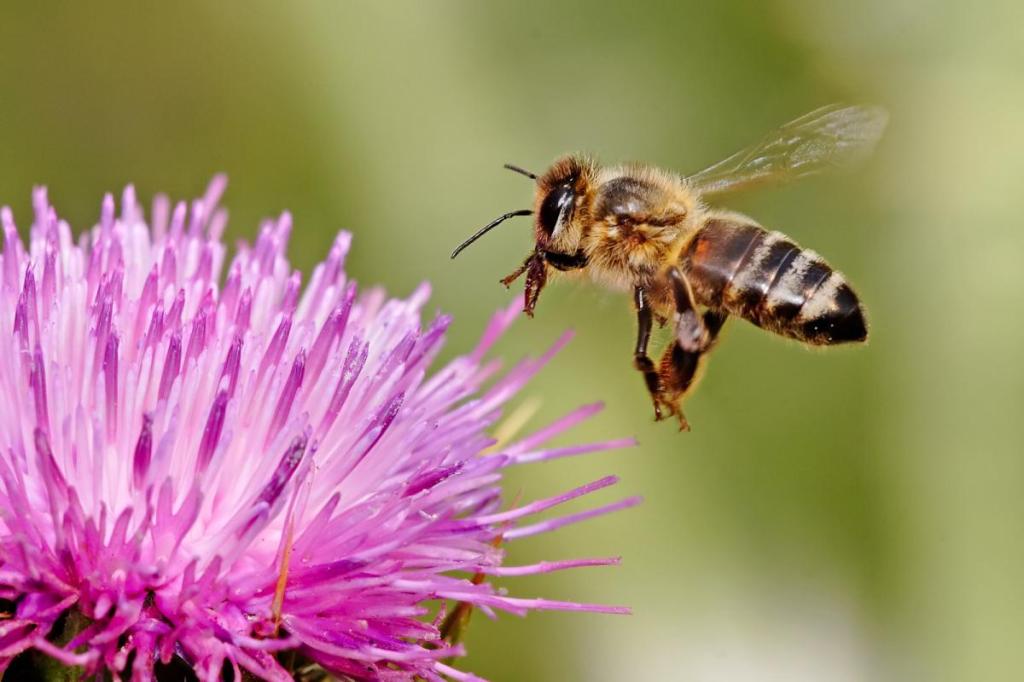
It would be a summer without singing cicadas and shimmering fireflies are over, and grocery stores with empty shelves. There will be no humming bees to pollinate apple, cherry, peach, or almond trees. Without pollination from mother nature’s bustling pollinators, harvests, flowers, and plants would be unable to generate seeds. The fields would be devastated.
Insects are crucial due to their diversity, ecological relevance, and impact on agriculture, health impacts, and natural assets. Insects provide the biological foundation for all terrestrial ecosystems. They recycle nutrients, pollinate plants, disseminate seeds, maintain soil structure and fertility, regulate other species’ populations, and serve as the primary food source for others.
They play a vital role in the food chain, providing a direct food source for a variety of species, including humans. Insects enjoy an infinite variety of meals. Plants, fungus, animal carcasses, dead bodies, decomposing organic detritus, and practically everything else they stumble upon in their environment are all devoured by these insects.
Nobody likes those obnoxious, crippling cockroaches, but without them, the entire ecosystem would collapse. With approximately 4400 identified species, they are widely distributed all over the world. But, These despised cockroaches are protein-rich meals for birds, rodents, and even people, in certain parts of the globe.
There are over 3,000 mosquito species, all of which feed birds, bats, frogs, and other creatures. Without mosquitoes, the Creatures that feed on them would famish.
Caterpillars and grasshoppers nibble plant leaves, aphids and planthoppers suck off the plant fluids, honeybees collect pollen and imbibe nectar, while beetles and flies eat the fruits. The larvae of wood-boring bugs devour the wood.
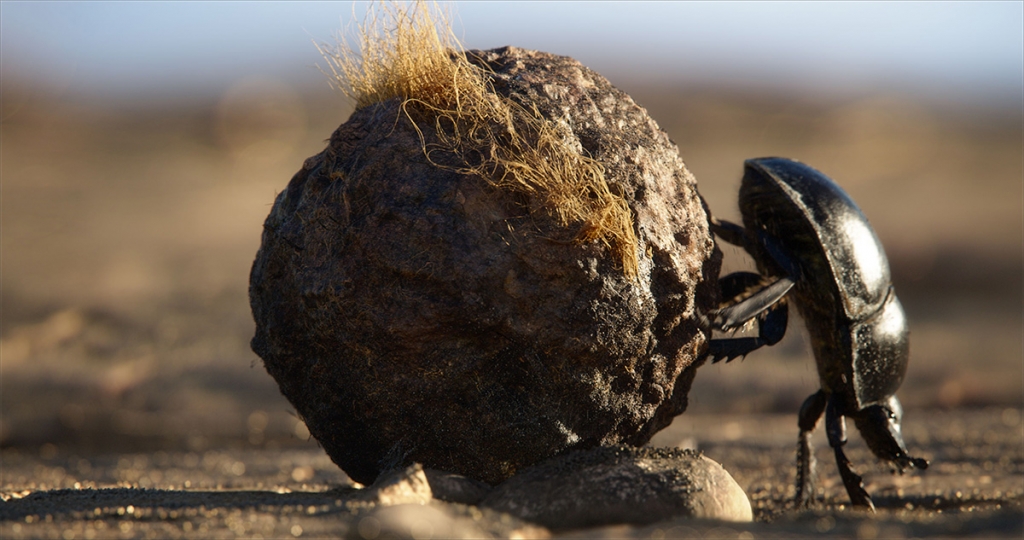
There are over 350,000 beetle species, and many of them, notably dung beetles, are thought to be dwindling. Without the dung beetle, one of the Planet’s top recyclers, the planet would face the worst feces problem. Nitrogen-rich poop could stack up, suffocating vegetation and hindering fresh growth. Earth would be a nasty mess without those little heroes.
Farms, forests, and wilderness would all crumble, leaving a trail of dead. That’s where flesh-eating beetles and other corpse-eating insects come into play. They feast on dead flesh until only bones are left. Insects have a critical role as primary and secondary decomposers. Without insects to efficiently decompose and eliminate waste, dead plants and animals would pile up, making things very messy.
Insects overlooked for their relevance in the food web serve as the primary food source for many amphibians, reptiles, birds, and mammals. Land-dwelling birds like purple martins, barn swallows, vireos, warblers, ickers, whippoorwills, and swifts rely predominantly on insects to survive. Insects like beetle grubs, termites, and honeybees, are often consumed as a source of nourishment.
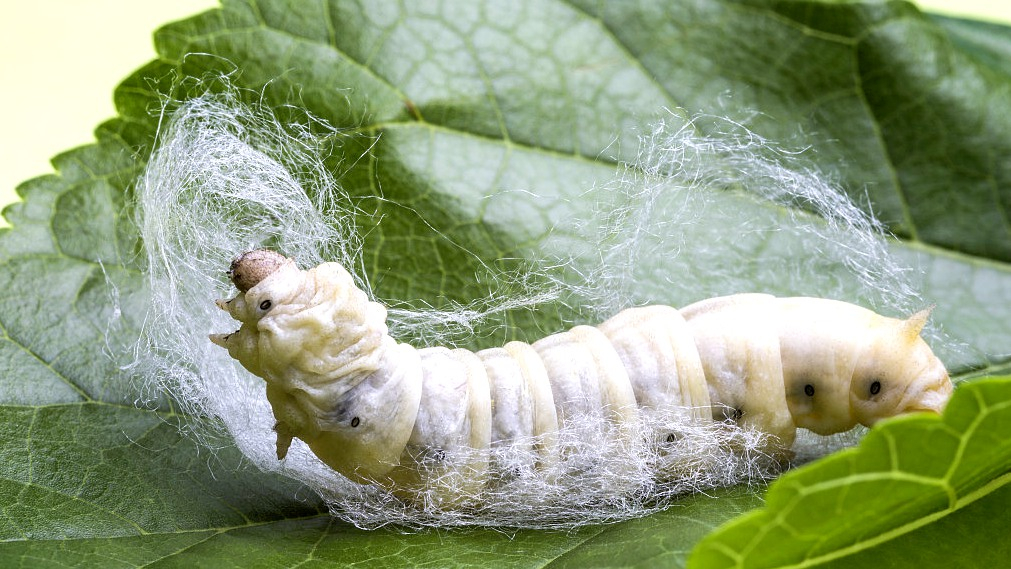
The silkworm, Bombyx mori, is the only source of commercial silk. The scale insects Datylopius coccus (Dactylopiidae) endemic to Mexico and Kermes vermilio (Kermidae) endemic to Europe provide red cochineal dye for fabrics and cosmetics. Bees produce honey.
Laccifer lacca (Lacciferidae), native to India, secrete shellac (a resin) used to make phonograph records and varnish. Salt cleaned by brine shrimp tastes better than salt that still contains the organism that the brine shrimp devour.
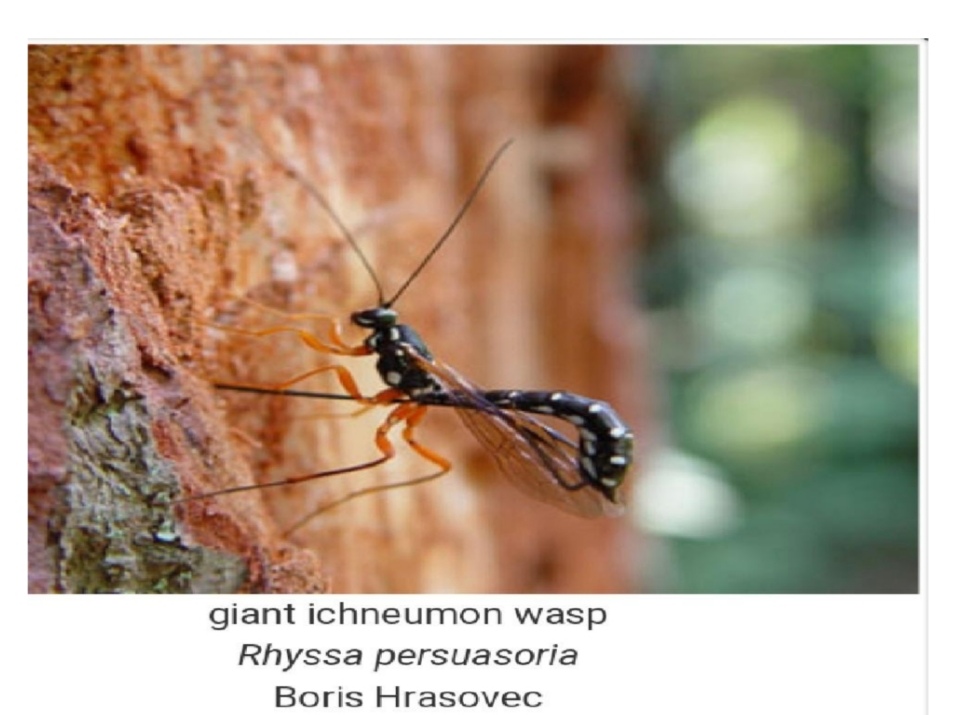
Parasites and predators, the bulk of which are insects, play a key role in maintaining the natural equilibrium. Many parasitic and predatory insects feed on plants or other insects or animals, or even humans. These insects are vital to keeping the pest population (insects or plants) in check.
Despite their many pleasant aspects, some insects can pose problems. Like the Arthropods, which spread various diseases like- malaria, yellow fever, dengue, West Nile virus, Lyme disease, ehrlichiosis, tularemia, Q fever, Colorado tick fever, Rocky Mountain spotted fever, plague, typhus, etc.
But it’s crucial to keep in mind that the good done by a vast variety of critical insects significantly surpasses any harm done by a few species.

 Eduindex
You must be logged in to post a comment.