
SOME ANIME INFLUENCED MAKING MY CHILDHOOD FUN

The variety of cartoon from my childhood time for which almost all kids from my generation have spend their all time watching is nothing compared to what the kids from these days generation are watching. And the biggest difference I make is that this generation shows have from mine were that most of the shows of my generation was anime and Japanese cartoon but now a days all the cartoon were shown to kids are mostly Indian based story cartoon and some rerun of my time anime.

I still remember how after doing my homework I run towards the tv punctually on 7 pm as the shows were to be start with good contented stories, continuity, good moral and each episodes make me curious at the end about all kind of the things like what gonna happen the next day. But the cartoon happens to kids favorite are all comical with no sense and no continuity , just for fun purpose only.

Some loved and epic shows still to be remembered and watched are –

  • NARUTO

Naruto was something else to talk about it was so popular around my time , bullshit it still is. As it being the anime of Japan dubbed in Hindi there was some changes in the line of story as the Naruto was parted into two- Naruto and Naruto Shippuden. In India, only Naruto was broadcasted Hindi dubbed and become much more popular than Indian cartoon were ever were among children around 9 and above. Popularity of cartoons are shown very different as their taglines becomes popular as in this case were the jutsu names, mainly the famous ” RASENGAN” were used in many imaginative fight between kids for fun.

  • DRAGON BALL AND DRAGON BALL Z

Dragon ball in one of the most famous anime broadcasted in India and were the most popular one among the kids. The story based on the baby found by an old man who named him Goku and his journey to learn martial arts and to fight the most powerful fighter around the world. As he moved forward with his journey he meet and make many friends and foes who he with and against fights for the world peace and sometimes for the dragon balls which makes some of the wishes of the callers true. With friends like Bulma, kuririn, Master Roshi , Piccolo etc being part of the gang and after being married to chichi and having a kid named Gohan and getting informed of him being a alien warrier species called “Saiyyan” bring more of the troubles in the name of “Vegeta” and with him the bigg boss ” frieza”. The most famous line of this show becomes the “KAMEHAMEHA” the powerful energy ball of attack and the real term call “CHI” the internal energy used in martial arts.

  • POKEMON

Pokemon was the only anime amongst the other animes whose mostly all season were broadcasted hindi dubbed in India. Story revolves around the main character Ash and his first pokemon Pikachu and his group of friends Misty and Broke, which he make during his journey to become a pokemon master was divided into many season based on regions while catching more pokemon to become more powerful. Most of the pokemon got popularity among kids, who chooses their own favourite pokemon and most popular was the one called pikachu, Bulbasaur, Charizard etc. This anime was the only one which was popular among all age group and gender kids because it involves both cute pokemon and the one who can fight.

  • TAKESHI’S CASTLE

Takeshi’s castle even being not an anime but still make it to this list as the fun and entertaining show is being among the kids was overwhelming in India and viewership wasn’t limited to just the kids but to adults also well with the show being what is was its expected to be like that. The fun format of the show was to have contestant over 80 to 150 people whom General Tani forced to participate in some series of physical challenges to eliminate half of the contestants and put them against his own henchmen and Count Takeshi in the FINAL SHOWDOWN. The best and fun part of the show find by the Indian viewer is the funny and witty commentary and comments by comedian Javed Jaffrey on the beaten and eliminated contestants. The funny henchmen and twisted and sadistic challenges were the attraction for the kids who find it funny and entertaining.
The Japanese Language and why learning it can be hard

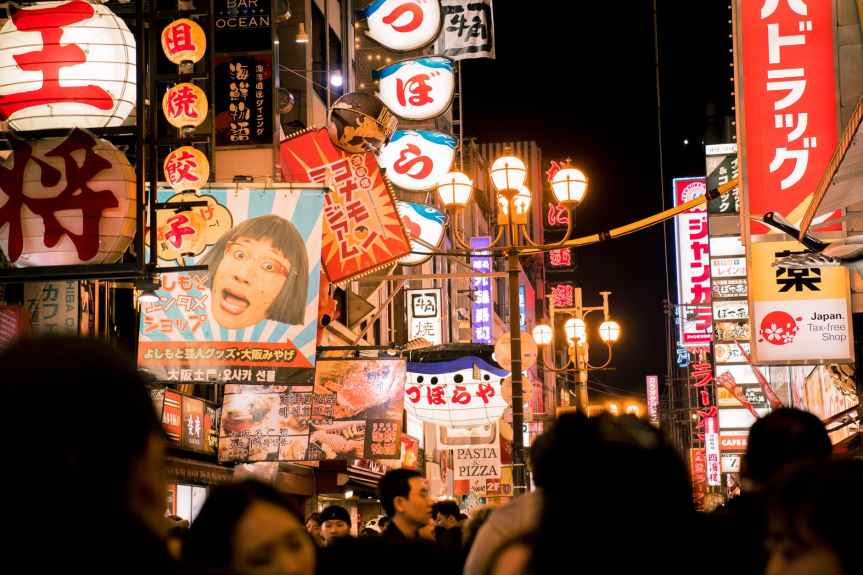
With the sudden increase in the Japanese Economical might after the second world war and its steady cultural impact due to technology, manga and cartoons, people have been more interested in Japanese culture than ever. Japan is still a largely conservative society with modernity picking up steadily despite an ageing population. But assimilating into that society can be hard. The most important reason being the difficulty a non-native shall face in learning their language.

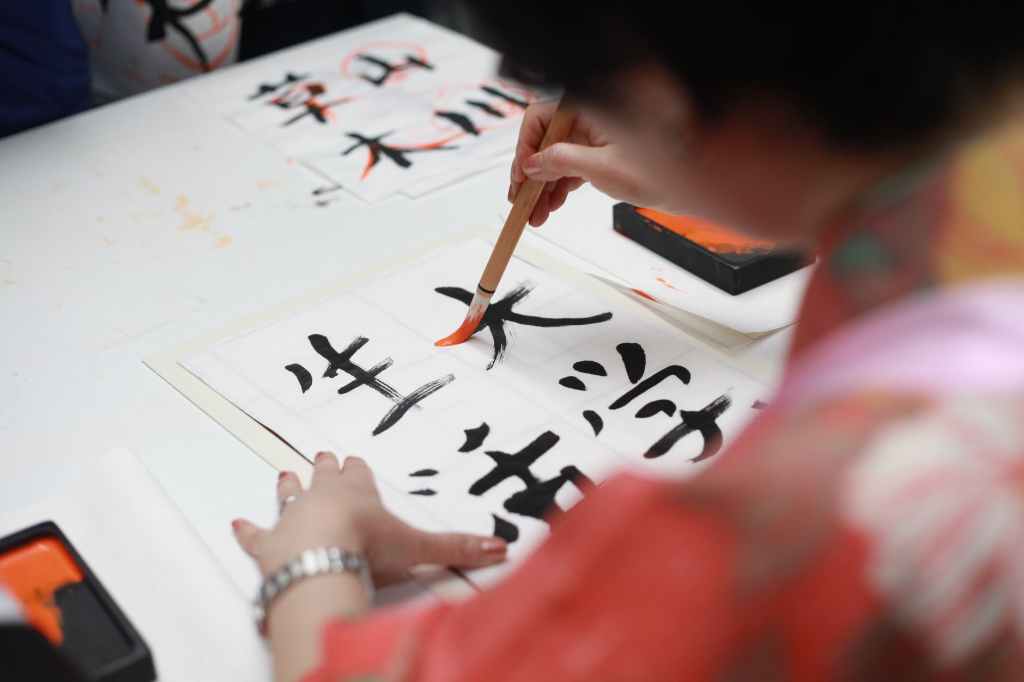
Modern Japanese is a fairly new language – just like modern Italian, French, Mandarin or Hindi. Before the Meiji restoration, every part of Japan had a local language that was similar to but nor exactly the way in which Japanese speak it today. Ancient and Medieval Chinese led to the formation of the script that the Japanese used. The Meiji restoration meant that Japanese as spoken in the court of Kyoto was exported to all provinces and the need for a new script was needed. This led to creation of three scripts in the modern times – the Kanji or the Old Japanese – the one influenced by ancient and medieval Chinese characters. The next are the two modern scripts – Hiragana script that is used to express vernacular terms and words in the vocabulary while the Katakana script is used to write words borrowed from other countries. For example AC and Fridge or refrigerator will be written in Katakana while Fuji, Tokyo etc will be written in Hiragana.

Now, the Japanese language unlike English, Hindi and Arabic is a phonetic language. That means that it does not have standard alphabets with vowels and consonants that then group together to form words but rather sounds that make the alphabets of the language. So, both the Hiragana and Katakana scripts have 72 characters each. And writing or using even these characters has to follow some non-standard rules of phonetics.

Finally, Japanese is a language with a very strict emphasis on seniority. While this exists in most other languages as well – except Roman languages like English, in languages like Hindi and North Indian Bhojpuri, Nepali Hindi, Tamil etc., it is only about the addition of suffixes to the root word or in languages like Urdu, there is no such seniority needed because all the people are addressed in a high degree of respect. Japanese however might have different words that have the same meaning but suit different situations – casual, formal or with elders.

Finally, please don’t say goodbye to a Japanese guy. That is considered rude. The better expressions are see you soon or take care.

Arigatou Gozaimasu! ありがとうございます

Happy Learning!

Things to learn from the Japanese

Photo by Engin Akyurt on Pexels.com

Japanese people have a unique way of living that provides many lessons for people willing to open their minds and understand their incredible culture. Japan boasts a nation of people who are incredibly kind, good-natured and polite.

The few things I learnt from them are :

REVERENCE TO PEOPLE

Japanese are masters of showing respect. Whether it’s the way they greet people they don’t know or their incredible attention to detail when it comes to developing relationships. The Japanese are mindful of respect at all times.

HARDWORK TO ACHIEVE GOALS

They work extremely hard to achieve their goals. Its for this reason that they’re one of the most pioneering, forward thinking nations on the planet! They work really hard in their careers, so they can support their families and work on self-growth.

VISIONARIES

Japan has some of the most pioneering technology companies on the planet, including Toyota, Nippon and Honda. The country has propelled its technological advancements to the forefront of human history. We must learn to believe in our vision, even if no one has achieved that.

DISCIPLINED LIFE

Discipline is akin to respect in Japan. To be disciplined is not to give in to your urges but to live a life that is respectable and based on profound will to do good for people.

CLEALINESS

In Japan, there is a general obsessiveness with cleanliness that starts in the home and extends to public spaces like parks and schools. It certainly makes the country an extremely pleasant place to be.