
Laws in India children need to know

Out of tons of subjects and important topics missing from our Indian curriculum, laws are one of the most important.

Here are some laws each and every child needs to be aware of, regardless of all variable factors:

I LAWS AGAINST CHILD LABOUR
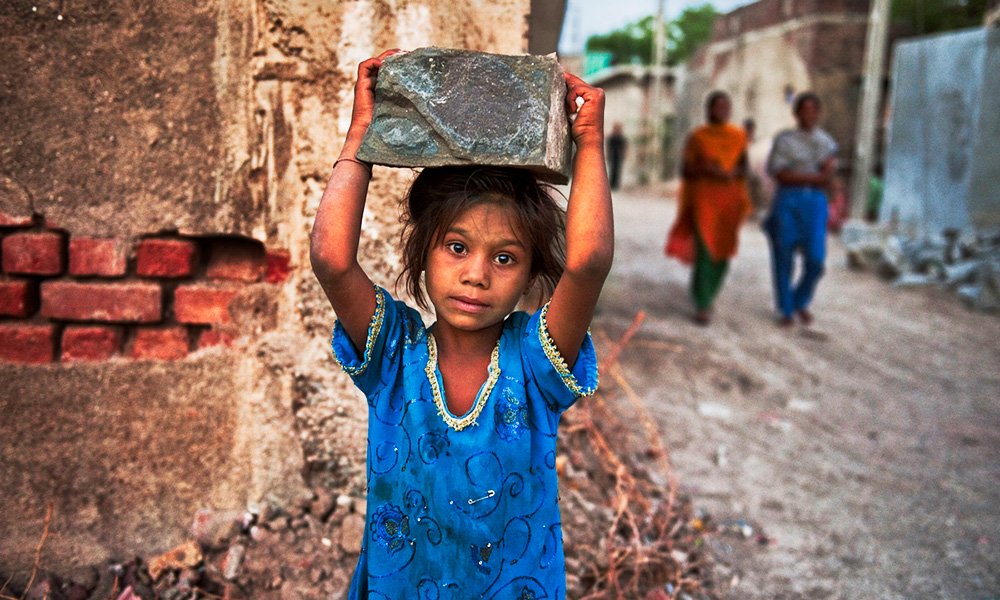
Image source: Google | Image by: Nikita Roy 

Children below 14 years of age – can work in family enterprise or entertainment industry as artists with certain conditions

Children between 14-18 years of age- cannot work in any factory, mine or any other hazardous setting, without exception

Children cannot be made to overwork or even work night shifts.

These laws are made clear in article 24 of the Indian constitution and acts that were passed in its pursuance.

II LAW AGAINST SEXUAL OFFENCES
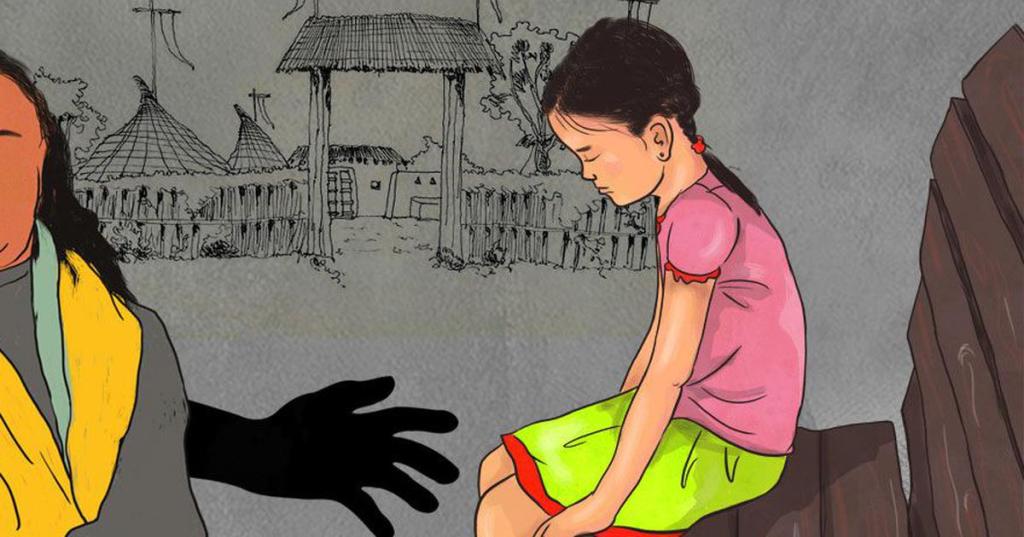
Image source: Google | Image by: Manisha Yadav scroll.in

The Protection of Children from Sexual Offences(POCSO), amendment Bill 2019 protects children below 18 against:

  • Sexual assault against children
  • Child pornography
  • Harassment
  • Drugs being administered to them to bring about early sexual maturity

POCSO aims at making offences against children gender-neutral.

III ENSURING FREE AND COMPULSORY EDUCATION
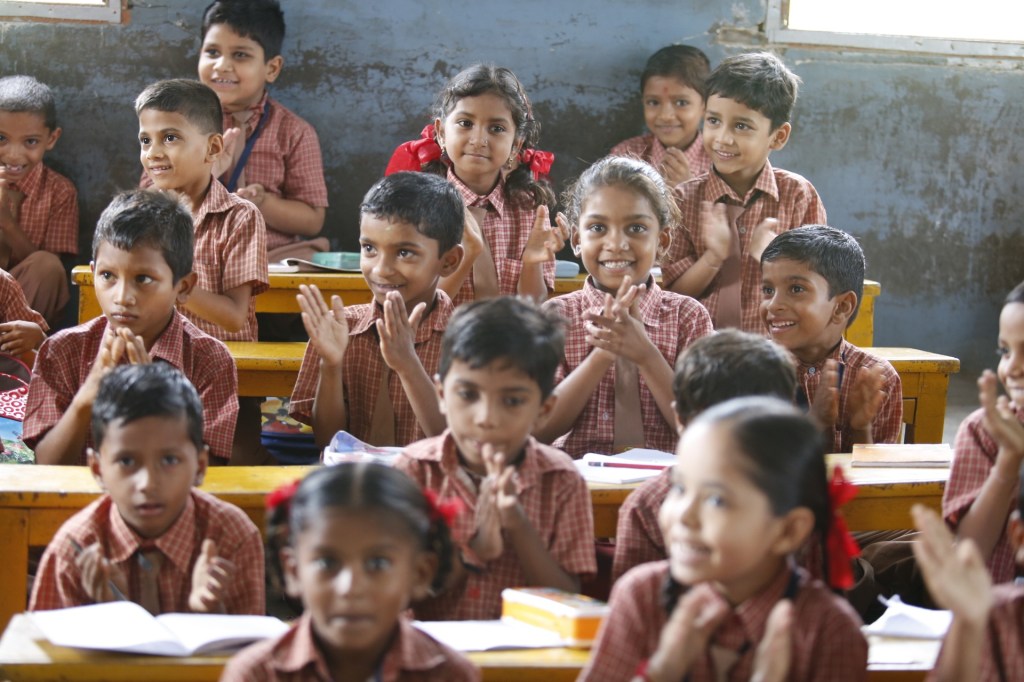
Image source: Google | Image by: Aprajita Jha

The Right of Children to Free and Compulsory Education Act or Right to Education Act (RTE), 2009, Article 21A of the Indian constitution, ensures free and compulsory education to everyone between 6 to 14 years of age. 25% of seats in all private institutions are reimbursed by the state to which kids are admitted based on economic status or caste-based reservations.

The Right to education of a specially enabled child (under 18 years of age) has separate legislation that is laid down under the Persons with Disability Act.

IV PROHIBITION OF CHILD MARRIAGE

Image source: Google | Image by: OBJECTIVE IAS

Any marriage in which either the boy is under 21 or the girl is under 18, is child marriage.

Prohibition of Child Marriage Act, 2006 serves the following purpose:

  • Prevents child marriages
  • Protects the children involved
  • Prosecutes the offenders

Child marriages, under the above-mentioned act, are cognizable and non-bailable offences. This law also prescribes punishment for performing, conducting and abetting child marriage. Permitting or promoting these marriages by the parents of a child is punishable.

POCSO penalizes penetrative sexual assault on a child by anyone related to the child through marriage

Section 375IPC penalizes sexual acts with a girl below 18 years of age, with or without her consent.

V LAWS AGAINST TRAFFICKING
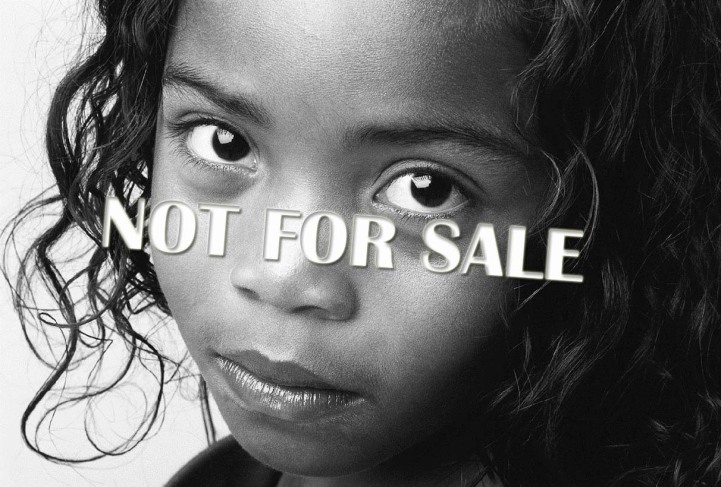
Image source: Google | Image by: Jessica Gooding

The Trafficking of Persons (Prevention, Protection and Rehabilitation) Bill of 2018 addresses this crime affecting mostly children and women.

This bill addresses:

  • Aggravated trafficking for forced labour
  • Begging
  • Trafficking by administering chemical substances or hormones for the purpose of early sexual maturity
  • Trafficking for marrying, under the ploy of marriage or after marriage.
  • Promotion or facilitation of such crimes

So these were some of the children specific laws other basic laws such as the right to equality, right to life, right against discrimination etc. should also be taught to children.

Here are some of the basic ways we can spread awareness:

  1. Including basic laws and fundamental rights in school textbooks.
  2. Making young parents aware of the laws.
  3. Workshops, seminars, etc. in educational institutions.
  4. Including them in cartoon shows and podcasts for children.

To all the parents reading this, ensure your child is safe and comfortable and make them aware of all the laws to ensure their well-being.

To all the children reading this,

If you’re being hurt in any manner, verbal abuse, beatings, bad touch, not being provided with essentials or absolutely anything that is making you feel uncomfortable, REPORT.

Here are some of the few actions you can take:

Image source: Google | Image by: Sage Day

Tell a trusted adult, your parents, grandparents, school counsellors or teachers. You can also tell a friends’ parent, or any other adult you trust.

Don’t have an adult you trust, don’t worry as there is support available, you can always call childline number 1098.

As a child being harassed, you might be threatened to stay mum, but it’s important you raise your voice.

If you think any of your friends or someone you know is being abused or suffering in any manner, you should tell your parents or teachers.

Child-friendly mechanisms are used in all stages of your case and you don’t ever need to hesitate to report when something unfair is happening to you. You don’t deserve that ordeal.

References:

  1. https://byjus.com/free-ias-prep/right-against-exploitation-articles-23-24/
  2. https://www.firstpost.com/india/child-labour-act-govt-allows-under-14-children-to-work-in-non-hazardous-family-enterprises-2242120.html
  3. https://www.business-standard.com/about/what-is-pocso
  4. http://righttoeducation.in/know-your-rte/about
  5. https://timesofindia.indiatimes.com/blogs/legally-speaking/legal-status-of-child-marriages-in-india/
  6. https://www.thehindu.com/opinion/op-ed/preventing-trafficking/article23325538.ece

THE SCIENTIFIC AND NORMATIVE VALUES ON JUVENILE JUSTICE

Recent breakthroughs in neuroscience, particularly enhanced Magnetic Resonance Imaging (MRI) techniques, have given scientists and policymakers a more comprehensive knowledge of how our brains evolve from birth to adulthood. While these studies are still in their early stages, they have already demonstrated that the brain continues to develop long after an individual becomes a legal adult (i.e., at the age of 18), and that the slow maturation process that occurs in the social context is mirrored by a slow maturation process in the neural domain. Despite the tentative nature and ambiguous meaning of this information (i.e., we don’t yet understand the actual link between brain structure and behavior), neuroscience is becoming increasingly involved in long-standing debates about juvenile justice and the extent to which adolescents can be held legally responsible for their actions. Roper v. Simmons, in which the Supreme Court prohibited the death penalty for juvenile criminals under the age of 18, is the most significant example of this tendency to date. Christopher Simmons’ prosecution, sentencing, and habeas corpus petition were the focus of the case after he brutally murdered an elderly woman during a burglary when he was 17 years old. Although the execution of minors was historically regarded acceptable in American culture, the Court ruled that a national consensus had evolved that such a penalty was cruel and unusual, and thus violated the Eighth Amendment. The majority agreed with Simmons’ assertion that teenagers lack the emotional, intellectual, and biological maturity required to be consistently categorized as criminals. Adolescents should be punished for their misdeeds, but they should not have to pay the ultimate price for impulses they couldn’t control. Simmons’ claim was based on fresh brain imaging findings that suggests the adolescent brain is not as mature as the adult brain.

Neuroscience was conspicuously absent from this debate. Developments in brain research that investigate problems of culpability and “blameworthiness” of adolescent offenders are increasingly informing juvenile justice policy around the world. Simmons was 17 years old in 1993 when he robbed a woman, tied her up with electrical cord and duct tape, and flung her over a bridge, similar to the juvenile implicated in the December 16, 2012 gang rape in New Delhi. He was convicted and condemned to death by a Missouri court in 1994 when the case went to trial. By 2004, the Simmons case had reached the United States Supreme Court, which ruled a year later in a historic judgment that capital punishment for crimes committed while under the age of 18 was unconstitutional. To determine the “age of knowledge,” the decision relied on neuroscience and advances in brain science. So, what does science need to say about the Indian government’s decision to permit 16-18 year olds to be tried and sentenced as adults? Simply said, science does not support the decision.

The age of understanding in India is 18 years old, according to the Juvenile Justice (Care and Protection of Children) Act of 2000. And so, legally, a person beyond that age might be held fully liable for his actions. However, neuro-scientific developments within the past decade prove that brain development continues till the person is well into his twenties.

In 2007, the National Institute of Mental Health (NIMH) in the United States examined the brains of over 1,000 healthy children aged 3 to 18. Researchers conducted the Magnetic Resonance Imaging (MRI) scans and followed the particular physical changes within the adolescent brain; believe that brain maturation peaks around the age of 25. “Part of the brain that assists organization, planning, and strategizing is not completed being built yet,” according to a 2005 research titled Adolescence, Brain Development, and Legal Culpability. It’s a little unfair to expect [adolescents] to have adult organizational skills or decision-making abilities before their brains are finished developing.” According to available neuro-scientific data, the frontal lobe, especially the prefrontal cortex, is among the last parts of the brain to completely mature. The frontal lobes are in charge of impulse control, decision-making, judgment, and emotions, and are thus critical when determining “culpability” in cases of juvenile delinquency. Further, we now know conclusively that teenagers tend to be impulsive and susceptible to mood swings because the limbic system — which processes emotions — remains developing.

Many research works have established that under conditions of chronic and severe stress in rats, the prefrontal cortex can shrink by up to 40 per cent leading in brain cells in this area losing their capacity to process information properly. The hippocampus, which is crucial for forming memories of daily facts and events, additionally damaged during a similar fashion.

Thus, the parts of the brain that is crucial for processing information about specific events, and making careful decisions based on them — such as applying the brakes on high-risk behavior — are severely compromised. The amygdala, the emotional centre of the brain that is involved in fear, anxiety, and aggression, on the other hand, is pushed in the other way by stress by making its neurons grow bigger and stronger. Surprisingly, MRI imaging reveals that people with stress disorders experience identical alterations in their brains.