Indian Classical Dance: Kathakali

Kathakali is one of the eight major classical dance forms as recognised by the Sangeet Natak Academy. Other dance forms that Sangeet Natak Academy recognises are, Kathak, Manipuri, Sattriya, Odissi, Kuchipudi, Bharatanatyam and Mohiniattam

Kathakali is a narrative dance form, from the state of Kerela. Kathakali is the amalgamation of two words, ‘Katha’ which means story, and ‘kali’ means a dance or a performance, in Malayalam. The dance form is based on the stories from Ramyana, Mahabharata and stories from Shaiva literature. Although not clearly traceable, it be believed that this classical dance from originated in the late 16th and early 17th century India.
Distinct features

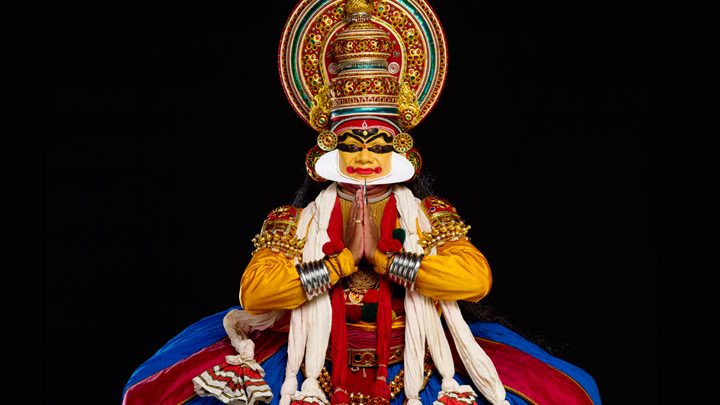
The art form developed in courts and theatres of Kerala’s dynasties, that is, it was an outcome of a long line of theatrical practices, contrary to other Indian classical dances which predominantly developed in Hindu Temples and monastic schools. Another distinct features was, unlike other classical dance forms, Kathakali is traditionally performed by only male performers, who play the role of both males and females.

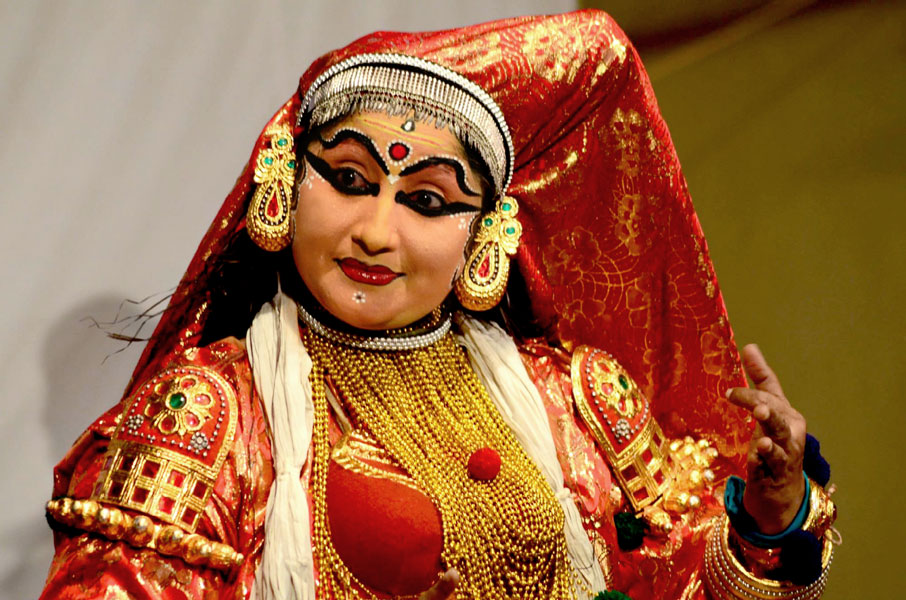
Kathakali involves the use of intricate make-up code, costume, face masks, head dresses and brightly painted faces. The colourful make-up of Kathakali performers is quite complicated and unique among all the other classical dance forms. The intricate make-up is called vesham, which is based on the psychology of colour. The costumes consists of full skirts, a heavy jacket, numerous garland and necklaces, and headgears.
Five main roles

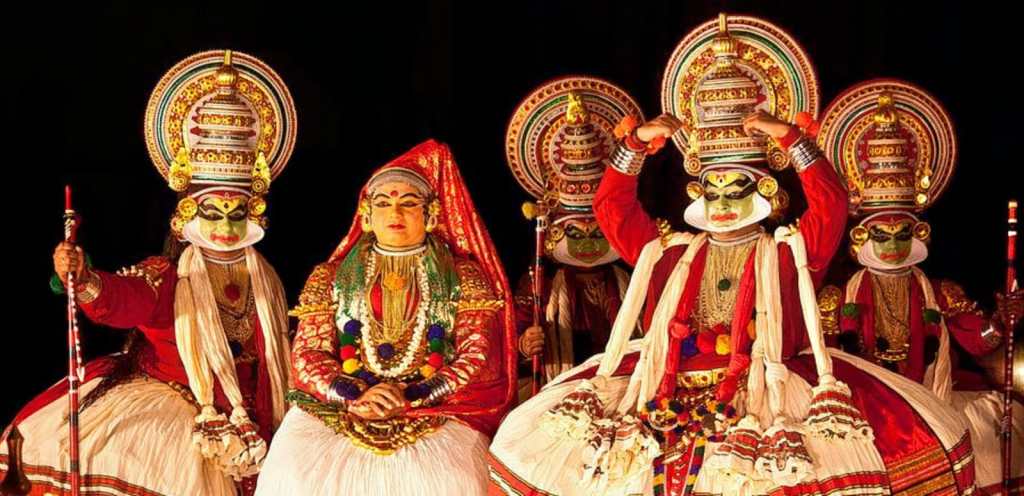
Kathakali is a highly expressive dance form and requires vigorous trainings to be able to deliver such precision and mastery. In order to deliver such performances, make-up plays an important role in classifying the character in Kathakali. Thus, there are five important character veshams (make-up) in Kathakali, they are;

  • Pacha vesham– It is a green coloured make up on the face that is used to portray noble male characters like kings and divine beings.
  • Kathi– It denotes arrogant and evil character. The make is basically green showcasing that they are high born, but a red mark like an upturned moustached or knife (Kathi) is painted on the cheeks to show they are evil.
  • Kari vesham– This is the colour black,  and it is used for demonic characters, playing the most heinous figures on the stage.
  • Minukku vesham– It symbolizes gentleness and high spiritual qualities, denoted by using radiant lighter colours.
  • Thadi vesham– This refers to the beard, it can vary in length and colours, depending on the gravity of the character.

Apart from these five character veshams, there are eighteen other special characters that cannot be fitted into any particular category.
Kathakali in the present times

Traditionally Kathakali dances revolved around themes from religious sagas, legends, mythologies, folklores and spiritual tales, derived from the ‘Puranas’ and the Hindu epics. However, apart from such traditional themes, the modern day Kathakali troupes have also incorporated themes based on legends from Christianity and also adapted themes based on stories of renowned western authors such as William Shakespeare and more.

Another development that can be seen in present day Kathakali is the inclusion of women in the troupes. Traditionally Kathakali was performed by an all-men troupe who played the parts of both men and women. But now, this seems to be changing, as there has been a growing number of women participating in performing the dance form. This new changes have been welcoming, and viewers are accepting and appreciating these changes to an extent.

                    However, certain things remain the same such as beginning the performance by lighting a lamp and playing orchestra music, and the voiceover continues to be in Sanskritised Malayalam. Kathakali as a dance form not only entertains us but also provides a window to have a glimpse into the past and an opportunity to comprehend the ancient heritage that has been preserved for centuries through Kathakali performances.  
Wildlife crimes rise by 100% in a year in Kerala

KOCHI: Wildlife-related crimes have increased dramatically in the state and there has been a 100% rise in the number of cases registered in 2020 compared to the previous year.

According to data obtained under the Right to Information (RTI) Act, the state registered 303 cases in 2020 as against 151 in 2019 and 61 in 2018. As many as 156 cases were recorded in the state in 2021 till August 26 this year.


Most cases pertained to poaching of endangered animals and reptiles, hunting for meat and illegal trading and possession of horns, tusks, nails, and teeth. Removing tusks or nails and collecting meat from animals that died naturally is also an offence. More than 80% of the total cases registered each year are in connection with poaching of wild animals other than wild boars that cause extensive damage to standing crops.

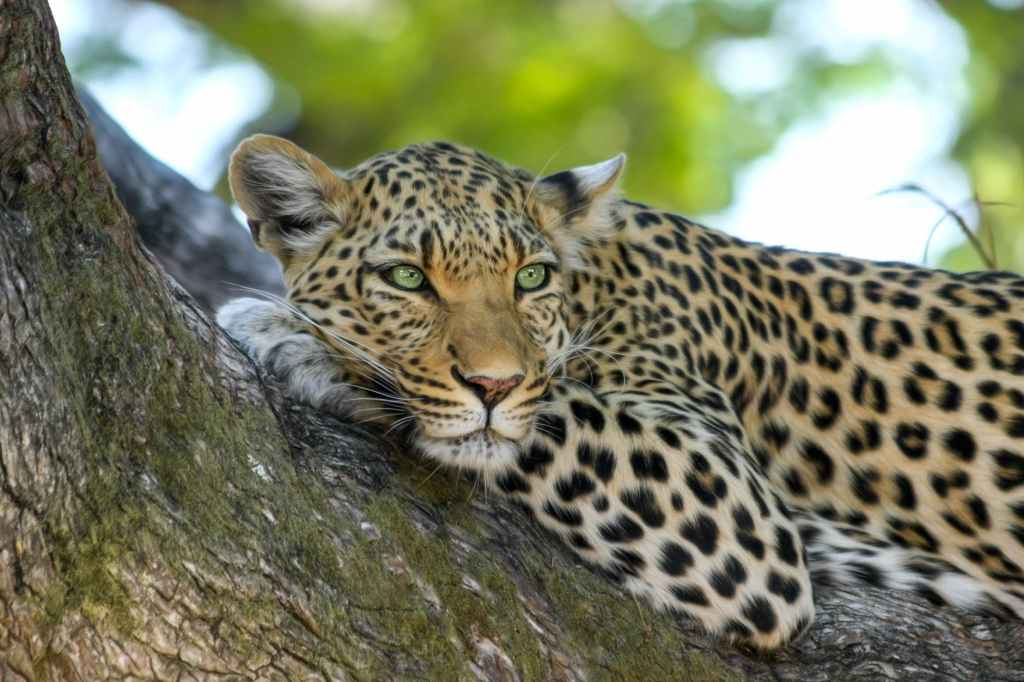
Besides wild boars, sambar deer, spotted deer, porcupines, monitor lizards, pythons, civets and turtles are among those that fall prey to poaching. Occasionally, elephants, leopard, tigers and wild gaurs are also hunted down, say the data.


“Since movements were restricted during the Covid period, people living adjacent to forests got more opportunities to engage in poaching. Poachers have also improved their intelligence gathering. The presence of wild animals also increased in the fringe areas, leading to the rise in poaching incidents,” said a member of a flying squad of the forest department.


People also lay electric wires to electrocute the animals, besides using poisoning too.
Besides killing the animals, depriving them of food is also an offence, as the data show. Among the registered cases, two are in connection with freeing chickens from the mouth of a python forcefully.

Beauty of Kerela

KERALA: The god’s own country is one of the major tourist attraction as well as the best honeymoon destination in India. The land of God, Kerala is believed to be a gift of the Arabian Sea. The pride of Kerala are Gorgeous and Exotic Beaches , Breathtaking hill Stations,Enchanting waterfalls, Beautiful lagoons, Meandering rivers and Amazing natural scenarios. These colors are made Kerala as a land of beauty and paradise on earth. Kerala is also famous for its Ayurvedic treatments, high mountains, gorges and deep-cut valley, lush and evergreen rain forest and coconuts water and oil and foods items. Kerala houseboats are first and best preference of the tourist to enjoy their moments in beautiful lakes of Kerala. The Idukki dam is the first Indian arch dam in Periyar river Kerala and the largest arch dam in Asia. Shopping, museums and markets are also best way to explore Kerala. 

Reasons to visit KERELA

Beaches: Sea, Sand and Sun are the gifts given by the god, which makes Kerala the land of most delightful beaches in the world. Kerala Backwaters offers a series of beaches that are perfect for a relaxing time with your love one. Some of the best beaches in Kerala are Kovalam, Cherai, Varkala, Kappad, Muzhappilangad and Bekal. Watch the sunset along with the blue water beaches of Kerala is the best way to end your day and start a romantic night.

Natural beauty: Kerala the land of beauty is describes as the favourite child of nature, and famous for its breath-taking natural beauty. Major attraction are includes long coconuts tree, the blue mountain and rivers makes Kerala one of the greenest places ever seen. The beautiful milky falls of water splashing through the rocks should not be miss. Other attraction are Vembanad lake India’s longest lake, Sasthamkotta lake.

Hill Stations: There are many hill stations in Kerala which offers the best spectacular views of the nature. Munnar one of best hill destination in kerala and one of the famous hill station in India. The other beautiful hill stations are Ponmudi,Nelliampathi, Ponmudi and Wayanad Hill Station. These hill stations of Western ghats are one of the best place for trekking in India .

Wildlife: The Land of God, Kerala has a rich culture in Flora and Fauna. Kerala is the only state in India where highest number of Indian Elephants are found. The best place for wild animals are Silent Valley,Periyar national park and Tiger Reserve,which is situated high in the ranges of the western ghat.

Cuisines: After the enjoyments, foods are the next thing in mind. Kerala has a rich and unique flavor of foods like sea food , malayali cuisines and banana dishes. Kerala is famous for its spices and its spicy recipes of vegetarian and non vegetation food. Best cuisine of Kerala is Meen curry – Kerala style fish curry made in fried coconut.

Mountains of tea:It’s the plant behind another beverage that gives the area around the hill station town of Munnar, in east Kerala, its famously vibrant shade of green. In this part of the Western Ghats mountain region, the steep hillsides are covered with about 60,000 acres of tea plantations — an industry begun by the British, who established the plantations in the late 19th century.