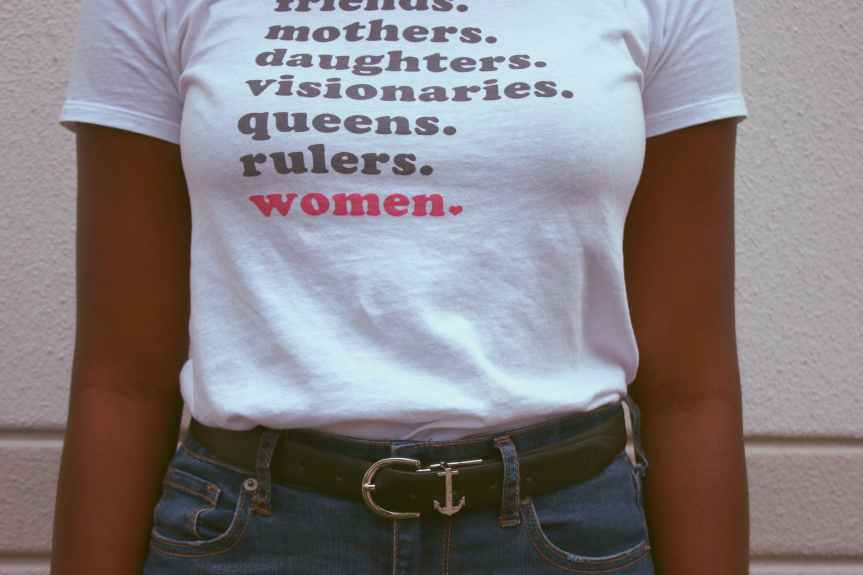
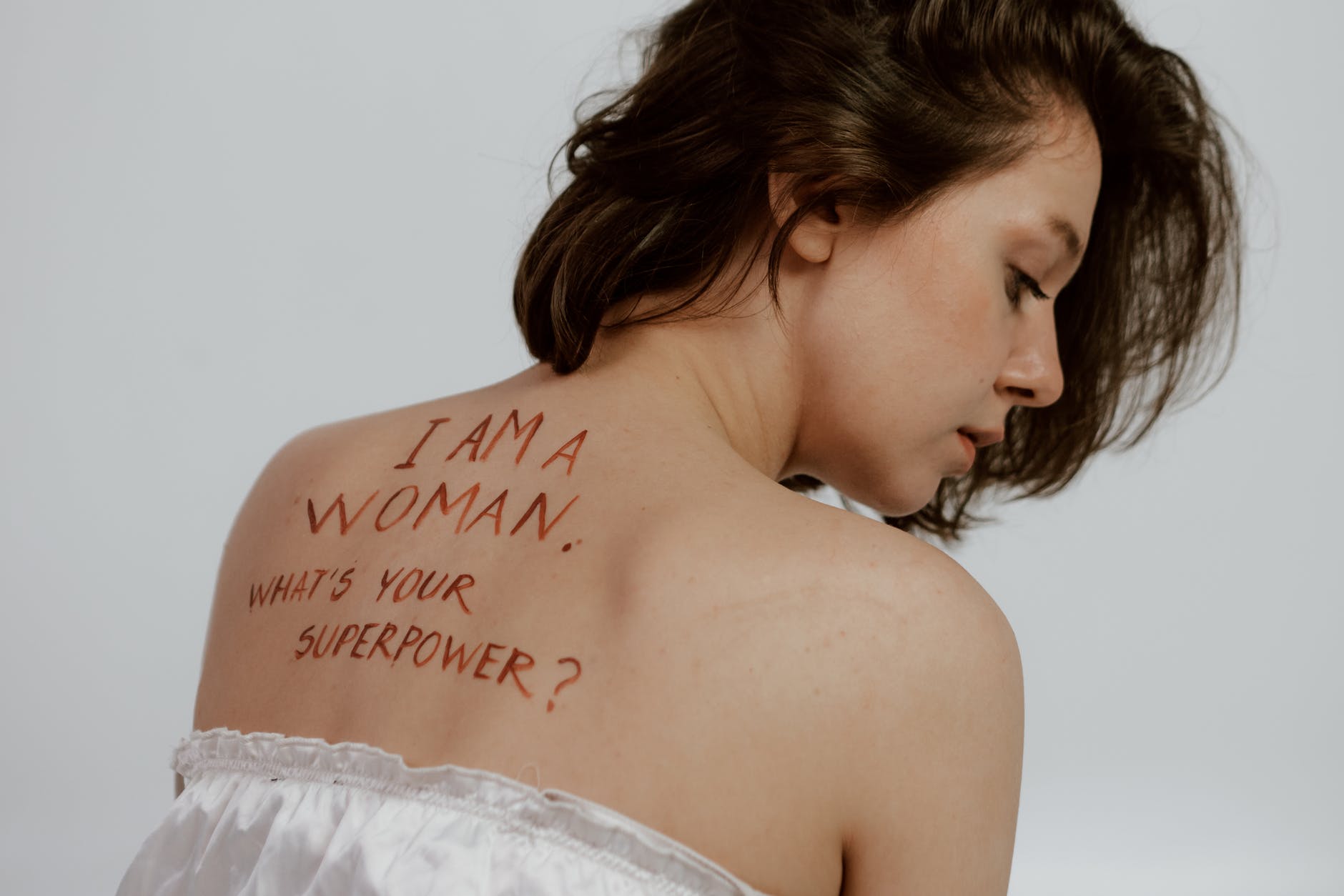
Feminism is the advocacy of the equality of the sexes. It does not seek exploitation and harassment of men by women in any field as many ‘intellectuals’ think! It only seeks to eradicate the violence against women and their poor treatment by their male counterparts wherever it is happening. People think feminism is giving women another superpower through which they can rule others , but this is not the true side , Feminism means equality in education & professional fields , equality in terms of rights , & this equality is not only for women but for men also . Feminism seeks to achieve the political, economic, personal, and social equality of BOTH the sex & not just females. Societies around the world often give exclusive rights and privileges to men (like standing up for themselves without being branded as being ‘loud’ and ‘bossy’, doing what they love to do, not being responsible for bringing up the kids and many more!) while women, in general, are treated unfairly. Feminism fights against gender stereotypes and seeks equal educational and professional opportunities for women. Feminists work for women’s rights, like the right to work, to remove the gender pay gap, to get an education, to have equal rights and respect within marriage, and to have paid maternity leave , to do what ever they want to , etc.
FIVE REASON WHY FEMINISM IS STILL A NEED OF THE HOUR ARE :
Gender inequality is very bad for women health : Gender inequality is bad for women health , it makes them think that they are not superior to others , which leads to bad mental health . Further mental health leads to many diseases like PCOD, heart diseases, etc.
Equal pay for all genders : Since work hours are same , so should be the pay range is the moto of feminism. Women are often paid less as compare to men & gives the reason that they work less , this belief should be removed & females should be paid equal to men .
Education : Girls are pressurized to marry , then what about their dreams & education ? This is why we need feminism , just like men are asked to study so do women should have been asked too .
Right to work : Still there is this stereotype in our brain that women can not do this job or this job is not meant for women . to remove this thinking from the society , feminisms is the need of the hour.
Have equal rights & respect within the marriage .
At last i would like to conclude this article with a quote , ” Feminism is not a dirty word. It does not mean you hate men. It does not mean you hate girls that have nice legs and a tan, and it does not mean you are a bitch or a dyke, it means you believe in equality.”
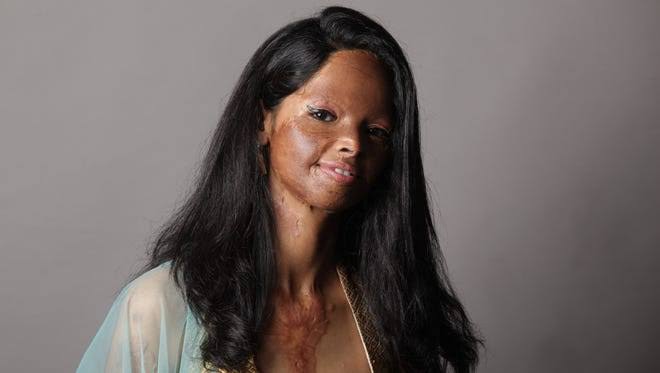
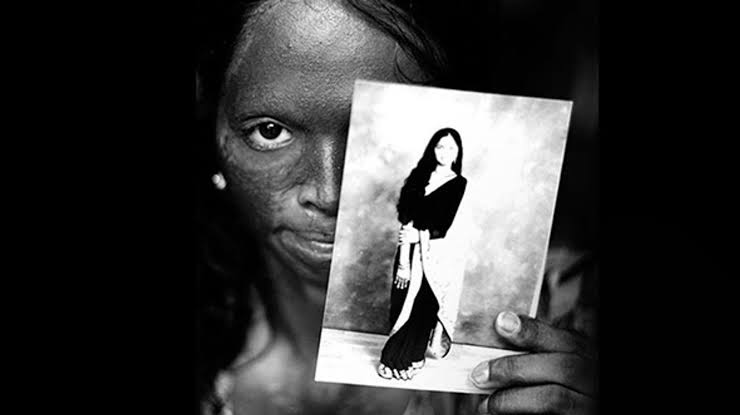
Acid Attacks …why??? The person you love if doesn’t love you back you will do the shameless act!!!!! Why People are mute .. why they don’t talk about this ruthless act…… The Perpetrators of these attacks throw corrosive liquids at their victims, usually at their faces, burning them, and damaging skin tissue , often exposing and sometimes dissolving the bones. Acid attacks can often lead to permanent blindness.
Don’t let your looks make you stop
IN INDIA
In India, acid attacks are at an all-time high and increasing every year, with 250–300 reported incidents every year, while the “actual number could exceed 1,000, according to Acid Survivors’ Trust International”.
THE MOTIVES OF PERPETRATORS
Some of the most common motivations of perpetrators include:
Personal conflict regarding intimate relationships and sexual rejection Sexual-related jealousy and lust Revenge for refusal of sexual advances, proposals of marriage, and demands for dowry Racial motivations Social, political, and religious motivations Gang violence and rivalry Anti-minority discrimination Conflicts over land ownership, farm animals, housing, and property
You are beautiful the you are
ARE WOMEN SAFE
Are women safe?????? I question again are women safe in our motherland. Every day each and every women wears a shroud of fear , staying alert and trying to fight all the odds of attacks. Maybe it’s molestation,attacks, rape , why!!!men why ?? Why do we forget we all came from the womb of some woman who fought for 9months just to give birth to someone who will make another woman’s life hell.. NO NO NO… We all have to fight against the odds of the men where our mother our sister our lover becomes a part of a ruthless act killing them mentally, Physically, emotionally and most importantly the way in which society see her changes …let’s us all come together to fight the demons and kill the devil’s threating our goddesses…I am taking vow of fighting the Maoists and I request all of you to be together to create a better place to live….
Gender equality is, first and foremost, a human right. A woman is entitled to live in dignity and in freedom from want and from fear. Empowering women is also an indispensable tool for advancing development and reducing poverty. Empowered women contribute to the health and productivity of whole families and communities and to improved prospects for the next generation. The importance of gender equality is underscored by its inclusion as one of the eight Millennium Development Goals. Gender equality is acknowledged as being a key to achieving the other seven goals. Yet discrimination against women and girls – including gender-based violence, economic discrimination, reproductive health inequities, and harmful traditional practices – remains the most pervasive and persistent form of inequality. Women and girls bear enormous hardship during and after humanitarian emergencies, especially armed conflicts. There have been several organisations and institutions advocating for women, promoting legal and policy reforms and gender-sensitive data collection, and supporting projects that improve women’s health and expand their choices in life. Despite many international agreements affirming their human rights, women are still much more likely than men to be poor and illiterate. They usually have less access than men to medical care, property ownership, credit, training and employment. They are far less likely than men to be politically active and far more likely to be victims of domestic violence. The ability of women to control their own fertility is absolutely fundamental to women’s empowerment and equality. When a woman can plan her family, she can plan the rest of her life. When she is healthy, she can be more productive. And when her reproductive rights — including the right to decide the number, timing and spacing of her children, and to make decisions regarding reproduction free of discrimination, coercion and violence — are promoted and protected, she has freedom to participate more fully and equally in society. Gender equality implies a society in which women and men enjoy the same opportunities, outcomes, rights and obligations in all spheres of life. Equality between men and women exists when both sexes are able to share equally in the distribution of power and influence; have equal opportunities for financial independence through work or through setting up businesses; enjoy equal access to education and the opportunity to develop personal ambitions. A critical aspect of promoting gender equality is the empowerment of women, with a focus on identifying and redressing power imbalances and giving women more autonomy to manage their own lives. Women’s empowerment is vital to sustainable development and the realization of human rights for all. Where women’s status is low, family size tends to be large, which makes it more difficult for families to thrive. Population and development and reproductive health programmes are more effective when they address the educational opportunities, status and empowerment of women. When women are empowered, whole families benefit, and these benefits often have ripple effects to future generations. The roles that men and women play in society are not biologically determined – they are socially determined, changing and changeable. Although they may be justified as being required by culture or religion, these roles vary widely by locality and change over time. Key issues and linkages 1)Reproductive health: Women, for both physiological and social reasons, are more vulnerable than men to reproductive health problems. Reproductive health problems, including maternal mortality and morbidity, represent a major – but preventable – cause of death and disability for women in developing countries. Failure to provide information, services and conditions to help women protect their reproduction health therefore constitutes gender-based discrimination and a violation of women’s rights to health and life. 2.) Stewardship of natural resources: Women in developing nations are usually in charge of securing water, food and fuel and of overseeing family health and diet. Therefore, they tend to put into immediate practice whatever they learn about nutrition and preserving the environment and natural resources. 3.) Economic empowerment: More women than men live in poverty. Economic disparities persist partly because much of the unpaid work within families and communities falls on the shoulders of women and because they face discrimination in the economic sphere. 4.) Educational empowerment: About two thirds of the illiterate adults in the world are female. Higher levels of women’s education are strongly associated with both lower infant mortality and lower fertility, as well as with higher levels of education and economic opportunity for their children. 5.) Political empowerment: Social and legal institutions still do not guarantee women equality in basic legal and human rights, in access to or control of land or other resources, in employment and earning, and social and political participation. Laws against domestic violence are often not enforced on behalf of women. Experience has shown that addressing gender equality and women’s empowerment requires strategic interventions at all levels of programming and policy-making. 6.) Women’s Work and Economic Empowerment: In nearly every country, women work longer hours than men, but are usually paid less and are more likely to live in poverty. In subsistence economies, women spend much of the day performing tasks to maintain the household, such as carrying water and collecting fuel wood. In many countries women are also responsible for agricultural production and selling. Often they take on paid work or entrepreneurial enterprises as well. Unpaid domestic work – from food preparation to care giving – directly affects the health and overall well being and quality of life of children and other household members. The need for women’s unpaid labour often increases with economic shocks, such as those associated with the AIDS pandemic or economic restructuring. Yet women’s voices and lived experiences – whether as workers (paid and unpaid), citizens, or consumers – are still largely missing from debates on finance and development. Poor women do more unpaid work, work longer hours and may accept degrading working conditions during times of crisis, just to ensure that their families survive. 7.) Intergenerational gender gaps: The differences in the work patterns of men and women, and the ‘invisibility’ of work that is not included in national accounts, lead to lower entitlements to women than to men. Women’s lower access to resources and the lack of attention to gender in macroeconomic policy adds to the inequity, which, in turn, perpetuates gender gaps. For example, when girls reach adolescence they are typically expected to spend more time in household activities, while boys spend more time on farming or wage work. By the time girls and boys become adults; females generally work longer hours than males, have less experience in the labour force, earn less income and have less leisure, recreation or rest time. This has implications for investments in the next generation. If parents view daughters as less likely to take paid work or earn market wages, they may be less inclined to invest in their education, women’s fastest route out of poverty.
8.) Empowering Women through Education: “Education is one of the most important means of empowering women with the knowledge, skills and self-confidence necessary to participate fully in the development process.”


 Eduindex
You must be logged in to post a comment.