Why you should watch/read MONSTER?

MONSTER is the magnum opus of mangaka Naoki Urasawa and a Cold War psychological thriller – it is a seinen manga manga also adapted into an anime following the whole story exactly. It follows a Japanese neurosurgeon, Dr. Kenzo Tenma, who has residence in Germany to work at Eisler Memorial. Engaged to his boss’ daughter and with optimistic prospects in his medical career, Tenma’s values soon hijacks any stable life as a darkly dramatic irony – he was only trying to do the right decision(s) morally: a tragic statement that ‘right’ doesn’t entail the best results. His life is sidetracked into revolutionary conspiracies from the Soviet bloc, violent machinations of a criminal underworld and a boy, Johan, who’s a nihilistic catalyst of chaos; all these intense affairs are to the backdrop of relatively ordinary existence as a shocking duality showcasing the thin veil between horror and normalcy as is also applicable to our own nature. Stylishly European in every day as an atmospheric overture, with the location rife for intrigue as close to the Iron Curtain, MONSTER is an incisive examination of human nature – the cause of ‘evil’, why and who is truly responsible; the whole work, too, acts as a character study in conscientiously designed personalities who’re palpable as representations to the human condition.

A difficult choice

Dr. Kenzo Tenma sacrifices his career to save Johan as a child in a dilemma of choosing a patient for his expertise – the town’s mayor or an innocent boy shot in the head – and although demanded to save the mayor for financial reasons, he opts for Johan as he arrived first in the staunch belief ‘all lives are equal’. These philosophical and moral systems are the root of MONSTER – how these inform and challenge one’s life choices to the darkness we may encounter as aberrant of all we thought as usual; beliefs are easier in a vacuum of a solitary life or with a confirmation bias. Tenma’s choice would have unforeseen, destructive ramifications for which he takes responsibility, too, for which no attitude could prepare him – he had saved a boy who would evolve into a ruthless, charismatic leader of mass destruction. If he knew of the outcome, would he still have performed his duty as a doctor and thought of Johan as ‘equal’ – this is the central concept that tests Tenma’s view on the worth of lives, his right, too, to intervene and act. As he’s demoted for his failure with the mayor, and his lover leaves him as no longer financially secure, the senior staff at the hospital responsible for his punishment all coincidentally die in a poisoning while the boy, Johan, disappears.

The investigation leads to nowhere and Tenma is restored in his role, he subsequently becomes the Chief of Surgery at the hospital nine years later. Destiny would have him reencounter Johan who’s an adult, however, who callously executes a patient as a clear reality the boy he rescued was indeed evil. This refocuses the old investigation onto Dr. Kenzo Tenma who benefited the most – a detective, Inspector Lunge, of a federal agency is convinced Tenma is behind all these crimes, ‘Johan’ a mere persona of his. Escaping from his normal life as the police seek to frame him, and determined to resolve his responsibility of ‘Johan’, Tenma embarks on a tenacious journey as a fugitive.

Excellent Characters
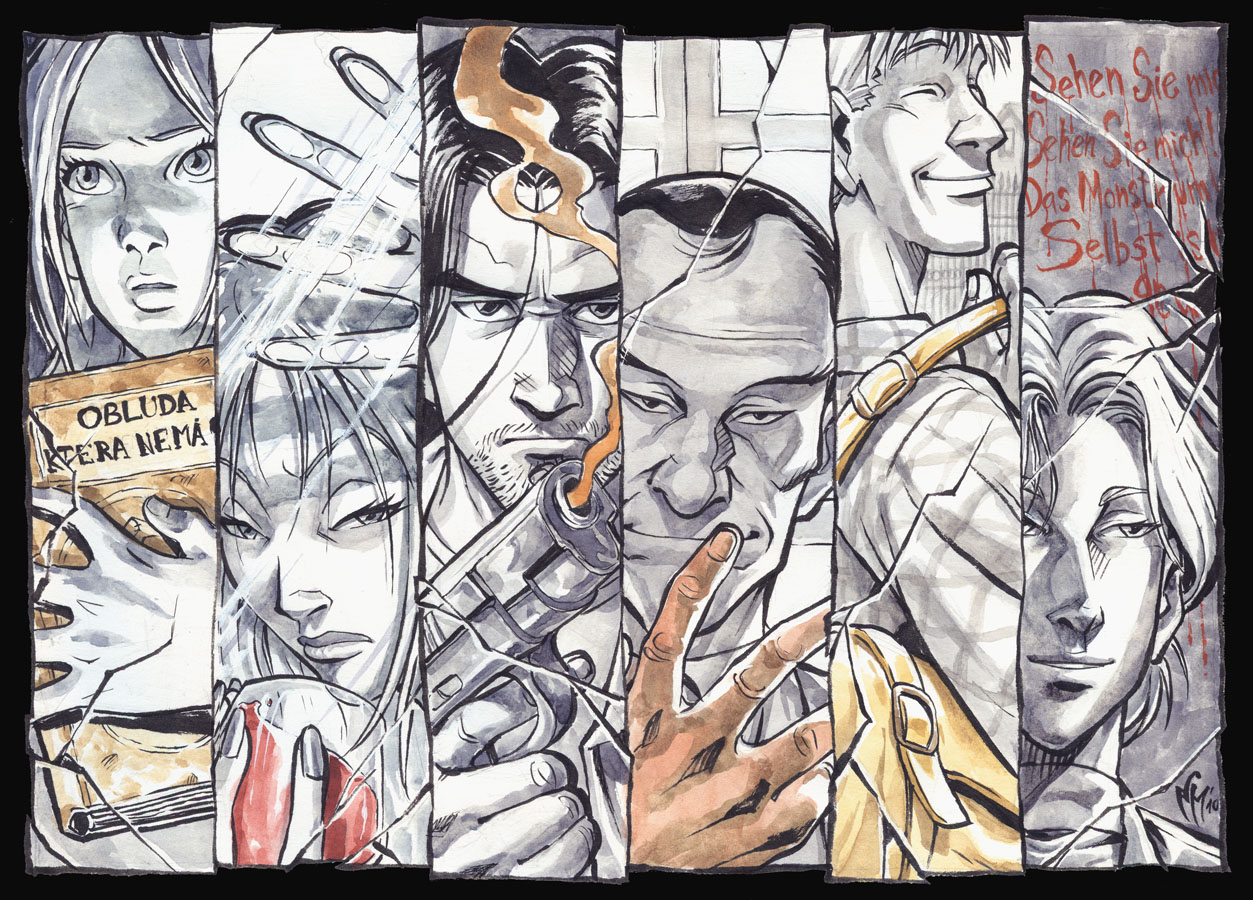
Supported with a vast cast, who are each developed in an immaculate fashion, and each embroiled into extensive subplots concerning these, MONSTER is a ‘coup de maître’ as a psychologically intimate drama with an array of emotions from these characters as an expository fiction of humanity – powerful from the complex dilemmas and philosophical challenges we see engage them throughout the voluminous narrative. Deliberately meticulous in characterization, contemplative in tone and purposeful in each plot point, MONSTER is a crafted tale sure to resonate with audiences for a long time at a fundamental level – it indulges in themes perpetually inherent to society, no matter the current state. Patience is rewarded in appreciation of the story as an emotive tale crafted into an intricate character study.

Themes

The plot structure is a slow-burn of side plots and miscellaneous errands to establish a vibrant world consisting of of various personalities, agendas and their interactions: no man is the same – each one has their own history – and valid perspective along with sympathetic emotions. The characters and situations are also not limited to the overpowering arc of a showdown between Johan and Tenma – people have their own multifaceted lives to not merely be props for the plot. As a result, Naoki Urasawa’s depicted world is tangibly immersive, both in the depth and also sober art, which explores darkness in a manner that’s not crudely exploitative, it is innocently inquisitive: a treatise of our morals in conflict to the worst of humans.

MONSTER accomplishes itself as a darkly philosophical work on society, people and their beliefs – it is the finest psychological horror, mystery drama and crime thriller in the history of manga as a comprehensive feat; it is a multi-layered narrative – little contrived or for some cheap ulterior purpose – with equally compelling characters. The setting of Eastern Europe in the throes of the oppressive Iron Curtain is unique an aesthetic that feels authentic – a dangerous regime where the authorities are unreliable and a sense of overbearing danger throughout from leadership which does not truly care for the people. I would rank MONSTER on level with Fyodor Dostoevsky’s ‘Crime and Punishment’ as a testament to the quality and feel only the medium, manga/anime, besets a prejudice on qualifying MONSTER to the canals of worthy artistic heritage.
Top 8 Anime you need to binge on (Part 1)

Genre: Slice of life/ Shounen/ Comedy/ Sports/ Action/ Supernatural.

1) Haikyuu

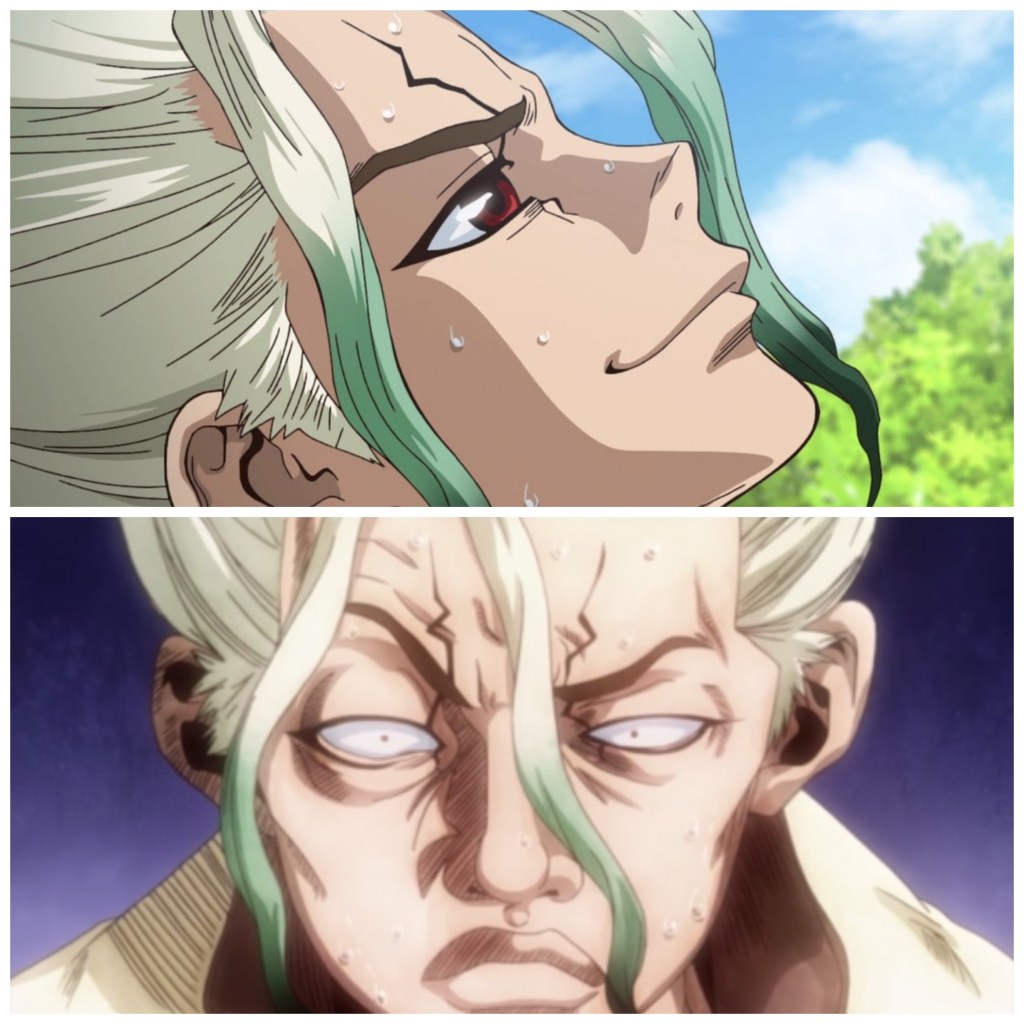
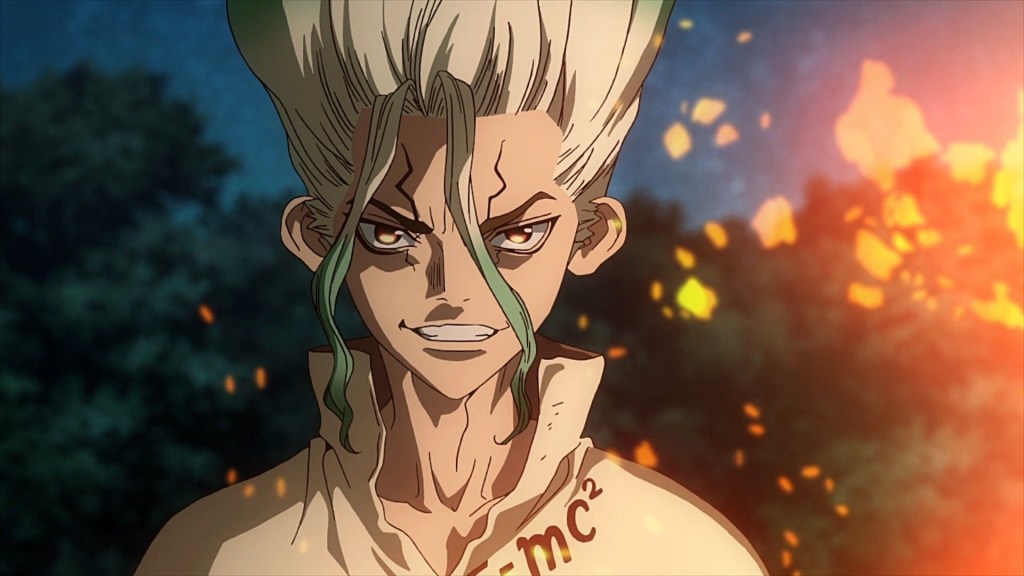
2) Dr. Stone

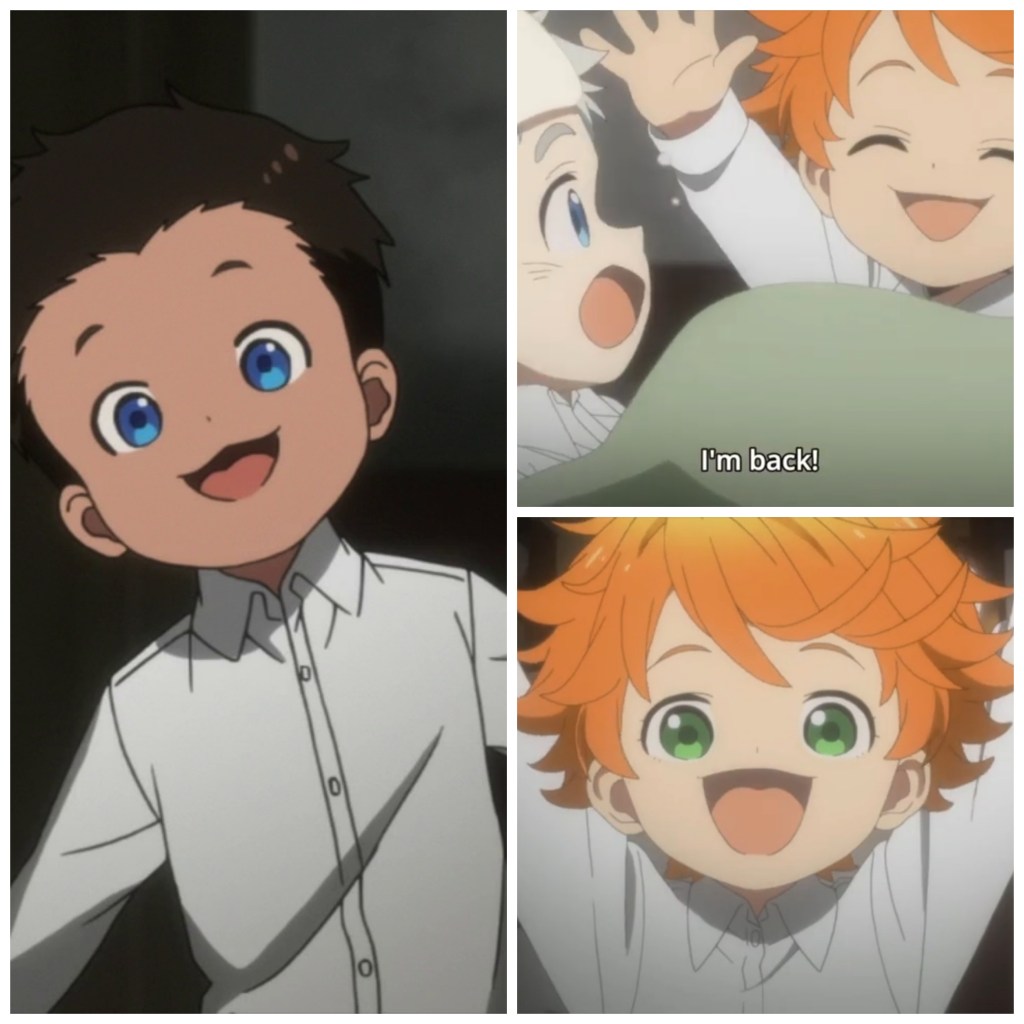
3) The Promised Neverland

4) Gintama

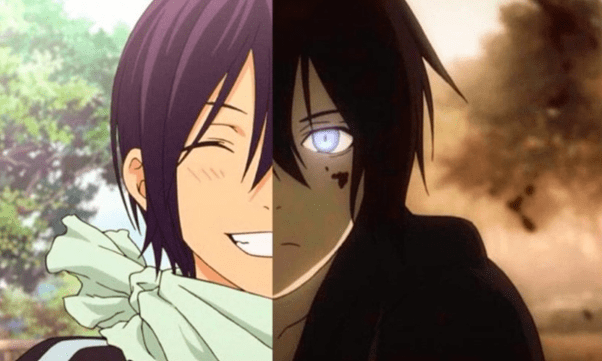
5) Noragami

6) Steins Gate

7) Asobi Asobase

8) Vinland saga

(The list is not in order/ranking)

1-Haikyuu

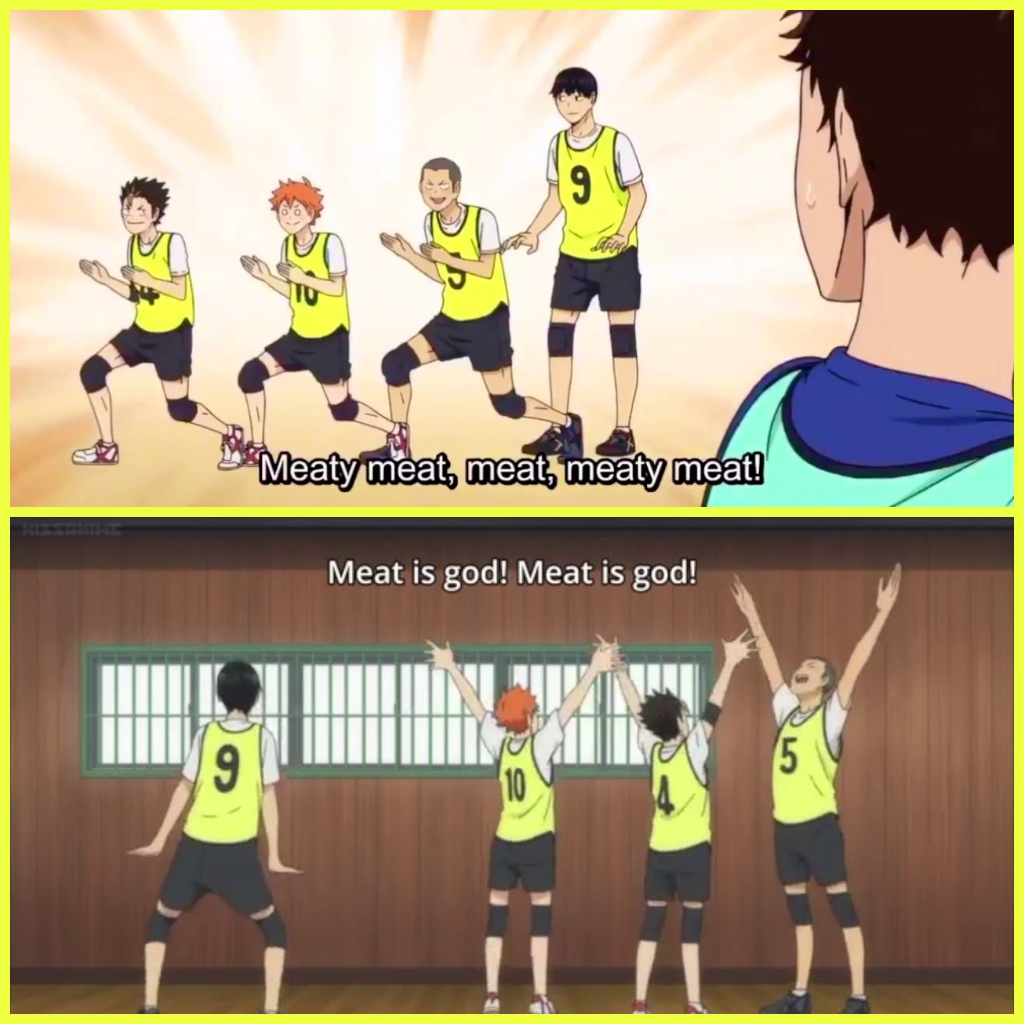
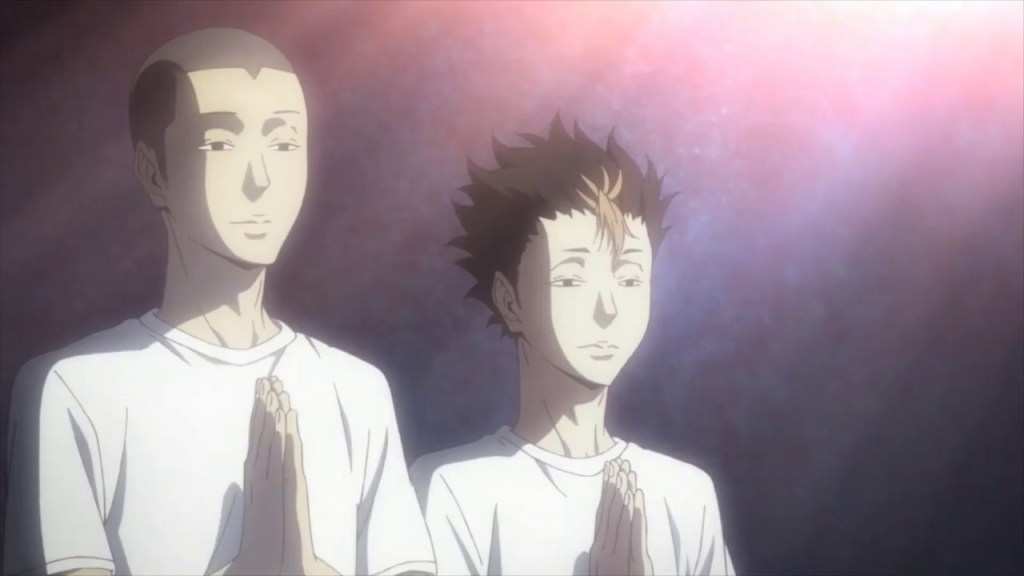
Haikyuu!! Is an anime about volleyball. It is a Japanese manga series written and illustrated by Haruichi Furudate. The story follows Shōyō Hinata, a boy determined to become a great volleyball player despite his small stature.

I am absolutely in love with this anime. Quirky yet mature characters, massive positive energy (without the cringeyness), good and steady character development, close to reality and filled with moments that will fill you with many emotions. It is the type of anime, which will keep you hooked till the end and wanting more of it.   

No. of Seasons: 4 (With 4th season having 2 parts)

No. of volumes: 37

2)Dr.Stone

Dr. Stone is a Japanese manga series written by Riichiro Inagaki and illustrated by the South Korean artist Boichi. The first episode aired in Japan on July 5th, 2019 and ended on December 13, 2019.

The anime unfolds with the introduction of the personalities wherein Taiju, the brawny guy is collecting himself to confess his love. A green light envelopes the sky and everyone. In this world where humanity has been petrified, scientific genius Senku and his brawny friend Taiju use their skills to rebuild civilization.

An absolutely hilarious, scientific, realistic yet lil unrealistic and an all-package anime. Main characters be making faces like so-called villains and villains like the sane ones. You are gonna love the humor, creativity with innovations and probably learn to make some of the scientific inventions.

No. of season: 2

No. of volumes: 21

3) Noragami

 Noragami is a Japanese manga series written and illustrated by Adachitoka.  It is a shounen brought to you by Studio Bones. Noragami is about a stray God called Yato, who wants to build a shrine of his own. His journey to do so, with his hilarious and annoyingly careless yet caring personality is what makes this anime unique. The fun is unlimited, relatability and appropriately written characters makes it more special.

Male and female protagonists have been written better than what i have seen till now, Diverse characters, straightforwardness and extremely crude, chill personality of characters. The anime has really less episode considering it’s quality but the fun and wholesomeness compensates for it.

No. of season: 2 (2 OVA)

No. of volumes: 23

4) The Promised Neverland.

The Promised Neverland is a Japanese manga series written by Kaiu Shirai and illustrated by Posuka Demizu. It was serialized in Shueisha’s Weekly Shōnen Jump from August 2016 to June 2020. group of orphaned children in their plan to escape from their orphanage, after learning the dark truth behind their existence and the purpose of the orphanage.

I believe that cuteness, child energy, super relatability to our world, intellectuality, and wholesomeness are less than enough to describe this anime. It is pretty tear-jerker anime. The twists, scenes makes you want to help those kids through your screen. Although, in second season the anime’s plot changes a lil, if you are looking for a series to keep you on your toes, this is it.

No. of Seasons: 2

No. of Volumes: 20

5)Gintama

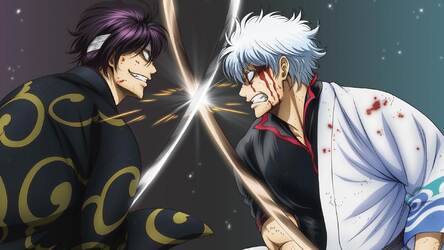
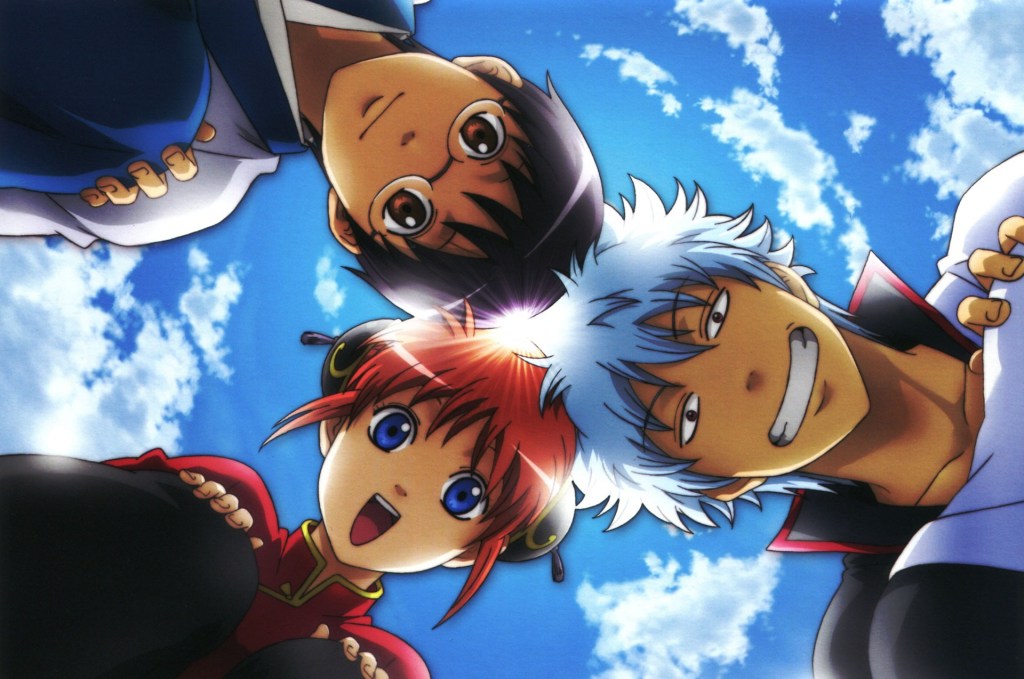
Gintama, along running series has finally come to an end with the movie Gintama : Final, launched 18 July 2021. This action, comedy anime is based on Alien samurai setting where the humans and alien are living together after the war. Gintoki Sakata, the main protagonist of the series, owns a shop named “Odd jobs Gin” and as its name suggests they accept any type of work as long as they’re paid for it.

Animated by Bandai Namco Pictures and written by Hideaki Sorachi, the cast of Gintama is arguably the best an anime has to offer. Even though the arc’s are short and start is slow, one can never get enough of the parody, action and the drama it provides.

No. of Seasons: 5 (4 movies and 1 OVA)

No. of Volumes: 77

7)Steins Gate

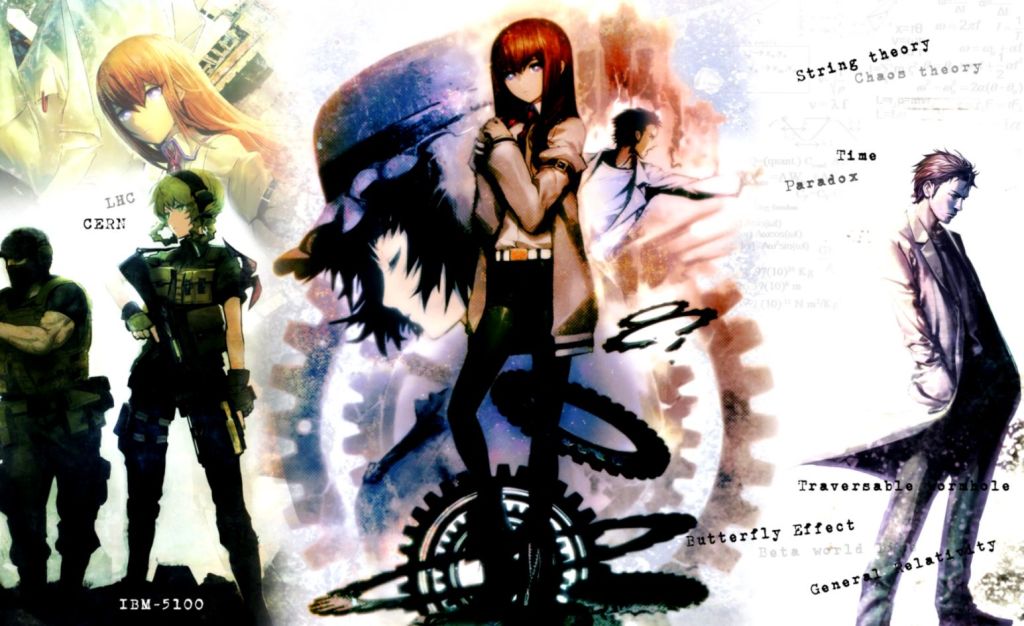
Okabe Rintaro, a self proclaimed Mad scientist accidentally discovers about time travel and time leap. Steins;Gate which is almost ranked in top 10 of every review page and ranked 3rd in MAL (My Anime list) is a time travel story, but not a typical time story. Its not only about the main protagonist travelling or leaping through time, it deals with many modern theories of time travel such as The Time Paradox, Butterfly effect, String theory and much more.

Unlike most anime’s, the side cast is one of the best out there. Every character used has their own importance on the overall plot. The start may be slow for some viewers but that’s the beauty of Steins;Gate.

Steins;Gate was produced by Mika Nomura and Yoshina Doi, directed by Hiroshi Hamasaki and Takuya Sato, and is written by Jukki Hanada

No. of Seasons: 2 (Along with 5 movies and OVA’s )

No. of Volumes: 3

8) Asobi Asobase

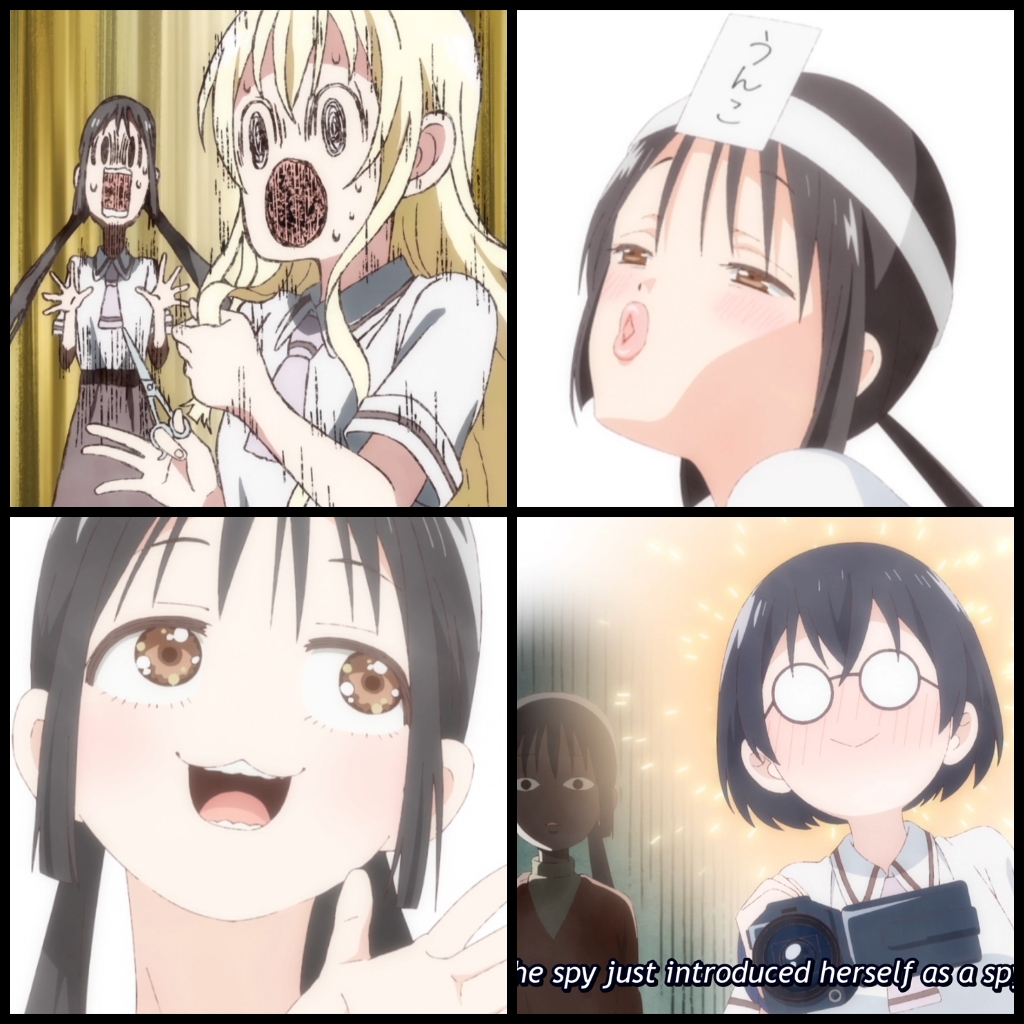
The story revolves around three classmates who play simple hand games and their exposure to more weird games.

The opening song gives you vibes of innocence, sweetness and everything nice. Well, the outro is a complete chaos. This pretty much sums the entire series, the girls are innocently chaotic. Filled with crazy ideas regarding the concept of club, extreme honesty and horrifically funny, this girls are absolutely hilarious.

Asobia Asobase made me remember everything I did in school days, every silly games I played. The anime just keeps getting better and more hilarious with each episode.

Honestly, I have never laughed this hard before. If you want to see something that’s going to make you laugh by hitting that pause button without cringing, this is a must watch for you!

No. of season(s): 1 (Episodes: 12)

No. of volumes: 12

15) Vinland saga

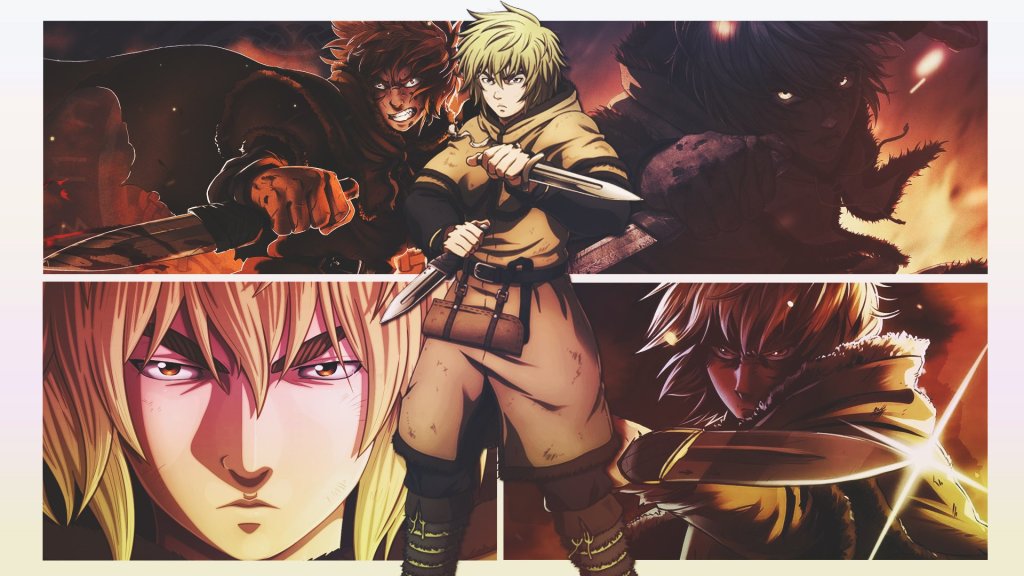
Vinland saga anime having only 1 season till date based on Vikings, it is considered one of the best New Gen anime and manga. Season 1 deals with a young boy, Thorfinn, who has a great interest in fighting. Thorfinn swears revenge against Askeladd, the killer of his father and also the main antagonist of the show.

The protagonist – antagonist setting is unrivaled not only in new gen animes but also in the older one’s. The main plot of the anime/manga revolves around the war for the crown of the England. The new season has been confirmed for the Year 2021 and adapts the Slave arc from the manga.    

No. of seasons: 1

No. of Volumes: 21           

The Legendary Kentaro Miura

Legendary manga creator Kentaro Miura of the critically acclaimed Berserk series has passed away at the age of 54. He died on May 6 due to acute aortic dissection. Miura is best known for both his stunning artistic prowess and compelling storytelling abilities that he employed in his seminal series Berserk. Since it began in 1989, his masterpiece has spawned a 1997 anime adaption of the manga’s earlier chapters, three movies covering the same events as the original adaptation in 2012-13, and a 2016 series that delved into the manga’s later arcs for two seasons. Miura’s work, which also influenced a proliferation of gaming adaptations, was still ongoing with 40 volumes of 364 chapters and more than 35 million copies sold worldwide.

Berserk told the story of Guts, a former mercenary who later embraced the ominous identity of the Black Swordsman. For the majority of the series, Guts seeks revenge against his former friend Griffith who sacrificed his companions so he could achieve his dream of building his own kingdom. On his bloody conquest, Guts is plagued by demons, as the world falls into an existential state of chaos as a direct result of Griffith’s selfish actions.

Although a manga artist, Miura pioneered a new artistic style that was unheard of at the time and that, even now, few have attempted or even considered to replicate. This bold step in breaking away from the norm of how characters and settings are drawn in this particular medium allowed Miura to venture into an incredibly dark and intricate world that set it apart from other manga. Regardless of this stark departure, Berserk always felt like a manga, allowing Miura to grasp and fully benefit from all of the best characteristics and qualities that the medium has to offer, without sullying his own artistic genius and direction.

When he began Berserk, Miura embraced an extreme form of violence that transcended what existed in manga at the time. It may have been a risky move, but it was a tactic that ended up strengthening his story and deepening his characters in a way that any normal depiction of violence could never achieve. It was clear that Miura understood how much of an impact such unsettling depictions could have on readers.

Yet, despite the existential despair that Kentaro Miura created, humanity still shone through in Berserk, as Guts strove to protect his friends and Casca, the woman he loved, from the interminable wave of nihilistic violence that surrounded them. In fact, near the end of his manga series, Miura began hinting at the seemingly impossible, undermining what drove so many to embrace his work in the first place. Guts, despite being propelled by hate and anger for so long, appeared to have been letting go of his hatred of Griffith. Even in the violent world that he himself created, Miura was willing to break his own rules, all for the sake of love and hope. Kentaro Miura was a visionary. He was a legend. He will be missed. RIP.