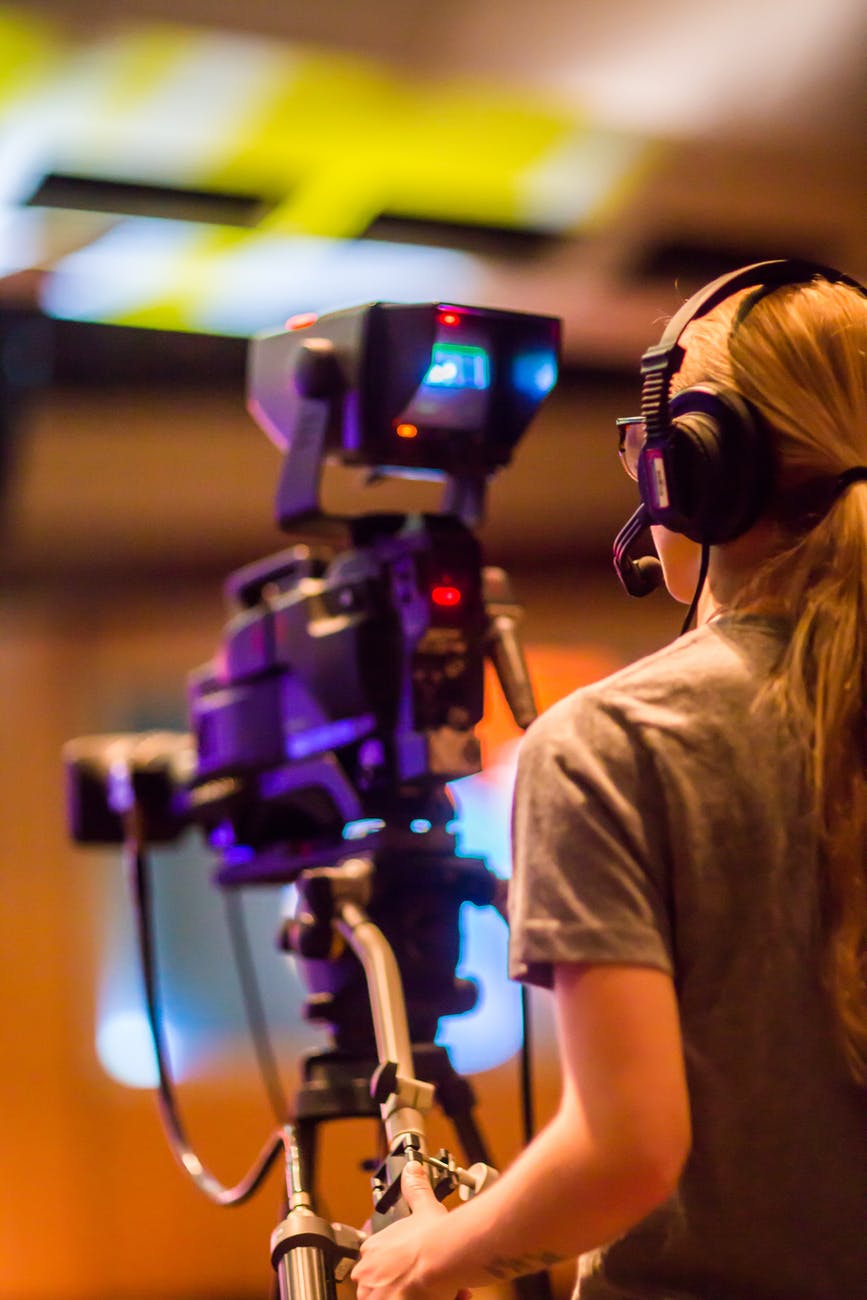
Things to know before taking up Mass Media and Communication courses.

Photo by Caleb Oquendo on Pexels.com

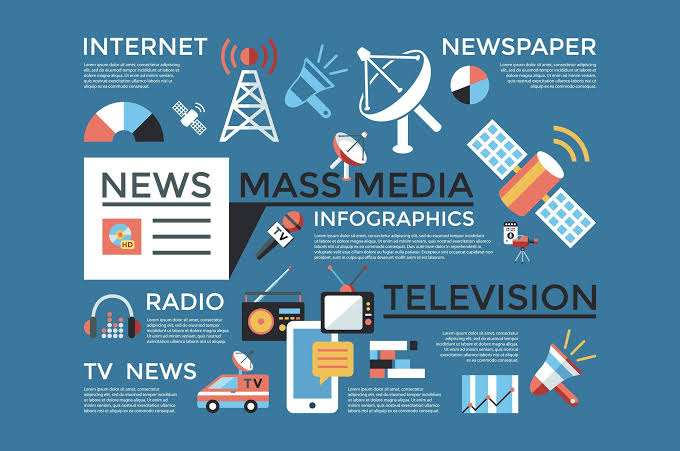
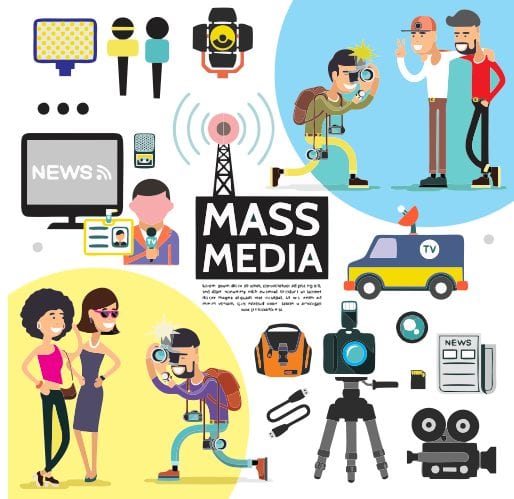
Let’s begin by knowing what Mass Media or Mass Communication is. Mass media refers to the media technologies such as movies, songs, news, podcasts, advertisements and photos, that are utilized to carry information to the masses. 

Importance of Mass Media

This blog you are reading is helping you gain knowledge about Mass Media and communication. Hence this blog becomes a media technology and educating you in the field of Mass Media defines its importance. From applying for a job to reaching out to a friend on your phone, everything becomes a portion of Mass Media as they help users pass on information from one place to another or one person to another. 

Here are some advantages of Mass Media to highlight its importance. 

  • It becomes a voice for the voiceless: Mass Media provides every individual with an opportunity to practice their freedom of speech and spread their ideas among the world. YouTube is a great example of Mass Media. As a platform in this 21st century it helps both small and large creators publish their videos for everybody to watch. 
  • Enables widespread communication: Today, the world is often referred to as a global village. This is made possible due to several types of mass media technologies such as social media, internet, and other digital content. It helps governments, businesses and organizations to communicate with each other and stay connected. 
  • Diversifying culture: Mass Media helps in diversifying languages and cultures beyond its place of origin. A good internet connection and a mobile phone or a computer is all you need to learn a new language or gain knowledge about a new culture. You can even take a peek around the world without leaving your home. 

The Evolution of Mass Media

Mass Media can be traced back to the 800 AD which consisted of prehistoric arts, writings and some basic printing technology. The introduction of Gutenberg’s printing press in the 1450s helped art and literature gain a wider reach among the people.The year 1605 witnessed the publishing of the first weekly newspaper in Antwerp, known as ‘Relation’. This was followed by the inventions of radio and television in 1895 and 1925 respectively. Finally in 1990, the world wide web was introduced by Tim Berners Lee. 

The number of people benefiting from these media technologies witnessed a steady growth from a handful, to thousands, and millions with the introduction of newspapers, radios and televisions. Today, due to the internet, these numbers are reaching billions. In 2018, the number of  World Wide Web’s users was estimated to be 4 billion. 

The 21st century has introduced the ability for even individuals to broadcast a customised message for thousands across the globe. You no longer need to be a part of some huge networking channel to do so. A good internet connection and a hand held device can do the job. 

The functions of Mass Media

Mass Media, in the form of writing, podcasting, and publishing, has a significant effect on the masses. Commercials on television, billboards and social media influence the audience into buying a product or availing a service. Hence companies across the world look for suitable mediums such as social media, blogs, forums, or video streaming platforms to convey their messages based on their businesses. Once they find the right mass media technology, they conduct campaigns to communicate their ideas. 

Majority of the companies today create and maintain their social media pages, maintain blog posts on their websites, and run advertisements on video streaming platforms to educate viewers about their products or to entertain them. These define the functionality of Mass Media. 

Courses in the field of Mass Media and communication

Photo by Redrecords u00a9ufe0f on Pexels.com

After addressing the ‘Wh’ questions of Mass Media, let us dive into the courses one can opt for in the field of Mass Media and communication. There are three kinds of courses available for aspiring students in the field of Mass Media and communication. Courses at undergraduate, postgraduate and diploma levels.

Both the course levels familiarise students both practically and theoretically in the field of Mass Media and Communication. 

Eligibility for courses in Mass Media and communication (UG PG) 

A student aspiring to seek admission in a Bachelor of Arts in Mass Communication course, he or she must fulfil some eligibility criterias. 

  • The applicant should have completed senior secondary schooling (10+2) from a recognized university. 
  • The applicant must have scored a minimum of 50% from the aggregate in their senior secondary schooling. 

Similarly, students aspiring for seeking admission in the Master of Arts in Mass Communication course must fulfil the following eligibility criterias. 

  • The applicant must have a Bachelor’s degree in any stream from a recognized university. 
  • The applicant must have scored a minimum of 50% from the aggregates in their Bachelor’s degree. 

Institutes may also require you to give an entrance exam to fulfil the admission process.

Here’s what you will learn from Mass Media and Communication courses

Courses in Mass Media helps you get acquainted with subjects such as Public Relations, Design and Graphics, Digital Media, Reporting and Editing for Print Media, Data Journalism, Photojournalism, Event Management, and Media Law and Ethics. The courses are inclusive of Computer based learning, Guest Lectures, Seminars, Workshops, Massive Open Online Courses, Individual and Group projects, and community based projects. 

Scope for Mass Media courses under employment prospect.

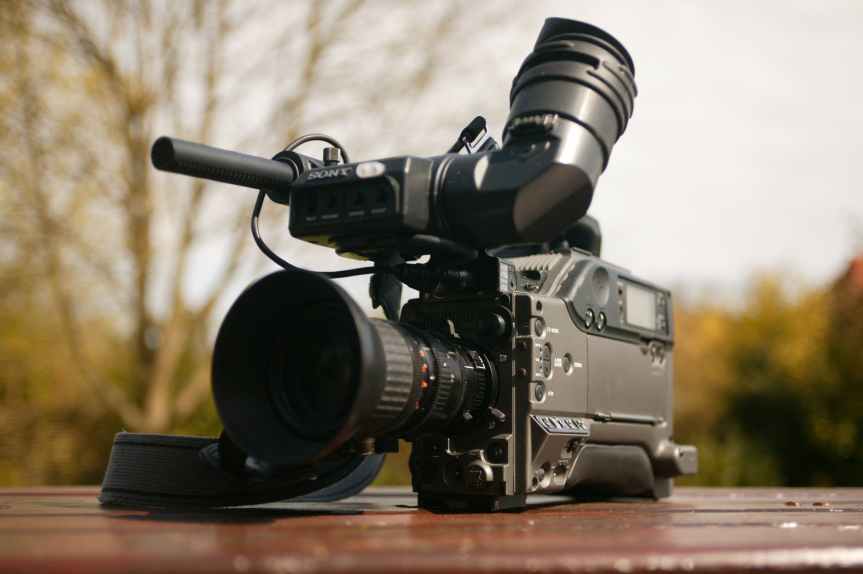
Photo by Pixabay on Pexels.com

With an increase in media technologies following new inventions and establishments such as Television Channels, Radio Stations, Advertising Agencies, PR Agencies, etc. Scope in this field is also parallely increasing. Here are some of the job profiles candidates can look out for upon completion of the course. 

  • Journalism
  • Public Relations
  • Advertising
  • Media Planner
  • Broadcasting and Production
  • Event Manager

Conclusion

Mass Media and Communication as a field in academics has a great scope in India and overseas. Freshers with expertise in specific areas and sufficient experience will be hired by prominent media companies for different job profiles. Individuals with good communication skills, writing proficiency, and passion for learning can pursue an undergraduate or a postgraduate course in Mass Media and Communication. 

References

Ritika Shrivastava, May 17, 2021 09:36 IST, shiksha.com

Akanksha Sirohi, July 15 2020, collegedekho.com

https://www.careers360.com/courses/mass-communication-course
MASS MEDIA

As the name itself suggests, Mass Media refers to an array of methods which help to promote a variety of things/messages/ideas among the masses through different communication outlets. In today’s times, the various kinds of mass media include, Cinema, Radio, Television, Internet, Print, Recordings, Mobile phones, etc. People may opt for a particular medium of communication based on the availability of technology, type of message/product to endorse and ease of mass communication.

CINEMA

Movie making is certainly gaining a lot of popularity in this era. Cinema Media has a lot of potential to create an impact on the society at large. The film industry inclusive of Hollywood, Bollywood, Tollywood, so on and so forth manifests the reflection of society in the past and the present. Today, the youth does look up to movies for recreation. A good cinema can entertain, educate and inspire the viewer in several ways.

EXAMPLE – The movie JOKER, impacted it’s audience with inspirations like, leaning to forgive, succeeding despite having mental issues, never giving up on your dreams, etc.

RADIO

The credit of being able to enjoy broadcasting in the earlier times and today as well, goes to Guglielmo Marconi, the developer of the first radio transmitter and receiver. With scarce means of recreation in the olden times, Radio bound families, peers, neighbors together. The auditory mode of communication, Radio is also used to maintain contacts with the flights and ships that are out in the air and water. Radio is also an essential element used at war zones to transmit information through morse codes.

EXAMPLE – Africa considers radio as the most important too of communication. Radio is quite cost efficient, does not need any expensive data package, helps to reach out to a broader audience and is also easily portable.

TELEVISION

Television is an audio visual type of Mass medium. It is used by broadcasters to air sports, daily soap, movies, news, etc. The progress of the T.V is easily noticeable, as it started from the black and white version and has now developed to a very high extent in the form of OLED, LCD, LED, and HD. It is used by direction and production houses to entertain, inform and educate viewers. It can be considered as an ultimate Pandora’s Box.

EXAMPLE – Viewers ranging from the kids to the elderly at home, are often seen glued to the television for the purpose of entertainment.

INTERNET

Sharing information and communication has become a piece of cake since the invention of the Internet. This mass medium has bypassed almost all other media of communication. Internet is now considered as a boon to e-sellers, social media influencers, researchers and all the other end users as well. The Internet has become a global networking platform which anyone can access at any point of time.

EXAMPLE – People do resort to the Internet to pay their bills, listen to music, manage finances, to shop online or even to communicate with people all across the globe.

Mass Media plays a significant role in this era. Making appropriate usage of it will give us fruitful results. Mass media helps in transmitting values, heritage, cultures and information and acts as a watchdog on society.

Basics of Communication

Introduction:
Communication happens when there is exchange or transfer of information between people through channels. The main elements for communication to happen is when there is a sender, a receiver a message and feedback. Communication is a very important part of a daily life and without communicating one cannot just go on spending their life without it. The communicator needs to make sure that the receiver or the audience understands the information and has no confusion. The 10 most important elements of communication are sender receiver, message, feedback, context, effect, noise, encoding, decoding and channel.


• Sender:
Sender is the one who is sending all the messages he/she is the one who addresses the audience and is also called speaker. The sender needs to be an effective communicator for the audience to understand them clearly. The speaker needs to be bold and for about what he is trying to convey.


• Receiver:
Receiver is the person who receives the message. They are also called the audience. The understand what the speaker is trying to convey and try to implement or interpret whatever they have understood. They are the ones who are capable of questioning the speaker if they are doubtful of something.


• Message:
What the speaker and receiver are communicating about is known as the message. This is the element which holds all the information about what the speaker is trying to convey and what the receiver is trying to understand. Messages can be many type it doesn’t always have to be formal or informal. The message depends on the audience and the speaker.


• Channel:
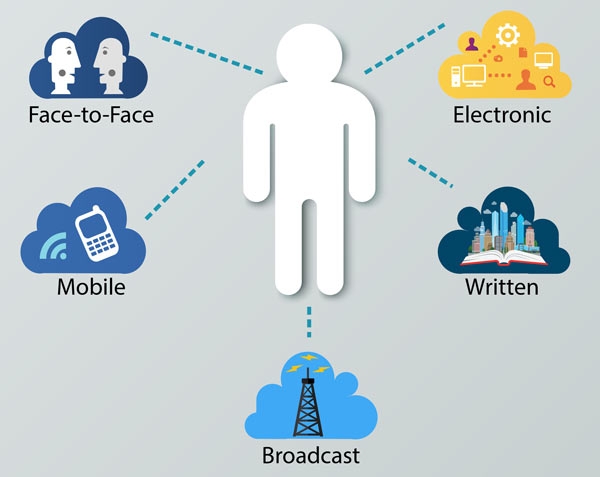
Channel refers to the medium in which they are communicating. It could be through Television, radio and newspapers or even to face to face communication. The receiver will understand the message even more clearly if it is face to face communication as the receiver can clear the doubts immediately. It also depends on how effective the speaker is.


• Encoding:
Encoding happens in the mind of the speaker when a message is about to be sent to the the audience. Encoding is an important process as if the speaker does not encode his information properly then the audience will not know what they are learning and there will be confusion among the audience. This might lead to communication gap and few misunderstandings.


• Decoding:
When the information is received by the audience from the speaker, they start to decode the message. This process happens so that they understand the message properly and clear about what they learnt. Decoding is a process of understanding the message sent to them. If this does not happen then the audience will not know what the speaker is trying to convey which might create problems.


• Noise:
Communication is also called the barrier to communication. This happens when, if a person is communicating with someone and there is an external disturbance, it is termed as noise. It will come in different forms like humans or things or nature etc.


• Effect:
Effect is what impact has been left on the audience. We get to see the effect in communication with the listener reacts to that information given by the speaker. The better the speaker, the better the impact or effect.


• Feedback:
Feedback is what the sender received by the audience. The audience lets them know if they were impactful and thoughtful enough through this process of feedback. This helps the speaker to better or advance his talents and skills.


• Context:
Context is what the speaker is trying to refer to while giving the speech. If there is no context to the speech, then the entire speed has no meaning to it.


Conclusion:
In communication, all the 10 elements are important and more than these, skills matter the most as if one is not skillful then no matter how useful the information is, it won’t leave the speaker in an effective way and it definitely will not reach the audience in an impactful manner.

EFFECT OF MASS MEDIA ON MILLENIALS

BY: VAIBHAVI MENON

Individuals that fall into this generation known as “millennials” are particularly interesting to look into the effects of increased media presence, because they are the generation that is constantly surrounded with updated technology. These individuals are the group of people that are regularly online, taking full advantage of these resources; it has become not just a part of their life but their life in its entirety. Everything this generation does is centered on the Internet, whereas someone from an older generation grew up in a different kind of life, so the effects aren’t nearly as drastic or as meaningful. Millenials are the ones that have grown up with the presence of mass digital media in their lives and were the ones constantly subjected to the consequences of this presence while also adapting to new and improved technologies every day.

The existence of the smartphone has completely altered how this group of individuals interacts and participates in society, because they are the ones who stay constant with the progressions in technology and getting the new “iPhone” every time it is released. “The arrival of the smartphone has radically changed every aspect of teenagers’ lives, from the nature of their social interactions to their mental health. These changes have affected young people in every corner of the nation and in every type of household. The trends appear among teens poor and rich; of every ethnic background; in cities, suburbs, and small towns. Where there are cell towers, there are teens living their lives on their smartphone.” (Twenge). This age group is subjected to a life filled with mass media and technology every day, which results in different circumstances and different lives in comparison to older generations. There is a fundamental difference in how this generation and older generations process, analyze and understand information while they function in society. Comparing those who weren’t raised on the power of a smartphone and in the age of media constantly in your face to those who were, the contrast becomes quite clear.

Media messages can have a negative or unhealthy influence on teenage behavior and attitudes in certain areas, including body image, health and citizenship. Body image :- Your child’s body image is influenced by social media, other media and advertising. If teenagers see unrealistic ‘thin’ or ‘muscly’ body types often enough in the media they follow, it can have an impact on their body image and dieting behavior. This is especially true when there’s no-one to disagree with messages like ‘thin is beautiful’. Health and lifestyle :- Social media and other media can influence the decisions that teenagers make about their health and lifestyle. For example, media messages and content can make it look ‘normal’, cool or grown-up to eat junk food, smoke, drink alcohol and take other drugs. Citizenship:-To be responsible citizens, teenagers need reliable and good-quality information. But social media and other media are sometimes used in negative ways during elections and at other times. For example, ‘fake news’ might influence teenagers to believe false information about a politician, public figure or celebrity. Or sometimes online forums promote biased or hateful attitudes towards groups of people.

Mass Media

The present age is the age of information & Communication Technology. And mass media is the powerful and the most effective instrument of spreading or sharing information. With the advancement of digital technology, mass media have become a powerful and quick means of communication, broadcasting news and views, disseminating ideas and massages, and making information available anywhere in the world. The means of communicating news and views is termed as mass media. Mass media is classified into two categories print media and electronic media. Print media include newspapers, magazines, journals, and other printed materials. Electronic media includes radio, internet, television, satellite channels, cinema, etc.

In today’s world, mass media embraces internet, cell phones, electronic mail, computers, pagers and satellites. All these new additions function as transmitting information from a single source to multiple receivers.In other words, they are interactive and work on the person to person formula. Thus, it revolves around the masses i.e. the people. It is true that radio, television, press and cinema are in the spotlight when we talk about mass media.Nonetheless, the role of pamphlets, books, magazines, posters, billboards, and more also have equal importance if not less. Moreover, the reach of these tools extends to a huge amount of masses living all over the country.Television, cinema, radio and press are comparatively expensive forms of media which private financial institutions or the Government runs. These tools centre on the idea of mass production and mass distribution.Therefore, newspapers, television and radio cater to the needs of the mass audience and accommodates their taste. As a result, it will not always be refined or sophisticated. In other words, it displays popular culture.

The Function of Mass MediaThe main function of mass media is to reach out to the masses and provide them with information. In addition to that, it also operates to analyze and observe our surroundings and provide information in the form of news accordingly.As a result, the masses get constantly updated about not just their own surroundings but also around the world. This way mass media spreads and interprets information. For instance, weather forecasts equip people and farmers to plan ahead.Similarly, fishermen get updates about the tidal activities from the news. In addition to this, mass media also strives to keep the fabric of our social heritage intact which showcasing our customs, myths and civilization.Another major product of mass media is advertising. This way people learn about the goods and services in the market. It also spreads social awareness. For instance, anti-smoking campaign, women empowerment, green earth clean earth and more.Most importantly, with the numerous mediums available in multiple languages, the masses get entertainment in their own language easily. Millions of people get to access a cheap source of relaxation and pass their time. In fact, it also helps to transport momentarily from our ordinary lives to a dream world. Thus, it remains the undisputed leader in reaching out to the masses.Conclusion of Essay on Mass MediaAll in all, while it is an effective tool, we must also keep a check on its consumption. In other words, it has the power to create and destroy. Nonetheless, it is a medium which can bring about a change in the masses. Thus, everyone must utilize and consume it properly.

Journalism And Mass Media


Mass Communication is all about impacting the masses through news, views, and opinions. People consume the news and views through multiple mediums like radio, TV, magazines, the internet, social media, films, or any other platform. People (the masses) then form opinions based on these communications emanating from these channels. Mass communication is a broad field that includes photography, filmmaking, journalism, advertisement, public relations, content writing, blogging, and print media, among others. Here, one should note that the purpose of mass communication includes news, entertainment, and information, to name a few. 


On the other hand, journalism mainly focuses on communicating news to people across all genres – politics, economics, business, science, sports, or entertainment news. Journalism includes three simple steps: Collecting data or news, writing and editing it, validating it with facts and pictures, broadcasting it to the masses through all channels including print and electronic media. As the name suggests, print media includes newspapers and magazines, and electronic media includes TV, radio, and the Internet.


Career Opportunities in Journalism

  • TV anchor/news reporter
  • Newspaper editor/reporter
  • Proof-reader in print/electronic media
  • Content Developer in print/electronic media
  • Photojournalist
  • Translator
  • Camera manager
  • Creative designer
  • Researcher in print/electronic media
  • Producer
  • Set Manager


Career Opportunities in Mass Communication

One can expect to make a remarkable career after finishing a course in Mass Communication as there are plenty of opportunities in different fields like:

  • Branding & Advertising
  • Film Making
  • Video Editing
  • Photography
  • Public Relations
  • Radio Jockey, Video Jockey
  • Journalism
  • Content Writing and Development
  • Event Management
  • Creative Direction
  • Sound Mixing and Recording


It’s time for action, make your move now!


Journalism and mass media

INTRODUCTION:-

Journalism and mass communication graduates work nationwide and worldwide at newspapers and magazines and in advertising, branding, broadcast news, social media, marketing, media research, photojournalism, publication design, public relations, radio, and other areas

Journalism:-

Journalism is the activity of gathering, assessing, creating, and presenting news and information. It is also the product of these activities.Journalism can be distinguished from other activities and products by certain identifiable characteristics and practices. These elements not only separate journalism from other forms of communication, they are what make it indispensable to democratic societies. History reveals that the more democratic a society, the more news and information it tends to have.

JOURNALISM ESSENTIALS

  1. What is journalism?
  2. What makes journalism different than other forms of communication?
  3. What is the purpose of journalism?
  4. The elements of journalism
  5. What does a journalist do?
  6. The journalist as a ‘committed observer’
  7. The theory of the interlocking public
  8. Bias and objectivity
  9. The lost meaning of ‘objectivity’
  10. Understanding bias

1.What is journalism?

Journalism is the activity of gathering, assessing, creating, and presenting news and information. … Journalism can be distinguished from other activities and products by certain identifiable characteristics and practices.

2. What makes journalism different than other forms of communication?

The vast majority of this communication, however, is not news and especially not journalism. Almost 70 percent of email traffic is spam, according to web security company Symantec. In 2012, there were an average of 175 million tweets each day. But almost all – 99% — consisted of “pointless babble,” according to researchers at Carnegie Mellon University.

3. What is the purpose of journalism?

“The purpose of journalism,” write Bill Kovach and Tom Rosenstiel in The Elements of Journalism, “is not defined by technology, nor by journalists or the techniques they employ.” Rather, “the principles and purpose of journalism are defined by something more basic: the function news plays in the lives of people.”

4. The elements of journalism?

In their book The Elements of Journalism, Bill Kovach and Tom Rosenstiel identify the essential principles and practices of journalism. Here are 10 elements common to good journalism, drawn from the book.

5. What does a journalist do?

Asking who is a journalist is the wrong question, because journalism can be produced by anyone.At the same time, merely engaging in journalistic-like activity – snapping a cell-phone picture at the scene of a fire or creating a blog site for news and comment – does not by itself produce a journalistic product. Though it can and sometimes does, there is a distinction between the act of journalism and the end result.

6. The journalist as a ‘committed observer’

Gil Thelen, the former publisher and president of The Tampa Tribune, believes the journalist has a very specific role in society. He calls it the “committed observer.” What he means by that, Thelen explains, is that the journalist is not removed from community, though at times may stand apart from others so as to view things from a different perspective.

7. The theory of the interlocking public

The splintering of mass media audiences and the migration of information consumers to tens of thousands of niche web sites is further evidence that everyone is interested, and expert, in something. The diversity and magnitude of the public, in fact, is its strength. A mix of publics is usually much wiser than a public comprised of just the elite or one segment of special interest.

8. Bias and objectivity

Journalism attempts to be fair and accurate. It does this through objective methods and managing bias. The guides in this section help you understand and navigate those processes.

9. The lost meaning of ‘objectivity’

One of the great confusions about journalism, write Bill Kovach and Tom Rosenstiel in The Elements of Journalism, is the concept of objectivity. When the concept originally evolved, it was not meant to imply that journalists were free of bias. Quite the contrary. The term began to appear as part of journalism after the turn of the 20th century, particularly in the 1920s, out of a growing recognition that journalists were full of bias, often unconsciously. Objectivity called for journalists to develop a consistent method of testing information – a transparent approach to evidence – precisely so that personal and cultural biases would not undermine the accuracy of their work.

10. Understanding bias

For a time, “bias” was the term of choice to describe anything people hated about journalism, whether the power and influence of corporate news organizations to the choices reporters made in writing individual stories. In 2001, in fact, a book about media unfairness entitled “Bias” was number one on the New York Times bestseller list. In recent years the public seems to have adopted a more nuanced view of bias.  Perhaps this is because many critics have found their voice online – where studies confirm that half the blogs contain just the author’s opinion – or that one-sidedness has become a successful business model, as Fox News Channel and MSNBC have demonstrated.

What Is Mass Media?

INTRODUCTION:-

Mass media is communication that is to a large group, or groups, of people in a short time (Mass Media, 2013, p. … This can be written, spoken or broadcast communication. Some of the most popular forms of mass media are newspapers, magazines, radio, advertisements, social media, television, Internet, and films/movies.

Mass Media:-

Think about this for a second: whenever you want to hear your favorite song, watch your favorite show, or see the latest current events, where do you go? You more than likely turn on your television, radio, or computer. The source that the majority of the general public uses to get their news and information from is considered mass media.Mass media means technology that is intended to reach a mass audience. It is the primary means of communication used to reach the vast majority of the general public. The most common platforms for mass media are newspapers, magazines, radio, television, and the Internet. The general public typically relies on the mass media to provide information regarding political issues, social issues, entertainment, and news in pop culture.

There are 6 main types of Mass Media:

  1. Traditional Media
  2. Print Media
  3. Electronic/Broadcasting Media
  4. Outdoor Media or Out of Home Media (OOH)
  5. Transit Media
  6. Digital Media/New Media/Internet

1. Traditional Media:-

People have developed different ways of communication depending upon their local language and culture. Traditional media is one of the oldest types of mass media to transfer traditions and culture over generations. The tools of communication have been developed from beliefs, customs, rituals, and practices of society. Traditional media imparts indigenous ways of communication for ages. Further, this type of mass media varied as per each culture and society as every culture has their own mediums to communicate to their mass audience. Thus, the traditional media can be folk songs, dances, folktales and folklore as well as paintings, sculptures, stupas, statues and fairs, festivals, rural or community radio and announcement mediums like nagada, etc.

Forms of Traditional Media

  • Folk Dances
  • Folk Songs and Music
  • Theatre, Drama, and Folktales
  • Painting, Sculptures, Inscriptions, Statues, and Stupas
  • Motifs and Symbols
  • Announcements made by beating drums or ‘nagada’
  • Shadow Puppetry and String Puppetry
  • Storytelling
  • Nautanki
  • Fairs and Festivals
  • Rural Radio

2. Print Media

In simple words, Print Media is all about the printed form of information and news. Before the invention of the printing press, printed materials had to be hand-written that made mass distribution almost impossible. Print media is one of the basic types of mass media tools making it very popular and convenient to reach a wider audience. Newspapers are considered as the oldest forms of mass media after the traditional mass media as for a long period of time, the general public relied on newspapers to know the latest happenings in their local areas as well as from around the world. Thus, print media originally refers to newspapers and then expanded towards magazines, tabloids, promotional brochures, journals, books, novels and comics.

Forms of Print Media

  • Newspapers (broadsheet and tabloid)
  • Periodicals, Newsletters, and Magazines (general or specific interest)
  • Brochures, Leaflets and Pamphlets
  • Journals
  • Books, Novels and Comics

3. Electronic/Broadcasting Media

Broadcasting is simply a distribution of audio and video content to a dispersed audience using the electronic broadcasting medium. Originally the term ‘broadcasting’ referred to the sowing of seeds on farms by scattering them over the large field. Broadcast media allows ease of news dissemination to even an illiterate person because it appeals to both the auditory and visual senses making it one of the most lucrative types of mass media. Centuries later after the newspapers were used as the original mass media, the advent of radio and television happened. Radio was the primary medium of news for the general public during wars as well as for sports and entertainment. When television was invented, it became the most effective type of mass media as it was primarily used for news dissemination and then for TV shows, live events and other entertainment purposes.

Forms of Broadcasting Media

  • Television
  • Radio (AM, FM, Pirate Radio, Terrestrial Radio, and Satellite)
  • Traditional Telephone
  • Film/Movie/Motion Picture
  • Video Games
  • Audio Recording and Reproduction

4. Outdoor Media or Out of Home Media (OOH)

This is also known as OOH or Out-of-Home Media and is focussed on transmitting information and news when the public is outside their home. Outdoor media gives importance to display advertising and attracting individuals towards new products, some social cause or any development or change in the society. These are prominent in brand promotion seen on buildings, streets, electric polls, roadside, vehicles, screens, kiosks, etc. This is one of the most prominent types of mass media used for commercial as well as public welfare advertising and mainly includes billboards, banners, posters, brochure distribution, ComPark Advertising, Wallscape, amongst others!

Forms of Outdoor Media

  • Billboards or Bulletins
  • Inflatable Billboards
  • Mobile Billboards
  • Banner
  • Lamppost Banners
  • Posters
  • Signs and Placards
  • Blimps, Skywriting
  • Brochure distribution
  • ComPark Advertising
  • Wallscape

5. Transit Media

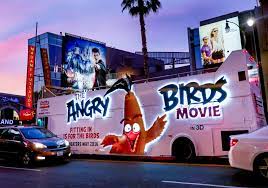
Transit Media revolves around the concept of advertising and information dissemination when consumers are “on the go” in public places or in transit. These include display advertising on vehicles and transportation. With the aim “driving home a message” transit media is significantly used for massive brand promotion to millions of people who travel the country’s streets and highways every day.Some people might think that this type of mass media is outdated or ineffective, yet it is widely visible on the sides of buses, in subway cars, at transit stations where passengers enter or disembark from public transportation.

Forms of Transit Media

  • Bus Advertising
  • Railway Advertising
  • Taxi Advertising
  • Transit Shelter Advertising

6. Digital Media/New Media/Internet

Since the invention of the World Wide Web by English scientist Tim Berners-Lee in 1989, the Internet has drastically taken over all the types of mass media because of faster dissemination speed and higher digital technology. New Media is an interactive two-way communication with users being the active producers of content and information. The Internet is considered as a highly interactive mass medium and can be simply defined as the “network of networks”. It has quickly transformed as the centre of the mass media as it has marvellously integrated all the prominent types of mass media. Now, you can see news websites, broadcasted TV shows as well as listen to online radio using the internet and this is also called as the convergence of mass media!New Media is normally a re-conceptualization of the existing media. This is a rapidly growing mass media with the ease of accessibility with a computer and an Internet connection (broadband or WiFi). From Story Writing and Graphic Designing to Multimedia and Animation, pursuing a career in this field can be highly advantageous.

Forms of Digital Media

  • Websites
  • Emails
  • Social Media and Social Networking Sites (SNS)
  • Webcast and Podcast
  • Blogging and Vlogging
  • IPTV (Internet Protocol Television)
  • E-forums and E-books
  • E-commerce and M-commerce
  • Digital Videos
  • Computer Animation
  • Digital Video Games
  • Human-Computer Interface
  • Virtual World & Virtual Reality

Reference Link:-

https://www.americanpressinstitute.org/journalism-essentials/what-is-journalism/

https://leverageedu.com/blog/types-of-mass-media/