The Future of Mining: What Does the Future Hold?

  Introduction

The world of mining has come a long way since its humble beginnings. From traditional methods that involved digging deep into the Earth’s crust to extract valuable resources, to more advanced techniques that utilize cutting-edge technology, mining has evolved significantly over the years. However, the future of mining promises even more exciting prospects and innovations that could revolutionize the industry, including the integration of cryptocurrencies online platforms. In this article, we will explore the potential of mining in the coming years, with a special focus on emerging technologies and the role of cryptocurrencies, in shaping the industry’s trajectory. So, if you are looking for a reliable trading platform, you may visit this Page.

Embracing Sustainability: A Greener Tomorrow

Photo by Leeloo Thefirst on Pexels.com

One of the most significant trends shaping the future of mining is the increasing emphasis on sustainability and environmental responsibility. Mining companies are recognizing the need to minimize their ecological footprint and adopt eco-friendly practices. Advancements in renewable energy sources, such as solar and wind power, are being integrated into mining operations to reduce carbon emissions. Furthermore, there is a growing adoption of electric vehicles and machinery in mining, reducing reliance on fossil fuels and contributing to a cleaner, greener future for the industry.

Automation and Robotics: A Technological Revolution

The future of mining is inevitably tied to automation and robotics. With the rapid development of artificial intelligence and machine learning, mining operations can be optimized, making them safer, more efficient, and cost-effective. Automated vehicles can navigate treacherous terrains, reaching areas that would have been too risky for human miners. Drones equipped with advanced sensors can be deployed to conduct surveys, monitor the mining sites, and assess safety hazards. These technologies not only streamline the mining process but also enhance worker safety.

The Rise of Deep-Sea Mining: Exploring New Frontiers

As traditional mining reserves deplete over time, mining companies are looking towards new frontiers. Deep-sea mining has emerged as a potential solution to extract valuable minerals from the ocean floor. With advancements in underwater robotics and remote-controlled equipment, mining companies can explore and tap into the vast mineral resources hidden beneath the seas. However, this new frontier comes with its own set of challenges, such as environmental concerns and regulatory frameworks, which need to be carefully addressed.

Leveraging Blockchain Technology: Transparency and Efficiency

The integration of blockchain technology into the mining industry holds tremendous potential. Blockchain offers a decentralized and tamper-proof ledger system that can enhance transparency and traceability in the supply chain. Mining companies can use blockchain to track the origin of minerals, ensuring they are ethically sourced and not associated with conflict regions or illegal activities. Additionally, blockchain-based smart contracts can streamline transactions, making them faster, more secure, and cost-effective for both miners and buyers.

The Advent of Cryptocurrencies: A New Paradigm

In recent years, cryptocurrencies have garnered immense attention, and their impact on the mining industry is undeniable. Crypto mining, the process of validating transactions and adding them to a blockchain, has become a lucrative venture for individuals and organizations alike. As the demand for cryptocurrencies continues to rise, so does the need for more mining power. This has led to the emergence of large-scale mining farms equipped with powerful hardware dedicated to mining digital assets. However, the energy-intensive nature of crypto mining has also raised concerns about its environmental impact.

An All-Inclusive Workforce: Embracing Diversity

The future of mining will also witness a transformation in its workforce. Mining companies are becoming more conscious of the importance of diversity and inclusion in their ranks. With the advent of advanced technologies, the skill sets required in the industry are evolving. As a result, more opportunities will open up for individuals from diverse backgrounds, including women and underrepresented groups, to contribute their talents to the mining sector.

Overcoming Challenges: A Roadmap for the Future

As the mining industry strides toward the future, it must also address significant challenges. Environmental impact, resource depletion, and regulatory compliance remain critical concerns. To thrive in the coming years, mining companies will need to invest in research and development to find innovative solutions that ensure sustainability and responsible practices. Collaboration between governments, industry stakeholders, and environmental groups will be crucial to overcome these challenges and pave the way for a prosperous and responsible mining industry.

Conclusion

The future of mining is undeniably exciting, with technological advancements and sustainable practices reshaping the industry. From automation and deep-sea mining to the integration of blockchain and cryptocurrencies, mining companies must adapt to these changes to remain competitive and relevant. As the world progresses, it is essential for the mining sector to embrace innovation, inclusivity, and environmental stewardship to build a prosperous and sustainable future for the industry and the planet.
Efforts to Ensure Sustainable Mining

 The National Mineral Policy, 2019 emphasizes on prevention and mitigation of adverse environmental effects due to mining in accordance with the latest scientific norms and modern afforestation practices to form integral part of mine development strategy in every instance. All mining operations have to be undertaken within the parameters of a comprehensive Sustainable Development Framework to ensure that environmental, economic and social considerations are integrated effectively in all decisions on mines and minerals issues. The policy also aims at encouraging use of renewable sources of energy at mining sites with a view to reducing pollution, carbon footprint and operational costs, through appropriate incentives, including sensitization training, workshops about environmental issues to all workers involved in mining operations.

Section 18 of Mines and Minerals (Development and Regulation) Act, 1957 empowers Central Government to frame rules for the mineral conservation, systematic development of minerals, protection of environment by preventing or controlling any pollution which may be caused by prospecting or mining operations. Accordingly, Mineral Conservation and Development Rules (MCDR), 2017 were framed, wherein Rule 40 and Rule 43 provides for:

(i) Rule 40 – Precaution against air pollution – Every holder of prospecting licence or a mining lease shall take all possible measure to keep air pollution due to fines, dust, smoke or gaseous emissions during prospecting, mining, beneficiation or metallurgical operations and related activities within permissible limits. 

(ii) Rule 43 – Permissible limits and standards – The standard and permissible limits of all pollutants, toxins and noise shall be such as may be notified by the concerned authorities under the provisions of the relevant laws for the time being in force. 

Further, before commencement of mining operations, lease holder has to obtain certain statutory clearances, licenses and approvals including Environmental Clearance from Ministry of Environment, Forest and Climate Change (MOEF&CC). As per the conditions of Environmental Clearance, the project proponent has to monitor fugitive emissions in the plant premises at least once in every quarter through labs recognised under Environment (Protection) Act, 1986 and Appropriate Air Pollution Control (APC) system shall be provided for all the dust generating points including fugitive dust from all vulnerable sources, so as to comply with prescribed stack emission and fugitive emission standards.

(c) & (d): Pollution levels in mines are monitored by State Pollution Control Board (SPCB) and Central Pollution Control Board (CPCB) as per their guidelines. Ambient air monitoring is carried out in core zone as well as buffer zone as per CPCB guidelines through laboratory recognized by MOEF&CC under Environment (Protection) Act, 1986. For Core and Buffer zone, for monitoring the fugitive dust emission, the National Ambient Air Quality Standard, 2009 is adhered to. Following practices are in general adopted at the mechanized mines to minimize the fugitive dust emissions: 

  1. Deploying modern fuel-efficient machines.
  2. Eliminating dust at source by maintaining roads in good condition by deploying motor grader and by spraying of water.
  3. Development of green cover along the haul roads.
  4. Emission levels of the mining machinery are kept under check by carrying out timely maintenance as per manufactures recommendations.
  5. Arrangements for wheel wash during exit of trucks/dumpers from mine.
  6. Preventing overloading of trucks and properly covering the cargo with tarpaulin before the truck goes out of mine.
  7. Dedicated manpower to clean the ore spillage on the public road by manual sweeping and washing.
  8. Dust suppression on mines through water sprinkling.
  9. Use of road sweeping machine for cleaning the public road/Mine Haul Road.

Mineral Resources and Associated Problems

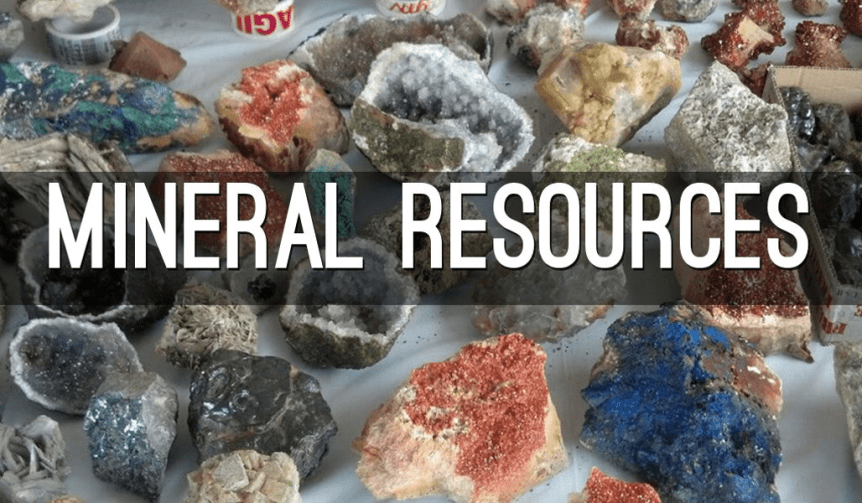
Mineral resources are the one , from which usable material are extracted economically from the concentrated elements, compounds, minerals or rocks from the earth. Minerals are site specific  and finite. Minerals are naturally occurring chemical compounds formed through inorganic processes under the crust of the earth. Their presence in the Earth’s crust is the result of geological processes operating over a long period of time. The distribution of these minerals resources is uneven throughout the Earth. India is rich in 35 minerals such as iron, aluminum, manganese, chromium, limestone, mica, etc. Minerals have important contributions in the economic & industrial development of a country.

Types of Minerals

  • Metallic Minerals – Pure Metals are obtained by chemical process. 11 metallic minerals are available in India. Ex. Iron, copper, gold, bauxite, manganese, etc.
  • Non-Metallic Minerals – Used in their naturally occurring state. 52 non metallic minerals are found in India. Ex. limestone, manganese, mica, gypsum, coal, dolomite, phosphate, salt, granite, etc.
  • Fuel Minerals – Are utilized as fuel. Ex Coal, Petroleum, Natural Gas, etc.

Types of Mining

Surface Mining

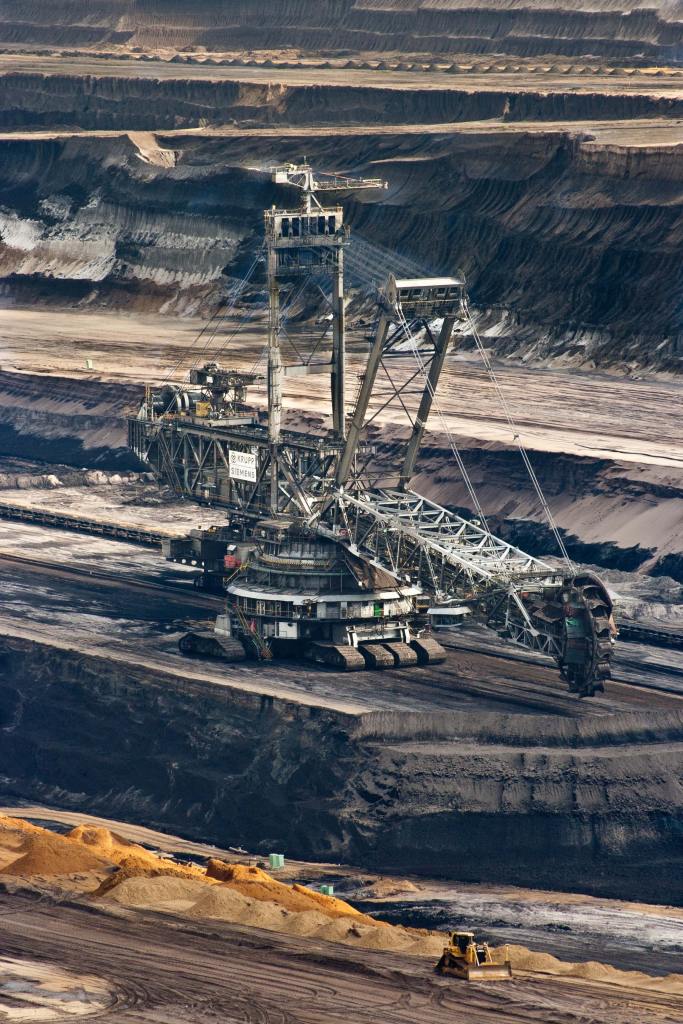
  • A mine in which ore lies near the surface & can be extracted by removing the covering layers of the rock & soil.
  • Almost all surface mining operations are exposed to the elements & require no roof support.
  • EX. Coal, Copper, Iron, Crushed Stone, Aluminum etc.

Sub Surface mining

  • Digging tunnels or shafts into the Earth to reach ore deposits.
  • Ore, for processing, & waste rock, for disposal, are brought to the surface through the tunnels & shafts.
  • EX. Natural Gas, Petroleum

USE & OVEREXPLOITATION

  • Mining is hazardous occupation
  • Rapid depletion of high grade minerals
  • Wastage of upper soil layer and vegetation
  • Environmental problems
  • Productive land into mining and industrial areas.
  • Air, water and land pollution.
  • Consumption of energy resources like coal, petroleum, natural gas etc.
  • Directly degrades the fertile soil surface thus effect ecology and climate.

EFFECTS

  • Deforestation and desertification
  • Extinction of species
  • Rapid depletion of high grade minerals
  • Forced migration
  • Wastage of upper soil layer and vegetation
  • Soil erosion and oil depletion
  • Ozone depletion
  • Greenhouse gas increase
  • Environmental pollution
  • Natural hazards

STATUS OF MINES IN INDIA

India produces as many as 86 metals & minerals. u80 % of mining in India is for coal. India has over 3500 legal mines. Illegal mines is the major problem in the country. i.e.180000. Over 1 million people are employed in this industry. Mining has adversely affected biodiversity, ecosystem, local culture, and community.

CASE STUDY : Bauxite deposits of Kolhapur

It was started in 1968 by Kolkata based Indian Aluminum Company, later became HINDALCO. Bauxite and laterite from aquifers in ground water thus change the ground water conditions. It cause loss of vegetation. Rehabilitation and afforestation is essential.

PROTECTION PLAN

  • Afforestation on mining site.
  • Formation of contour trenches in mining site.
  • Formation of green belt along the roads.
  • Parks & gardens in the township area & green belt around it is developed.

Pradhan Mantri Khanij Kshetra Kalyan Yojana

The Pradhan Mantri Khanij Kshetra Kalyan Yojana was launched on 17th September 2015 for the welfare of the people and areas affected by mining operations. Funds for this scheme are generated by District Mineral Foundations (DMFs). And most of these areas are occupied and inhabited by the scheduled tribes. In all the districts that are affected by the mining, District Mineral Foundations (DMFs) under the Mines and Minerals (Development & Regulation) Amendment Act, 2015, the Central Government has fixed rates payable by miners to the District Mineral Foundations. An amount of 30% of royalty has to be paid by the miner if the lease executed dates before 12th January 2015 and for the mining leases after 12th January 2015, it is 10% of the royalty payable. These Mines and Minerals (Development & Regulation) (MMDR) funds are then used for the implementation of the Pradhan Mantri Khanij Kshetra Kalyan Yojana. The directly and indirectly affected people (as specified by the government) by such mining or excavation activities should be covered under this scheme. The list of such directly and indirectly affected people and local communities should be maintained and updated by the District Mineral Foundations (DMFs). People having legal or traditional rights over the land on which mining, excavation, or any such activity is performed come under the list of affected people or traditional communities. The families which get displaced because of these mining activities need to be rehabilitated by the authorities. At least 60% of MMDR funds are required to be utilized in the following ‘High Priority Areas’:

• Health Care – Implementation of Group Insurance Scheme for the mining-affected people should be taken care of. Primary or secondary health facilities should be provided in consideration to the existing available health facilities of the central government, state, or any local bodies to the people of the mining-affected areas. While preparing for such infrastructure the knowledge available with the ‘National Institute of Miner’s Health’ should be included for taking care of diseases and illnesses related to mining.
• Drinking Water – Water purification facilities, drinking water facilities, and water connection pipes should be taken care of.
• Education – Construction of school buildings, hostels for students as well as teachers in remote areas, classrooms, labs, toilets, transportation facilities, and such more education-related resources should be considered.
• Sanitation – Proper collection and disposal of mining waste and fecal sludge, cleaning of public places, and construction of toilets.
• Development of Women and Children – Special programs can be carried out for spreading awareness for maternity-related issues, infections, malnutrition, and child health issues.
• Skill Development – Developing skills of the willing and deserving local people by setting up centers, providing training, and to the Self-Help Groups (SHGs) for generation of economic activities among the backward.
• Safeguard of Old and Disabled – Organizing programs for the welfare of the old and people with disabilities.
• Pollution Control and Environment Preservation – Opting for environment-friendly and sustainable mining techniques, prevention of lakes, ponds, groundwater, and other water resources, prevention of air pollution due to mining, and proper drainage system for mining dump.
Utilization of up to 40% MMDR funds in the following ‘Other Priority Areas’:
• Irrigation – Opting for sustainable and advanced irrigation techniques.
• Watershed and Energy – Establishing rainwater harvesting systems and alternative sources of energy.
• Infrastructure – Developing required infrastructure such as – roads, railways, and water projects.
• And more such measures for sustainable resources and improved environmental conditions in mining districts.

The vulnerable and marginalized communities such as the tribal are empowered through this scheme. It is said, annually Rs 6000 crore is utilized for the development of people and areas affected by mining activities. According to the reports of the ministry, till now an amount of Rs 22,999 crore has been approved out of which an amount of Rs 6,944 has been utilized.

Know asteroids better on World asteroid day

June 30 is the world asteroid day and it is held on the anniversary of Siberian Tunguska event which is known as one of the most dangerous asteroid related event on earth. This day is designed by United Nations general assembly to raise awareness about the harmful effects of asteroids and measures to be taken to avoid these effects. On this day lets know more about the asteroids.

After the formation of the solar system, some of the rocky remains which failed to form a planet started to revolve around the sun around 4.6 billion years ago and these are called asteroids. Asteroids are made of same starting materials as earth and the other planets. But they are not big enough to be called a planet. Currently 1,097,065 is the known asteroid count and there is an asteroid belt between Jupiter and Mars which contains more than 200 asteroids of size larger than 60 miles in diameter. And many asteroids are present outside the belt also.

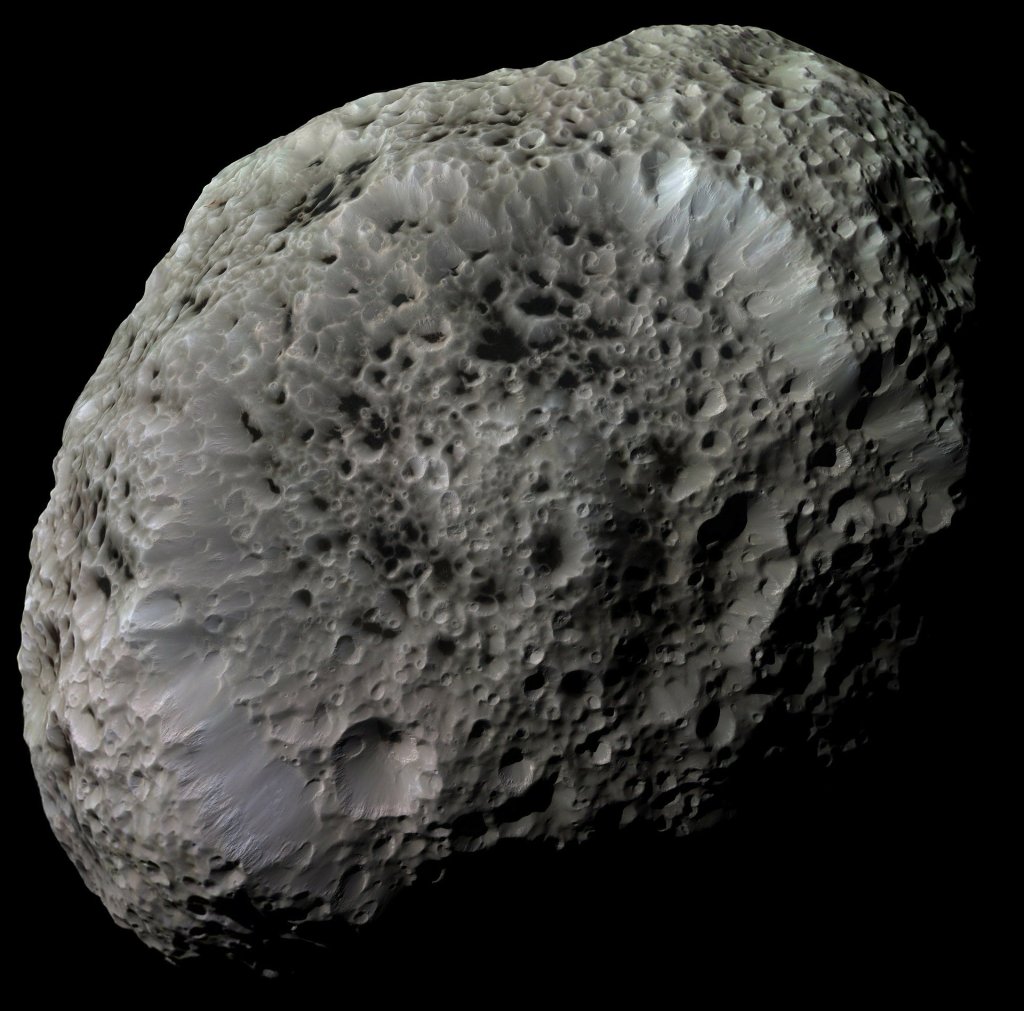
asteroids can be very big of 940km and can be very small of 6-foot-wide. They are irregularly shaped although some are nearly spherical. Their surface is pitted as moon`s surface. Some of the asteroids also have their own moon. There are binary asteroids also present which revolve around the sun in pair and revolve around each other too. The average temperature on their surface is minus 73 degree Celsius.

THERE IS A CLASSIFICATION FOR ASTEROIDS BASED ON THEIR COMPOSITION
asteroid

C-type asteroids: They are also called as carbonaceous asteroids. This is the most common type of the asteroid making 75% of the population. They are mostly grey in color. They have large amount of carbon with rocks and minerals. They inhabit the main belt`s outer region.

M-type asteroids: They are also called as metallic asteroids. They are mostly made of nickel and iron and small amount of stone. They are moderately bright and red in color. They are in the middle region of the main belt.

S-type asteroids: They are also called as siliceous asteroids. They are of 17% of the total asteroids present at inner region of the asteroid belt. They are mostly made of silicate materials. Their composition is similar to meteorites.

CAN ASTEROIDS BE A SPACE COLONY FOR HUMANITY?

The desperation of the humanity for survival is the main driving force to think about colonizing the asteroids. But this has many obstacles. The main challenge is the transportation. Asteroid belt is 204.43 million miles away from the earth & journey to them may take more than 18 months. And size of the asteroids is not enough to produce gravity. This makes landing on them difficult. Another problem is the temperature which is very less. Scientist are studying to remove all these obstacles and possibility of habiting on the asteroids is quite at the far end of the future.

MINING ON ASTEROIDS
mining

Mineral depletion is becoming a major thing on the earth. It is predicted that earth will run out of the minerals in coming 50-60 years. So extraction of minerals from the space that too asteroids sounds interesting and hopeful. Asteroids also contain water which can be used as fuel for the spacecrafts used. Its been said that the world`s first trillionaire will be a person who owns asteroid mining. Asteroid mining will bring the essential economic progress.

Mining on asteroids requires a  lot amount of resources. Some of may include mining robots and haulers. Construction and maintenance of infrastructure is important. In-space manufacturing should be enabled to do mining effectively. Bringing the mined materials back to earth is also a challenge.

The technology for asteroid mining is being constructed by a company called Deep space industries. They are developing 3 types of spacecrafts. They are: Fireflies to examine the asteroids, Dragonflies to bring back samples to the earth and Harvesters to voyage to the asteroids and gather tons of minerals and return back to the earth. TransAstra is another company which is developing technologies for the same. If all these companies succeed then the dream of mining on asteroids will come true and will benefit the earth`s economy.