

The seasonal monsoons rains have already made its way in Southern India and will soon be entering the mid-plateau area (western ghats) of India within two to three days. The monsoon season is truly a blessing for the whole country ,be it crops, irrigation, water bodies or even for hydroelectricity and the most important one is that monsoon rains are used in ground water storage which is essential for multiple purposes.
Every year we expect a good replenishment of monsoon rains from the month of July till the month of September, Indian economy is an agro based economy, our farmers are highly dependent on the monsoon season for their crops. Fifteen percent of India’s GDP is covered by agriculture alone. The farmers look forward to a good monsoon season which not only waters their major crops (Eg-rice, pulses and cotton) but also fills the nearby water bodies to avoid drought like conditions.
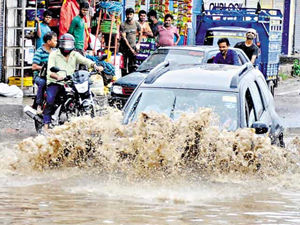
But there are some disadvantages as well, on numerous occasions monsoons have become the cause of flooding, the 2019 monsoon created havoc b breathing flood like situation in various parts of Maharashtra which is usually not the case, this damages vehicles, property and much more.eg-During the 2019 Monsoon season specifically during the month of august and September most of the cities in both the states were affected by flood like situations causing rail and road damage, it was said to be the heaviest monsoon in the last 27 years, it cause huge crop damage and also led to deaths. One of the worst cities affected by monsoon almost every year is Mumbai.

Disease de facto-
It is also one of the biggest causes behind vector diseases like malaria and dengue due to water logging and stagnant water which becomes a house of for these deadly creatures. India has 15 million cases of Malaria on an average every year during the monsoon season with around 16,000 deaths every year.
Water logging and drainage woes-
Monsoon also causes water logging and creates problem in drainage system, leading to blocked drain, overflow of sewage water and many other problems. Heavy monsoon can also be disastrous to crops as well as it can destroy the most essential crops of the coming season which can lead to farmers facing a huge amount of loss.
Landslide and mudslides–
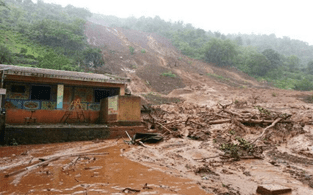
Due to monsoon may areas become prone to landslides, and can destroy villages and farms causing people to lose their livelihood along with their living. This also destroys land and can cause levelling problems.eg- the Malin landslide which took place in a village (Ambegaon Taluka) in Maharashtra caused displacement of so many villagers, the landslide devoured the whole village. The death toll reached 136 and the villagers had to re-built their lives from scratch.
Soil erosion-
Also soil erosion is common as heavy monsoons leads t runoff and in many cases this lead to soil erosion, due to soil erosion many trees are uprooted due to heavy rainfall as their roots have no soil to hold onto and the roots are more exposed to being damaged as the layers of soil drastically have been swiped out due to the torrential rains.
Monsoon comes with its many beneficiaries but too much of it can cause disdain and wreck damage to people, property and much more.
Abdhi Upadhyay
 Eduindex
You must be logged in to post a comment.