

The theory of narco-terrorism stems from the realization that the two phenomena of drugs trafficking, and terrorism are inextricably linked, and that, as a result, a coordinated anti-drug and anti-terror policy can and must be employed to effectively combat both threats. Because of its nefarious partnership with terrorist groups, narcotic trafficking, which began as an organized cross-border crime, has now evolved into a menace to nation states.
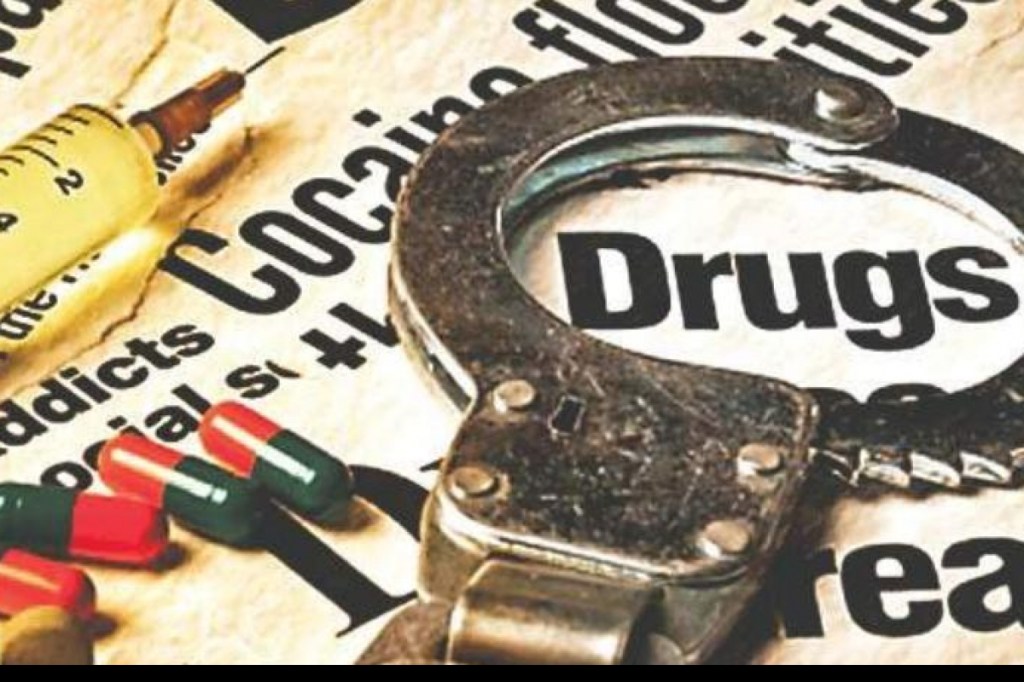
Although it has been known for decades that there is a relationship between the drugs trade and terrorist organizations, as suggested by the name narco-terrorism, the international focus on terrorism after September 11, 2001, has intensified the attention given to the issue of narco-terrorism.
The Golden Crescent is the world’s greatest illegal opium production. In 1999, Afghanistan and Pakistan alone accounted for over 6000 metric tonnes of total illegal output. Because of this high-level production, narco-terrorism is increasingly linked to the reigns of central and southeast Asia. India being the southern part of Asia is concerned because these narcotics are a key source of money for Pakistani-sponsored terrorism in our nation. Also, India is the sole licit provider of opium to the international pharmaceutical sector, with an annual export income of roughly Rupees 209 crores in 1999. The economy of the Pak-Afghan border is based on poppy and cannabis cultivation. The drug money is being smuggled into the Indian money market in an unorganized but methodical way because of which financial institutions suffer.
Because of illicit drug trafficking from Afghanistan and Pakistan poses a threat to India’s polity and economy. This issue requires serious attention from policymakers and law enforcement organizations before it is too late to intervene. Similar contention was also made by India’s home minister, Amit shah. He recently visited the National Forensic Sciences University (NFSU) in Gandhinagar to unveil the Centre of Excellence for Research and Analysis of Narcotic Drugs and Psychotropic Substances, which was established during Prime Minister Narendra Modi’s term as Chief Minister of the State of Gujrat. There he announced that India now faces the threat of narco-terror because of the rise of narcotics where drug traffickers and peddlers use drug money to promote their unlawful and disruptive operations. So to tackle this ongoing issue the Government has determined that narcotics would not be let into the nation, and that India will not be used as a transit point. He also mentioned that It is critical to put an end to this threat.
Talking about the inauguration he said that this Centre was chosen to be connected to Gujarat’s Forensic Science University when the government was constituted for the second time under Prime Minister Narendra Modi because to appreciate the university’s outstanding services, the union government had designated it as a national center of excellence. He further added that the administration emphasized the need of using scientific techniques to conduct faster and more effective criminal investigations. Therefore, Forensic science will play a significant part in this. He also commended the forensic science institution for its contributions to criminal investigations into cyber and drug-related crimes.
The theory of narco-terrorism stems from the realization that the two phenomena of drugs trafficking, and terrorism are inextricably linked, and that, as a result, a coordinated anti-drug and anti-terror policy can and must be employed to effectively combat both threats. Because of its nefarious partnership with terrorist groups, narcotic trafficking, which began as an organized cross-border crime, has now evolved into a menace to nation states.
Although it has been known for decades that there is a relationship between the drugs trade and terrorist organizations, as suggested by the name narco-terrorism, the international focus on terrorism after September 11, 2001, has intensified the attention given to the issue of narco-terrorism.
The Golden Crescent is the world’s greatest illegal opium production. In 1999, Afghanistan and Pakistan alone accounted for over 6000 metric tonnes of total illegal output. Because of this high-level production, narco-terrorism is increasingly linked to the reigns of central and southeast Asia. India being the southern part of Asia is concerned because these narcotics are a key source of money for Pakistani-sponsored terrorism in our nation. Also, India is the sole licit provider of opium to the international pharmaceutical sector, with an annual export income of roughly Rupees 209 crores in 1999. The economy of the Pak-Afghan border is based on poppy and cannabis cultivation. The drug money is being smuggled into the Indian money market in an unorganized but methodical way because of which financial institutions suffer.
Because of illicit drug trafficking from Afghanistan and Pakistan poses a threat to India’s polity and economy. This issue requires serious attention from policymakers and law enforcement organizations before it is too late to intervene. Similar contention was also made by India’s home minister, Amit shah. He recently visited the National Forensic Sciences University (NFSU) in Gandhinagar to unveil the Centre of Excellence for Research and Analysis of Narcotic Drugs and Psychotropic Substances, which was established during Prime Minister Narendra Modi’s term as Chief Minister of the State of Gujrat. There he announced that India now faces the threat of narco-terror because of the rise of narcotics where drug traffickers and peddlers use drug money to promote their unlawful and disruptive operations. So to tackle this ongoing issue the Government has determined that narcotics would not be let into the nation, and that India will not be used as a transit point. He also mentioned that It is critical to put an end to this threat.
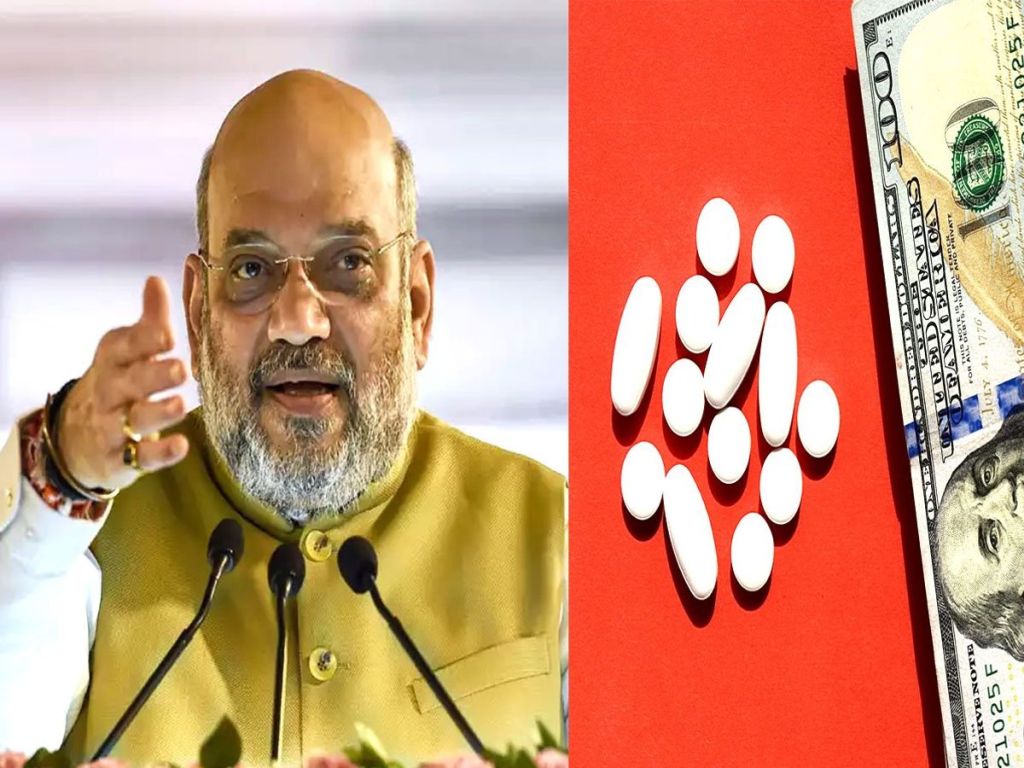
Talking about the inauguration he said that this Centre was chosen to be connected to Gujarat’s Forensic Science University when the government was constituted for the second time under Prime Minister Narendra Modi because to appreciate the university’s outstanding services, the union government had designated it as a national center of excellence. He further added that the administration emphasized the need of using scientific techniques to conduct faster and more effective criminal investigations. Therefore, Forensic science will play a significant part in this. He also commended the forensic science institution for its contributions to criminal investigations into cyber and drug-related crimes.
 Eduindex
You must be logged in to post a comment.