


On Tuesday, New Zealand announced that Auckland, its largest city, would be shutting down since 4 new cases has been found in the city. It is the first case of domestic transmission for the nation after remaining covid free for 102 days.
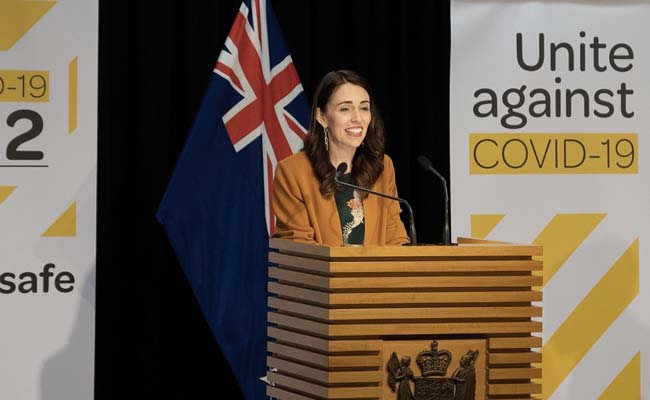
New Zealand’s fight against Covid was recognised across the world. Prime Minister Jacinda Ardern was congratulated for her effective method and governance. A vigorous and decisive response to the pandemic had effectively curbed down the rates of infection. The Pacific island nation of 5 million citizens was considered to be the safest place as it remained Covid free for 100 days at a stretch. It had made a record of zero new cases of community transmission of Covid-19. From a first case on Feb 26 to the last one recorded on May 1st, the whole process of elimination took about 65 days. The nation was placed under lockdown for weeks when the virus first broke out and it had achieved a milestone of 100 days. The last case was recorded on May 1st. The government had warned from before as countries like Australia and Vietnam which were once free from the virus are now fighting a second battle.
The Director General of Health had said that the 4 new cases are from a single family in South Auckland. It is the first local case in 102 days. The patients had no international travel history and contact tracing has been started.
With the announcement of shutdown, media reports suggested that people have started panic buying. The Prime Minister has made a surprise news conference and announced that Auckland will have Level 3 restriction from Wednesday as a “precautionary approach”. According to it, people should be staying at home, away from work, school or any social gathering. Any gathering of more than 10 people will not be allowed. This restriction would be applicable for 3 days, until Friday. This was done to assess the situation and gain further information about contact tracing. Immediate steps have been taken to find the source of the infection and to prevent further spread. There is an added concern because the source of the virus is not known this time. Travelling to Auckland, on North Island, would be restricted for people other than the ones who live there. The rest of New Zealand would go into Level 2 restriction from Wednesday for 3 days. Social gatherings would be restricted and mass gatherings over 100 people would not be allowed. Since sources are unknown for the new cases, it is expected that there could be a rise in numbers in the coming few days.
Auckland Mayor Phil Goff has said, “I am urging Aucklanders to come together like we did last time to stamp out community transmission. Please remain calm, please do not panic buy and please follow the lockdown rules.” People have been instructed to use masks and to avoid all kinds of social gathering. Jacinda Ardern has told reporters, “No other country in the world was free of community transmission as long as New Zealand. Together we have beaten the virus before. We can do so again.”
New Zealand elections are scheduled to happen on September 19. The break of new cases was unexpected. Till now, the government has fought against the situation and done quite well as a result Ardern’s Labour Party has got a lot of support before the elections.
 Eduindex