Fruits Which Will Cost Your Fortune

I have already written about expensive fruits before ( Here is the link — https://wordpress.com/post/eduindex.org/55706 .Please check it also .) but that was not enough . Apart from Buddha Shaped Pear ,Sembikiya Queen strawberries ,Square watermelons ,Sekai-ichi Apple ,Yubari melon ,Taiyo – No – Tamago Mango , there are some more fruits in the world which can be proudly placed in the list of expensive .Let’s talk about them .

1) Ruby Red Grapes or Ruby Roman : This comes under the species Vitis vinifera .Its color is beautiful ruby red that’s why it is called ruby red grapes .Every grape is as big as a ping pong ball & perfectly round in shape  .These types of grapes are very juicy & sweet in taste .You can only able to buy it from  Ishikawa Prefecture in Japan as it is grown & cultivated in this place . These grapes first appeared in 2008 in Japan . According to a 2019 report , One bunch of a ruby roman costs almost 750000 rupees & one grape costs almost 35000 rupees in Indian currency . The reason for this high price value is the low amount of production of these grapes as only 2400 bunches are harvested per year .
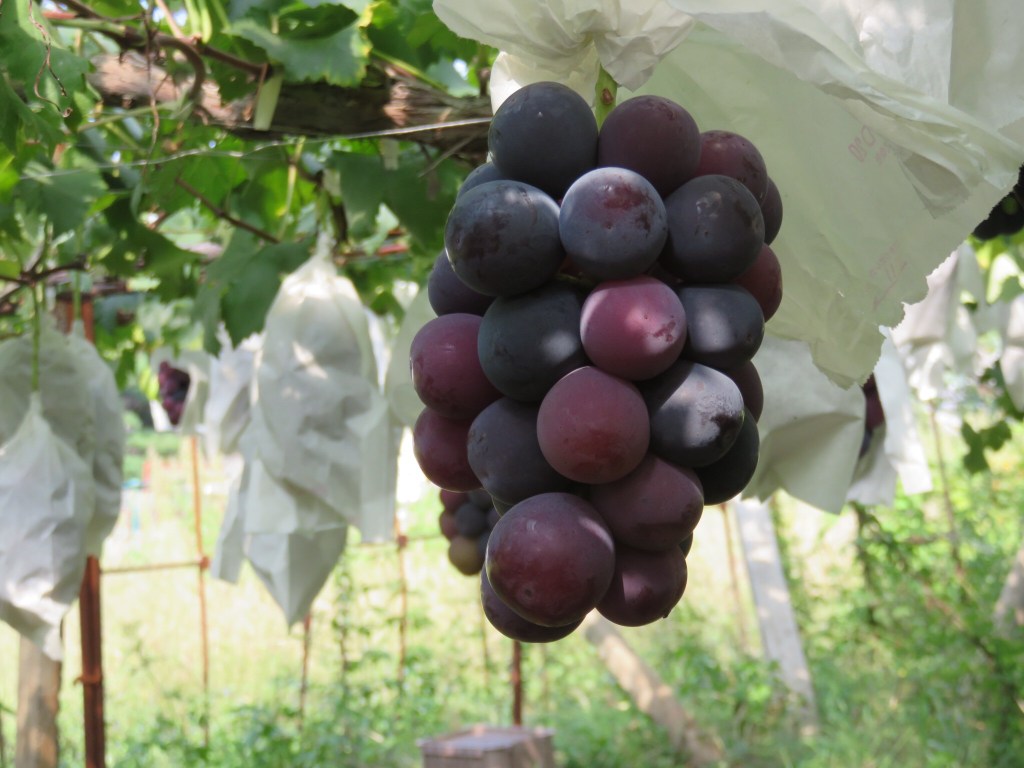
Ruby Roman or Ruby Red Grapes
Ruby Red Grapes in a Japanese store

2) Heligan Pineapple or British Pineapple : Pineapples usually grow in warm weather but the cold weather of Europe, especially the United Kingdom is not very suitable . But these heligan pineapples are exclusively cultivated only in a Victorian garden, The Lost Gardens of Heligan which has existed from the 18th century & situated in Cornwall in UK .This pineapples are grown in utmost care & in special condition .They cost more than $ 1500 or 100000 rupees . Still now the highest price of heligan pineapple is $ 16000 .

Heligan Pineapple
Heligan Pineapple cultivation in Lost Gardens of Heligan

3) Dekopon Orange : Dekopon orange is a hybrid citrus fruit of two citrus species Kiyomi & Ponkan .It was first developed in 1972 in Japan .It is a seedless orange with sweet juicy flesh .It is considered as one of the best & expensive citrus fruit & only sold in Japan . The price of a dekopon orange is $ 80 or 6000 rupees per pack which contains only 6 oranges .

Dekopon Orange
Dekopon Orange

4) Densuke Watermelon : It is one of the most costly watermelons in the world .This watermelon is perfectly round shaped with spotless deep green outer surface .The edible red flesh of this watermelon are much sweeter & juicier than other watermelons .Each piece of watermelon is weight of 11 kg or more than  11 kg . Densuke watermelon are only farmers in the Hokkaido island in Japan & only  can be brought from Sembikiya Flagship store situated in Tokyo , Japan . Only 10000 number of densuke watermelons are produced  per year .It costs almost $ 6000 or 4.4 lakh in Indian currency .

Densuke Watermelon

5) Black Diamond Apple : These apples have a very unique color .The outer shell is of the deep blackish red or purple color ,very different from any other types of apple. They are much sweeter & flavorful than the rest of the apples .It is a scarce breed ,which belongs to the Huaniu apple species . These apples are only produced in Nyingchi provinces in Tibet .It is believed that this unique color is due to the cultivation in high altitude (3500 m or above ) & ultraviolet ray .This apples are not available in Indian market for its low lifetime . It cost almost $ 7 or 500 rupees per piece .


Smoking Should be Banned

The number of persons who smoke has risen steadily throughout time. Even if they are aware of the dangers of smoking, they continue to do so. It is a very addicting habit and a personal choice. Smokers make the decision to expose themselves to the health hazards associated with smoking. It is not for the government or any other third party to decide whether or not a person may smoke. Smoking, on the other hand, has detrimental consequences on those who do not smoke. It also affects those who live in close proximity to smokers, because when people smoke in public, the smoke spreads throughout the atmosphere, and the harmful effects of this smoke affect all living, breathing animals.As a result, all public locations should prohibit smoking.

Smokers set a negative example by smoking in public. In their growing periods, children are easily influenced. Because infants are unable to distinguish between right and wrong, they copy those around them. As a result, they believe that the activities they witness are as things should be. Furthermore, teenagers who observe others smoking in public view it as a model to follow and begin smoking themselves. People copy the actions of others as they see them in their daily lives, according to the phrase “monkey see, monkey do.” Smoking is considered “cool” by teenagers. It reinforces their sense in the “coolness” of smoking when they observe adults doing it on the streets. Some youngsters believe that smoking is a sign of maturity and adulthood. As a result of seeing other people smoke in public areas, more teenagers are starting to smoke.

Tobacco contains nicotine, which is highly addictive. Smoking is an addiction because of this. As a result, a smoker’s ability to quit is hampered by nicotine. As a result, a person will grow accustomed to nicotine to the point where he or she will need to smoke to feel normal. Smoking should be prohibited for a variety of reasons. It affects nearly all of the body’s organs. Cigarette smoking is responsible for 87 percent of lung cancer fatalities, as well as a variety of other cancers and health issues. Furthermore, smoking is blamed for the mortality of infants born to pregnant women. People who live near smokers, on the other hand, become secondary smokers, inhaling the smoke and developing the same health issues as smokers. Cannabis withdrawal symptoms include despair, insomnia, frustration, anger, anxiety, difficulty concentrating, and restlessness, even though it is not generally smoked.

Smoking prohibitions reduce the number of smokers in general: Every year, smoking causes 700.000 premature deaths in Europe as a result of increased cancer, cardiovascular, and respiratory disease risks. All EU countries have implemented smoke-free environments, as proposed by the European Council in 2009. In the first ten years after the prohibitions were enacted, there were 1.9 million fewer smokers in the UK alone.

Passive smoking is reduced: Toxic vapours are harmful not only to the person who is actively smoking a cigarette, but also to others who are exposed to them. Secondhand smoke kills around 1.2 million people prematurely every year around the world. Nonsmokers are substantially less exposed to hazardous gases in public areas thanks to smoking prohibitions.

Governments will have less tax revenue: Tobacco is subject to high taxes across Europe, albeit the exact rate of taxation varies by member state. Governments make a lot of money this way. If smoking prohibitions result in fewer cigarette sales, governments may see a decrease in tobacco tax revenue.

HEALTH IMPACTS:

The researchers found 35 tobacco compounds in the movie theatre, including recognized carcinogens including benzene, formaldehyde, and acrolein. Although the long-term health effects of breathing in third-hand smoke are unknown, most public health experts agree that there is no such thing as a safe level of cigarette smoke exposure, according to Gentner. According to Gentner, the findings suggest that measures designed to protect non-smokers from second-hand smoke, such as prohibiting people from smoking within certain distances of buildings, should be expanded to protect people from third-hand smoke as well.

Parents who smoke outside their houses to protect their children from hazardous tobacco chemicals should be aware that “the toxins from their cigarettes do not stay totally outside,” according to Gentner, and that parents “remain a source of those chemicals when they come back inside.”

Hobbies

Hobbies are the activities that we do in our spare time. Hobbies are unique to people. Some like gardening, a few like photography, many have book reading as their hobby. While other hobbies are swimming, collecting stamps, playing video games, and many more. People have hobbies not only to pass their free time but also to do something useful . Hobbies help people learn new things, relax after a day of tiring work and to energise their body and mind.

“Whatever you like to do, make it a hobby”.

Writing

Writing is a unique hobby because most people don’t want to exhaust themselves in their spare time. Many feel that writing is tough, but I do not think so. I feel writing is like painting our voice. When I get free time, I pick a pen and a notebook and start painting my ideas in words. I write stories , poems and sometimes, about my feelings. My mind relaxes when I pour my thoughts as words. So, writing energises me. When I write things, my imagination is at its best. I imagine a world with magic and magicians, where I can fly, and birds can talk. Writing helps me completely immerse myself into that world! Sometimes, I sit with small children and entertain them with these stories of mine. The happiness of their faces makes me to write more and better. Although writing is just a hobby for me, yet it is very beneficial. It opens my mind to think beyond the little things with a broader mind. It makes me more passionate about my life. It makes me learn new things and enjoy every moment of my life.

‘Writing is easy. All you have to do is cross out the wrong words”.

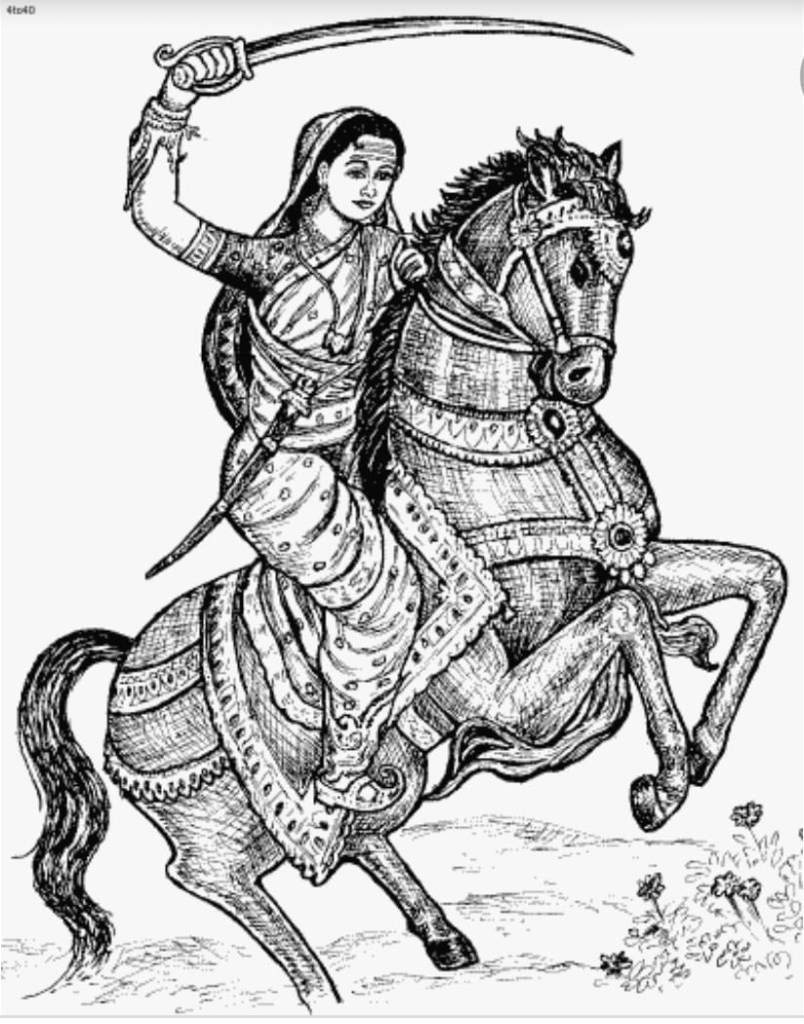
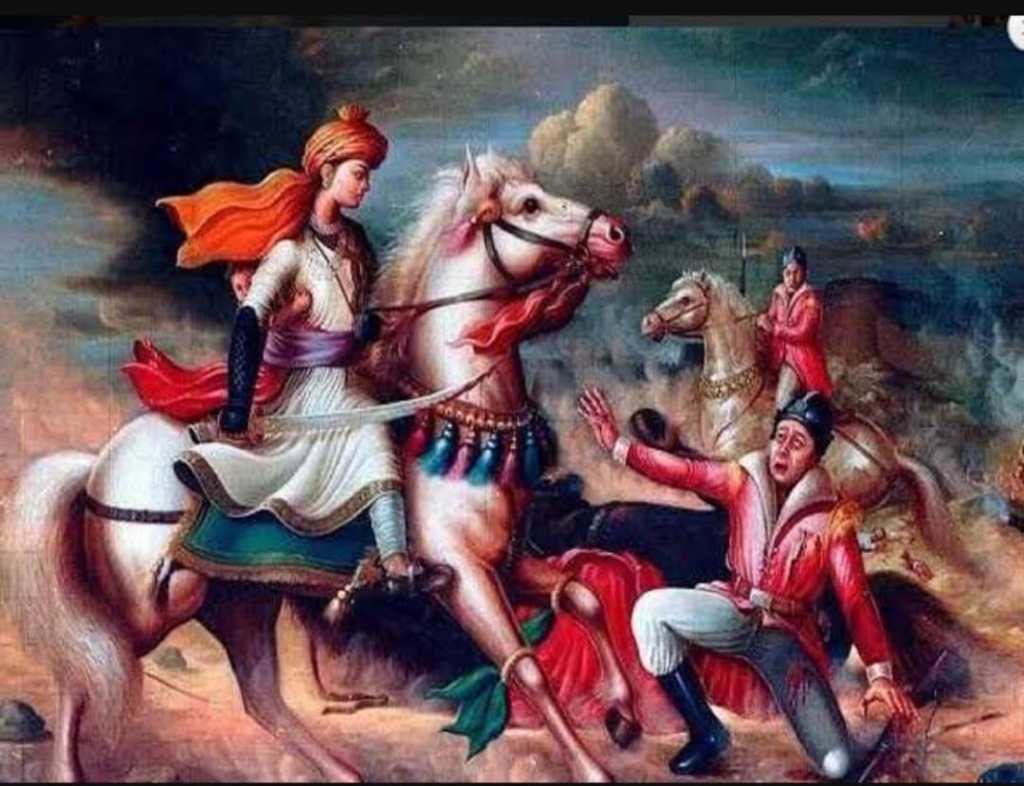
JHANSI RANI LAXMIBAI

Jhansi ki rani ,the one who fought bravely against the rule of British inspired many women all over the world with her bravery and courage .Her father Monopanth Thambe raised her like a warrior. Even though she was born in a Brahmin family, she can fight like a kshatriya since her childhood. she started to think against slavery from the childhood itself .she always wanted to end the rule of British.

She was born on 19 November 1828 in Varanasi . From childhood she was educated at home ,able to read and write , very independent than others of her age .When she was married to Maharaja Gangadar Rao Newalkar ,she got renamed from Manikarnika to Lakshmi Bai .she helped a lot to her husband to defend the Jhansi from the influence of British. she is the best women warrior i have ever heard . Her thoughts makes every Indian women to stand for themselves and other people who are in need.

she gave birth to a boy child in 1851 and named him as Damodar Rao .He was dead due to the backsliders .Later they adopted a boy named Anand Rao and then renamed as Damodar Rao on the day before the maharaja died . Generally, after the death of husband wife needs to shave her head as a ritual . But ,Manikarnika refused to shave her head and decided to take place of her husband to protect the people of her kingdom to not let the name of her husband down. she wanted to end the attrocities of Britishers .She also encouraged many women to become soldiers and trained them to fight .

she asked many villagers to help help her in the fight to take the rule of british over them. she even strenghtened her people with her great skillful ambition. she didn’t hesitate to take her child to the war .she tied her son to her back and fought war like a legend . she never showed her back eventhough they have less weapons and soilders than their opponents. Throughout the life she never headed down and maintained her dignity . she also died like a legend in her young age of 30.

whatever her fault in British eyes may have been ,her countrymen will ever remember that she was driven by ill-treatment into rebellion ,and that she lived and died for her country ,we cannot forget her contribution for India. _ COLONEL MALLESON

Language in the age of Chaucer

We see a growth of English national spirit following the victories of Edward and the black prince on French soil during the Hundred Years War. It lead to England separating from the political ties of France, the mutual distrust and jealousy were swept aside momentarily by a wave of patriotic enthusiasm. The French lost its official prestige, and English became the speech not only of the common people but of courts and parliament as well. The literariness of the age clearly reflects the stirring life of the times. Langland voiced the social discontent preaching the equality of men and the dignity of labour, Wycliffe translated the gospel, Gower criticised the vigorous life and feared its consequences. While reading Chaucer we come across obsolete spellings, melody in almost every line, rough verses.

One result of the Norman conquest of 1066 was to place all four English dialects at bay. West Saxons lost its supremacy and the centre of culture and learning gradually shifted from Winchester to London. The old Northumbrian dialect became divided into Scottish and northern, although little is known of either of these divisions before the end of the 13th century. The old Mexican dialect was split into east and west midland. West Saxon dialect was named the south western dialect and Kentish dialect, south eastern dialect, they went their own way and developed their own characteristics.

This age also so the emergence of the Standard English language. English was previously heavily curbed by the influence of French and Latin. The east midland dialect became the accepted form of standardized English. The language saw great achievement and expression in the masterpieces of Chaucer. French and Latin saw a waning influence on the language of the day. The common examples from daily life account details of blooming gardens in spring to unique human characteristics. The language glorified the themes of beauty, vitality and secular sentiment.

360 Wander Writer

Welcome to the Mythology World

Loong

The Immigrant Dragons, Part IV: Generations United in Bendigo

There are a lots of myths that are persisting between different people in different parts of the world. Once such mythology is the Chinese dragon. This dragon is also known as Loong , Long or Lung. It is regarded as the legendary creature. It takes many animal forms like turtles and fish. It is mostly depicted as a snake with four legs. They symbolize auspicious powers which can stretch its power over nature like water ,rainfall, typhoons, and floods. It symbolizes the power, strength. It also symbolizes good luck for people who are worthy of it to have. The Emperor of china used this dragon to show his imperial strength and power. In Chinese culture, excellent and outstanding people are compared to a dragon, while incapable people with no achievements are compared to other, some small creatures, such as a worm.

Pixiu

China Bronze Casting Crafts Pixiu Statues - China Pixiu Statue and Bronze  Statue price

It is usually depicted as a winged lion. It is said to be one of the nine children of the Loong . It is regarded as one of the auspicious creatures of Chinese mythology . It is stated that Pixiu stood in front of the gates as a guardian angel. Even in these centuries it is seen in the form of small jade pendants or worn as jewelry for good luck and money luck. It is also stated that it was a ferocious beast during the oldest Chinese period. It is metaphor for powerful army.

Jingwei

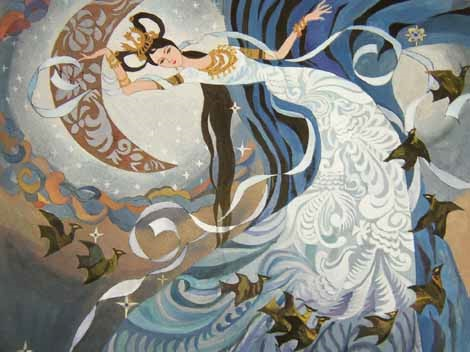
Jingwei was the youngest daughter of the Yan Emperor. She was a lively and rebellious girl . She was also a adventure type girl who swam into the Eastern Sea to see the sunrise. But unfortunately she drowned into the sea because of a storm. It is said that she got converted into a crow like bird. In order to avenge her death she flew as a bird every day to the Western Mountains .She carried pebbles and twigs along with her and dropped them into the Eastern sea . It is said that even the even the sea mocked at her for such a point less effort. But she swore to continue the effort of filling out the sea even if takes million and million of years. She is always remembered in the Chinese tale and stands as a example for perseverance .


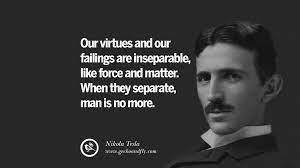
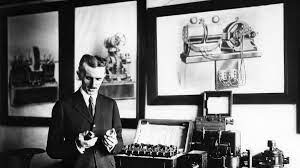
NIKOLA TESLA!!!

Many scientists have left their mark in the field of science. Their hardwork have led us to this development. Yes, if those scientists wern’t think of those different ideas, will you be able to live in this cosy and comfortable world. Think of those days, there were no mobile phones, mixer grinder, car and even current. When we think of this, the fullest credits goes to the scientists who invented this right? If there is no Edison, will there be any current now? If there is no Graham Bell, will there be a telephone? Have you ever thought if you can live without current and mobile phones? The answer would be no. Okay, let me get the point. You know about Edison, Graham Bell, Albert Einstein etc., and you know something about them. I will tell you about a scientist who left his mark in the field of physics. Yes. I’m to talk about our Nikola Tesla. He made many breakthrough in the production, application and transmission of the electric power. The first alternating current motor was invented by him. This made a breakthrough in the field of engineering. Come on! Let’s know something about him.

NIKOLA TESLA (1856 – 1943)

Nikola Tesla was born on 10th July 1856 in Croatia, America. His father, Milutin Tesla was preist in Eastern Orthodox Church. His mother,Đuka Mandić was very talented and she has the power to memorise Serbian epic poems. The crave for knowledge in Tesla came from his mother. Tesla was the fourth child of the family. He had three sisters and an older brother. His brother died when Tesla was five years old.

Tesla said that his interest in demonstration of electricity came from his physics teacher. He has a talent to calculate integral calculus in his head which prompted his teachers to believe that he was cheating. In 1875, Tesla enrolled at the Imperial Royal Technical College, Gauz, on a Military Frontier scholarship. During his first year, Tesla never missed a lecture, earned the highest grades possible, passed nine exams. He even got the letter of recommendations from his dean. After his father’s death in 1879, Tesla lost his scholarship and addicted to gambling. He never get through the final semester exams and didn’t finish of his degree. To hide fact, he severed the ties with his family and his friends thought that he was dead.

TESLA IN THE FIELD OF ELECTRICITY

  • In 1884, he reached America with the letter of inrtoduction to work with Thomas Edison, whose DC-based electrical works were fast becoming the standard in the country. Edison hired Tesla and the two worked hard tirelessly on Edion’s inventions. After some months, they two parted their ways due to some issues related to their business.
  • Tesla discovered, designed and developed ideas for a number of important inventions which were officially patented by other inventors including dynamos and the induction motor. Tesla designed the alternating-current (AC) electrical system, which had become the prominent power system of the 20th century and has remained the worldwide standard ever since.
  • In 1887, Tesla found funding for his new Tesla Electric Company, and by the end of the year, he had successfully filed several patents for AC-based inventions.
  • In 1895, Tesla designed what was among the first AC hydroelectric power plants in the United States.
  • In the 19th century, Tesla patented Tesla coil, which laid the foundation for wireless technologies and is still used in radio technology today. The heart of an electrical circuit, the Tesla coil is an inductor used in many early radio transmission antennas. The coil works with a capacitor to resonate current and voltage from a power source across the circuit.

Tesla died due to Chronic Thrombosis on 7th January 1943. He died in New York where he lived for sixty years. He worked hard to prove himself in the field of electricity. As the result of his hardwork, he was able to leave his marks in the field of elctricity. These are just a few information given by me. If you began to search on him, you can know various interesting facts about him.

Read more;

THE PICARESQUE NOVEL

The Picaresque novel is a famous technique in earlier periods. These techniques were used to record the Kings’ and other person’s victories in and out of the battlefields even during his adventures. This form of literature helped in recording the real historical heroes and events from various perspectives. Many authors adapted these techniques and succeeded in making new epic fictions, mythologies, and other real events and incidents.

The Picaresque Novel originated in Spain. The term ‘Picaresque’ is derived from the Spanish ‘picaro’ meaning an anti-hero or rogue. A Picaresque novel is generally an autobiography account of the hero’s fortunes, sufferings and wanderings. It is a combination of episodic tales arranged as journeys. They episodes generally depict low life in a rambling manner and come to an abrupt ending.

The first prose fiction in the nature of the picaresque was John Lyly’s ‘Euphues’ published in 1578 detailing the loves and adventures of a young Athenian called Euphues. Six years later, Thomas Nash published his ‘Unfortunate Traveller’, a more perfect picaresque romance dealing with the travels and adventure of a page called Jacky Wilton. Defoe’s ‘Moll Flanders’ published in 1722 had an affinity with the picaresque mode of writing. But Smollett’s  ‘The Adventure of Ferdinand Count Fathom’ is a more perfect form of the picaresque. However, it was Fielding’s ‘Tom Jones’ which established the respectability of the picaresque novel. Fielding’s novel describes through 18 book’s the adventures and several love affairs of The Young anti-hero Tom Jones. Elements of the picaresque can be found in Dickens’s Nicholas Nickleby and in Joyce Cary’s “The horse’s mouth.”

The object of the picaresque novel is to take a central figure through a succession of scenes and adventures, introduce a great number of characters around him and thus build-up picture of society. In the eighteenth century and before travel was the only way to get acquainted with social life. That is why heroes in the Picaresque novels are travelling heroes. The hero in a picaresque novel is always in the Whirlpool of adventures and he has to be present in several human situations. The picaresque hero often transcends the level of the rogue into a tragic figure with human attributes as in the case of Fielding’s Tom Jones.

Another feature of the picaresque novel is the dynamic movement of the hero. He should run through a succession of scenes as Tom does during his journey to London. The novelist constructs the picture of society through the narration of the hero’s wanderings. Smollett sends his hero Roderick Random not only to London but also to France and for a ship journey. The picaresque novel may go deeper into a contemplation of the more intricate relationship between good and evil. They also reveal the strange truth that generous impulses exist even in those whom society considers as rougues. Tom Jones is a generous and manly youth in spite of the rouguish elements in his character.

Until now this technique is used by various authors for various books in the name of Mythologies, fiction, and other Genres.

Short stories within novels

All about autobiography

ETHOS OF VEDANTA IN MANAGEMENT

Ethos of Vedanta are based on supreme truth & supreme soul. If you do good to someone , you will get good . If you are good , the whole world is good to you . Management ethics is the ethical treatment of employees, stockholders, owners and the public by a company. A company, while needing to make a profit, should have good ethics. Employees should be treated well, whether they are employed here or overseas. By being respectful of the environment in the community a compound ethics, and good, honest records also show respect to stockholders and owners. Most of us would agree that it is ethics in practice that makes sense; just having it carefully drafted and redrafted in books may not serve the purpose. Of course all of us want businesses to be fair, clean and beneficial to the society. For that to happen, organizations need to abide by ethics or rule of law, engage themselves in fair practices and competition; all of which will benefit the consumer, the society and organization.

When ethics are used in management , organization grow at a different level .

In these days of globalization, Vedanta-based values will surely have to make a sympathetic assessment of values of those brought up according to Islamic or Christian faith. However desirable it may be to universalize the teachings culled from the Vedanta philosophy, ultimately one will have to find in that same school the lessons of co-existence with alien cultures and roots.

Ethics are about making choices that may not always feel good or seem like they benefit you but are the ‘right’ choices to make. They are the choices that are examples of ‘model citizen’ and are the examples of ‘golden rules’ like; don’t hurt, don’t steal, don’t be dishonest, don’t lie. But if we take Ethics as a subjective philosophy then what will happen to these golden rules. Especially at the time of facing any ethical dilemma how one should decide-what is ethical and what’s unethical? Organization provides rules, regulations, code of conduct, protocols which provide guidelines to work, it shows how to walk, but it does not show the correct path to walk on. Ethical dilemmas faced by managers are often more real to life and highly complex with no clear guidelines, whether in law or often in religion. Ethics gives us a message to always look forward , which gives a message to look at a long go . Ethics teaches a management the most important thing that is forward looking approach . With this forward looking approach , it teaches to be always true to the organization .

Some of the principles of Indian ethos are :

  1. Know who you are & what is your purpose of existence , this concept is used in management because a management’s main motive is to know what who they have to manage & what they have to deal through
  2. Holistic approach : We should behave with others in the manner which we expect from them . Effectiveness & efficiency of an organization increases when the employees are highly motivated.
  3. Service motive : A person should have service motive & at the same time should have a smiling face while providing that service . An organizations main motive is to provide service to other , & they should not be profit oriented .
  4. Self sacrifice : One should have self sacrifice attitude , means sacrificing self ego , & should always be helpful to others

First Animated movie

Coco, Zaya, and the last dragon those are such of brilliant animated movie we are obsessed off, showing a story differently with updated techniques but who started it, how an animated movie was back when it started forming.

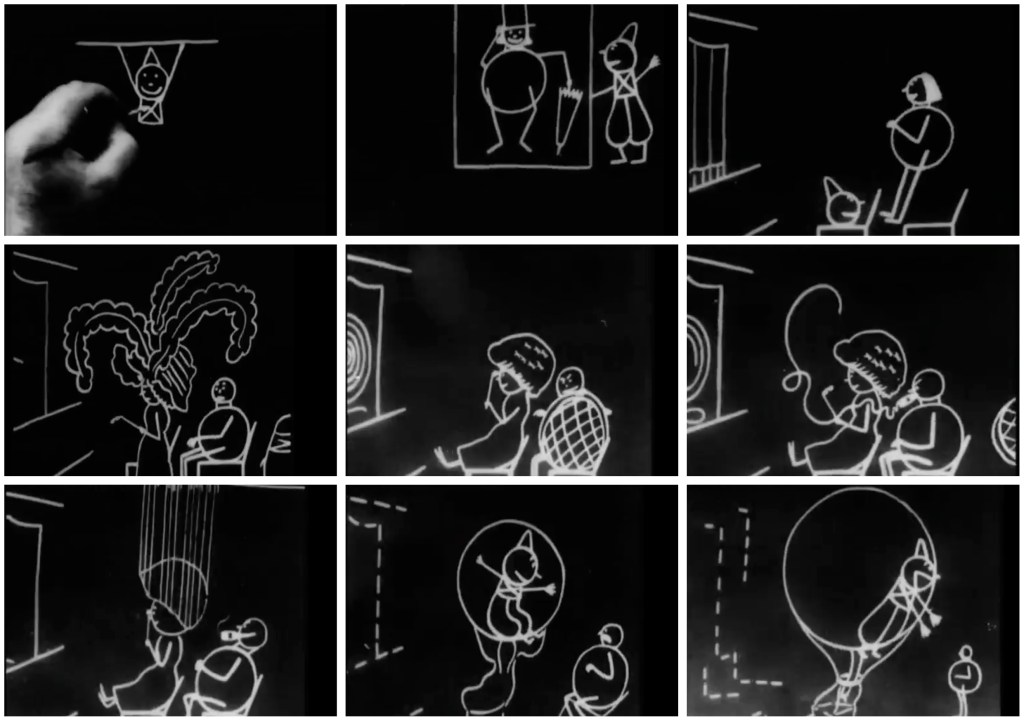
On 17 August 1908 a movie was released not a normal one it was the world’s first fully animated movie ‘Fantasmagorie’, created by Emile Cohl in a hand-drawn style, released by the Gaumont Company in Paris.
The movie was a tribute to the Incoherent Art Movement which was banished by that time. The name was derived from the Fantasmograph, a 19th-century lantern that projects shadowy images on the wall. The word ‘Fantasmagorie’ means a constantly shifting complex succession of things seen or imagined.

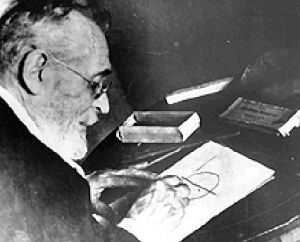
Emile Cohl did not have a very privileged Childhood his artistic capabilities were discovered at the age of seven at the boarding school he was enrolled in. With the Franco-Prussian war in progress, he came under the influence of political caricature and puppet Drama, in the 1880s or 90s he developed himself as a writer, caricaturist, and cartoonist. he worked as the assistant for caricaturist Andre Gill, later he joined to Goumant company and directed many films before moving to animation.
It took five months for Emile Cohl to create the movie, he made 700 drawing for 1 minute 20 seconds, he used an illuminated glass plate and traced consecutive drawings with the variations needed for the consistent movement and continuity among the drawings, it was projected at a rate of 16 frames per second, he made eight drawings for each second photographed each twice. The drawings were placed one by one on a lightbox and photographed.
The movie ’Fantasmagorie’ is about the interaction of a Stick man with different objects.This movie made a hit in the time ’90s, which led to the creation of new techniques for the problems that arise while makes such movies.

Increasing Speed Limit – Nitin Gadkari

Union Minister for Road Transport and Highways Nitin Gadkari has proposed to increase the speed limit of vehicle on highways up to 20kmph . In a meeting with his officials , Gadkari stated that the conditions of highways have improved overtime and can bolster faster travel . Gadkari also mentioned putting mechanism for uniformity of speeds limit on certain stretches rather than effect frequent changes in notified speed limits even on short stretches . This comes alongside the Ministry’s efforts to the Government has planned to shift public transport and logistics to 100 percent clean energy sources , Union minister said that asserting that India has made significant progress towards improving green energy access over last decade . Addressing a virtual event organised by industry body CII , the road transport and highways minister said India is already on track to reach its goal of 175GW of installed renewable capacity by 2022.They have stated that conditions of highways have improved overtime and can bolster faster travel times .The minister said to reduce congestion on corridors and enhance logistic efficiency , 35 locations have been identified for the development of multimodal logistics parks . These logistics parks would also trigger the development of manufacturing clusters in adjacent rural and tier 2 urban. Godkari said ” Society should be livable , workable , and sustainable for all with an important focus on ethics, ecology, and the environment .”

EARTHQUAKE AND ITS MANAGEMENT

India is a large country. It ranks seventh in the world. Also, it is the second-most populous country in the world. It is home to large biodiversity and a large proportion of people live in the lap of nature. Indeed, nature has provided ways and means for the sustenance of life on earth. Alongside, it is also one of the biggest sources of destruction. It can be due to earthquakes, floods, droughts, landslides, and many more. These are termed natural hazards and can cause great damage to human habitations.

This article is concerned with the mechanism of Earthquakes and how to manage and sustain them in case one arrives in our vicinity.

What is an earthquake? – Sudden movements under the earth’s crust cause shaking or vibrations of a part of the earth’s surface. These vibrations are called earthquakes. The shaking movements sent out by an earthquake are called seismic waves and the study of this phenomenon is called seismology.

The place of origin of an earthquake is called its focus and the place which is directly above the focus on the surface of the earth is called the epicentre. The effect of an earthquake is usually felt the strongest near the epicentre and it is most likely that the major part of the damage will also be caused in the surrounding areas.

Near about a million earthquakes are experienced on the earth every year. Most of them are just minor tremors and go unnoticed. 

A natural question may arise that if we have so much information about earthquakes, don’t we need to devise a method to track the movement and damage of an earthquake?

Well, much effort isn’t needed because a sensitive device named a seismograph is used to detect the occurrence of an earthquake.

Seismograph explained – Seismic waves are the vibrations from earthquakes that travel through the earth. They are recorded on instruments called seismographs, which follow a zigzag trace that shows the varying amplitude of ground oscillations beneath the instrument. The sensor part of a seismograph is referred to as the seismometer, while the graphing capability was added as a later invention. Sensitive seismographs, which greatly magnify these ground motions, can detect strong earthquakes from sources anywhere in the world. The time, location, and magnitude of an earthquake can be determined from the data recorded by seismograph stations.

The intensity of an earthquake is measured using an instrument known as the Richter scale. The Richter magnitude scale was developed in 1935 by Charles F. Richter of the California Institute of Technology as a mathematical device to compare the size of earthquakes.

What to do in case of an earthquake? – As already mentioned, not all earthquakes are life-threatening. But it is important to safeguard ourselves and the people around us from such a disaster. Given below are steps that need to be kept in mind while dealing with an earthquake. 

1) Moving to an open area helps. In case of a high-intensity earthquake, the buildings may fall and cause hurt. It is best to find an open spot.

2) Basic first-aid functions need to be learned in case of injuries suffered to you or people around you.

3) In case you are trapped in a building, try remaining close to an interior wall and protect your head with your arms ( in case the ceiling may fall). Also, avoid using a lift.

4) If you are already outdoors, keep away from trees, signboards, poles, and electric wires.

5) Never take shelter inside a car or a bus.

These are methods that are simple and easy to follow. But if you panic in such situations, chances are you wouldn’t be able to recall them. Hence the key tip is to remain calm and composed and then follow the steps.

Biotechnology

Biotechnology is the technology that uses living organisms or parts of living organisms to develop and create various products. It harnesses cellular and biomolecular processes to develop technologies and products that help improve our lives and the health of our planet. Today, biotechnology covers many different fields (eg. genetics, biochemistry, molecular biology, etc.). New technologies and products are developed every year within the areas of eg. medicine (development of new medicines and therapies), agriculture (development of genetically modified plants, biofuels, biological treatment) or industrial biotechnology (production of chemicals, paper, textiles and food). Biotech is being used in the medical field to reduce rates of infectious diseases, create tools for precise disease detection and combating everyday biological threats.

In the agricultural field, biotech is being used to improve crop insect resistance, enhance crop herbicide tolerance and it also facilitates the use of more environmentally sustainable farming practices. Through this, higher crop yields are being generated and food produced is free of any allergens or toxins. Biotech has also reduced the amount of input needed for a good yield, helped produce crops that need fewer applications of pesticides and helped develop crops with enhanced nutrition profiles that solve vitamin and nutrient deficiencies.

Biotech has also immensely helped the industrial world. It uses biological processes such as fermentation and harnesses biocatalysts such as enzymes, yeast, and other microbes to become microscopic manufacturing plants. It has helped streamline chemical manufacturing processes and has improved the efficiency of manufacturing processes. This has saved companies millions of dollars in operating costs. Biofuels are being used much more today and have cut greenhouse gas emmissions by over 50%. Hence, the dependance on and usage of petrochemicals has reduced significantly. Biotech is also helping decrease water usage and waste generation and is tapping into the full potential of biomass waste products.

Overall, the revenues of U.S. and European biotechnology industries roughly doubled over the five-year period from 1996 through 2000. Rapid growth continued into the 21st century, fueled by the introduction of new products, particularly in health care. By 2020 the biotechnology market size was estimated at $752.88 billion globally, with new opportunities for growth emerging in particular from government- and industry-driven efforts to accelerate drug development and product-approval processes. Recent advances in biotechnology are helping us prepare for and meet society’s most pressing challenges. It is no doubt, very important for the future of our species as well as the planet.

Network :

🌟A large numver of computers are interconnected by copper wire, fiber optic cable, microwave and infrared or though satellite.
🌟A system consisting of connected nodes made to share data, hardware and software is called a Computer Network.

Application of Network:

The following are the areas where computer networks are employed.

🔸️Electronic data interchange
🔸️Teleconferencing
🔸️Cellular telephone
🔸️Cable Television
🔸️Financial services, marketing and sales
🔸️Reservation of Airlines, trains, theater and busses
🔸️Telemedicine
🔸️ATM
🔸️Internet banking

Several educational institutions, businesses and other organizations have discovered the benefits of computer networks. Users can share data and programmes. They can co-operate on projects to maximize the usage of available expertise and talent.

Benefits of Network:

🔹️Effective handling of personal communications
🔹️Allowing several users to access simultaneously important programs and data.
🔹️Making it easy for the users to keep all critical data ok shared storage device and safeguard the data.
🔹️Allowing people to share costly equipment.

The computer communication should ensure safe, secure and reliable data transfer.

🌟Safe : The data received is the same as the data sent
🌟Secure : The data being transferred cannot be damaged either will fully or accidentally.
🌟Reliable : Both the sender and the receiver knows the state of the data sent. Thus the sender knows whether the receiver got the correct data or not.

Some Important Reasons for Networking:

♦️Sharing of resources : Primarily goal of a computer network is to share resources. For example several PCs can be connected to a single expensive line printer.

♦️Sharing information : Information on a single computer can be accessed by other computers in the network. Duplication of data file on separate PCs can be avoided.

♦️Communication : When several PCs are connected to each other, messages can be sent and received. From a remote location, a mobile salesman can relay Important messages to the central office regarding orders. Relevant databases are updated and the business commitment are fulfilled.

Kargil Vijay Diwas 2021

Introduction

Kargil Vijay Diwas is celebrated every year on July 26th to remember the sacrifice of the Indian soldiers during the Kargil war of 1999 with Pakistan. The brave-hearted men of the Indian army had aided the Indian air force in defeating Pakistan on this very day 22 years ago.

Kargil War

The war was fought between India and Pakistan from May to July 1999 in the district of Kargil which is in Kashmir, along the Line of Control (LOC). It is also known as “Operation Vijay”. India launched “Operation Vijay” to clear the Pakistani infiltration in the Kargil sector. A huge part of this war was the Indian Air Force’s role in acting along with the Indian Army ground troops. Indian Air Force’s role was to flush out the regular and irregular troops of the Pakistan Army. This operation of flushing out the Pakistani troops was given the codename “Operation Safed Sagar” which means “White Sea”.

Cause of the War

This war was caused because the Pakistani troops infiltrated the Indian side of the Line of Control acting as Kashmiri militants. The Line of Control is the de facto border between India and Pakistan in Kashmir. In the starting stages of the war, Pakistan blamed Kashmiri militants for all the fighting but later they messed up and left some documents because of casualties which showed clear involvement of the Pakistani paramilitary forces. Adding to that, later a statement by the then Prime Minister of Pakistan, Nawaz Sharif, and the Chief of Army Staff, General Pervez Musharraf, confirmed the involvement of the Pakistani paramilitary which was being led by General Ashraf Rashid. With the help of Operation Vijay and Operation Safed Sagar, the Indian Army recaptured most of the area. Adding to that, Pakistan was facing international diplomatic opposition so they had to withdraw their forces as well.

This War is the most recent example of high-altitude warfare in mountainous terrain which for obvious reasons posed logistical challenges.

World’s Opinion

Pakistan was greatly criticized for instigating war. They claimed they did not start the war and that it was the Kashmiri militants but a lot of evidence contradicted their claim and nobody believed them, for one, the war was at heights where only trained soldiers could fight, and not some simple freedom fighters.

Pakistan’s Prime Minister, Nawaz Sharif had flown to the United Stated to ask the US President Bill Clinton for support, who showed his clear disapproval and asked him to withdraw his soldiers from the Indian territory.

The G8 nations at that time, Canada, France, Germany, Italy, Japan, Russia, United Kingdom, and the United States supported India. Even the European Union opposed Pakistan’s violation of the LoC. China who is known as a long-time ally of Pakistan also suggested retreating and settling the issue peacefully. Even ASEAN supported India.

Gallantry Awards

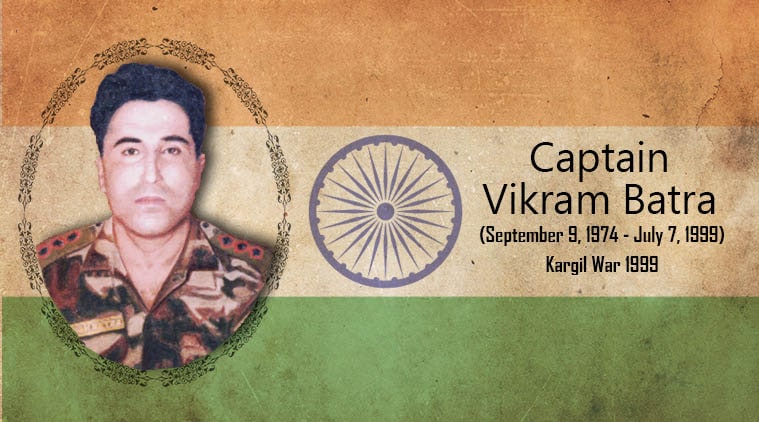
Four Param Vir Chakras were awarded to – Grenadier Yogendra Singh Yadav, Lieutenant Manoj Kumar Pandey, Captain Vikram Batra, and Rifleman Sanjay Kumar. And eleven Maha Vir Chakras were awarded.

Facts

  • The war was fought at a height of 8,780 feet. 
  • The soldiers had to fight at a temperature of minus 10 degrees Celsius. 
  • Operation Safed Sagar was the first time the Air Force conducted an operation at the height of 32,000 above sea level. 
  • The pilots and engineers of the Air Force were given just one week to train. 
  • As many as 527 Indian soldiers laid their lives and the Indian Army built a memorial wall with all the names of the soldiers who lost their lives. 

Conclusion

The victory of the success of Operation Vijay meant a lot to India and all the Indians. Till now, every year Indians remember July 26th as the day of victory and remember the sacrifice their fellow Indians paid for the safety of all.

References