
5 top places to visit in Bhubaneshwar

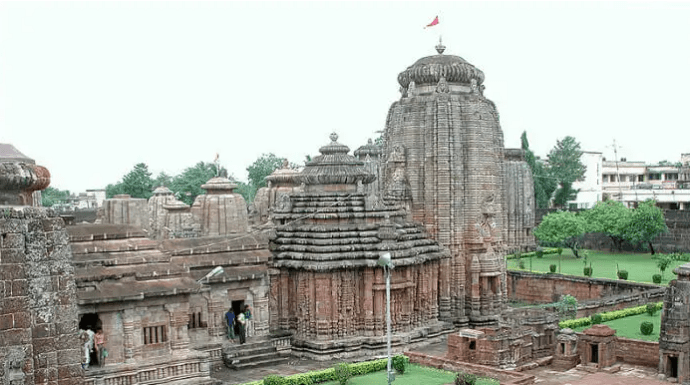
Lingaraja Temple

The 54m-high Lingaraj Mandir dedicated to Shiva dates from 1090 to 1104 – though some parts are more than 1400 years old–and is surrounded by several smaller temples and shrines. The granite block within, representing Tribhubaneswar (Lord of Three Worlds), is bathed daily with water, milk and bhang (marijuana). The main gate, guarded by two mustachioed yellow lions, is a spectacle in itself as lines of pilgrims approach with offerings in hand. The temple is closed to non-Hindus.

Given the high compound wall, foreigners can view the temple’s interiors only from a viewing platform (this may also include Hindu foreigners). Face the main entrance, walk right, then follow the wall around to the left and find the viewing platform on your left, just before you reach Chitrakarini Temple. There is occasional aggressive hassling for ‘donations’ at the viewing platform. The money will not go to the temple, so stand your ground and do not pay.

Location: Lingaraj Road, Old Town Bhubaneswar, Odisha
Timings: 5:00 AM to 9:00 PM
Entry Fees: No entry fee

Nandankanan Zoological Park
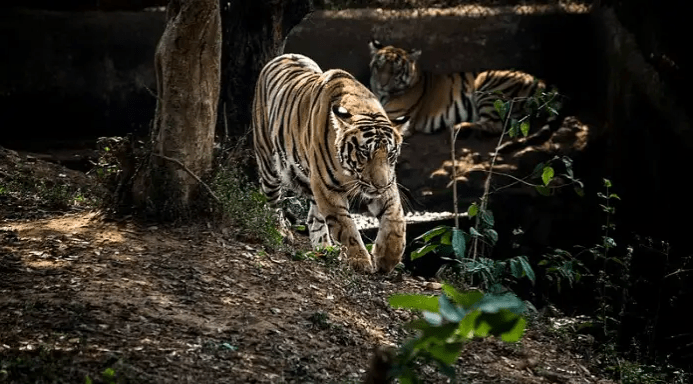
Spread over 400 hectares in the Chandaka forest lies the impressive Nandankanan Zoological Park. Located on the banks of Kanjia Lake, this zoo is home to over 67 kinds of mammals, 81 species of birds and 18 varieties of reptiles. It was the first zoo in India to join the World Association of Zoos and Aquariums (WAZA) and also houses a botanical garden. Visitors can see black panthers, white tigers, gharial crocodiles and many other animals, birds and reptiles in an attempt to maintain the natural balance of nature against the growing urbanisation of Bhubaneswar.

Price: Budget

Opening hours: 7.30am-5.30pm (April–September), 8am-5pm (October–March); Closed Monday.

Odisha State Museum
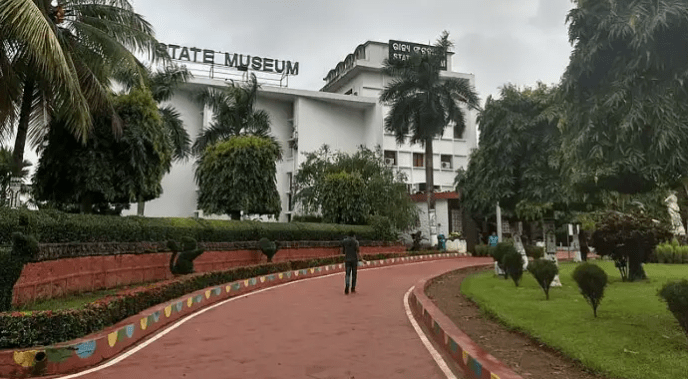
Wondering what to do in Bhubaneswar? Visit Odisha State Museum, which houses a treasure trove of artifacts emphasizing the magnificent history of the state and the families which ruled it for centuries. The museum, established in the year 1948, houses the best collection of erratic palm-leaf manuscripts, scroll paintings, folk musical instruments, and Bronze Age tools.

Location: Near Lewis Road, Kalpana Square, BJB Nagar Bhubaneswar, Odisha
Timings: 10 AM to 5.00 PM
Entry Fees: INR 10 for Indians and INR 50 for foreigners

Pathani Samanta Planetarium 
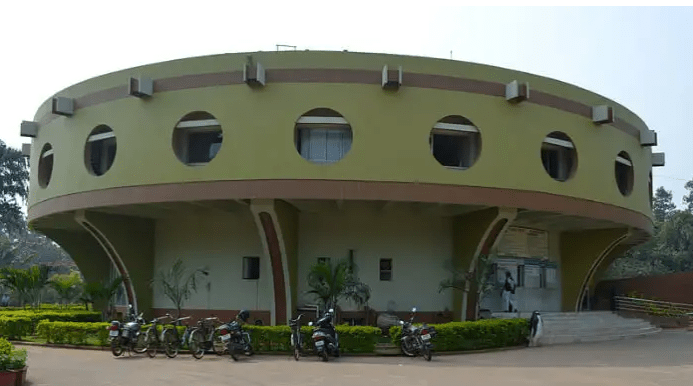
The Pathani Samanta Planetarium was recognized to create awareness of astrophysics, astronomy, and space science. Multiple shows, workshops, regular conferences about outer space are organized here. There is an extensive library with an impressive number of books from the field of astronomy, science and technology are there.

Location: Sachivalaya Marg Acharya Vihar, Bhubaneswar, Odisha
Timings: 1.00 PM to 5:45 PM
Entry Fees: INR 30

Udayagiri & Khandagiri Caves
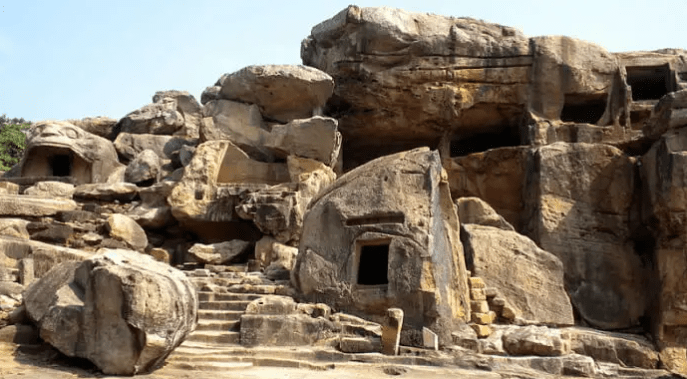
Udayagiri and Khandagiri caves are located six kilometres to the west of Bhubaneswar. These caves offer a brief look into the history of Jain religion and Kalinga Empire. The names of these caves were derived from the hills on which they are located. The caves have been numbered according to the Archaeological Survey of India, Hatigumpha, and Ganesha Gumpha are the most popular in the area. Cave 1 is decked out by sculptural wall painting with carved figures of athletes, women, elephants, and geese carrying flowers.

Location: Khandagiri, Bhubaneswar, Odisha
Timings: 9.00 AM to 6.00 PM
Entry Fees: INR 15 for Indians and INR 200 for foreigners

THE SOUL OF INCREDIBLE INDIA – ODISHA

Odisha , formerly Orissa , is an Indian state located in Eastern India. It is the 8th largest state by area, and the 11th largest by population. The state has the third largest population of Scheduled Tribes in India. It neighbours the states of West Bengal and Jharkhand to the north, Chhattisgarh to the west, Andhra Pradesh to the south, and a very negligible border with Telangana to the southwest. Odisha has a coastline of 485 kilometres along the Bay of Bengal. The region is also known as Utkala and is mentioned in India’s national anthem, “Jana Gana Mana”. The language of Odisha is Odia, which is one of the Classical Languages of India.

The ancient kingdom of Kalinga, which was invaded by the Mauryan emperor Ashoka (which was again won back from them by king Kharavela) in 261 BCE resulting in the Kalinga War (The lethal war with Kalinga transformed the vengeful Emperor Ashoka into a stable and peaceful emperor, and he became a patron of Buddhism), coincides with the borders of modern-day Odisha. The modern boundaries of Odisha were demarcated by the British Indian government when Orissa Province was established on 1 April 1936, consisting of the Odia-speaking districts of Bihar and Orissa Province. The first of April is celebrated as Utkala Dibasa. Cuttack was made the capital of the region by Anantavarman Chodaganga in c. 1135, after which the city was used as the capital by many rulers, through the British era until 1948. Thereafter, Bhubaneswar became the capital of Odisha.

The economy of Odisha is the 16th-largest state economy in India with ₹5.33 lakh crore in gross domestic product and a per capita GDP of ₹116,614 . Odisha ranks 32nd among Indian states in human development index.

CUISINE –
Odisha has a culinary tradition spanning centuries. The kitchen of the Shri Jagannath Temple, Puri is reputed to be the largest in the world, with 1,000 chefs, working around 752 wood-burning clay hearths called chulas, to feed over 10,000 people each day.

The syrupy dessert Pahala rasagola made in Odisha is known throughout the world. Chhenapoda is another major Odisha sweet cuisine, which originated in Nayagarh. Dalma (a mix of dal and selected vegetables) is widely known cuisine, better served with ghee.

The “Odisha Rasagola” was awarded a GI tag 29 July 2019 after a long battle about the origin of the famous sweet with West Bengal.

DANCE –
Odissi dance and music are classical art forms. Odissi is the oldest surviving dance form in India on the basis of archaeological evidence. Odissi has a long, unbroken tradition of 2,000 years, and finds mention in the Natyashastra of Bharatamuni, possibly written c. 200 BC. However, the dance form nearly became extinct during the British period, only to be revived after India’s independence by a few gurus.

The variety of dances includes Ghumura Dance, Chhau dance, Jhumair, Mahari dance, Dalkhai and Gotipua.

TOURISM –
The Lingaraja Temple at Bhubaneswar has a 150-foot high deula while the Jagannath Temple, Puri is about 200 feet high and dominates the skyline. Only a portion of the Konark Sun Temple at Konark in Puri district, the largest of the temples of the “Holy Golden Triangle” exists today, and it is still staggering in size. It stands out as a masterpiece in Odisha architecture. Sarala Temple, regarded as one of the most spiritually elevated expressions of Shaktism is in Jagatsinghpur district. It is also one of the holiest places in Odisha and a major tourist attraction. Maa Tarini Temple situated in Kendujhar district is also a famous pilgrimage destination. Every day thousands of coconuts are given to Maa Tarini by devotees for fulfilling their wishes.

Odisha’ s varying topography – from the wooded Eastern Ghats to the fertile river basin – has proven ideal for evolution of compact and unique ecosystems. This creates treasure troves of flora and fauna that are inviting to many migratory species of birds and reptiles. Bhitarkanika National Park in Kendrapada district is famous for its second largest mangrove ecosystem. The bird sanctuary in Chilika Lake (Asia’s largest brackish water lake). The tiger reserve and waterfalls in Simlipal National Park, Mayurbhanj district are integral parts of eco-tourism in Odisha, arranged by Odisha Tourism.

Daringbadi is a hill station in the Kandhamal district. It is known as “Kashmir of Odisha”, for its climatic similarity. Chandipur, in Baleswar district is a calm and serene site, is mostly unexplored by tourists. The unique specialty of this beach is the ebb tides that recede up to 4 km and tend to disappear rhythmically.

In the western part of Odisha, Hirakud Dam in Sambalpur district is the longest earthen dam in the World. It also forms the biggest artificial lake in Asia. The Debrigarh Wildlife Sanctuary is situated near Hirakud Dam. Samaleswari Temple is a Hindu temple in Sambalpur city, dedicated to the goddess known as ‘Samaleswari’, the presiding deity of Sambalpur, is a strong religious force in western part of Odisha and Chhattisgarh state. The Leaning Temple of Huma is located near Sambalpur. The temple is dedicated to the Hindu god Lord Bimaleshwar. Sri Sri Harishankar Devasthana, is a temple on the slopes of Gandhamardhan hills, Balangir district. It is popular for its scenes of nature and connection to two Hindu lords, Vishnu and Shiva. On the opposite side of the Gandhamardhan hills is the temple of Sri Nrusinghanath, is situated at the foothills of Gandhamardhan Hill near Paikmal, Bargarh district.

In the southern part of Odisha, The Taratarini Temple on the Kumari hills at the bank of the Rushikulya river near Berhampur city in Ganjam district. Here worshiped as the Breast Shrine (Sthana Peetha) and manifestations of Adi Shakti. The Tara Tarini Shakti Peetha is one of the oldest pilgrimage centers of the Mother Goddess and is one of four major ancient Tantra Peetha and Shakti Peethas in India. Deomali is a mountain peak of the Eastern Ghats. It is located in Koraput district. This peak with an elevation of about 1,672 m, is the highest peak in Odisha.

The share of foreign tourists’ arrival in the state is below one percent of total foreign tourist arrivals at all India level.