
Eye of Fire – Marine disasters

Introduction

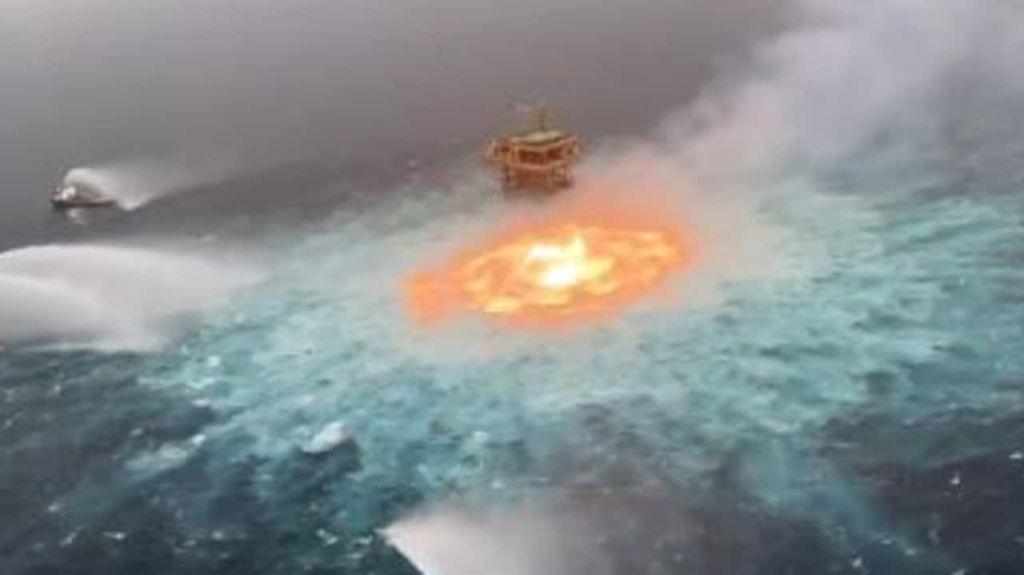
A recent picture of fire on the ocean, called ‘eye of fire’ has been going viral. This picture was captured in the west of Mexico’s Yucatan peninsula on 2nd July 2021. The reason for this fire was a gas leak of an underwater pipeline of the state oil company known as Pemex. The origin of the fire was an underwater pipeline that connects to a platform at the Ku Maloob Zaap oil development. The fire took more than five hours to put out. The company Pemex has a long history of major industrial accidents at their facilities. The fire was put out using Nitrogen by the company workers. Such incidents keep making us wonder about the marine ecosystem and how these activities keep endangering it. Although this was an accident of gas leak from inside, it reminds us of the many oil spills that keep occurring and the effect they have on the marine ecosystem.

Mauritius Oil Spill
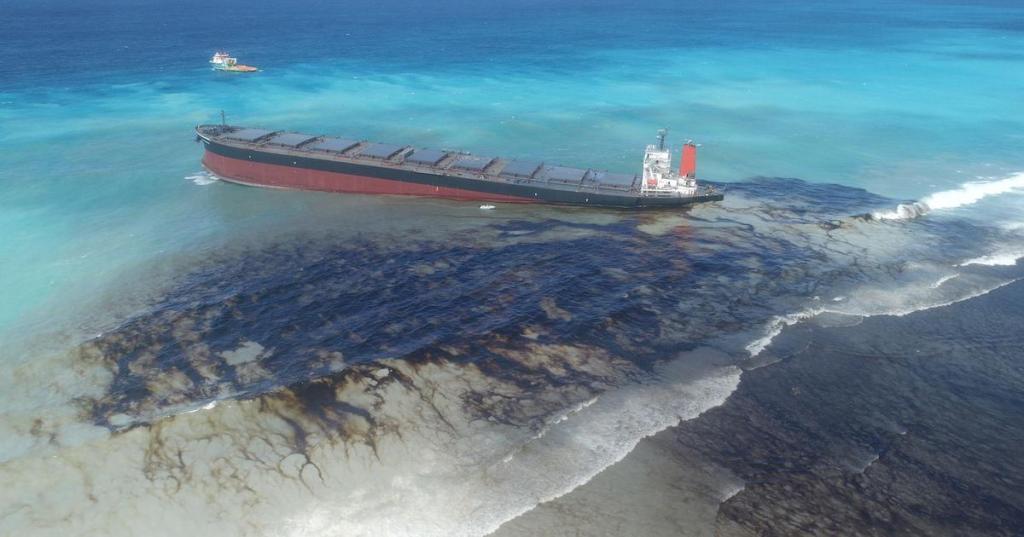
On July 25, 2020, a Japanese-operated ship named MV Wakshio hit a coral reef on the coast of Mauritius. The vessel carried 4000 tonnes of crude oil out of which more than 1000 tonnes of oil leaked from the crack in an environmentally sensitive region which polluted the coral reefs, beaches, and lagoons of the island, and an environmental emergency was declared by the Prime Minister of Mauritius. This leak has caused a lot of damage and will continue to for years because of its location being near two environmentally protected marine ecosystems and the Blue Bay Marine Park reserve. These oil spills don’t just affect for the time being till they are cleaned up, the soluble compounds of the oil dissolve in the water and form a layer on the surface of the water which affects the whole marine ecosystem. The toxic hydrocarbons released from the spill bleach the coral reefs which are a very important part of Mauritius, and because of this bleaching, they will eventually die. The oil is less dense than the saltwater so it floats over the water which ends up sticking to the fur and feather of the marine animals and the birds which harms the water-repelling properties of their skin which can then expose them to the cold. Moreover, swallowing the oil can poison them.

The Deepwater Horizon Oil Spill
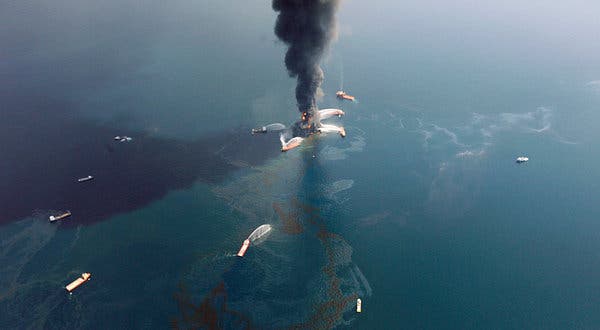
This spill of 2010 is known as the biggest oil spill in the United States with a spill of more than 200 million gallons of oil. It was found that the spill changed the amount of sediment collection on the bottom of the sea and choked them of oxygen. The reef fish changed after the spill, it absorbed some of the oil-source contaminants. This spill endangered the food chain and more than 400 species. It also severely affected dolphins of the area, there were a lot of stillbirths or baby dolphins with abnormal or underdeveloped lungs and seriously ill adult dolphins with drastically low blood sugar, low weight, and some were found with liver cancer and lung cancer.

Exxon Valdez Oil Spill
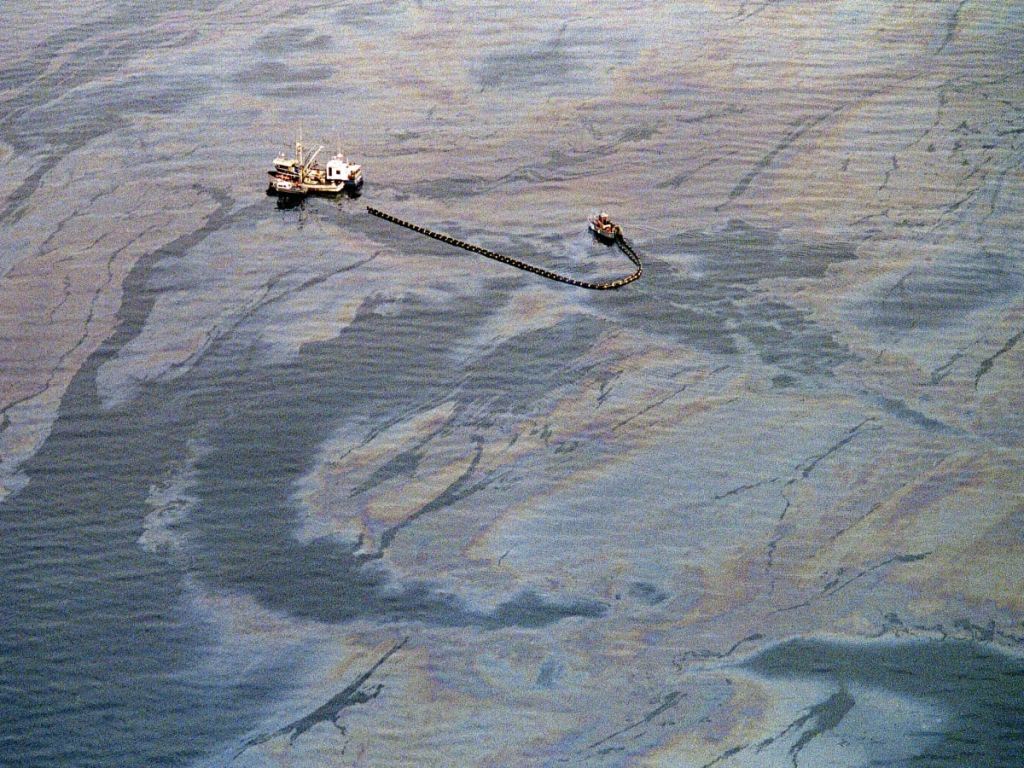
This disaster was caused by an oil tanker named Exxon Valdez which spilled 11 million gallons of crude oil into Alaska’s Prince William Sound on March 24, 1989. It killed around 2,50,000 sea birds, 3000 otters, 300 seals, 250 bald eagles, and 22 killer whales. It also played a role in the collapse of salmon and herring fisheries which resulted in fishermen going bankrupt and the economy suffering.

Environmental Effects

Seeing three important cases of Oil spills above we can discuss the major environmental effects of an oil spill:

  • Big impact on temporary animal
  • Fish loss of habitat
  • Affects organism functions like respiration, feeding, and thermo-regulation
  • The cleaning of oil spills ends up damaging the remaining plants.
  • Bleaching of coral reefs
  • Depletes oxygen content in water
  • Failure in the reproductive system of sea animals (as seen in dolphins above)

Responsible Bodies

The MARPOL convention of 1973 covers pollution of the marine environment by ships, it also lists forms of marine pollution caused by harmful substances, oil, sewage, and garbage from ships. The key international bodies that take care of oil spills are International Oil Pollution Compensation Fund (IOPC), and United Nations Environment Program World Conservation Monitoring Center (UNEP-WCMC). Other than these, every country has its government agency to take care of the spills. India has a National Oil Spill Disaster Contingency Plan (NOS-DCP).

Conclusion

With all the use of natural resources, the environment is being affected but adding to that is the leaks of these natural resources which further destroys the environment. The first step for acting on anything is to get to know about the history of incidents and the effect that has had on the environment.

References

Marine Oil Spills: Paving the Way to Destruction of The Oceans and Marine Life

Time and again, news and tabloid have reported occurrences of oil spill accidents across the globe. The most recent confirmed oil spill would be the MV Wakashio oil spill. This disaster shaped up at a gradual pace but it started from the offshore of Pointe d’Esny, south of Mauritius, after Wakashio (a Japanese bulk carrier) ran aground on a coral reef in the Indian Ocean on 25th July, approximately at 16:00 UTC. Estimation is that, about 1000 tonnes of oil was discharged into the ocean. The incident has been termed as the worst environment disaster in Mauritius.

India also had faced such disaster in the recent past. In 2017. The Ennore oil spill took place outside the Kamarajar Port in Ennore, near Chennai, Tamil Nadu. The incident took place on 28 January 2017, due to the collision between an outbound empty tanker BW Maple and  An inbound loaded oil tanker Dawn Kanchipuram, at 04:00 local time.The spillage quantity is estimated to be 251 tonnes.

Needless to say, these accidents cost us humans in many ways. Some, which we don’t even realise now. So, what is the extent of damage and carnage caused by these incidents? Let’s find out.

What makes up the pollutant ?

The pollutant which causes all these environmental mayhem is crude oil. Also, known as  liquid petroleum. The constituent chemical composition includes hydrocarbons of various molecular weights and also other organic compounds. It is a leading base source of numerous types of fuels and is formed due to compression of large quantities of dead organisms (mostly zooplankton and algae) under sedimentary rocks accompanied by  intense heat and pressure conditions over a very large period of time.

Crude oil, especially the lighter grades (has lower density)  are preferred as they contain a good balance of hydrogen and carbon. Due to their density, they tend to float over the saline water. 

The slowly building adverse effects on the environment that are now being recognized and associated with fuel consumption. This includes global warming and ocean acidification due to CO2. On the other hand, short-term oil spill causes immediate and visible effects on the environment too. 

What does it cost the environment?

The intensity of damage of oil spills, be it crude or refined oil, is more severe in oceans than on land. The layer of oil can spread up to hundreds of nautical miles and therefore forms a thin layer over the water surface.  The nature of the adverse effects depends on the amount of oil spilled, type of oil,speed of the discharge of oil in the ocean, location of the spill, with respect to geographic and marine conditions, the oceanic circulation pattern and the local climatic conditions, and so on. 

The immediate effects on marine biodiversity includes chemical toxicity, interference with physiological processes of the animals, loss of organisms from a community etc. In fishes, it leads to starvation (due to pollution of food sources), impaired respiration and reproduction, habitat destruction and toxicity due to oil ingestion.Also, certain species have sensitive reactions to the chemical composition of oil. All these build up to a high mortality rate in fishes and larvae. Also, deformities might arise in present and/or subsequent generations.

Birds are affected as they on consumption, these pollutants harm their lungs, liver and kidney. Also, due to oil trapped in their feathers, they cannot effectively fly or float, due to compression of the feathers. The feathers also provide insulation to the birds and in such cases, the feathers cannot effectively protect the under skin. Sea birds, which come in contact with water, have water residuals attached to their skin and might die due to hypothermia. 

Animals like whales, dolphins, otters and sea turtles are also not immune to the oil spill adversity. They encounter physiological complexities.like tissue damage of various organs, low immunity, ingestion and inhalation of oil causing respiratory inflammation, ulcers, gastrointestinal irritation etc. 

Several other classes of animals and the plant kingdom too are affected and suffer from various short and long term effects. Coral reefs, in particular, are very hard hit due to this pollutant. As for contact with large quantities of oil can damage and impede the growth, development and reproduction of the corals reefs. The oil cover also destroys the thriving ecosystem surrounding the reefs. 

What’s done to reign in and restore the damage?

Cleaning up the oil spill can be difficult, as the methods and effectiveness vary with different factors like type of oil spilled, temperature of the water, and types of marine landforms involved. Also, some techniques themselves have adverse effects on the environment (eg. controlled burning). Other methods involve: Bioremediation, Dredging, Skimming, Solidifying etc. Also, in some courses of actions,’wait and watch’ approach is the best solution. 

As the saying goes around, ‘Prevention is better than cure’. Hence, the focus should be on preventing such disastrous accidents rather than speedy clearance procedures. For now where we stand, any damage, even be it a small one, to the environment might hit us worse than we can think of.

Reference websites:

https://en.wikipedia.org/wiki/Oil_spill#:~:text=An%20oil%20spill%20is%20the,may%20also%20occur%20on%20land.

https://en.wikipedia.org/wiki/Petroleum

https://en.wikipedia.org/wiki/2017_Ennore_oil_spill

https://en.wikipedia.org/wiki/MV_Wakashio_oil_spill