


It makes no difference whether you are a student, instructor, parent of a child or adolescent, or a member of the community.
Everyone plays a part in preventing school bullying, and the majority of individuals have either directly or indirectly participated in, watched, or experienced some type of bullying in schools.
There are multiple sorts of bullying to be aware of, as well as several approaches for educators, schools, and parents to assist in the prevention of bullying at school.
Bullying must meet specific criteria in order to be classified as such.
These include malice, power imbalances, repetition, anguish, and provocation. Bullying can occur in schools, on campus, or outside of school, but it is always the result of relationships formed in those contexts.
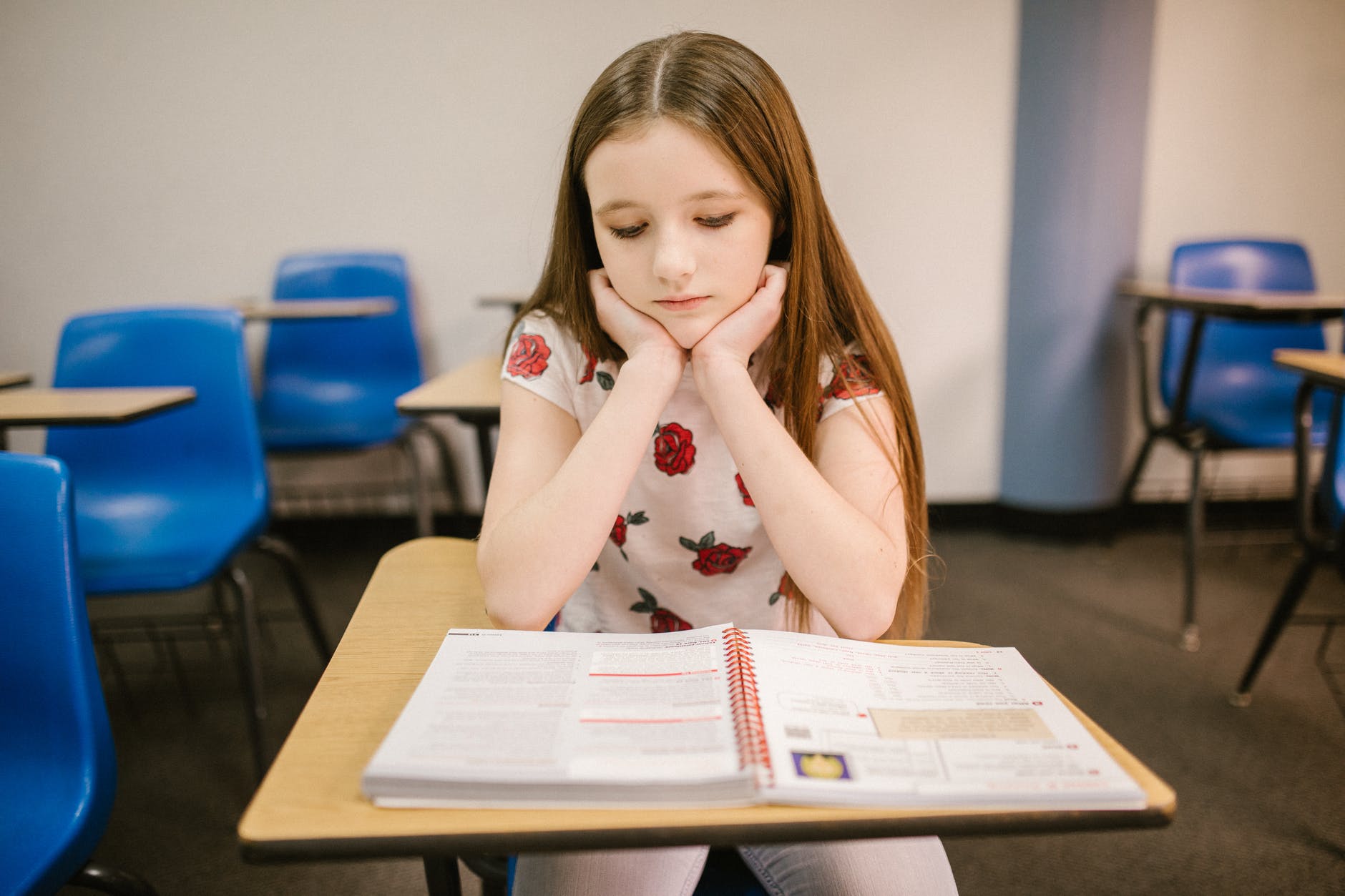
Types of Bullying
- Bullying can take two forms: direct and indirect.
Direct bullying differs from indirect bullying in that it involves direct interaction with the person who is being bullied. It’s possible that indirect will not work. Throwing something at someone or yelling cruel comments at them is a form of direct bullying. An example of indirect bullying might be spreading rumors about a classmate. - Cyberbullying Cyberbullying is any form of bullying that occurs through the internet. Harmful comments on a personal website or dishonest private messaging are examples.
- Physical bullying Bullying that involves physical contact with the other person is always considered physical bullying. This can include hand-to-hand combat, as well as throwing objects, tripping, or inciting others to attack a person physically.
- Emotional bullying Emotional bullying is defined as the intentional infliction of emotional distress on another individual. Saying or writing harsh things, getting others to band together against an individual, purposeful ignoring, or spreading rumors’ are all examples of this.
- Sexual bullying Sexual bullying refers to any sort of bullying, done in any manner, that is related to a person’s gender or sexuality. Examples can include forcing someone to commit intimate acts, making sexual comments, or unwanted touching.
- Verbal bullying Verbal bullying is defined as the use of any form of language to cause distress to another person. Using profanities, abusive language, making unfavorable comments about someone’s appearance, using insulting phrases, or teasing are all examples.
- Bullying in Higher School Many individuals mistakenly believe that bullying ends in high school, yet it continues throughout higher education. This can take numerous forms, and it often comes with unique obstacles because students are often living away from home and on their own.
Anti-bullying laws exist in all fifty states of the United States, albeit they differ from state to state. The majority of states have legislation requiring schools to report, document, and investigate occurrences of bullying in the classroom. Bullying prevention is also mandated by law for schools.
Some state laws may stipulate that bullies face sanctions and that bullied pupils receive appropriate counselling.
There are, however, a number of rules in place to assist pupils with learning or other problems. These pupils are guaranteed the right to a “free, adequate public education” under the Individuals with Disabilities Education Act.
It is against federal law to deny a student with an IEP (Individualized Education Plan) access to an appropriate public education.
EFFECTS OF BULLYING
- The Resultant Consequences
Bullying victims may suffer from low self-esteem, which can lead to depression. As a result of school bullying, some bully victims experience physical and/or emotional pain. Bullied adolescents are more prone to experience depression later in life.
- Victimhood for a Lifetime
Unfortunately, some children are subjected to persistent bullying that occurs on a weekly basis. This is more common in primary school, and it might result in lost days of school.
In order to prevent long-term injury, schools must step in and intervene in cases of chronic bullying.

There are a variety of reasons that can contribute to bullying. Bullying is likely to occur if there are pupils who have bully inclinations and the school climate permits it. Bullying can occur as a result of a challenging family environment, low self-esteem, or poor social skills.
It’s difficult for a parent to learn that their child is being bullied, but know that you can help.
To begin, establish a thorough record of the bullying incident, including as many information as possible.
You should also keep track of your child’s reactions to help the school understand how bullying is harming his or her schoolwork. Check to see if the bullying has broken any laws, and then file a complaint with your child’s school by email.
Bullies usually target students in their own grade, but they can sometimes target students who are older. A youngster with a big network of friends is less likely to be bullied, but a child who is physically weaker, smaller, and less forceful is more likely to be bullied.
Schools must have policies and procedures in place that are followed. Anti-bullying education should be included into all aspects of the curriculum. Language arts teachers, for example, can locate required novels that teach pupils empathy for others.
When it comes to bullying prevention, communication is crucial. When children feel comfortable talking to adults in their community, they are more likely to report bullying and to avoid bullying by verbally expressing their feelings.

 Eduindex
You must be logged in to post a comment.