Indian Art Style

• Rajasthani miniature art

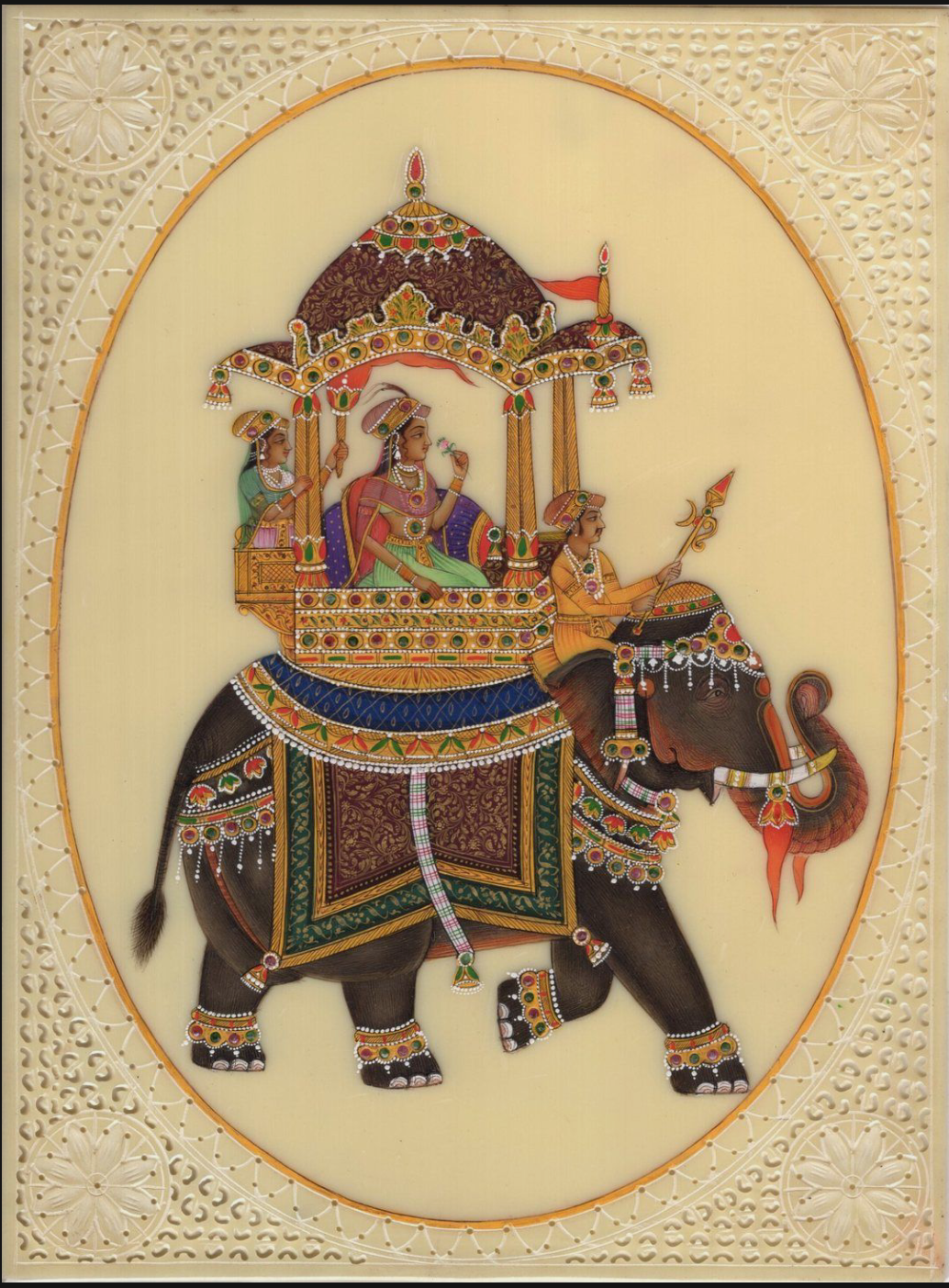
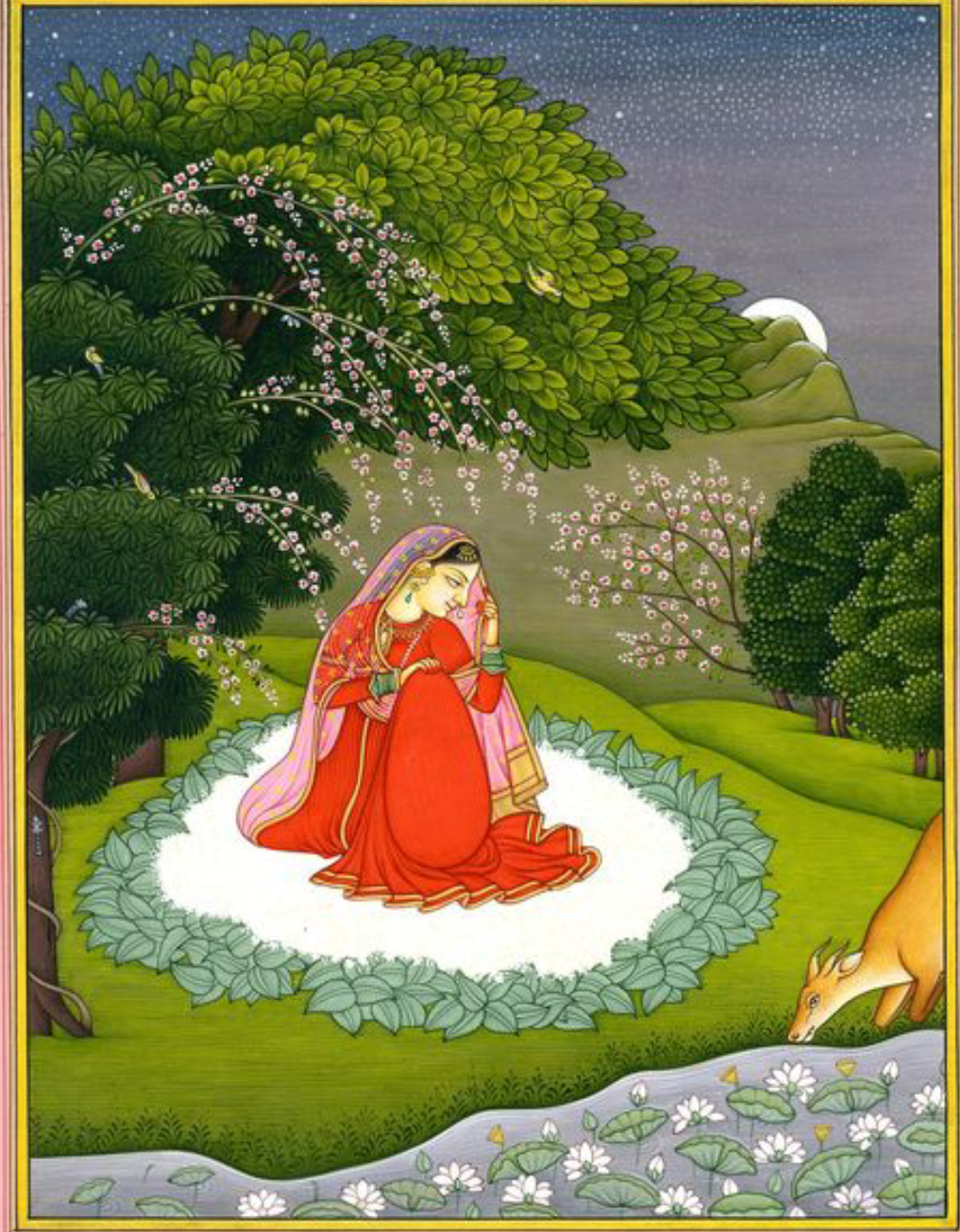
Rajasthan is one of the pioneer seats of miniature painting in India. Rajput painting, also known as Rajasthani painting, is a style of Indian painting evolved and flourished in the royal courts of Rajputana, India. Each Rajput kingdom evolved a distinct style but with certain common features. Rajput paintings depict a number of themes, events of epics like the Ramayana and the Mahabharata, Krishna’s life, beautiful landscapes and humans.

Miniatures in manuscripts or single sheets to be kept in albums were the preferred medium of Rajput painting but many paintings were done on the walls of palaces, inner chambers of the forts, havelis, particularly the havelis of Shekhawati, the forts and palaces built by Shekhawat Rajputs. The colours were extracted from certain minerals, plant sources and conch shells and were even derived by processing precious stones. Gold and silver were also used. The preparation of desired colours was a lengthy process, sometimes taking weeks. The brushes used were very fine.

• Pattachitra

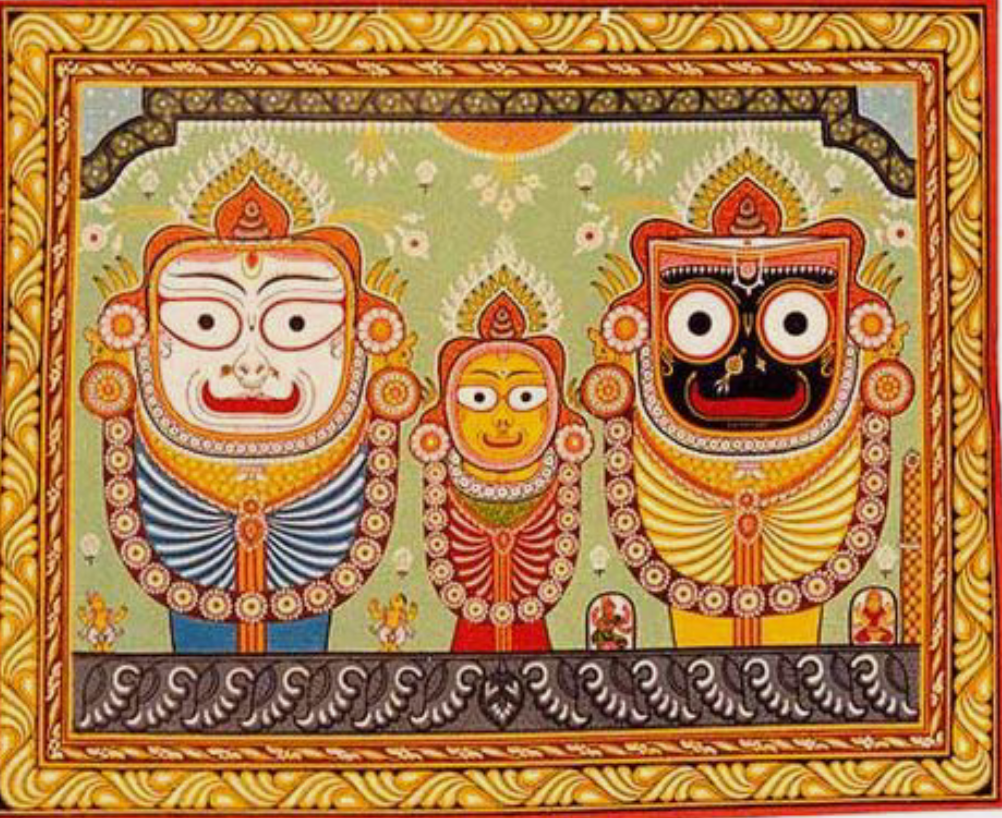
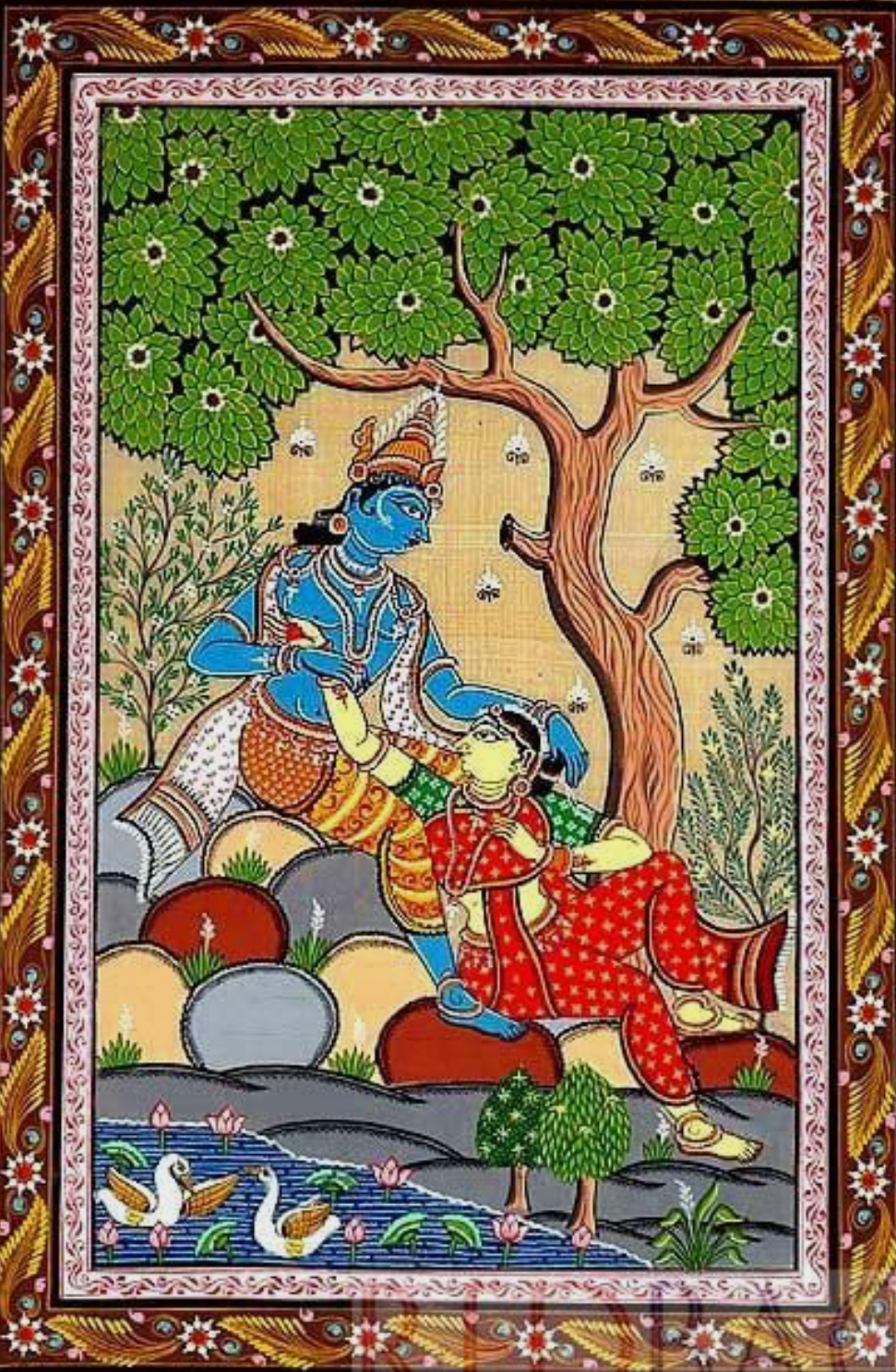
‘Pattachitra’ is a general term for traditional, cloth based scroll painting based in the eastern Indian state of Odisha. In the Sanskrit language, ‘patta’ literally means ‘cloth’ and ‘chitra’ means ‘ picture’. The pattachitra style of painting is one of the oldest and most popular art forms of Odisha.

All colours used in the paintings are natural and the paintings are made fully in the old traditional way by chitrakaras who are Oriya painters. Pattachitra is manifested by a rich colourful application, creative motifs and designs and portrayal of simple themes mostly mythological in depiction. The traditions of pattachitra paintings are more than a 1000 years old. Pattachitra paintings resemble the old murals of Odisha, especially those from the religious centres of Puri, Konark and Bhubaneswar regions, dating back to the 5th century BC. The best works are found in and around Puri, especially in the village of Raghurajpur. The theme of Oriya painting centers round the Jagannath cult and the Vaishnava cult. Since the beginning of pattachitra culture, Lord Jagannath, who is an incarnation of Lord Krishna, has been the major source of inspiration. In the 16th century, with the emergence of the Bhakti movement, the paintings of Radha and Krishna were painted in vibrant shades of orange, red and yellow. There are typical scenes and figures like Krishna, Gopi’s, elephants, trees and other creatures portrayed in these paintings. Krishna is always painted in blue and Gopis in light pink, purple or brown.

Thank you for reading. Have a nice day!🌼

Indian Folk Art

• Warli paintings

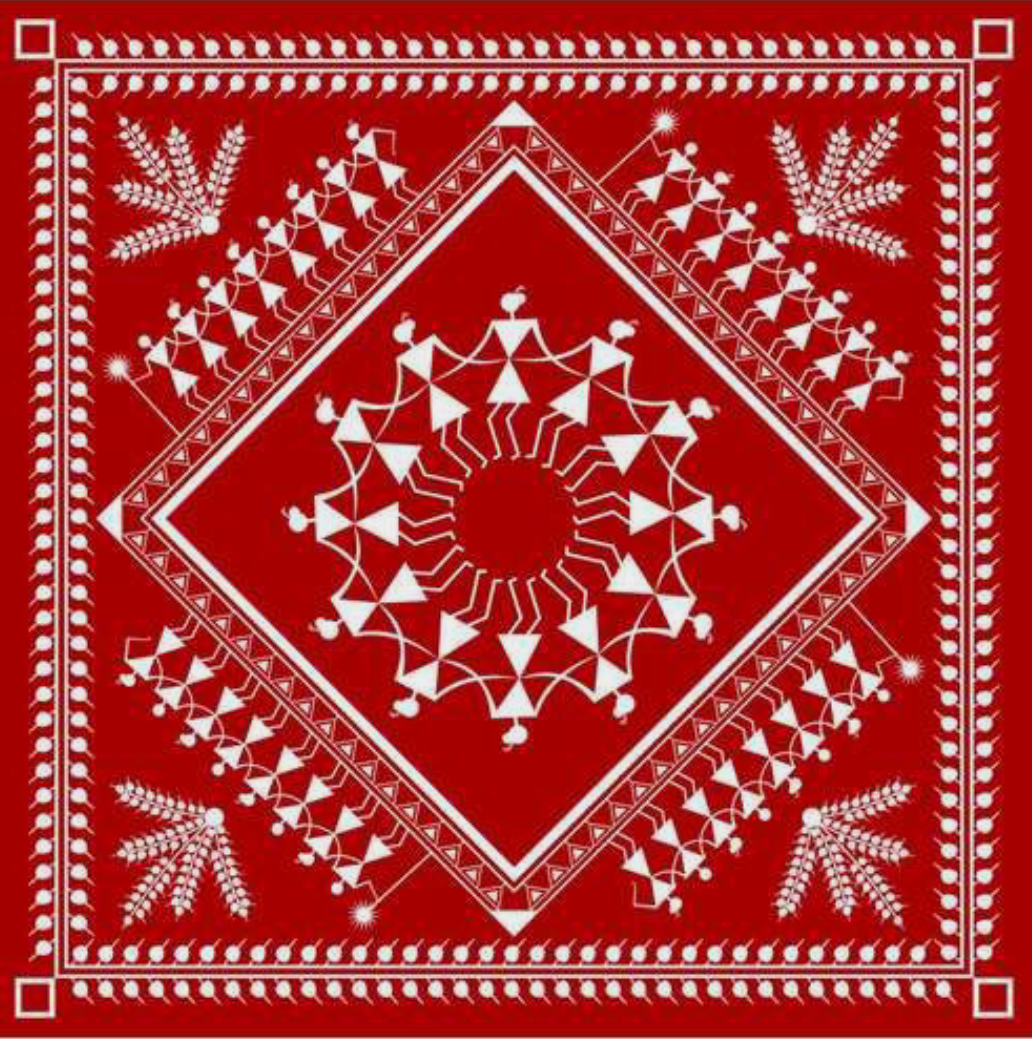
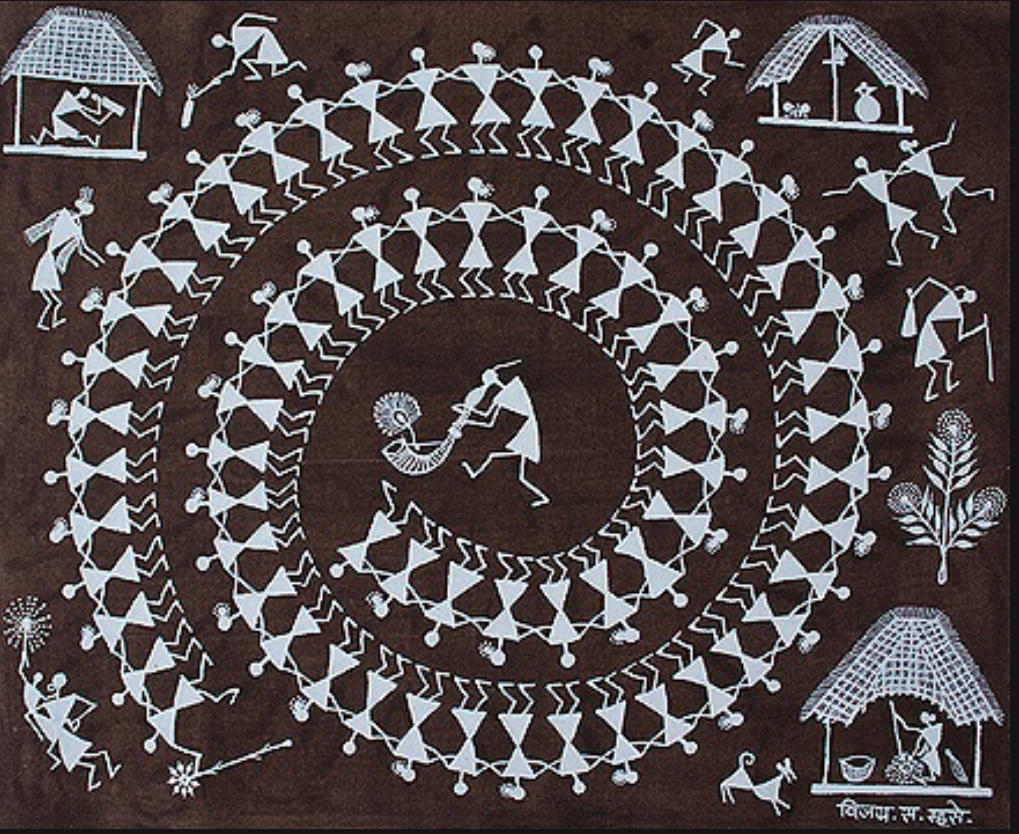
Warlis or Varlis are an indigenous tribes or adivasis living in the mountainous as well as coastal areas on the Maharastra-Gujarat border and surrounding areas. They have their own animistic beliefs, life, customs and traditions. As a result of acculturation, they have adopted many Hindu beliefs. Their extremely rudimentary Wall paintings use a very basic graphic vocabulary a circle, or triangle and a square. Their paintings were monosyllabic. The circle and the triangle come from the observation of nature, the circle representing the sun and the moon, the triangle derived from mountains and pointed trees. Only the square seems to be a different logic and seems to be a human invention, indicating a sacred enclosure or a piece of land.

The ritual paintings are usually done inside their huts. The walls are made of a mixture of branches, earth and cow dung making a red ochre background for wall paintings. Warlis use only white in their paintings. The white pigment used by them is a mixture of rice paste and water with gum as a binding. As the brush, they use a bamboo stick chewed at the end to make it as supple as a paintbrush. The wall paintings are done only on special occasions such as weddings or harvests. Warli art is the cultural intellectual property of the tribal community. Today, there is an urgent need for preserving this traditional knowledge in tribal communities across the globe. Now, Warli painting is registered with a geographical indication under the intellectual property rights act. With the use of technology and the concept of social entrepreneurship, tribals established the Warli Art Foundation, a non-profit company dedicated to Warli art and related activities.

• Cave paintings in India

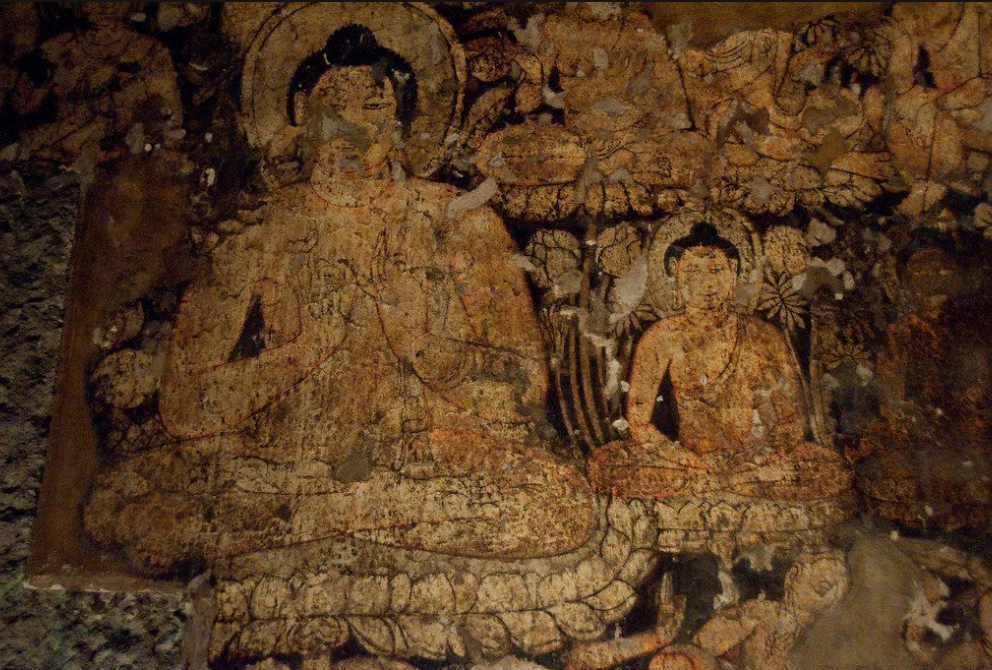
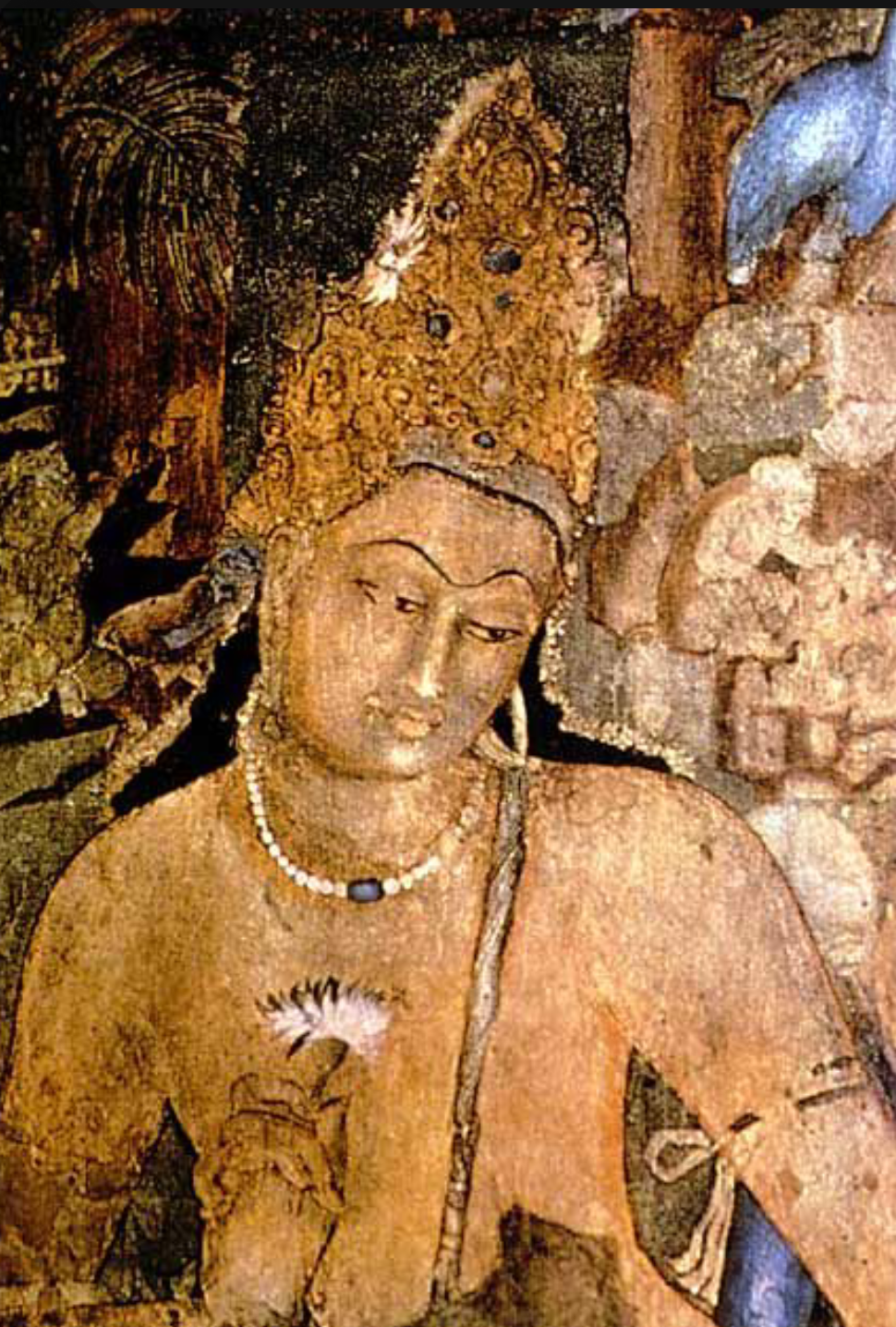
Almost all early painting in India survives in caves, as very few buildings from ancient India survive. The history of cave paintings in India or rock art range from drawings and paintings from prehistoric times – beginning around 30000 BCE in the caves of Central India, typified by those at the Bhimbetka rock shelters – to elaborate frescoes at sites such as the rock cut artificial caves at Ajanta and Ellora, prevalent as late as the 8th – 10th century CE. The frescoes of Ajanta are paintings in the Ajanta caves, which are situated near Aurangabad in Maharashtra. The caves are carved out of large rocks. Inside many of the caves are frescoes. Frescoes are paintings which are done on wet plaster in which colours become fixed on the walls and ceilings at Ajanta.

The paintings reflect different phases of Indian culture from Jain tirthankar Mahaveer’s birth to his Nirvana in the 8th century AD. The frescoes have degraded slightly due to the effect of flash photography. Photography here is not banned. The paintings depict themes of court life, feasting, processions, men and women at work, festivals and various natural scenes including animals and birds and flowers. The artists used shading to give a three-dimensional effect.

Similarly, beautiful frescoes have been found at the Bagh caves, 150 km away to the North of Ajanta. Though the themes in these paintings are both secular and religious, they do depict some aspects of Buddhist life and rituals. One of the most famous paintings show a procession of elephants. Another depicts a dancer and women musicians. These have been influenced by the Ajanta style of painting. These frescoes show a strong resemblance to the frescoes of Sigriya in Sri Lanka.

Thank you for reading. Have a nice day!🌼

Painting techniques

Techniques in watercolour paintings

#Washes

The most basic watercolour technique is the flat wash. It is reduced by first wetting the area of paper to be covered by the wash, then mixing sufficient pigment to easily fill the entire area. The pigment is applied to a sloping surface in slightly overlapping horizontal bands from the top down. Once complete, the wash should be left to dry and even itself out. Don’t be tempted to work back into a drawing wash, the results are usually disastrous! A variation on the basic wash is the graded wash. This technique requires the pigment to be diluted slightly with more water for each horizontal stroke. The result is a wash that fades out gradually and evenly.

#Glazing

Glazing is a similar watercolour technique Do a wash, but uses a thin, transparent pigment applied over dry existing washes. Its purpose is to adjust the colour and tone of the underlying wash. Non-staining, transparent pigments such as Rose Madder (or Permanent Rose), Cobalt Blue and or Auroline are ideal for glazing as they can be applied layer after led to achieve the desired effect. Be sure each layer is thoroughly dry before applying the next.

#Dropping in colour

This technique is simply the process of introducing a colour to a wet region of the painting and allowing it to blend bleed and feather without interruption. The result is sometimes and predictable but yields interesting and vibrant colour gradations That can’t be achieved by mixing the pigment on the palette.

#Wet-on-wet

Wet-on-wet is simply the process of applying pigment to wait paper. The results very from soft undefined shapes to slightly blurred marks, depending on how wet the paper is. The wet-on-wet technique can be applied over existing washes provided they are thoroughly dry. Simply wet the paper with the large brush and paint into the dampness. The soft marks made by painting wet in wet agreed for subtle background regions of your painting.

#Dry brush

Dry brush is almost the opposite watercolour technique to wet in wet. Here a brush loaded with pigment (and not too much water) is dragged over completely dry paper. The marks produced by this technique are very crisp and hard-edged. They will tend to come forward in your painting and so are best applied around the centre of interest.

#Lifting off

Most water colour pigments can be resolved and lifted off after they have dried. Staining colours such as Phthalo or Prussian blue, Alizarin, Windsor red, yellow or blue are difficult to remove and are best avoided for this technique. The process for lifting of his simple – wet the area to be removed with a brush and clean water, then blot the pigment away with attached. Using strips of paper to mask areas of pigment will produce interesting hard-edged lines and shapes.

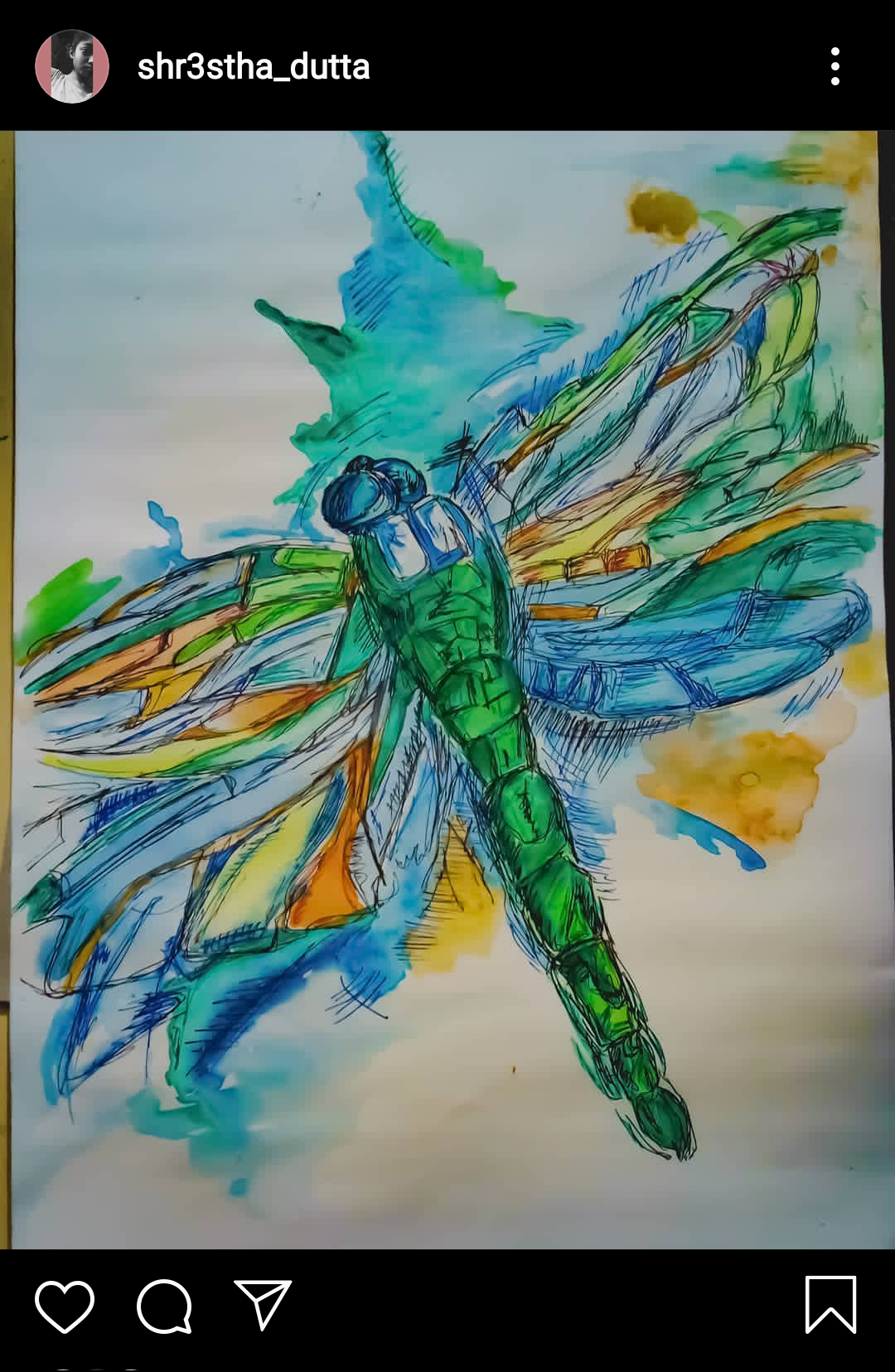
This is one of my watercolour paintings. I love experimenting with the medium.
Techniques in other kinds of painting

paints

As the name implies, pigments are already mixed with oil (usually linseed) in the tube, which makes for slow drying and easier blending. Clean up with turps or preferably and odourless solvent. Can be used straight from the tube (impasto) or thinly for underpainting or glazing. Usually used over canvas or board prepared with an acrylic or gas so undercoat. Retouch varnish may be used to even out the shine when finished. All other vanishes should not be applied until the paint has cured (around 6 months). Oils pretty much maintain their mixed colour once drive for, unlike water based paints which tend to dry darker or lighter than when wet.

#Poster colours

Poster colours contain a binder which remains water soluble when dry. Pigments used are generally of a courser quality than water colours and are therefore more opaque, specially pastel shades which are achieved by mixes that include white. Can be wetted again for further blending. Framing is usually as for water colours.

#Pastels

Here the pigments have been moulded into sticks using distilled water and a minimum of binders. Some are wrapped in waxed paper to prevent breakage. They come in square and round sticks and in pencil form full stock usually used on tinted pestle paper which has a texture (or ‘tooth’) to hold the dry granules of pigment. Spray fixatives prevent rubbing, button to dark in the pestle work. Framing is behind glass with the mat board to prevent the work from touching the glass.

#Acrylic painting

Painting executed in the medium of synthetic acrylic resins. Acrylics dry rapidly, serve as a vehicle for any kind of pigment, and are capable of giving both the transparent brilliance of watercolour and the density of oil paint. They are considered to be less affected by heat and other destructive forces than is oil paint. They found favour among artists who were concerned about the health risks posed by the handling of oil paints and the inhalation of fumes associated with them. Because of all these desirable characteristics, acrylic paints became immediately popular with artists when they were first commercially promoted in the 1960s.

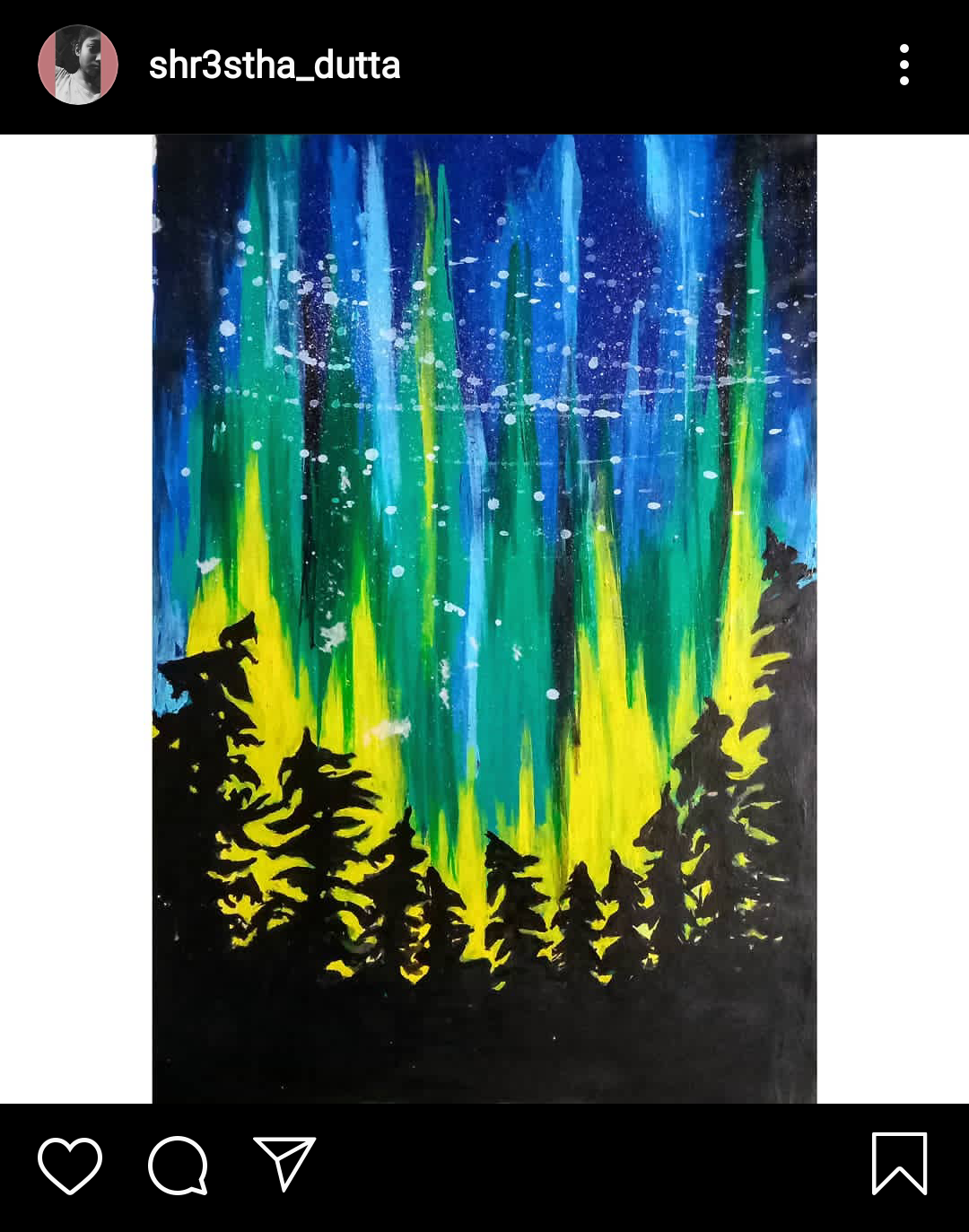
This is one of my acrylic paintings.
#Tempera painting

Painting executed with pigment ground in a water-miscible medium. The word tempera originally came from the word temper, which means ‘to bring to a desired consistency’. Dry pigments are made usable by ‘tempering’ them with a binding and adhesive vehicle. Such painting was distinguished from fresco painting, the colours for which contained no binder.

Thank you for reading. Have a nice day!🌼

Anniversaries (as of 2020)

•75th anniversary of end of World War 2 (1st September 1939 – 2nd September 1945 )

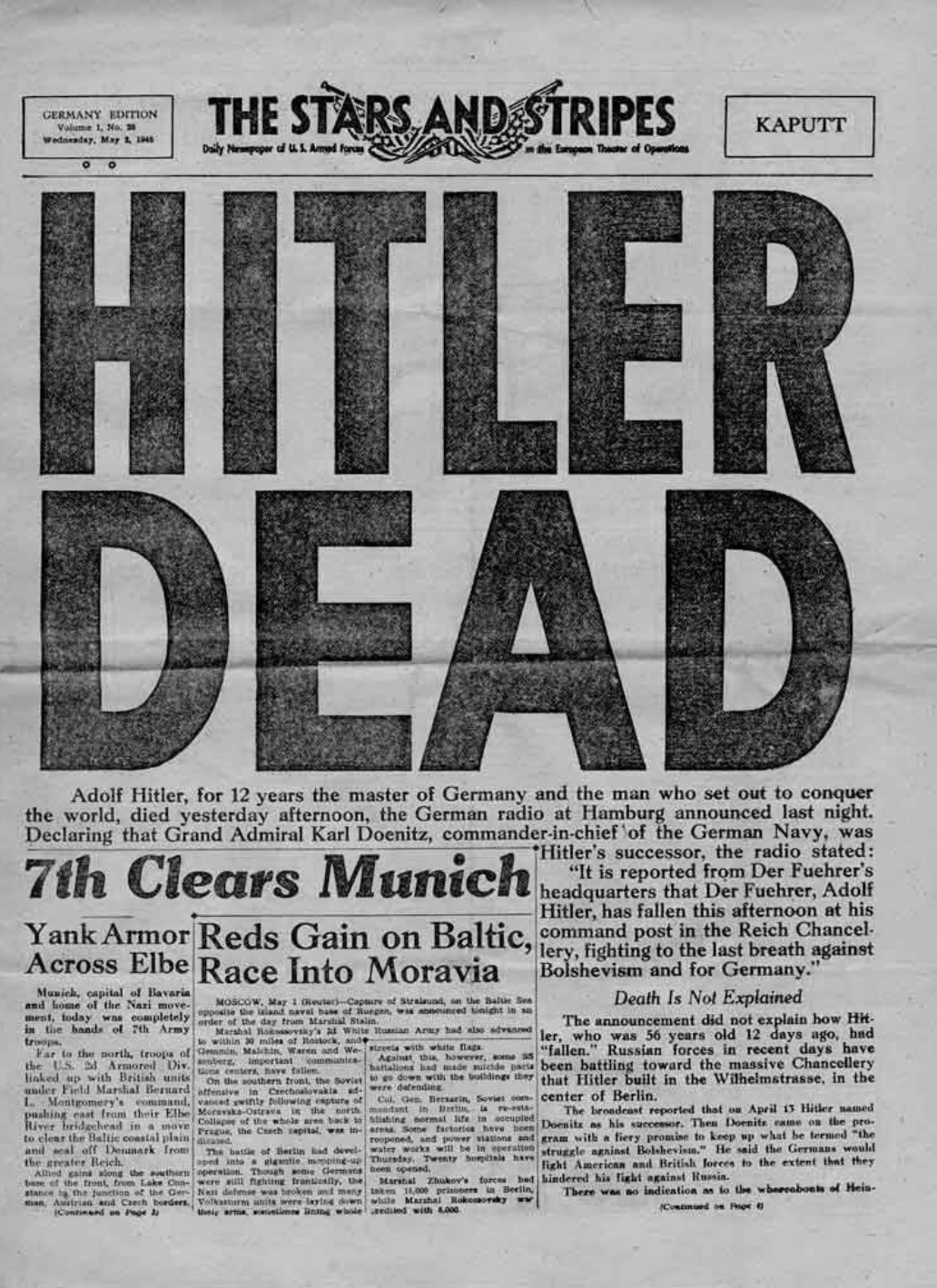
It involved vast majority of the world’s countries forming two different military forces – the Allies and the Axis. The Allied won causing the fall of Nazi Germany and also death of Hitler. It was the deadliest war in world history.

•100th birth anniversary of Isaac Asimov

Isaac Asimov was an American author and a professor of biochemistry at Boston University. Born on 2nd January, 1920 in Petrovichi, Russia. He was well known globally for his science fiction works including ‘I, Robot’, ‘Caves of steel’, ‘End of eternity’ etc. Some of his stories have been made into movies.

• 200th birth anniversary of Anne Bronte

Anne Bronte was an English novelist and poet and the youngest of the famous Bronte sisters. She was born on 17th January, 1820 in Thornton, UK. Some of her works include ‘The tenant of Wildfell hall’ and ‘Agnes Grey’.

•500th death anniversary of Italian artist Raphael

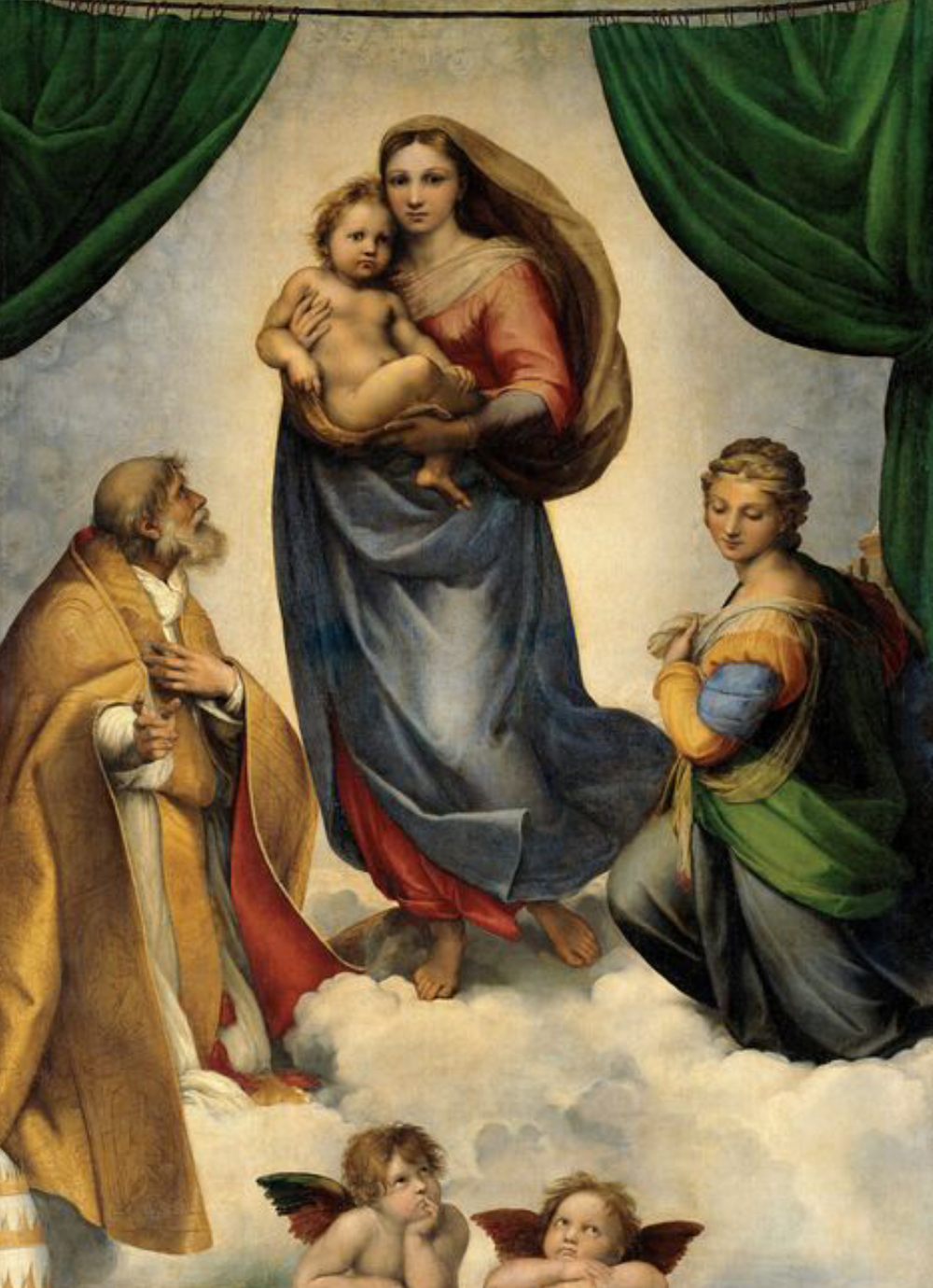
One of the Renaissance period painters, Raffaello Sanzio da Urbino was born on 6th April, 1483 and died on 6th April, 1520. St. Peter’s Basilica is one of his works. His notable artworks include ‘The school of Athens’, ‘The Sistine Madonna’ , ‘The marriage of the virgin’ etc.

•250th birth William Wordsworth

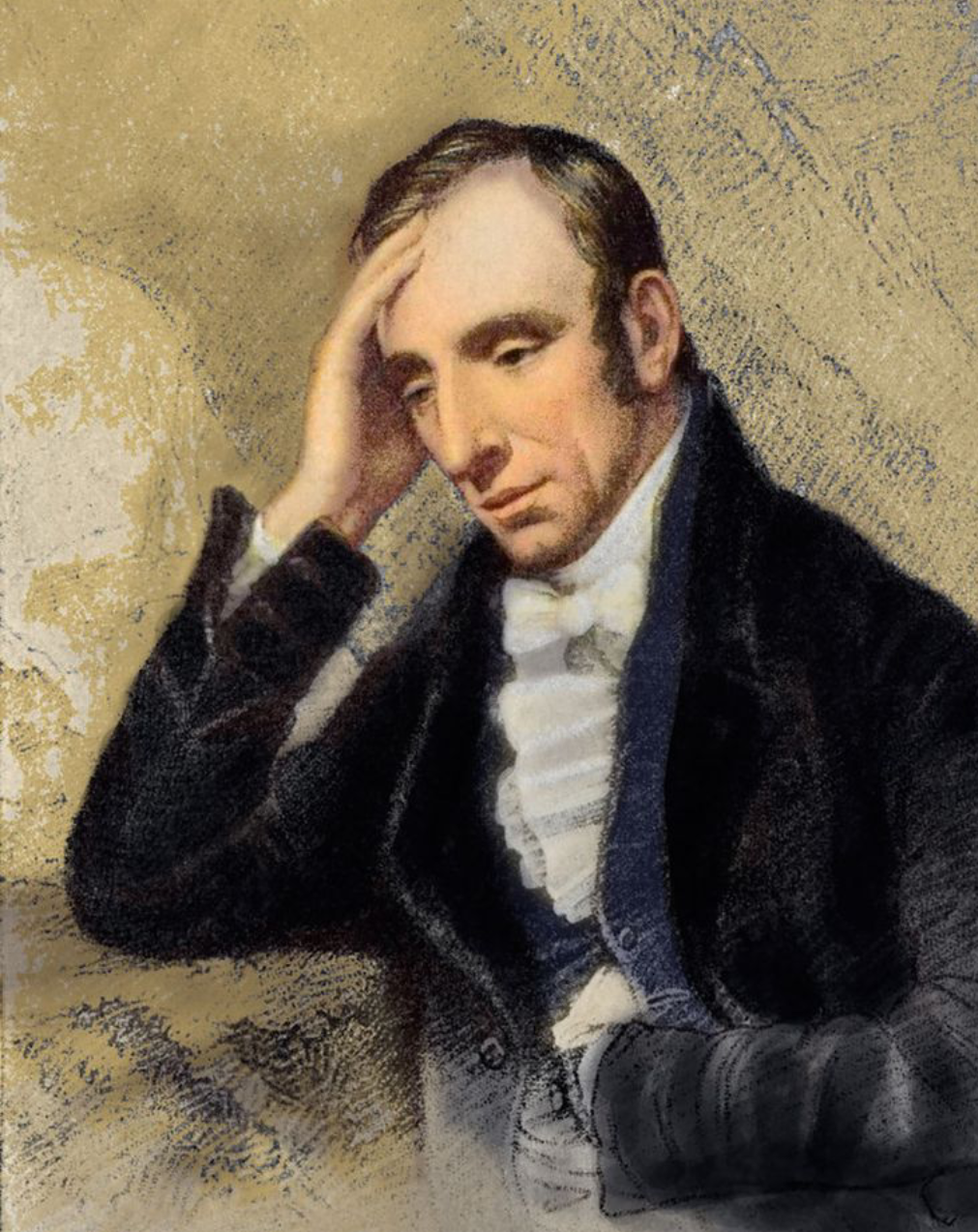
The very famous poem, ‘I wandered lonely as a cloud’ poet William Wordsworth was born on 7th April, 1770 in Cockermouth, UK. He was an English Romantic poet.

•200th birth Florence nightingale

The English social reformer, statistician and the founder of modern nursing was born on 12th May, 1820 in Florence, Italy. She worked hard and determined as a nurse and earned the title ‘Lady with the Lamp’.

•150th death anniversary Charles Dickens

•250th birth anniversary of Ludwig van Beethoven

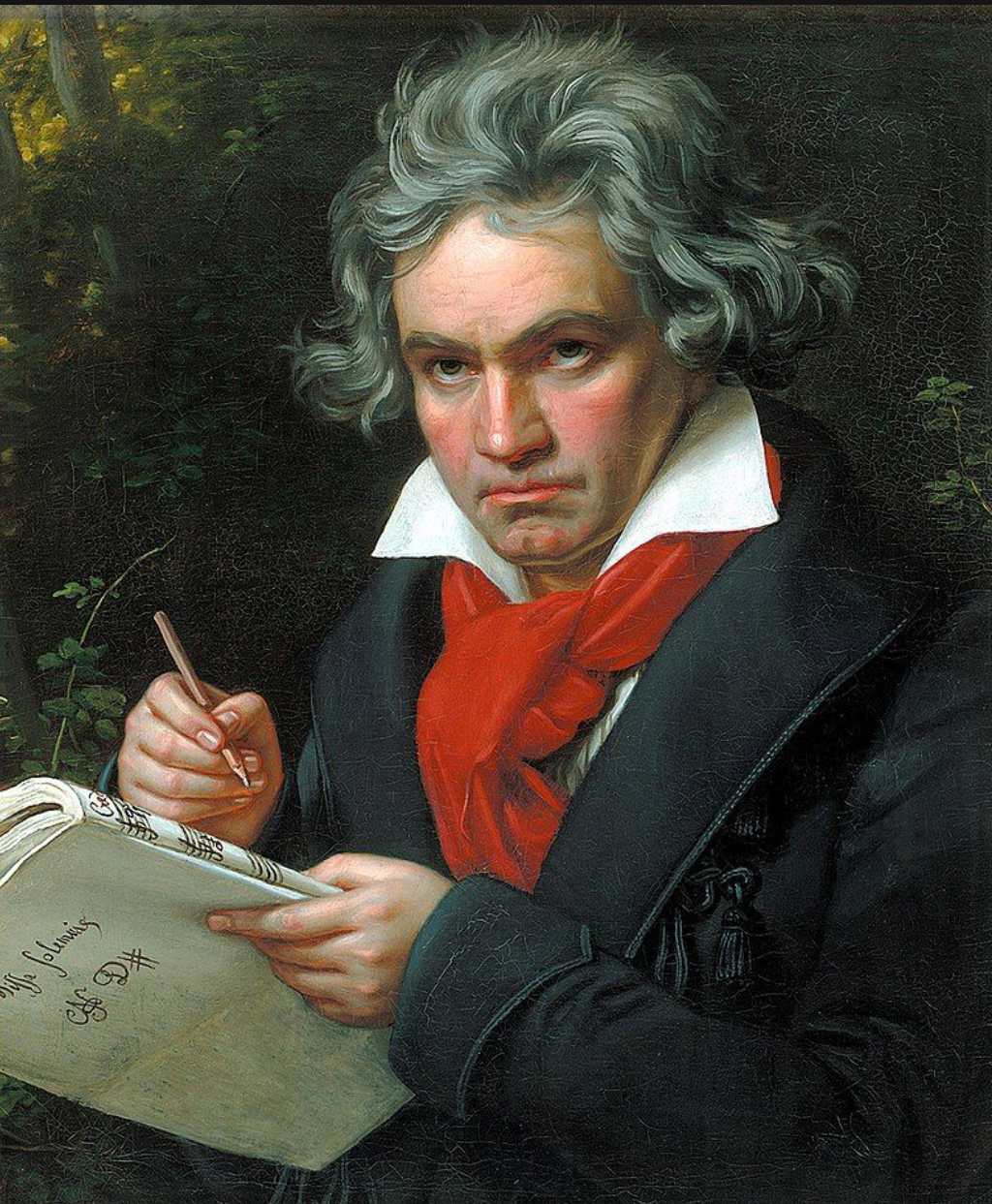
He was a German composer and pianist whose music ranks amongst the most performed classical music. Till date he remains the most admired composers in the history of western music. He was born in December 1770, Bonn, Germany.

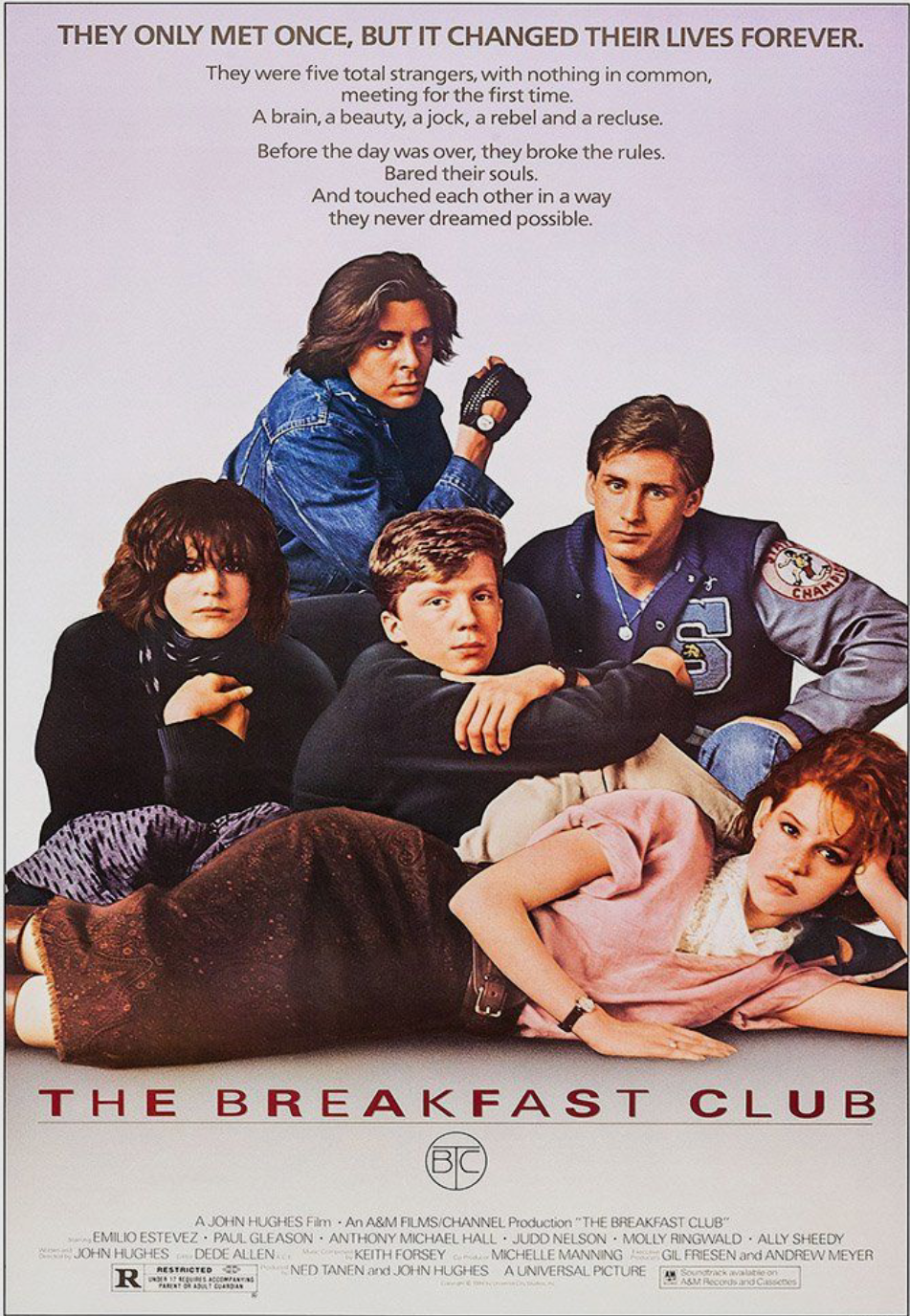
•Breakfast club is 35 now.

1985 The 1985 comedy and drama movie that has been a teenagers must watch since it’s release in 1985.

Thank you for reading. Have a nice day!🌼

Are Artworks Subjective?

In my view, it depends on the artist. There are two kinds of artworks – objective and subjective. To begin with, real art is created for the spectators and audience. On the other hand, subjective art is created out of one’s desire. Though every artwork has a touch of oneself, most of them are made for the people to see, to read, and to criticize upon. Not many artworks can be entirely personal, or in other words, subjective.
Subjective art was created to pour one’s heart out without letting other people view it. It is very personal, for example, writing a journal. Objective art is designed to make people feel, make people think, observe, and analyze the deeper meaning of the artwork. To name one artist who had mastered the subjective form of painting is none other than Picasso. His paintings were created only for himself, only to pour out his thoughts, and not to please the spectators or even, make the viewers think.
Not only in painting, but subjective art is also present in poetry. To write poetry, which would include external elements, is known as objective art. But, subjective art is mostly about what is inside the poet’s mind and about the emotions he feels. Subjective poetry is very personal, for example, a ballad or an elegy. This is precisely the opposite form of objective poetry.
Now, there is a very fine line between objective and subjective art. To create the former one, an artist has to keep an object in mind, to have a prior idea regarding the outcome of his work. On the other hand, the latter comes out of the flow. It is mostly out of the artist’s mood, or imagination, or even accidental. Mostly artworks are objective, which is made for the people to comment on. There are very few artists who create individual artworks.
To answer the main question, not all artwork is subjective, though I would love them to be. But, unfortunately, they are not. It would have been so beautiful to read poetry, which got created by accident or to look at a painting, which is just a crazy endeavor of an artist’s whimsical mind. Besides, through subjective art, one can truly understand the essence of an artist’s intention or feel the artist’s emotions.
Here, I would like to mention an epistolary novel, “The Diary of a Young Girl,” written by Anne Frank. This is an extraordinary example of subjective art. The journal, which got published posthumously, was written by Anne to keep records of her experiences of World War II. In the book, she maintains a steady conversation with “Kitty,” the name of her journal, about how her days, her family, love interests, and lifestyles after they went into hiding. An excellent example of subjective art and most epistolary novels are indeed written as to express one’s experiences or thoughts, not keeping in mind about the readers.
To conclude, subjective artworks are very personal, and hence, most artists don’t publish or execute them in public, even if they create it. Most of the artworks are found after the death of the particular artist and get published. Other than that, several of the artworks created are objective.