
Paws for Life: 5 Ways to Perform CPR on a Cat

As a cat owner, your furry friend’s safety should always be a top priority.

Although we hope that our cats never encounter an emergency, it’s important to know how to perform CPR on a cat in case of an unexpected event. Whether your cat has a heart attack or experiences difficulty breathing, performing CPR can save their life.
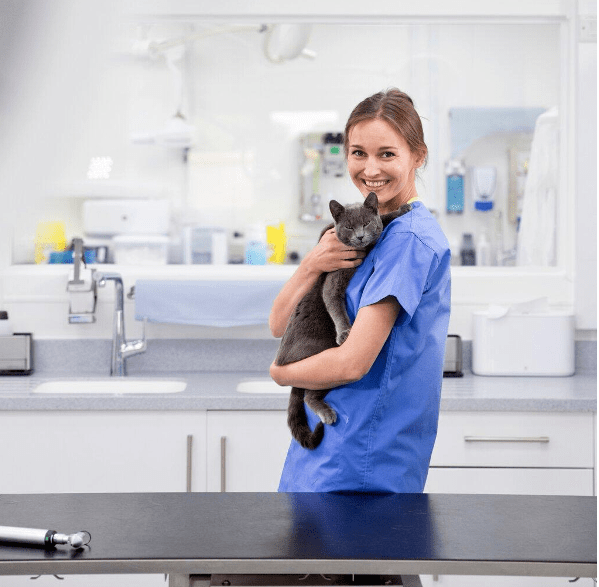
In this post, we will teach you five ways to perform CPR on a cat and hope that you will never have to use this knowledge.

1. Check for Signs of Life

Before you begin CPR for cats, check if they are breathing with a quick check. A healthy breathing pattern is slow and steady, with the rise and fall of the chest. If your cat is not breathing on their own, or their breathing is labored and shallow, it’s time to start CPR.

2. Perform Chest Compressions

Place your cat on their side, on a flat surface, and position their head carefully to open the airways. Perform compressions by pressing down on your cat’s chest with your palms, just behind their elbow joint.

The compressions should be smooth, but firm, with one compression for each second. Make sure you match the pressure and depth according to the size of your cat’s chest.

3. Give Mouth-To-Mouth Resuscitation

This procedure involves blowing into the pet’s nostrils to provide air to their lungs. To do this, hold the cat’s jaw closed with one hand and inhale deeply. With your other hand, hold the cat’s nose closed, and blow into the cat’s nostrils until you see the chest rise.

After your first breath, wait for the cat’s chest to fall before giving a second breath. Continue the cycle of breathing in and out every five seconds until the cat starts to breathe.

4. Use a Pet-Specific CPR Mask

These are designed masks that fit over the pet’s mouth, nose, and face. They come with a one-way valve to help ensure that air flows in only one direction. Using this mask, the ratio of compressions to breaths is the same as in human CPR: 30 compressions for every two breaths.

When using a pet-specific CPR mask, you must first see if there is any obstruction in the pet’s throat. If there’s no unmovable blockage, you can proceed with the compression sequence. If the compression cycle is successful, but the pet is still unconscious, try breathing into the pet’s mouth.

5. Monitor Your Cat Carefully

Once you’ve started CPR, it’s important to watch your cat’s vital signs. Check for breathing, pulse rates, and color changes in the gums to determine if feline resuscitation is working or not. Also, if possible, while performing CPR, call your Veterinarian or an emergency vet for helpful guidance. 

For those looking to learn how to perform CPR on a cat, it is important to get certified. You can check it out here on how to get certified now and become prepared to handle any emergency with your beloved furry companion.

Learn How to Perform CPR on a Cat to Save Your Feline Friend’s Life

While performing CPR can be stressful, it’s important to know how to perform CPR on a cat in an emergency. Remember to stay calm, and to perform the steps to prevent further injury to your cat.

Practice with a dummy or manikin to become more confident in performing CPR. You never know when you might need to use your life-saving training and the knowledge could save your cat’s life.

To dive into some of our topics, check out our other great articles.

The Health and Mood-Boosting Benefits of Pets!


Pets come with some powerful health benefits. Here’s how caring for a dog, cat, or another animal can help relieve depression and anxiety, lower stress, and improve your heart health.

The benefits of pets

Most pet owners are clear about the immediate joys that come with sharing their lives with companion animals. However, many of us remain unaware of the physical and mental health benefits that can also accompany the pleasure of snuggling up to a furry friend. It’s only recently that studies have begun to scientifically explore the benefits of the human-animal bond.

Pets have evolved to become acutely attuned to humans and our behaviour and emotions. Dogs, for example, are able to understand many of the words we use, but they’re even better at interpreting our tone of voice, body language, and gestures. And like any good human friend, a loyal dog will look into your eyes to gauge your emotional state and try to understand what you’re thinking and feeling (and to work out when the next walk or treat might be coming, of course).

Pets, especially dogs and cats can reduce stress, anxiety, and depression, ease loneliness, encourage exercise and playfulness, and even improve your cardiovascular health. Caring for an animal can help children grow up more secure and active. Pets also provide valuable companionship for older adults. Perhaps most importantly, though, a pet can add real joy and unconditional love to your life.

Any pet can improve your health

While it’s true that people with pets often experience greater health benefits than those without, a pet doesn’t necessarily have to be a dog or a cat. A rabbit could be ideal if you’re allergic to other animals or have limited space but still want a furry friend to snuggle with. Birds can encourage social interaction and help keep your mind sharp if you’re an older adult. Snakes, lizards, and other reptiles can make for exotic companions. Even watching fish in an aquarium can help reduce muscle tension and lower your pulse rate.

Studies have shown that:

  1. Pet owners are less likely to suffer from depression than those without pets.
  2. People with pets have lower blood pressure in stressful situations than those without pets. One study even found that when people with borderline hypertension adopted dogs from a shelter, their blood pressure declined significantly within five months.
  3. Playing with a dog, cat, or other pet can elevate levels of serotonin and dopamine, which calm and relax.
  4. Pet owners have lower triglyceride and cholesterol levels (indicators of heart disease) than those without pets.
  5. Heart attack patients with pets survive longer than those without.
  6. Pet owners over age 65 make 30 per cent fewer visits to their doctors than those without pets.

One of the reasons for these therapeutic effects is that pets fulfil the basic human need for touch. Even hardened criminals in prison show long-term changes in their behaviour after interacting with pets, many of them experiencing mutual affection for the first time. Stroking, hugging, or otherwise touching a loving animal can rapidly calm and soothe you when you’re stressed or anxious. The companionship of a pet can also ease loneliness, and most dogs are a great stimulus for healthy exercise, which can substantially boost your mood and ease depression.

Ultimately, when choosing a pet, be honest with yourself about the lifestyle you enjoy and the kind of pet you’d like to care for. If you’re in doubt about caring for a larger animal, start small, get a fish or a smaller, caged animal. See how it fits and go from there.