Top 5 tourist destination of Jaipur that you must visit

Jaipur is always honored for its magnetic heritage beauty which is indiscreet from more than thousands of years. And, if you are a lover of the wild, culture and history, then travel to Jaipur and celebrate this day by visiting some of its Heritage Sites.No trip to India is complete without spending time in Jaipur. Affectionately nicknamed “The Pink City” for the blushing color of its historic buildings, Jaipur is a princely wonderland of culture and heritage, brimming with architectural gems.
Jaipur, the Pink City of India, is an exotic destination, to say the least. From royal palaces to peppy pubs and from regal forts to plush restaurants, the city offers a fascinating mix of attractions for an avid traveler. And let’s not forget the welcoming vibe of the city, a quality that’s inherent to Rajasthan’s imperial culture and heritage. Even the hotels in Jaipur extend warm hospitality to their guests. When you are in such a warm and vibrant setting, there’s just one thing you should do – soak in the splendor of the city to the hilt. It Jaipur holds the distinction of being the first planned city of India. Renowned globally for its coloured gems, the capital city of Rajasthan combines the allure of its ancient history with all the advantages of a metropolis. The bustling modern city is one of the three corners of the golden triangle that includes Delhi, Agra and Jaipur.
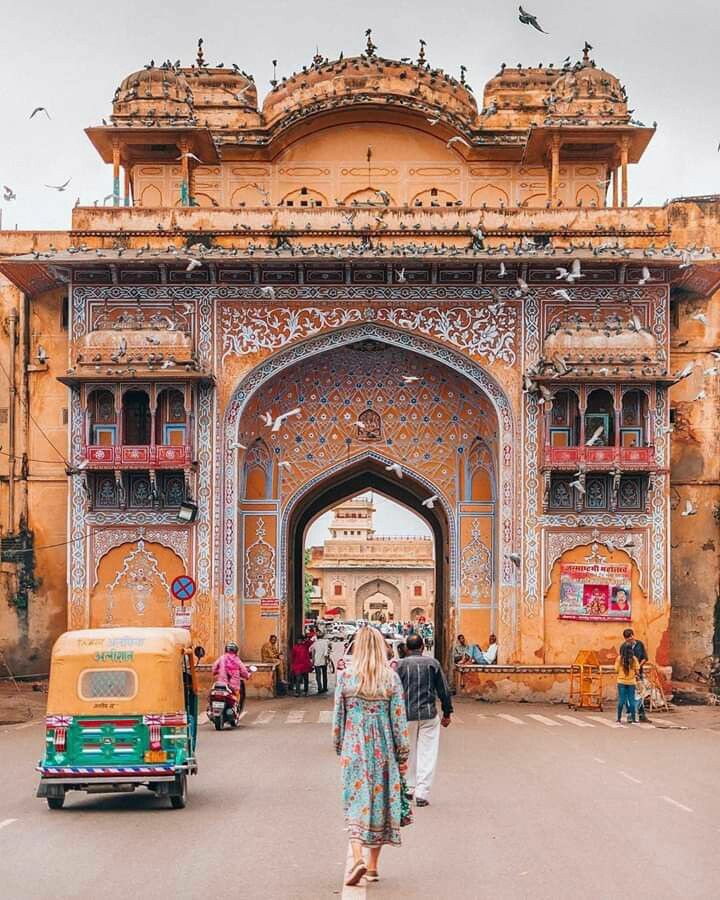
The spatial organization of the historic walled city of Jaipur continues to reflect the 18th century grid-iron plan. The architectural components like the gates and city walls, bazaars, chaupars and chowkris, historic structures, havelis, religious buildings, and water structures reflect the urban ensemble of the walled city of Jaipur as conceived from the 18th to the early 20th centuries. The materials and substance are largely original, primarily lime and stone. The bazaars (market areas) have been recently conserved using traditional materials. In some cases, 20th century structures use cement concrete but recreate the original architectural vocabulary.If you fancy elephant rides, you need to be in Jaipur to have a royal ride on the elephants. You can customize the rides the way you want, take elephant rides on jungles, through villages, in Biological Park and many more.If these are not enough to decide in favor of Jaipur, go ahead and have a look at the top list of attractions in Jaipur.

There is no death of historical places in Jaipur. A city with that embodies vibrant royalty and heritage, Jaipur is a must-visit for history buffs.Here is the list of 5 Top Historical Places In Jaipur & Best Monuments In The City.

1.Hawa mahal

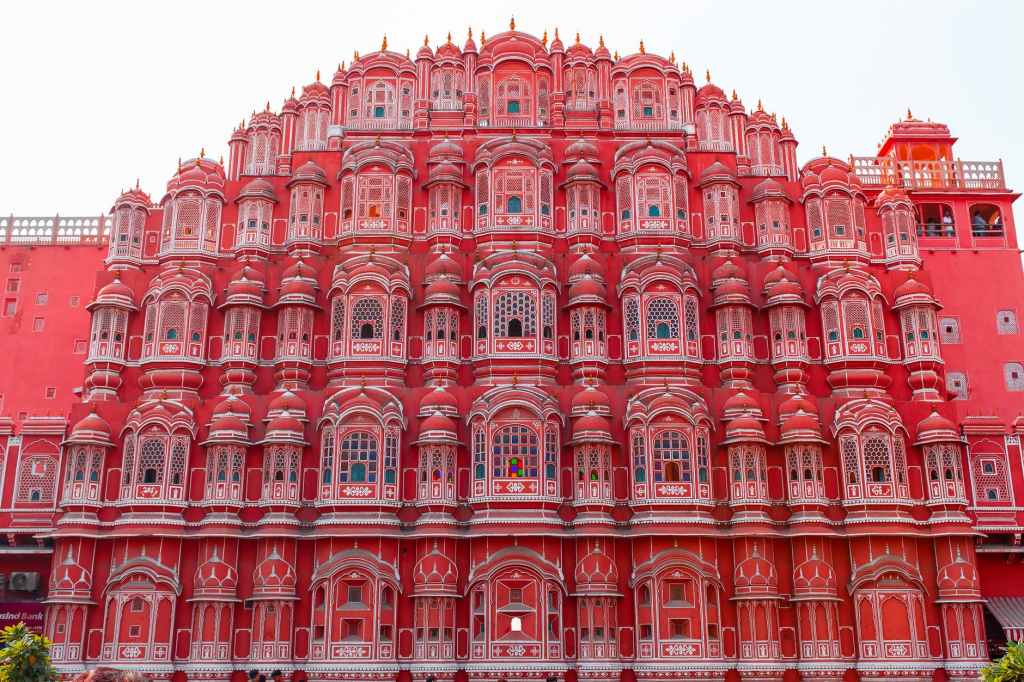
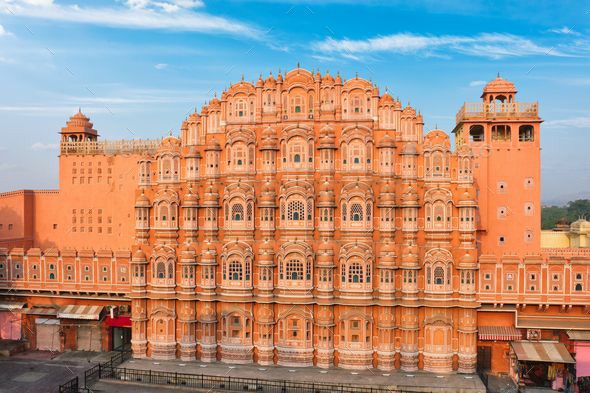
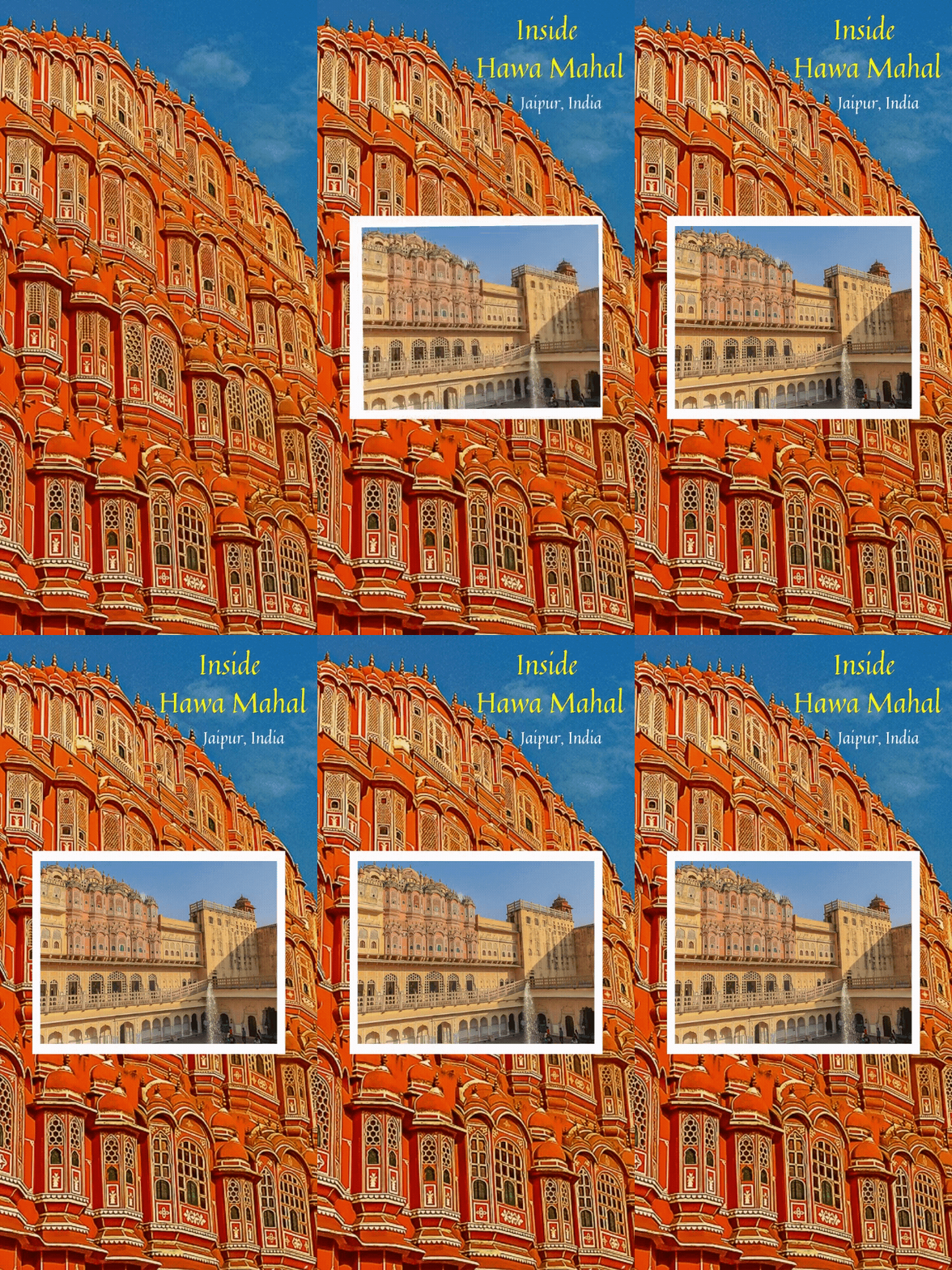
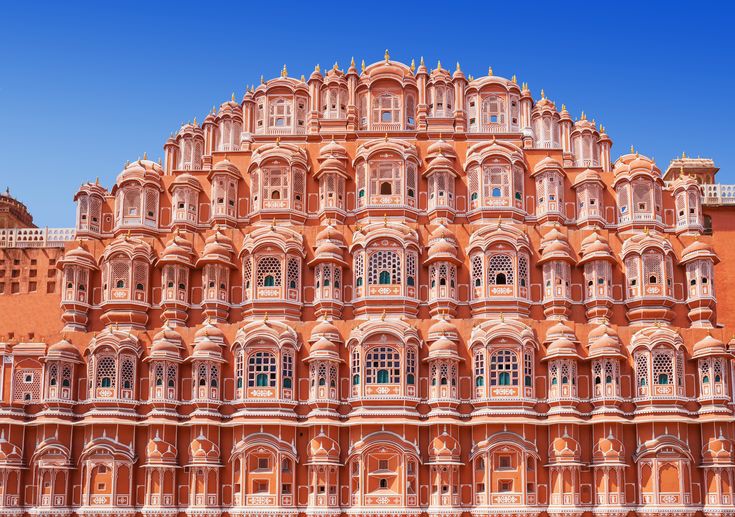
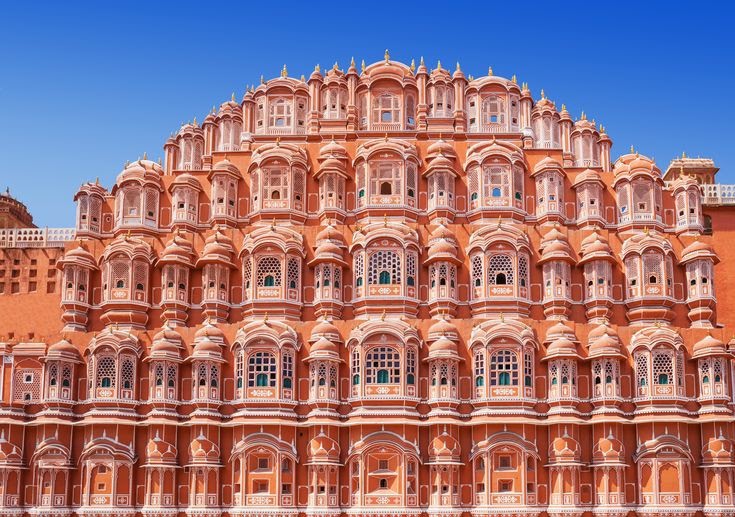
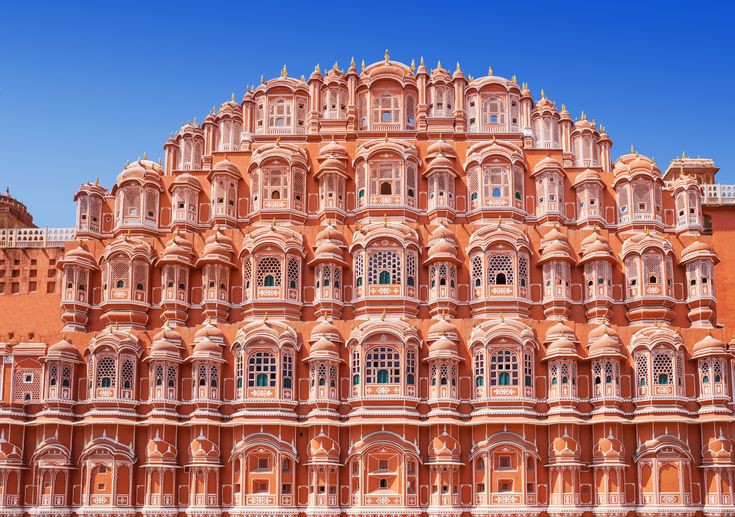
Hawa Mahal is also known as the palace of Winds because of its striking five-storey exterior, which is akin to honeycomb 953 peep windows that keep the palace cool when wind blows. Interestingly, Hawa Mahal is the tallest building in the world without any foundation and there’s isn’t any door in the front; the palace can be entered from behind. It is regarded as the signature building of Jaipur and was built by Maharaja Sawai Pratap Singh. It is an iconic historical place of Jaipur. Hawa Mahal derives its name from its unique structure, which is a mesh of small windows that allowed cool wind to enter the palace and hence kept the palace comfortable during the hot summer months.
2.Amer fort

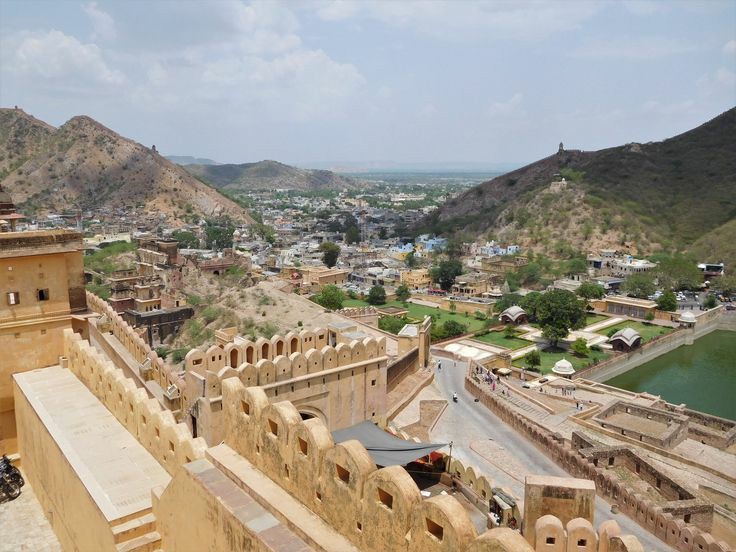
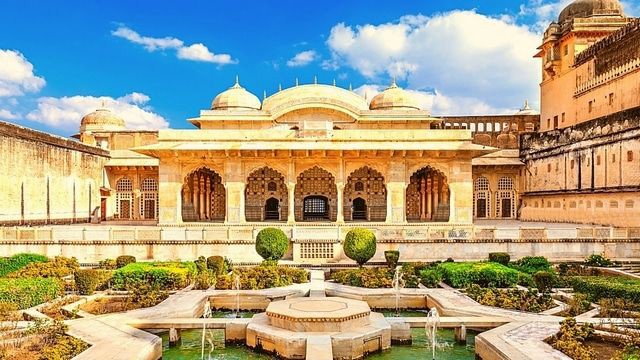
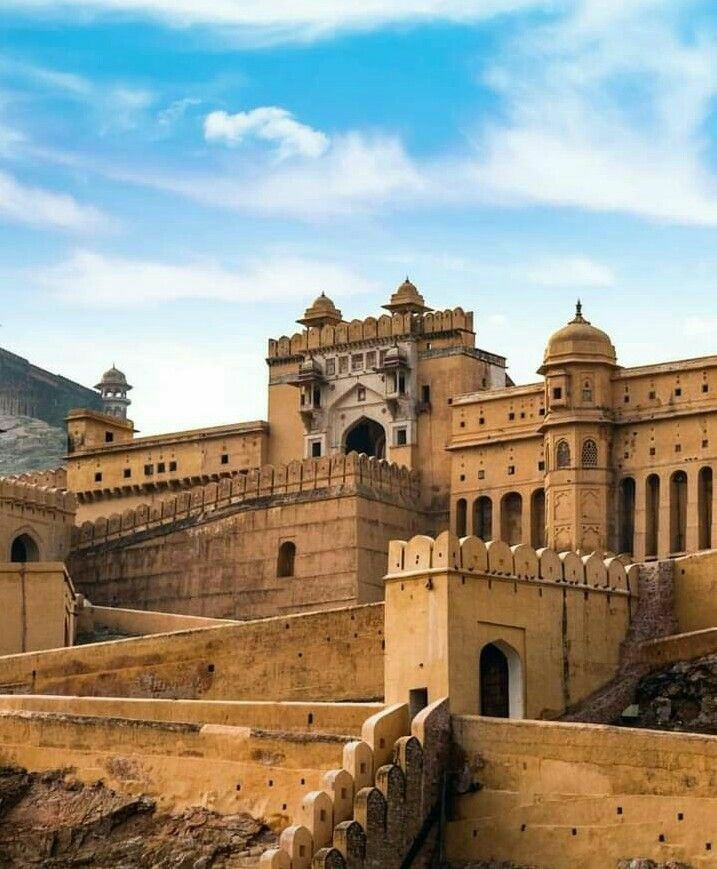
Amer Fort is a majestic citadel built by HH Maan Singh Ji I. The capital of Rajasthan before Jaipur , it is popular among local and overseas tourists for the temples , elephant rides right up to the fort and the Sound and Light Show narrated in Amitabh Bachchan’s baritone, which is a pure tribute to Rajputana heritage. The Sheesh Mahal within the fort, which is festooned with thousands of glass mirrors on its walls and ceiling, offers a fascinating aura to the visitors of this UNESCO’s World Heritage Site in Jaipur. It once served as a capital city of Rajasthan and is one of a prominent tourist attraction today with visitors coming from all over the globe.
3.city palace

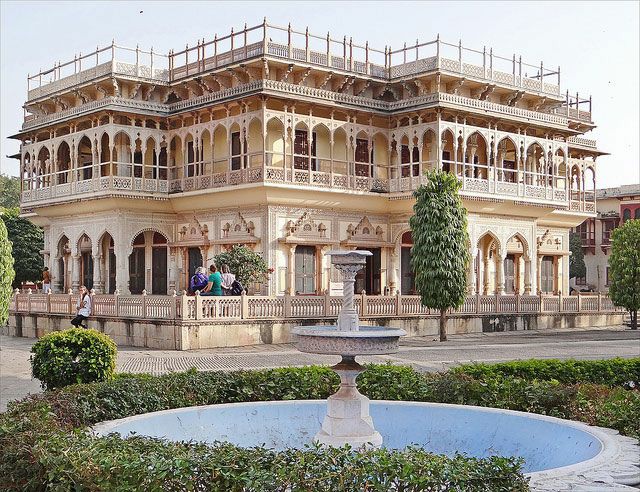
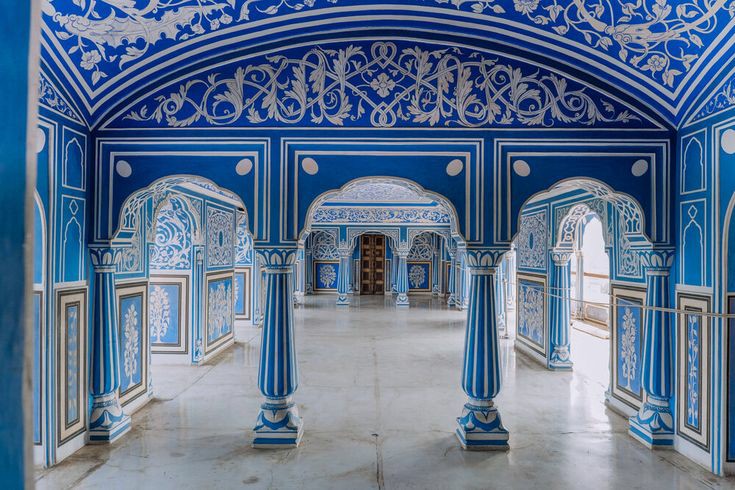
Located in the heart of the city, the City Palace is one of the most remarkable tourist attractions in Jaipur. The architecture of this palace is a splendid blend of Rajput and Mughal styles.Protected by huge guard walls, the fairy-tale-like structure is still the home of Jaipur’s modern-day royal family, and is more extravagant and enchanting than you might imagine. Adorned with sprawling gardens, courtyards, halls, royal residences, and art galleries, every part of this palace reflects Rajputana glory. The palace also houses a museum where you will come across the royal garments used by Maharaja Sawai Man Singh II and Maharaja Sawai Madho Singh I.The current occupants reside in the most eye-catching building, the Chandra Mahal, an elegant structure with curved eaves and domed rooftops. Each of its seven stories features an entirely different style. The ground floor is included in the price of admission, but you’ll need to book a private tour to go upstairs.
4.Nahargarh Fort

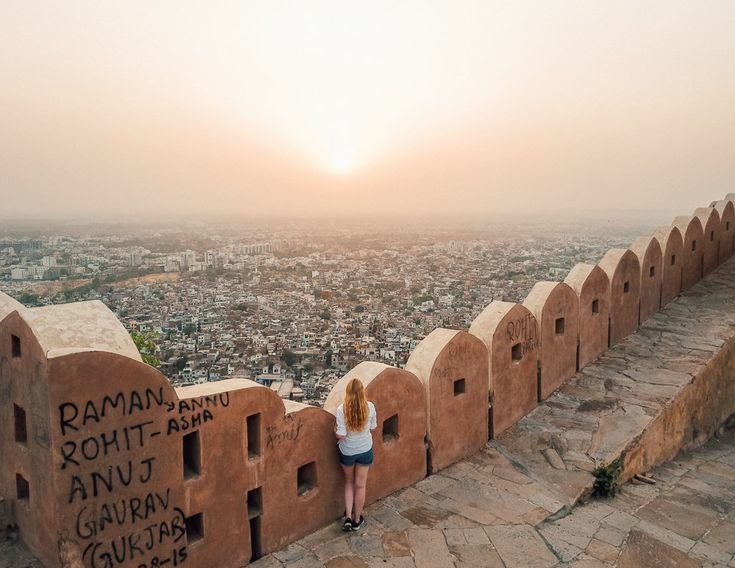
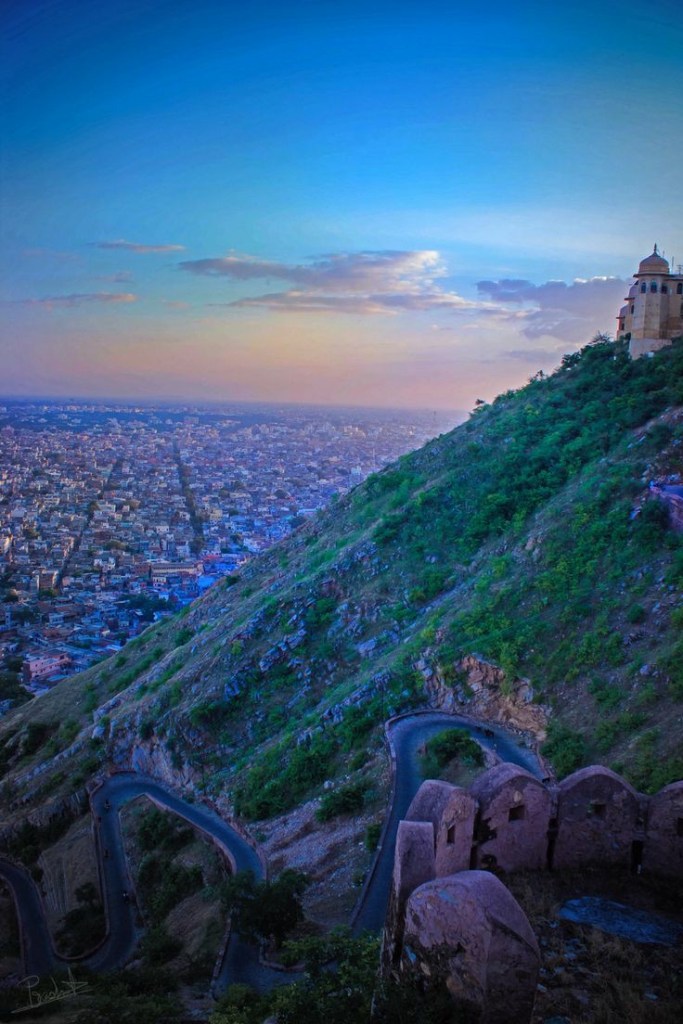
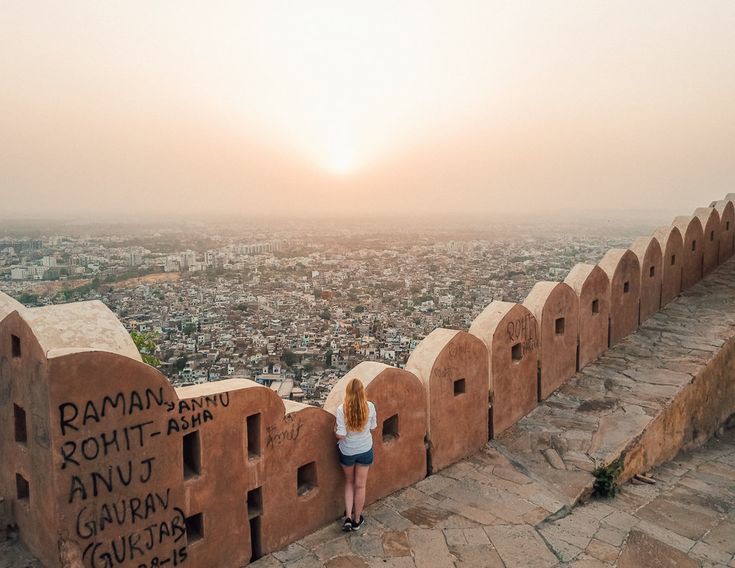
The rocky ridges of the Aravali Hills cradle Nahargarh Fort, a majestic monument that overlooks Jaipur and offers a stunning view of the city’s landscape. Built in 1734 by Jai Singh II, the then Maharaja of Jaipur, Nahargarh Fort was part of the city’s defense circle, along with Amer Fort and Jaigarh Fort. The fort served as a hunting retreat for the royal family. Today it is a splendid viewpoint to watch glorious sunsets over the Pink City. When it comes to sightseeing around Jaipur, the views don’t get better than what you’ll find at Nahargarh Fort.Also known as Tiger Fort, the nearly 300-year-old fort overlooks the entire city from atop the Aravalli Hills—a prime location for the structure to defend Jaipur against enemies many years ago.
5.Galta Ji

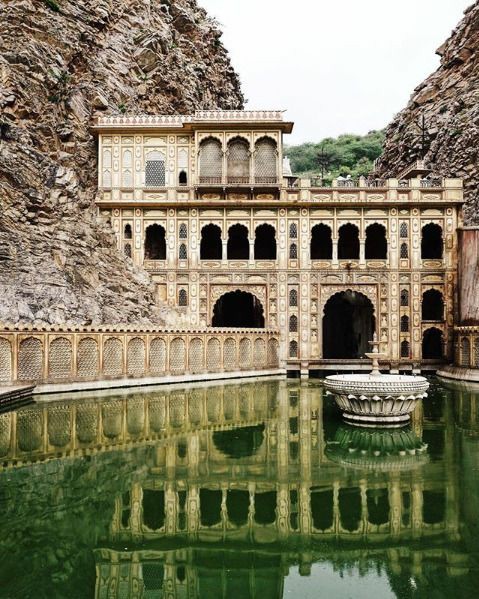
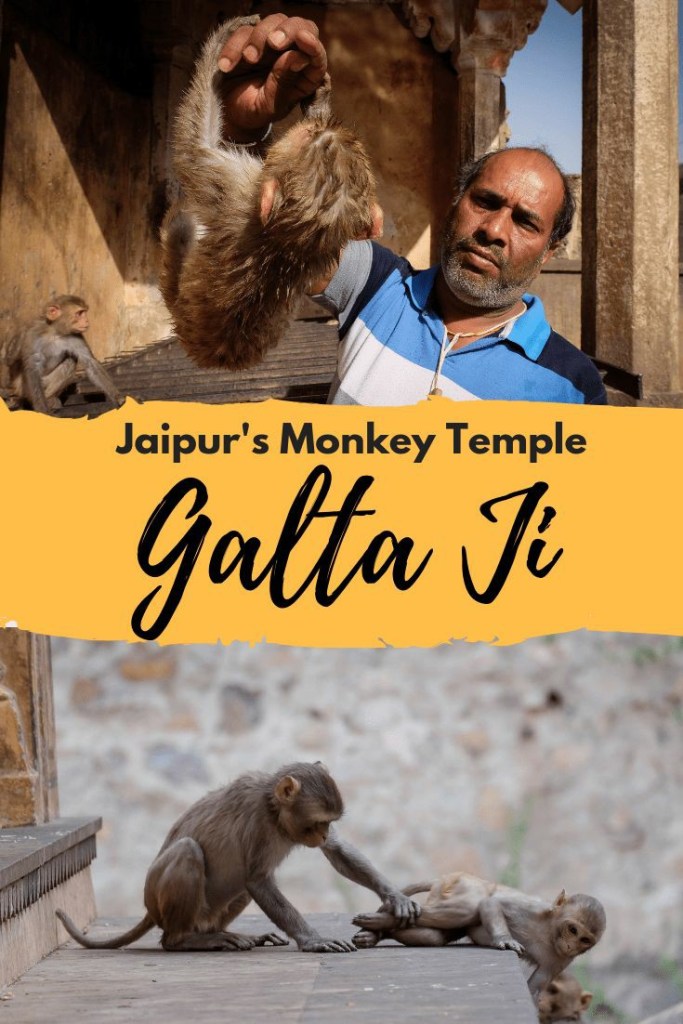
Nestled between cliffs, the temple features a few sacred water tanks, some with modest fountains, as well as frescoes that tell tales about Hindu god Krishna.While the official name for this place is Galta Ji, it’s better known as the Monkey Temple for the hundreds of macaques and langurs that live here. Daring tourists might opt to buy a handful of peanuts at the gate to tempt the monkeys, but you’re better off just watching the rambunctious creatures from a distance.This temple complex is known for its brilliant architecture and religious significance.Visitors and pilgrims can ascend the crevasse, continuing past the highest water pool to a hilltop temple from there are views of Jaipur and its fortifications spreads out across the valley floor. It is believed that a Saint named Galav lived here, practiced meditation, and did penance.
There is no end to the tourist destination in Jaipur but the above mentioned are probably the most famous and most visited destination in Jaipur. No place in india is culturally as rich as jaipur and above all , the various monuments and palaces adds to its beauty. If you are passionate about the strong forts and marvelous architecture that flaunt the expertise of old artisans,then Jaipur is where you need to be on your next vacation.
Jaipur: “The Pink City” of India and a epitome of Rich Culture

The very first thaught which comes to our mind when we think about jaipur is “The pink city” , but the glory of this historic city is not just limited limited to few historical events. It’s one of the most culturally rich city of india. Jaipur was founded in 1727 by the Kacchawa Rajput ruler Jai Singh II, the ruler of Amer, after whom the city is named. It was one of the earliest planned cities of modern India, designed by Vidyadhar Bhattacharya. During the British Colonial period, the city served as the capital of Jaipur State. After independence in 1947, Jaipur was made the capital of the newly formed state of Rajasthan.

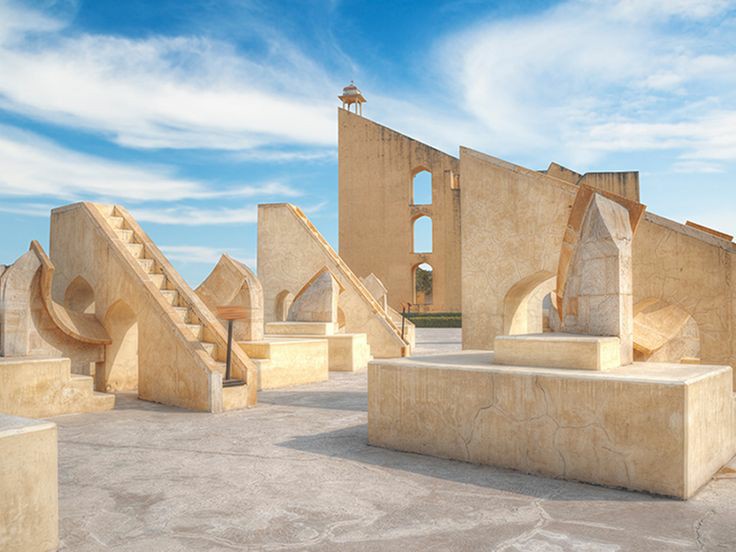
Jaipur is a popular tourist destination in India and forms a part of the west Golden Triangle tourist circuit along with Delhi and Agra.On 6 July 2019, UNESCO World Heritage Committee inscribed Jaipur the “Pink City of India” among its World Heritage Sites. The city is also home to the UNESCO World Heritage Sites Amer Fort and Jantar Mantar.

History & Development

Unlike other medieval cities of the region, Jaipur was deliberately planned as a new city located on the plains and open for trade, as opposed to cities on hilly terrain and military cities of the past, though its planning still responded to the surrounding hill tops in all topography. The site selected within the valley that lay to the south of the Amber hills was comparatively flat and undeveloped. It was also adequately protected, nestled within hills having an array of forts and defence posts. Thus, the new city could be planned as an inviting trade and commerce city with an ambitious vision of the ruler Sawai Jai Singh II and his architect- planner Vidyadhar.

The City of Jaipur is an exceptional example of indigenous city planning and construction in South Asia. In a remarkable difference from the existing medieval practices where settlements developed in a more organic manner. It is an expression of the astronomical skills, living traditions, unique urban form and exemplary innovative city planning of an 18th century city from India.

The design of the new city was a breath-taking departure from the prevalent practices in city development in the sub-continent. Its urban morphology reflected the coming together of cultural elements from eastern and western planning, expressing a culture of a ‘trade and commerce city’ and townscape that is unparalleled anywhere in South Asia. Envisaged as a trade capital, the main avenues of the city were designed as markets, which still remain as characteristic bazaars of the city. Chaupar, or designed large public squares at the intersection of roads, is another feature that is distinct to Jaipur as are its single and multicourt havelis and haveli temples. Besides an exemplary planning, its iconic monuments such as the Govind Dev temple, City Palace, Jantar Mantar and Hawa Mahal excel in artistic and architectural craftsmanship of the period.

The boundaries of the property conform to the original 18th century plans of Sawai Jai Singh II and relate to the surrounding topography as well as the original vision for the planned city. The size and scale of all town planning elements such as width of roads, hierarchy of public spaces, open spaces, water bodies, built form all are intact as per the original plan. The iconic built heritage structures retain their original form, character and architectural style. Though some areas of bazars and inside havelis in chowkris are undergoing major changes, but most are still intact form and location.

it is an exemplary development in town planning and architecture that demonstrates an amalgamation and important interchange of several ideas over the late medieval period. It shows an interchange of ancient Hindu, Mughal and contemporary Western ideas that resulted in the customised layout of the city. It is believed that Raja Jai Singh arrived at the final layout after a thorough analysis of several town plans sourced from across the globe. Following the grid-iron plan prevalent in the west but with traditional zoning, superimposed by the desire to rival Mughal cities, Jaipur reflected new concepts for a thriving trade and commerce hub that became a model for the later towns in the adjoining Shekhawati region and others parts of Western India.

The inscribed area of the historic walled city of Jaipur within the walls and gates includes all of the attributes of the property (18th century town plan with its grid iron plan, chaupars, chowkris, city wall and nine city gates; urban form with 11 bazaar facades, shop typology along bazaars, havelis and haveli temples along bazaars and at chaupars, iconic monuments, gates leading to inner streets; craft streets and bazaar areas). The inner areas of chowkris and the related old havelis are not attributes of the property.

The tourist hub

Jaipur is always honored for its magnetic heritage beauty which is indiscreet from more than thousands of years. And, if you are a lover of the wild, culture and history, then travel to Jaipur and celebrate this day by visiting some of its Heritage Sites.According to TripAdvisor’s 2015 Traveller’s Choice Awards for Destination, Jaipur ranked 1st among the Indian destinations for the year.The Presidential Suite at the Raj Palace Hotel, billed at US$45,000 per night, was listed in second place on CNN’s World’s 15 most expensive hotel suites in 2012.

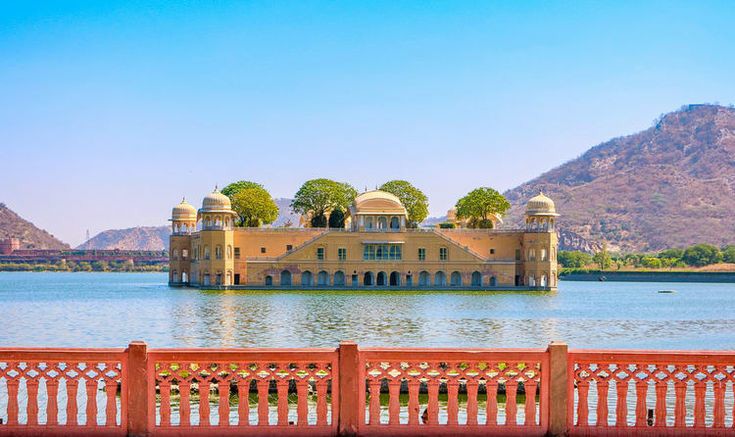
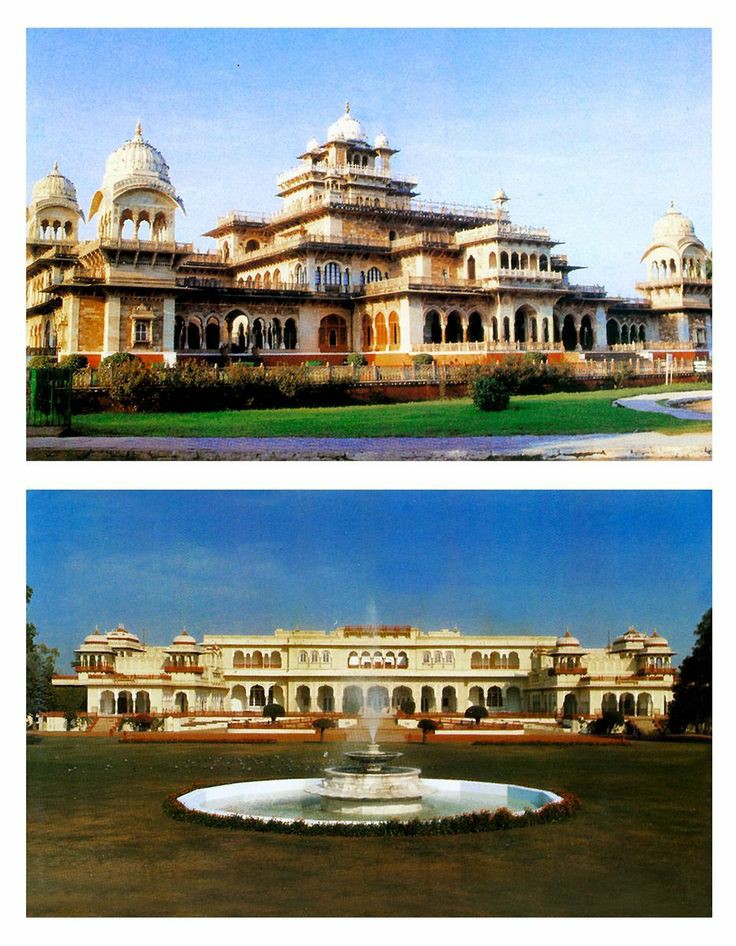
Visitor attractions include the Birla Auditorium, Albert Hall Museum, Hawa Mahal, Jal Mahal, City Palace, Amer Fort, Jantar Mantar, Nahargarh Fort, Jaigarh Fort, Birla Mandir, Galtaji, Govind Dev Ji Temple, Garh Ganesh Temple, Moti Dungri Ganesh Temple, Sanghiji Jain temple and the Jaipur Zoo.The Jantar Mantar observatory and Amer Fort are one of the World Heritage Sites.Hawa Mahal is a five-storey pyramidal shaped monument with 953 windows that rises 15 metres from its high base. Sisodiya Rani Bagh and Kanak Vrindavan are the major parks in Jaipur,Raj Mandir is a notable cinema hall in Jaipur.

Jaipur has many cultural sites like Jawahar Kala Kendra formed by Architect Charles Correa and Ravindra Manch. Government Central Museum hosts several arts and antiquities. There is a government museum at Hawa Mahal and an art gallery at Viratnagar. There are statues depicting Rajasthani culture around the city.Jaipur has many traditional shops selling antiques and handicrafts, as well as contemporary brands reviving traditional techniques, such as Anokhi. The prior rulers of Jaipur patronised a number of arts and crafts. They invited skilled artisans, artists and craftsmen from India and abroad who settled in the city. Some of the crafts include bandhani, block printing, stone carving and sculpture, tarkashi, zari, gota-patti, kinari and zardozi, silver jewellery, gems, kundan, meenakari and jewellery, Lakh ki Chudiya, miniature paintings, blue pottery, ivory carving, shellac work and leather ware.

JAIPUR – Pink City of India (Part-1)

Jaipur is also known as the Pink City, due to the dominant color scheme of its buildings. It is located 268 km (167 miles) from the national capital New Delhi. Jaipur was founded in 1727 by the Kacchawa Rajput ruler Jai Singh II, the ruler of Amer, after whom the city is named.

Jaipur is the Capital City of Rajasthan. Jaipur is famous for Rajasthani traditional Jewelry, traditional fabrics and handicrafts, and also for traditional rajasthani cuisine.

This nicknames arise from the distinctive architectural features of each city. The Pink City of Jaipur, for example, is so named because its buildings were painted pink in the 19th century, back when India was a British colony, to prepare for a visit by Edward, Prince of Wales.

Maharaja Sawai Ram Singh II, who was the then ruler of Jaipur, in his infinite spirit of hospitality, had the whole city painted pink terracotta in honour of the royal guest. Pink was considered the colour of hospitality. … Historic accounts state the city was coloured in white before it was turned pink.

A romantic dusty pink hue — which has defined the city since 1876, after it was painted pink to welcome Queen Victoria’s husband, Prince Albert — gives Jaipur its status as the “Pink City,” as it is commonly known.

The number of tourists visiting these monuments and paying tribute to the historical traditions of the city, this city’s nickname is Paris of India.