

Plastics are a man-made disaster that will continue to plague us for thousands of years. Furthermore, we have never lived a life free of plastic. Plastics are present in every part of our life, including entertainment, medical care, travel, employment, and even our homes. But it wouldn’t be fair if we didn’t recognize that plastic has also been a benefit to global economic prosperity. For many industries, it has shown to be a wonder material. Plastic derived from fossil fuels such as oil and petroleum is widely utilized in the production of a wide range of products, including plastic bags, kitchenware, furniture, doors, sheets, packaging materials, counter tops, and other items.
Plastics are omnipresent, and they have improved our lives, so banning them isn’t an option. However, prohibiting certain plastic sectors, such as the plastic bag industry, appears to be a sensible idea because plastic bags can be replaced. Jute, gunny, and paper bags are all viable alternatives to plastic bags. When it comes to plastic bags, the reuse and recycle approach can be applied. People should be made aware of the negative consequences of using plastics through proper awareness and instructional programs. Plastic bags are frequently utilized and are freely available on the market. Plastic bags are commonly found in supermarkets and are used to transport commodities such as rice, fruits, vegetables, wheat flour, and other foods. Plastic bags come in a variety of sizes and are far more cost-effective and convenient to use than paper bags.
PROBLEMS CAUSED BY PLASTIC BAGS INCLUDE:
Environmental Degradation: Because of their negative consequences, plastic bags have become a major source of land pollution today. Plastic bags are placed in landfills and take 500 years to decompose. Although these bags are light in weight and easily delivered by air, the waste they create on land and in landfills pollutes the environment. Plastic bags that enter water bodies are a major source of water pollution, and as a result, they harm our ecosystem in every manner.
Human Impact: On land, one of the most common sorts of litter is plastic shopping bags. Large amounts of plastic bags have been known to clog local drainage systems, particularly in underdeveloped countries. Floods in Bangladesh 20 years ago, for example, were blamed in part on bottlenecks in drainage systems caused by plastic shopping bags. Over time, plastic shopping bags leach pollutants into water systems, posing a health danger to human populations. Plastic bags are extremely difficult to recycle. While the three arrows in a circle recyclable emblem appears on many plastic shopping bags in the United States, it is frequently a marketing ploy.
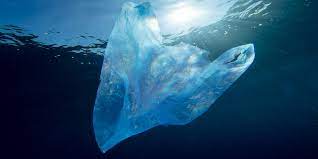
Animal Impact: The world’s largest albatross colony is found on Midway Atoll in the North Pacific Ocean. These birds fly to these remote islands and forage at sea, often hundreds of miles away, for food for their young. Thousands of these beautiful birds have died at Midway Airport after ingesting significant amounts of plastic bag shards and bits. Adult birds bring all of the plastic detected in these birds to the island, where it is fed to the young birds. On a daily basis, four tons of plastic are predicted to accumulate here. Our oceans and seas are home to the bulk of the world’s species. Hundreds of different animals and birds are at risk of being injured or killed as a result of swallowing or being entangled in plastic bag flotsam. Marine creatures that eat floating plastic shopping bags may mistake them for jellyfish. Sea turtles are one of the animals that are threatened by the bags. They’re on the verge of extinction, because to their habit of consuming massive amounts of plastic. Plastic shards fester in the stomach since it can’t be digested properly.


 Eduindex
You must be logged in to post a comment.