HOW DDMP: 2041 ADDRESS THE ISSUE OF POLLUTION

Master Plan is a dynamic long term planning document which kays down guidelines for regulating and guiding the future growth and development of cities. Master Plan provides actions and strategies for meeting the social and economic needs of the current and future population. It includes analysis, recommendations, economy, housing, transportation etc. depending on the social, economic and environmental conditions of the are The purpose of a Master Plan is to promote growth and guide and regulate present and future development of towns and cities with a perspective of 20-25 years. It is an instrument to work out land and infrastructure requirements for various urban and rural uses, and allocate land for various uses to result in harmonious and sustainable distribution of activities. The plan guides the physical development of the community with the help of its long-term planning visions. This provides long ranged, comprehensive strategies which consists of all functions and make the community function.

DRAFT DELHI MASTER PLAN (DDMP)

The Master Plan of Delhi is the key instrument that facilitate and regulate Delhi’s development by assessing and analyzing the present condition and will guide how sustainable and balanced development can be achieved. The apex body of the master plan is the Delhi Development Authority and the implementation of this plan is the collective responsibility of all agencies involved in the development of Delhi.

The Draft Delhi Master Plan (DDMP)- 2041. focuses to take measures for reducing the tackling the air, water and noise pollution level in the city with the help of measures, such as ‘refuge points and self-sustained isolated residential areas to deal with the challenges of pandemic. Greener environment, Yamuna cleaning, economy focusing on areas such as IT, service sector and hospitality, enhanced mobility promoting cleaner fuels, addressing housing needs of the poor, and rejuvenation of the heritage fabric of the city are among the key features of the draft Master Plan of Delhi 2041.

DDMP aim to address issues of pollution

  1. Strategies to address Vehicle Pollution: The key strategies for achieving this include:  adoption of mix-use transit-oriented development (TOD), migration to greener fuels for public transport. The main aim of mix-use and transit-oriented development (TOD) is the reduction in average trip length and bringing jobs and homes closer to transit networks. With the help of using clean fuels the plan tries to encourage clean travel and green mobility by “improving pedestrian, cycling and EV infrastructure”.
  2. Strategies for Improvement of Water Quality: The improvement of water quality in the Yamuna and various natural drains, lakes and baolis by assigning different agencies with specific tasks, such as checking the outfall of untreated wastewater from surrounding developments.
  3. Strategies for large housing requirements: The plan tries to meet the future housing requirements through large scale greenfield development using “the land pooling method”.
  4. Strategies for low density housing requirements: The DMP tries to address the development of low density and low floor area ratio (FAR) residential areas within Green Development Area. It will also focus on regeneration of existing areas through “improvement of existing stock and creation of new units”.
  5. The second volume contains “Spatial Development Strategy and Action Plan” which highlighted major strategies and provisions covering both green field and brown field development in the city.
Pollution

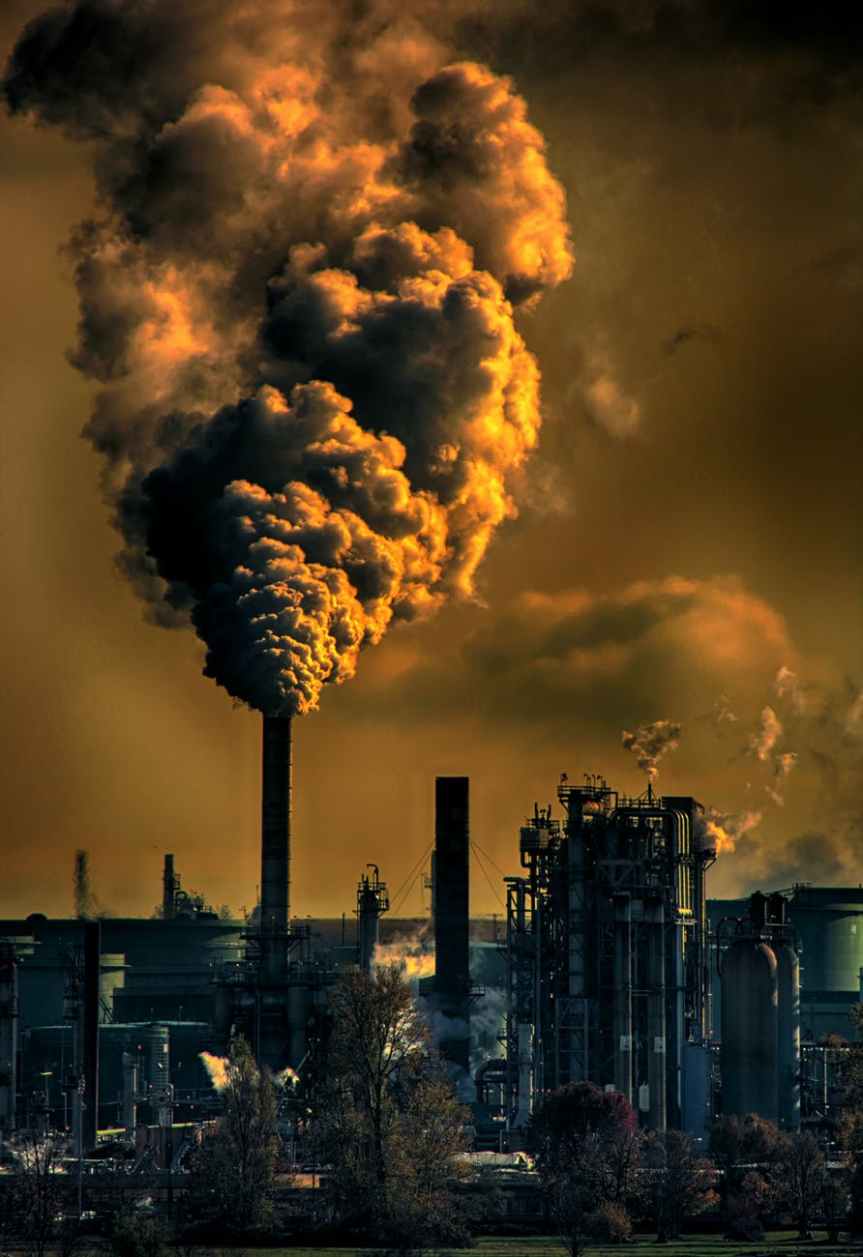
Pollution is a significant threat to our environment and is caused by the reckless attitude of man towards nature. Our Earth provides us with food and shelter, whereas we treat it mercilessly and plunder its resources. Pollution is a direct result of our greed. We dump waste into our water bodies without caring for the organisms living in them. The balance of various gases in the atmosphere has been disrupted because of the large number of vehicles plying on the road. Even factories that release harmful gases into the atmosphere contribute to air pollution. When we do excessive and uncontrolled farming on a piece of land, it loses its natural minerals. So, when we use fertilizers to boost their productivity, it pollutes the soil. Noise pollution is caused by factories, jets, airplanes, etc. It harms our ears and can impair hearing.

Pollution is a term which even kids are aware of these days. It has become so common that almost everyone acknowledges the fact that pollution is rising continuously. The term ‘pollution’ means the manifestation of any unsolicited foreign substance in something. When we talk about pollution on earth, we refer to the contamination that is happening of the natural resources by various pollutants. All this is mainly caused by human activities which harm the environment in ways more than one. Therefore, an urgent need has arisen to tackle this issue straightaway. That is to say, pollution is damaging our earth severely and we need to realize its effects and prevent this damage. In this essay on pollution, we will see what are the effects of pollution and how to reduce it.

Effects of Pollution

Pollution affects the quality of life more than one can imagine. It works in mysterious ways, sometimes which cannot be seen by the naked eye. However, it is very much present in the environment. For instance, you might not be able to see the natural gases present in the air, but they are still there. Similarly, the pollutants which are messing up the air and increasing the levels of carbon dioxide is very dangerous for humans. Increased level of carbon dioxide will lead to global warming.

Further, the water is polluted in the name of industrial development, religious practices and more will cause a shortage of drinking water. Without water, human life is not possible. Moreover, the way waste is dumped on the land eventually ends up in the soil and turns toxic. If land pollution keeps on happening at this rate, we won’t have fertile soil to grow our crops on. Therefore, serious measures must be taken to reduce pollution to the core.

Types of Pollution

How to Reduce Pollution?

After learning the harmful effects of pollution, one must get on the task of preventing or reducing pollution as soon as possible. To reduce air pollution, people should take public transport or carpool to reduce vehicular smoke. While it may be hard, avoiding firecrackers at festivals and celebrations can also cut down on air and noise pollution. Above all, we must adopt the habit of recycling. All the used plastic ends up in the oceans and land, which pollutes them.

So, remember to not dispose of them off after use, rather reuse them as long as you can. We must also encourage everyone to plant more trees which will absorb the harmful gases and make the air cleaner. When talking on a bigger level, the government must limit the usage of fertilizers to maintain the soil’s fertility. In addition, industries must be banned from dumping their waste into oceans and rivers, causing water pollution.

To sum it up, all types of pollution is hazardous and comes with grave consequences. Everyone must take a step towards change ranging from individuals to the industries. As tackling this problem calls for a joint effort, so we must join hands now. Moreover, the innocent lives of animals are being lost because of such human activities. So, all of us must take a stand and become a voice for the unheard in order to make this earth pollution-free.

Photo by Chris LeBoutillier on Pexels.com

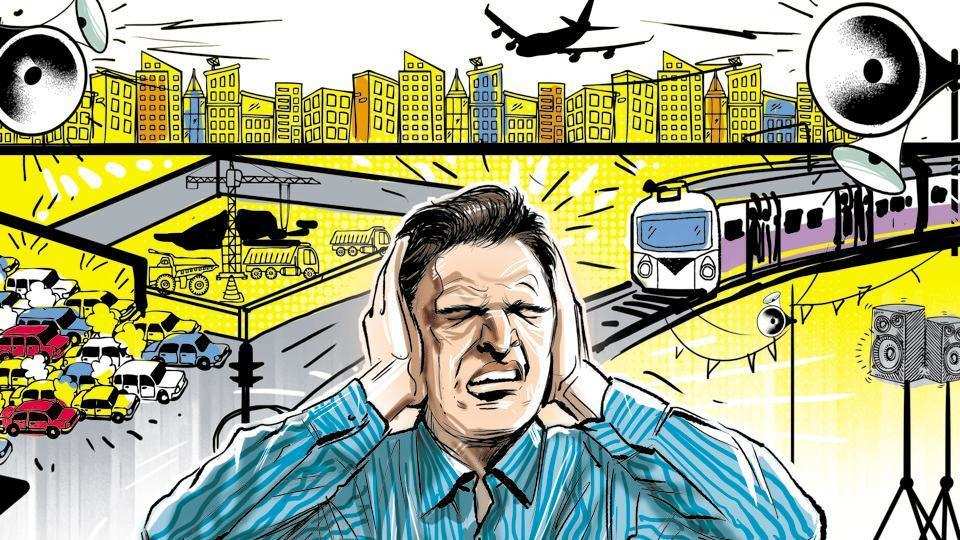
NOISE POLLUTION

Noise pollution can cause health problems for people and wildlife, both on land and in the sea. From traffic noise to rock concerts, loud or inescapable sounds can cause hearing loss, stress, and high blood pressure. Noise from ships and human activities in the ocean is harmful to whales and dolphins that depend on echolocation to survive.

Noise pollution  is an invisible danger. It cannot be seen, but it is present nonetheless, both on land and under the sea. Noise pollution is considered to be any unwanted or disturbing sound that affects the health and well-being of humans and other organisms.                        

Sound is measured in decibles. There are many sounds in the environment, from rustling leaves (20 to 30 decibels) to a thunderclap (120 decibels) to the wail of a siren (120 to 140 decibels). Sounds that reach 85 decibels or higher can harm a person’s ears. Sound sources that exceed this threshold include familiar things, such as power lawn mowers (90 decibels), subway trains (90 to 115 decibels), and loud rock concerts (110 to 120 decibels).

Noise pollution impacts millions of people on a daily basis. The most common health problem it causes is Noise Induced Hearing Loss (NIHL). Exposure to loud noise can also cause high blood pressure, heart disease, sleep disturbances, and stress.

These health problems can affect all age groups, especially children. Many children who live near noisy airports or streets have been found to suffer from stress and other problems, such as impairments in memory, attention level, and reading skill.

Noise pollution also impacts the health and well-being of wildlife. Studies have shown that loud noises cause caterpillars’ hearts to beat faster and bluebirds to have fewer chicks. Animals use sound for a variety of reasons, including to navigate, find food, attract mates, and avoid predators. Noise pollution makes it difficult for them to accomplish these tasks, which affects their ability survive.