Top 5 tourist destination of Jaipur that you must visit

Jaipur is always honored for its magnetic heritage beauty which is indiscreet from more than thousands of years. And, if you are a lover of the wild, culture and history, then travel to Jaipur and celebrate this day by visiting some of its Heritage Sites.No trip to India is complete without spending time in Jaipur. Affectionately nicknamed “The Pink City” for the blushing color of its historic buildings, Jaipur is a princely wonderland of culture and heritage, brimming with architectural gems.
Jaipur, the Pink City of India, is an exotic destination, to say the least. From royal palaces to peppy pubs and from regal forts to plush restaurants, the city offers a fascinating mix of attractions for an avid traveler. And let’s not forget the welcoming vibe of the city, a quality that’s inherent to Rajasthan’s imperial culture and heritage. Even the hotels in Jaipur extend warm hospitality to their guests. When you are in such a warm and vibrant setting, there’s just one thing you should do – soak in the splendor of the city to the hilt. It Jaipur holds the distinction of being the first planned city of India. Renowned globally for its coloured gems, the capital city of Rajasthan combines the allure of its ancient history with all the advantages of a metropolis. The bustling modern city is one of the three corners of the golden triangle that includes Delhi, Agra and Jaipur.
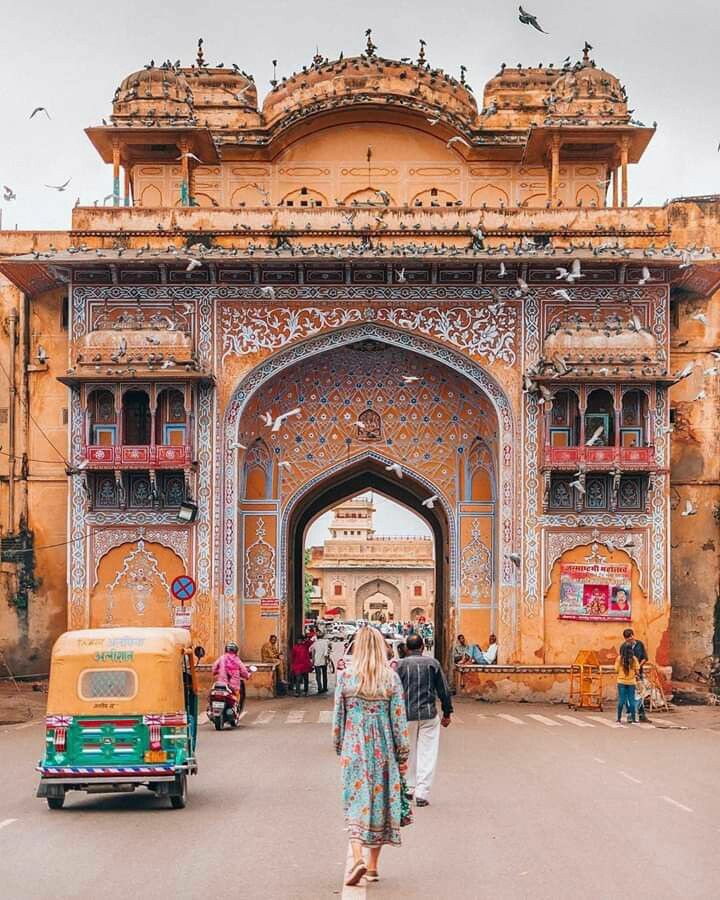
The spatial organization of the historic walled city of Jaipur continues to reflect the 18th century grid-iron plan. The architectural components like the gates and city walls, bazaars, chaupars and chowkris, historic structures, havelis, religious buildings, and water structures reflect the urban ensemble of the walled city of Jaipur as conceived from the 18th to the early 20th centuries. The materials and substance are largely original, primarily lime and stone. The bazaars (market areas) have been recently conserved using traditional materials. In some cases, 20th century structures use cement concrete but recreate the original architectural vocabulary.If you fancy elephant rides, you need to be in Jaipur to have a royal ride on the elephants. You can customize the rides the way you want, take elephant rides on jungles, through villages, in Biological Park and many more.If these are not enough to decide in favor of Jaipur, go ahead and have a look at the top list of attractions in Jaipur.

There is no death of historical places in Jaipur. A city with that embodies vibrant royalty and heritage, Jaipur is a must-visit for history buffs.Here is the list of 5 Top Historical Places In Jaipur & Best Monuments In The City.

1.Hawa mahal

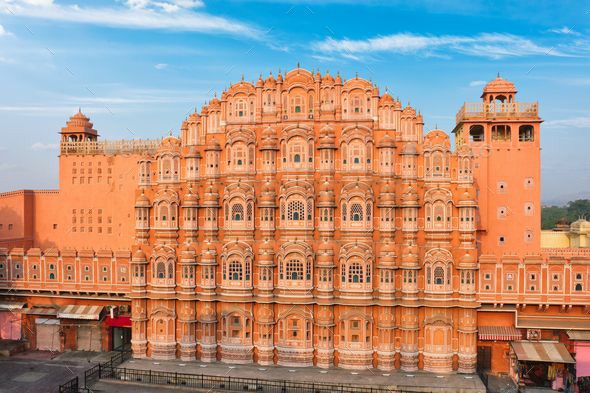
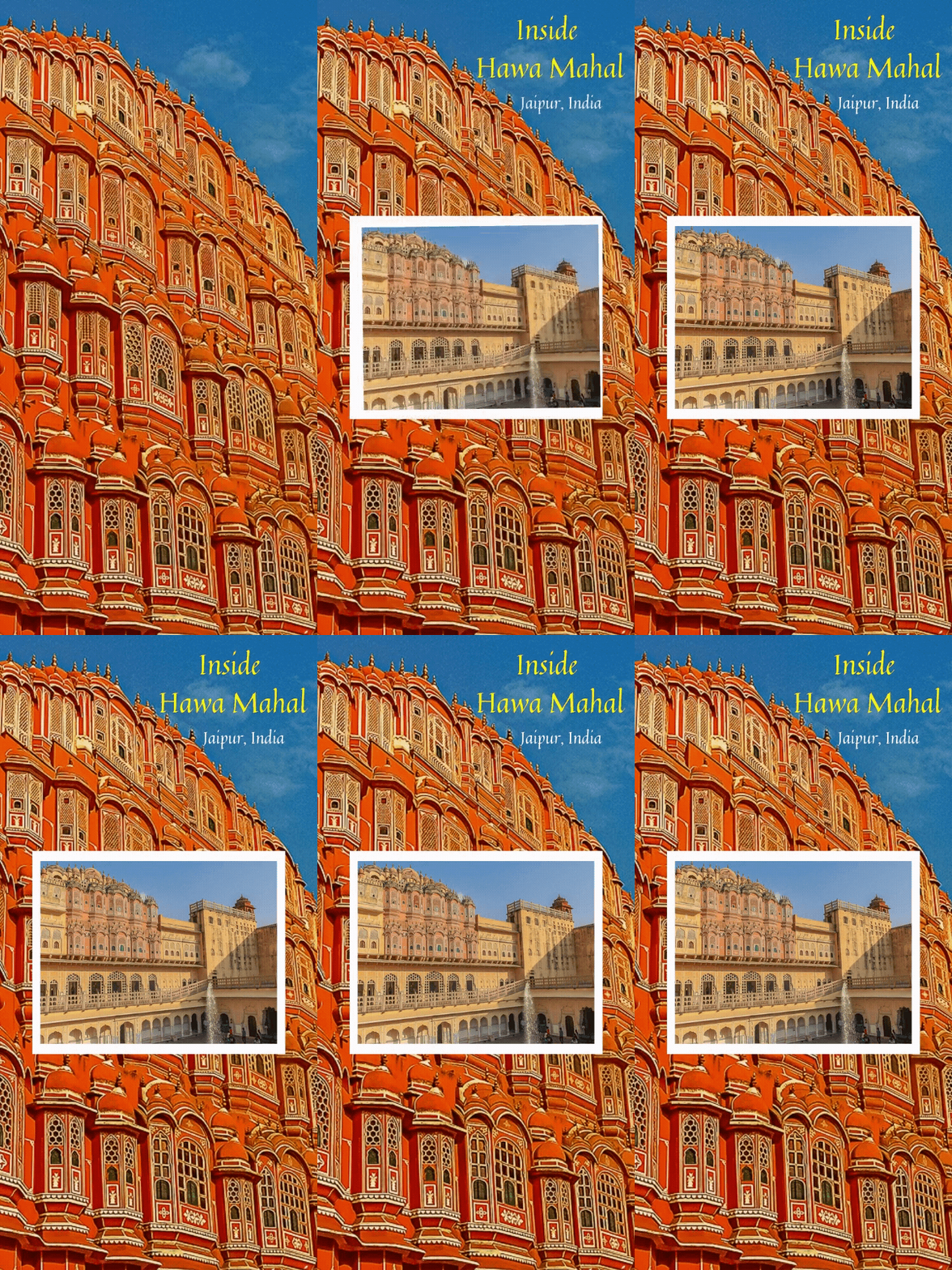
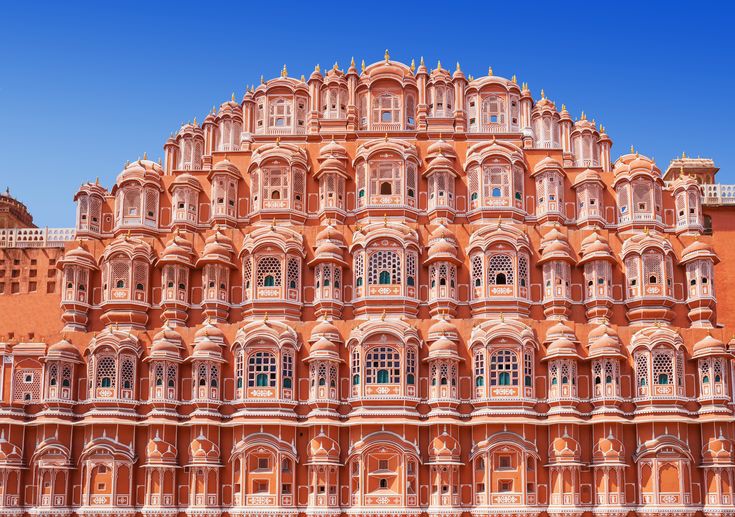
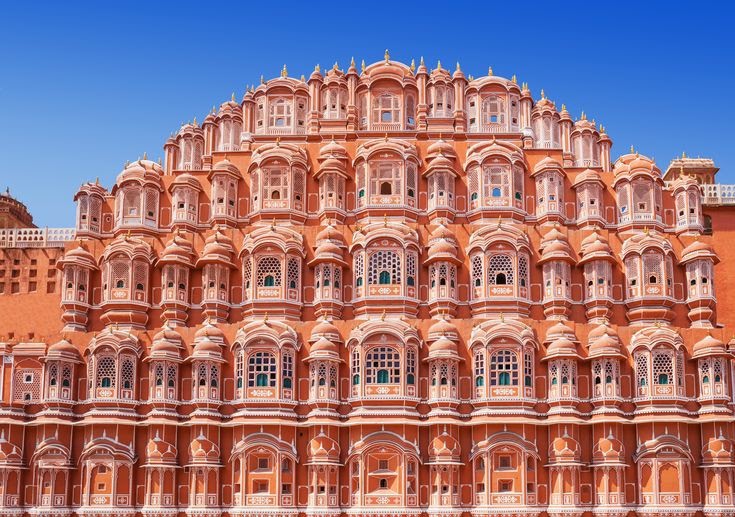
Hawa Mahal is also known as the palace of Winds because of its striking five-storey exterior, which is akin to honeycomb 953 peep windows that keep the palace cool when wind blows. Interestingly, Hawa Mahal is the tallest building in the world without any foundation and there’s isn’t any door in the front; the palace can be entered from behind. It is regarded as the signature building of Jaipur and was built by Maharaja Sawai Pratap Singh. It is an iconic historical place of Jaipur. Hawa Mahal derives its name from its unique structure, which is a mesh of small windows that allowed cool wind to enter the palace and hence kept the palace comfortable during the hot summer months.
2.Amer fort

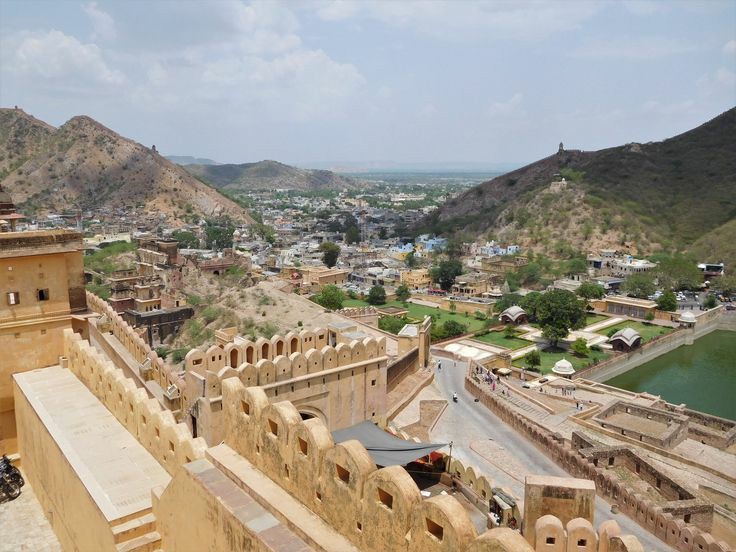
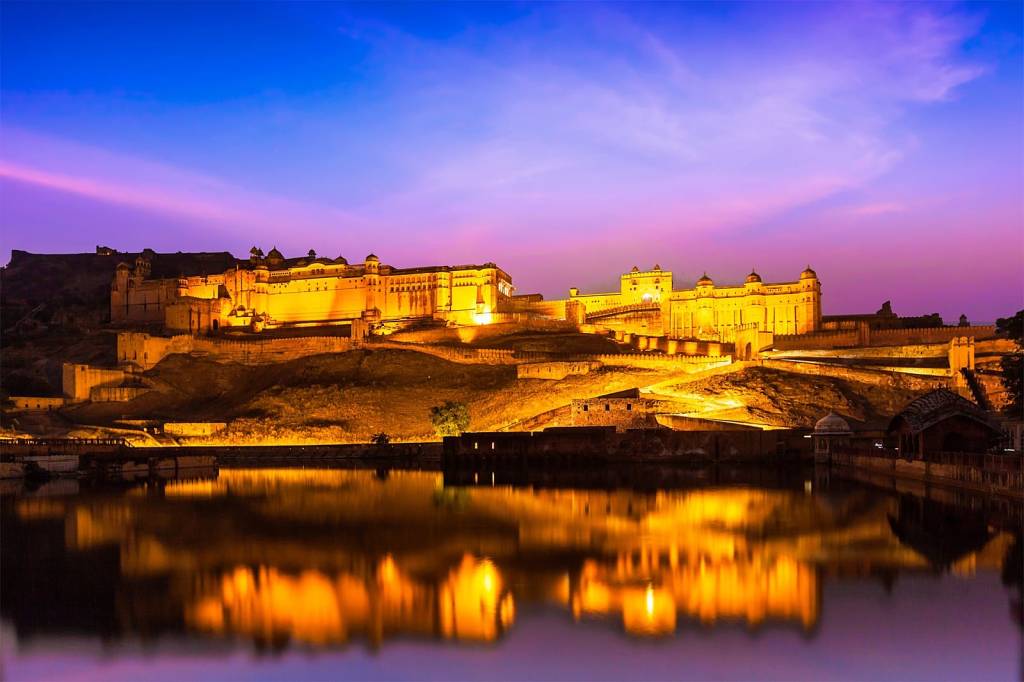
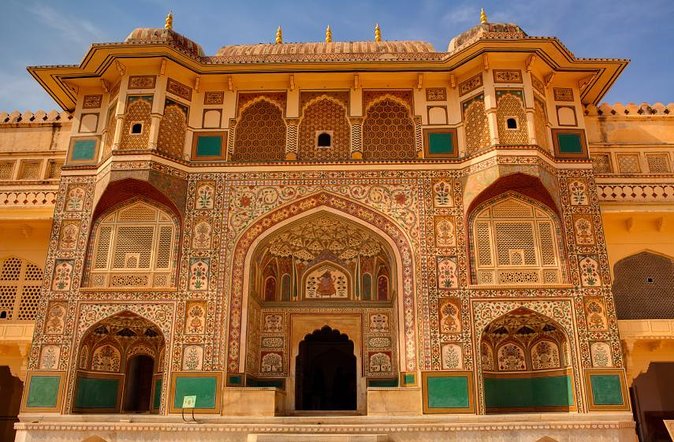
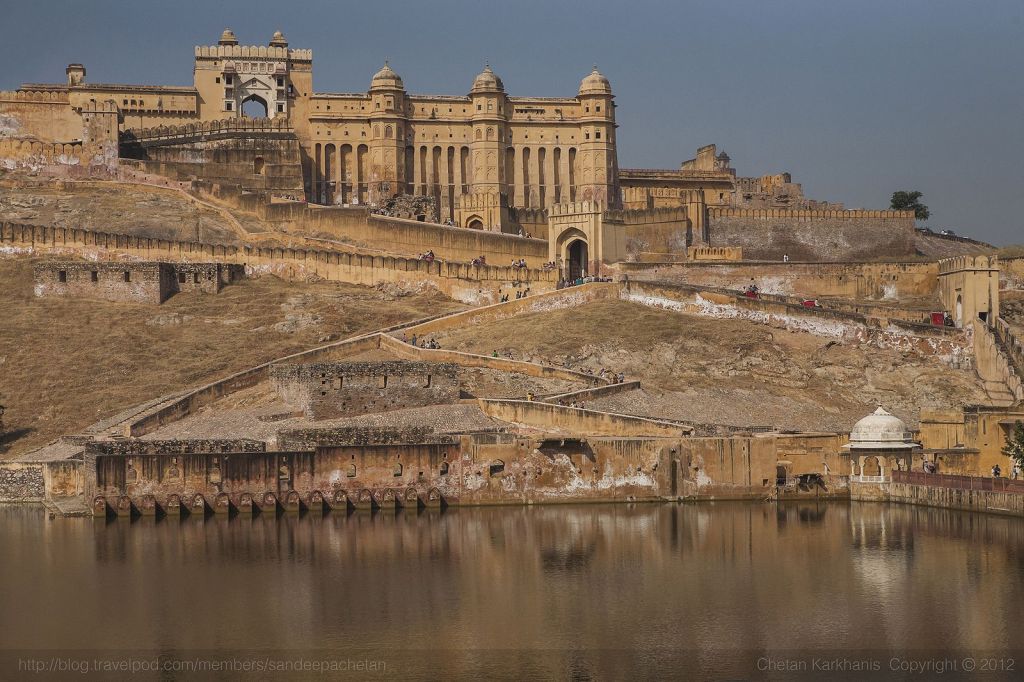
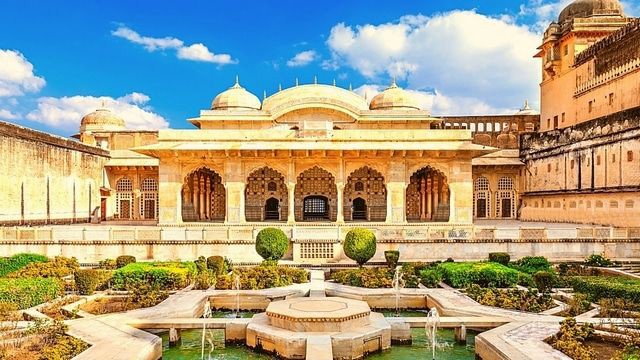
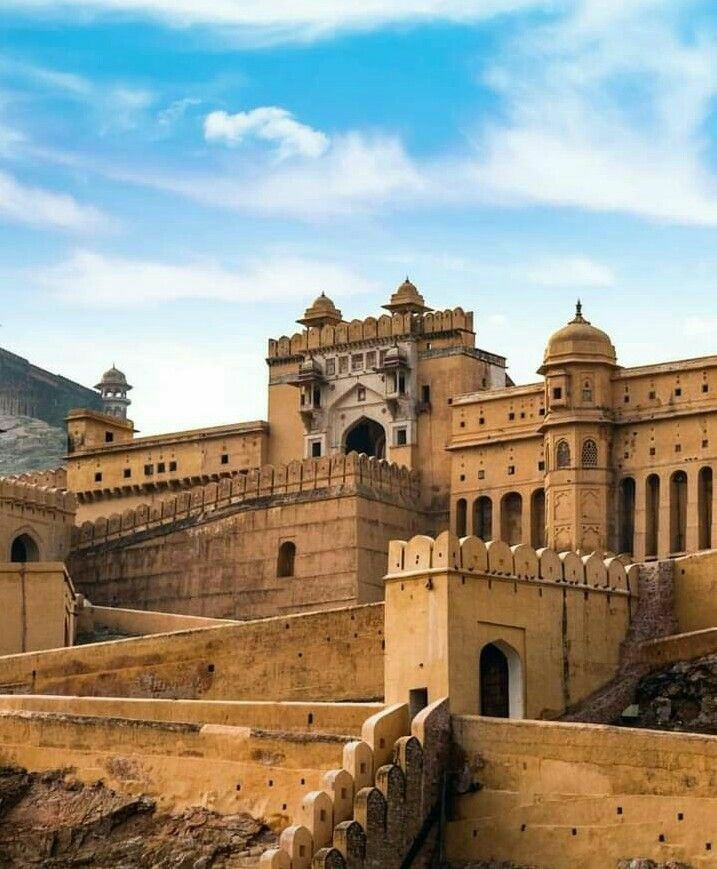
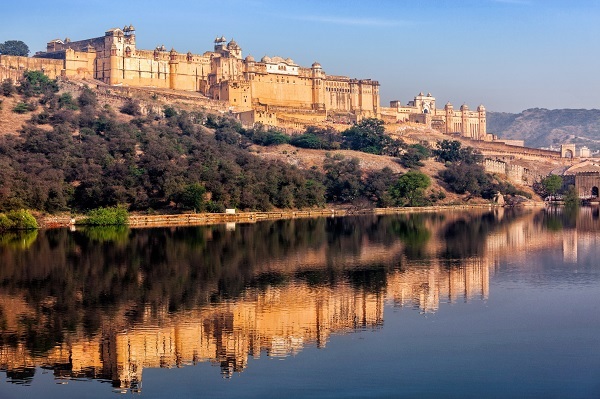
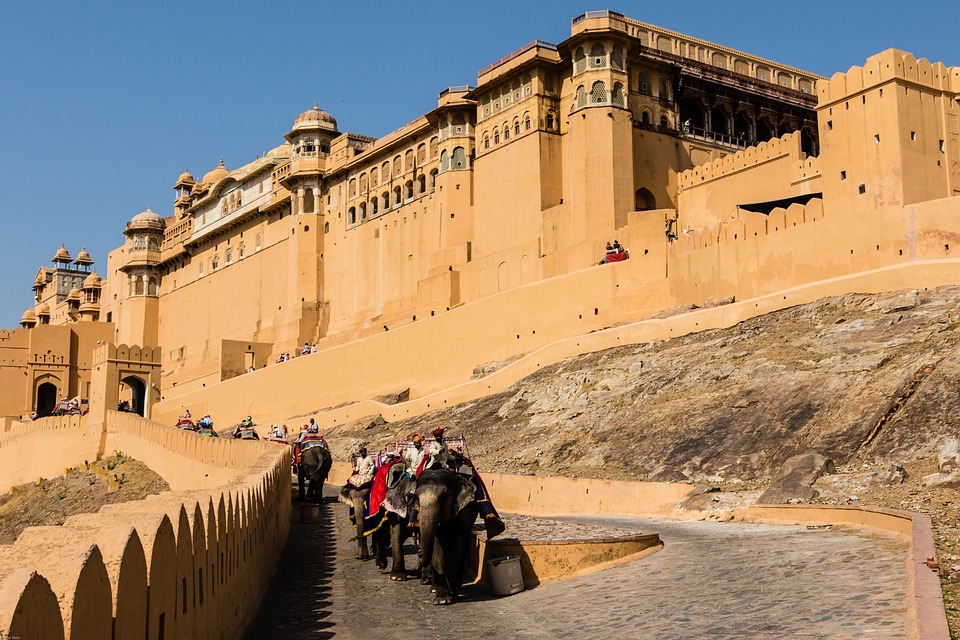
Amer Fort is a majestic citadel built by HH Maan Singh Ji I. The capital of Rajasthan before Jaipur , it is popular among local and overseas tourists for the temples , elephant rides right up to the fort and the Sound and Light Show narrated in Amitabh Bachchan’s baritone, which is a pure tribute to Rajputana heritage. The Sheesh Mahal within the fort, which is festooned with thousands of glass mirrors on its walls and ceiling, offers a fascinating aura to the visitors of this UNESCO’s World Heritage Site in Jaipur. It once served as a capital city of Rajasthan and is one of a prominent tourist attraction today with visitors coming from all over the globe.
3.city palace

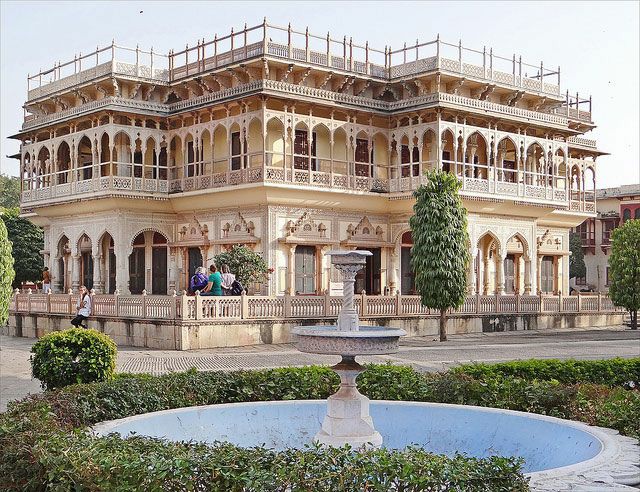
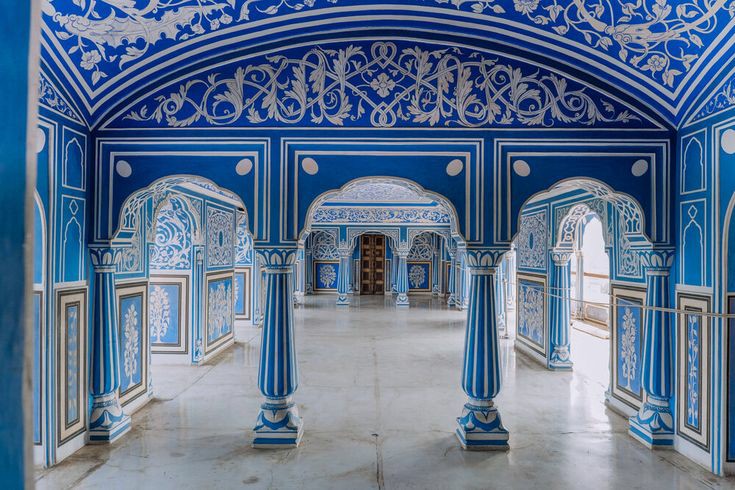
Located in the heart of the city, the City Palace is one of the most remarkable tourist attractions in Jaipur. The architecture of this palace is a splendid blend of Rajput and Mughal styles.Protected by huge guard walls, the fairy-tale-like structure is still the home of Jaipur’s modern-day royal family, and is more extravagant and enchanting than you might imagine. Adorned with sprawling gardens, courtyards, halls, royal residences, and art galleries, every part of this palace reflects Rajputana glory. The palace also houses a museum where you will come across the royal garments used by Maharaja Sawai Man Singh II and Maharaja Sawai Madho Singh I.The current occupants reside in the most eye-catching building, the Chandra Mahal, an elegant structure with curved eaves and domed rooftops. Each of its seven stories features an entirely different style. The ground floor is included in the price of admission, but you’ll need to book a private tour to go upstairs.
4.Nahargarh Fort

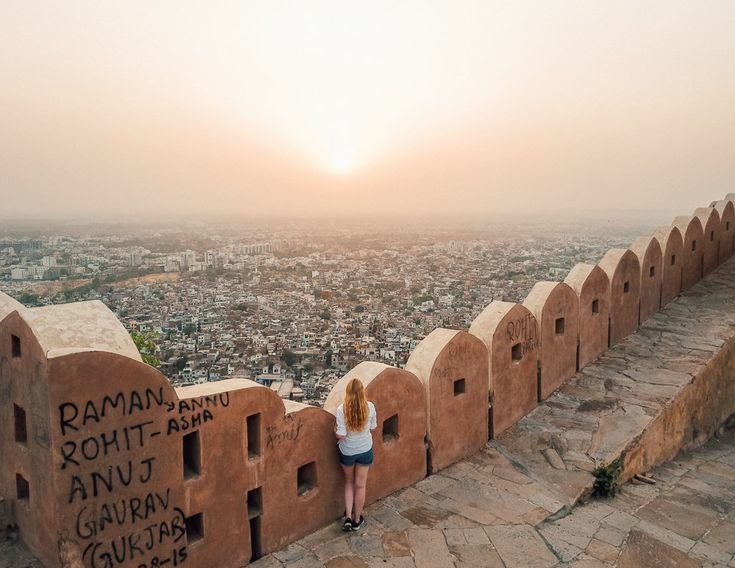
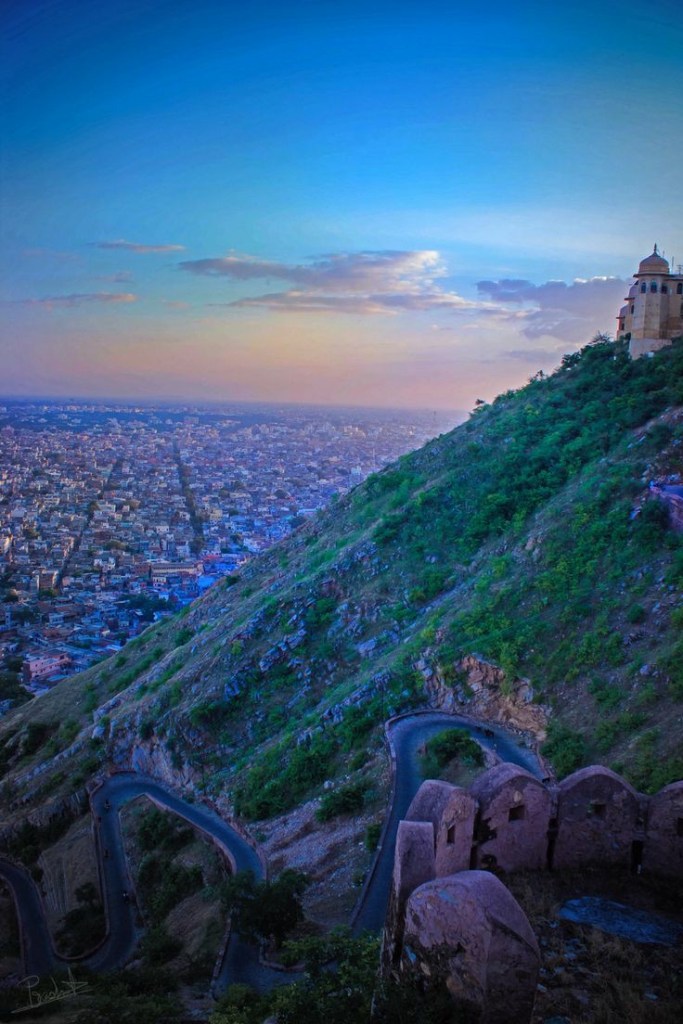
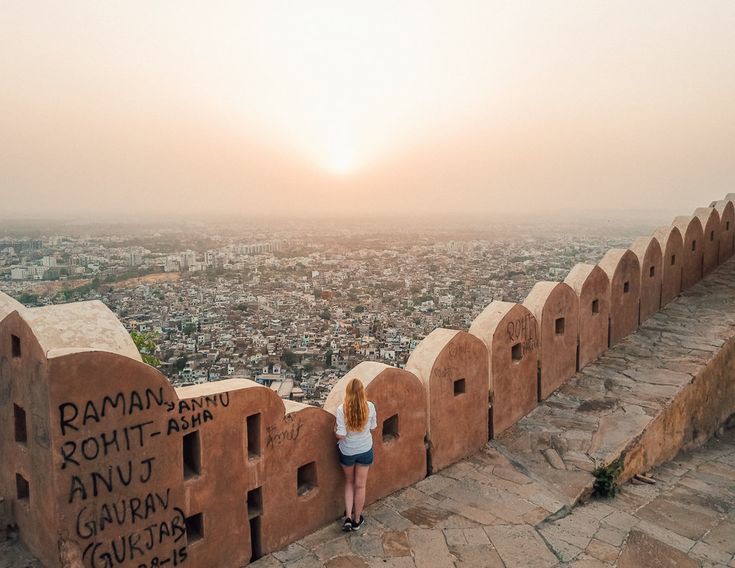
The rocky ridges of the Aravali Hills cradle Nahargarh Fort, a majestic monument that overlooks Jaipur and offers a stunning view of the city’s landscape. Built in 1734 by Jai Singh II, the then Maharaja of Jaipur, Nahargarh Fort was part of the city’s defense circle, along with Amer Fort and Jaigarh Fort. The fort served as a hunting retreat for the royal family. Today it is a splendid viewpoint to watch glorious sunsets over the Pink City. When it comes to sightseeing around Jaipur, the views don’t get better than what you’ll find at Nahargarh Fort.Also known as Tiger Fort, the nearly 300-year-old fort overlooks the entire city from atop the Aravalli Hills—a prime location for the structure to defend Jaipur against enemies many years ago.
5.Galta Ji

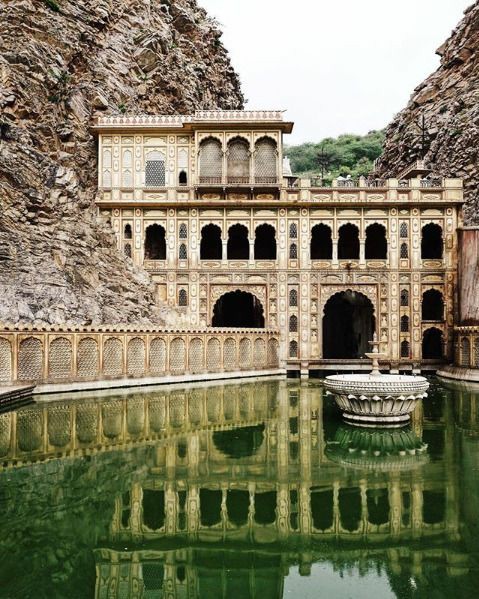
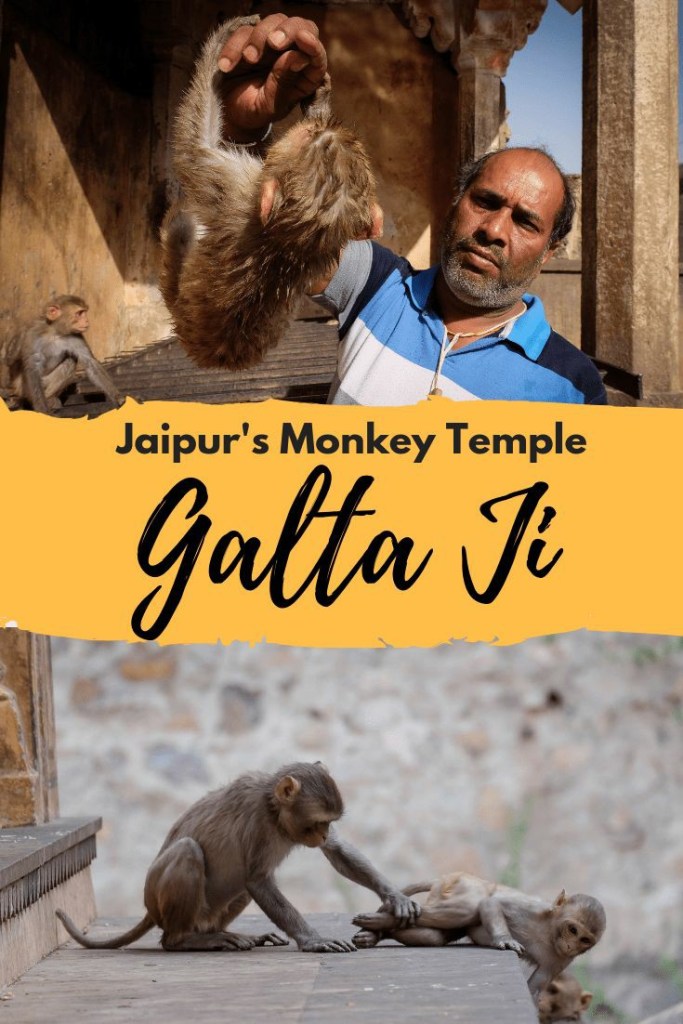
Nestled between cliffs, the temple features a few sacred water tanks, some with modest fountains, as well as frescoes that tell tales about Hindu god Krishna.While the official name for this place is Galta Ji, it’s better known as the Monkey Temple for the hundreds of macaques and langurs that live here. Daring tourists might opt to buy a handful of peanuts at the gate to tempt the monkeys, but you’re better off just watching the rambunctious creatures from a distance.This temple complex is known for its brilliant architecture and religious significance.Visitors and pilgrims can ascend the crevasse, continuing past the highest water pool to a hilltop temple from there are views of Jaipur and its fortifications spreads out across the valley floor. It is believed that a Saint named Galav lived here, practiced meditation, and did penance.
There is no end to the tourist destination in Jaipur but the above mentioned are probably the most famous and most visited destination in Jaipur. No place in india is culturally as rich as jaipur and above all , the various monuments and palaces adds to its beauty. If you are passionate about the strong forts and marvelous architecture that flaunt the expertise of old artisans,then Jaipur is where you need to be on your next vacation.
Jaipur: “The Pink City” of India and a epitome of Rich Culture

The very first thaught which comes to our mind when we think about jaipur is “The pink city” , but the glory of this historic city is not just limited limited to few historical events. It’s one of the most culturally rich city of india. Jaipur was founded in 1727 by the Kacchawa Rajput ruler Jai Singh II, the ruler of Amer, after whom the city is named. It was one of the earliest planned cities of modern India, designed by Vidyadhar Bhattacharya. During the British Colonial period, the city served as the capital of Jaipur State. After independence in 1947, Jaipur was made the capital of the newly formed state of Rajasthan.

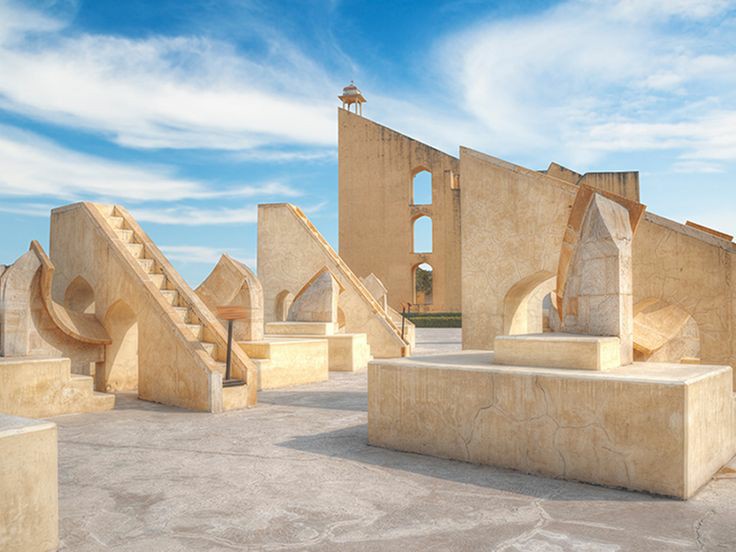
Jaipur is a popular tourist destination in India and forms a part of the west Golden Triangle tourist circuit along with Delhi and Agra.On 6 July 2019, UNESCO World Heritage Committee inscribed Jaipur the “Pink City of India” among its World Heritage Sites. The city is also home to the UNESCO World Heritage Sites Amer Fort and Jantar Mantar.

History & Development

Unlike other medieval cities of the region, Jaipur was deliberately planned as a new city located on the plains and open for trade, as opposed to cities on hilly terrain and military cities of the past, though its planning still responded to the surrounding hill tops in all topography. The site selected within the valley that lay to the south of the Amber hills was comparatively flat and undeveloped. It was also adequately protected, nestled within hills having an array of forts and defence posts. Thus, the new city could be planned as an inviting trade and commerce city with an ambitious vision of the ruler Sawai Jai Singh II and his architect- planner Vidyadhar.

The City of Jaipur is an exceptional example of indigenous city planning and construction in South Asia. In a remarkable difference from the existing medieval practices where settlements developed in a more organic manner. It is an expression of the astronomical skills, living traditions, unique urban form and exemplary innovative city planning of an 18th century city from India.

The design of the new city was a breath-taking departure from the prevalent practices in city development in the sub-continent. Its urban morphology reflected the coming together of cultural elements from eastern and western planning, expressing a culture of a ‘trade and commerce city’ and townscape that is unparalleled anywhere in South Asia. Envisaged as a trade capital, the main avenues of the city were designed as markets, which still remain as characteristic bazaars of the city. Chaupar, or designed large public squares at the intersection of roads, is another feature that is distinct to Jaipur as are its single and multicourt havelis and haveli temples. Besides an exemplary planning, its iconic monuments such as the Govind Dev temple, City Palace, Jantar Mantar and Hawa Mahal excel in artistic and architectural craftsmanship of the period.

The boundaries of the property conform to the original 18th century plans of Sawai Jai Singh II and relate to the surrounding topography as well as the original vision for the planned city. The size and scale of all town planning elements such as width of roads, hierarchy of public spaces, open spaces, water bodies, built form all are intact as per the original plan. The iconic built heritage structures retain their original form, character and architectural style. Though some areas of bazars and inside havelis in chowkris are undergoing major changes, but most are still intact form and location.
it is an exemplary development in town planning and architecture that demonstrates an amalgamation and important interchange of several ideas over the late medieval period. It shows an interchange of ancient Hindu, Mughal and contemporary Western ideas that resulted in the customised layout of the city. It is believed that Raja Jai Singh arrived at the final layout after a thorough analysis of several town plans sourced from across the globe. Following the grid-iron plan prevalent in the west but with traditional zoning, superimposed by the desire to rival Mughal cities, Jaipur reflected new concepts for a thriving trade and commerce hub that became a model for the later towns in the adjoining Shekhawati region and others parts of Western India.

The inscribed area of the historic walled city of Jaipur within the walls and gates includes all of the attributes of the property (18th century town plan with its grid iron plan, chaupars, chowkris, city wall and nine city gates; urban form with 11 bazaar facades, shop typology along bazaars, havelis and haveli temples along bazaars and at chaupars, iconic monuments, gates leading to inner streets; craft streets and bazaar areas). The inner areas of chowkris and the related old havelis are not attributes of the property.

The tourist hub

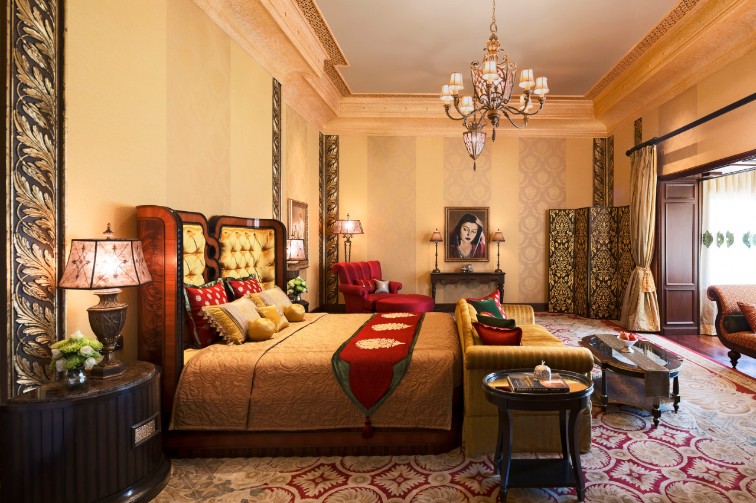
Jaipur is always honored for its magnetic heritage beauty which is indiscreet from more than thousands of years. And, if you are a lover of the wild, culture and history, then travel to Jaipur and celebrate this day by visiting some of its Heritage Sites.According to TripAdvisor’s 2015 Traveller’s Choice Awards for Destination, Jaipur ranked 1st among the Indian destinations for the year.The Presidential Suite at the Raj Palace Hotel, billed at US$45,000 per night, was listed in second place on CNN’s World’s 15 most expensive hotel suites in 2012.

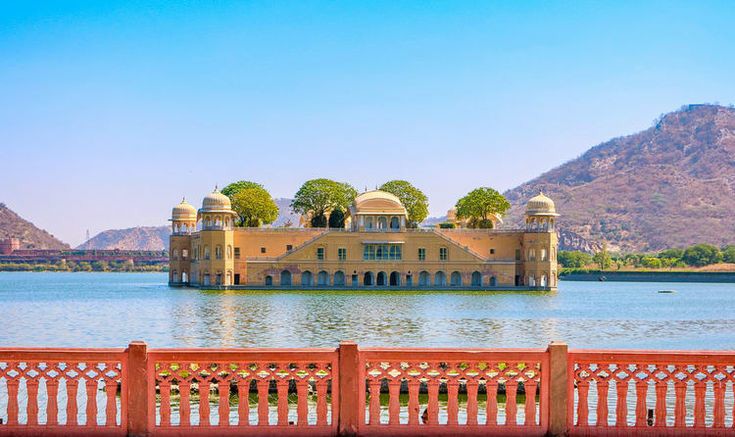
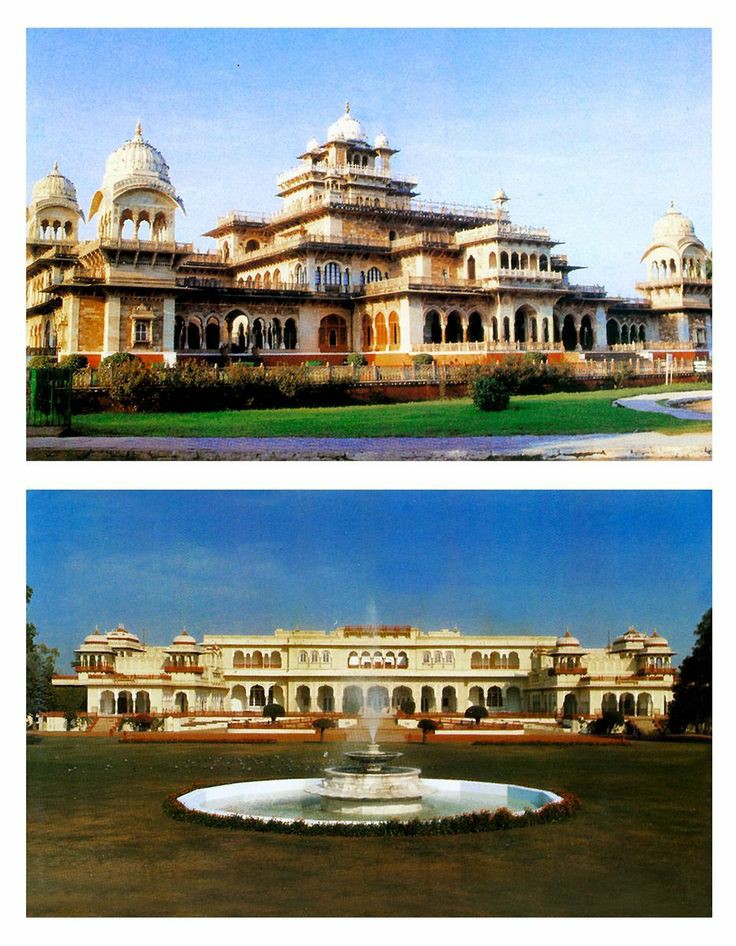
Visitor attractions include the Birla Auditorium, Albert Hall Museum, Hawa Mahal, Jal Mahal, City Palace, Amer Fort, Jantar Mantar, Nahargarh Fort, Jaigarh Fort, Birla Mandir, Galtaji, Govind Dev Ji Temple, Garh Ganesh Temple, Moti Dungri Ganesh Temple, Sanghiji Jain temple and the Jaipur Zoo.The Jantar Mantar observatory and Amer Fort are one of the World Heritage Sites.Hawa Mahal is a five-storey pyramidal shaped monument with 953 windows that rises 15 metres from its high base. Sisodiya Rani Bagh and Kanak Vrindavan are the major parks in Jaipur,Raj Mandir is a notable cinema hall in Jaipur.

Jaipur has many cultural sites like Jawahar Kala Kendra formed by Architect Charles Correa and Ravindra Manch. Government Central Museum hosts several arts and antiquities. There is a government museum at Hawa Mahal and an art gallery at Viratnagar. There are statues depicting Rajasthani culture around the city.Jaipur has many traditional shops selling antiques and handicrafts, as well as contemporary brands reviving traditional techniques, such as Anokhi. The prior rulers of Jaipur patronised a number of arts and crafts. They invited skilled artisans, artists and craftsmen from India and abroad who settled in the city. Some of the crafts include bandhani, block printing, stone carving and sculpture, tarkashi, zari, gota-patti, kinari and zardozi, silver jewellery, gems, kundan, meenakari and jewellery, Lakh ki Chudiya, miniature paintings, blue pottery, ivory carving, shellac work and leather ware.

ROYAL PALACES OF RAJASTHAN

Rajasthan often dubbed as the “Land of Kings,” enchants visitors with its opulent & grand palaces, majestic forts, and a myriad of historical landmarks. The princely state still retains the essence of its rich history, powerful & extravagant Kings, and abundance of grandeur. It is the perfect place to feel like a Modern-day King or Queen & experience the warmest hospitality. The Grand Palaces of Rajasthan redefines royalty & hospitality like no other.

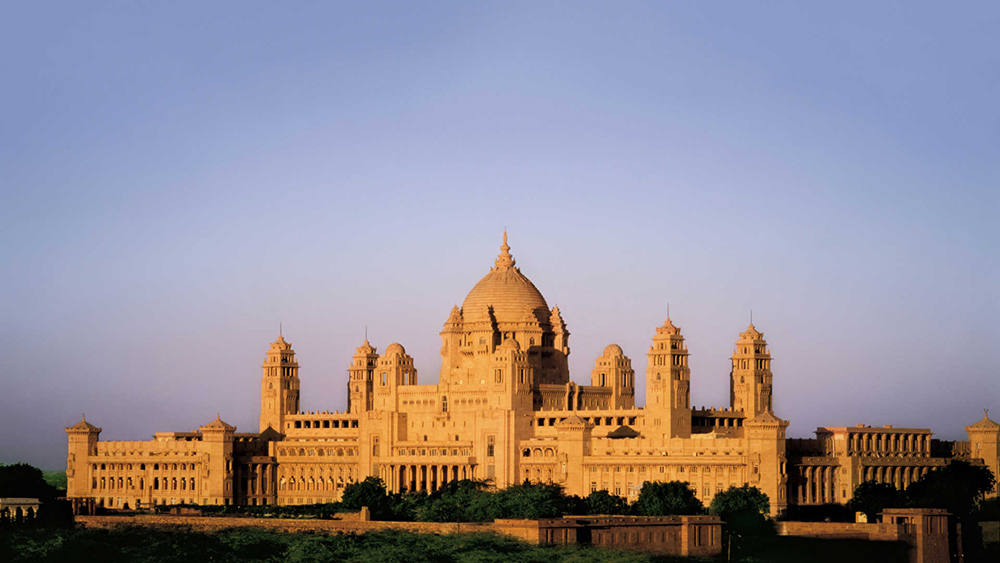
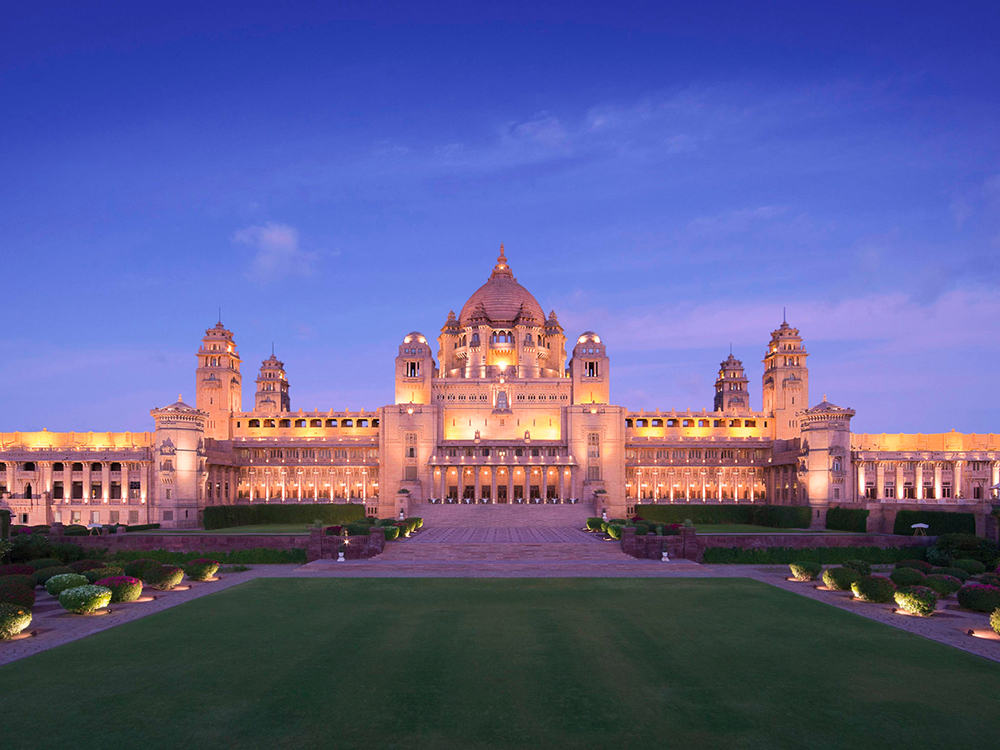
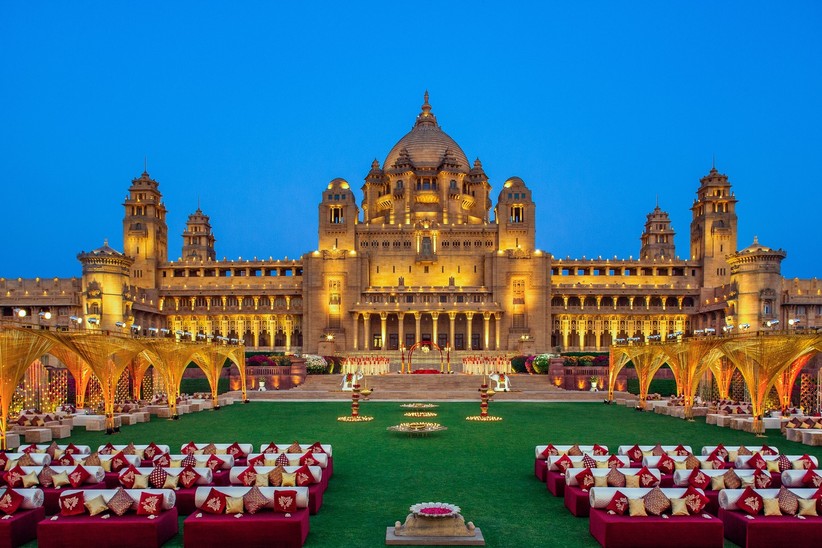
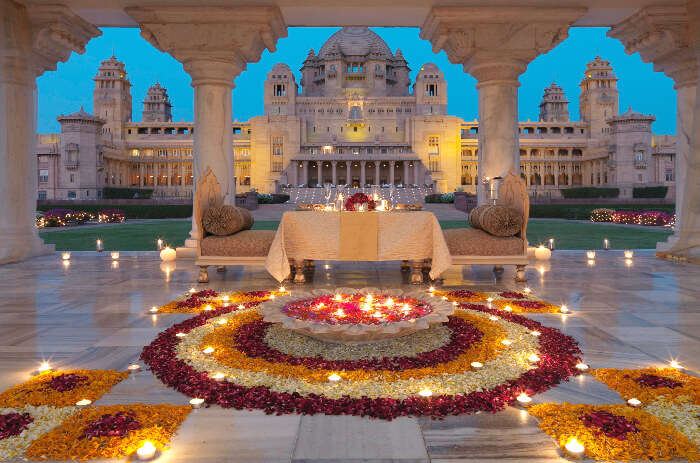
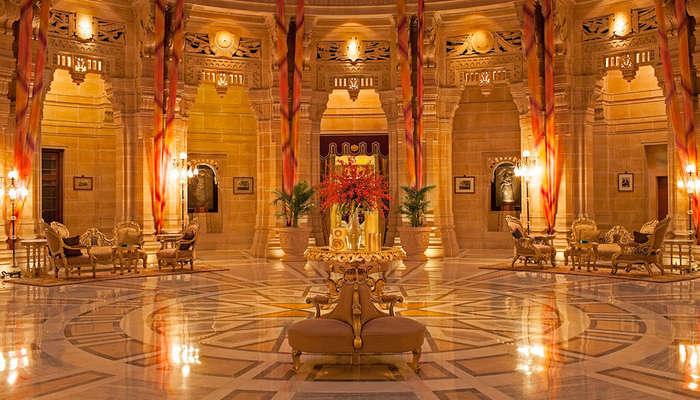
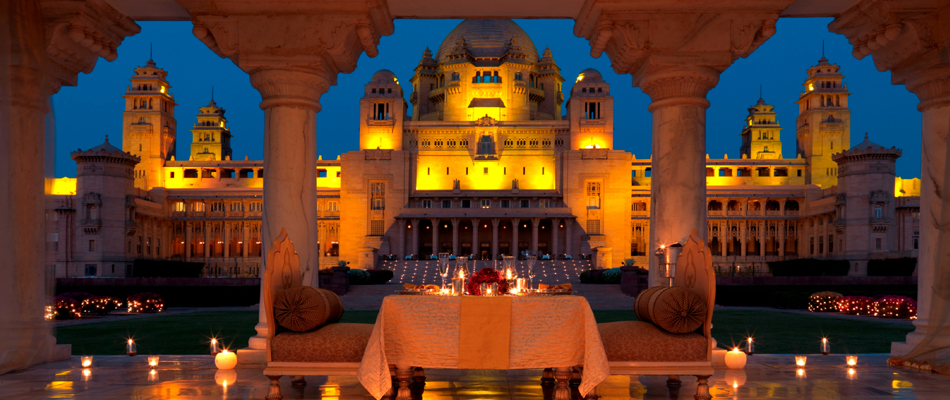
umaid bhawan palace, Jodhpur

The Umaid Bhawan Palace, designed by legendary Edwardian architect Henry Lanchester, is a fusion of eastern and western architectural styles. The palatial suites and rooms, ornately carved balconies, open terraces, stunning courtyards, and lush green lawns take guests back in time to the days of Royal kings and queens. The hotel’s ambiance is reminiscent of a lavish palace, and the exotic and delectable Rajasthani cuisine offers a delightful culinary experience.

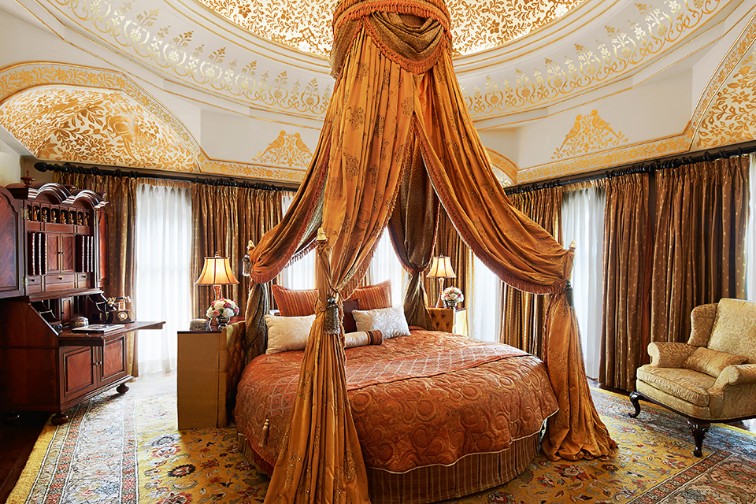
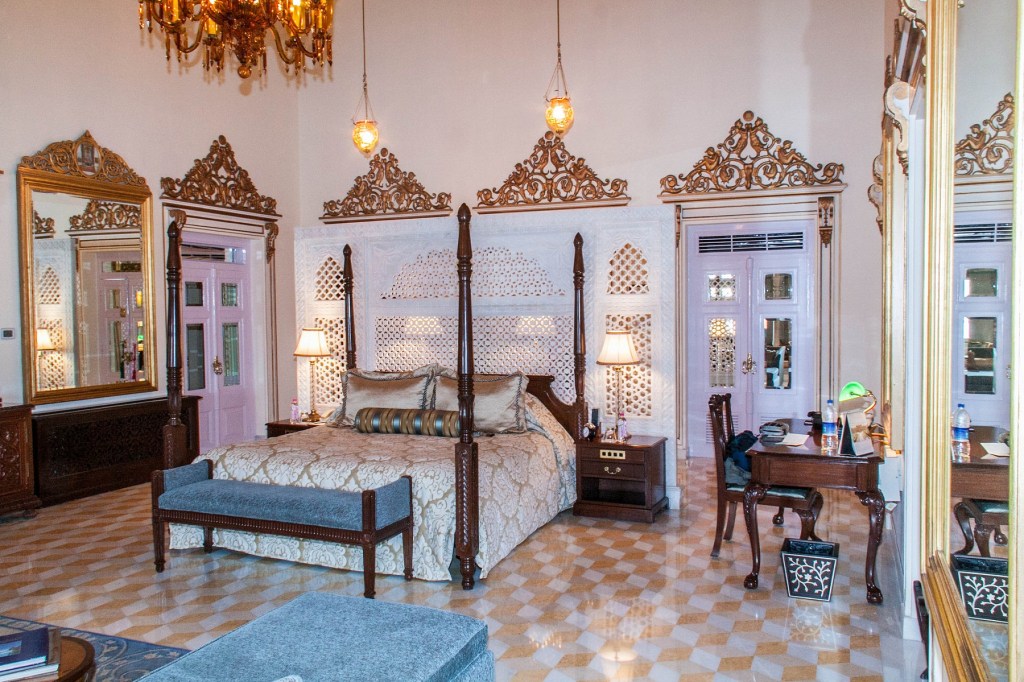
The Maharani Suite, the most spectacular and regal of the Palace suites, was historically the private residence of the erstwhile Maharani of Jodhpur, and its pink, black, and chrome tones reflect her personalized aesthetic. The Mehrangarh fort and imperial grounds are best enjoyed from its expansive balcony. It has a spectacular bedroom, a relaxing living area, a lavish dining room, and a large bathroom with a jacuzzi. The luxuries include a huge walk-in closet, dressing area, private kitchenette, in-suite spa, and steam room.

The Maharaja Suite, once the personal suite of the erstwhile Maharaja of Jodhpur, retains a charm of the past. It has a spectacular sitting room, dining room, a secret bar, a magnificent bedroom, a steam room, and a spa. The Grand Royal Suites,  once earmarked for visiting royalty, are fashioned in the influential Art Deco style. With its unique color palette and princely passion theme, each suite is one-of-a-kind.

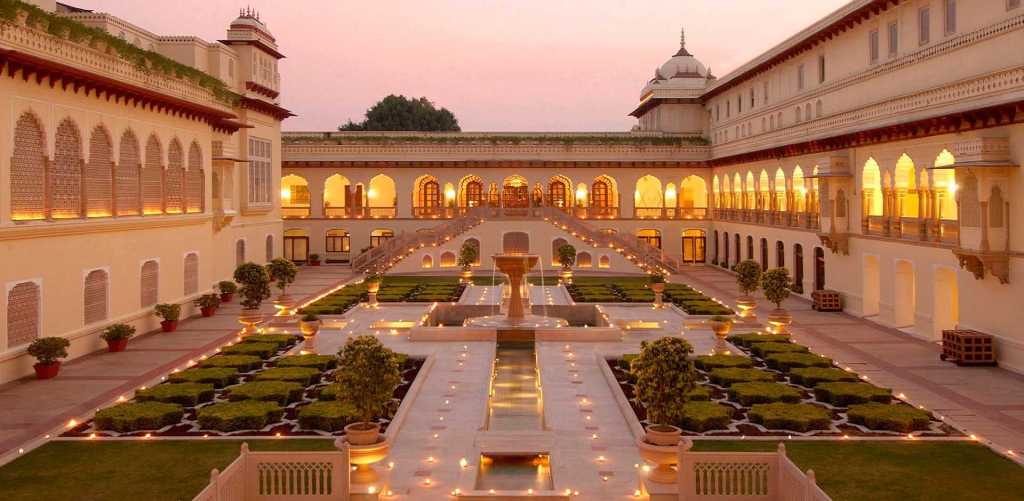
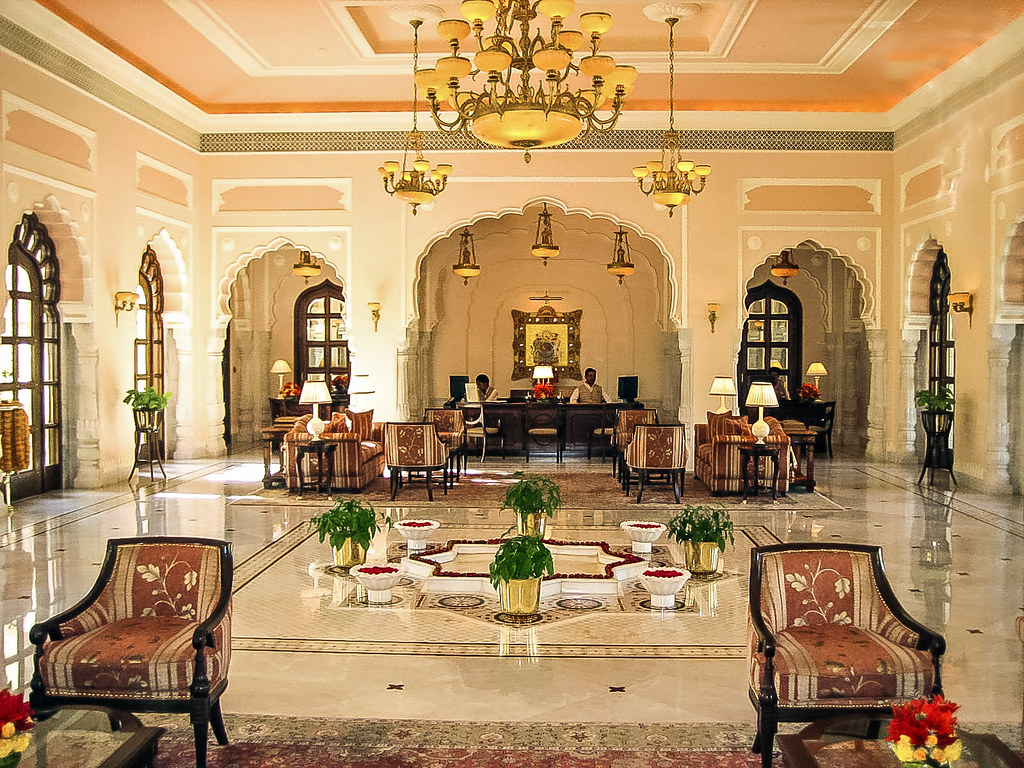
The Rambagh Palace, Jaipur

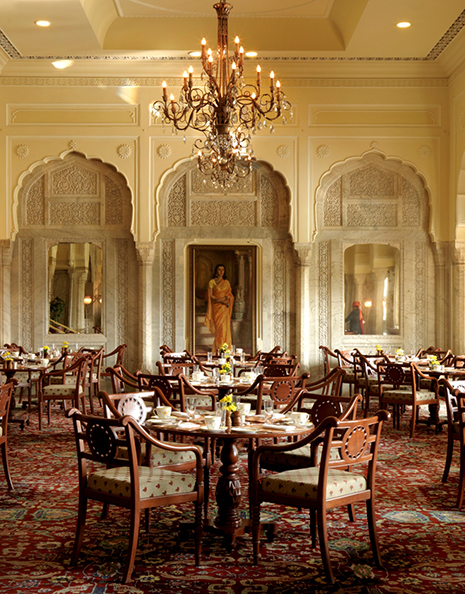
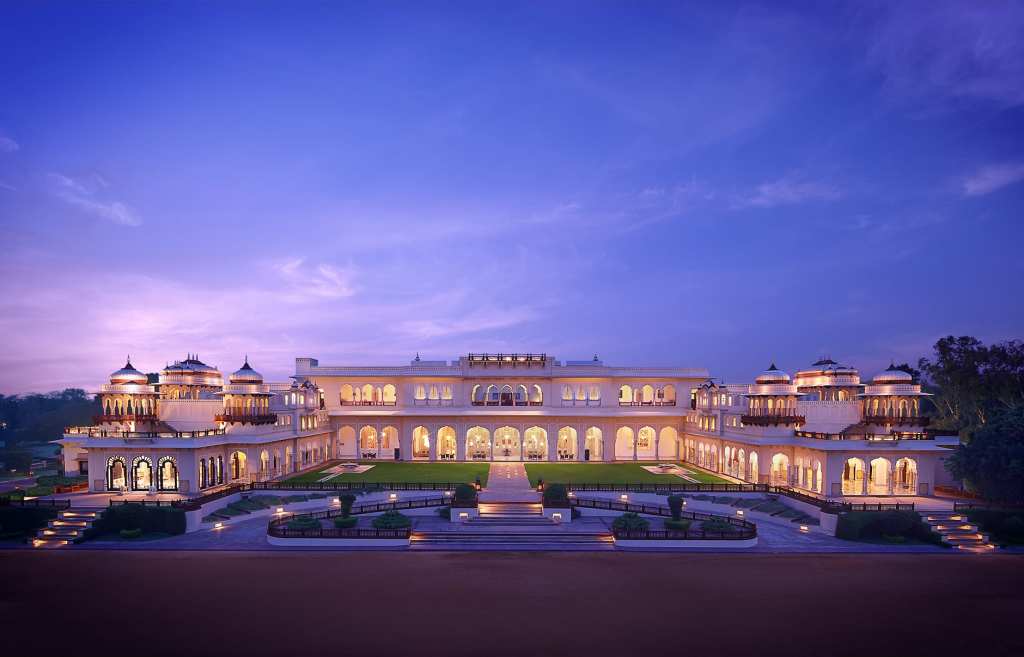
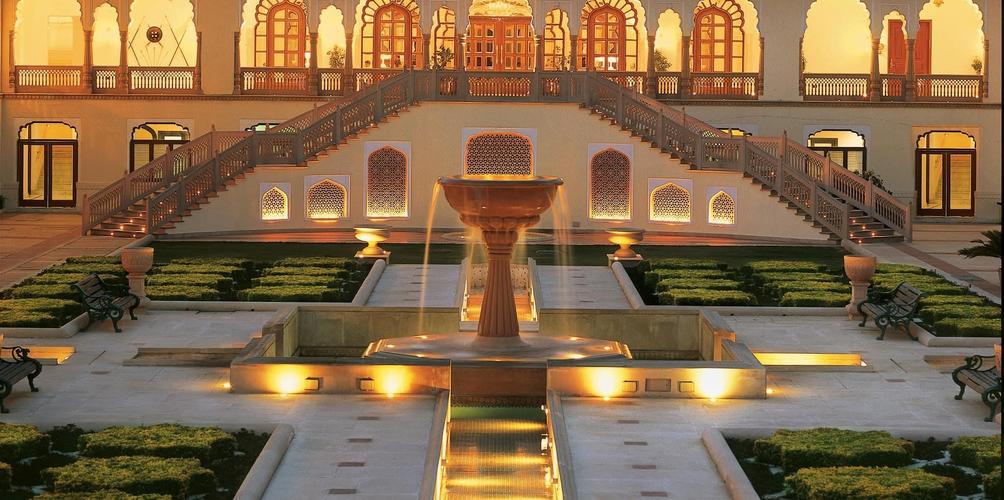
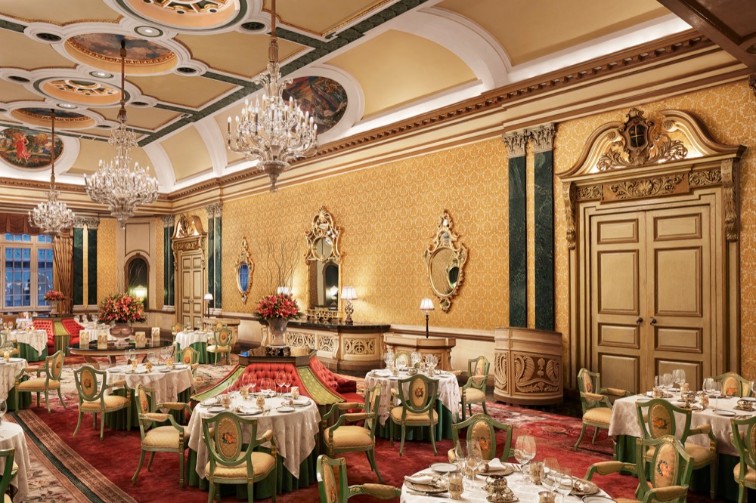
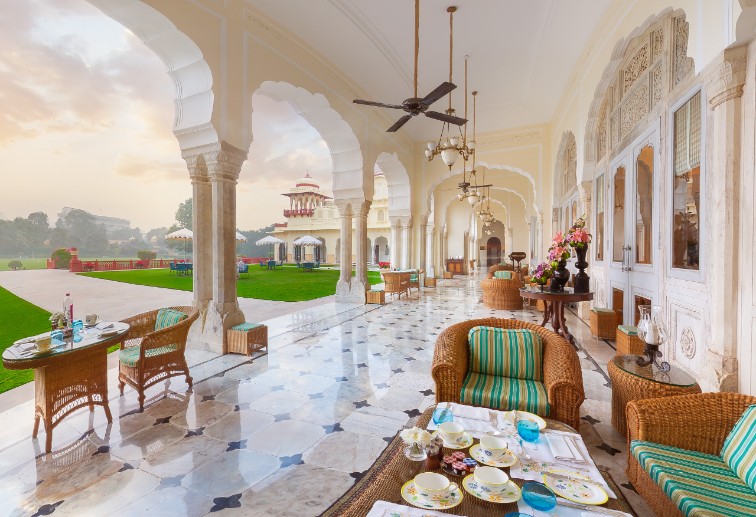
Designated as the official residence of the Maharaja of Jaipur in 1925, The Rambagh Palace has been abode to several generations of royals since then. The palace is luxuriously embellished with hand-carved marble, sandstone balustrades, cupolas, cenotaphs, as well as magnificent Mughal Gardens. The visitors are served a regal Indian feast in Suvarna Mahal, a former palace ballroom with shimmering enormous crystal chandeliers designed in the 18th-century French style.

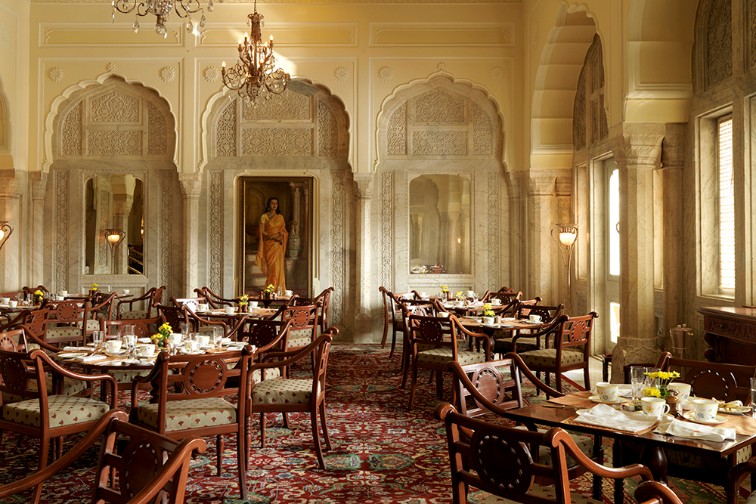
Visit Rajput Room, an all-day dining restaurant, or Verandah Café for a variety of cuisines. Savor Mediterranean delicacies at Steam, a lounge bar, or relax in the Polo Bar, featuring trophies and memorabilia from the Jaipur polo team on exhibit. To take your royal getaway to the next level, luxuriate in signature treatments at the Jiva Grande Spa, experience the goodness of the ancient Indian wellness therapies. It has hosted several famous faces over the years, including Lord Louis Mountbatten, Prince Charles, and Jacqueline Kennedy.

Taj Lake Palace, Udaipur

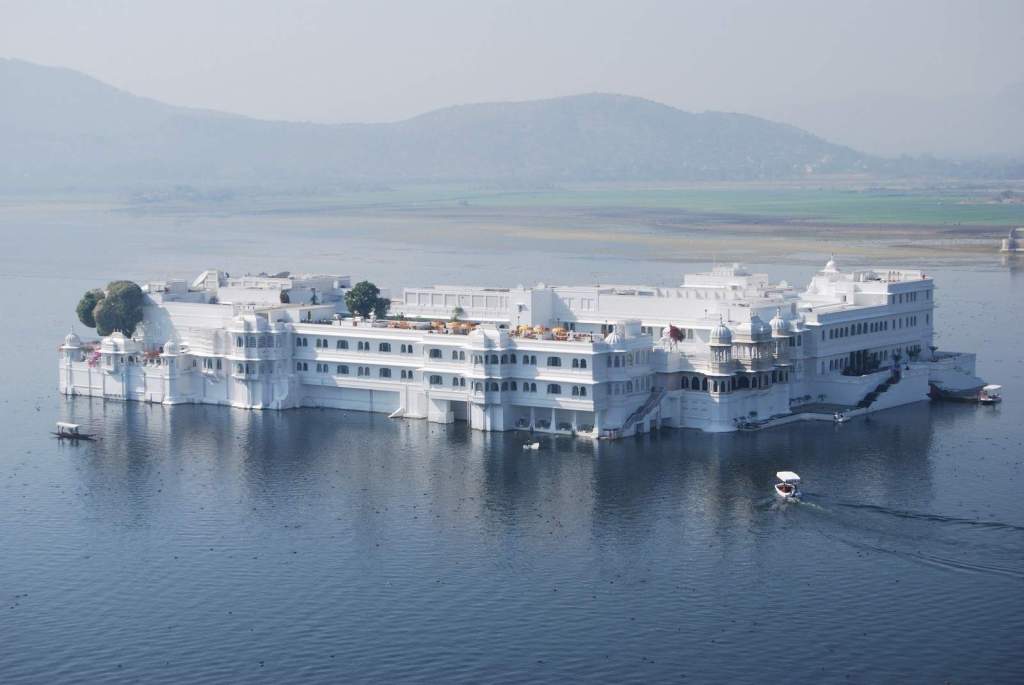
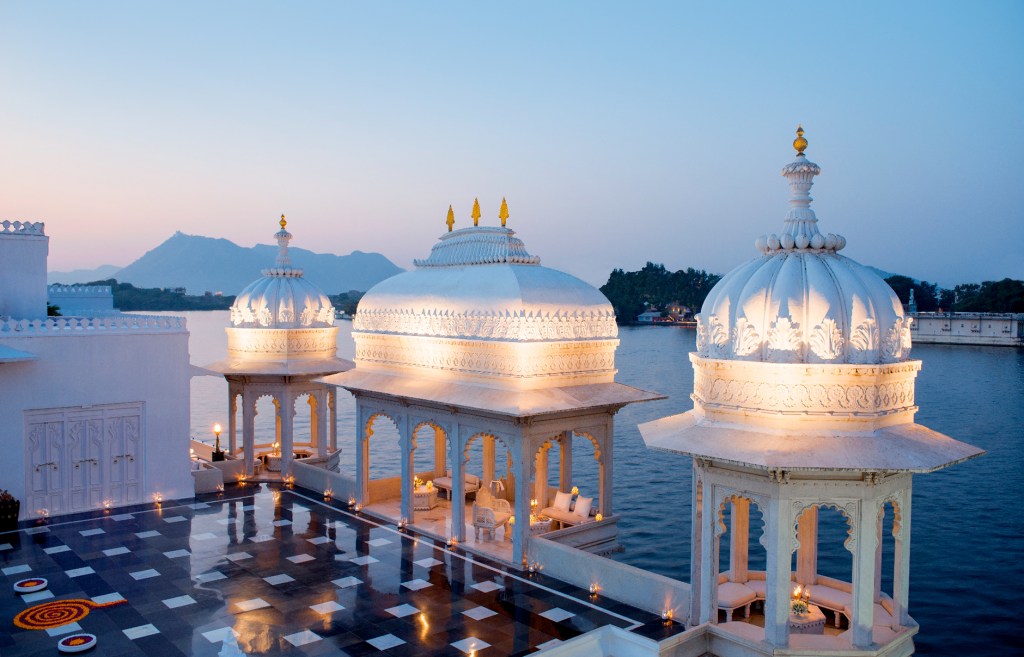
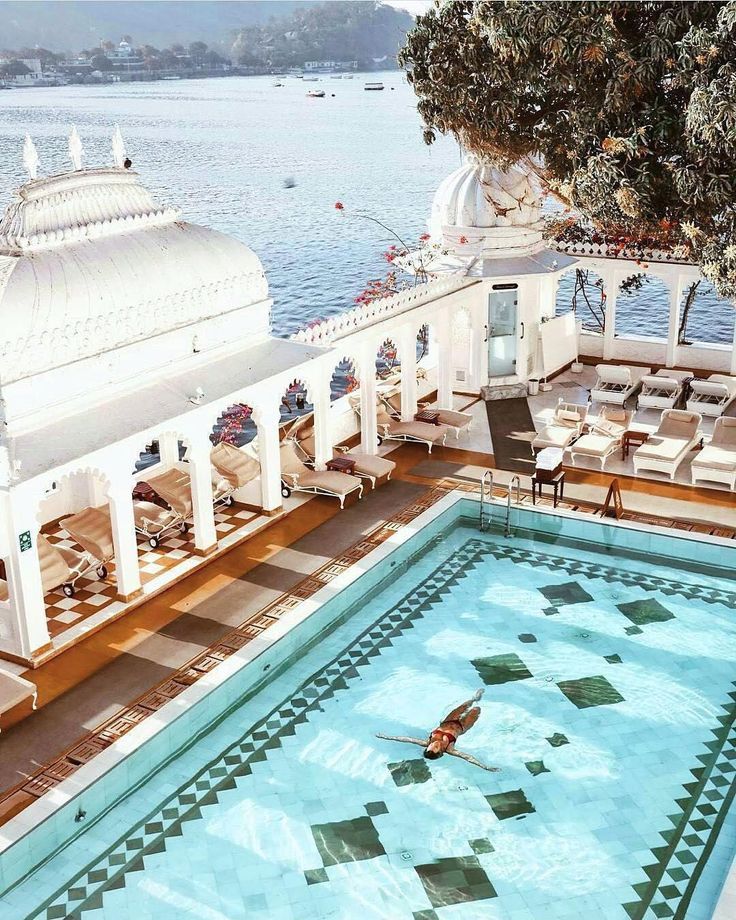
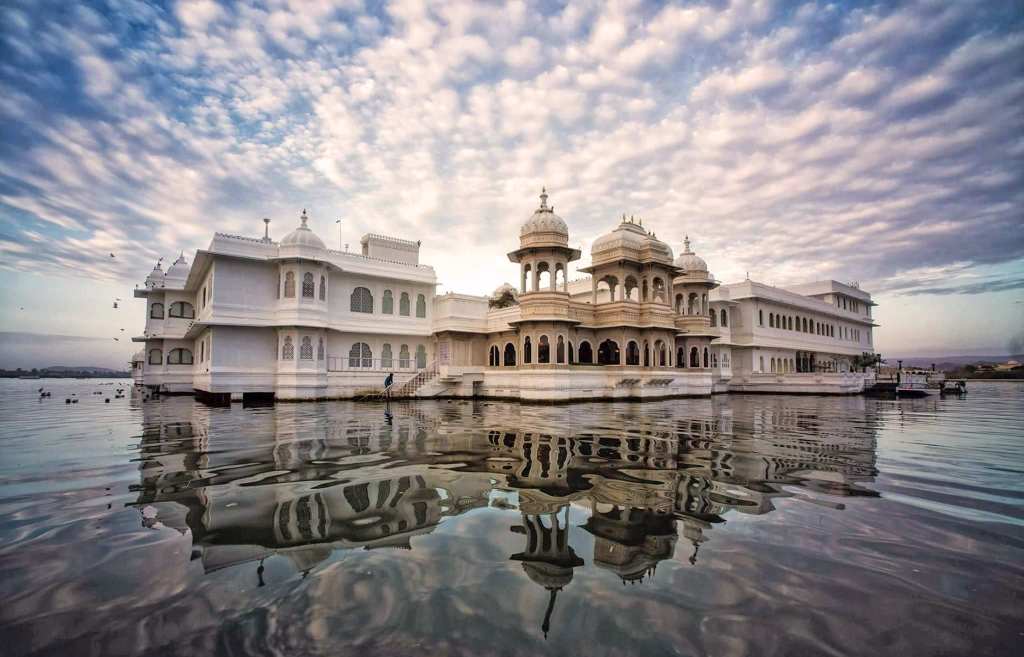
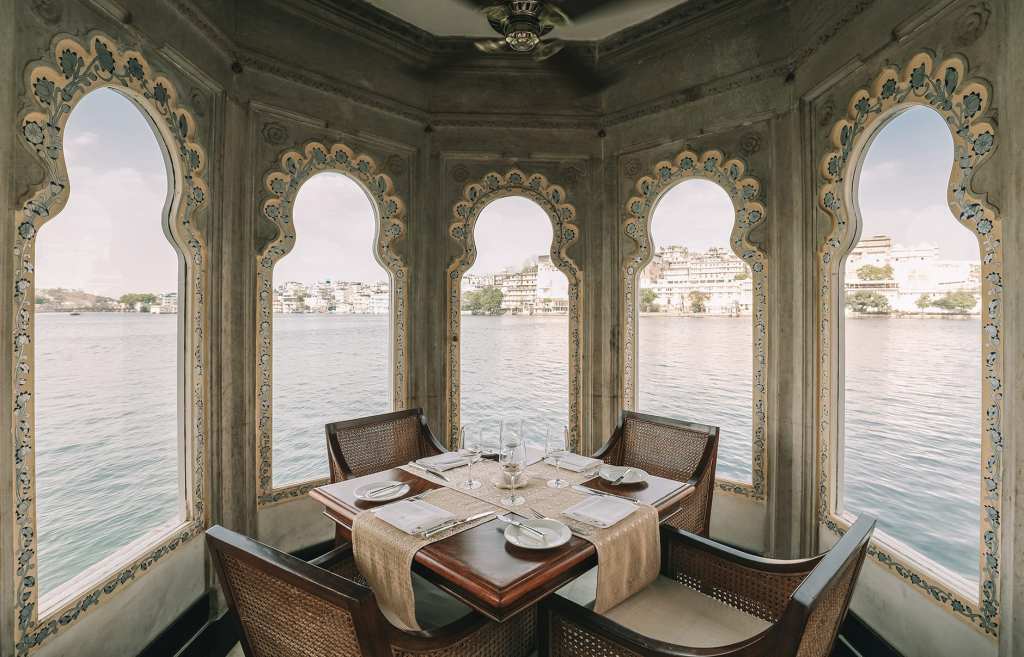
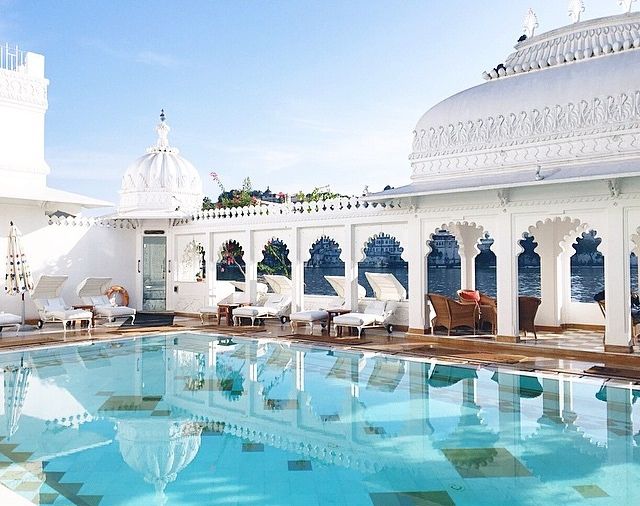
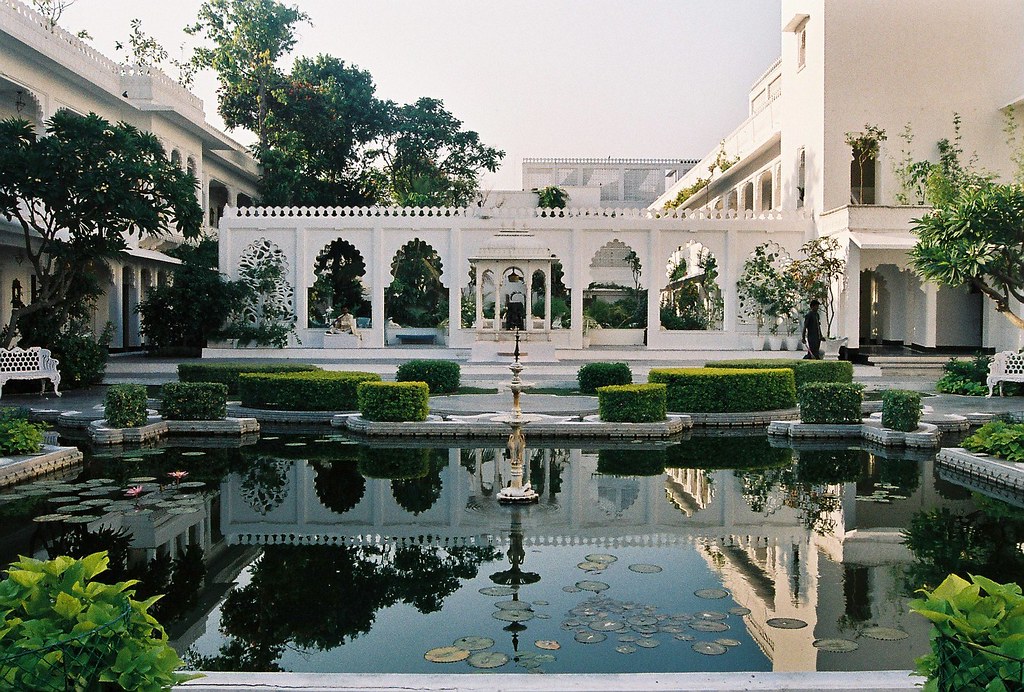
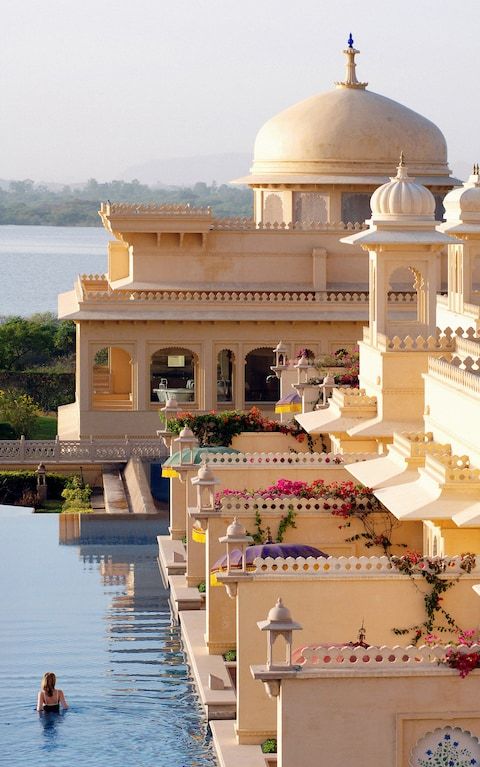
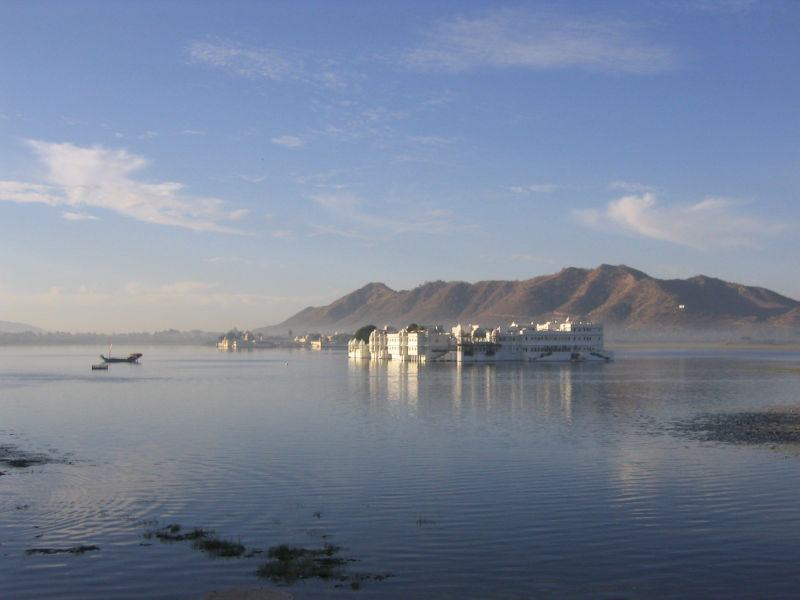
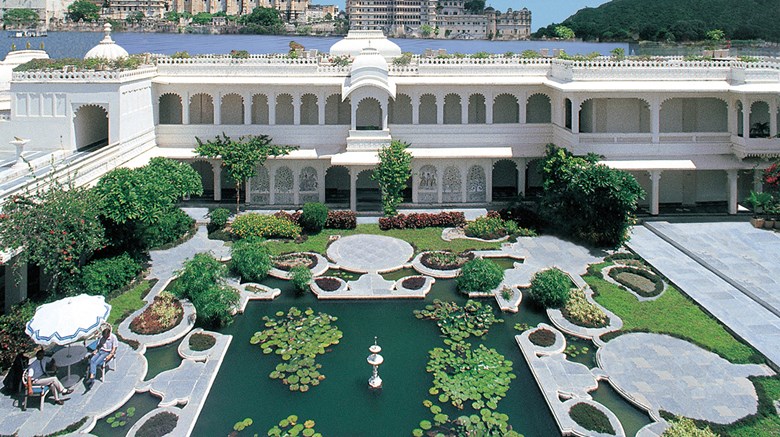
The awe-inspiring Taj Lake Palace, originally known as the Jag Niwas, stands like a mirage in the heart of Lake Pichola. The elegant marble palace was built between 1743 and 1746 and served as the Maharana Jagat Singh II of the Mewar royal dynasty’s winter residence. The white and black marble walls of this exquisite palace are embellished with semi-precious stones and carved niches. The palace’s interiors are decorated with beautiful gardens, fountains, and pillared patios, and gorgeous courtyards with peacocks strolling by, evoking the grandeur of the past. The Royal Butlers, the descends of the original palace attendants, provide unparalleled splendor and hospitality to the guests.

It has 66 deluxe rooms and 17 royal suites, with spectacular views of the lake surrounding the property and The Udaipur city. An ideal place for witnessing sunsets and sunrises. At Neel Kamal, you can savor authentic Rajasthani cuisine while enjoying the spectacular scenery. Modern European cuisine is served at Bhairo, an open-air restaurant. The hotel’s plush and glamorous bar, Amrit Sagar, offers a diverse assortment of premium spirits, wines, and unique cocktails. The world-famous Taj Lake Palace has hosted numerous memorable film shootings, including the James Bond film Octopussy. It has entertained notable figures such as Jacqueline Kennedy, Lord Curzon, Queen Elizabeth II, and Vivien Leigh.

Amer Fort, Amer

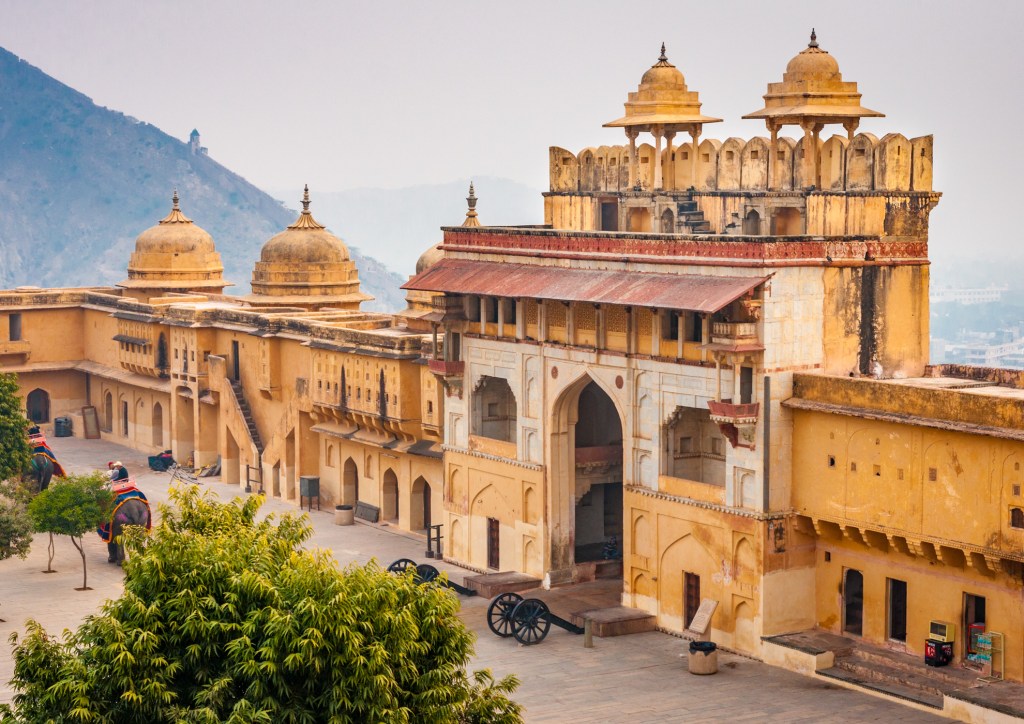
The colossal Amer (palace) Fort, one of Jaipur’s most popular tourist destinations, sits atop a tiny hill. One can either walk uphill, ride an elephant, take a jeep, golf cart or drive its vehicle to the top entrance. In 2013, the fort was declared a UNESCO World Heritage Site. Its architecture is a unique blend of Rajput and Mughal influences. The majestic Amer Fort is a sprawling former royal residence built of pale yellow and pink sandstone and white marble. The fort is split into 4 portions, each with its very own courtyard. At the Amer Fort, there are dozens of sites to explore, like the diwan-e-aam, such mandir, and the Sheesh Mahal. Amer Fort has underground tunnels connecting it to Jaigarh Fort. A segment of these restored tunnels is now open to the public.

The main courtyard, known as Jaleb Chowk, is located at the entrance. The king’s warriors used to gather and parade here. Inside the fort, ascend the grand staircase from the Jaleb Chowk courtyard to the second courtyard, which contains the Diwan-e-Aam (Hall of Public Audience) with its many pillars. The king’s former private rooms are located in the third courtyard, reached through the exquisite mosaic Ganesh Pol. It comprises 2 structures split by a large decorative garden. The Diwan-e-Khas (Hall of Private Audiences) is the most beautiful area of the fort, with its walls adorned with elaborate mirror work. As a result, it’s also known as Sheesh Mahal (Hall of Mirrors). The Jas Mandir contains exquisite floral motifs with glass in them.

The Oberoi Rajvilas, Jaipur

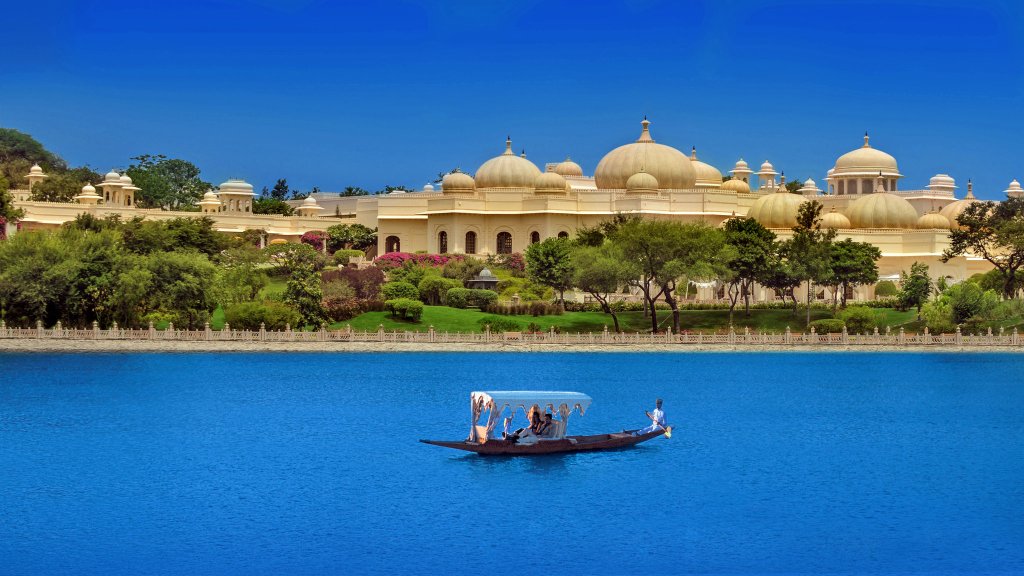
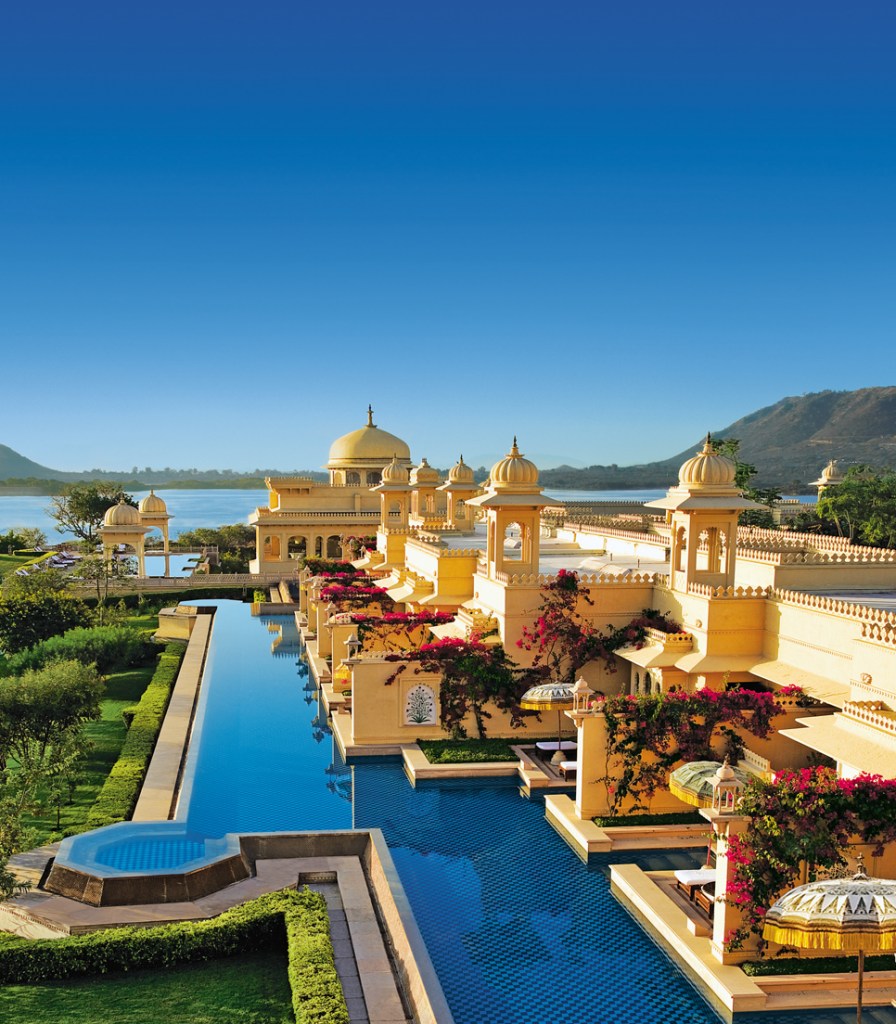
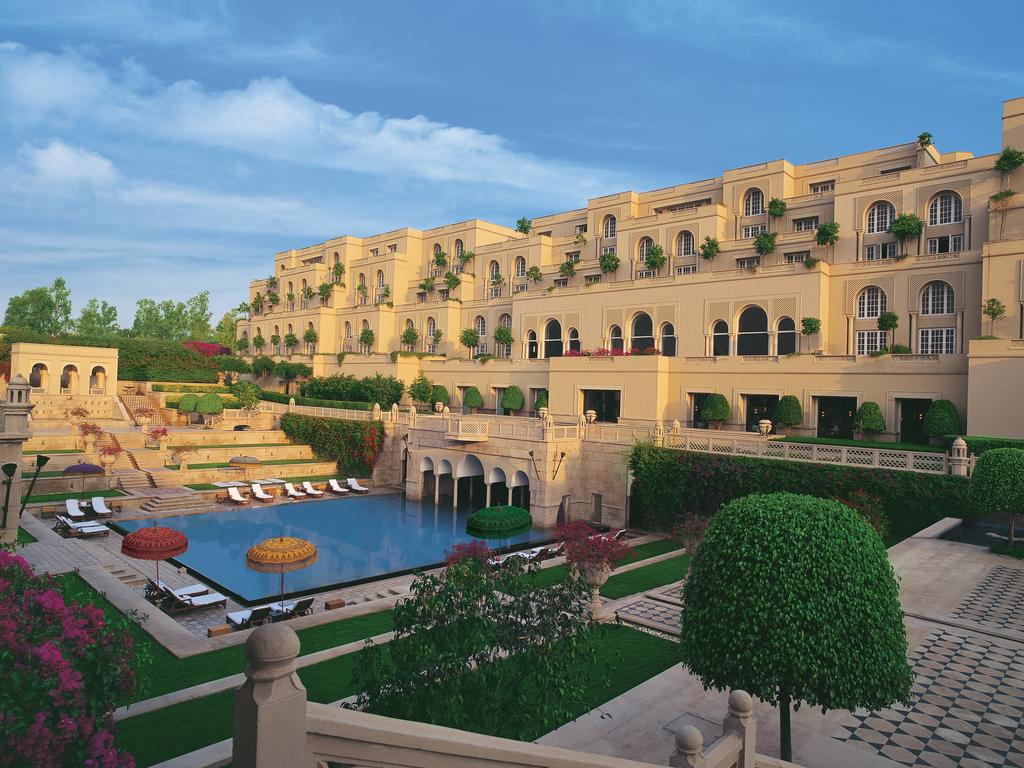
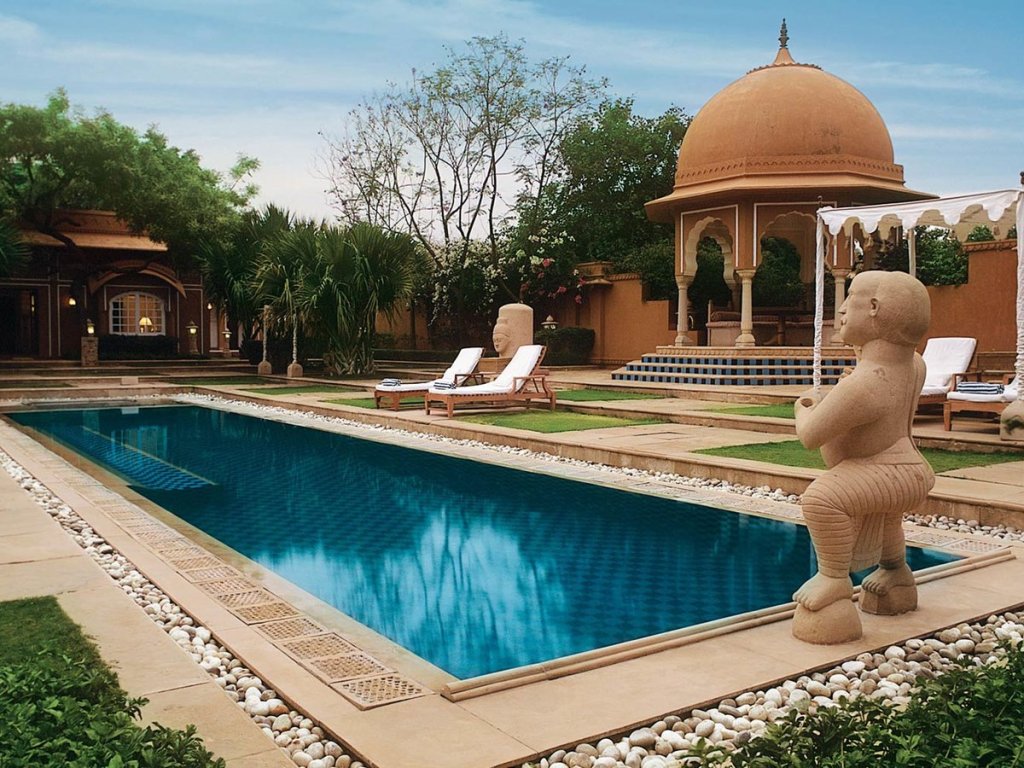
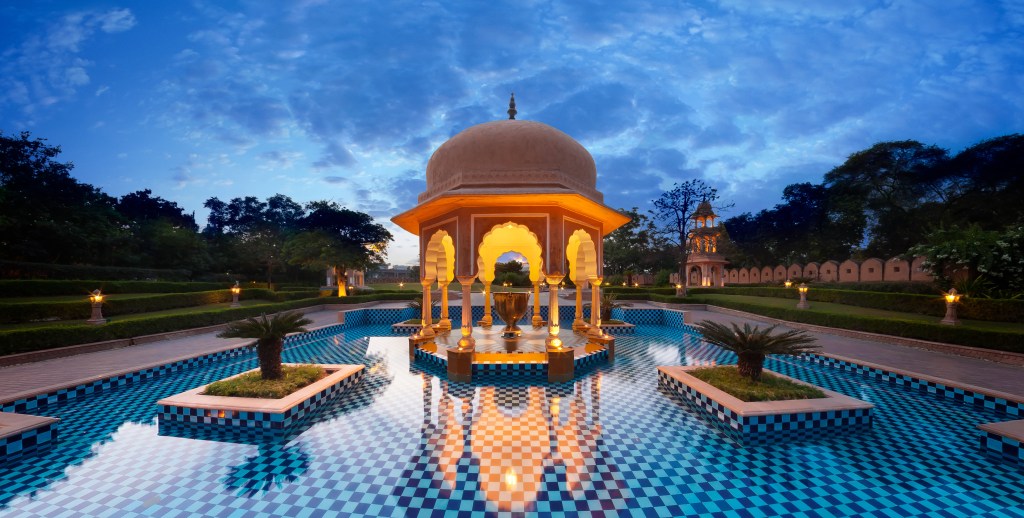
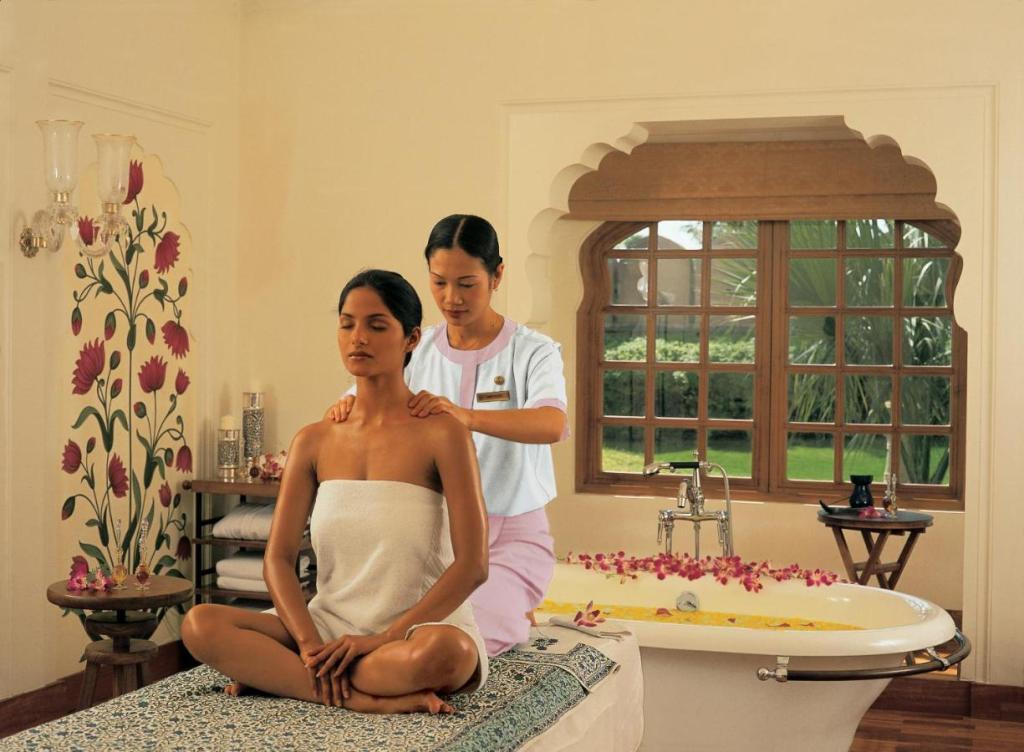
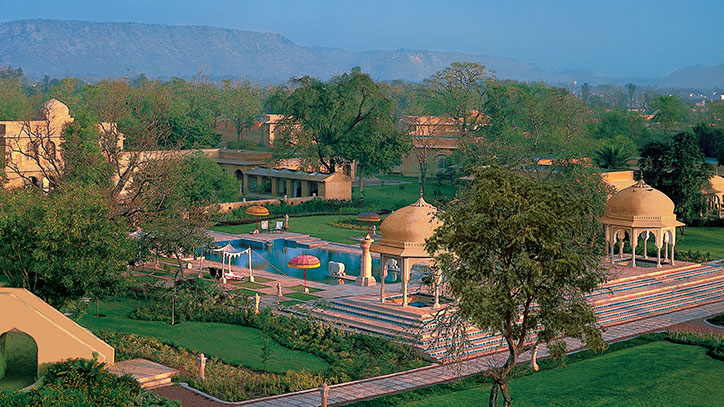
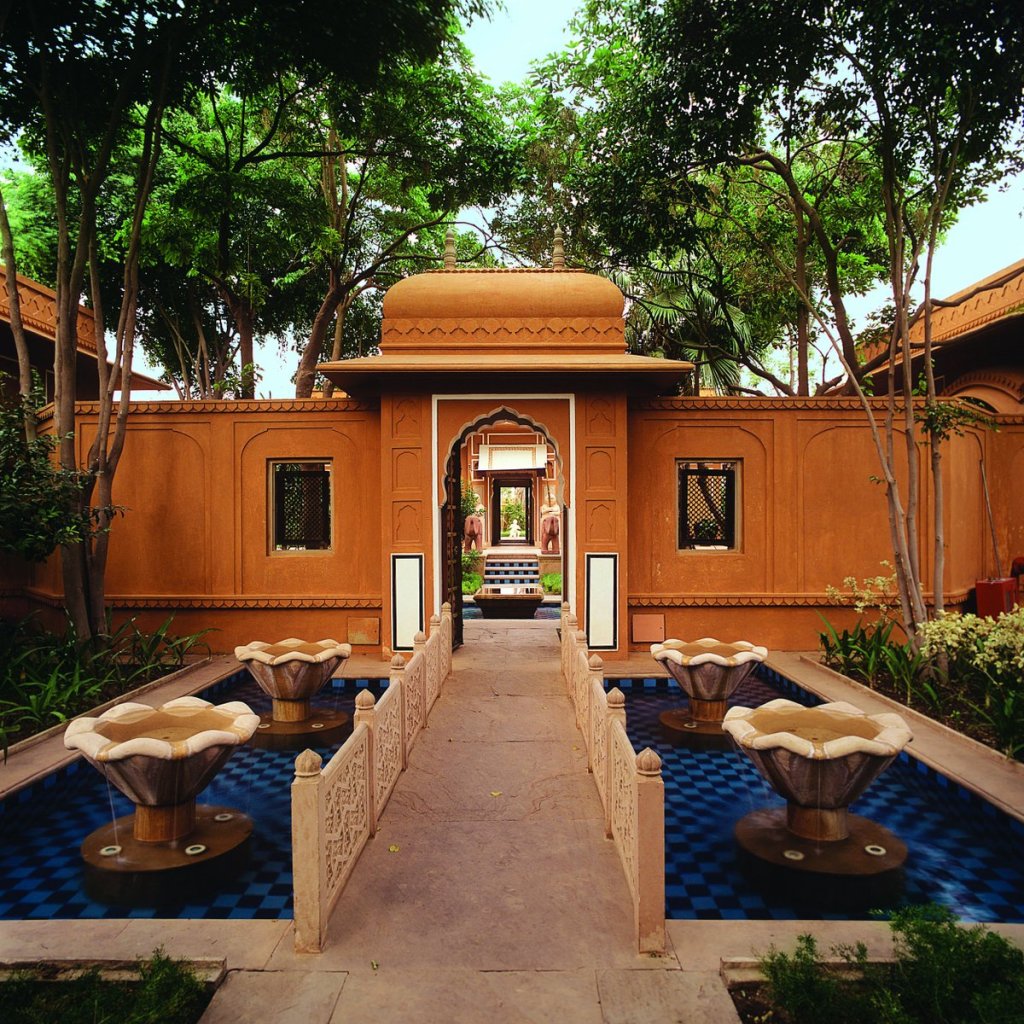
The Oberoi Rajvilas, set in 32 acres of prime settings, beautifully recreates the splendor of Rajasthani royals. LCD TVs, DVD players, satellite television, and wired and wireless broadband Internet access are available in all of the property’s rooms, tents, and villas. Butler service is accessible 24 hours a day. The fully air-conditioned luxury tents set this property apart. Each tent has its very own patio and garden, both surrounded by a mud wall. The tents are light and airy on the inside, with colonial touches like a free-standing claw-footed bathtub and a separate shower. In addition to a state-of-the-art fitness facility, flood-lit tennis courts, and an outdoor pool in a magnificent garden setting, there’s also a spa with a full suite of massage and spa treatment options.

Inside it is ‘The Surya Mahal’ (Sun Palace) a fine dining restaurant, open 24 hours a day. During the day, it is bright with natural light. After dark, the phosphorescent moon twinkles in the alfresco courtyard, and the crystal chandelier twinkles in the main hall. Western, Mediterranean, Asian, and Indian cuisines are included on the menu.

Rajwada Library Bar, a great place to grab an aperitif or a post-dinner drink. Pour a fine wine, a traditional cocktail, or a single malt whisky into your glass.  Attend one of the bi-weekly interactive history sessions, all while enjoying the regal appearances of past Maharajas depicted in lithographs on the walls.

UDAIPUR- THE CITY OF LAKES

Let’s take a virtual tour with my article.

Sometimes it seems true that ‘I’ in India stands for ‘incredibility’. Yess! Udaipur is incredible. It is known as ‘the city of lakes’.In 1559, Udaipur was founded by Maharana Udai Singh (2nd) in the fertile circular Girwa Valley to the southwest of Nagda, on the Banas River. This city served as the capital of Mewar kingdom between 10th and 12th century. It is in the state of Rajasthan. 

CLIMATE OF UDAIPUR-

Basically Udaipur is a place of tropical climate.There are three main seasons, summer, monsoon and winter. The weather of the city is usually hot for being located in the desert land of Rajasthan. Iy is an area of 598m above sea level that’s why it has a sultry type of climate. It is the only one place in Rajasthan where the place is made hot in summer for the scorching sun and pleasant in winter.Summer runs from mid- March to June and July is the Monsoon season. Winter is actually a pleasant and beautiful season. In winter this city is relatively cold than summer but not too cold. The winter season runs from October to March. 
CULTURE OF UDAIPUR-

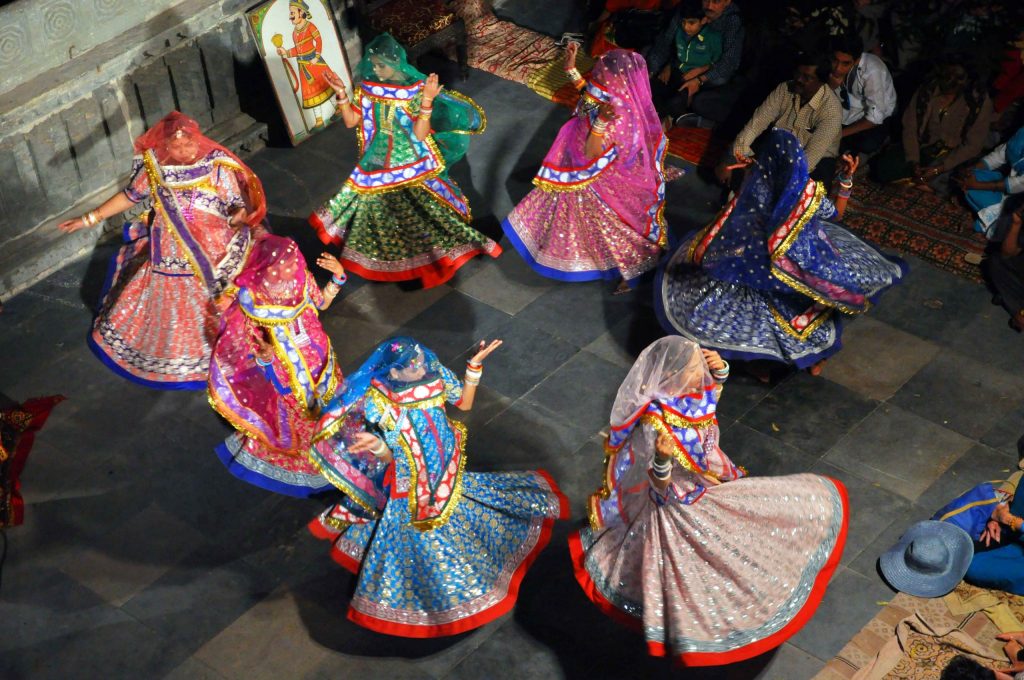
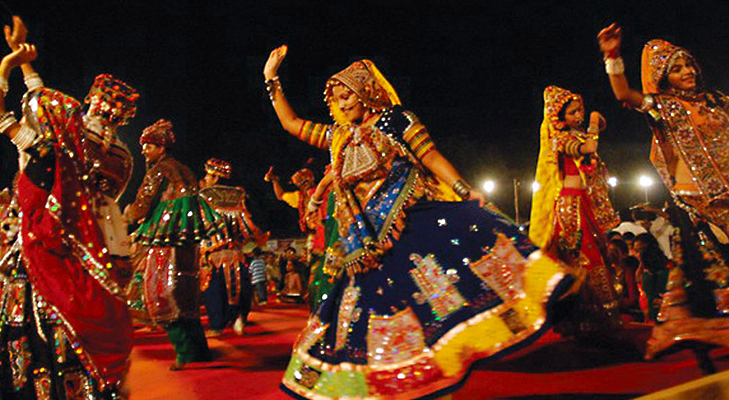
Udaipur is so colourful. It is the owner of the rich cultural heritage from the bygone ages. The lakes, temples, huge forts,and palaces maintain the culture. There is the Bhil tribe till now, so it’s possible that  we could see the people with typical colourful rajasthani dresses with silver jewelry. The colourful people, their colourful festivals and fairs delimitate the culture of Udaipur. The city has kept the balance between the past rituals and the modern advancements. The folk dance and music colored the culture and tradition more. Dance like- Ghoomar, Kalbelia,Bhavai, Kachchhi Ghodi and Terahtaali etc. 

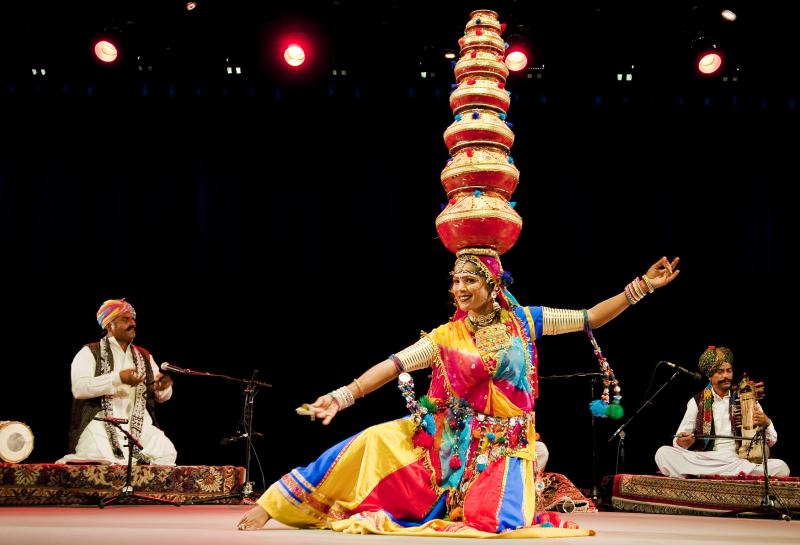
 Ghoomar or Ghumar is a traditional folk dance which was performed by the Bhil tribe to worship Goddess Saraswati. The veiled women who wear flowing dresses are called ghaghara,and chiefly perform this type of dance. It was ranked 4th in the list of “Top 10 local dances around the world” in 2013.The Kalbelia dance is an integral part of their culture and performed by men and women. In the Bhavai dance the male or female performers balance a number of earthen pots or brass/metal pitchers as they dance nimbly, pirouetting and then swaying with the soles of their feet perched on the top of a glass bottles, on the edge of the sword, on the rim of a brass/metal thali (plate) and on the broken glass during the performance. Kachchhi Ghodi is mainly performed during weddings to welcome the bride grooms party and it has an interesting novelty horse costume. And when we  come to the music, the dwellers of Udaipur find solace in the melodious music of Morchang, Naad, Tanpura, Sarangi and many other instruments that used to echo the courts of Mewar rulers.

FESTIVALS-

India’s most exciting and colourful part is its festival. Udaipur looks different during festivals. There are observed Mewar festival, Shilpgram festival, Diwali, Teej festival,Dussehra, Hariyali Amavasya, Gangur festival,Jagannath Ratha Yatra, Jal-Jhulni Ekadashi etc.

TOURIST SPOTS-

Udaipur is the city of lakes .It is a beautiful tourist spot. The main tourist spots are-

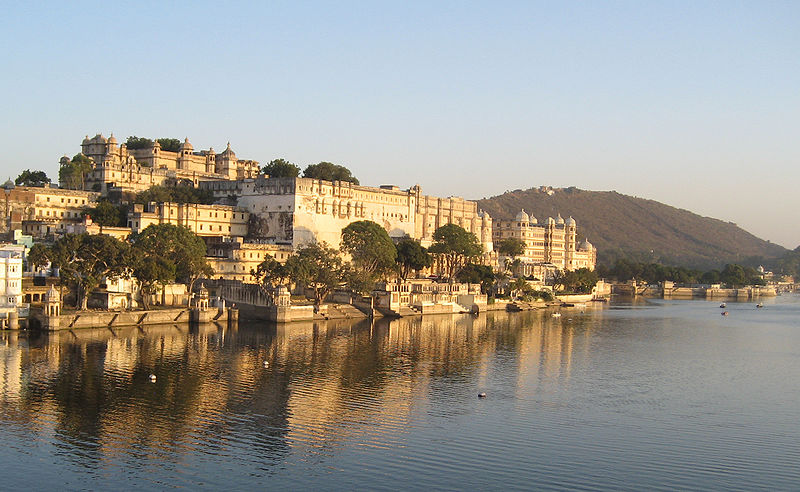
CITY PALACE, UDAIPUR- It is located on the east bank of Lake Pichola. Its main entrance is through the triple-arched gate. This gate leads to a series of courtyards, overlapping partitions, terraces, corridors and gardens. The palace now houses a museum with many antique articles, paintings, decorative furniture and utensils from the royal era. 

LAKE PALACE- It is located over an island in Lake Pichola and it served as a royal summer palace. It is made of white marble and it is now transferred into a 5 star hotel.

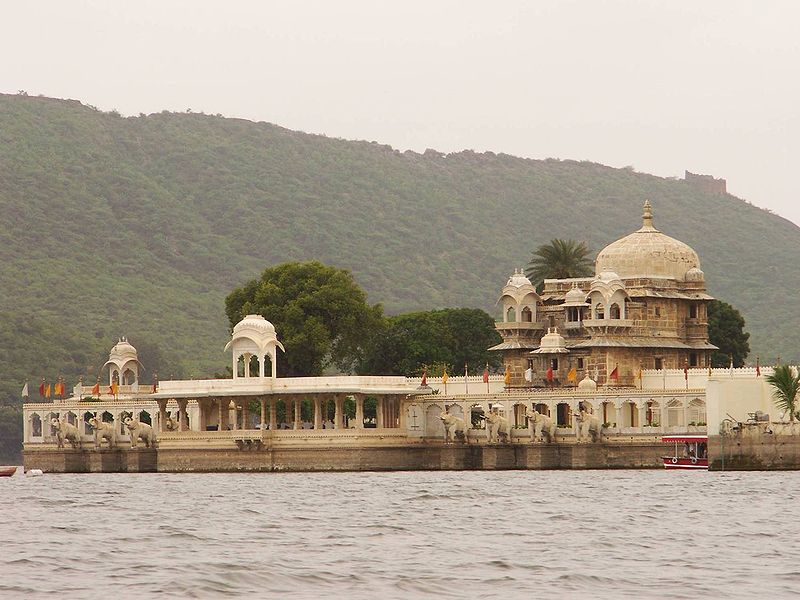
JAG MANDIR-  It is also located on Lake Pichola island. This is also known as ‘Lake Garden Palace’.  The royal family used the palace as a summer resort and pleasure palace.

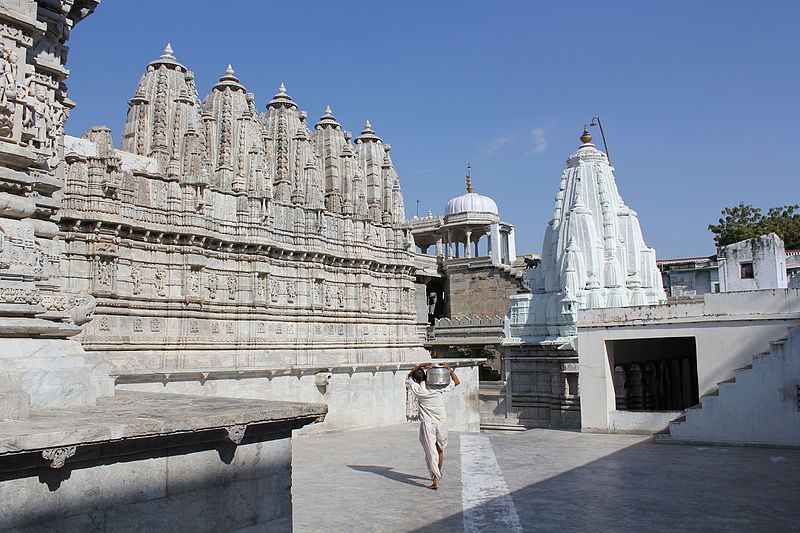
KESARIYAJI TEMPLE- The temple is dedicated to Lord Rishabh dev, the first Jain Tirthankara. The fifty-two pinnacles of the temple are seen from a long distance. The main idol in the temple is of Tirthankara Rishabha, carved in black stone in padmasana posture.

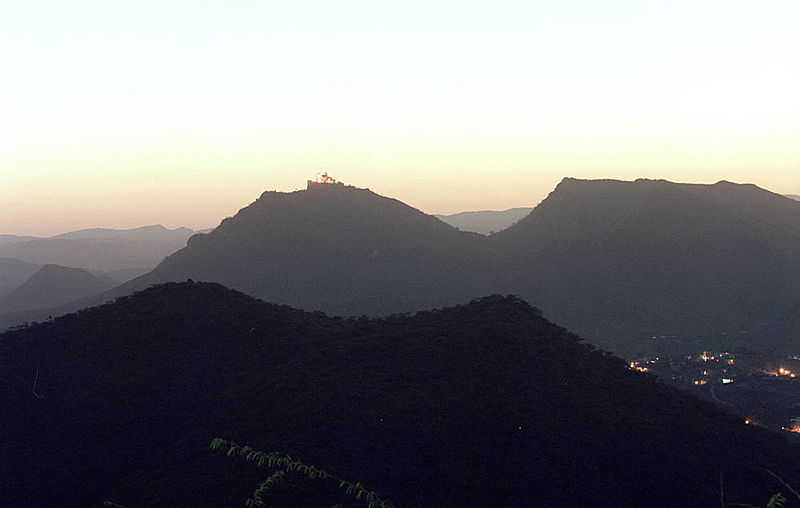
MONSOON PALACE- Monsoon Palace is known as Sajjan Garh Palace. It is made  with white marble and  it is located on Bandera peak of the Aravalli hill. From this palace we can take a view of the city’s lakes, palaces, and surrounding countryside.

JAGDISH TEMPLE- Maharana Jagat Singh founded this temple which is a large Hindu temple in the middle of Udaipur.

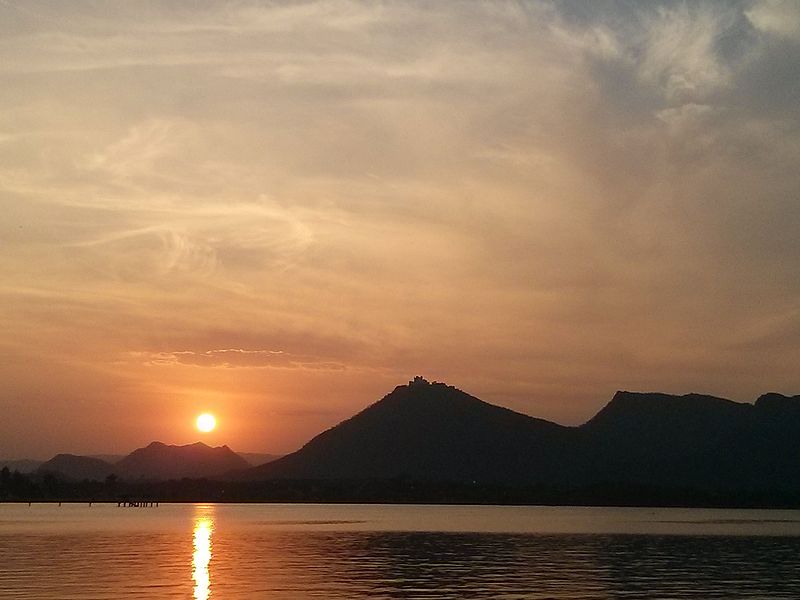
FATEH SAGAR LAKE- It is located in the north-west part of Udaipur. It was originally built by Maharana Jai Singh and later it was reconstructed by Maharana Fateh Singh.

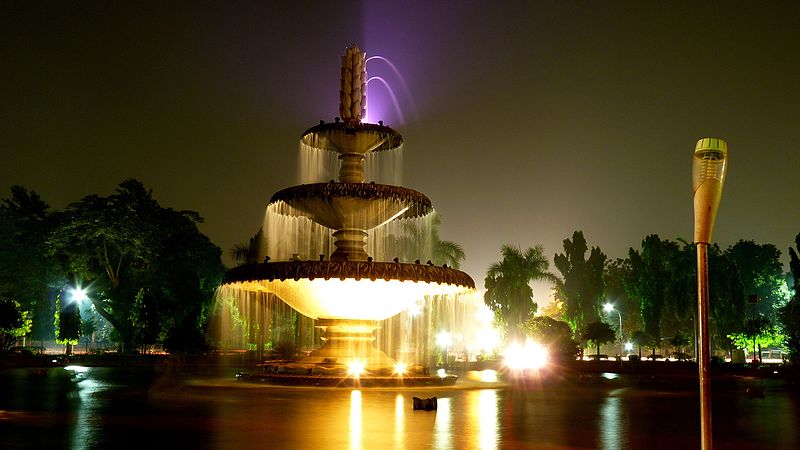
SUKHADIA CIRCLE-  It is a large roundabout in the city’s northern suburb of Panchwati, on the road to Ranakpur and Mt. Abu. There are  fast food centers, camel and horse rides, boat rides and kids play zone areas.

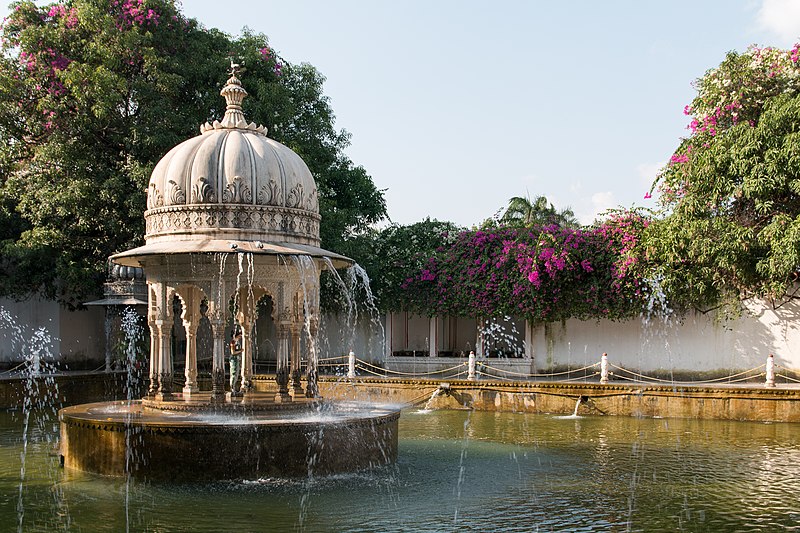
SAHELIYON-KI-BARI – It is a garden and tourist space which is in the northern part of the city. There has garden with its fountains and kiosks, a lotus pool and marble elephants, was laid for a group of forty-eight young women attendants who accompanied a princess to Udaipur as part of her dowry.

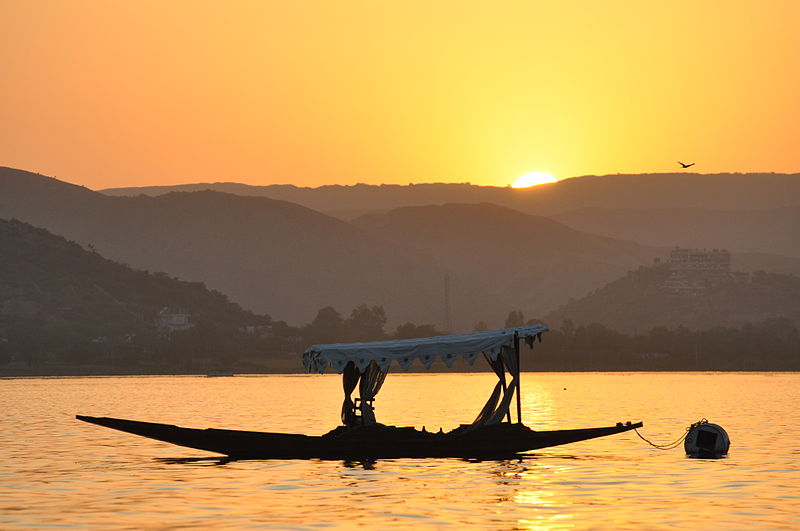
LAKE PICHOLA- It is an artificial freshwater lake .Two islands, Jag Niwas and Jag Mandir are located within Pichola Lake, and have been developed with several palaces to provide views of the lake.

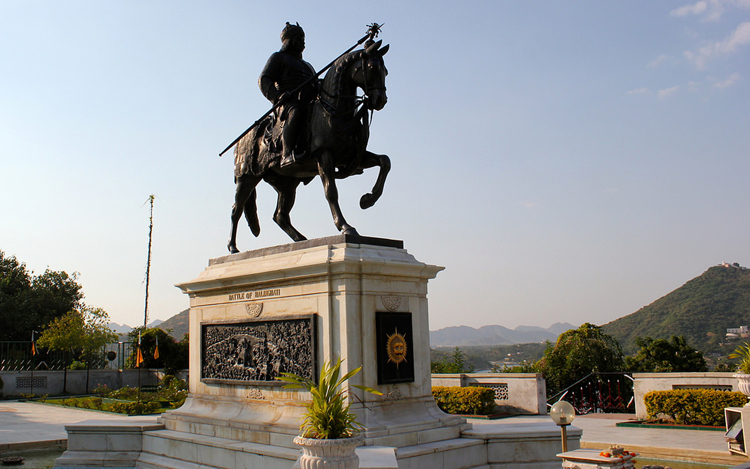
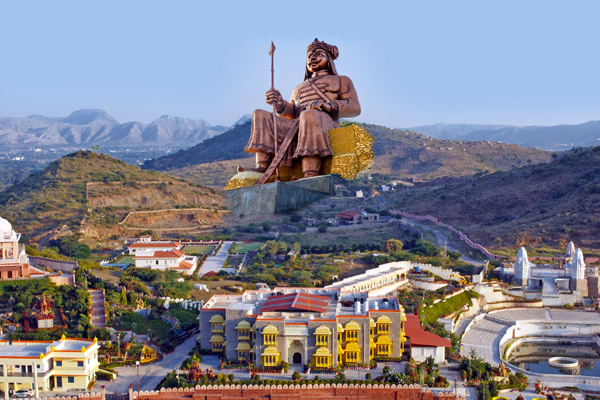
MOTI MAGRI- Moti Magri is a memorial of Maharana Pratap.It is basically a small hill, atop of which there is a bronze statue of the Maharana astride his favourite horse “Chetak”.

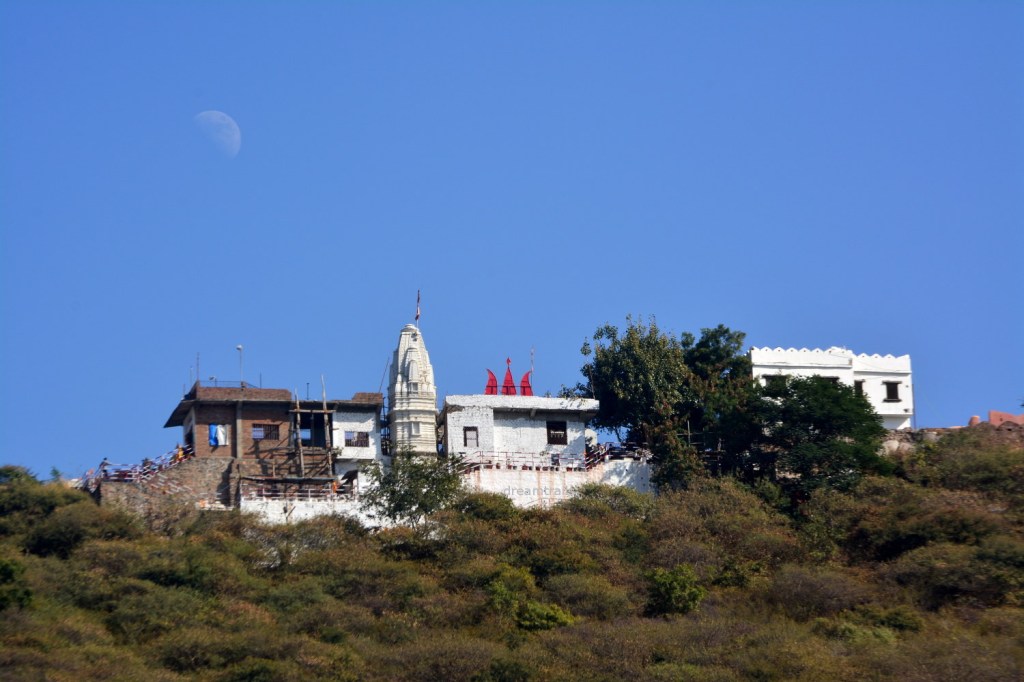
NEEMACH MATA TEMPLE- It is located on a hill near Fateh Sagar Lake. From this  location we can take a holistic view of the entire Udaipur.

KERNI MATA, UDAIPUR- It is located on Doodh Talai near Pichola lake. There is a rope-way which takes visitors to a hill at which this temple is located. We can take views of Pichola Lake, Jag Mandir and Doodh Talai. One can view the whole city from the top .

PRATAP GAURAV KENDRA- It is located at Tiger Hill. It aims at providing information about Maharana Pratap and the historical heritage of the area with the help of modern technology.

It is Udaipur and it is incladible.