

The Azadi Ka Amrit Mahotsav celebration honors 75 years of India’s progress, as well as the illustrious past of its people, culture, and accomplishments. Every year on January 26th, India celebrates Republic Day with great fanfare. On this day, it is customary to hoist national flags across India and hold grand parades at Janpath, New Delhi, including the Indian National Army. In 2023, India will celebrate her 74th Republic Day.

Significance of Republic Day
A new constitution was approved by a drafting committee headed by Dr. BR Ambedkar Written after India’s independence from British rule. The Indian Constitution, which confirmed India’s status as an independent republic, went into effect on January 26, 1950. Since the Indian National Congress issued Purna Swaraj, declaring India’s independence from colonial authority, on this day in 1930, January 26 was chosen as the date for the event.
Republic Day Holiday 2023- Theme
According to reports on Tuesday, the government has proposed three distinct themes for the tableaux of the Republic Day Parade in 2019: India@75, the International Year of Millets, and Nari Shakti. Several state governments, central ministries, and departments, according to sources, have been invited to take part in the Republic Day Parade on January 26 by developing a tableau using one of these three themes, or a mix of the three.
The government has suggested that India@75 tableaux highlight India’s freedom struggle, its accomplishments, its deeds, and its commitment throughout the previous seven decades. This is in honor of India marking 75 years since its independence.
The idea for a millets day originated in 2021 when India asked the UN to designate 2023 as the International Year of Millets (IYOM). The United Nations General Assembly (UNGA) declared 2023 to be the International Year of Millets after 72 nations backed India’s request.
How is Republic Day celebrated?
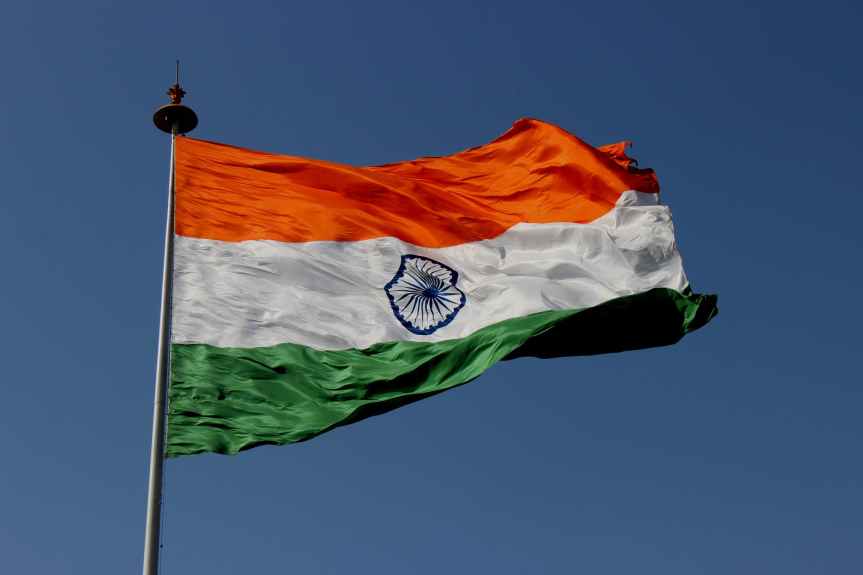
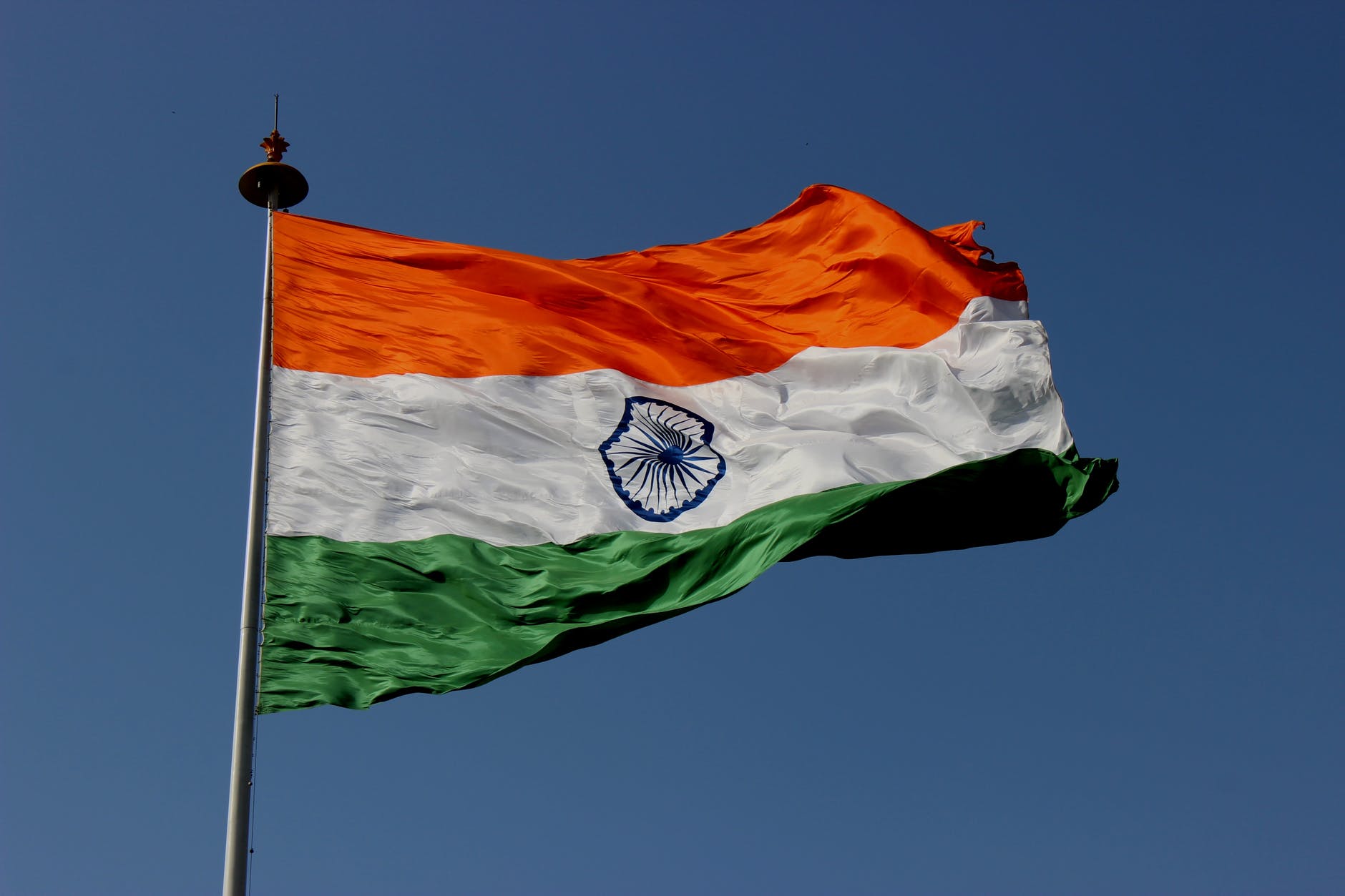
India celebrates Republic Day with enthusiasm and passion. It is a day dedicated to the Sovereign Constitution of India. It is common for schools and colleges to display national flags. National cultural activities are held to support India’s struggle for independence. The President of India raises the national flag at the India Gate in New Delhi.
The largest parade is held in Rajpat, New Delhi. The Ministry of Defense organized a parade led by the President of India. The event not only showcases military prowess but also promotes India’s rich cultural diversity.
The occasion also honors those who have given their lives as martyrs for the nation. By placing a wreath at the Amar Jawan Jyoti at India Gate, the Indian Prime Minister pays tribute to the martyrs. The national song, national flag raising, and 21-gun salute come next. The Paramvir Chakra, Ashok Chakra, and Vir Chakra are awards given to heroic troops. Awards are given out to people of all ages who have shown fortitude in the face of hardship.
In military jeeps, the recipients of the heroism medals greet the president. India then shows off its military prowess after that. Police, National Cadet Corps, and military parades are also held and the President of India receives salutes from various regiments. The Indian Air Force fighter jets pass over Janpath to end the show.
Although the holiday is observed across the nation, Delhi—the capital—sees India’s largest Republic Day celebrations.
 Eduindex
You must be logged in to post a comment.