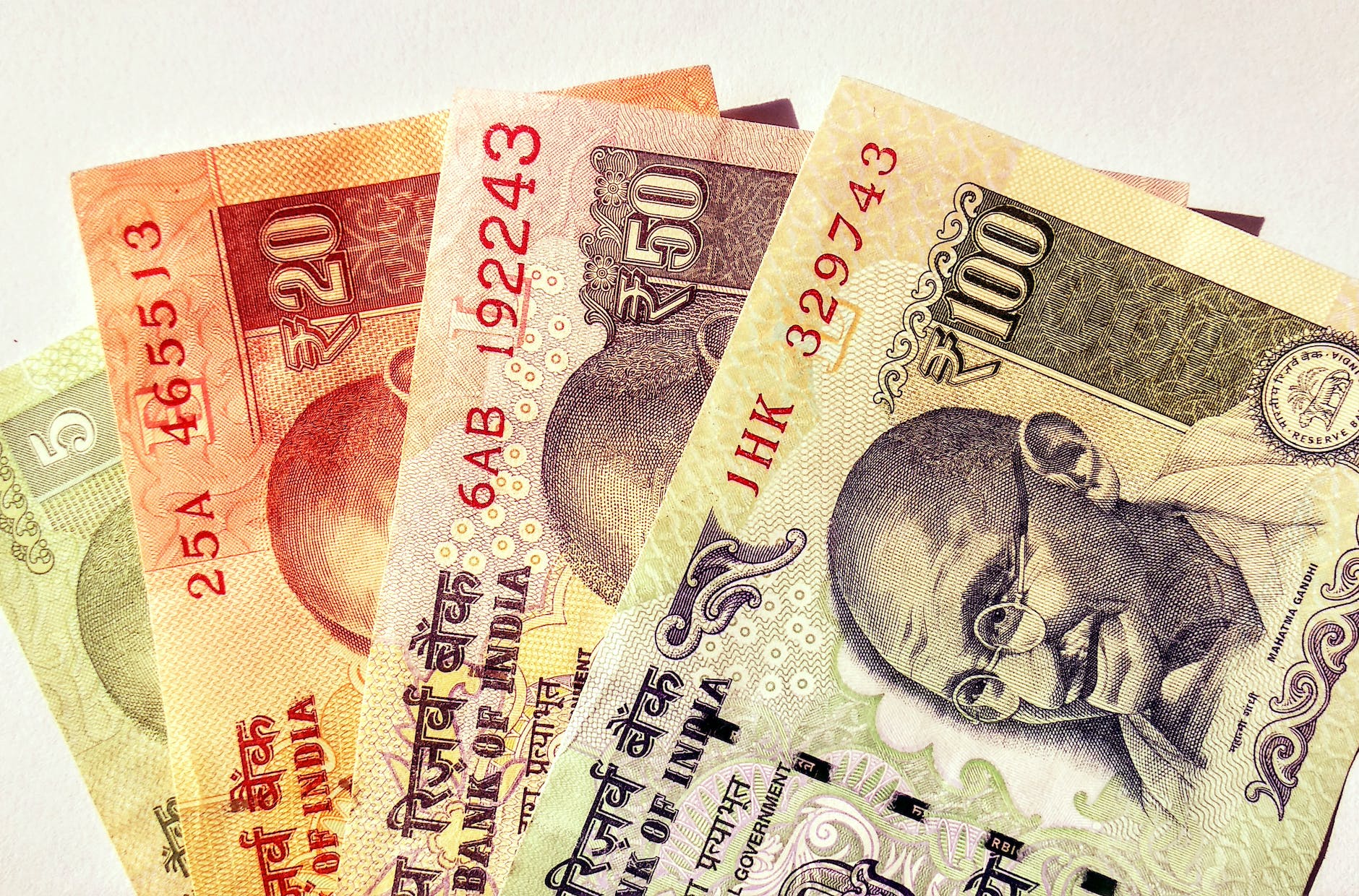
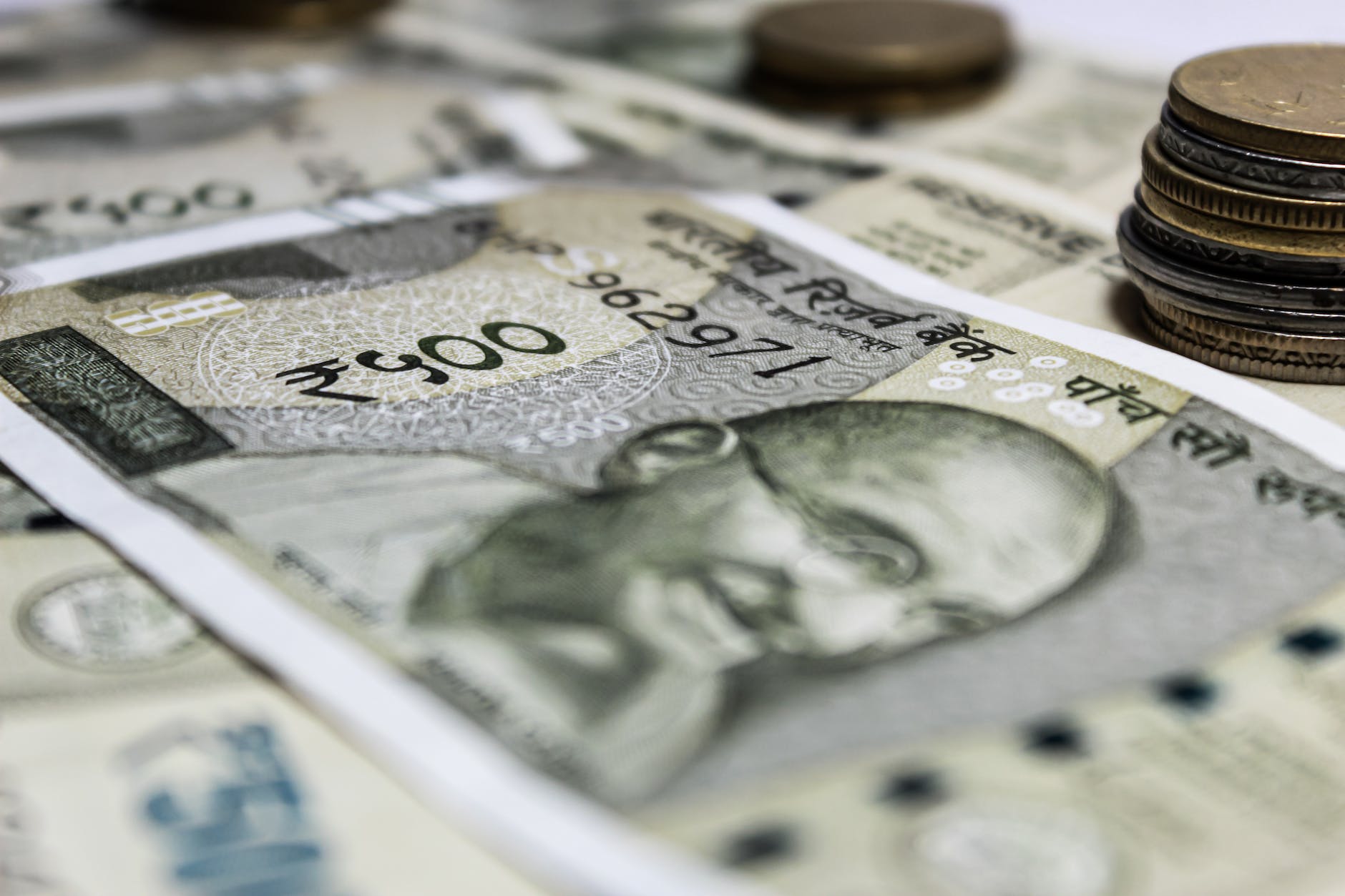
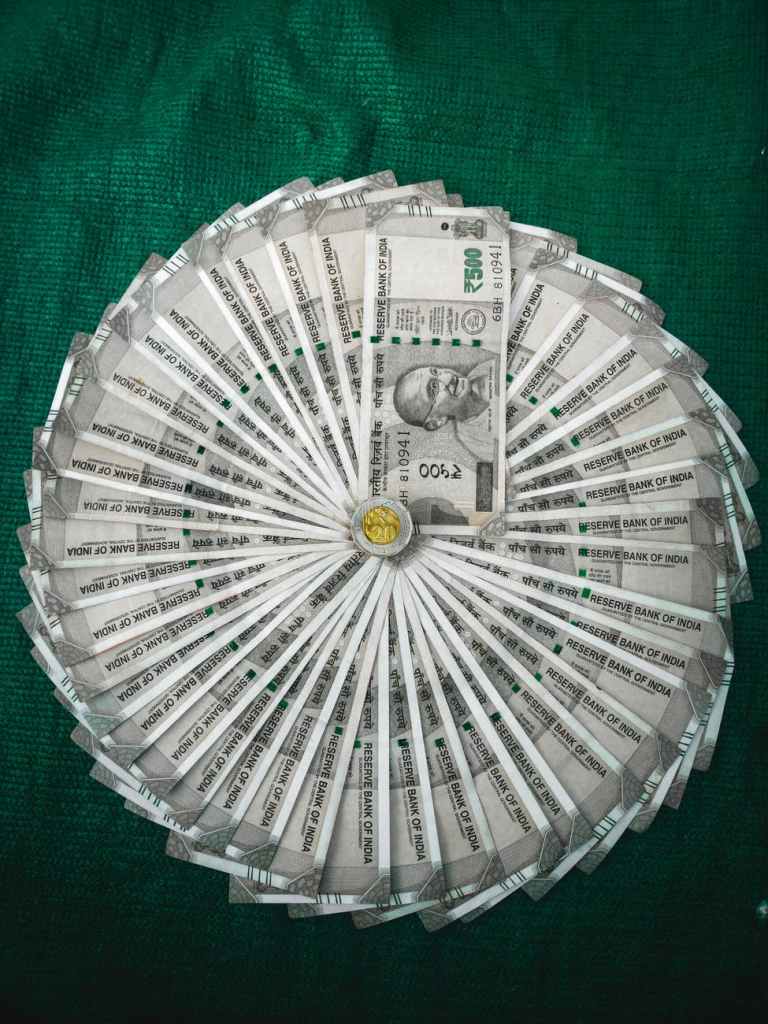
India’s rupee trade settlement mechanism, which was set up by the Reserve Bank of India in July 2022, is attracting interest from more countries apart from Russia.
The mechanism is a means of using rupees instead of dollars and other big currencies for international transactions in order to promote growth of global trade with emphasis on exports from India and to support the increasing interest of global trading community in the rupee.
Dollar-strapped Sri Lanka and sanctions-hit Russia will be the first countries to use the Indian rupee trade settlement mechanism.
Sri Lanka has agreed to use Indian rupee (INR) for international trade. It comes days after the Government of India said it is looking at ways to bring countries that are particularly short of dollars into the ambit of Indian rupee trade settlement mechanism. Central Bank of Sri Lanka (CBSL) said it is waiting for RBI’s (Reserve Bank of India) approval to designate Indian rupee as foreign currency of Sri Lanka.
Tajikistan, Cuba, Luxembourg and Sudan have begun talking to India about using the mechanism, reported Reuters, quoting two sources and an official document. It has already been used by Russia following the imposition of sanctions on Moscow over the Ukraine war.
India’s rupee trade settlement mechanism, which was set up by the Reserve Bank of India in July 2022, is attracting interest from more countries apart from Russia.
The mechanism is a means of using rupees instead of dollars and other big currencies for international transactions in order to promote growth of global trade with emphasis on exports from India and to support the increasing interest of global trading community in the rupee.
Dollar-strapped Sri Lanka and sanctions-hit Russia will be the first countries to use the Indian rupee trade settlement mechanism.
Sri Lanka has agreed to use Indian rupee (INR) for international trade. It comes days after the Government of India said it is looking at ways to bring countries that are particularly short of dollars into the ambit of Indian rupee trade settlement mechanism. Central Bank of Sri Lanka (CBSL) said it is waiting for RBI’s (Reserve Bank of India) approval to designate Indian rupee as foreign currency of Sri Lanka.
Tajikistan, Cuba, Luxembourg and Sudan have begun talking to India about using the mechanism, reported Reuters, quoting two sources and an official document. It has already been used by Russia following the imposition of sanctions on Moscow over the Ukraine war.
The rupee plunged 61 paise to decline below the 83-mark for the first time against the US dollar on today amid unabated foreign capital outflows and a strong dollar in the overseas markets.
Besides, rising crude prices in the international markets and risk-averse sentiment among investors weighed on the local currency, traders said.
The consumer price index rose 10.1 per cent, compared with 9.9 per cent the previous month, the Office for National Statistics said Wednesday. The new data shows inflation returned to the July peak and is once again at the highest since early 1982. The increase was driven by food prices, which leapt by 14.5 per cent from a year earlier, the biggest jump since 1980, the ONS said.
The US dollar held at a 32-year peak against the yen and rose from a two-week trough against a basket of major peers, underpinned by expectations of aggressive US Federal Reserve interest rate hikes.
The rupee plunged 61 paise to decline below the 83-mark for the first time against the US dollar on today amid unabated foreign capital outflows and a strong dollar in the overseas markets.
Besides, rising crude prices in the international markets and risk-averse sentiment among investors weighed on the local currency, traders said.
The consumer price index rose 10.1 per cent, compared with 9.9 per cent the previous month, the Office for National Statistics said Wednesday. The new data shows inflation returned to the July peak and is once again at the highest since early 1982. The increase was driven by food prices, which leapt by 14.5 per cent from a year earlier, the biggest jump since 1980, the ONS said.
The US dollar held at a 32-year peak against the yen and rose from a two-week trough against a basket of major peers, underpinned by expectations of aggressive US Federal Reserve interest rate hikes.
The Indian rupee on 22 September fell to all-time low of 81.20 against US dollar in early trade on the back of US Treasury yields climbing to fresh multi-year highs and dollar demand from importers. Currently the rupee had suffered its biggest single session percentage decline since February, due to lack of aggressive intervention by the Reserve Bank of India (RBI) and a very U.S. hawkish Federal Reserve rate outlook, traders said.
One of the reasons that RBI couldn’t rescue the fall in the currency was inadequate liquidity in the banking system which is currently in deficit. RBI’s intervention in the spot market could make the case worst for the banking system liquidity amid short-term interest rates going higher.
The Central bank in a an attempt to handle the depreciating rate of rupee, frequently burnout forex. In just eight months between mid-January and mid-September this year, forex reserves have depleted by almost $90 billion, or approximately an average of $11 billion a month. For the week-ended September 16, India’s forex reserves stood at $545.65 billion compared with $634.97 billion in the week-ended January 14.
However, faced with dwindling forex reserves, the Reserve Bank of India (RBI) may not be aggressive in defending the Indian currency and allow it to catch up with other emerging market (EM) currencies that have dropped more.
The Indian rupee on 22 September fell to all-time low of 81.20 against US dollar in early trade on the back of US Treasury yields climbing to fresh multi-year highs and dollar demand from importers. Currently the rupee had suffered its biggest single session percentage decline since February, due to lack of aggressive intervention by the Reserve Bank of India (RBI) and a very U.S. hawkish Federal Reserve rate outlook, traders said.
One of the reasons that RBI couldn’t rescue the fall in the currency was inadequate liquidity in the banking system which is currently in deficit. RBI’s intervention in the spot market could make the case worst for the banking system liquidity amid short-term interest rates going higher.
The Central bank in a an attempt to handle the depreciating rate of rupee, frequently burnout forex. In just eight months between mid-January and mid-September this year, forex reserves have depleted by almost $90 billion, or approximately an average of $11 billion a month. For the week-ended September 16, India’s forex reserves stood at $545.65 billion compared with $634.97 billion in the week-ended January 14.
However, faced with dwindling forex reserves, the Reserve Bank of India (RBI) may not be aggressive in defending the Indian currency and allow it to catch up with other emerging market (EM) currencies that have dropped more.
The impact of coronavirus pandemic on India has been largely disruptive in terms of economic activity as well as a loss of human lives. Almost all the sectors have been adversely affected as domestic demand and exports sharply plummeted with some notable exceptions where high growth was observed. An attempt is made to analyze the impact and possible solutions for some key sectors.
Food & Agriculture
Since agriculture is the backbone of the country and a part of the government announced essential category, the impact is likely to be low on both primary agricultural production and usage of agro-inputs. Several state governments have already allowed free movement of fruits, vegetables, milk etc. Online food grocery platforms are heavily impacted due to unclear restrictions on movements and stoppage of logistics vehicles. RBI and Finance Minister announced measures will help the industry and the employees in the short term. Insulating the rural food production areas in the coming weeks will hold a great answer to the macro impact of COVID-19 on Indian food sector as well as larger economy.
Aviation & Tourism
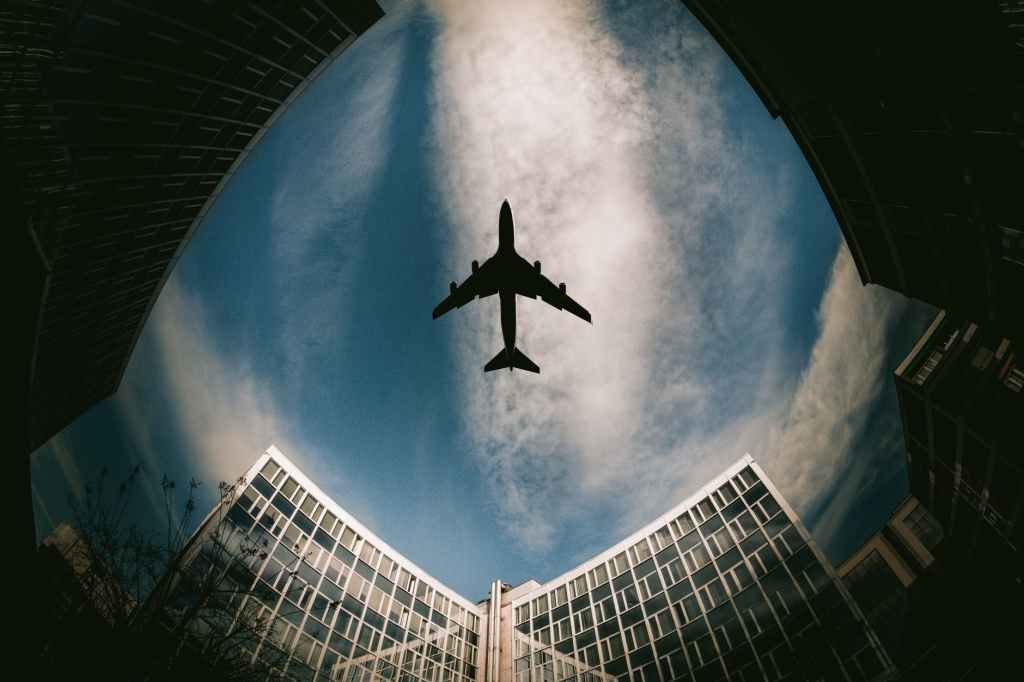
The contribution of the Aviation Sector and Tourism to our GDP stands at about 2.4% and 9.2% respectively. The Tourism sector served approximately 43 million people in FY 18-19. Aviation and Tourism were the first industries that were hit significantly by the pandemic. The common consensus seems to be that COVID will hit these industries harder than 9/11 and the Financial Crisis of 2008. These two industries have been dealing with severe cash flow issues since the start of the pandemic and are staring at a potential 38 million lay-offs, which translates to 70 per cent of the total workforce. The impact is going to fall on both, White and Blue collar jobs. According to IATO estimates, these industries may incur losses of about 85 billion Rupees due to travel restrictions. The Pandemic has also brought about a wave of innovation in the fields of contactless boarding and travel technologies.
Telecom
There has been a significant amount of changes in the telecom sector of India even before the Covid-19 due to brief price wars between the service providers. Most essential services and sectors have continued to run during the pandemic thanks to the implementation of the ‘work from home’ due to restrictions. With over 1 billion connections as of 2019, the telecom sector contributes about 6.5 per cent of GDP and employs almost 4 million people. Increased broadband usage had a direct impact and resulted in pressure on the network. Demand has been increased by about 10%. However, the Telco’s are bracing for a sharp drop in adding new subscribers. As a policy recommendation, the government can aid the sector by relaxing the regulatory compliances and provide moratorium for spectrum dues, which can be used for network expansions by the companies.
Pharmaceuticals
The pharmaceutical industry has been on the rise since the start of the Covid-19 pandemic, especially in India, the largest producer of generic drugs globally. With a market size of $55 billion during the beginning of 2020, it has been surging in India, exporting Hydroxychloroquine to the world, esp. to the US, UK, Canada, and the Middle-East.
There has been a recent rise in the prices of raw materials imported from China due to the pandemic. Generic drugs are the most impacted due to heavy reliance on imports, disrupted supply-chain, and labour unavailability in the industry, caused by social distancing. Simultaneously, the pharmaceutical industry is struggling because of the government-imposed bans on the export of critical drugs, equipment, and PPE kits to ensure sufficient quantities for the country. The increasing demand for these drugs, coupled with hindered accessibility is making things harder. Easing the financial stress on the pharmaceutical companies, tax-relaxations, and addressing the labour force shortage could be the differentiating factors in such a desperate time.
Oil and Gas
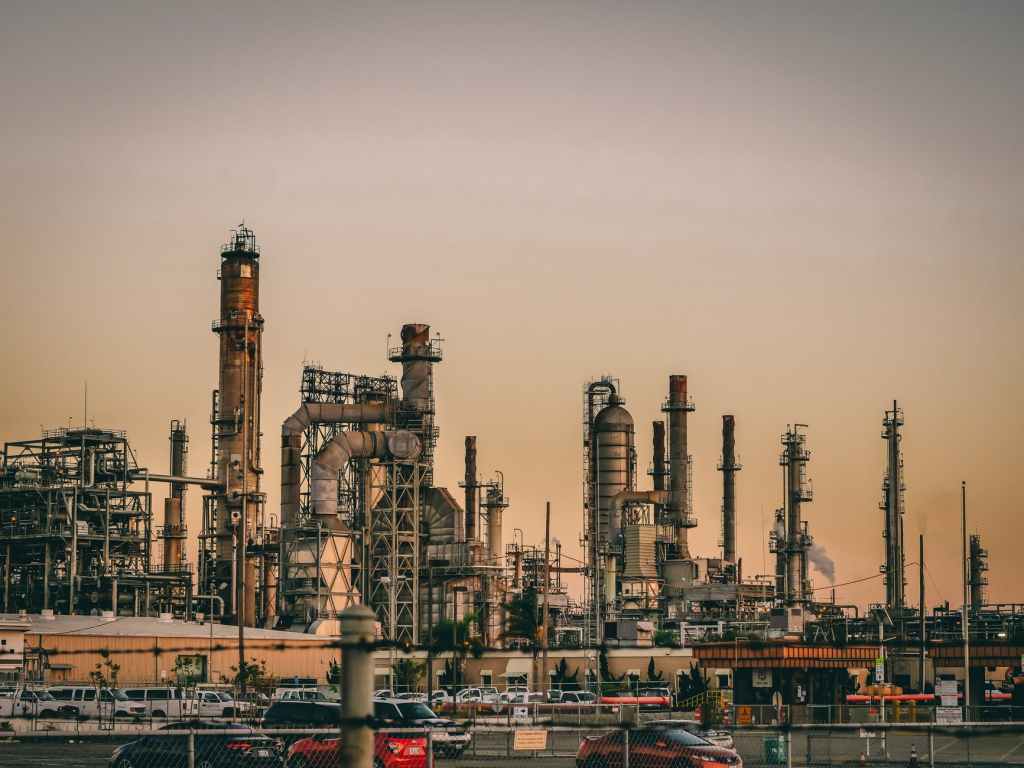
The Indian Oil & Gas industry is quite significant in the global context – it is the third-largest energy consumer only behind USA and Chine and contributes to 5.2% of the global oil demand. The complete lockdown across the country slowed down the demand of transport fuels (accounting for 2/3rd demand in oil & gas sector) as auto & industrial manufacturing declined and goods & passenger movement (both bulk & personal) fell. Though the crude prices dipped in this period, the government increased the excise and special excise duty to make up for the revenue loss, additionally, road cess was raised too. As a policy recommendation, the government may think of passing on the benefits of decreased crude prices to end consumers at retail outlets to stimulate demand.
Beyond Covid: The new normal
In view of the scale of disruption caused by the pandemic, it is evident that the current downturn is fundamentally different from recessions. The sudden shrinkage in demand & increased unemployment is going to alter the business landscape. Adopting new principles like ‘shift towards localization, cash conservation, supply chain resilience and innovation’ will help businesses in treading a new path in this uncertain environment.
Coronavirus (COVID-19), a virus that grew stealthily has become one of the deadliest viruses that are killing people worldwide. This virus took birth in Wuhan city of China and since then have traveled to more than 160 countries. The World Health Organization (WHO) has declared Coronavirus as a pandemic. It has become a mass scare and is leading to the deaths of thousands of people in numerous countries including China, Italy, Iran, Spain, the US, and many more. In India, this pandemic started on 30 January 2020 by affecting an individual who had a travel history from Wuhan, China.
The world economy is seeing its greatest fall ever. Coronavirus has largely impacted the growth of almost every country and is responsible for the slump in GDP worldwide. Like other countries, India is also impacted by this virus but not largely. Almost every industry sector has seen a fall in their sales and revenue. India’s GDP growth has fallen to 4.7% in the third quarter of 2020.
Inflation and Affected Industry:
China is one of the largest exporters of many raw materials to India. Shutting down of factories has damaged the supply chain resulting in a drastic surge in the prices of raw materials. Some of the other products that have seen a rise in their prices are gold, masks, sanitizers, smartphones, medicines, consumer durables, etc. The aviation sector and automobile companies are the hardest hit among the rest. With no airplane landings or take-offs globally and restricted travel has brought the aviation and travel industry to a halt.
Slump in Share market: Share markets that include Sensex and Nifty are on nose dive since the occurrence of this pandemic (COVID-19). Sensex has declined close to 8000 points in a month. As of 12 March 2020, share market investors have lost approximately Rs. 33 lakh crore rupees in a month. This could be the beginning of a recession that the Indian market will never want to witness. Investors are advised to stay safe and invested in this virus-infected stock market. Few industries that can benefit from novel coronavirus during the time of the market crash are pharmaceuticals, healthcare, and Fast Moving Consumer Goods (FMCG).
Cash flow Issue: Due to this outbreak, almost 80% of Indian companies have witnessed cash flow difficulty and over 50% of companies are facing operations issues. As per the Federation of Indian Chambers of Commerce and Industry (FICCI), 53% of companies are impacted by COVID-19. Slow economic activity is resulting in cash flow problems eventually impacting repayments, interest, taxes, etc.
Coronavirus (COVID-19), a virus that grew stealthily has become one of the deadliest viruses that are killing people worldwide. This virus took birth in Wuhan city of China and since then have traveled to more than 160 countries. The World Health Organization (WHO) has declared Coronavirus as a pandemic. It has become a mass scare and is leading to the deaths of thousands of people in numerous countries including China, Italy, Iran, Spain, the US, and many more. In India, this pandemic started on 30 January 2020 by affecting an individual who had a travel history from Wuhan, China.
The world economy is seeing its greatest fall ever. Coronavirus has largely impacted the growth of almost every country and is responsible for the slump in GDP worldwide. Like other countries, India is also impacted by this virus but not largely. Almost every industry sector has seen a fall in their sales and revenue. India’s GDP growth has fallen to 4.7% in the third quarter of 2020.
Efforts from CII and Govt. of India: Confederation of Indian Industry (CII) has suggested the RBI reduce repo rate up to 50 basis points and also asked for a reduction of 50 basis points on the cash reserve ratio. The government is planning to set up an amount to support MSMEs to overcome the crisis during this phase of shut down, cash flow difficulty, and working capital issues.






 Eduindex
You must be logged in to post a comment.