
International Tiger Day

Today is International Tiger Day – 28th July 2021. It’s significance and theme this year.
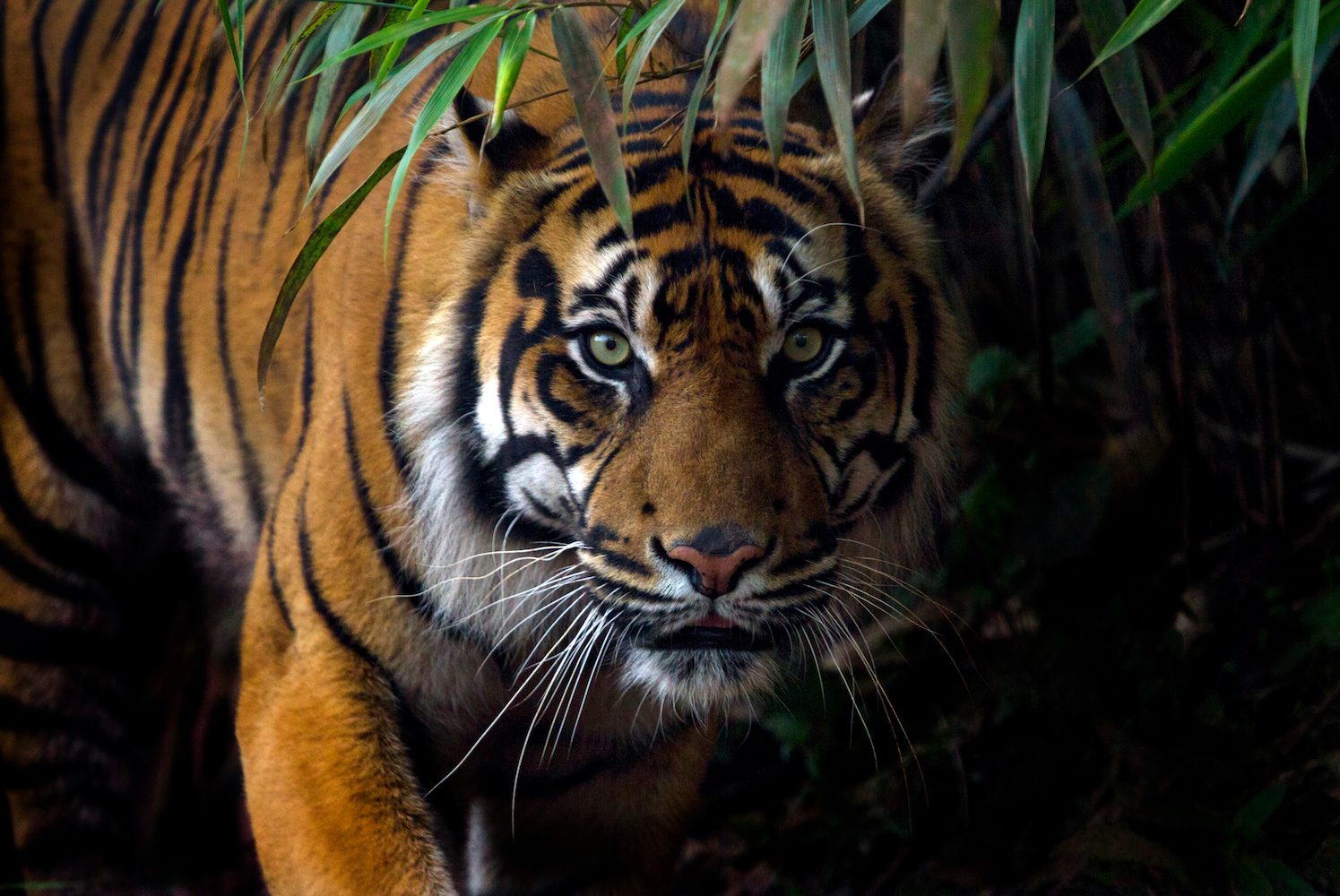
 Theme this year: “Their survival is in our hands”.

The day is observed to spread awareness about dangers faced by tigers, the threat to their natural habitats due to natural or man-made reasons, to protect them from poachers. Wild tiger numbers dropped by more than 95% since the beginning of the 20th century.

Over 18 States in India provide habitat for tigers. 70% of the total number of tigers in the world are in India. National Tiger Conservation Authority (NTCA) and the Wildlife Institute of India (WII) have mapped 32 major tiger corridors and several smaller ones. (By: ANI)

It has been reported that the number of India has increased over time due to active actions by local community. Reportedly approximately 3,900 tigers now. It is reportedly also known that many tigers live in cage rather than out in wild.

The tiger is officially declared as endangered by the IUCN.

Tiger daywas celebrated first in 2010 at the Saint Petersburg Tiger Summit in Russia.13 tiger range countries came together to create Tx2, the global goal to double the number of wild tigers by the year 2022. Government officials, citizens, celebrities and many organizations from all over the world came together and showed the tiger range countries that there is worldwide support for tiger conservation efforts and to encourage the Tx2 goal.

“Doubling tigers is about tigers, about the whole of nature – and it’s also about us” 

Marco Lambertini, Director General WWF

WWF has contributed greatly to this cause. Animal adoptions, funding local communities to help them in tiger conservation, reducing poaching, and creating awareness by letting people be in proximity of this beautiful and ferocious animal to encourage them to take actoins.

https://www.wwf.org.uk/get-involved/schools/calendar/international-tiger-day

Facts about tigers:

  • Tigers are nocturnal creatures. They prefer engaging in most of their hunting activities at night. 
  • Tiger cubs are born blind. They follow their mother through her scent, almost half of them die due to thirst, hunger, or by other animals.
  • Unlike other cats, tigers like to play and hunt in water.
  • Their lifespan is about 25 years.
  • Ambush/ Steak : When a tiger are in a group, also when a tigress is with her cub.
  • Hybrid Cubs:
    • Tigon : Male cat and female lion’s cub is called Tigon.
    • Liger: Male lion and female tiger’s cub is called LIger.
  • They can imitate any animal!!
  • They do not normally look at humans as a prey.

What can you do to conserve our precious King of the jungle?

  1. For starters, learn about them, their habitats.
  2. Get acknowledged with organizations near you. Gather information about how they work and in what ways you can contribute.
  3. Visit WWF site, adoption, foster, donation and spread awareness by sharing it among your friends.
  4. Tigers are very important for our ecosystem. Advocate for banning poaching and hunting.
  5. Try to reduce pollution, garbage on land, sea, forest; when you visit them.
  6. Actively become the voice for our dear animals and roar for their right to live.
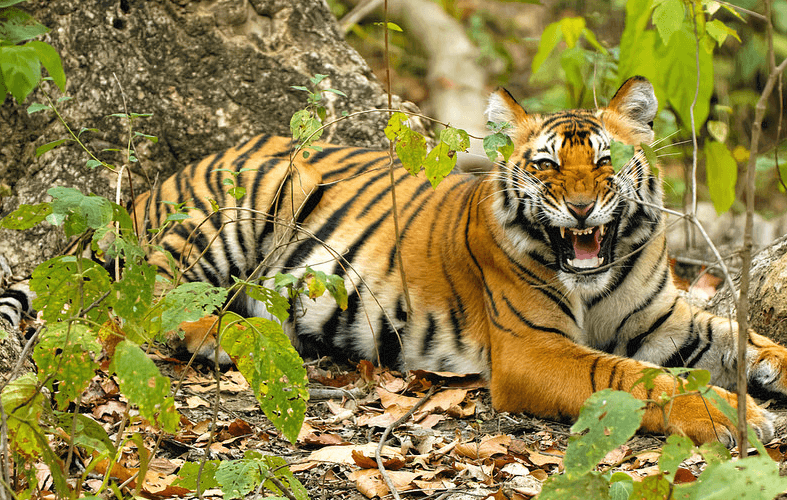
WHY IS IT IMPORTANT TO SAVE TIGER

We have often come across various initiatives raised by many conservationist with the title of SAVE TIGERS. There are also many rigid laws formed by the government to protect Tigers. Have you ever wondered that why this ferocious feline needs protection and is so important that has many acts in the Constitution of India for its protection as well as has a huge fan following which wants this animal to be saved. Well the very first reason which may across any Indian’s mind is that – it is our national animal, our pride and we ought to protect it. The reason is very absolute but there is more to it. Read this blog completely to know how this ferocious predator acts as a climate regulator and a job provider to many , maybe indirectly if not directly.

Tiger known by the scientific name of Panthera tigris is one of the most endangered species of the world today. Known for its strength and agility which makes it the apex predator in the ecosystem, today the existence of this species has reduced to just 4000 big cats all over the world from the huge number of 1,00,000 which used to be a century ago. IUCN(The International Union for Conservation of Nature) has recognized 9 subspecies of the big cats out of which 3 are critically endangered while the other six are almost extinct.

Why is Tiger important for our existence?

  • Tigers are considered to be the indicators of Ecological wellness as they are the dominant predators of the ecosystem. They mainly hunt on herbivores keeping their number in check . The decrease in the number of tigers can lead to the increase in the number of herbivores and ultimately if the tigers get completely extinct there will be no check on the population of herbivores which will disrupt the ecological balance proving extremely fatal for the entire living species on the earth. The forests which acts as climate regulator and controller will be destroyed by the herbivores as they will eat all the plants and trees. Also, forests help in maintaining the carbon storage value in the atmosphere. Keeping in adherence with the above point , the loss of green cover for this particular reason will lead to the increase in the carbon value thus destroying earth. For example- Forests protected for Amur tigers in Russia reserves around 130,000 tonnes of carbon per year which is equivalent to the carbon produced by over 25000 cars per year.
  • We all know forests are the natural regulators of climate helping to keep every compound of atmosphere in check. Due to globalization we have already lost a large area of forest cover which has lead to several problems such as global warming. Also , since tigers need a large green cover for their habitat, it has also become important to save their habitat which in turn will save atleast some of the forest cover . It has also been noted that protected forests generate cleaner water and regulate the flow of water. While the cloud forests increase the flow of water flowing in rivers passing through the protected tiger habitats , the humid forests decrease the flow, hence maintaining the flow of water, the absence of which could lead to floods or drought conditions in several areas.
  • Apart from the indirect ecological service that the tigers provide by preserving forests, they also generate employment and promotes industrialization . The forests in Tiger habitats are a home for large number of medicinal plants ,other animals , forest products such as timber and provides employment opportunity to many people who work to access the forest commodities . The tiger habitats also attracts a large number of tourists which gives more job and increase the tourism sector.

The population of big cats in India

Since India houses almost 70 percent of the total tiger population of the world at a time , we had to play the important role in tiger conservation. Keeping which in mind the Government of India had started “Project Tiger” in 1972 with the aim to conserve the big cats. India has managed to maintain a number of almost 2800 big cats by converting many forests into protected Tiger reserves. India has more than 50 tiger reserves today.

Do the problem ends here? No, it does’ not. This blog was just a small effort to let people know the actual reasons behind tiger conservation and to create awareness that ” no tigers, no forests, no life”.