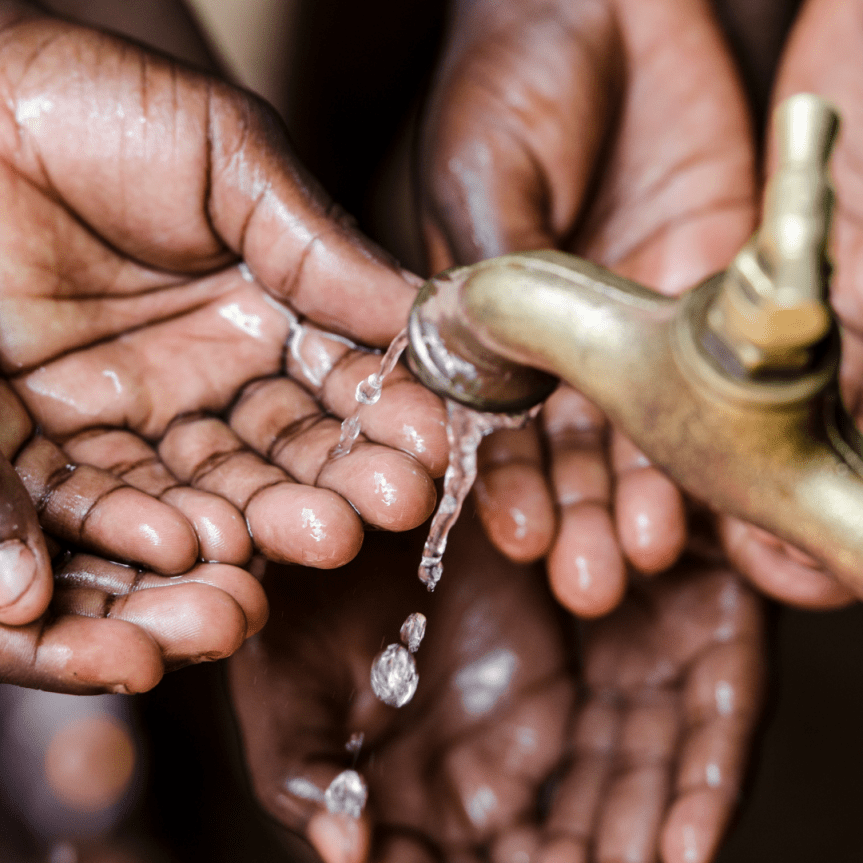
Water scarcity is defined as the lack of freshwater resources to meet the standard demand for water. We are facing a crisis of water in the global scenario, although the earth’s surface is filled with over 75% of water, only around 5-10% of this water is fit for drinking. On top of this, the resources of water are unequally distributed i.e., one part of the globe has surplus resources and the other part has almost no resources. This uneven distribution is mainly caused due to the erratic climate change for which we are solely responsible. Further, the World Economic Forum in 2019, stated that in the coming decade the global risk is due to water. Droughts, famine, floods are going to be the future of our planet.
Major reasons for this everlasting scarcity are the geographic features and the increasing population of the world. Further reasons, can be improvising standards of living, everchanging consumer market and expansion of agriculture. These factors are currently uncontrollable, a government cannot force down people to compromise on their standard of living or control population, one must realize these effects and take up their measures.
There are many types of scarcity like Physical water scarcity, economic scarcity and water stress. Let’s briefly see all these different types of scarcity; Physical scarcity is the type where there isn’t any water to meet the demands of a particular region. This type of scarcity usually occurs due to inadequate sources of water or poor management of the available sources. This can be tackled by constructing projects like dams, canals and irrigation tanks to store water.
Coming to economic scarcity, this type of scarcity usually occurs when the country is going through an economic crisis or war is going on a neighboring nation. Over 20% of the countries in the world are going through an economic scarcity of water. This can be overcome by accepting aids from foreign countries and even taking a loan from the world bank.
Whatever the scenario of a country, whether it is experiencing a scarcity or not. In the coming future, every country will face a crisis if the resources are not maintained and the population is not kept under control. Hence we must stand together in this fight to save water.
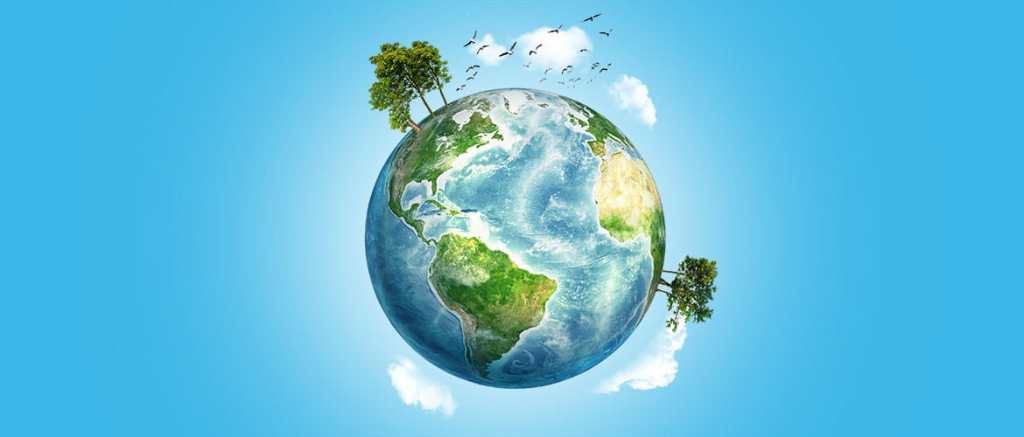
All living things that live on this earth comes under the environment. Whether they live on land or water they are part of the environment. The environment also includes air, water, sunlight, plants, animals, etc.
Moreover, the earth is considered the only planet in the universe that supports life. The environment can be understood as a blanket that keeps life on the planet sage and sound.
Importance of Environment
We truly cannot understand the real worth of the environment. But we can estimate some of its importance that can help us understand its importance. It plays a vital role in keeping living things healthy in the environment.
Likewise, it maintains the ecological balance that will keep check of life on earth. It provides food, shelter, air, and fulfills all the human needs whether big or small.
Moreover, the entire life support of humans depends wholly on the environmental factors. In addition, it also helps in maintaining various life cycles on earth.
Most importantly, our environment is the source of natural beauty and is necessary for maintaining physical and mental health.
Benefits of the Environment
The environment gives us countless benefits that we can’t repay our entire life. As they are connected with the forest, trees, animals, water, and air. The forest and trees filter the air and absorb harmful gases. Plants purify water, reduce the chances of flood maintain natural balance and many others.
Moreover, the environment keeps a close check on the environment and its functioning, It regulates the vital systems that are essential for the ecosystem. Besides, it maintains the culture and quality of life on earth.
The environment regulates various natural cycles that happen daily. These cycles help in maintaining the natural balance between living things and the environment. Disturbance of these things can ultimately affect the life cycle of humans and other living beings.
The environment has helped us and other living beings to flourish and grow from thousands of years. The environment provides us fertile land, water, air, livestock and many essential things for survival.
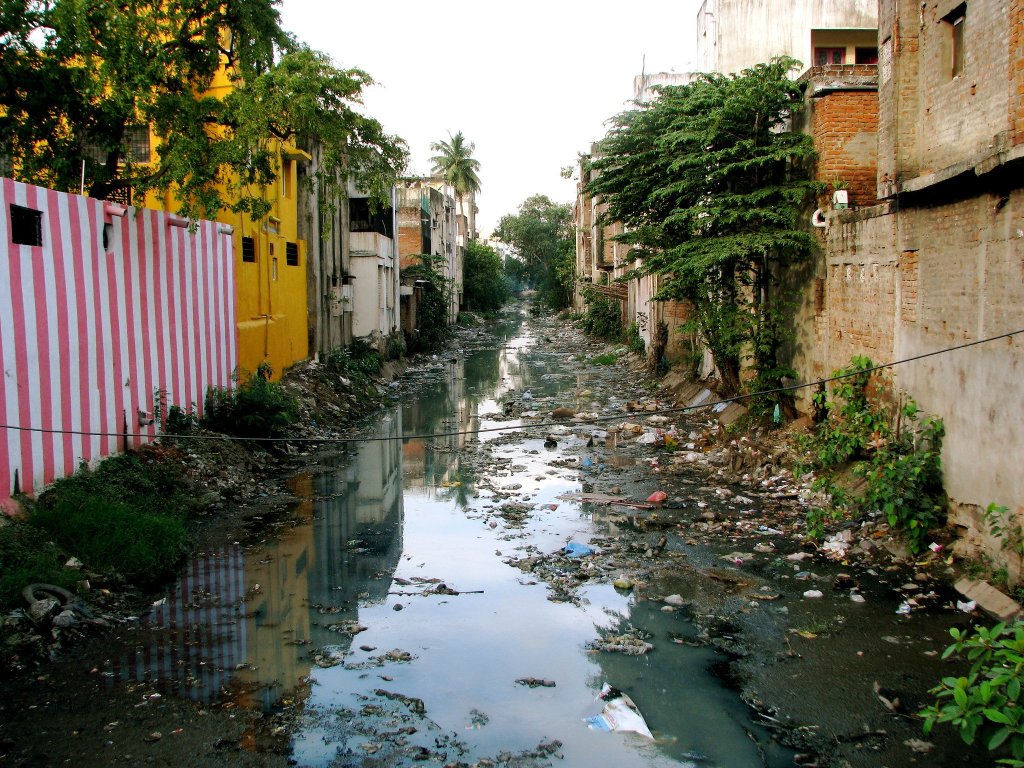
Well looking at the picture above I think, Indians doesn’t seem to be having this thinking. Such disregard of Water, the thing which makes our life possible definitely has to be one of the most irresponsible thing done by humans. Especially, Indians who worship these seas and rivers themselves are the one’s polluting it the most. The holy river of GANGES, which is generally called the most pure river in the whole country itself is the most polluted one. Severly polluted Ganges river which provides water to 40% of India’s population in total of 11 states serving an estimated population of 500 million people, is the fifth most polluted river in the WORLD. Sewage discharge from cities, towns and some villages is the most prevalent cause of water pollution in India. Major cities of India produce 38,354 million litres per day (MLD) of sewage, but the urban sewage treatment capacity is only 11,786 MLD. The scientific analysis of water samples from 1995 to 2008 indicates that the organic and bacterial contamination is severe in water bodies of India. This severity is increased at an even more rapid rate until 2020. According to A reliable source, Around 80% of India’s water is severely polluted because people dump raw sewage, silt and garbage into the country’s rivers and lakes. This has lead to high scarcity of drinkable water. Experts predict that 40% of people may not have a connection to a clean water source by 2030. Then how come are we yet not sincere about not just saving water but Ourselves? As urban areas households get more and more facilities of 24*7 running water taps and availability of drinking water, lesser is the value of the latter. Around 70% of wastewater from household, industries, etc. goes untreated and each day, more than 40 million liters of wastewater flows directly into India’s lakes, rivers and ocean. This waste while travelling from small to big waterbodies, go on contaminating all of it along with the organisms living within. Lakhs of fishes and other underwater living organisms die as they eat or get caught in this waste. This waste even covers the inner and outer surface area of the water at times and thus disbalancing the oxygen levels in the water, due to which the organisms die in huge quantities. This water also enters the groundwater and makes it polluted and undrinkable as well.
Further, this water when reaches to households it immensely affects the health of individuals especially, children. Each year, more than 1.5 million Indian children die from diarrhea. It affects the irrigation systems in fields as this water doesn’t allows the crops to grow properly due to it’s I’ll properties, infectious and diseased bacteria into it. Because of the poor infrastructure and absence of sewage control, 38 million Indians suffer from waterborne diseases like typhoid, cholera and hepatitis every year. Worldwide, waterborne diseases cause more deaths than AIDS, tuberculosis and measles combined in children under 5-years-old. This severity of pollution affects humans and other organisms, plus our food security and the GDP growth of nation. As the diseases spread, the more people get ill and cease work which decreases productivity of companies, crops damage reduces the agricultural revenue too. Hence proved, that this problem is not as small as we think of it. Be it socially or economically it has a bad effect on the country as a whole. It is necessary for all the people to get educated regarding the same as soon as possible and start contributing their part in preventing water pollution and wastage.
Steps taken..
India is taking several steps to rebalance the quality of its water source, from flocculation and reuse of industrial water to the contributions that local Indian startups are making. In Chennai, a city in Eastern India, industrial water reuse rose from 36,000 to 80,000 cubic meters in 3 years, from 2016 to 2019. VA Tech Wabag, a water company quartered in Chennai, also built numerous water reuse plants all across India. As of 2020, VA Tech Wabag contributed immensely to the production of more than 18 million cubic meters of clean water every day, which has positively impacted almost 100 million people globally. In Gujarat, a state of more than 70 million citizens, the government launched its Reuse of Treated Waste Water Policy, which aims to drastically decrease the use of the Narmada River. It will install 161 sewage treatment plants all across Gujarat in order for industrial and construction sectors to use the treated water. Evaluations offer that in 2015, the Indian government installed almost 16,000 reverse osmosis systems in Karnataka and 281 solar electrolytic defluoridation plants in Madhya Pradesh.
But the most important part is we all have to remember that only Government officials and workers alone couldn’t sort this situation for the whole country. Ech and every individual has to do their part to ‘save water and save future’.



 Eduindex
You must be logged in to post a comment.