

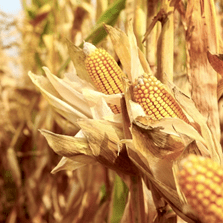
- An enzyme that produces some mycotoxins less deadly has been discovered by a group of Agriculture and Agri-Food Canada (AAFC) researchers at the London Research and Development Centre in London, Ont.
WHY IT MATTERS? - Mycotoxin infection in crops can have a massive monetary impact for farmers and biofuel producers, and consumption by humans or livestock can have serious health concerns, including death.
- The discovery was an accident as per Dr. Mark Sumarah, a mycotoxin and fungal expert at the London Research and Development Centre.
- Sumarah and his colleague Dr. Justin Renaud were initially seeking to discover more a few mycotoxin referred to as orchotoxin A and therefore the possible risk of it to contaminate Canadian grapes, and subsequently wine. Sumarah says orchotoxin A may be a significant mycotoxin worldwide, but there was not much data on its effect in Canada.
Mycotoxins are toxic metabolites generated by fungi that inhabit crop species which prevents them to survive on plants, but when consumed they will put the health of humans and livestock at risk. - Long time ago, the investigators were observing the fungus Aspergillus to look for orchotoxin A, and located that Aspergillus produced not only orchotoxin A, but another sort of mycotoxin known as fumonisin. Sumarah says this wasn’t unforeseen, but what was a shock is that the fungus produced varieties of fumonisin that nobody had glimpsed in the past. The most interesting thing about these compounds was that although every formerly known fumonisin contains a nitrogen molecule, these new ones didn’t .
- This made the scientists curious. Sumarah, and Renaud did further work to decide that nitrogen is the single-most valuable factor in the toxicity of fumonisins.
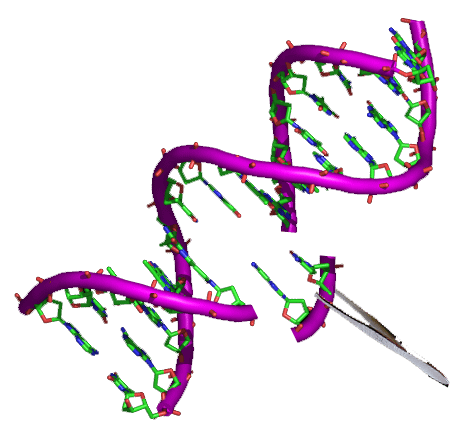
- The scientists figured it had to be an enzyme. The team then successfully separated the enzyme responsible for transforming some fumonisins into types that need nitrogen, and began work in partnership with Lallemand Inc. through a Canadian Agricultural Partnership project to commercially create the enzyme for the decontamination of fumonisins.
Lallemand may be a privately held company based in Quebec that produces yeast, bacteria the main target of the enzyme for the corporate like Deoxynivalenol (DON), fumonisins can contaminate crops and cause infection or develop challenges for livestock, and become concentrated in distillers grains from biofuel production. - Sumarah says that fumonisins are a worldwide problem and he has colleagues in areas where corn is a staple in the diet, such as South Africa and Latin America, who are concerned about fumonisins related to human health. Fumonisins are linked to esophageal cancers and there’s suspicion they’re linked to ectoderm birth defects and other cancers
- Although commercialization of the enzyme is several years away, the research trio have an interest find an enzyme which will tackle DON.
reference- https://www.country-guide.ca/crops/accidental-discovery-could-be-a-mycotoxin-game-changer/
https://www.agric.wa.gov.au/mycrop/diagnosing-fusarium-head-blight-cereals
 Eduindex News
You must be logged in to post a comment.