
SDG 2 : Zero Hunger.

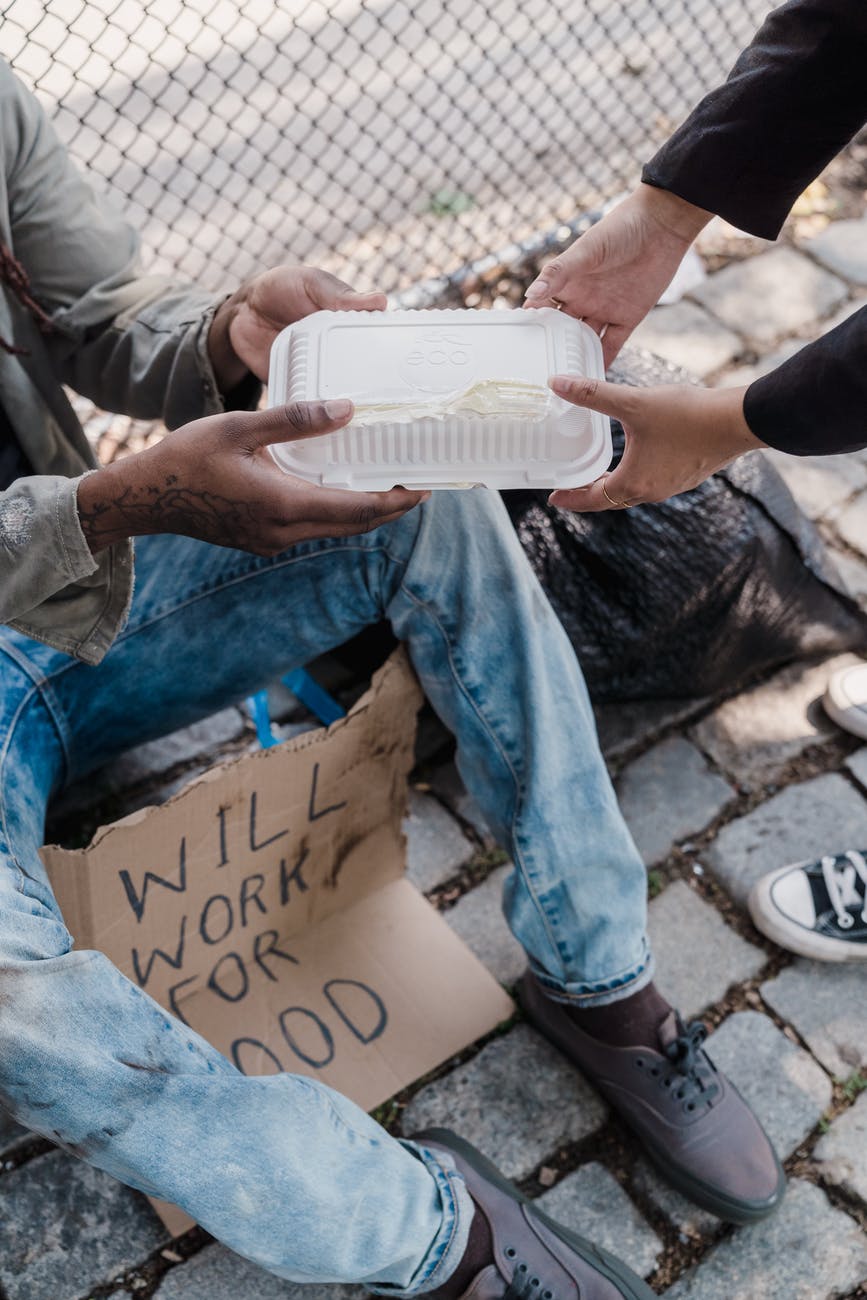
In 2012, at the United Nations (UN) Conferences on Sustainable Development in Rio de Janeiro, Brazil, world representatives created the Sustainable Development Goals (SDGs). The purpose of creating SDGs was to produce a set of universal goals that meet the urgent environmental, political and economic challenges facing our world, according to the UN Development Programme. There are 17 SDGs that the UN hopes to meet by 2030, the second of which is Zero Hunger. More than 800 million people around the world are hungry. The United Nations’s second Sustainable Development Goal, Zero Hunger, aims to end world hunger by 2030.

Hunger is not caused by food shortage alone, but by a combination of natural, social, and political forces. Currently, natural resources that are necessary for human survival—like freshwater, the ocean, forests, soils, and more—are dwindling. Climate change is contributing to the degradation of precious resources, as severe weather events, like droughts, become more common and affect harvests, leading to less food for human consumption. Poverty and inequality are also two drivers of hunger, affecting who can buy food, as well as what kind of food, and how much, is available. Hunger is also a product of war and conflict. During periods of unrest, a country’s economy and infrastructure can become severely damaged. This negatively affects civilian access to food by either driving up food prices, interfering with food production, or forcing people from their homes. Some governments and military groups have even used starvation as a war tactic, cutting off civilians from their food supply. In 2018, the UN declared this tactic a war crime.

The total number of persons suffering from severe food insecurity has been on the rise since 2015, and there are still millions of malnourished children. The economic slowdown and the disruption of food value chains caused by the pandemic are exacerbating hunger and food insecurity. In addition, the upsurge in desert locusts remains alarming in East Africa and Yemen, where 35 million persons already experience acute food insecurity. Owing to the pandemic, some 370 million schoolchildren are missing the free school meals that they rely on. Measures to strengthen food production and distribution systems must be taken immediately to mitigate and minimize the impacts of the pandemic.

The world is not on track to achieve Zero Hunger by 2030. If recent trends continue, the number of people affected by hunger would surpass 840 million by 2030. According to the World Food Programme, 135 million suffer from acute hunger largely due to man-made conflicts, climate change and economic downturns. The COVID-19 pandemic could now double that number, putting an additional 130 million people at risk of suffering acute hunger by the end of 2020.
Rural Development.

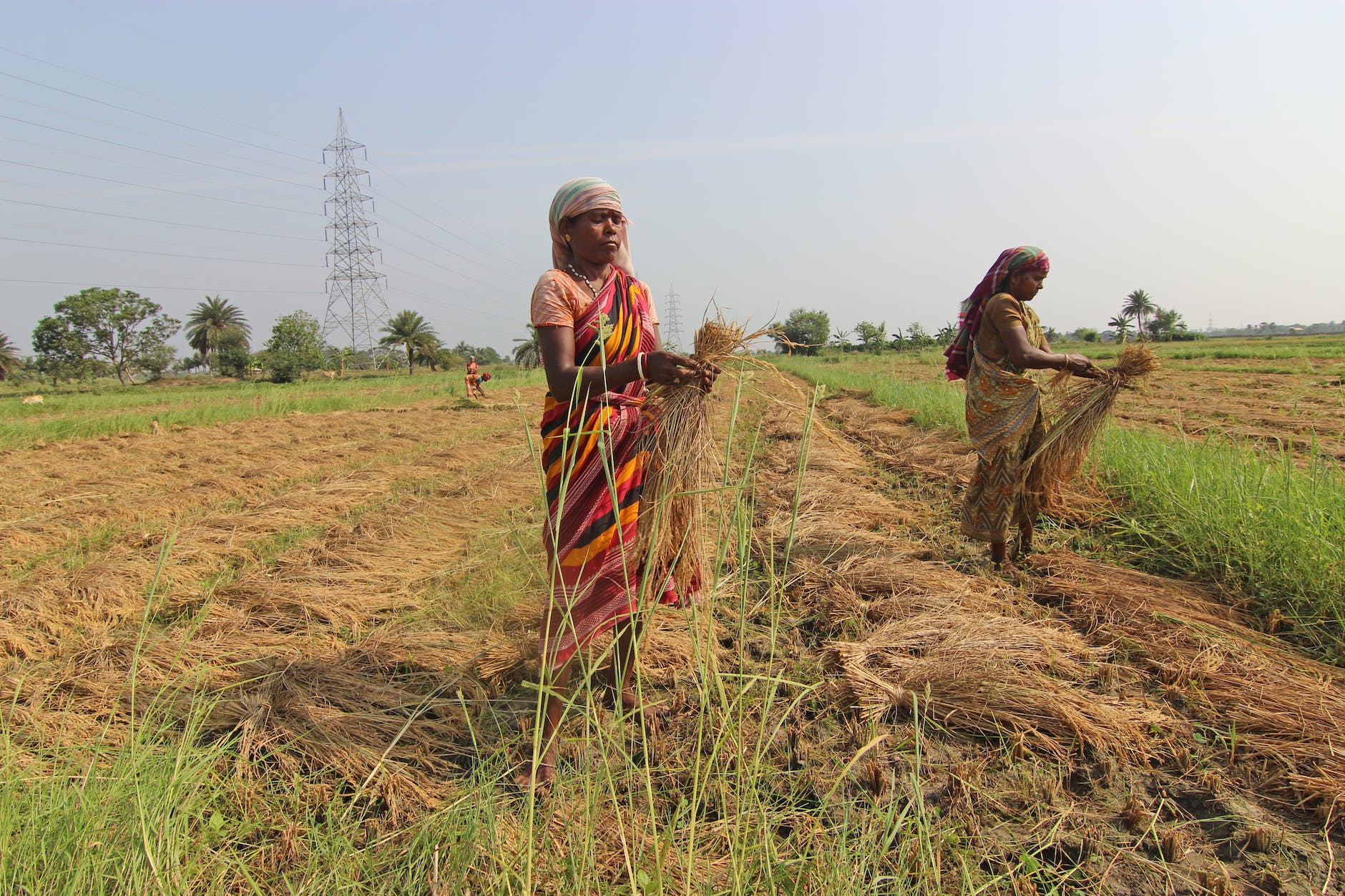
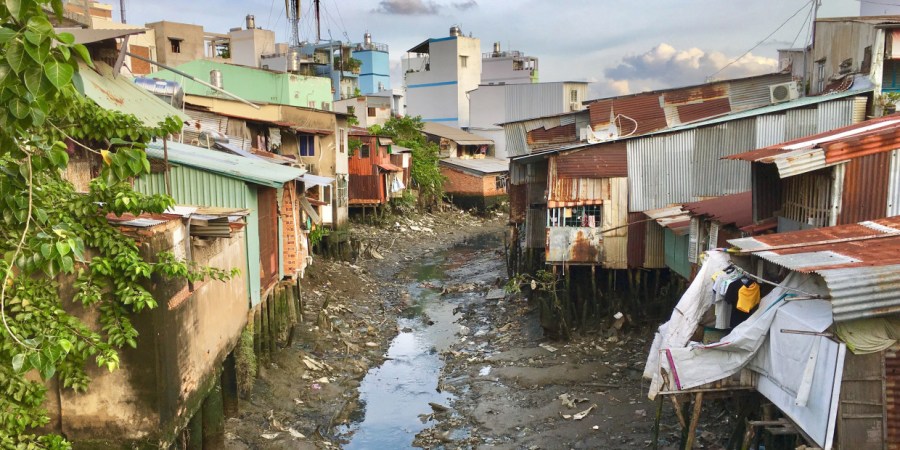
The majority of population in India (about 73 per cent) is living in rural areas. Living conditions of the rural people are very poor. Under such a situation, development of rural areas must receive adequate attention in various schemes designed for the development of Indian economy.

The rural part of the country is still underdeveloped, and the government is doing what all they can to make sure that the rural part also has all the resources like the urban of the country has. But if survey gets conducted at various parts of the country, one will find out that still there are a lot of city and villages in the country whose development is still under process. Various kinds of roads and bridges are being made in various rural parts of the country so that they get connected to an urban part of the country, and thus people from rural part can travel to urban part easily to do various kinds of jobs.

Many industrialists have stepped out to develop rural part of the country, and that is why a lot of malls, call centers, and other industries are getting set up in various rural parts of the country. These industries will not only make job opportunities for the rural people, but it will also enhance their knowledge about certain things.

The following measures can he taken to attain rural development in the country.

  • Improvement of sanitation and for the improvement of sanitation, arrangements for supply of pure drinking water should be made. Tube-wells and ponds should be dug.
  • Education of the masses, Mass education should be introduced to remove the ignorance of the villagers. Education should be made free and compulsory.
  • Establishment of schools for poor people. Night schools should be set up for poor to teach elementary Hygiene and scientific methods of cultivation.
  • Establishment of cheap medical aid for people in rural areas. Hospitals should be established to give cheap medical aid to the people living in rural areas.
  • Construction of good roads and other means of communication is must.
  • Co-operative Credit Societies should be set up to provide loans to the peasants.

The Ministry of Rural Development is engaged in implementing a number of schemes which aim at enabling rural people to improve their living standards. Education, removal of poverty and speedy socio-economic progress is the goal with which the development programmes are being implemented through a multi pronged strategy, reaching out to the most disadvantaged sectors of society Huge priority is being accorded to provide clean drinking water, rural housing and road. The social security programmes are being implemented for providing assistance to the destitute and downtrodden. Assistance and encouragement to voluntary agencies and training of functionaries forms part of the emphasis on accelerated rural development. The ministry is constantly endeavouring to empower the Panchayt Raj institutions in terms of functions, power and finance. In the new initiative the Gram sabha has become the most significant institutions. Non-Government Organisations self help group and Panchayati Raj institutions have been accorded adequate role to make participating democracy meaningful and effective. Development of waste lands desert and drought prone areas has also been undertaken along with land reforms.

Rural Development.

The majority of population in India (about 73 per cent) is living in rural areas. Living conditions of the rural people are very poor. Under such a situation, development of rural areas must receive adequate attention in various schemes designed for the development of Indian economy.

The rural part of the country is still underdeveloped, and the government is doing what all they can to make sure that the rural part also has all the resources like the urban of the country has. But if survey gets conducted at various parts of the country, one will find out that still there are a lot of city and villages in the country whose development is still under process. Various kinds of roads and bridges are being made in various rural parts of the country so that they get connected to an urban part of the country, and thus people from rural part can travel to urban part easily to do various kinds of jobs.

Many industrialists have stepped out to develop rural part of the country, and that is why a lot of malls, call centers, and other industries are getting set up in various rural parts of the country. These industries will not only make job opportunities for the rural people, but it will also enhance their knowledge about certain things.

The following measures can he taken to attain rural development in the country.

  • Improvement of sanitation and for the improvement of sanitation, arrangements for supply of pure drinking water should be made. Tube-wells and ponds should be dug.
  • Education of the masses, Mass education should be introduced to remove the ignorance of the villagers. Education should be made free and compulsory.
  • Establishment of schools for poor people. Night schools should be set up for poor to teach elementary Hygiene and scientific methods of cultivation.
  • Establishment of cheap medical aid for people in rural areas. Hospitals should be established to give cheap medical aid to the people living in rural areas.
  • Construction of good roads and other means of communication is must.
  • Co-operative Credit Societies should be set up to provide loans to the peasants.

The Ministry of Rural Development is engaged in implementing a number of schemes which aim at enabling rural people to improve their living standards. Education, removal of poverty and speedy socio-economic progress is the goal with which the development programmes are being implemented through a multi pronged strategy, reaching out to the most disadvantaged sectors of society Huge priority is being accorded to provide clean drinking water, rural housing and road. The social security programmes are being implemented for providing assistance to the destitute and downtrodden. Assistance and encouragement to voluntary agencies and training of functionaries forms part of the emphasis on accelerated rural development. The ministry is constantly endeavouring to empower the Panchayt Raj institutions in terms of functions, power and finance. In the new initiative the Gram sabha has become the most significant institutions. Non-Government Organisations self help group and Panchayati Raj institutions have been accorded adequate role to make participating democracy meaningful and effective. Development of waste lands desert and drought prone areas has also been undertaken along with land reforms.

World poverty


Poverty entails more than the lack of income and productive resources to ensure sustainable livelihoods. Its manifestations include hunger and malnutrition, limited access to education and other basic services, social discrimination and exclusion, as well as the lack of participation in decision-making. In 2015, more than 736 million people lived below the international poverty line. Around 10 per cent of the world population (pre-pandemic) was living in extreme poverty and struggling to fulfil the most basic needs like health, education, and access to water and sanitation, to name a few.


While pre-pandemic global poverty rates had been cut by more than half since 2000, the COVID-19 pandemic could increase global poverty by as much as half a billion people, or 8% of the total human population.


For those who work, having a job does not guarantee a decent living. In fact, 8 per cent of employed workers and their families worldwide lived in extreme poverty in 2018. One out of five children live in extreme poverty. Ensuring social protection for all children and other vulnerable groups is critical to reduce poverty.

Recent estimates for global poverty are that 9.2% of the world, or 689 million people, live in extreme poverty on $1.90 or less a day, according to the World Bank.

Money isn’t a complete measure of poverty. Other dimensions of poverty include access (or lack thereof) to work, health, nutrition, education, sanitation, housing, etc.

A study of 13 developing countries found that government spending on education and health accounted for 69% of the total reduction of economic inequality. The entire health budget of Ethiopia, a country of 105 million people, is equivalent to just 1% of the fortune of the world’s richest man, Amazon CEO Jeff Bezos.