

Northern India has emerged as the most favoured spiritual travel destination followed by Southern, Western and Eastern regions in the country, reveals OYO Cultural Travel 2022 Roundup Report by global hospitality chain OYO.
Regarded as the spiritual capital of India, Varanasi, which is also one of the oldest cities in the world, emerged as the top religious destination for bookers across India. This was followed by Tirupati, Puri, Amritsar and Haridwar, as per the report.
In the North zone, Varanasi emerged as the most popular destination due to its favored status among Hindus and Buddhists. This was followed by Prayagraj, Amritsar, Haridwar, Katra, and Rishikesh.
The cultural cities of Vijayawada, Mysore, Tirupati, Madurai and Vellore were most favored in South India. In the West zone, Shirdi received the maximum traction from travellers followed by Mahabaleshwar, Nashik, Ujjain, and Pushkar. Goa, which has always been a popular tourist spot, was the most favoured destinations in East India, along with Puri.
Tag: #tourism
Jaipur : The Pink City of India.
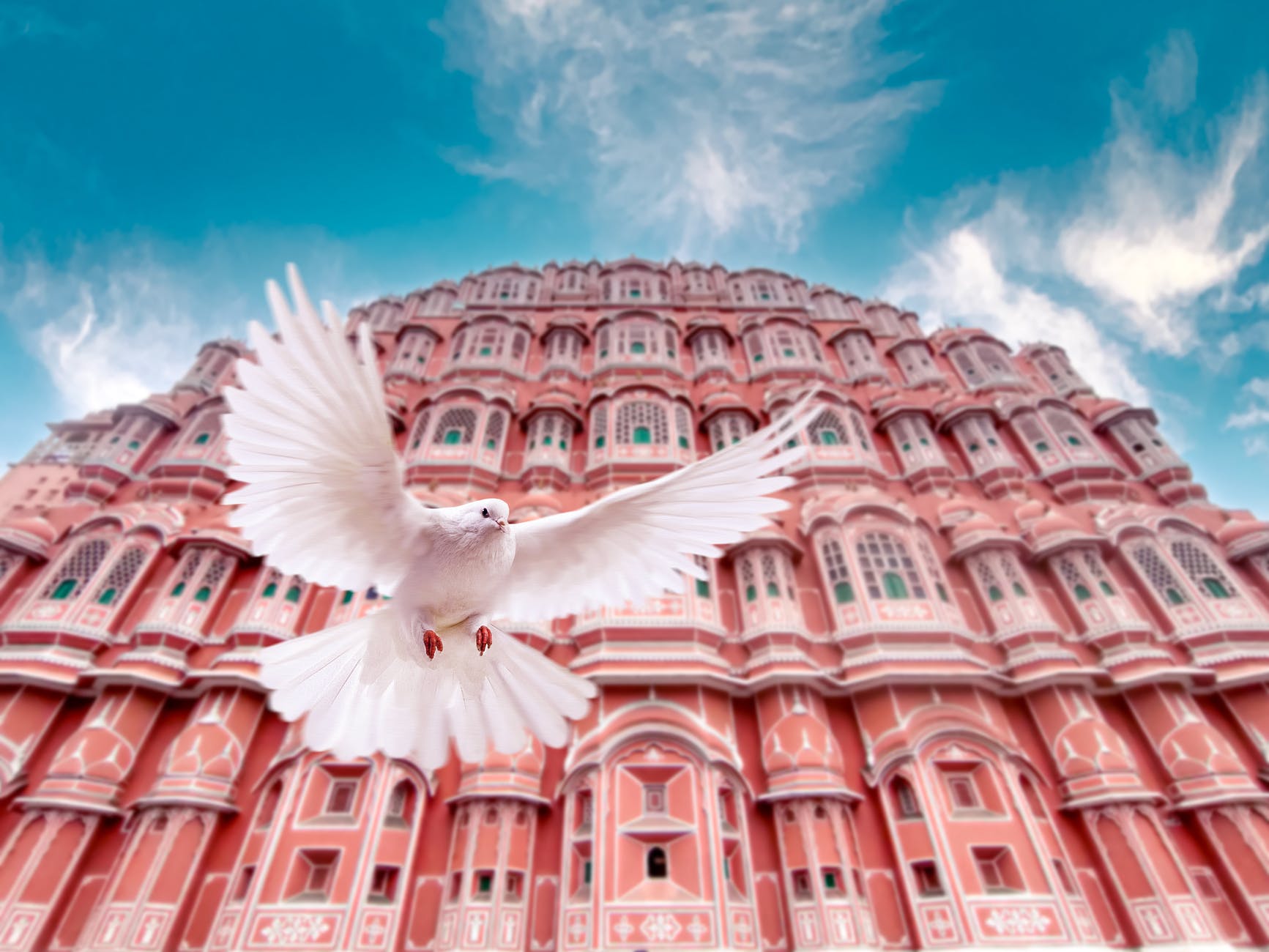
The capital of Rajasthan, the largest state in the country, Jaipur is all about its glorious history. It is also widely known as the Pink City. The name is derived from the fact that the erstwhile area of Jaipur which is now the area around the HawaMahal, was built of pink sandstone. The narrow streets, the colourful clothing, the lovely aromas bursting forth from the food, the vast number of palaces speak volumes of the deep rooted culture of the city.
Maharaja Sawai Jai Singh II invoked the artisans from all over the world and facilitated them with all the things they required, to help in creating the exotic city of beautiful architecture as Jaipur. Today, Jaipur is a hub for rich wedding destinations. Royal weddings are organized here. Exquisite destinations are specially designed for marriages, and offer an experience of one of its kind. Jaipur’s forts, monuments, and museums can be read about further.
Some of the best monuments and sites to visit in pink city are.
Amber/Amer Fort.
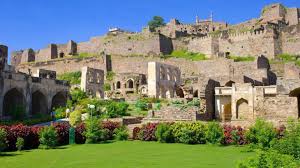
At a distance of 13 km from Jaipur Junction Railway Station, Amer Fort or Amber Fort is located in Amer near Jaipur. It is one of the best-preserved forts in Rajasthan, The architecture of Amer Fort is influenced by both Hindu and Muslim styles. Among the famous tourist places in Jaipur, Amer Fort was built using red sandstone and overlooks Maota Lake which is the main water source to the Palace.
City Palace.
City Palace, Jaipur was constructed between 1729-1732, in Jaipur as it paints the picture of heritage and rich culture. Sawai Jai Singh II has started the work of this palace, exclusively the exterior architecture of the building. Moving from Amber, he has moved to the Jaipur city because of the increase in water shortage problem which resulted in an inadequate supply of water to people.
Nahargarh Fort.
Nahargarh is one of three forts in the vicinity of the “Pink City” of Jaipur. Despite its prominence, the fort remained sadly neglected until recent years, resulting in visitors frequently overlooking it in favor of iconic and well-preserved Amber Fort on the opposite end of the ridge. Extensive restoration works and some exciting new attractions have revitalized the fort though, making it one of the top tourist places in Jaipur.
Jai Garh Fort.
Situated on one of the mountains of the Aravalli Range, Jaigarh Fort is a landmark structure in Jaipur. The strategically designed Jaigarh Fort was fundamentally built to protect the Amer Fort from any attack. Jaigarh Fort is popular for numerous reasons and the two most prominent are its mesmerizing architecture, which is a fusion of Rajputana and Mughal style, and for being the hub of artillery during the Mughal era.
Jantar Mantar.
Jantar Mantar is one of the finest monuments and striking creations by astronomers and architectures. It is a compilation of architectural astronomical devices which provided accurate astronomical results. It has even struck the modern approach of science. Jantar Mantar is the most well-known observatories amongst all the buildings formed during the sovereignty of Maharaja Sawai Jai Singh II.
Hawa Mahal.
Hawa Mahal was built by Maharaja Sawai Pratap Singh in 1799 and was designed by architect Lal Chand Usta as a ‘Rajmukut’. The Hawa Mahal was built specifically for Rajput members, and especially for women, so that the royal ladies could watch the daily drama dance in the street below, as well as have a beautiful view of the city from the window.
Central Museum
Central museum is also known as ‘Albert museum’ or ‘Government Central Museum’. This is the oldest museum of the city and was constructed in 1876 beneath the command of Lt. Swinton Jacob. Initially the building was a town hall. But on the order of Maharaja Madho Singh it was transformed into an art museum.
Top 5 tourist destination of Jaipur that you must visit
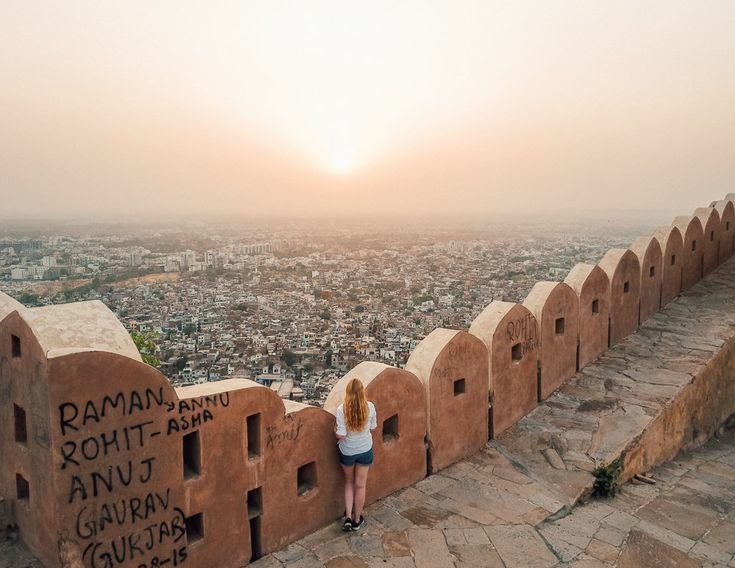
Jaipur is always honored for its magnetic heritage beauty which is indiscreet from more than thousands of years. And, if you are a lover of the wild, culture and history, then travel to Jaipur and celebrate this day by visiting some of its Heritage Sites.No trip to India is complete without spending time in Jaipur. Affectionately nicknamed “The Pink City” for the blushing color of its historic buildings, Jaipur is a princely wonderland of culture and heritage, brimming with architectural gems.
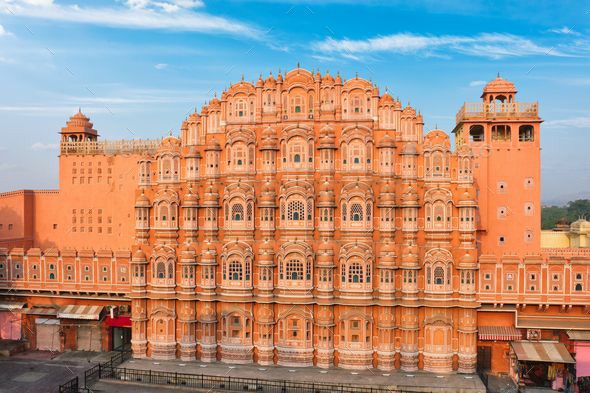
Jaipur, the Pink City of India, is an exotic destination, to say the least. From royal palaces to peppy pubs and from regal forts to plush restaurants, the city offers a fascinating mix of attractions for an avid traveler. And let’s not forget the welcoming vibe of the city, a quality that’s inherent to Rajasthan’s imperial culture and heritage. Even the hotels in Jaipur extend warm hospitality to their guests. When you are in such a warm and vibrant setting, there’s just one thing you should do – soak in the splendor of the city to the hilt. It Jaipur holds the distinction of being the first planned city of India. Renowned globally for its coloured gems, the capital city of Rajasthan combines the allure of its ancient history with all the advantages of a metropolis. The bustling modern city is one of the three corners of the golden triangle that includes Delhi, Agra and Jaipur.
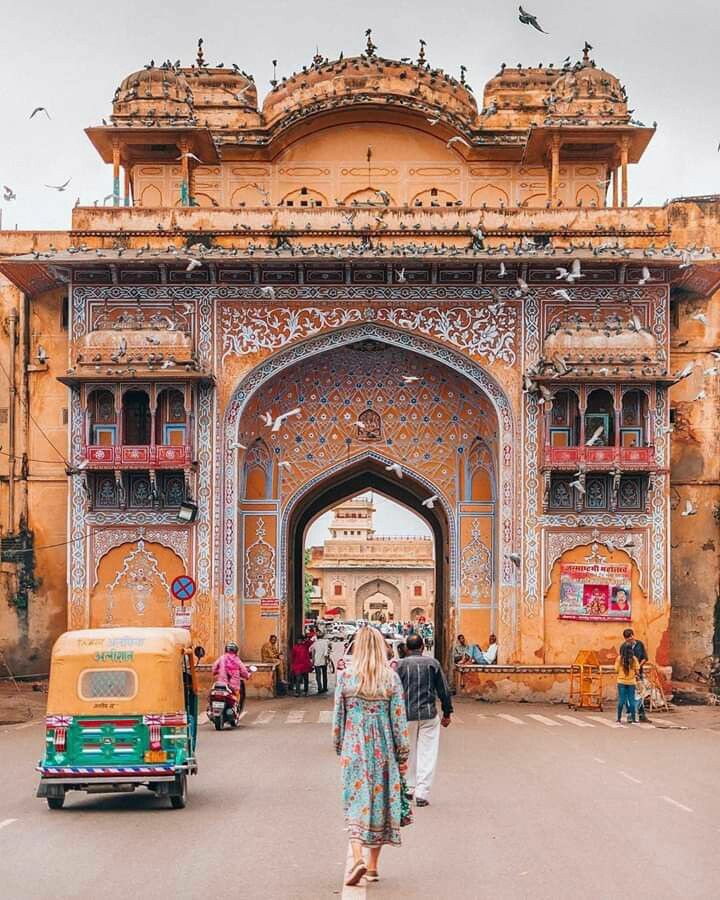
The spatial organization of the historic walled city of Jaipur continues to reflect the 18th century grid-iron plan. The architectural components like the gates and city walls, bazaars, chaupars and chowkris, historic structures, havelis, religious buildings, and water structures reflect the urban ensemble of the walled city of Jaipur as conceived from the 18th to the early 20th centuries. The materials and substance are largely original, primarily lime and stone. The bazaars (market areas) have been recently conserved using traditional materials. In some cases, 20th century structures use cement concrete but recreate the original architectural vocabulary.If you fancy elephant rides, you need to be in Jaipur to have a royal ride on the elephants. You can customize the rides the way you want, take elephant rides on jungles, through villages, in Biological Park and many more.If these are not enough to decide in favor of Jaipur, go ahead and have a look at the top list of attractions in Jaipur.
There is no death of historical places in Jaipur. A city with that embodies vibrant royalty and heritage, Jaipur is a must-visit for history buffs.Here is the list of 5 Top Historical Places In Jaipur & Best Monuments In The City.
1.Hawa mahal
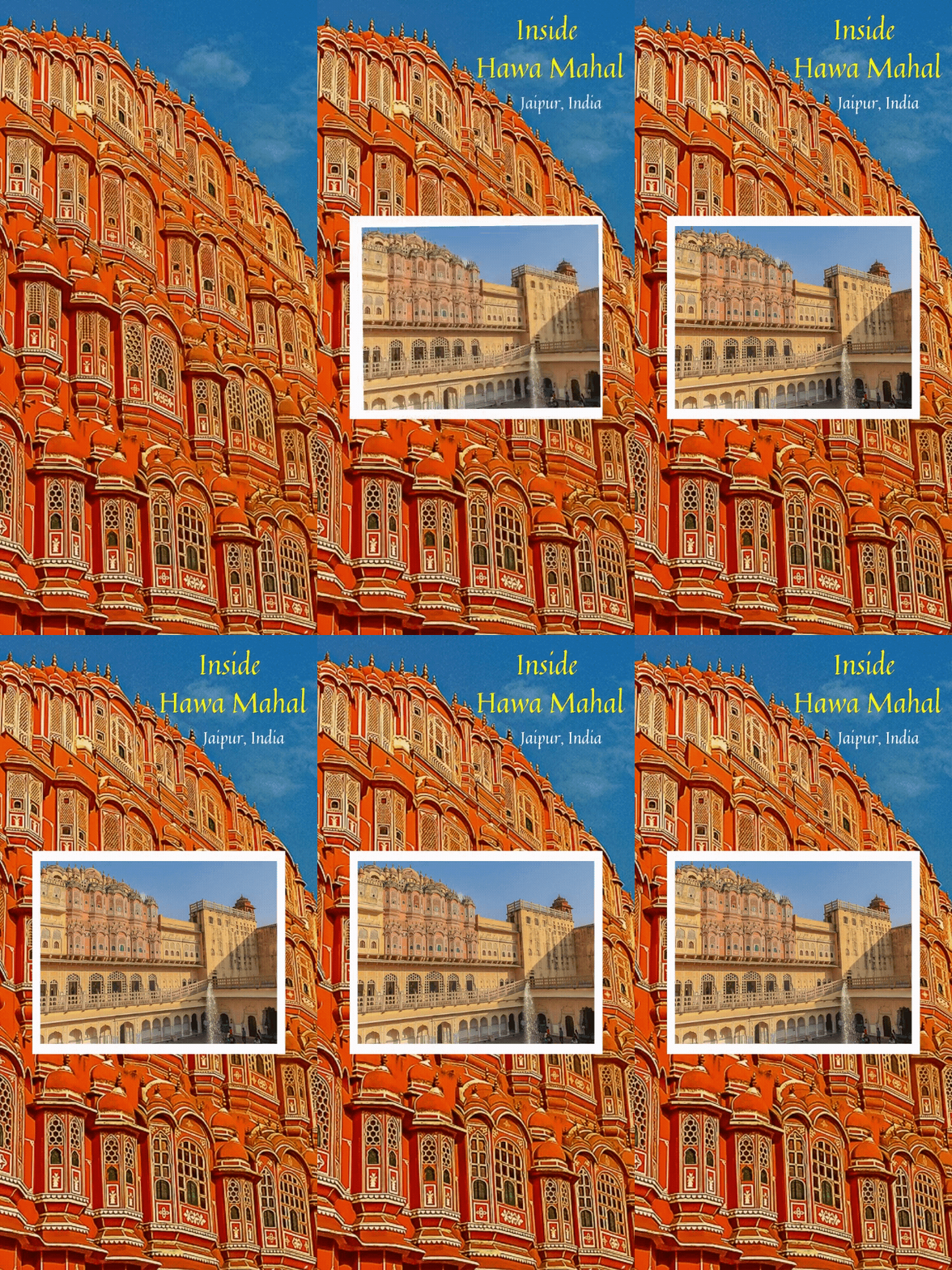
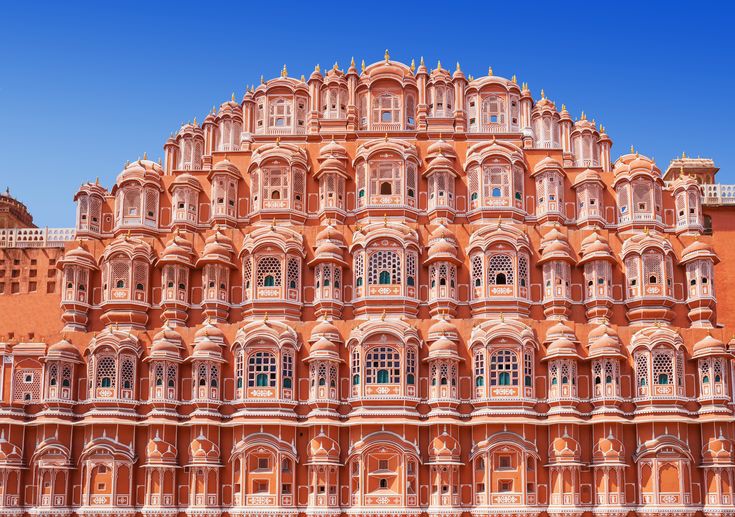
Hawa Mahal is also known as the palace of Winds because of its striking five-storey exterior, which is akin to honeycomb 953 peep windows that keep the palace cool when wind blows. Interestingly, Hawa Mahal is the tallest building in the world without any foundation and there’s isn’t any door in the front; the palace can be entered from behind. It is regarded as the signature building of Jaipur and was built by Maharaja Sawai Pratap Singh. It is an iconic historical place of Jaipur. Hawa Mahal derives its name from its unique structure, which is a mesh of small windows that allowed cool wind to enter the palace and hence kept the palace comfortable during the hot summer months.
2.Amer fort
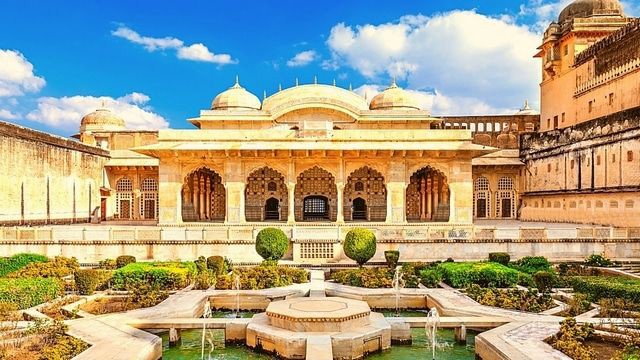
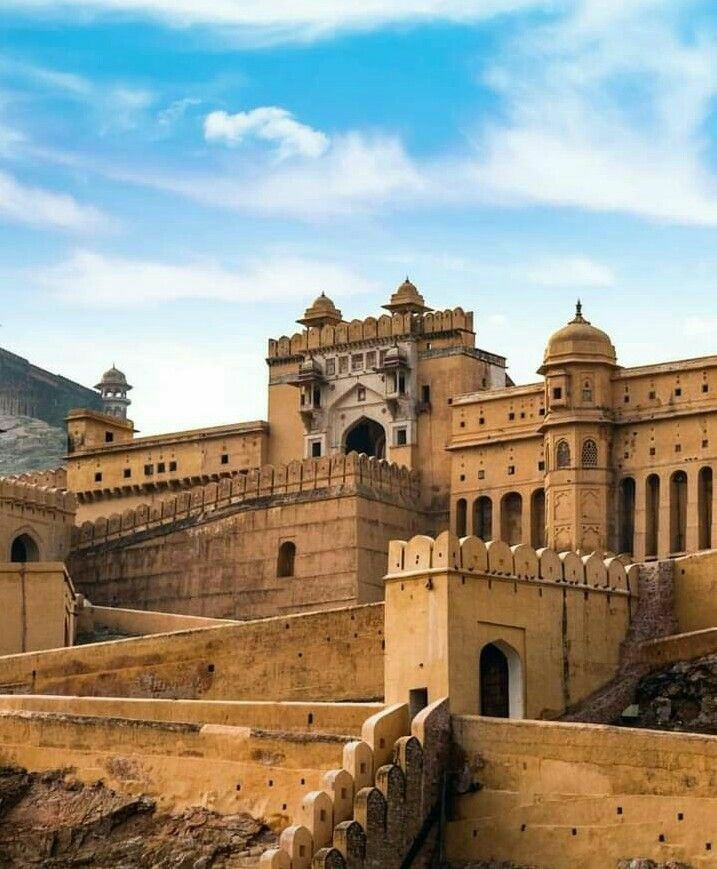
Amer Fort is a majestic citadel built by HH Maan Singh Ji I. The capital of Rajasthan before Jaipur , it is popular among local and overseas tourists for the temples , elephant rides right up to the fort and the Sound and Light Show narrated in Amitabh Bachchan’s baritone, which is a pure tribute to Rajputana heritage. The Sheesh Mahal within the fort, which is festooned with thousands of glass mirrors on its walls and ceiling, offers a fascinating aura to the visitors of this UNESCO’s World Heritage Site in Jaipur. It once served as a capital city of Rajasthan and is one of a prominent tourist attraction today with visitors coming from all over the globe.
3.city palace
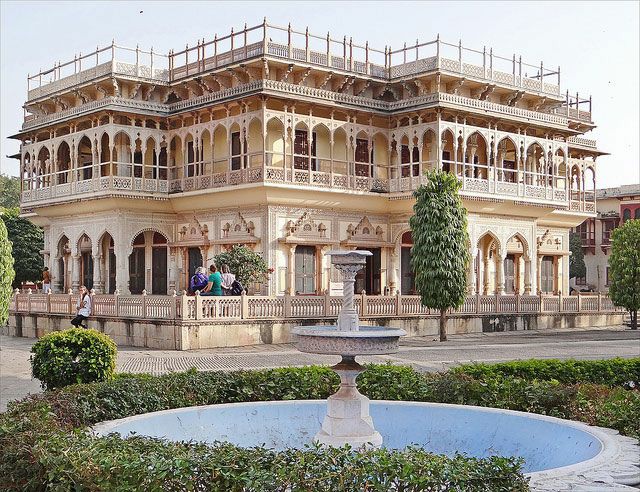
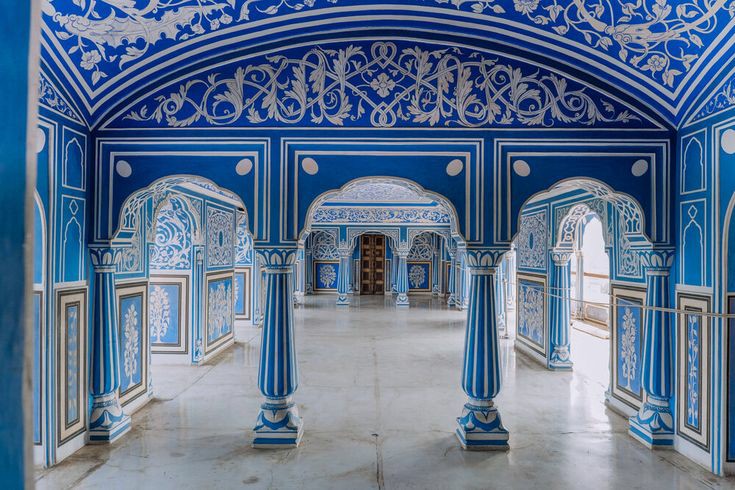
Located in the heart of the city, the City Palace is one of the most remarkable tourist attractions in Jaipur. The architecture of this palace is a splendid blend of Rajput and Mughal styles.Protected by huge guard walls, the fairy-tale-like structure is still the home of Jaipur’s modern-day royal family, and is more extravagant and enchanting than you might imagine. Adorned with sprawling gardens, courtyards, halls, royal residences, and art galleries, every part of this palace reflects Rajputana glory. The palace also houses a museum where you will come across the royal garments used by Maharaja Sawai Man Singh II and Maharaja Sawai Madho Singh I.The current occupants reside in the most eye-catching building, the Chandra Mahal, an elegant structure with curved eaves and domed rooftops. Each of its seven stories features an entirely different style. The ground floor is included in the price of admission, but you’ll need to book a private tour to go upstairs.
4.Nahargarh Fort
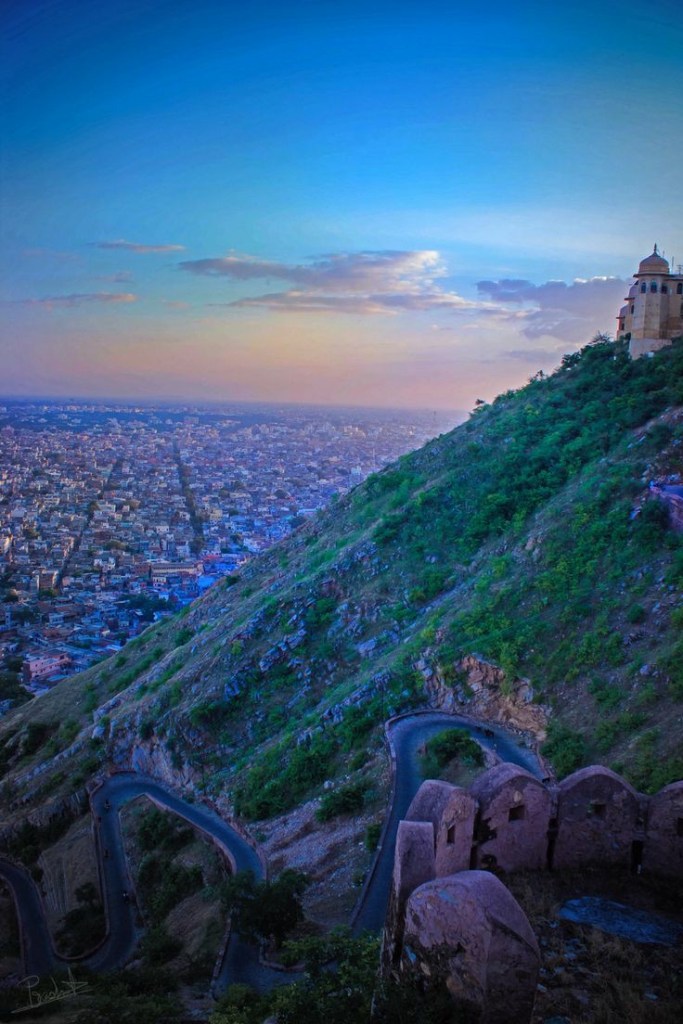
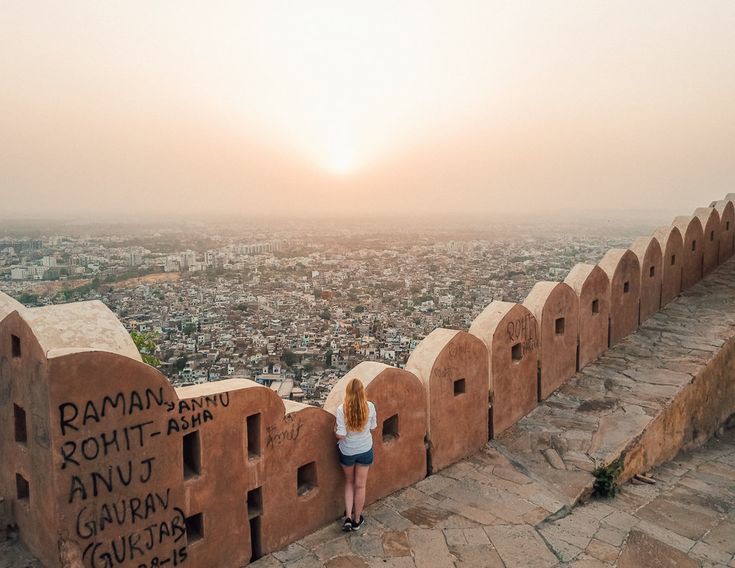
The rocky ridges of the Aravali Hills cradle Nahargarh Fort, a majestic monument that overlooks Jaipur and offers a stunning view of the city’s landscape. Built in 1734 by Jai Singh II, the then Maharaja of Jaipur, Nahargarh Fort was part of the city’s defense circle, along with Amer Fort and Jaigarh Fort. The fort served as a hunting retreat for the royal family. Today it is a splendid viewpoint to watch glorious sunsets over the Pink City. When it comes to sightseeing around Jaipur, the views don’t get better than what you’ll find at Nahargarh Fort.Also known as Tiger Fort, the nearly 300-year-old fort overlooks the entire city from atop the Aravalli Hills—a prime location for the structure to defend Jaipur against enemies many years ago.
5.Galta Ji
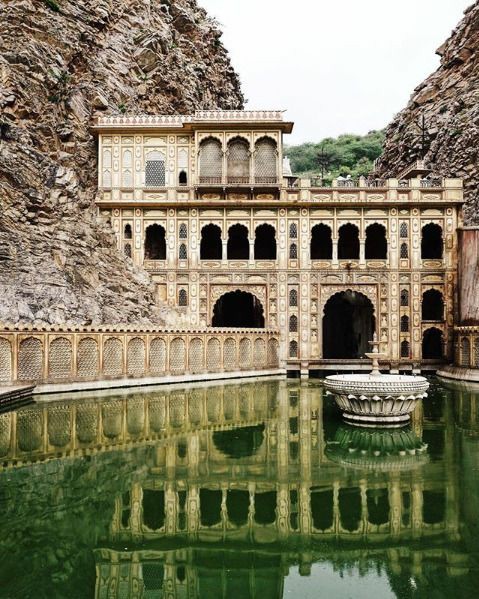
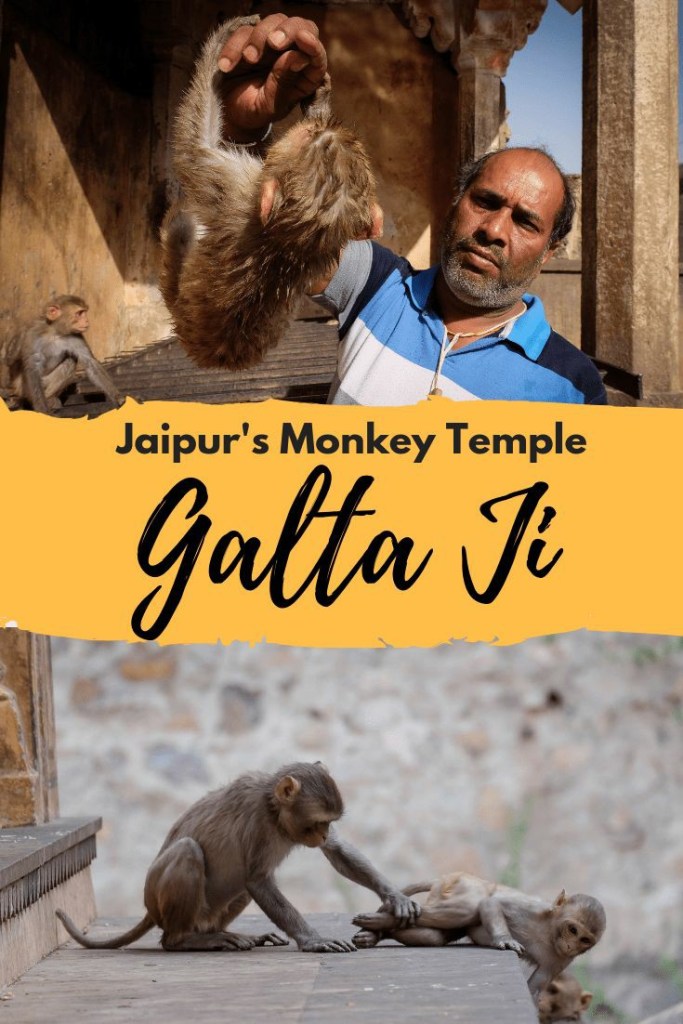
Nestled between cliffs, the temple features a few sacred water tanks, some with modest fountains, as well as frescoes that tell tales about Hindu god Krishna.While the official name for this place is Galta Ji, it’s better known as the Monkey Temple for the hundreds of macaques and langurs that live here. Daring tourists might opt to buy a handful of peanuts at the gate to tempt the monkeys, but you’re better off just watching the rambunctious creatures from a distance.This temple complex is known for its brilliant architecture and religious significance.Visitors and pilgrims can ascend the crevasse, continuing past the highest water pool to a hilltop temple from there are views of Jaipur and its fortifications spreads out across the valley floor. It is believed that a Saint named Galav lived here, practiced meditation, and did penance.
There is no end to the tourist destination in Jaipur but the above mentioned are probably the most famous and most visited destination in Jaipur. No place in india is culturally as rich as jaipur and above all , the various monuments and palaces adds to its beauty. If you are passionate about the strong forts and marvelous architecture that flaunt the expertise of old artisans,then Jaipur is where you need to be on your next vacation.
“ATITHI DEVO BHAVA” – Part 2.
Some points prepared by the Ministry of Tourism & Government of India, Part – 2:
The Seven Point of Atithi Devo Bhavah Programme:
Atithi Devo Bhavah is a programme of hospitality and training. Sensitization- sensitize various sections of the tourism industry about how each of them has to contribute for the growth of the tourism industry and how they will benefit from the programme .
Training and Induction- explaining to them the needs and expectations of the tourist, how they should respond and behave in order to satisfy the needs and expectations of the tourist.
Motivation- must be generated to participate in this programme through various measures e.g. Awards for the best worker in the segment. An enthused worker can do wonders. Certification to ensure standards at various stages.
Feedback- Feedback must be obtained from tourists about the service they have received and the experience they have had, in order to improve the training programme on a continuous basis.
General Awareness- The mass media communication campaign must be undertaken to create general among the public about the necessity and the benefits of the Atithi Devo Bhavah Programme.
Ownership-The Atithi Devo Bhavah programme is a movement which will urge all segments of the Indian society to adopt, and look upon it as their own.
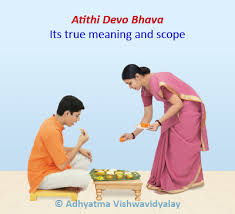
The Charter of the Programme:
Hygiene and Cleanliness: Hygiene and Cleanliness shall cover the areas of product, for example, vehicles like taxies, hotel rooms, restaurants, shops, etc., personal hygiene and cleanliness of the person providing the service and cleanliness of the monuments / places of tourist interest.
Conduct and Behaviour: The person concerned, for e.g. the taxi driver / hotel employee shall behave in a courteous and polite manner towards tourists.
Integrity and Honesty: The person providing service to the foreign tourists should display honesty and integrity.
Safety and Security: The safety and security of the tourists shall be ensured.
PR Road Shows : Besides training, PR Road shows are also undertaken with the tourism trade in order to generate active participation and create an ownership of the Atithi Devo Bhavah programme. Right now the contact programmes are being conducted in several cities.
Mass Media Communication : Communication in newspapers, TV, cinema and outdoors is also carried out to create general awareness about the Atithi Devo Bhavah programme and to communicate to key stakeholders as to how it is in their own interest that foreign tourists be treated well so that they will go back happily carrying fond memories.
Courtesy : Ministry of Tourism Government of India 2004, webmaster@incredibleindia.org
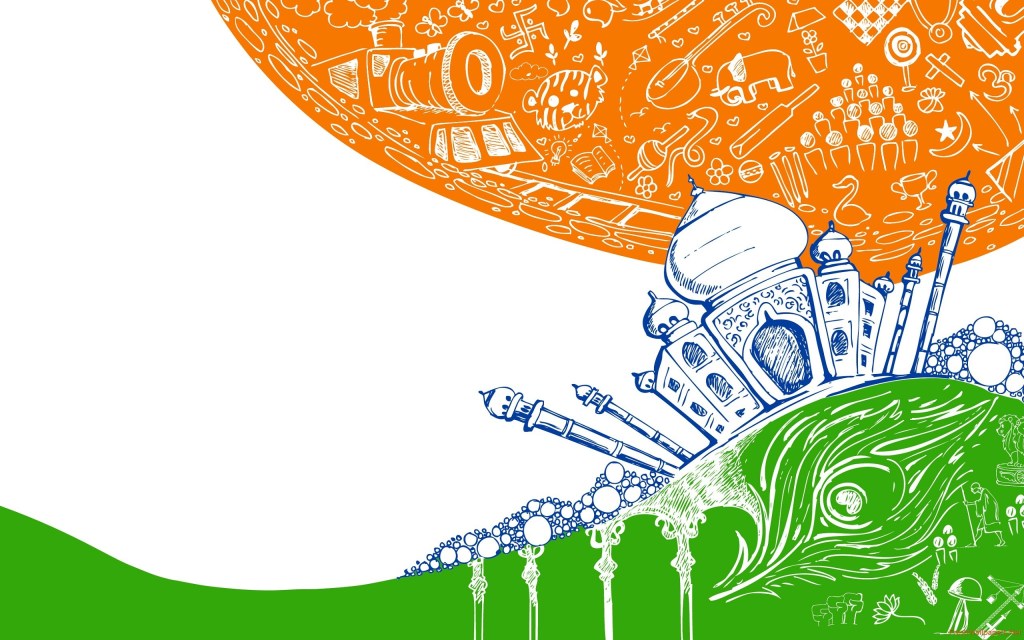
” ECO TOURISM “
Eco tourism means responsible travel to natural areas conserving the environment and improving the well being of local people.
The Ecotourism Society of India is dedicated to the promotion of sustainable development in tourism and to develop responsible practices in and among the tourism fraternity. It works towards continuous identification of new ecotourism destinations, strengthening ecotourism and making India a preferred ecotourism destination. Its objectives are : –
•Make strategy for ensuring long-term (perpetual) sustenance of the environment. Work with empowered bodies to establish carrying capacity and sustainable tourism practices which include conservation of nature and wildlife, and allow ENS local communities to benefit from tourism. To balance tourists and visitors’ numbers and ensure good tourism practices that would allow nature to re-generate itself. To work with government bodies to develop policies and code of conduct for promotion of sustainable tourism, and help implement the same. To work towards certification of tourism service providers. To act as watchdog for excessive consumption of natural resources and any negative impact in the tourism sector. To support research in tourism environment related areas.
•Work with service providers to enhance quality of their product and eco-friendly services. Encourage use of appropriate local practices, materials, art, craft, architecture, food. Encourage minimal conspicuous consumption and prevent excessive consumption of energy. Encourage energy saving practices, water harvesting, use of solar and other natural energy sources. Encourage good waste management practices especially non-biodegradable materials. Encourage low pollution-generating practices to minimize carbon footprint. Organise training and other activities to create awareness on ecotourism, sustainable and responsible tourism. To collaborate with like-minded bodies and implement ecotourism objectives all over the world.
“ATITHI DEVO BHAVA” – Part 1.
Land of all Seasons:
India is the current tourism hot spot. The other epithets used while referring to the nation include ‘Destination of the Millennium’ and ‘Land of All Seasons’. Spanning an area of 3,287,263 square kilometers, India is a vast country and includes dry desert areas, evergreen forests, snowy Himalayas, a long coast, and fertile plains.The natural beauty and cultural diversity of the place echoes a rich tradition. India flaunts with equal grandeur bays and beaches, deserts and mountains, enigmatic green valleys and backwaters. There exists in India a comfortable juxtaposition of contrasts- the existence of bustling haats and swanky malls, emergence of nuclear families but a reluctance to let go on the joint family system, a rush to embrace modernity yet a firm resolve to preserve traditions; destination for both ayurveda and modern medical tourism; bustling communities and indigenous tribes.
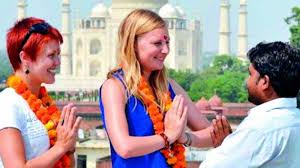
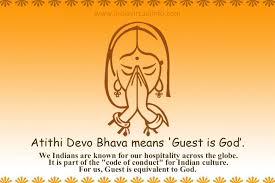
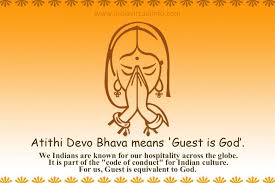
India has a rich heritage and culture of warm hospitality. In India it is believed that honouring guests equals to honouring God. A guest is welcomed into our home and hearth with cheerful gratitude. The Sanskrit adage ‘atithi devo bhava’ dictates the respect granted to guests in India. This wonderful tradition of our country has become the unique selling point of the modern tourism industry. Ministry of Tourism, Government of India has pioneered an initiative that will help tap into the full potential of tourism in India. Ministry of Tourism, Government of India has introduced “Atithi Devo Bhavah Program”- a nation wide campaign that aims at sensitizing key stakeholders towards tourists, through a process of training and orientation. The endeavour is to boost tourism in India, which in turn would act as a catalyst for India’s economic growth.
The ‘Incredible India’ Campaign has been launched to create awareness about the effects of tourism and sensitizing people about preservation of our rich heritage and culture, cleanliness and warm hospitality. It also re-instills a sense of responsibility towards tourists and reinforces the confidence of foreign tourists towards India as a preferred holiday destination.
Some points prepared by the Ministry of Tourism, Government of India, Part -1:
‘Guest Is God – Atithi Devo Bhavah’
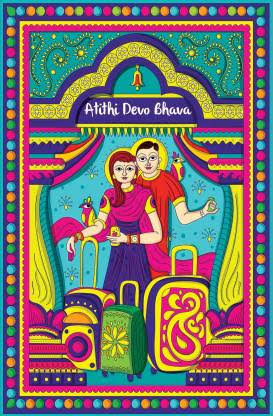
As the old saying goes, “Treat others as you would like to be treated yourself.” That is the essence of Atithi Devo Bhavah campaign. And for that to happen, we need to change our attitude towards tourists. Some of us have lost touch with the hospitality that we were famous for. Let us bring that warmth back. Let us truly embrace the spirit of Atithi Devo Bhavah.
WHY ATITHI DEVO BHAVAH? : Last year we had 3.3 million visitors, but when you consider that Singapore gets 7 million a year, Thailand 9.6 million a year and Malaysia 11.5 million, it is a small number. There is no reason why we can’t aim to increase our numbers by 100%. And that too would be just a beginning. However to do this we need to change our attitude towards those who visit us. Often tourists are mistreated, cheated and rudely dealt with. It is simple logic: if someone in a house is rude to you, as a guest, you don’t encourage your friends and relations to go there. This is perhaps the reason why, in spite of an incredible wealth of tourist spots, cultural attractions, natural wonders and destinations for the soul, India still isn’t amongst the top 15 tourist destinations of the world. The time has definitely come to get together to change this.
INSPIRATION BEHIND ATITHI DEVO BHAVAH ? : Respect has always been an integral part of the Indian soul. From time immemorial we have always respected our teachers, our elders, our parents and our guests. Perhaps this is why a great Indian Emperor once observed-‘In Hindustan our manner is very respectful and our hearts are always open’. In many ways, at that time India was the ultimate destination for the enlightened travellers. Now, thousands of years later, we can when bring that golden age back again. This inspired us to go back to those years, when Indian hospitality set the standard for the world. And we found the keystone of what we want to do ,
Or guest is blessed, Our visitor is God. That was how we arrived at our mission called ‘Atithi Devo Bhavah’.
To be continued………………
Save a ‘GEOLOGICAL HERITAGE’ Part-2.
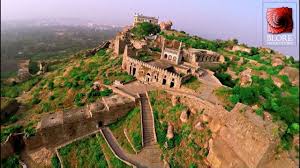
Development at the cost of nature. Part-2 :
Growth and development are inevitable and necessary to absorb the growing needs of the economy. But the problem lies in the truth that none of this growth is monitored. Giant machines dig the earth out and transport mud to all corners of the city. Ratty trucks with the broken remains of gigantic rocks can be seen ferrying the roads primarily during dusk or night. Most of this quarrying is illegal. Contractors excavate mud and destroy rocks in remote spots often under the dark cover of night for a paltry sum.
Mass destruction of rocks has exacerbated the depletion of green cover. Precious fauna and flora has been destroyed. Loss of these rocks has meant ground water depletion which has further compounded the city’s water woes. Years ago tiny lakes dotted the entire city including the famous Jubilee and Banjara hills localities. Today lakes are found only on the city outskirts in places like Shamirpet. Lakes closer to the city are shrinking every passing year.
Fighting For Conservation :
Though Hyderabad has seen the gradual depletion of rock cover, ecological conservation is an issue that has not found much voice with the population. Most citizens, especially those new to the city, are too busy focusing on seeing a snazzy Hyderabad finding its spot on the global map. But even in this bleak scenario there is a ray of hope for the rocks.
Since 1996, a group of concerned citizens have come together to prevent indiscriminate destruction of the rocks and protect the rocky landscapes. Their organization ‘Society to Save Rocks’ (STSR) has since then been working hard to preserve the rocky ecosystem in the city and state.
Due to their dedicated campaigning, the Government of Andhra Pradesh has added nine rock formations in Regulation No. 13 of the Hyderabad Urban Development Authority (HUDA) for the protection of Heritage Buildings and Precincts. This act of the governments was hailed by conservationists across the country as a great step in recognising the importance of the rocks and the need to protect them. Today Hyderabad is the only city in India where rocks are protected as a natural heritage. Encouraging the government to preserve these rocks by promoting them as tourist attractions i5 an alternative that the Society is pushing for.
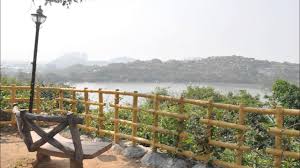
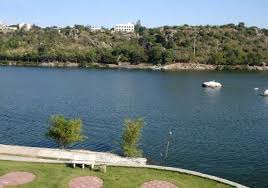
But despite STSR’s dedicated efforts, the city faces a challenge as much land in and around the city has already been sold off. Durgam Cheruvu, one of the designated heritage sites is the best place where the government’s attempt at conservation and apathy towards rocks, are both visible. Years ago the lake lay hidden between rocky cliffs and was inaccessible. A few years ago it was converted to a model tourist spot with boating and other leisure facilities. But entire stretches of hills on one bank of this protected area have been destroyed in the past decade to accommodate the fast-growing Hi-tech city. Durgam Cheruvu thus epitomises the ongoing conflict between development and protection in the city.
However some individuals have successfully managed to integrate rocks that abut their house into the structure of their homes. The rock forms as much a part of their home’s interior as does their sofa or any other furniture. Some builders and companies too have taken the initiative to include rocks in their building complexes. While they have included a natural rock structure within their building premise, their focus remains on decorative appeal rather than ecological consideration for the rocks.
Over the years, due to the efforts of organizations like the STSR, the rocks of Hyderabad have found a voice. But the din of the construction industry and growing needs of an expanding city are far louder than the voice of these few individuals. What the rocks require are greater public support and a deeper appreciation of their existence. Locals, tourists and governments need to take a pro-active approach to ensure that growth includes preservation of rocks and their eco-systems. After all if a booming economy overtakes billions of years nature, the consequences and blame will have to be borne by none other than the citizens themselves for the only people who stand to gain will in reality be the ones of who lose.
Save a ‘GEOLOGICAL HERITAGE’ – Part 1.
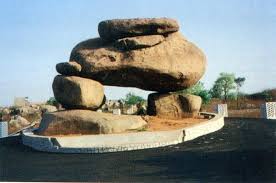

Look at the photograph given here. This is The Three Stooges, a bizarre rock formation that can be found in Goblin Valley. There are some exceptionally unique rock formations all over the world.
•Vanishing Rocks of Hyderabad:
One of the most interesting facets of Hyderabad is the mammoth granite rocks in bewitching poses that capture one’s eye and imagination. Rocks large and small precariously balance on one another to form shapes that mesmerise the mind.These rocks, among the oldest in the world, are Hyderabad’s true heritage. Even the mighty Himalayas at 40-60 million years old are younger than these rocks!
Nature’s Sculptures:
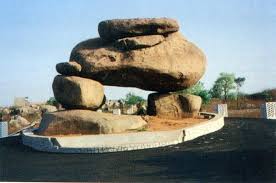
The gigantic boulders inspire creativity and reverence in people, forcing them to look beyond the obvious shapes to create imaginary forms. These rocks seem to strike poses and imitate life-a puppy seated on its hind legs with its front legs raised in the air, a car-shaped formation, flying saucer resting on rocks, four chambers of the heart, and a woman standing with her face to the a woman standing with her face to the breeze; these are just a few shapes that tickle your imagination. It is no wonder then that people have taken to naming certain rocks after the shape they think they resemble or the idea they think they epitomise.
Some of these names have stuck on and the rocks have thus become landmarks in the city. And in some other places, rocks with their symbolic shapes have inspired the devout. Natural openings and cave like structures formed by the rocks have been used as temples by locals. Many people even consider them as symbols of the divine and worship these silent sentinels.
Maintaining ecological balance:
Apart from being a visual treat for viewers, these rocks play an integral role in preserving and nurturing the ecological balance of the region. Lakes and ponds have always formed on adjoining rocky patches. This is a as rocks help natural occurrence create the natural drainage system of the area. Subterranean passages created by these rocks result in the natural flow of rain water to that area, aiding the formation of ponds and lakes and recharging ground water levels.
And where there is green, there are birds and bees. Rocky hills often act as the biodiversity hub for the area. Prickly thick shrubs and dry deciduous forests ensconce the rocks. Along the lakebeds, tall grass grows in wild abandon. Often even medicinal plants and aromatic herbs are found in the area. And hidden in this medley of plants are insects, birds and reptiles. So don’t be surprised if a Baya weaver flies by or a snake wiggles past you, when you are trekking about the rocks. Fauna and flora of varied kinds thrive in rocky eco-systems. Nature is at its best in these spots and here is where people can go to for a whiff of the wild, But today, such spots are disappearing with alarming alacrity. Rocks are being destroyed indiscriminately; the price the city is paying for growth.
Development at the cost of nature Part1:
It is easy to wonder why someone would destroy rocks that are billions of old. For centuries now these rocks have been the building material for the city. Even the famous Golconda fort of Hyderabad which sits atop a granite hill is made of the very same granite rock. The problem however lies at the speed and magnitude with which these rocks are now disappearing. Just consider the following statistics. The official 2001 census stated the Hyderabad population was around 3.7 million. But today the overflowing buses, traffic jammed streets, and expanding city borders tell a very different story. Today, this natural legacy is giving way to tall residential high-rises and software parks. Hills are being replaced with malls and buildings.
As the massive inflow of population continues, rocks are being quarried round- the-clock to cater to the exponential boom in the construction industry. Large tracts of land have been approved for residential or commercial use, without taking into consideration what actually lies on the land. The rocks are blown down, land is cleared and the hard crystalline rocks are used as construction material. In the past four years itself, vast stretches of hills around the city’s fringes have been turned to rubble or have completely disappeared. If you visit the places where the development is taking place your heart will bleed at the sight of the half quarried, half-eaten mountains…..
to be continued ……….,……..
 Eduindex
You must be logged in to post a comment.