

India is full of awe-inspiring places to enthral and inspire visitors. And, given the vast expanse and sheer diversity of this South Asian country, there are plenty of untouched and unexplored places. From the great Himalayan range in the north to the shimmering coastline of Indian Ocean in the south, and from the Gulf of Kutch in the west to the shores of the Bay of Bengal in the east, India is home to countless destinations.
Here I bring some of the unexplored and must visit destinations all over India
- JAWAI, Rajasthan
An unmissable place for wildlife enthusiasts is Jawai, located in the Pali district of Rajasthan. This is one of the best places in the country to spot a leopard in the daytime, so it is called the ‘Leopard Hills of India’. Several migratory birds and wild animals are found in the area, including cranes, flamingos, sloth bears, antelopes, and Indian wolves. Considered among one of the lesser known tourist destinations, this place deserves much more attention than it gets. It’s a perfect destination providing solitude and natural beauty in a place away from the artificial and busy lifestyle of cities.
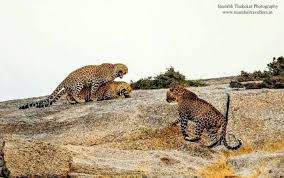
Activities to do
- Leopard safari
- Bird watching from jawai dam as a lot of migrating birds are spotted here
Best Time to Visit
Although Jawai is open from early September to mid of May, the best time to come here is from October to early April as the weather is less humid while the nights could be chilly.
How to Reach
Jawai Bandh is 392 kms away from Jaipur. For air travelers, there is no direct flight but the nearest airport is Udaipur from where you can get a cab to Jawai Bandh. Besides, there are 3 direct trains plying from Jaipur to Jawai Bandh but if you are traveling by bus, the only option is to reach Sirohi and then take a taxi up to Jawai Bandh.
2. TARKALI, Maharashtra
In the Sindhudurg district of Maharashtra, Tarkali is a seaside destination with numerous pristine white sand beaches, calm waters full of marine life and lush greenery. Few years ago, Tarkarli beach is declared as a Queen Beach of Konkan region. Monthly, Thousands of tourists are visiting this place to rejuvenate and enjoy thrill of water sports activities. Besides chilling out by the beach, you can go scuba diving and get up close with colourful tropical fish, turtles and other marine creatures, or indulge in water sports like kayaking, jet-skiing, parasailing, speed boat rides or banana boat rides. If you visit between February and October you can spot dolphins also, don’t forget to treat your taste buds with local Malvani cuisine.
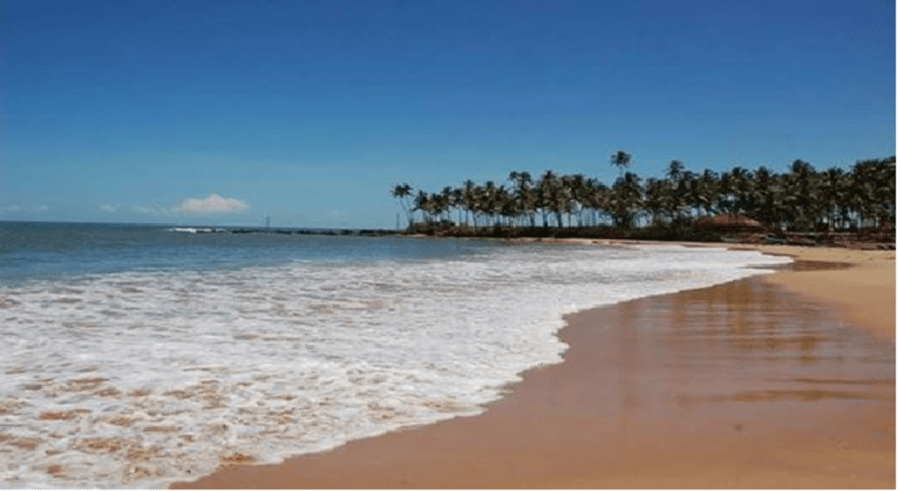
Activities to do
- Scuba diving
- Snorkling
- Parasailing
- bison national park
- dolphin spotting
Best time to visit
Winter is the best season for visiting Tarkarli. The months from October to March is when Tarkarli becomes an ideal holiday destination. Monsoons can also be a favourable time for planning a trip, although the heavy rainfall might ruin your plans. The summers, though, are the least advisable time to visit Tarkarli, owing to the scorching heat and the unbearable humidity.
How to reach
The nearest airport is Dabolim Airport in Goa. By rail, Tarkarli can be accessed from Sindhudurg and also from Kudal and Kankavli by the Konkan Railway. Tarkarli is easily accessible by road from Malvan by bus and rickshaw. Tarkarli is 475 km (Panvel Kochi Road, NH 17) and 576 km (Mumbai Kohlapur Road NH 4) away from Mumbai. Daily private, luxury and State Transport bus service available from various parts of Goa, Mumbai, Pune to Malvan.
3. BHALUKPONG, Arunachal Pradesh
Bhalukpung is a small town located along the southern reaches of the Himalayas in West Kameng district of Arunachal Pradesh in India. Apart from being the nature lover’s paradise, Bhalukpong can provide you a complete experience with wildlife and a host of activities complimenting its natural beauty and the environment of a place lesser known.
The Kameng River running in the forest surrounding it makes the town even more attractive. In Bhalukpong you’ll find yourself making the most of hiking, trekking, camping and fishing.
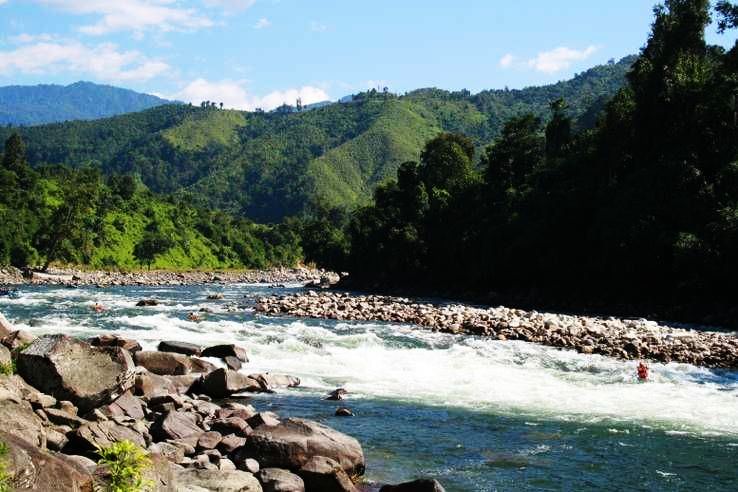
Activities to do
- Sesaa orchid sanctuary
- Fish angling and river rafting
- Pakhui Game Sanctuary
Best time to visit
October-March is the best period to visit. The Aka tribal festival takes place in March and is a major attraction for tourists.
How to reach
The nearest airport, as well as railway station, are at Tezpur. Cabs and busses ply periodically up and down to Bhalukpong. However, many prefer to drive down to the charming city. The road goes via NH 37 which is in excellent condition. The drive is an exciting one by itself as the road passes by the famous Kaziranga National Park.
4.SKANDAGIRI HILLS
The picturesque Skandagiri Hills are much much-loved for the view of a golden sunrise and fluffy beds of clouds. Located about 70 km from Bangaluru city, the peak is at an altitude of about 1350 meters. With beautiful scenery, these hills have the potential to allure trekkers around the world. site makes for a perfect holiday spot for the adventurer and naturalist.
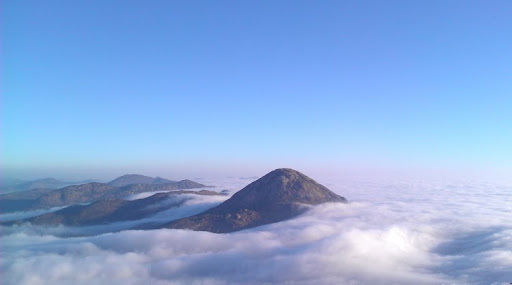
Activities to do
- You can go trekking along the ridges and pass through the valley and take in the stunning view of the Deccan Plateau.
- Get a perfect sight of the gorgeous sunrise accompanied by a wall of mist in the morning
- Gazing at the star-studded skies
How to reach
The nearest railway station and airport to Skandagiri Hills lies in Bangalore. Hence, one can reach bangalore by means of flight or train and then take up the roadways for covering the additional distance. The distance of Skandagiri Hills from Bangalore is approximately 62 Kms.
5. SPITI VALLEY, Himachal Pradesh
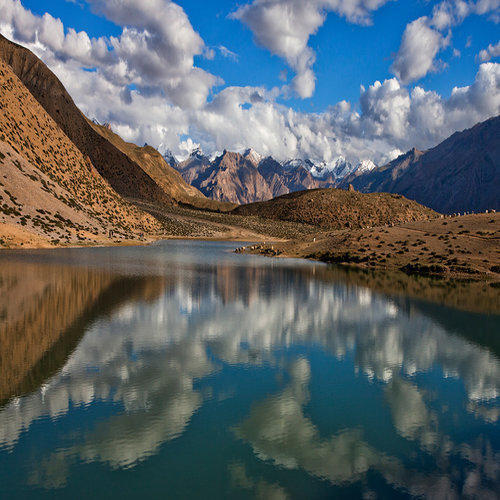
Spiti Valley is a cold desert mountain valley located high in the Himalayas in the north-eastern part of the northern Indian state of Himachal Pradesh. It is a very unconventional tourist destinations of this list. The Spiti Valley is the blood of the attraction providing mind-soothing views, picnic spots, trekking routes, camping regions and so on. Lahaul and Spiti district is surrounded by high mountain ranges. The Rohtang Pass, at 13,054 feet (3,979 m), separates Lahul and Spiti from the Kullu Valley. Lahul and Spiti are cut off from each other by the higher Kunzum Pass, at 15,059 feet .To add more beauty to this place, you can find monasteries that allow tourists to stay in the dorms, explore the buildings, join the rituals and live like a hermit.
If desired, you could trek up to the top to spot the glaciers of the region. If you looking for some serenity in your vacation? It is time to add Spiti to your bucket list.
Activities to do
- Visit ancient Buddhist monasteries
- Camp at Chandra Taal Lake
- Bike and trek in nature
- Visit a mummy in the village of Giu
Best time to visit
The best time to visit Spiti is from March to June. The ones who are into a relaxing vacation should visit Spiti during this season when the temperature ranges from 0 – 15-degree Celcius, which starts from March and lasts until June. Winters in Spiti are for the daring.
 Eduindex
You must be logged in to post a comment.