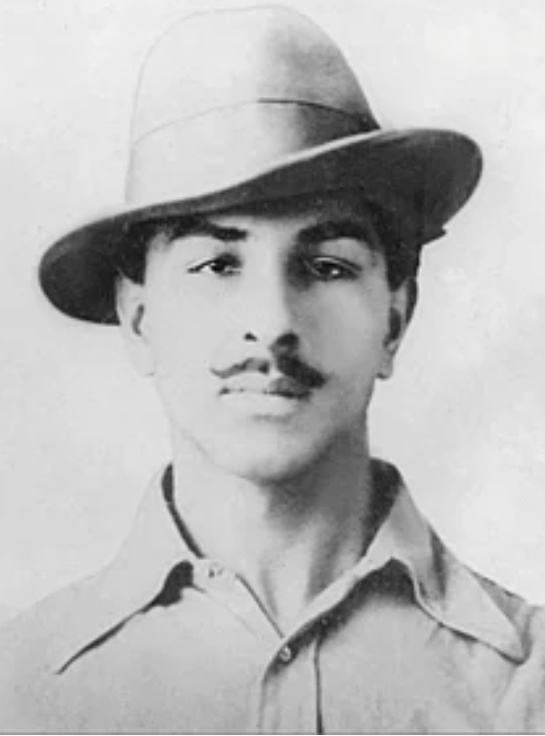
Where do you see yourself at the age of 23? Or What have you achieved in life if you’ve already crossed 23? I guess some of us must be studying or must be doing some job, etc. But very few of us must be willing to die for our nation. It is difficult to sacrifice our lives at such a stage where our lives have just begun. But not in the case of Bhagat Singh. Bhagat Singh didn’t even think once before sacrificing his life.
He left his house for Kanpur at a very young age when his parents tried to get him married. He didn’t want to get married in slave India. After leaving the house, he joined Hindustan Socialist Republican Association. He planned to kill Superintendent of Police James Scott but instead, he killed John Saunders, Assistant Superintendent of Police, and he had to flee Lahore to escape the death penalty.
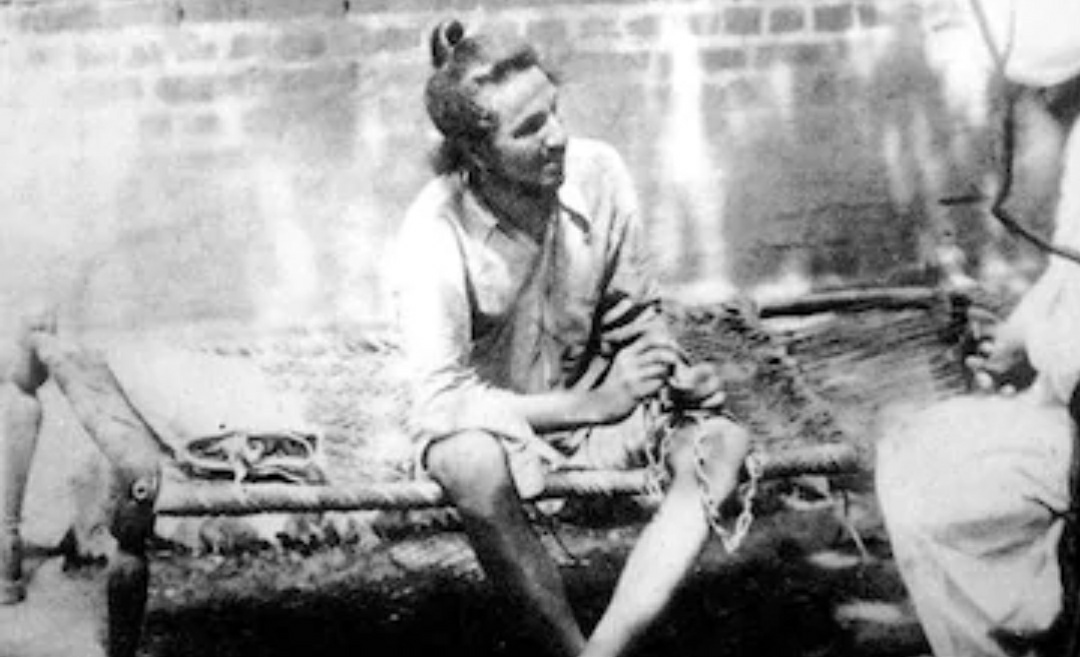
In 1929, Bhagat Singh and his associate bombed the Central Legislative Assembly in Delhi to protest the implementation of Public Safety Bills. He surrendered himself to promote their cause. After the arrest, he went on a hunger strike in prison, and on 23 March 1931, he was hung to death.
His death inspired the youth of the nation to fight for the nation’s freedom. He became more popular after his death amongst Indians. The whole country faced mixed emotions on his death and Indians were filled with courage. It is also said that his photograph was on same in every city of the country. His work hard reached every corner of the nation. He is truly a hero who still resides in the heart of every Indian.
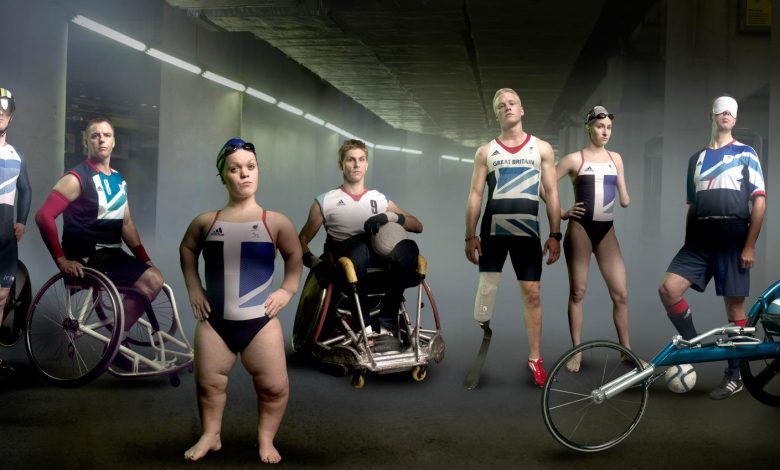
The Paralympic Games, also known as the Paralympics, are a series of international multi-sport events that feature athletes with a variety of disabilities, such as impaired muscle power, impaired passive range of motion, limb deficiency (e.g. amputation or dysmelia), leg length difference, hypertonia, ataxia, athetosis, vision impairment, and intellectual impairment. George Eyser, a German American gymnast, was the first athlete to compete in the Olympic Games prior to the establishment of the Paralympics in 1904. In both the 1948 and 1952 Summer Olympics, Hungarian Karoly Takacs competed in shooting events. He was a left-handed shooter with a right-arm amputation. The first organized athletic event for disabled athletes that coincided with the Olympic Games took place on the day of the opening of the 1948 Summer Olympics in London, United Kingdom. Dr. Ludwig Guttmann hosted a sports competition for British World War II veteran patients with spinal cord injuries. The games were held again at the same location in 1952, and Dutch and Israeli veterans took part alongside the British, making it the first international competition of its own kind.
Ceremonies
The opening ceremony of the Paralympic Games is framed by different components, as stipulated by the Paralympic Charter. The majority of these customs were established at the Antwerp Summer Olympics in 1920.The event usually begins with the host country’s flag being raised and the national anthem being performed. Unlike the Olympic Games, the athletes parade into the stadium following the national anthem, grouped by country. The nations have entered the stadium alphabetically according to the host country’s chosen language since the 1988 Summer Paralympics, with the host country’s athletes being the last to enter. The host nation has presented creative exhibits of music, singing, dancing, and theatre that are indicative of its culture since the 1988 Summer Paralympics. Speeches are delivered to officially start the games. Finally, the Paralympic torch is carried into the stadium and passed on until it reaches the last torch bearer, who is usually a paralympic athlete from the host country, who lights the flame in the stadium’s cauldron.
After all sports events have finished, the Paralympic Games culminate with a closing ceremony. Each participating country’s flag bearers are the first to enter, followed by the athletes, who all enter together, regardless of nationality.The Paralympic flag is hoisted for the last time. With a few exceptions, the national flag of the country hosting the following Summer or Winter Paralympic Games has been hoisted while the appropriate national song has been performed since the 1988 Winter Paralympics. The Paralympic Games have come to an end, and the Paralympic torch has been extinguished.Following these mandatory aspects, the following host nation gives a brief introduction to their culture through creative exhibitions of dance and theatre.
Following the end of each Paralympic event, a medals ceremony is conducted. When an IPC member presents the winner, second, and third-place athletes or teams with their medals, they stand on top of a three-tiered rostrum.The medalists’ national flags are then raised as the gold medalist’s national anthem is performed. During the medal ceremonies, volunteers from the host country assist the authorities who give the medals and serve as flag-bearers, acting as hosts. The medal ceremony for each Paralympic event takes place one day following the event’s conclusion.
Categories
Physical, visual, and intellectual impairment are among the 10 disability categories defined by the IPC. Athletes with one of these impairments are eligible to compete in the Paralympics, however not all sports allow for all disability categories. Both the Summer and Winter Paralympics fall into these categories.
Physical Disability – Physical impairment may be divided into eight categories:
Impaired muscular power — Muscles such as those in one leg, one side of the body, or the lower half of the body create less force when they are impaired in this category (e.g. spinal cord injury, spina bifida, post-polio syndrome).
Impaired passive range of motion – The range of motion in one or more joints is gradually decreased. Acute illnesses, such as arthritis, are excluded.
Loss of limb or limb deficiency – A whole or partial loss of bones or joints as a result of disease, accident, or congenital limb deficiency (e.g. dysmelia).
Leg-length difference — A congenital defect or trauma causes significant bone shortening in one leg.
Short stature – Due to a musculoskeletal shortage of bone or cartilage structures, standing height is reduced due to shorter legs, arms, and trunk. Achondroplasia, growth hormone insufficiency, and osteogenesis imperfecta are just a few examples.
Hypertonia – Is characterised by an abnormal increase in muscular tension and a reduction in a muscle’s capacity to stretch. Hypertonia can be caused by an accident, an illness, or a condition that affects the central nervous system (e.g. cerebral palsy).
Ataxia – Ataxia is a condition in which muscle movements are not coordinated (e.g., cerebral palsy, Friedreich’s ataxia, multiple sclerosis).
Athetosis – Is characterised by unbalanced, uncontrollable movements and the inability to maintain a symmetrical posture (e.g. cerebral palsy, choreoathetosis).
Visual Impairment– Athletes have varying degrees of vision impairment, ranging from legal blindness to complete blindness. One or more components of the visual system may be impaired (eye structure, receptors, optic nerve pathway, and visual cortex).Sighted guides for athletes with vision impairments are such an important and integral component of the sport that the athlete and the guide are considered a team. Since 2012, these guides (together with sighted goalkeepers in 5-a-side football) have been eligible for their own medals.
Intellectual Disability– Athletes with substantial cognitive impairments and corresponding limits in adaptive behavior. The IPC primarily supports athletes with physical impairments, although past Paralympic Games have included the disability category Intellectual Disability. Only top athletes diagnosed with intellectual impairments before the age of 18 are eligible. The Special Olympics World Games, which are sanctioned by the International Olympic Committee, are available to all persons with intellectual impairments.


 Eduindex
You must be logged in to post a comment.