Micro Irrigation has gained attention during recent years because of its potential to increase yields and decrease water , fertilizer and labour requirements if managed properly.
Principal characteristics distinguishing the micro Irrigation with other pressurized technologies are:
Low flow rate
Localized , partial wetting of the soil volume
Frequent water application due to the limited wetted volume
Low operating pressure ,compared to sprinkler irrigation
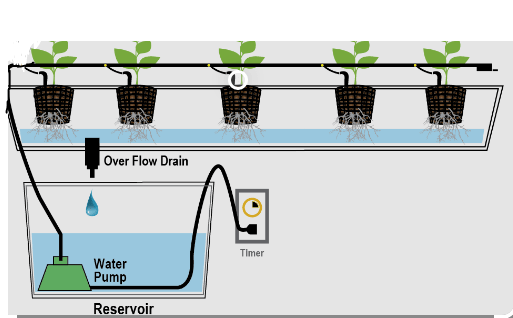
Drip Irrigation involves technology for irrigating plants at the root zone through emitters fitted on a network of pipes( mains ,sub-mains and laterals). The emitting devices could be drippers ,micro sprinklers, mini sprinklers ,micro jets, misters ,fan jets, micro sprayers, foggers and emitting pipes, which are designed upon specific requirements , which may vary from crop to crop . Water requirement, age of plant spacing ,soil type , water quality and availability are some of the factors which would decide the choice of the emitting system .
In cases where the water sources is an open well or tubewell / borewell , then for assessment of water availability and pumping power requirement it is necessary to compute the following:
Depth of the water table
Discharge of the well
Total pumping level
The depth of water level below the ground level, before pumping begins ,is the depth of the water table . It can be measure by a simple procedure using a rope with a stone tied at one end .
The discharge of the well / tubewell is measured after running the pump for a period of 30 minutes to 1 hour . It can be measure by adopting volumetric measure.Under this method , the discharge is emptied into a ditch of container of know dimensions for a certain length of time . the rate of discharge is calculated by dividing the total volume of water discharged by the time taken. This method works for low discharge say upto 5 litres per second. For higher discharges volumetric measurement may be difficult and therefore standard devices like water meter/c.notch/flume may be used.
Total pumping level includes the depth of the water level, drawdown and height of the outlet above the ground level. To measure the drawdown the pump installed over the well/tubewell is run for a period of 30 minutes to one hour so that constant water level is attained in the well/tubewell. The new depth of the water level is measured. The difference between the depth and level above the ground level is also to be measured . Once the total pumping level is determined , the horsepower .
HP= Q*H/75*n
where Q = Discharge ,Ips
H=Total head ,m
n = Efficiency of the pump and motor
Depending up on the water availability and water requirement of the crop (as given in the table ) for the entire area in calculated .Then the piping network and number of sections will be decided accordingly.
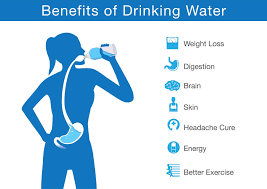
All plants and animals need water to survive. There can be no life on earth without water. Why is water so important? Because 60 percent of our body weight is made up of water. Our bodies use water in all the cells, organs, and tissues, to help regulate body temperature and maintain other bodily functions. Because our bodies lose water through breathing, sweating, and digestion, it’s crucial to rehydrate and replace water by drinking fluids and eating foods that contain water.
Water helps by creating saliva
Water is the main component of saliva. It’s critical for breaking down solid food and keeping your mouth healthy. If you find your mouth is drier than usual, increase your water intake. If that doesn’t work, see your doctor
It regulates body temperature
Staying hydrated is critical to maintaining a normal body temperature. Our bodies lose water when we sweat, and in hot environments. Sweat keeps our bodies cool, but our body temperatures will go up if we don’t replenish the water we lose. That lack of water causes dehydration, which in turn causes levels of electrolytes and plasma to drop
Water aids cognitive functions
Proper hydration is crucial to staying in good cognitive shape. Research has shown that inadequate water intake can negatively impact our focus, alertness, and short-term memory
Water protects the tissues, spinal cord, and joints
Water helps lubricate and cushion our joints, spinal cord, and tissues. This helps us to be more physically active, and reduces the discomfort caused by conditions such as arthritis
It helps excrete the waste in our bodies through perspiration, urination, and defecation
Our bodies use water to sweat, urinate, and pass healthy bowel movements. We all need water to replenish fluids lost from sweating. We also need water in our systems to have healthy stools and avoid constipation. Drinking enough water helps our kidneys to work more efficiently thus preventing kidney stones
Water maximizes our physical performance
Drinking plenty of water while working out, taking part in sports or just being on the move, is essential. Keeping ourselves hydrated also affects our strength, power, and endurance
It helps to boost our energy levels
Drinking water helps to boost our metabolic rate. This boost has a positive impact on our energy levels. Drinking 500 milliliters of water can boost the metabolic rate by 30 percent in both men and women, one study has found. Negative effects of exercising in the heat, without staying hydrated, can result in serious medical incidents. In fact, extreme dehydration can cause seizures, and sometimes, even death.
Water prevents overall dehydration
Dehydration is the result of the body being deprived of adequate water. And, since water is critical for the successful functioning of many bodily functions, dehydration can be very dangerous. Even leading to fatal consequences. Severe dehydration can lead to serious outcomes, including:
swelling in the brain
kidney failure
seizures
Make sure to drink enough water to replace what’s lost through sweating, urination, and bowel movements, to avoid dehydration.
The importance of water.
It’s pretty obvious that having adequate water in your body is critical to nearly every part of it. Not only will maintaining your recommended daily intake help you to maintain your current state of good health, it could also improve it in the long run. The amount of water you need will depend on the environment and climate you live in, how physically active you are, and whether you are suffering from an illness, ailment or any other health problems.
Here are some ways to make sure that you drink enough water:
Carry a water bottle with you wherever you go. Keep taking sips from it as and when you feel the need
Track your water intake. Make sure you consume the optimum amount every day, which is a minimum of half your body weight, in ounces/milligrams
‘Water is a driving force of all nature’- Leonardo Da Vincci.
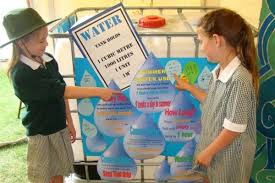
A children holding a poster with the request SAVE WATER is actually sending across a severe warning……………
We are headed for a water crisis and a very serious one at that. Do you really think it is an issue we can dare to neglect? I do not think so.Water is very essential for all life forms to survive and grow. For any personal, commercial, industrial, or any other use the water is required.Life without water is impossible. Also, the drinkable water is quite low and if we continue to wastewater at the speed we do today, the day is not far when we will have to fight for water. But still, let me ask you one question, are we actually working in the direction of saving water? The rightful answer would be no.
Water management & conservation of resources:
The problem with these issues (water management and conservation of resources) is that there are numerous parties with vested interests that tend to play down these serious threats staring us in the face in a not so distant a future. While most authorities that are respected are unanimous in their conclusion of global warming as a serious threat, there are others who look upon the very phenomenon of global warming as a typical case of environmental Cassandras trying to hog the limelight. If you have to seriously address issues like global warming or water crisis, one leading to the other, corporate houses which depend on numerous factories that create all the filth shall have to take steps that would seriously create a big dent in their pockets. No corporate house would be eager to do this.
Therefore, they purposely overlook the fact that the sources of fresh water are limited. If you are so concerned with your immediate profit that you tend to overlook the disastrous results in the long run for all life on this earth, you are no less than plain stupid! The extent to which the corporate sector can be callous can be clearly understood from the following example:-
A proposal by South India Bottling Company Private Limited (SIBCL), a Coca-Cola franchisee, to set up a 280 million (US $ 6,500,000) soft -drinks unit in Gangaikondan village of Tirunelveli district in southern Tamil Nadu, has run into trouble. Many local residents, political parties and environmentalists have raised concerns that the water-intensive plant will deplete and contaminate groundwater and draw from Tamiraparani River, that cannot fully meet even drinking water and agricultural needs of local communities. Research by the India Resource Centre revealed a number of discrepancies and misinformation in SIBCL’s public statements regarding its water usage and daily production. We can also remember in this context that the world leaders really fight it out when something as dangerous as poisonous gas emissions bave to be curtailed. Indeed, how myopic can people be!
However, blaming corporates and factories would not be a complete part of the solution. There is the other side of the picture too. A 2006 United Nations report focuses on issues of governance as the core of the water crisis, saying There is enough water for everyone’ and “Water insufficiency is often due to mismanagement, corruption,lack of appropriate institutions, bureaucratic inertia and a shortage of investment in both human capacity and physical infrastructure.” Official data also shows a clear correlation between access to safe water and GDP per capita.
While the observation made by the UN is true, the role of climate change in aggravating a terrible water crisis around the globe is also An Inconvenient Truth as Al Gore calls it. According to a UN climate report, the Himalayan glaciers that are the sources of Asia’s biggest rivers-Ganga, Indus, Brahmaputra, Yangtze, Mekong, Salween and Yellow-could disappear by 2035 as temperatures rise. Approximately 2.4 billion people live in the drainage basin of the Himalayan Rivers. India, China, Pakistan, Bangladesh, Nepal and Myanmar could experience floods followed by droughts in coming decades. In India alone, the Ganga provides water for drinking and farming for more than 500 million people. The west coast of North America, which gets much of its water from glaciers in mountain ranges such as the Rocky Mountains and Sierra Nevada, would also be affected.
What would happen if this wastage of water is allowed to continue? News reports about the Gangotri Glacier receding have become fairly common. Can you imagine India without the Ganga? Are we going to silently bear with the progressive destruction of the most precious resource, and leave our future generations to face some bloody war for the control of water resources?
How can we Save Water?
you know there is many points you can do in your day to day life for water conservation.Each of these methods of water conservation is simple and easy and certainly things that anyone can take advantage of.
1. Turning the water off when brushing your teeth or washing your hair can save a lot of water. In fact, as much as 160 gallons of water can be conserved each month when you turn the water off.
2. Purchase water-efficient products and appliances for your home. This includes dishwashers, sink systems, bathtubs and more. These products pay for themselves in no time at all.
3. Plant you garden in the spring and you can save since water requirement levels are less during this season.
4. Do not use water to defrost foods. Although many people do use this method it requires a lot of water consumption to do this.
5. Check for leaks. This includes the toilet and the sinks in the home. Even a small leak could cause an extensive amount of extra water usage and more money added to the water bill.
6. Stop using extra water when you flush by avoiding placing anything in the toilet. This includes tissue and cigarette butts. Using this method to eliminate these items will cost you an additional 5 to 6 gallons of water per flush.
7. Insulate your pipes. This will prevent them from freezing in the winter while also helping heat water up faster, among other benefits.
8. When washing clothes, make sure that you are washing full loads of laundry only. You are wasting a lot of water washing only half of a load.




 Eduindex
You must be logged in to post a comment.