Mere Abuse In A Filthy Language Does Not Attract Offence Of Criminal Intimidation U/s 506 IPC: SC


First and foremost, it must be said that the Supreme Court just recently on April 26, 2019 has in a notable judgment titled Vikram Johar v The State of Uttar Pradesh & Anr in Criminal Appeal No. 759 of 2019 (arising out of SLP (Crl.) No. 4820/2017) has sought to send a loud and clear message that mere act of abusing a person in filthy language does not satisfy the ingredients of the offence of criminal intimidation under Section 506 of the IPC. Very rightly so! This latest judgment authored by Justice Ashok Bhushan for himself and Justice KM Joseph came after hearing an appeal filed by one Vikram Johar against the High Court and the Trial Court orders refusing to discharge him from a criminal case.

At the outset, it is pointed out in para 2 of this judgment that, “This appeal has been filed challenging the judgment of the Allahabad High Court dated 06.02.2017 by which judgment, the criminal revision filed by the appellant was dismissed. The criminal revision was filed by the appellant challenging the order dated 29.11.2016 passed by the Additional Chief Judicial Magistrate rejecting his discharge application moved under Section 239 read with Section 245 Cr.P.C. in a complaint case No. 483 of 2013 under Section 504 and 506 of IPC.”

In hindsight, it would be useful to now dwell on the brief facts of this case. Para 3 states that, “The brief facts of the case, which need to be noted for deciding this appeal are: –

3.1 The respondent No. 2 (hereinafter referred to as “complainant”), was a partner of M/s Ram Company engaged in business of wood processing and sale. The company had its premises at Kosikala, District Mathura, Uttar Pradesh.

3.2 On 18.12.2010 at 3.00 AM fire broke into the premises of M/s. Ram Company. Fire brigade and police were informed, which reached on the spot and fire could be controlled after several hours. The cause of fire was shown as electric short circuit in electric cable. Fire caused damages of stocks, plant and machinery and building. M/s. Ram Company had taken a Standard Fire & Special Perils Policy from M/s. United India Insurance Co. Ltd. M/s. Ram Company had submitted insurance claim on 20.12.2010. Total claim raised by the company was Rs. 3,62,45,114/-. The United India Insurance Co. Ltd. (hereinafter referred to as “insurance company”) appointed the appellant M/s. Protocol Surveyor and Engineers Private Limited, who is a certified surveyor by Insurance Regulatory and Development Authority. The appellant being Director of M/s. Protocol Surveyor and Engineers Private Limited undertook survey of insurance claim of the company.

3.3 On 04.04.2011, the appellant visited the premises at Kosikala, District Mathura for the purposes of preparing a survey report. Joint Inspection note was prepared on 04.04.2011, for which various documents were asked from the company. After various correspondences, the appellant submitted a final survey report dated 23.09.2011. M/s. Ram Company wrote letter dated 15.07.2011 and 22.07.2011 to the surveyor, which was duly replied on 23.07.2011 by the surveyor. M/s. Ram Company has also written to insurance company, which was replied by insurance company on 08.08.2011 informing M/s. Ram Company that surveyors have been asked to submit their final report at the earliest.

3.4 On 11.09.2011, the M/s Ram company submitted a letter to insurance company requesting to make payment of policy amount of Rs. 285.60 Lacs. In the said letter, some complaints were also made against the surveyor. Again on 19.09.2011, a letter was sent by M/s. Ram Company to the insurance company, whose allegations were made against the surveyor. The surveyor, i.e., the appellant submitted final report on 23.09.2011 with regard to claim of M/s. Ram Company, in detail noticing all aspects of the matter. In the Survey Report in the last paragraph, following was stated:-

“15) Underwriters Liability

In view of the above, it stands established that

(a) The insured has misrepresented their claim of building.

(b) The insured has misrepresented their claim of Plant & Machinery.

(c) The insured had made false declaration to inflate the stock quantity.

(d) The insured had made false declaration on the stock value declaration.

This policy shall be voidable in the event of misrepresentation, mis description or non disclosure of any material particular.

If the claim be in any respect fraudulent, or if any false declaration be made or used in support thereof if any fraudulent means or deices are used by the insured or anyone acting on his behalf to obtain any benefit under the policy or if the loss or damage be occasioned by the willful act, or with the connivance of the insured, all benefits under this policy shall be forfeited.

It is clear that the insured’s Misrepresentation & False declaration have breached both the above stated policy conditions.

In view of above, that the subject claim is not admissible under the captioned policy of insurance.

This report is being submitted without prejudice and is subject to the terms and conditions of the policy of insurance.

Signed

Protocol Surveyors & Engineers Pvt. Ltd.”

3.5 On 14.11.2011, respondent No. 2, i.e., complainant filed an application under Section 156(3) Cr.P.C. alleging offences under Sections 383, 384, 471, 504 and 506 I.P.C. In the complaint, allegation was made against the appellant that he alongwith two or three other unknown persons, one of whom was holding a revolver, came to the complainant’s house on 02.10.2011 at 7.00 PM and abused him in filthy language and was about to assault him, when some neighbours arrived there, the appellant and two or three other unknown persons fled the spot on their vehicle. On the above application dated 14.11.2011, on the order of the Magistrate, first information report was lodged being F.I.R. No. 367 of 2011 under Sections 383, 384, 471, 504 and 506 I.P.C. registered on 24.11.2011. Insurance company by letter dated 12.12.2011 repudiated the claim of M/s Ram Company.

3.6 I.O. conducted the investigation calling the appellant also and submitted a closure report. In the closure report, I.O. also had stated that as per the call details and location of Vikram Singh’s mobile (appellant), there was no roaming of his mobile from 1st October to 4th October and his location was within the NCR area. After recording the statements of several persons, the I.O. submitted final form, closure report. Against this report, a protest petition was filed by the complainant before the Judicial Magistrate, who by order dated 18.05.2012 allowed the protest petition and directed for further investigation in the Crime No. 448 of 2011. Further investigation was also conducted by another I.O., who again submitted a final report opining that no offence has been committed. Again, a protest petition was filed. The Judicial Magistrate by order dated 21.12.2012 held that no further investigation is required and it shall be justified to try and dispose of the case as a complaint case. Complainant’s statement under Section 200 Cr.P.C was recorded. Complainant also got recorded statement of PW1 – Ganesh Sharma and PW2 – Roop Singh @ Munna.

3.7 The Magistrate by order dated 07.02.2014 summoned the appellant under Sections 504 and 506 I.P.C. Against the order dated 07.02.2014 an application under Section 482 Cr.P.C was filed by the appellant in the Allahabad High Court, which application was disposed of by the High Court by order dated 30.07.2014. High Court while disposing of the application under Section 482 Cr.P.C. observed that in case, if discharge application is moved by the applicant within 30 days, it is expected that the same shall be considered and decided by a reasoned and speaking order, and till disposal of the application on merit, no coercive action shall be taken against the appellant.

3.8 An application was filed by the applicant under Section 239 read with Section 245 Cr.P.C before the Court of Judicial Magistrate praying that appellant be discharged. In the application under Sections 239 and 245, details of claim, various reports and consideration by insurance company was mentioned. Additional Chief Judicial Magistrate vide its order dated 29.11.2016 rejected the application for discharge against which Criminal Revision was filed in the High Court, which has been dismissed on 06.02.2017. Aggrieved, by above order, this appeal has been filed.”

Having said this, the Bench then also maintained in para 9 that, “We have noticed the facts and sequences of events, which led to filing of the application under Section 156(3) Cr.P.C. by the complainant against the appellant. We, in the present case, are not concerned on the merits of the claim of the complainant pertaining to fire incident dated 18.12.2010. Our consideration has to confine only to the question as to whether the appellant has made out a case for discharge under Sections 504 and 506 I.P.C.”

While referring to Fiona Shrikhande Vs. State of Maharashtra & Another, (2013) 14 SCC 44, it was held very rightly and aptly that, “The intentional insult must be of such a degree that should provoke a person to break the public peace or to commit any other offence. The mere allegation that appellant came and abused the complainant does not satisfy the ingredients as laid down in paragraph No. 13 of the judgment of this Court in Fiona Shrikhande (supra).”

While referring to Manik Taneja and Another Vs. State of Karnataka and Another (2015) 7 SCC 423, it is then held in para 25 that, “In the above case, allegation was that appellant had abused the complainant. The Court held that the mere fact that the allegation that accused had abused the complainant does not satisfy the ingredients of Section 506.”

Going ahead, it is then explicitly envisaged in para 26 that, “Now, we revert back to the allegations in the complainant against the appellant. The allegation is that appellant with two or three other unknown persons, one of whom was holding a revolver, came to the complainant’s house and abused him in filthy language and attempted to assault him in filthy language and attempted to assault him and when some neighbours arrived there the appellant and the other persons accompanying him fled the spot. The above allegation taking on its face value does not satisfy the ingredients of Sections 504 and 506 as has been enumerated by this Court in the above two judgments. The intentional insult must be of such a degree that should provoke a person to break the public peace or to commit any other offence. The mere allegation that appellant came and abused the complainant does not satisfy the ingredients as laid down in paragraph No. 13 of the judgment of this Court in Fiona Shrikhande (supra).”

More importantly, it is then held in para 27 that, “Now, reverting back to Section 506, which is offence of criminal intimidation, the principles laid down by Fiona Shrikhande (supra) has also to be applied when question of finding out as to whether the ingredients of offence are made or not. Here, the only allegation is that the appellant abused the complainant. For proving an offence under Section 506 IPC, what are the ingredients which have to be proved by the prosecution? Ratanlal & Dhirajlal on Law of Crimes, 27th Edition with regard to proof of offence states following: –

“… The prosecution must prove:

(i) That the accused threatened some person.

(ii) That such threat consisted of some injury to his person, reputation or property; or to the person, reputation or property of some one in whom he was interested;

(iii) That he did so with intent to cause alarm to that person; or to cause that person to do any act which he was not legally bound to do, or omit to do any act which he was legally entitled to do as a means of avoiding the execution of such threat.”

A plain reading of the allegations in the complaint does not satisfy all the ingredients as noticed above.”

Most importantly, it is then held in para 28 that, “On the principles as enumerated by this Court in Fiona Shrikhande (supra) and Manik Taneja (supra), we are satisfied that ingredients of Sections 504 and 506 are not made out from the complaint filed by the complainant. When the complaint filed under Section 156(3) Cr.P.C., which has been treated as a complaint case, does not contain ingredients of Sections 504 and 506, we are of the view that Courts below committed error in rejecting the application of discharge filed by the appellant. In the facts of the present case, we are of the view that appellant was entitled to be discharged for the offence under Sections 504 and 506.”

Lastly, it is then held in para 29 that, “Thus, in result, the appeal is allowed. The judgment of the High Court dated 06.02.2017 as well as the order of Chief Judicial Magistrate dated 29.11.2016 are set aside and the appellant stands discharged from the offence under Sections 504 and 506.”

In conclusion, it can rightly be said that it is a balanced decision by the Apex Court which took into account all the factors before pronouncing decision on it. The Bench thus discharged Vikram Johar as no case for trial was made out. It is true that Vikram had used filthy language but that by itself was not considered sufficient by the two Judge Bench of Apex Court comprising of Justice Ashok Bhushan and Justice KM Joseph to attract the offence of criminal intimidation under Section 506 of the IPC. Very rightly so!

Sanjeev Sirohi, Advocate,

s/o Col BPS Sirohi,

A 82, Defence Enclave,

Sardhana Road, Kankerkhera,

Meerut – 250001, Uttar Pradesh.

Even God Cannot Shake My Faith In CJI Ranjan Gogoi

Even if
God himself appears before me and says anything against this incumbent CJI
Ranjan Gogoi, I will say pointblank that, “You are God and can never speak
lies. But I consider this CJI Ranjan Gogoi as one who can never do anything
wrong. If you say anything against me I will immediately believe it. If you say
anything against anyone else I will certainly believe it. But if you say
anything against this CJI Ranjan Gogoi then certainly I will refuse to believe it.
If you feel bad then I can’t help it!”

                       
Even if my own parents or my brother or my best friend Sageer Khan who
when I had lost my unflinching faith in Lord Shiva took a vow from me that I
shall always worship him till my last breath in 1994 or other friends whom I
love dearly say anything against this CJI Ranjan Gogoi, I will still just not
believe it. It is this CJI who inspite of qualifying for Civil Services opted
for law as a profession and it was this CJI who decided to give up his roaring
practice and become a Judge so that he can contribute for people’s welfare
invaluably! Even if hundred bullets pierce my heart they would not give me so
much of wound as these allegations against CJI have given me! No medicine can
heal them ever! If such allegations were made even against me I would have
still tolerated it but such serious allegations against this CJI who has always
enjoyed an totally impeccable reputation has shattered me to the hilt but my
unflinching faith in him still remains intact and shall always remain so in the
future also!
                              
It was for the first time in my life that I had noticed that a CJI took
personal interest in filling up Judges vacancies at all levels. For the first
time vacancies of UP HJS were issued two times in a year which is unprecedented
never heard of before and even before the initial mains exams were held, fresh vacancies
were notified. All the aspirants at that point of time were full of praise for
him for having taken decisive action by ensuring that judicial vacancies are  promptly filled!
                           
Not just this, more than 100 vacancies of UP HJS are scheduled to be
notified shortly. The same is true for other states. It is solely because this
CJI Ranjan Gogoi immediately on assuming office in October last year
immediately took suo motu notice of it and issued warning to all High Courts to
fill up vacancies immediately or else the power of appointing Judges would be
taken away from them and given either to UPSC or the Supreme Court will step in
to fill in the vacancies! Has any CJI ever before acted so swiftly to ensure
that judicial vacancies are filled up? Certainly not!
                                   It is this
same CJI Ranjan Gogoi who had earlier demonstrated zero tolerance against
corruption at all levels and had compelled a sitting Judge of Punjab and
Haryana High Court to resign after allegations surfaced of corruption against
that Judge! For first time in my entire life did I feel seriously that a CJI
wants to reform the judicial system and fill in all the vacancies! It is a fact
also which no one can deny!
                                      It is
heartening to note that this CJI Ranjan Gogoi is not afraid of any inquiry
because he has nothing to hide! Why did the concerned woman who has made
serious allegations against CJI Ranjan Gogoi not complained immediately against
him to the police? Why did she take such a long time to speak up?
                                     Why she
has not produced any clinching evidence to prove her point? Why did she keep
quiet for a long period? Why didn’t she immediately speak up? This itself
speaks for what is the real story!
                        
    If any sane person goes
through his rulings they will speak for themselves what type of character he
has! He has never hesitated to take action against top politicians and top
bureaucrats and powerful people! Who can behave like this? Only an honest
person with an impeccable character!
                                   This alone
explains why in my humble article titled “CJI Ranjan Gogoi Is Determined To Ensure
Sweeping Changes In Judiciary” I have not praised him extravagantly but written
what is the real truth! We all know that it is this CJI Gogoi who has ensured
that no senior advocate is given out of turn hearing! It is this CJI who laid
down strict rules for arguing cases!
                                 I have no axe to grind
with this CJI and if in future I decide to ever practice in Supreme Court, he
(CJI Gogoi) would have retired by then as he has just few months left! So there
is no reason why I will ever bat for him for some vested cause! I will not hide
that I was certainly disappointed when he appreciated the issue of setting up a
high court bench in West UP as more than 9 crore people of 26 districts were
being compelled foolishly to  travel so
far to Allahabad just to attend a court hearing as there is no bench here
because both high court and single bench at Lucknow are in Eastern UP  but said that it was for Centre to take the
decision when a woman lawyer KL Chitra filed PIL  last year! When Centre fails to act for more
than 70 years in setting up a bench in West UP even though it lost no time to
set up a bench at Lucknow in 1948 on July 1 then judiciary must act and moreso
when the Bench issue is directly connected with judiciary and when Justice
Jaswant Singh Commission also had categorically recommended that a high court
bench must be set up in West UP! But that has certainly not shaken my unflinching
faith in him and his personal integrity!
                           It was Justice Gogoi who had ruled in 2013
that no one could contest elections without a full and honest disclosure of
their assets and also their educational and criminal antecedents. It was
Justice Gogoi who in August 2018 led a Bench that instructed Centre to put in
place special courts for the speedy trial of criminal cases involving
politicians! It was Justice Gogoi who wanted that reservations for Scheduled
Castes should be state specific and kept Jats out of the ambit of OBCs in
central services as he felt that they are well off which certainly cannot be
questioned!  
                                     Even if
some inquiry panel finds him guilty, even if a retired Supreme Court Judge
finds him guilty, even if all the Supreme Court Judges speak against him, even
if the Lokpal speaks against him, even if the entire nation speaks against him,
even if the whole world speaks against him still I will always trust him fully
because it is in this CJI that I felt for first time an urge to change the
system and to wipe out the rot prevalent in the system! I have every right as a
citizen of India to have my own view and no one can force his/her views on me!
I am sure that truth will certainly prevail sooner or later! CJI’s reputation
has certainly suffered immensely but I rate character as far more important
than reputation! This is because I very strongly believe that, “When you lose
your reputation, you fall in the eyes of others but when you lose your character
you fall in your own eyes”!
                             
I am hundred percent certain that CJI Ranjan Gogoi’s character shall
always remain intact and no power can ever dent it even slightly and at the
risk of repetition let me say this again that not even God nor my parents nor anyone
else can shake my unflinching faith in this CJI who right from day one started
taking concrete steps like suo motu to fill up judicial vacancies and this
cannot be ever lost sight of! The reward he is getting is he has become first
CJI on whom so serious allegations have been levelled! Who will benefit if he
is removed from office? Those who didn’t like his dead honesty and his firm
determination not to give anyone any special treatment at any cost!
                              Let me make it very
clear: He (CJI Ranjan Gogoi) commands respect from me not just because he became
CJI but because his life speaks for itself and how he rejected power by
rejecting the prestigious Civil Services and simultaneously money also by
accepting Judgeship instead of continuing with his roaring practice just like
other senior lawyers where he could have made huge amount of money without any
difficulty! The money which he has made as a Judge is nothing! Even new law
graduates working under senior lawyers in higher courts earn more money than
CJI!
                                  A Judge
values his reputation more than anything else! But I value character more than
reputation or anything else and with his character being uncompromising there
is no reason for him to worry on any score! This is what makes me also relaxed
when I think about him!    
Sanjeev Sirohi, Advocate,
s/o Col BPS Sirohi,
A 82, Defence Enclave,
Sardhana Road, Kankerkhera,
Meerut – 250001, Uttar Pradesh.

Okhla waste-to-energy plant gets Centre’s notice over violations

By Shashikant Nishant Sharma

Consequently, the Union Ministry of Environment, Forest and Climate Change (MoEF&CC) has issued a notice to the operator of the Okhla waste-to-energy (WTE) plant in southeast Delhi, requesting an explanation as to why the Environmental Clearance (EC) granted in 2007 should not be temporarily suspended. The notice, dated April 16 and signed by S Kerketta, director with the MoEF, invokes the powers vested under Section 5 of the Environment Protection Act, 1986, directing the company, M/s Timarpur Okhla Waste Management Company Pvt Ltd, to provide a response within 15 days. The EC is a prerequisite for the operation of a WTE plant.

The issuance of the notice follows a thorough inspection of the Okhla plant on December 15, 2018, which revealed numerous violations of the granted EC. The inspection team, led by Navin Chandra, chairman of the Expert Appraisal Committees (EAC), Thermal Power Projects, was formed by the MoEF in November 2018.

Citing non-compliance with the terms and conditions of the Environmental Clearance, the MoEF notice highlights concerns such as an increase in waste input, a rise in installed power generation, unauthorized construction of a new chimney, failure to establish a bio-methanation plant at Okhla, and the absence of an RDF plant at Timarpur.

The report submitted by the inspection team raised further issues, including overloading of municipal solid waste to the incinerators, the non-existence of the proposed bio-methanation plant at Okhla, and the failure to install a waste processing unit to generate RDF fluff at Timarpur. Additionally, the report noted deviations such as the installation of two stacks of 50 m height instead of the sanctioned single stack/chimney of 60 m height and the incomplete closure of waste storage pit gates, causing odour leakage in the area.

The Okhla WTE plant, serving areas under the jurisdiction of the South Delhi Municipal Corporation (SDMC) and the New Delhi Municipal Council (NDMC), has faced prolonged protests from locals due to alleged emissions violations and environmental pollution. Despite these concerns, the general manager of the Okhla plant, Sandip Dutt, claims that operations are in compliance, stating that they have not received any letter from the MoEF.

The notice reflects the acknowledgment of long-standing concerns by residents, as evidenced by a rally on March 24, where around 3,000 residents demanded the shutdown of the plant, emphasizing its proximity to habitation. Vinayak Malik, secretary of Sukhdev Vihar Welfare Association, asserts that the deviations mentioned in the MoEF notice align with the grievances raised by the local community over an extended period.

Okhla waste-to-energy plant gets Centre’s notice over violations

 The Union Ministry of Environment, Forest and Climate Change (MoEF&CC) has sent a show-cause notice to the company running the Okhla waste-to-energy (WTE) plant in southeast Delhi, asking it to explain “why its Environmental Clearance (EC) granted in 2007 should not be kept in abeyance”.

Introduction

The Okhla Waste-to-Energy (WtE) plant is one of the prominent waste management facilities in India, located in the Okhla area of South Delhi. As urbanization continues to grow in cities like Delhi, managing municipal solid waste (MSW) has become a significant challenge. The Okhla WtE plant plays a crucial role in addressing this challenge by converting waste into energy, thus reducing the environmental impact of waste disposal and contributing to sustainable urban development.

Background and Establishment

The Okhla Waste-to-Energy plant was commissioned in 2012 and is operated by the Jindal Ecopolis, a subsidiary of Jindal Steel and Power Ltd. The plant was established under a Public-Private Partnership (PPP) model with the Delhi government, the Municipal Corporation of Delhi (MCD), and Jindal Ecopolis as stakeholders. The facility was built to address the growing issue of waste accumulation in Delhi and to generate electricity from waste, a renewable energy source.

Capacity and Operations

The Okhla WtE plant has a processing capacity of approximately 2,000 metric tons of municipal solid waste per day. It generates around 16 megawatts (MW) of electricity, which is supplied to the local grid, providing power to thousands of households in the area.

The plant uses incineration technology to burn the waste, producing heat that is used to generate steam. The steam drives turbines to produce electricity. The facility primarily handles mixed municipal waste, including biodegradable and non-biodegradable materials.

Key Features of the Plant

  1. Incineration Technology: The plant uses mass-burn incineration technology, where waste is burned at high temperatures in a controlled environment. This process significantly reduces the volume of waste, converting it into ash, flue gases, and heat energy. The heat energy is then used to generate electricity.

  2. Environmental Controls: The Okhla WtE plant is equipped with various environmental control systems to minimize emissions and pollutants. These include flue gas cleaning systems, electrostatic precipitators, and continuous emission monitoring systems (CEMS) to ensure that emissions meet regulatory standards. The plant is also designed to handle hazardous waste, ensuring that harmful substances are properly treated.

  3. Resource Recovery: In addition to generating electricity, the plant recovers materials like metals from the waste before incineration, contributing to resource conservation and reducing the need for raw materials.

  4. Waste Diversion: By converting waste into energy, the Okhla WtE plant helps divert a significant amount of waste from landfills, reducing the burden on the city’s waste disposal infrastructure.

Environmental Impact and Concerns

While the Okhla WtE plant contributes to waste management and renewable energy generation, it has also been the subject of environmental and health concerns. Local residents and environmental groups have raised concerns about air pollution, especially emissions of particulate matter, dioxins, and furans, which are harmful to human health and the environment.

  1. Air Quality Concerns: Critics argue that despite the plant’s emission control systems, it may still release pollutants that can contribute to air pollution in Delhi, a city already grappling with severe air quality issues. Studies and reports have highlighted the potential health risks associated with living near WtE plants, particularly for vulnerable populations.

  2. Health Impacts: Local communities have reported respiratory problems, skin conditions, and other health issues that they believe are linked to the plant’s emissions. The proximity of the plant to residential areas and hospitals has intensified these concerns.

  3. Regulatory Compliance: The plant has faced legal challenges and protests from environmental activists and local residents. In response, the operators have made efforts to improve emission controls and comply with environmental regulations. However, debates continue about whether the plant’s operations are fully aligned with the best practices for waste-to-energy technology.

  4. Alternatives to Incineration: Environmentalists advocate for more sustainable waste management practices, such as recycling, composting, and reducing waste generation at the source, rather than relying on incineration. They argue that WtE plants may undermine efforts to promote waste reduction and recycling by prioritizing waste as a fuel source.

Economic and Social Impact

  1. Economic Benefits: The Okhla WtE plant contributes to the local economy by generating electricity from waste, reducing dependence on fossil fuels, and creating jobs in waste management and plant operations. The PPP model has also encouraged private sector investment in waste management infrastructure.

  2. Social Impact: The plant has generated both positive and negative social impacts. While it provides electricity and reduces waste accumulation, it has also sparked concerns among local communities about health and environmental justice. The plant’s location in a densely populated urban area has led to debates about the equitable distribution of environmental risks and benefits.

  3. Public Awareness: The controversy surrounding the Okhla WtE plant has raised public awareness about waste management and environmental issues in Delhi. It has also sparked discussions about the need for more sustainable and community-friendly approaches to waste disposal.

Future Prospects and Sustainability

The future of the Okhla Waste-to-Energy plant lies in balancing the benefits of waste-to-energy technology with the need for environmental protection and public health. Potential improvements could include:

  1. Upgrading Technology: Investing in advanced incineration technology and more effective emission controls to further reduce the environmental impact of the plant.

  2. Promoting Waste Segregation: Encouraging better waste segregation at the source to improve the quality of waste fed into the plant and reduce the production of harmful emissions.

  3. Community Engagement: Strengthening dialogue with local communities and addressing their concerns through transparent monitoring and reporting of emissions and health impacts.

  4. Exploring Alternatives: Exploring alternative waste management strategies, such as anaerobic digestion, mechanical-biological treatment (MBT), and expanding recycling programs, to complement the WtE approach.

Conclusion

The Okhla Waste-to-Energy plant is a significant component of Delhi’s waste management strategy, providing a solution to the city’s growing waste disposal challenges while generating renewable energy. However, its environmental and health impacts have sparked ongoing debates about the best ways to manage urban waste sustainably. Balancing the plant’s benefits with the need for public health and environmental protection will be crucial in shaping the future of waste management in Delhi and other rapidly urbanizing cities.

Should Laptops and Cell Phones Be Allowed in Drug and Alcohol Rehab Centers?

Cell phone and laptop use are prohibited during
the clients stay in most inpatient drug and alcohol rehab facilities. When
first considered, this seems like a wise decision. After all, shouldn’t those
in rehab only focus on their
treatment and not the stressors and potential triggers? In reality,
however, the answer to this is not so black and white. In fact, there is a
strong argument made for remaining connected into everyday life outside the
center during treatment. 
Image result for rehab

The
Benefits of Maintaining Outside Contact

Clients in drug rehab should be disconnected
from everyday life to some degree. This disconnection should be just enough to
provide them with enough room to work on their issues. Nonetheless, you may be
setting clients up for an overwhelming experience when they leave rehab if they
are completely sheltered from outside life.
There are numerous benefits in allowing clients
access to laptops and
cell phones in rehab when they receive close support and oversight
from their team of treatment professionals. Some of those benefits include:
      
Information overload prevention – Those in recovery can face a potential minefield of stress when
returning home to hundreds of emails and texts. When returning to a world where
you were disconnected from for 30 or more days can also be shocking in regard
to current world events and news.
      
Treatment barriers removed – In today’s connected world, people are extremely attached to their
laptop and smartphones. In some cases, when clients have no access to these devices
for even short time periods it can be enough for them to forego receiving
much-needed treatment. Many rehab centers consider staying in a drug and
alcohol rehab with a laptop or cell phone is much more preferred than being out
on the streets using drugs.
Some clients have legitimate reasons to stay
connected. They need to remain in contact with their children, are unable to
completely detach from work without possibly losing their job, or they have
legal issues that were due to drug use. Treatment is made possible when these
clients are able to stay connected.
      
Healthy technology practices
education
– In a 2016 Neilson study, it was
estimated that people spend 10 hours, 39 minutes each day on computers,
televisions, smartphones, and other media devices. For those clients who use
technology excessively, the treatment team for that individual can help them
develop more healthy usage practices. The treatment team would otherwise not
know the leisure activities and if there is an issue had the client not been
allowed to use the devices while in treatment. Guidelines for when clients are
allowed to use their smartphones help them learn the benefits of disconnecting
for a certain amount of time and how they can reduce anxiety, improve sleep
hygiene, and add to a balanced healthy lifestyle. 
      
The building of trust – Many of those in treatment for addiction has not been trusted
for a long time. Trust between the client and therapist can be developed when
laptops and smartphones with guidelines are allowed to be used in rehab. While
there have been cases where the client has broken the guidelines, such as
maintaining contacts on the device that they had agreed on removing, but later
these clients admitted to these failings and made a choice to follow through on
their agreement. It can be an exceptionally healing experience when these
clients feel trusted again.

How
Access to Technology Works in Addiction Treatment

Guidelines must be set in order for laptop and
cell phone use not be a hindrance to treatment. These guidelines vary among
treatment facilities but are generally the same and can include individualized
usage rules, set times for use, technology boundaries, back out periods when
first entering treatment, adherence to
privacy laws, and more.
Facilities across the United States have
received positive feedback from clients in regard to allowing laptops and cell
phones in rehab centers. Allowing these devices in the facility during their
inpatient stay made treatment possible for these clients with their personal
and work obligations. This has also reduced the anxiety the client experiences
when being away from family and home during this delicate time. Providing the
client remembers the principal reason they are in the rehab center is to
recover and their devices are second, the use of laptops and cell phones in
rehab can enhance addiction recovery work in most cases.

Woman Driven Out Of Matrimonial House Can File Case Where She Has Taken Shelter: SC


Leaving not even an iota of doubt, the Supreme Court just recently on April 9, 2019 in a latest case titled Rupali Devi v State of Uttar Pradesh in Criminal Appeal No. 71 of 2012 with Criminal Appeal No. 619 of 2019 [Arising out of SLP (Cri.) No. 5695/2010], Criminal Appeal No. 620 of 2019 [Arising out of SLP (Cri.) No. 8246/2010], Criminal Appeal No. 621 of 2019 (Arising out of SLP (Cri.) No. 7387/2011), Criminal Appeal No. 622 of 2019 [Arising out of SLP (Cri.) No. 5052/2014], Criminal Appeal No. 623 of 2019 [Arising out of SLP (Cri.) No. 5139/2014] has laid down categorically that women can file matrimonial cases, including criminal matters pertaining to cruelty from the place where they have taken shelter after leaving or being driven out of their matrimonial home. This landmark and extremely laudable judgment came on an appeal filed by Rupali Devi against the Allahabad High Court which dismissed her plea to file a dowry harassment case from her parents house. We thus see that after failing to get any relief from Allahabad High Court, Rupali Dei ultimately gets justice from the top court!

To be sure, it must be mentioned here that the Allahabad High Court held that cruelty punishable under Section 498A of the IPC is not a continuing offence and thus cannot be probed or punished in a jurisdiction outside the one in which the matrimonial house of the complainant is situated. But this was overruled by the top court. The top court has laid down clearly and categorically the law in this regard!

To start with, this noteworthy and commendable judgment authored by CJI Ranjan Gogoi for himself, Justice L. Nageswara Rao and Justice Sanjay Kishan Kaul sets the ball rolling in para 1 by first and foremost observing that, “Whether a woman forced to leave her matrimonial home on account of acts and conduct that constitute cruelty can initiate and access the legal process within the jurisdiction of the courts where she is forced to take shelter with the parents or other family members”. It is then further said in this same para 1 that, “This is the precise question that arises for determination in this group of appeal.” Absolutely right!

Needless to add, it is then clarified in para 2 that, “The opinions of this Court on the aforesaid question being sharply divided, the present reference to a larger Bench has been made for consideration of the question indicated hereinabove.” There can be no denying it!

Furthermore, it is then brought out in para 3 that, “In

(i) Y. Abraham Ajith and Others . Inspector of Police, Chennai and Another (2004) 8 SCC 100.

(ii) Ramesh and Others v. State of Tamil Nadu (2005) 3 SCC 507.

(iii) Manish Ratan and Others v. State of Madhya Pradesh and Another (2007) 1 SCC 262.

(iv) Amarendu Jyoti and Others v. State of Chhattisgarh and Others (2014) 12 SCC 362.

a view has been taken that if on account of cruelty committed to a wife in a matrimonial home she takes shelter in the parental home and if no specific act of commission of cruelty in the parental home can be attributed to the husband or his relatives, the initiation of proceedings under Section 498A in the courts having jurisdiction in the area where the parental home is situated will not be permissible. The core fact that would be required to be noted in the above cases is that there were no allegations made on behalf of the aggrieved wife that any overt act of cruelty or harassment had been caused to her at the parental home after she had left the matrimonial home, it is in these circumstances that the view had been expressed in the above cases that the offence of cruelty having been committed in the matrimonial home the same does not amount to a continuing offence committed in the parental home to which place the aggrieved wife may have later shifted.”

While referring to the past relevant rulings, it is then elaborated in para 4 that, “In Sujata Mukherjee v. Prashant Kumar Mukherjee (1997) 5 SCC 30; Sunita Kumari Kashyap v. State of Bihar and Another (2011) 11 SCC 301 and State of M.P. v. Suresh Kaushal & Anr. (2003) 11 SCC 126 a seemingly different view has been taken. However, the said view may appear to be based in the particular facts of each of the cases in question. For instance, in Sujata Mukherjee (Supra) there was a specific allegation that the husband, after committing acts of cruelty in the matrimonial home, had also gone to the parental house of the wife where she had taken shelter and had assaulted her there. On the said facts this court in Sujata Mukherjee (Supra) held that the offence is a continuing offence under Section 178 (c) of the Cr.P.C. In Sunita Kumari Kashyap (Supra), there was an allegation that the wife was illtreated by her husband who left her at her parental home and further that the husband had not made any enquiries about her thereafter. There was a further allegation that even when the wife had tried to contact the husband, he had not responded. In the said facts, this court took the view that the consequences of the offence under Section 498A have occurred at the parental home and, therefore, the court at that place would have jurisdiction to take cognizance of the offence alleged in view of Section 179 of the Cr.P.C. Similarly in State of M.P. vs. Suresh Kaushal (Supra) as the miscarriage was caused to the wife at Jabalpur, her parental home, on account of cruelty meted out to her in the matrimonial home, it was held that the court at the place of the parental home of the wife would have jurisdiction to entertain the complaint under Section 179 Cr.P.C.”

To put it aptly, it is then unfolded in para 5 that, “The above two views which the learned referring bench had considered while making the present reference, as already noticed, were founded on the peculiar facts of the two sets of cases before the Court. It may be possible to sustain both the views in the light of the facts of the cases in which such view was rendered by this Court. What confronts the court in the present case is however difficult. Whether in a case where cruelty had been committed in a matrimonial home by the husband or the relatives of the husband and the wife leaves the matrimonial home and takes shelter in the parental home located at a different place, would the courts situated at the place of the parental home of the wife have jurisdiction to entertain the complaint under Section 498A. This is in a situation where no overt act of cruelty or harassment is alleged to have been committed by the husband at the parental home where the wife had taken shelter.”

Interestingly enough, it is then laid bare in para 6 that, “A look at the provisions of Chapter XIII of the Code of Criminal Procedure, 1973 (Cr.P.C) dealing with the jurisdiction of the Criminal Court in inquiries and trials will now be required. Section 177 of the Code of Criminal Procedure contemplates that “every offence shall ordinarily be inquired into and tried by a Court within whose local jurisdiction it was committed”. It is, therefore, clear that in the normal course, it is the court within whose local jurisdiction the offence is committed that would have the power and authority to take cognizance of the offence in question.”

Notably, it is then spelt out in para 7 that, “Sections 178 and 179 are exceptions to the above rule and may be set out hereinunder:

“178. Place of inquiry or trial –

(a)When it is uncertain in which of several local areas an offence was committed, or

(b) where an offence is committed partly in one local area and partly in another, or

(c) where an offence is a continuing one, and continues to be committed in more local areas than one, or

(d) where it consists of several acts done in different local areas, it may be inquired into or tried by a Court having jurisdiction over any of such local areas.”

“179. Offence triable where act is done or consequence ensues – When an act is an offence by reason of anything which has been done and of a consequence which has ensured, the offence may be inquired into or tried by a Court within whose local jurisdiction such thing has been done or such consequence has ensued”.”

What’s more, it is then envisaged in para 8 that, “Section 178 creates an exception to the “ordinary rule” engrafted in Section 177 by permitting the courts in another local area where the offence is partly committed to take cognizance. Also if the offence committed in one local area continues in another local area, the courts in the latter place would be competent to take cognizance of the matter. Under Section 179, if by reason by the consequences emanating from a criminal act an offence is occasioned in another jurisdiction, the court in that jurisdiction would also be competent to take cognizance. Thus, if an offence is committed partly in one place and partly in another, or if the offence is a continuing offence or where the consequences of a criminal act result in an offence being committed at another place, the exception to the “ordinary rule” would be attracted and the courts within whose jurisdiction the criminal act is committed will cease to have exclusive jurisdiction to try the offence.”

It would be instructive to take note of what para 9 illustrates. It stipulates that, “At this stage it may also be useful to take note of what can be understood to a continuing offence. The issue is no longer res integra having been answered by this court in State of Bihar v. Deokaran Nenshi (1972) 2 SCC 890. Para 5 may be usefully noticed in this regard.

“5. A continuing offence is one which is susceptible of continuance and is distinguishable from the one which is committed once and for all. It is one of those offences which arises out of a failure to obey or comply with a rule or its requirement and which involves a penalty, the liability for which continues until the rule or its requirement is obeyed or complied with. On every occasion that such disobedience or non-compliance occurs and reoccurs, there is the offence committed. The distinction between the two kinds of offences is between an act or omission which constitutes an offence once and for all and an act or omission which continues, and therefore, constitutes a fresh offence every time or occasion on which it continues. In the case of a continuing offence, there is thus the ingredient of continuance of the offence which is absent in the case of an offence which takes place when an act or omission is committed once and for all”.”

It cannot be lost on us that it is then mentioned in para 10 that, “The question that has posed for an answer has nothing to do with the provisions of Section 178 (b) or (c). What has to be really determined is whether the exception carved out by Section 179 would have any application to confer jurisdiction in the courts situated in the local area where the parental house of the wife is located.”

For the sake of brevity, it must be stated briefly that it is then mentioned in para 12 that, “Section 498A of the Indian Penal Code was introduced by the Criminal Law (second amendment) Act, 1983. In addition to the aforesaid amendment in the Indian Penal Code, the provisions of Section 174 and 176 of the Code of Criminal Procedure, 1973 relating to inquiries by police in case of death by suicides and inquiries by magistrates into cause of such deaths were also amended. Section 198A was also inserted in the Code of Criminal Procedure with regard to prosecution of offences under Section 498A. Further by an amendment in the first schedule to the CrPC the offence under Section 498A was made cognizable and non-bailable. Of considerable significance is the introduction of Section 113A in the Indian Evidence Act by the Criminal Law (second amendment) Act, 1983 providing for presumption as to abetment of suicide by a married woman to be drawn if such suicide had been committed within a period of seven years from the date of marriage of the married woman and she had been subjected to cruelty.”

In plain and simple language, it is then stated in para 13 that, “The object behind the aforesaid amendment, undoubtedly, was to combat the increasing cases of cruelty by the husband and the relatives of the husband on the wife which leads to commission of suicides or grave injury to the wife besides seeking to deal with harssament of the wife so as to coerce her or any person related to her to meet any unlawful demand for any property, etc. The above stated object of the amendment cannot be overlooked while answering the question arising in the present case. The judicial endeavour must, therefore, always be to make the provision of the laws introduced and inserted by the Criminal Laws (second amendment) Act, 1983 more efficacious and effective in view of the clear purpose behind the introduction of the provisions in question, as already noticed.”

More importantly, it is then outlined in para 14 that, “ “Cruelty” which is the crux of the offence under Section 498A IPC is defined in Black’s Law Dictionary to mean “The intentional and malicious infliction of mental or physical suffering on a living creature, esp. a human; abusive treatment, outrage (Abuse, inhuman treatment, indignity)”. Cruelty can be both physical or mental cruelty. The impact on the mental health of the wife by overt acts on the part of the husband or his relatives; the mental stress and trauma of being driven away from the matrimonial home and her helplessness to go back to the same home for fear of being illtreated are aspects that cannot be ignored while understanding the meaning of the expression “cruelty” appearing in Section 498A of the Indian Penal Code. The emotional distress or psychological effect on the wife, if not the physical injury, is bound to continue to traumatize the wife even after she leaves the matrimonial home and takes shelter at the parental home. Even if the acts of physical cruelty committed in the matrimonial house may have ceased and such acts do not occur at the parental home, there can be no doubt that the mental trauma and the psychological distress caused by the acts of the husband including verbal exchanges, if any, that had compelled the wife to leave the matrimonial home and take shelter with her parents would continue to persist at the parental home. Mental cruelty borne out of physical cruelty or abusive and humiliating verbal exchanges would continue in the parental home even though there may not be any overt act of physical cruelty at such place.”

Most importantly, it is then underscored in para 15 that, “The Protection of Women from Domestic Violence Act, as the object behind its enactment would indicate, is to provide a civil remedy to victims of domestic violence as against the remedy in criminal law which is what is provided under Section 498A of the Indian Penal Code. The definition of the Domestic Violence in the Protection of Women from Domestic Violence Act, 2005 contemplates harm or injuries that endanger the health, safety, life, limb or well-being, whether mental or physical, as well as emotional abuse. The said definition would certainly, for reasons stated above, have a close connection with Explanation A & B to Section 498A, Indian Penal Code which defines cruelty. The provisions contained in Section 498A of the Indian Penal Code, undoubtedly encompasses both mental as well as the physical well-being of the wife. Even the silence of the wife may have an underlying element of an emotional distress and mental agony. Her sufferings at the parental home though may be directly attributable to commission of acts of cruelty by the husband and the matrimonial home would, undoubtedly, be the consequences of the acts committed at the matrimonial home. Such consequences, by itself, would amount to distinct offences committed at the parental home where she has taken shelter. The adverse effects on the mental health in the parental home though on account of the acts committed in the matrimonial home would, in our considered view amount to commission of cruelty within the meaning of Section 498A at the parental home. The consequences of the cruelty committed at the matrimonial home results in repeated offences being committed at the parental home. This is the kind of offences contemplated under Section 179 Cr.P.C which would squarely be applicable to the present case as an answer to the question raised.”

Lastly, we then see that para 16 concludes by saying that, “We, therefore, hold that the courts at the place where the wife takes shelter after leaving or driven away from the matrimonial home on account of acts of cruelty committed by the husband or his relatives, would, dependent on the factual situation, also have jurisdiction to entertain a complaint alleging commission of offences under Section 498A of the Indian Penal Code.”

All said and done, it is certainly a landmark and laudable judgment which has spoken vocally for the affected woman. This alone explains that why the three-Judge Bench of Apex Court headed by CJI Ranjan Gogoi has held categorically and convincingly that, “498A case can be filed at a place where a woman driven out of matrimonial home takes shelter.” Very rightly so! This will certainly save a woman from being subjected to unnecessary inconveniences like travelling to some other place just to file a case! There can be no denying or disputing it!

Sanjeev Sirohi, Advocate,

s/o Col BPS Sirohi,

A 82, Defence Enclave,

Sardhana Road, Kankerkhera,

Meerut – 250001,

Uttar Pradesh.

Modern Town Planning in India

 In India, the various states have passed town planning act to enforce town planning activity. The main source of all these town planning acts are the English Town Planning Act of 1909, the main provision in this act is that local authorities are given power to prepare and to enforce town planning schemes on open lands in the city and on its fringe.

For the purpose of looking after the planning and execution of new parts within metro-centres, various organizations such as DDA (Delhi Development Authority), CIDCO (City and Industrial Development Corporation), CMPO (Calcutta Metropolitan Planning Organization), HUDCO (Housing and Urban Development Corporation), etc., are set up by the government.In addition to local authorities, the State Government is empowered to declare urban development areas and to set up urban development authorities for such areas. Such authorities are given the following powers.

  • To prepare development plans for the urban areas.
  • To prepare town planning schemes.
  • To carry out surveys in the urban development area.
  • To guide, direct and assist the local authority in urban development.
  • To control development activities according to the plan.
  • To execute work in connection with supply of water, disposal of sewage.
  • To enter into contracts and agreements with local authority and organizations.

Socio – Economic Aspects of Town Planning

The town planning is desirable if its adoption leads to better utilization of the resources of the community. Hence, for any given size, the best planned town is one where the aggregate land values are at a maximum. Thus, economically, the best town plan will lead to the highest aggregate land values. While adopting the land values condition, the following factors are to be considered for assessing the economic worth of town planning.

  • Change in quantity of resource
  • Demand for goods and services
  • Production techniques
  • Redistribution of land values

The economic advantages offered by urban way of life are enormous. But at the same time, urban growth is not smooth and there are many difficulties that prevent the town from making maximum contribution to national economy. Some of the economic disadvantage can be mentioned as difficulties in securing housing accommodation, congestion of facilities, etc. In a similar way, the drawbacks from various disciplines can be enumerated as follows.

  • The local government is concerned with the expansion of urban area, and its administration, etc.
  • The medical officer is concerned with the effects of dirt, smoke, etc. on the health of urban dwellers.
  • The psychologist is concerned with the effects of noise and strain leading to greater insanity and psychological pressure.
  • The sociologist is concerned with the formation of slums, inadequate recreational facilities, increase in theft and crime, etc.

सुना है कि आप लड़ते बहुत हैं

 
सुना है कि आप लड़ते बहुत हैं
शायद बातचीत से डरते बहुत हैं

मन्दिर-मस्जिद की आड़ लेकर
मासूमों पर जुल्म करते बहुत हैं

देशभक्त आपके अलावे और भी हैं
ऐसा कहें तो आप बिगड़ते बहुत हैं

रस्मों-रिवाज़ की नसें काट कर
आप चन्दन रोज रगड़ते बहुत हैं

जो कलंक मिट गई थी इस माटी से
आप उस जात-पात पे अकड़ते बहुत हैं

कोई जो पूछ ले समृद्ध इतिहास आपका
फिर अपनी हर बात से मुकरते बहुत हैं

सलिल सरोज

2. शीर्षक : जरूरी तो नहीं
Image result for love lady
हर सवाल का जवाब हो,जरूरी तो नहीं
मोहब्बत में भी हिसाब हो,जरूरी तो नहीं

पढ़नेवाला सब कुछ पढ़ ले,जरूरी तो नहीं
हर चेहरा खुली किताब हो,जरूरी तो नहीं

जवानी जलती सी आग हो,जरूरी तो नहीं
और हर शोर इंक़लाब हो,जरूरी तो नहीं

रिश्ते सब निभ ही जाएँ, जरूरी तो नहीं
बगीचे में सिर्फ गुलाब हो,जरूरी तो नहीं

जो जलता है काश्मीर हो,जरूरी तो नहीं
उबलता झेलम-चनाब हो,जरूरी तो नहीं

लाशों से भरा चुनाव हो, जरूरी तो नहीं
सरहद पे फिर तनाव हो, जरूरी तो नहीं

सलिल सरोज

3. शीर्षक :वो जो अपने होंठों पर अंगार लिए चलते हैं

वो जो अपने होंठों पर अंगार लिए चलते हैं
मचलते यौवन का चारमीनार लिए चलते हैं

ज़ुल्फ़ में पंजाब,कमर में बिहार लिए चलते हैं
हुश्न का सारा मीना-बाज़ार लिए चलते हैं

जिस मोड़ पर ठहर जाएँ,जिस गली से गुज़र जाएँ
अपने पीछे आशिकों की कतार लिए चलते हैं

कोतवाली बन्द,अदालतों की दलीलें सब रद्द
सारे महकमे को कर बीमार लिए चलते हैं

आँखें काश्मीर,चेहरा चनाब का बहता पानी
क़त्ल करने का सारा औज़ार लिए चलते हैं

जो देख लें तो मुर्दे भी जी उठे कसम से
अपने तबस्सुम में इक संसार लिए चलते हैं

सलिल सरोज

4. शीर्षक :कुआँ सूख गया गाँव का,पानी खरीदते जाइए

कुआँ सूख गया गाँव का,पानी खरीदते जाइए
आने वाली मौत की कहानी खरीदते जाइए

बूढ़ा बरगद,बूढ़ा छप्पर सब तो ढह गए
शहर से औने-पौने दाम में जवानी खरीदते जाइए

नहीं लहलहाते सरसों,न मिलती मक्के की बालियाँ
बच्चों के लिए झूठी बेईमानी खरीदते जाइए

रिश्तों की बाट नहीं जोहते कोई भी चौक-चौबारे
आप भी झोला भरके बदगुमानी खरीदते जाइए

नींद लूट के ले गई  भूख पेट की 
सुलाने के लिए दादी-नानी खरीदते जाइए

कहते हैं कि वो गाँव अब भी बच जाएगा
हो सके तो थोड़ी नादानी खरीदते जाइए

सलिल सरोज

5. शीर्षक : मैं भी न सोया,वो भी तमाम रात जागते रहे

मैं भी न सोया,वो भी तमाम रात जागते रहे
कभी खुद,कभी चाँद बनके मेरी छत पे ताकते रहे

आँखों से एक झलक भी न ओझल हो जाए
मेरी दहलीज को सितारों से टाँकते रहे

कोई आहट होती है कि साँसें दौड़ पड़ती हैं
फिर इक छुअन को रात भर काँपते रहे

आवारा हवा की तरह तुम जिस्म में मेरी घुल जाते
ख़्वाब दर ख़्वाब इक यही दुआ माँगते रहे
 
सलिल सरोज

Salil Saroj


Sex After Obtaining Consent By False Promise To Marry Is Rape: SC

Sex After Obtaining Consent By False Promise To Marry Is Rape: SC

It is significant to note that the Supreme Court most recently on April 9, 2019 has very strongly and sternly reiterated in a latest, landmark and laudable judgment titled Anurag Soni v. State of Chhattisgarh in Criminal Appeal No. 629 of 2019 (Arising out of SLP(Criminal) No. 618/2019) has reiterated in no uncertain terms that the consent for sexual intercourse obtained by a person by giving false promise of marriage would not excuse him from rape charges. All those men who dare to indulge in sex after giving false promise of marriage must now always bear it in mind that they will not be excused from rape charges as has been held in this most recent case. This commendable and notable ruling is bound to send a large and clear warning to all men that they cannot take women for granted and have sex with them by falsely promising to marry and then later reneging and escaping from all liabilities!

First and foremost, the ball is set rolling in this latest judgment authored by Justice MR Shah for himself and Justice L Nageswara Rao by pointing out in para 1 that, “The application for impleadment of the prosecutrix is allowed, in terms of the prayer made.” It is then mentioned in para 1.1 that, “Leave granted”.

For the uninitiated, para 2 then states that, “Feeling aggrieved and dissatisfied with the impugned judgment and order dated 10.10.2018 passed by the High Court of Chhattisgarh at Bilaspur in Criminal Appeal No. 1270/2014; by which the High Court has dismissed the said appeal preferred by the appellant herein – the original accused and has confirmed the judgment and order of conviction passed by the learned trial Court convicting the original accused and has confirmed the judgment and order of conviction passed by the learned trial Court convicting the original accused for the offence under Section 376(1) of the IPC and sentencing him to undergo rigorous imprisonment for 10 years and to pay a fine of Rs. 50,000/-, in default of payment of fine, to further undergo additional rigorous imprisonment for six months, the original accused has preferred the present appeal.”

To recapitulate, it is then unfolded in para 3 that, “The prosecution case in brief was that the prosecutrix was the resident of Koni, Bilaspur, District Bilaspur. Prosecutrix was familiar with the accused since 2009 and there was love affair between them. The appellant had even proposed her for marriage and this fact was within the knowledge of their respective family members. At the time of incident, accused was posted as Junior Doctor in the government hospital of Maalkharoda and at that time the prosecutrix was doing her studies of Pharmacy in Bhilai. On 28.4.2013 the accused expressed his desire to the prosecutrix that he wanted to meet her and accordingly on 29.4.2013 at 7.25 a.m. the prosecutrix boarded Durg Danapur Express train and reached Sakti railway station from where the accused took her on a motorcycle to his house situated at Maalkharoda and there she stayed from 2 pm of 29.4.2013 to 3 pm of 30.4.2013 and during this period despite refusal of the prosecutirx the accused established physical relation with her on the pretext of marrying her. On 30.4.2013 the accused asked the prosecutrix to leave by saying that on 1st or 2nd May he will talk to his parents about their marriage and he will soon marry with her. On 30.4.2013 at about 6 in the evening accused Anurag Soni and the prosecutirx reached Bilaspur by train and from where their friend namely Umashankar took them on a motorcycle to the house of Mallika Humne, friend of prosecutrix, where the accused dropped her and went back. Next morning accused dropped the prosecutrix at Railway Station, Bilaspur from where she boarded train for Bhilai (Durg). Accused asked the prosecutrix not to tell about the incident to anyone and as a result of which the prosecutrix did not disclose the incident to anyone, but from 2.5.2013 to 5.5.2013 the prosecutrix had repeatedly asked from the accused about the marriage and when she did not receive any reply from the accused, on 6.5.2013, she informed her family members about the incident and then the family members of the prosecutrix had gone to the house of accused at village Kharod and informed his family members about the incident whereupon the family members of accused had said that now marriage of accused and prosecutrix was the only option available. In the meantime, members of both the families used to visit house of each other, however, after keeping the prosecutrix and her family members in dark for about two months, the accused had refused to marry the prosecutrix and performed marriage with another girl and then on 21.6.2013 the prosecutrix submitted written report (Ex. P-3) in the police station Maalkharoda in respect of rape committed by the accused upon her on the pretext of marriage based on which FIR (Ex. P-4) for the offence under Section 376 of IPC was registered against the accused.”

As anticipated, we then see that para 3.1 brings out the following: “That during the course of investigation, the investigating officer recorded the statement of concerned witnesses including the prosecutrix. The investigating officer collected the medical evidence and other evidence. After completion of the entire investigation, a charge sheet was filed against the accused for the offence punishable under Section 376 of the IPC.”

Furthermore, it is then pointed out in para 3.2 that, “That the learned magistrate committed the case to the learned Sessions Court which was numbered as Sessions Trial No. 201/2013. That the learned Sessions Court framed the charge against the accused for the offence under Section 376 of the IPC. The accused denied the charge so framed and claimed trial, and therefore he came to be tried by the learned Sessions Court for the aforesaid offence.”

To be sure, it is then stated in para 3.3 that, “The prosecution in support of its case examined as many as 13 witnesses including the prosecutrix (PW3) as under:

1. Pritam Soni PW1

2. Manikchand PW2

3. Prosecutrix PW3

4. Patwari Ghanshyam PW4

5. Dr. C.K. Singh PW5

6. Dr. K.L. Oraon PW6

7. Amritlal PW7

8. Pankaj Soni PW8

9. Dr. P.C. Jain PW9

10. Constable Jawaharlal PW10

11. Sub-Inspector S.P. Singh PW11

12. Inspector Sheetal Sidar PW12

13. Srimati Priyanka Soni PW13

Simply put, it is then observed in para 3.4 that, “After the closing pursis were submitted by the prosecution, three witnesses were examined on behalf of the accused in defence. The statement of appellant-accused was recorded under Section 313 of the Cr.P.C. wherein he denied the circumstances appearing against him and pleaded innocence and false implication. As per the accused his marriage was already fixed with one Priyanka Soni and this was in the knowledge of the prosecutrix, even then the prosecutrix and her family members continued to pressurise him to marry the prosecutrix, and then he married with Priyanka Soni on 10.6.2013 in Arya Samaj. Therefore, it was the case on behalf of the accused that a false FIR was lodged against him.”

Needless to say, it is then narrated in para 4 that, “That on appreciation of evidence, the learned Sessions Court observed and held that the prosecutrix gave consent for sexual intercourse on a misrepresentation of fact and the promise by the accused that he would marry the prosecutrix and therefore the said consent cannot be said to be a consent and therefore the accused committed the offence under Section 376 of the IPC. Thereupon, the learned Sessions Court convicted the accused for the offence under Section 376 of the IPC and sentenced him to undergo 10 years rigorous imprisonment.”

Going forward, it is then illustrated in para 5 that, “Feeling aggrieved and dissatisfied with the judgment and order of conviction and sentence passed by the learned Sessions Court, the accused preferred appeal before the High Court. By the impugned judgment and order, the High Court has dismissed the appeal and has confirmed the judgment and order passed by the learned Sessions Court convicting the accused for the offence under Section 376 of the IPC.”

Be it noted, it is then noted in para 6 that, “Feeling aggrieved and dissatisfied with the impugned judgment and order passed by the High Court dismissing the appeal and confirming the conviction and sentence of the accused for the offence under Section 376 of the IPC, the original accused has preferred the present appeal.”

After hearing the learned counsels appearing on behalf of the respective parties at length, it is then observed in para 9 that, “In the present case, the accused has been convicted for the offence under Section 376 of the IPC. It is the case on behalf of the appellant-accused that as it is a case of consensual sex, the Courts below have committed an error in convicting the accused for the offence under Section 376 of the IPC. Both the Courts below have accepted the case of the prosecution that the consent of the prosecutrix was given on the basis of misconception of fact and, therefore, considering Section 90 of the IPC, such a consent cannot be said to be a consent and, therefore, the accused has committed the rape as defined under Section 375 of the IPC and thereby has committed an offence under Section 376 of the IPC. Therefore, the question which has been posed before this Court is, whether in the facts and circumstances of the case and considering the evidence on record, the Courts below have committed any error in holding the accused guilty for the offence under Section 376 of the IPC?”

What’s more, it is then elucidated in detail in para 13 that, “Applying the law laid down by this Court in the aforesaid decisions, the following facts emerging from the evidence on record are required to be considered:

(i) That the family of the prosecutrix and the accused were known to each other and, therefore, even the prosecutrix and the accused were known to each other.

(ii) That though the accused was to marry another girl – Priyanka Soni, the accused continued to talk of marriage with the prosecutrix and continued to give the promise that he will marry the prosecutrix.

(iii) That on 28.04.2013 the appellant expressed his wish telephonically to meet with the prosecutrix and responding to that the prosecutrix went to the place of the accused on 29.04.2013 by train, where the accused received her at the railway station Sakti and took her to his place of residence in Malkharauda.

(iv) That during her stay at the house of the accused from 2.00 pm on 29.04.2013, they had physical relation thrice;

(v) That as per the case of the prosecutrix, the prosecutrix initially refused to have physical relation, but then the appellant allured her with a promise to marry and had physical relation with her;

(vi) That, thereafter the prosecutrix called the accused number of times asking him about the marriage, howeer, the accused did not reply positively;

(vii) That thereafter the prosecutrix informed about the incident to her family members on 06.05.2013;

(viii) That the family members of the prosecutrix negotiated with the family members of the accused;

(ix) That on 23.05.2013, the appellant expressed his willingness to marry the prosecutrix and a social function was scheduled on 30.05.2013, which did not take place;

(x) That, again the family members of both the parties had talks, in which the marriage was negotiated and a social function was scheduled on 10.06.2013, which was again not held and further, the social event was fixed for 20.06.2013;

(xi) That on 20.06.2013, the appellant telephonically informed the prosecutrix that he has already married;

(xii) That, Priyanka Soni PW-13, who is the wife of the accused stated that one year prior to the marriage that took place on 10.06.2013, the negotiators were going on; and

(xiii) That the accused married Priyanka Soni on 10.06.2013 in Arya Samaj, even prior to the social function for the marriage of the accused the prosecutrix was scheduled on 10.06.2013 and even thereafter the social event was fixed for 20.06.2013.”

Having said this, the Apex Court then hastened to elegantly add further in para 14 that, “Considering the aforesaid facts and circumstances of the case and the evidence on record, the prosecution has been successful in proving the case that from the very beginning the accused never intended to marry the prosecutrix; he gave false promises/promise to the prosecutrix to marry her and on such false promise he had a physical relation with the prosecutrix; the prosecutrix initially resisted, however, gave the consent relying upon the false promise of the accused that he will marry her and, therefore, her consent can be said to be a consent on misconception of fact as per Section 90 of the IPC and such a consent shall not excuse the accused from the charge of rape and offence under Section 375 of the IPC. Though, in Section 313 statement, the accused came up with a case that the prosecutrix and his family members were in knowledge that his marriage was already fixed with Priyanka Soni, even then, the prosecutrix and her family members continued to pressurise the accused to marry the prosecutrix, it is required to be noted that first of all the same is not proved by the accused. Even otherwise, considering the circumstances and evidence on record, referred to hereinabove, such a story is not believable. The prosecutrix, in the present case, was an educated girl studying in B-Pharmacy. Therefore, it is not believable that despite having knowledge that appellant’s marriage is fixed with another lady – Priyanka Soni, she and her family members would continue to pressurise the accused to marry and the prosecutrix will give the consent for physical relation. In the deposition, the prosecutrix specifically stated that initially she did not give her consent for physical relationship, however, on the appellant’s promise that he would marry her and relying upon such promise, she consented for physical relationship with the appellant-accused. Even considering Section 114-A of the Indian Evidence Act, which has been inserted subsequently, there is a presumption and the court shall presume that she gave the consent for the physical relationship with the accused relying upon the promise by the accused that he will marry her. As observed hereinabove, from the very inception, the promise given by the accused to marry the prosecutrix was a false promise and from the very beginning there was no intention of the accused to marry the prosecutrix as his marriage with Priyanka Soni was already fixed long back and, despite the same, he continued to give promise/false promise and alluded the prosecutrix to give her consent for the physical relationship. Therefore, considering the aforesaid facts and circumstances of the case and considering the law laid down by this Court in the aforesaid decisions, we are of the opinion that both the Courts below have rightly held that the consent given by the prosecutrix was on misconception of fact and, therefore, the same cannot be said to be a consent so as to excuse the accused for the charge of rape as defined under Section 375 of the IPC. Both the Courts below have rightly convicted the accused for the offence under Section 376 of the IPC.”

To put it succinctly, it is then held in para 15 that, “Now, so far as the submission on behalf of the accused-appellant that the accused had marriage with Priyanka Soni on 10.06.2013 and even the prosecutrix has also married and, therefore, the accused may not be convicted is concerned, the same cannot be accepted. The prosecution has been successful by leading cogent evidence that from the very inception the accused had no intention to marry the victim and that he had mala fide motives and had made false promise only to satisfy the lust. But for the false promise by the accused to marry the prosecutrix, the prosecutrix would not have given the consent to have the physical relationship. It was a clear case of cheating and deception.”

It is then held in this same para 15 while condemning the most reprehensible and rapidly multiplying rape crime and without mincing any words that, “As observed hereinabove, the consent given by the prosecutrix was on misconception of fact. Such incidents are on increase now-a-days. Such offences are against the society. Rape is the most morally and physically reprehensible crime in a society, an assault on the body, mind and privacy of the victim. As observed by this Court in a catena of decisions, while a murderer destroys the physical frame of the victim, a rapist degrades and defiles the soul of a helpless female. Rape reduces a woman to an animal, as it shakes the very core of her life. By no means can a rape victim be called an accomplice. Rape leaves a permanent scar on the life of the victim. Rape is a crime against the entire society and violates the human rights of the victim. Being the most hated crime, the rape tantamount to a serious blow to the supreme honour of a woman, and offends both her esteem and dignity. Therefore, merely because the accused had married with another lady and/or even the prosecutrix has subsequently married, is no ground not to convict the appellant-accused for the offence punishable under Section 376 of the IPC. The appellant-accused must face the consequences of the crime committed by him.”

Lastly, it is then held in para 16 that, “In view of the above and for the reasons stated above, we are of the opinion that both the Courts below have rightly convicted the appellant-accused under Section 376 of the IPC. We also maintain the conviction of the appellant-accused under Section 376 of the IPC. However, in the facts and circumstances of the case and the request made by the learned counsel appearing on behalf of the appellant-accused, the sentence of 10 years’ RI awarded by the courts below is hereby reduced to seven years RI, the minimum which was prescribed at the relevant time of commission of offence under Section 376 of the IPC. Consequently, the present appeal is partly allowed to the aforesaid modification in the sentence only.”

What should I say of these two Judges – Justice L Nageswara Rao and Justice MR Shah? What should I say about this extremely landmark and laudable judgment delivered by them? I am too small a fry to comment on them. But one thing is for sure: They have left no doubt in sending a loud and clear message to all men that if you dare to indulge in sex with any women by showing a carrot in the form of a false promise to marry, you too then shall be held liable in the same manner just like any other rapist who forcibly rapes woman as you have obtained her consent falsely for which you certainly must face the consequences! They certainly do deserve all the laurels and lavish praise for not hesitating in calling a spade a spade! This will certainly now deter all men from ever indulging in sex with a women after giving false promise of marrying her! Each and every Judge not just in India but all over the world must always adhere and abide by what has been laid down by these two learned Judges in this latest, landmark and laudable judgment so that no men ever thinks that he can get away most easily even after openly cheating a women by first promising to marry her and then having sex with her and still worse then dumping her shamelessly like a commodity from his own life without incurring any kind of liability whatsoever!

Sanjeev Sirohi, Advocate,

s/o Col BPS Sirohi,

A 82, Defence Enclave,

Sardhana Road, Kankerkhera,

Meerut – 250001, Uttar Pradesh.
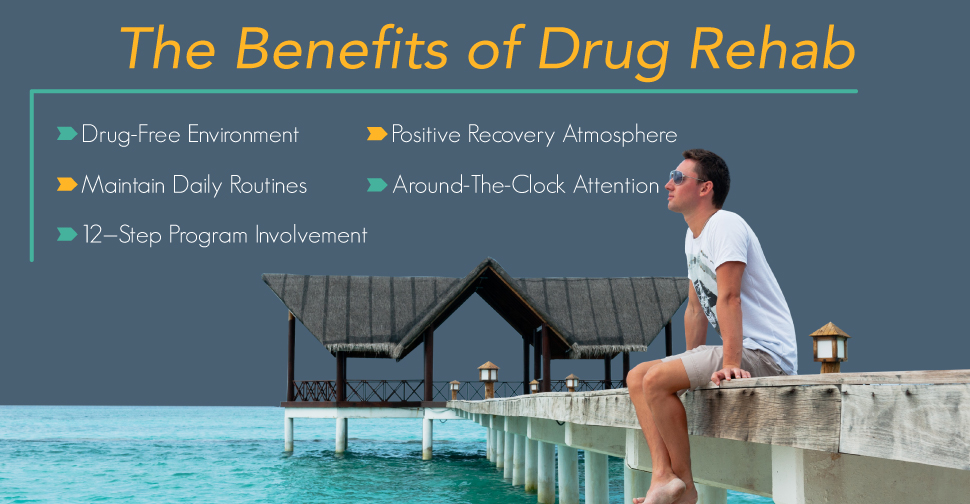
क्यों न मृत्यु का भी उत्सव किया जाए

एक मात्र शाश्वत सत्य यही,
शिव के त्रिनेत्र का रहस्य यही,
चंडी का नैसर्गिक रौद्र नृत्य यही,
कृष्णा सा श्यामला, राधा सा शस्य यही।
तो क्यों न मीरा सा इसका भी विषपान किया जाए।

ये अनादि है, ये अनंत है,
ये गजानन का त्रिशूली दंत है,
यही है गोचर, यही अगोचर,
यही तीनों लोकों का महंत है।
तो क्यों न देवों की तरह इसका भी रसपान किया जाए।

यही अनल है, यही अटल है,
यही शांत है, यही विकल है,
यही है भूत, यही भविष्यत,
ब्रह्मांडों का अस्तित्व सकल है।
तो क्यों न भीष्म सा इसको भी जीवन दान दिया जाए।

यही है हर्ता, यही है कर्ता,
यही है दाता, यही है ज्ञाता,
समय के व्यूह पर अनवरत सवार ,
यही है माता, यही विधाता।
तो क्यों न जननी की तरह इसका भी सम्मान किया जाए।


उपरोक्त सभी रचनाएँ मेरी स्वरचित और मौलिक हैं।
नाम:सलिल सरोज
पता: बी 302, तीसरी मंजिल
सिग्नेचर व्यू अपार्टमेंट्स
मुखर्जी नगर
नई दिल्ली-110009

मुझे मेरी मौत का फरिश्ता चाहिए

हर रोज़ ही कोई नई खता चाहिए

इस दिल  को दर्द का पता चाहिए

कब तक होगा झूठा खैर मकदम
मुझे अब बेरुख़ी का अता* चाहिए

अच्छे लगते ही नहीं सूनी मंज़िलें
काँटों  से  ही भरा  रास्ता चाहिए

मेरा इश्क़ सबसे निभ नहीं पाएगा
सो हमनबा भी कोई सस्ता चाहिए

जिंदगी बोझिल है अब इस कदर
मुझे मेरी मौत का फरिश्ता चाहिए
*अता-दान
सलिल सरोज

May’s Brexit Deal Voted Down For The Third Time

It has to be acknowledged candidly that in a huge jolt to the British Prime Minister Theresa May, the British lawmakers have outrightly rejected for a third time on March 29 her Brexit deal to avoid a chaotic no-deal divorce from the European Union (EU) thus sounding its probable death knell and leaving Britain’s withdrawal from the EU in turmoil on the very day it was supposed to leave the bloc. Thus we see that attempts by both Parliament and British Prime Minister Theresa May to clear the Brexit deadlock have floundered and failed miserably! There can be no denying or disputing it!
                                    Needless to say, MPs failed to back any of eight alternative options in a vote held on night of March 27, while Ms Theresa May’s pledge to make way for a successor in time for the next phase of Brexit negotiation did not cut ice and failed to persuade enough MPs to back her deal. It goes without saying that the decision to reject a stripped-down version of May’s divorce deal has left it totally unclear how, when or even whether Britain will leave the EU in the coming days ahead! No doubt, this certainly plunges the three-year Brexit simmering crisis to a more deeper level of uncertainty.
                               As it turned out, after a special sitting of Parliament, lawmakers voted 344-286 against May’s 585-page EU Withdrawal Agreement, agreed after two years of tortuous negotiations with the bloc. This is certainly without an iota of doubt a major setback for British PM Theresa May! May had told Parliament in no uncertain terms that the vote was the last opportunity to ensure that Brexit would take place and cautioned that if the deal failed, then any further delay to Brexit would probably be a long one beyond April 12.
                                   To put things in perspective, hours after May promised her Conservative members of Parliament on March 27 that she’d step down if they back her Brexit deal, she still looked short of having the numbers needed to win. It’s already been overwhelmingly defeated twice but still May was determined to try again. It must be pointed out here that May told the House of Commons that, “There are those who will say: ‘The House has rejected every option so far, you’ll probably lose so why bother?’ I bother because this is the last opportunity to guarantee Brexit. If we do not vote for this motion today, people will ask: Why did you not vote for Brexit?”
                                     What’s more, May told Parliament after the defeat that, “I fear we are reaching the limits of this process in this House. This House has rejected ‘no deal’. It has rejected ‘no Brexit’. On Wednesday, it rejected all the variations of the deal on the table. This government will continue to press the case for the orderly Brexit that the result of the referendum demands.” The British pound, which has been buoyed in recent weeks by hopes that the likelihood of an abrupt ‘no-deal’ Brexit is receding, fell half a percent after May lost, to as low as $1.2977. This is certainly not surprising and was much anticipated!
                                       Truth be told, within minutes of the vote, European Council President and Summit Chair Donald Tusk tweeted that EU leaders will meet on April 10 to discuss Britain’s departure from the bloc. The EU executive, the European Commission said that a “no-deal” exit on April 12 was now “a likely scenario”. It was a third straight failure for May, who had offered to resign on March 27 if the deal passed, in a bid to win over eurosceptic rebels in her Conservative Party who support a more decisive break with the EU than the divorce her deal offers.
                               Simply put, it leaves May’s Brexit strategy in tatters. Her strongly pro-Brexit Trade Minister Liam Fox had said on March 29 that it represented the last chance to “vote for Brexit as we understood it”. It must be mentioned here that the deal had twice been rejected by huge margins and although May was able to win over many Conservative rebels, a hard core of eurosceptics and the Northern Irish Democratic Unionist Party, which props up her minority government refused to back it.
                                 It may be recalled that in a referendum on June 23, 2016, those favouring Brexit (Leave) won by 52% to 48% (Remain). The “transition period” was scheduled to start from March 29, 2019 and to end on December 31, 2020 which could be extended by up to two years if both the UK and the EU agree. This was to allow both time to agree to their future relationship. But all this was subjected to Parliament accepting PM Theresa May’s deal which has already been rejected twice and now rejected again for third time putting the proposed plan in a soup! During this transition period, the UK was expected to follow all EU rules, but would have no say in the framing of new ones.
                                     It must be brought out here that in November 2018, the UK and the EU agreed to the terms of the exit, known as the withdrawal agreement. However, the agreement has failed to clear in British Parliament with MPs voting twice against it in 2019. On January 15, they voted 432-202 to reject the deal. Withdrawal agreement is a legally binding document that has to be passed by both the British and the European Parliaments. It covers the following:
a)  Irish backstop: Right now, there is free movement of goods and people between the Republic of Ireland which will remain part of the EU and Northern Ireland which is part of the UK. The Irish backstop is a measure in the withdrawal agreement which will primarily make sure that this continues after Brexit and comes into effect only if the deal deciding the future relationship between the UK and EU is not agreed by the end of the transition period. Until then, the backstop keeps the UK effectively inside the EU Customs Union (a trade agreement that fortbids trade negotiations with EU member states separately from the EU). It also means that Northern Ireland conforms to some rules of the single market (goods, services, people and money move between EU member states and some other states).
b) Citizens rights: The draft deal preserves the rights of the more than three million EU citizens living in Britain and the one million British citizens living in the EU.
c)   Brexit bill: It calls for a fair settlement for UK taxpayers that the British government estimates to be up to 39 billion pounds.
                                 It must also be brought out here that the British PM Theresa May then renegotiated certain terms with the EU but on March 12, MPs voted against the withdrawal agreement again, this time by 391 votes to 242. The following day, the MPs then rejected the idea of leaving the EU without a deal – an option called the “No Deal”. Under this, it would be legal for the UK to unilaterally leave the European Union, cancel Brexit and cuts all ties immediately with no need for agreement at all in place with the other 27 EU countries.
                                    Furthermore, the UK would simply follow the World Trade Organization rules to trade with the EU and other countries while trying to negotiate free-trade deals. Under WTO rules, each country sets tariffs on goods entering. If the UK chooses to put no tariff on goods from the EU, it must also have no tariffs on goods from every WTO member. If no other course of action can be agreed, the default option then would be that UK crashes out of the EU on April 12. Then we saw how on March 14, they voted 413-202 in favour of Prime Minister May asking the EU for a delay to carry out Brexit.
                            It is a no brainer that now Parliament will again try to take control of UK’s departure from the EU with some lawmakers hoping to force PM Theresa May to drop her Brexit strategy and pursue close economic ties with the bloc. Underlining how uncertainty is hurting business, the UK head of German industrial giant Siemens, Juergen Maier said that, “Britain was wrecking its reputation for stability and he urged lawmakers to back a customs union with the EU.”
                                 More importantly, the head of the European Commission Jean-Claude Juncker said in an interview on Italian state TV RAI on March 31, 2019 that, “The European Union has had a lot of patience with Britain over Brexit but patience runs out.” Juncker whose words were translated into Italian said he would like Great Britain to be able to reach an agreement in the coming hours and days that could be followed. He said that, “So far we know what the British Parliament says no to but we don’t know what it might say yes to.”
                                 Be it noted, Parliament will vote on different Brexit options on April 8, possibly showing a majority backing for a customs union and then May could try one last roll of the dice by bringing her deal back to a vote in Parliament as soon as Wednesday. May’s government and her party, which has grappled with schism over Europe for 30 years, was in open conflict between those pushing for a customs union with the EU and eurosceptics who are demanding a cleaner break with the bloc. May’s enforcer in Parliament – known as the chief whip – said that the government should have been clearer that May’s loss of her majority in Parliament in a snap 2017 election would inevitably lead it to accept a softer Brexit. Julian Smith said that, “The government as a whole probably should have just been clearer on the consequences of that. The parliamentary arithmetic would mean that this would be inevitably a kind of softer type of Brexit.” Smith also lamented that ministers had tried to undermine the Prime Minister.    
                                     It would be imperative to mention here that Article 50 is part of the Lisbon Treaty among EU member states. It covers how a member country can leave. This Article was triggered at the end of March 2017, hence Brexit Day in March 2019. It must also be mentioned here that to stop the Article 50 process, the UK may act on its own and to extend it all the EU countries must agree.
                                     Logically speaking, if the deadlock between Parliament and government continues, then in such a situation the MPs or the executive could trigger a general election. This would well mean the end of British PM Theresa May’s reign as PM! Let’s wait and watch how things play out in UK in the days ahead! But one thing is clear: The sailing would be very rough for British PM Theresa May which even her best admirers would readily agree! Her Brexit deal being rejected for the third time is already a big setback for her!
Sanjeev Sirohi, Advocate,
s/o Col BPS Sirohi,
A 82, Defence Enclave,
Sardhana Road, Kankerkhera,
Meerut – 250001, Uttar Pradesh.  

अफवाह

जीना मुश्किल,मरना आसान हो गया
हर दूसरा घर कोई श्मशान हो गया

माँ कहीं,बाप कहीं,बेटा कहीं,बेटी कहीं
एक ही घर में सब अन्जान हो गया

शहरों में नौकरियाँ खूब बिका करती हैं
इस अफवाह में गाँव मेरा वीरान हो गया

मन्दिर की घंटियाँ वो मस्जिद की अजानें
दोगले सियासतदानों की दुकान हो गया

प्यार,हमदर्दी,जज़्बात,अहसास,इंसानियत
\”प्राइस टैग\” लगा बाजारू सामान हो गया

बँटवारे की खींचातानी में ये हादसा हुआ
जो मुकम्मल घर था,खाली मकान हो गया
उपरोक्त सभी रचनाएँ मेरी स्वरचित और मौलिक हैं।
नाम:सलिल सरोज
पता: बी 302, तीसरी मंजिल
सिग्नेचर व्यू अपार्टमेंट्स
मुखर्जी नगर
नई दिल्ली-110009
उम्र:31 वर्ष
शिक्षा: सैनिक स्कूल तिलैया,कोडरमा,झारखण्ड से 10वी और 12वी उतीर्ण। 12वी में स्कूल का बायोलॉजी का सर्वाधिक अंक 95/100
जी डी कॉलेज,बेगूसराय,बिहार से इग्नू से अंग्रेजी में स्नातक एवं केंद्र  टॉपर, जवाहर लाल नेहरू विश्वविद्यालय ,नई दिल्ली से रूसी भाषा में स्नातक और तुर्की भाषा में एक साल का कोर्स और तुर्की जाने का छात्रवृति अर्जित। जीजस एन्ड मेरी कॉलेज,चाणक्यपुरी,नई दिल्ली इग्नोउ से समाजशास्त्र में परास्नातक एवं नेट की परीक्षा पास।
व्यवसाय:कार्यालय महानिदेशक लेखापरीक्षा,वैज्ञानिक विभाग,नई दिल्ली में सीनियर ऑडिटर के पद पर 2014 से कार्यरत।
सामाजिक एवं साहित्यिक सहयोग: बेगूसराय में आर्थिक रूप से कमजोर बच्चों को अंग्रेज़ी की  मुफ्त कोचिंग। मोहल्ले के बच्चों के कहानी,कविता और पेंटिंग को बढ़ावा देने हेतु स्थानीय पत्रिका\”कोशिश\” का प्रकाशन और सम्पादन किया। जवाहरलाल नेहरू विश्वविद्यालय में विदेशी भाषा में स्नातक की परीक्षा के लिए \”Splendid World Informatica\”  किताब का सह लेखन एवं बच्चों को कोचिंग। बेगूसराय ,बिहार एवं अन्य राज्यों के हिंदी माध्यम के बच्चों के लिए \”Remember Complete Dictionary\” किताब का अनुवाद। बेगूसराय,बिहार में स्थित अनाथालय में बच्चों को छोटा अनुदान। 
बचपन में राजहंस,क्रिकेट वर्ल्ड की प्रतियोगिताओं में इनाम प्राप्त।
शोसल मीडिया पर सामाजिक मुद्दों पर बेबाकी से अपने विचारों को प्रस्तुत करना।
उपलब्द्धियाँ: अमर उजाला काव्य,  हिंदुस्तान समाचार पत्र,पटना,सांध्य दर्पण इंदौर,अन्तरशब्दशक्ति इंदौर,परिचय टाइम्स,विजय दर्पण टाइम्स,सरिता,पर्यटन प्रणाम सहित 80 से अधिक पत्रिकाओं,अखबार,ऑन लाइन साइट्स पर कविता,कहानी,लेख,व्यंग प्रकाशित। मातृभाषा के द्वारा प्रकाशित काव्य संग्रह \”नवांकुर\”में मेरी कविताओं को स्थान प्राप्त। रवीना प्राकाशन ,नई दिल्ली द्वारा प्रकाशित निभा पत्रिका और मेरी रचना काव्य संग्रह में मेरी कविताएँ शामिल। विश्व पुस्तक मेला के दौरान मेरे काव्य संग्रह\”यूँ ही सोचता हुआ\” का विमोचन।
अपने कार्यालय में हिंदी दिवस पर आयोजित निबंध लेखन प्रतियोगिता में 3 साल से प्रथम स्थान प्राप्त। आरषी फाउंडेशन,भोपाल के द्वारा विकलांगों पर आयोजिय काव्य प्रतियोगिता में अखिल भारतीय 20वा स्थान जिसका निर्णय गुलज़ार साहब ने किया था। मातृभाषा द्वारा काव्य प्रतियोगिता में तीसरा स्थान जिसके तहत आशीष दलाल का उपन्यास पुरस्कार के रूप में प्राप्त हुआ। दिल्ली में आयोजित कॉमनवेल्थ खेल के दौरान पर्यटन मंत्रालय के द्वारा आयोजित \”Earn while you learn\” कार्यक्रम का सफल प्रतिभागी। 
आगामी 4 किताबों पर काम चालू। यु ट्यूब पर शार्ट फिल्मों में सांग्स और डायलॉग भी लिखी हैं।  पश्चिम मध्य रेलवे महालेखा कार्यालय की पत्रिका
 साँची में मेरी कविताओं को स्थान प्राप्त। कार्यालय महानिदेशक लेखापरीक्षा,वैज्ञानिक विभाग,कोलकाता शाखा से प्रकाशित पत्रिका  में मेरी रचनाओं को स्थान प्राप्त। भारतीय लेखापरीक्षा एवं लेखा विभाग अकादमी ,शिमला द्वारा मेरी फोटोग्राफी के लिए सम्मान पत्र। प्रतियोगिता दर्पण पत्रिका अंग्रेज़ी अंक में डिबेट और निबन्ध प्रतियोगिता में प्रथम स्थान प्राप्त। मेरे द्वारा किए गए ड्राइंग की सराहना और पत्रिकाओं में स्थान प्राप्त।

शिक्षा: सैनिक स्कूल तिलैया,कोडरमा,झारखण्ड से 10वी और 12वी उतीर्ण। 12वी में स्कूल का बायोलॉजी का सर्वाधिक अंक 95/100
जी डी कॉलेज,बेगूसराय,बिहार से इग्नू से अंग्रेजी में स्नातक एवं केंद्र  टॉपर, जवाहर लाल नेहरू विश्वविद्यालय ,नई दिल्ली से रूसी भाषा में स्नातक और तुर्की भाषा में एक साल का कोर्स और तुर्की जाने का छात्रवृति अर्जित। जीजस एन्ड मेरी कॉलेज,चाणक्यपुरी,नई दिल्ली इग्नोउ से समाजशास्त्र में परास्नातक एवं नेट की परीक्षा पास।
व्यवसाय:कार्यालय महानिदेशक लेखापरीक्षा,वैज्ञानिक विभाग,नई दिल्ली में सीनियर ऑडिटर के पद पर 2014 से कार्यरत।
सामाजिक एवं साहित्यिक सहयोग: बेगूसराय में आर्थिक रूप से कमजोर बच्चों को अंग्रेज़ी की  मुफ्त कोचिंग। मोहल्ले के बच्चों के कहानी,कविता और पेंटिंग को बढ़ावा देने हेतु स्थानीय पत्रिका\”कोशिश\” का प्रकाशन और सम्पादन किया। जवाहरलाल नेहरू विश्वविद्यालय में विदेशी भाषा में स्नातक की परीक्षा के लिए \”Splendid World Informatica\”  किताब का सह लेखन एवं बच्चों को कोचिंग। बेगूसराय ,बिहार एवं अन्य राज्यों के हिंदी माध्यम के बच्चों के लिए \”Remember Complete Dictionary\” किताब का अनुवाद। बेगूसराय,बिहार में स्थित अनाथालय में बच्चों को छोटा अनुदान। 
बचपन में राजहंस,क्रिकेट वर्ल्ड की प्रतियोगिताओं में इनाम प्राप्त।
शोसल मीडिया पर सामाजिक मुद्दों पर बेबाकी से अपने विचारों को प्रस्तुत करना।
उपलब्द्धियाँ: अमर उजाला काव्य,  हिंदुस्तान समाचार पत्र,पटना,सांध्य दर्पण इंदौर,अन्तरशब्दशक्ति इंदौर,परिचय टाइम्स,विजय दर्पण टाइम्स,सरिता,पर्यटन प्रणाम सहित 80 से अधिक पत्रिकाओं,अखबार,ऑन लाइन साइट्स पर कविता,कहानी,लेख,व्यंग प्रकाशित। मातृभाषा के द्वारा प्रकाशित काव्य संग्रह \”नवांकुर\”में मेरी कविताओं को स्थान प्राप्त। रवीना प्राकाशन ,नई दिल्ली द्वारा प्रकाशित निभा पत्रिका और मेरी रचना काव्य संग्रह में मेरी कविताएँ शामिल। विश्व पुस्तक मेला के दौरान मेरे काव्य संग्रह\”यूँ ही सोचता हुआ\” का विमोचन।
अपने कार्यालय में हिंदी दिवस पर आयोजित निबंध लेखन प्रतियोगिता में 3 साल से प्रथम स्थान प्राप्त। आरषी फाउंडेशन,भोपाल के द्वारा विकलांगों पर आयोजिय काव्य प्रतियोगिता में अखिल भारतीय 20वा स्थान जिसका निर्णय गुलज़ार साहब ने किया था। मातृभाषा द्वारा काव्य प्रतियोगिता में तीसरा स्थान जिसके तहत आशीष दलाल का उपन्यास पुरस्कार के रूप में प्राप्त हुआ। दिल्ली में आयोजित कॉमनवेल्थ खेल के दौरान पर्यटन मंत्रालय के द्वारा आयोजित \”Earn while you learn\” कार्यक्रम का सफल प्रतिभागी। 
आगामी 4 किताबों पर काम चालू। यु ट्यूब पर शार्ट फिल्मों में सांग्स और डायलॉग भी लिखी हैं।  पश्चिम मध्य रेलवे महालेखा कार्यालय की पत्रिका
 साँची में मेरी कविताओं को स्थान प्राप्त। कार्यालय महानिदेशक लेखापरीक्षा,वैज्ञानिक विभाग,कोलकाता शाखा से प्रकाशित पत्रिका  में मेरी रचनाओं को स्थान प्राप्त। भारतीय लेखापरीक्षा एवं लेखा विभाग अकादमी ,शिमला द्वारा मेरी फोटोग्राफी के लिए सम्मान पत्र। प्रतियोगिता दर्पण पत्रिका अंग्रेज़ी अंक में डिबेट और निबन्ध प्रतियोगिता में प्रथम स्थान प्राप्त। मेरे द्वारा किए गए ड्राइंग की सराहना और पत्रिकाओं में स्थान प्राप्त।