- to go to high fee private schools (we have \’earned\’ it),
- to sit in AC coaches in the train (we paid for it after all, never mind that the others\’ capacity to pay for the same is hampered by systemic and systematic obstacles),
- to feel that we belong to \’big\’ or \’important\’ families…
Day: December 11, 2019
Xi who must be obeyed (with apologies to The Economist)
The much awaited China’s People Congress ended today with the expected climax – the unveiling of the new Politburo Standing Committee ; the men who will run China for the next five years. More of this in just a little while. This ended a week of speechifying and staged events.
First, the two things that stood out during the days preceding the event today. Xi Jinping opened the Congress with a speech lasting an incredible three and a half hours, reaching new heights of torture and boredom. It was a hugely self confident China strutting about as a world power, with Xi vigorously patting his own back. He outlined some of the directions for the next five years which were typically broad motherhoods, but gave some clues on where they are heading.
The most important outcome was the enshrining of “Xi Jinping Thought” in the Communist Party’s Constitution. This is a peculiarly Chinese obsession. Their infatuation with obscure theories and doctrines knows no boundaries. “Mao Zedong Thought” was supposed to be the guiding doctrine of the Party – never mind that it is rubbish, the Party has long ditched many of that nonsense, etc etc. Then Deng Xiaoping “Practice” was enshrined into the Constitution after his death. At the end of their terms Jiang Zemin and Hu Jintao’s “theories” were also included, but their names were not mentioned (such semantics are very important in China with those two acknowledging that they are a step behind the two taller and earlier leaders). Xi hasn’t bothered with any such finesse. Halfway into his term he has enshrined his name and “Thought” – the implication being he is Mao’s equivalent and even above Deng. A dangerous move almost Trumpesque is self aggrandisation. His “Thought” is mostly bland with lots of garbage , but who cares. These are political moves cloaked in ideology.
And then today, came the line of seven men who walked in, and that was how the world got to know about the new Standing Committee. Readers of this blog may recall that this blogger made a prediction in this post a month or so ago. I got one thing wrong – that Li Keqiang the Premier would be dropped and that Wang Qishan, Xi’s right hand man would stay on beyond retirement age and would become the Premier. That didn’t happen. The powerful Wang retired and Li has stayed on as the Premier. I predicted a 5 man Standing Committee reduced from 7 (that didn’t happen) but also named the potential seven man Committee if it stayed at that number. I got that dead right, including the order of seniority – after Xi and Li came Li Zhanshu, Wang Yang, Wang Huning, Zhao Leji & Hang Zheng. I got real lucky !
Here is my take on the implications of what happened over the last week
– Xi is all powerful. That we knew of course.
– Xi has decided to not break all traditions and to preserve some of the norms and continuity. Hence the retirement of Wang Qishan and the continuance of Li Keqiang.
– No successor to Xi has been named, as expected. This leaves Xi’s options open. He can stay on as a power centre either formally or informally after his term ends in 5 years.
– The two possible successors Hu Chunhua and Chen Min’er are on trial. They have to earn the right to succeed over the next 5 years. But even after, they will probably have to be subservient to Xi.
– The Party is going to tighten the hold on China even more. Forget any liberalism, tolerance and such other “esoteric” concepts.
– China will be aggressive in world politics. The world simply has to learnt to adjust to that. America will be the county most affected. It will be on the losing end more often than not.
– Zhao Leji will be the new Wang Qishan. He will continue the anti corruption drive and Xi’s political opponents will continue to be targeted.
– China is entering into dangerous territory of authoritarianism. Chinese history shows how much the entire country loses when such autocratic tyrants take charge – recent examples of Ci Xi and Mao are enough to illustrate this danger. There is every risk of Xi going the same way – generating sycophants, staying on too long, getting drunk on power and doing stupid things.
– The Deng Xiaoping era is finally over (that it lasted 25 years after his death is amazing by itself). Most of the safeguards he tried to institutionalize are slipping. The wisdom of Deng is being frittered away. In many ways, he is the loser from what has happened. China will learn to its cost, the implications of ignoring its wisest man in recent history.
Life returns back to normal in China. This blogger will not blog about Chinese politics for the foreseeable future. A parting thought however – watch out for Hu Chunhua, Chen Min’er, Zhao Leji, and of course, above all, Xi.
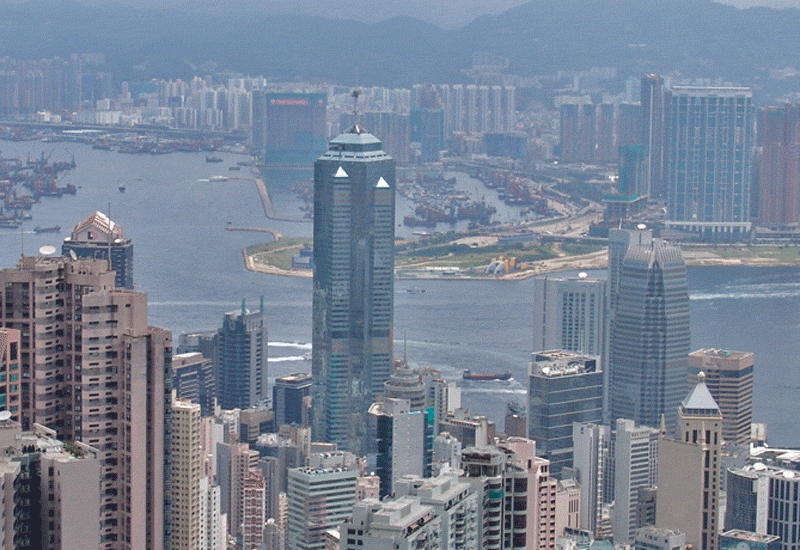
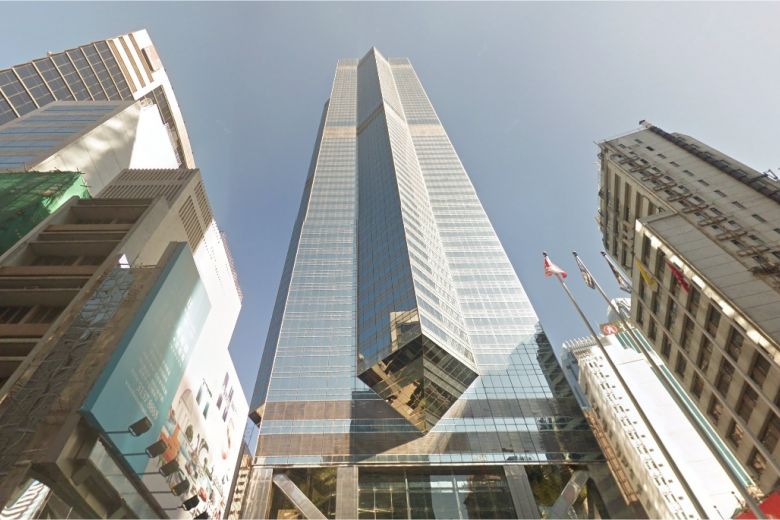
Insanity in Property
(Photo : Google Maps)
Cure or Prevention: the Health Education Dilemma
If we were to talk of prevention, we find ourselves making invalid assumptions. For instance, we start with \’washing hands with soap regularly prevents disease\’. But the problem is, say a huge proportion of children and the community, \’there is not enough water even to drink, how do we wash hands with soap?\’ Next we say, \’you must eat green leafy vegetables\’. However, the response: \’hey, there isn\’t enough food to eat in the first place, let alone leafy vegetables\’. The list is endless. The bottom-line: poverty is at least as important a health issue as lack of health education.
On the other hand, emphasizing prevention has its own limitations. For example, when discussing scabies it is common to find the use of neem being advocated. Though neem is commonly available, it is not exactly always useful in all cases of scabies. Medical advice should be sought rather than relying only on such suggestions. As they say, it can be dangerous to be armed with half-baked information.
So what do we do? Not talk about health at all?
No, we do need to educate our children on health. But the emphasis has to be on educate rather than merely plying them with information. In concrete terms this implies helping children perceive the causal links between different factors in their immediate environment and their health. How the body works, what it is affected by and how it responds to different factors, and how our own actions (individually and collectively) impact upon it — these are some of the components of what contemporary health education should be like.
This would naturally require scope for exploration, projects and activities. The pedagogy involved should help children arrive at their own conclusions, especially in terms of actions they could take. Here\’s an example of what might be a good health education activity (for grade 3 students, assisted by their teacher):
Take two small plates — put a little dal water in one, and a little sweet tea in the other. Set these plates in the sun and let the fluids dry. After a while, touch both of them with your fingers – one of them feels sticky and the other doesn\’t. Why do you think this is so?
Next, take a knife (let your teacher do this!). Cut a cucumber and feel the knife edge carefully. Now cut a piece of jaggery and feel the edge again (carefully!). Which item left a more sticky knife edge? Why?
So when we eat, which items are more likely to continue sticking to our teeth? And what will happen if they remain there (discuss with your teacher)? So what do we need to do?
That\’s it. There\’s no need really to give a long lecture of oral hygiene, full of facts and figures and information on exactly how to hold the brush etc. etc. All that sounds so platitudinous that children instinctively \’switch off\’ (as do adults when lectured!). The intention is that by helping children arrive at their own conclusions, we increase their stake in taking appropriate health-related action. And hence the increased chance that the understanding will actually translate into behavior!
Text of PM’s address at joint session of Parliament on 70th Constitution Day
महामहिम राष्ट्रपति जी, आदरणीय उपराष्ट्रपति जी आदरणीय स्पीकर महोदय, श्रीमान प्रहलाद जी और सभी आदरणीय जनप्रतिनिधिगण।
कुछ दिन और कुछ अवसर ऐसे होते हैं जो अतीत के साथ हमारे संबंधों को मजबूती देते हैं। हमें बेहतर भविष्य में और उस दिशा में काम करने के लिए प्रेरित करते हैं। आज यह 26 नवंबर का दिवस ऐतिहासिक दिवस है। 70 साल पहले हमने विधिवत रूप से एक नए रंग-रूप के साथ संविधान को अंगीकार किया था, लेकिन साथ-साथ आज 26 नवंबर दर्द भी पहुंचाता है जब भारत की महान उच्च परम्पराएं, हजारों साल की सांस्कृतिक विरासत, वसुधैव कुटुम्बकम के विचार को लेकर के जीने वाली इस महान परंपरा उसे आज ही के 26 नवंबर के दिन मुंबई में आतंकवादी मंसूबो ने छलनी करने का प्रयास किया था। मैं आज उन सभी हुत आत्माओं को नमन करता हूं। सात दशक पहले इसी सेंट्रल हॉल में इतनी ही पवित्र आवाजों की गूंज थी, संविधान के एक-एक अनुच्छेद पर बारीकी से गहन चर्चा हुई। तर्क आए, तथ्य आए, विचार आए, आस्था की चर्चा हुई, विश्वास की चर्चा हुई, सपनों की चर्चा हुई, संकल्पों की चर्चा हुई। एक प्रकार से यह सदन, यह जगह ज्ञान का महाकुंभ था और जहां पर भारत के हर कोने की सपनों को शब्दों में मढ़ने का एक भरपूर प्रयास हुआ था। डॉ राजेंद्र प्रसाद, डॉ भीमराव बाबा साहेब अंबेडकर, सरदार वल्लभ भाई पटेल, पंडित नेहरू, आचार्य सुकराणी जी, मौलाना आजाद, पुरूषोत्तम दास टंडन, सुचेता कृपलानी, हंसा मेहता, एलडी कृष्णस्वामी अय्यर, एन. गोपालास्वामी एंगर, जॉन मथाई अनगिनत ऐसे महापुरूष जिन्होंने प्रत्यक्ष और अप्रत्यक्ष योगदान देकर के हमें इस महान विरासत हमारे हाथों में सुपुर्द की है। आज के इस अवसर पर मैं उन सभी महान विभूतियों को स्मरण करता हूं और उनका आदरपूर्वक नमन करता हूं।
आज अपनी बात की शुरुआत मैं आप सभी को बाबा साहेब अंबेडकर ने 25 नवंबर 1949, संविधान अंगीकार करने के एक दिन पूर्व अपने आखिरी भाषण में जो बातें कही थी उसका जरूर उल्लेख करना चाहूंगा। बाबा साहेब ने देश को याद दिलाया था कि भारत पहली बार 1947 में आजाद हुआ है या फिर 26 जनवरी 1950 को गणतंत्र बना, ऐसा नहीं है। भारत पहले भी आजाद था और हमारे यहां अनेक Republic भी थे, और उन्होंने आगे व्यथा व्यक्त की थी लेकिन अपनी ही गलतियों से हमने अतीत में आजादी भी खोई है और Republic character भी गंवाया है। ऐसे में बाबा साहेब ने देश को चेताते हुए पूछा था कि हमें आजादी भी मिल गई, गणतंत्र भी हो गए, लेकिन क्या हम इसको बनाए रख सकते हैं। क्या अतीत से हम सबक ले सकते हैं। आज अगर बाबा साहेब होते तो उनसे अधिक प्रसन्नता शायद ही किसी को होती। क्योंकि भारत ने इतने वर्षों में ना केवल उनके सवालों का उत्तर दिया है बल्कि अपनी आजादी को लोकतंत्र को और समृद्ध और सशक्त किया है और इसलिए आज के इस अवसर पर मैं आप सभी को बीते सात दशक में संविधान की भावना को अक्षुण्ण रखने वाली विधायिका, कार्यपालिका और न्यायपालिका के सभी साथियों को गौरवपूर्वक स्मरण करता हूं, नमन करता हूं। मैं विशेष तौर पर 130 करोड़ भारतवासियों के सामने नतमस्तक हूं। जिन्होने भारत के लोकतंत्र के प्रति आस्था को कभी कम नहीं होने दिया। हमारे संविधान को हमेशा एक पवित्र ग्रंथ माना, गाइडिंग लाइट माना।
संविधान के 70 वर्ष हमारे लिए हर्ष, उत्कर्ष और निष्कर्ष का मिला-जुला भाव लेकर के आए हैं। हर्ष ये है कि संविधान की भावना अटल और अडिग रही है। अगर कभी कुछ इस तरह के प्रयास हुए भी हैं तो देशवासियों ने मिलकर के उनको असफल किया है। संविधान पर आंच नहीं आने दी है। उत्कर्ष इस बात को हम जरूर registered करते है कि हमारे संविधान की मजबूती के कारण ही एक भारत श्रेष्ठ भारत की तरफ हम आगे बढ़ पाए हैं। हमने तमाम सुधार मिल-जुलकर के संविधान के दायरे में रहकर के किए हैं और निष्कर्ष ये है कि ये विशाल और विविध भरा भारत प्रगति के लिए, सुनहरे भविष्य के लिए नए भारत के लिए भी हमारे सामने सिर्फ और सिर्फ संविधान, संविधान की मर्यादाएं, संविधान की भावना यही एकमात्र रास्ता है एषपंथा। हमारा संविधान हमारे लिए सबसे बड़ा और पवित्र ग्रंथ है। एक ऐसा ग्रंथ जिसमें हमारे जीवन की, हमारे समाज की, हमारी परंपराओं, हमारी मान्यताओं, हमारे व्यवहार, हमारे आचार उन सबके साथ का समावेश है। साथ-साथ अनेक चुनौतियों का समाधान भी है। हमारा संविधान इतना व्यापक इसलिए है क्योंकि इसमें हमें बाहरी प्रकाश के लिए अपनी खिड़कियां खोल रखी है। और उसके साथ-साथ भीतर का जो प्रकाश है उसको भी और अधिक प्रज्वलित करने का अवसर भी दिया है।
आज इस अवसर पर जब हम कहेंगे तो मैं एक बात 2014 में लाल किले के प्राचीर से जो मैने कही थी उसको दोहराऊंगा, संविधान को अगर दो सरल शब्दों में कहना है सरल भाषा में कहना है तो कहूंगा डिगनीटि फॉर इंडियन एंड यूनिटी फॉर इंडिया। इन्ही दो मंत्रों को हमारे संविधान ने साकार किया है, नागरिक की डिगनीटि को सर्वोच्च रखा है और संपूर्ण भारत की एकता और अंखडता को अक्षुण रखा है। हमारा संविधान वैश्विक लोकतंत्र की सर्वोकृष्ठ उपलब्धि है। यह ना केवल अधिकारों के प्रति सजग है बल्कि हमारे कर्त्तव्यों के प्रति जागरूक भी बनाता है। एक दृष्टि से हमारा संविधान दुनिया में सबसे अधिक पंथनिरपेक्ष है। हमें क्या करना है, कितने बड़े सपने देखने है और कहां तक पहुंचना है इसके के लिए किसी भी प्रकार की बंदिश नहीं है। संविधान में ही अधिकार की बात है और संविधान में ही कर्त्तव्यों के पालन की अपेक्षा है। क्या हम एक व्यक्ति के तौर पर, एक परिवार के तौर पर, एक समाज के तौर पर अपने कर्त्तव्यों को लेकर उतने ही गंभीर है जितना की हमारा संविधान, हमारा देश, हमारे देशवासियों के सपने हमसे अपेक्षा करते हैं। जैसा कि राजेंद्र बाबू जी ने कहा था कि जो कॉन्सटिट्यूशन में लिखा नहीं है उसको हमें कन्वेन्शन से स्थापित करना होगा और यही भारत की विशेषता भी है। बीते दशकों में हमने अपने अधिकारों पर बल दिया और वो आवश्यक भी था और ठीक भी था। क्योंकि समाज में ऐसी व्यवस्थाएं बन गई हैं जिनके चलते एक बड़े वर्ग को अधिकारों से वंचित रखा गया था। बिना अधिकारों से परिचय कराए इस बड़े वर्ग को समानता, समता और न्याय का अहसास दिला पाना संभव नहीं था। लेकिन आज समय की मांग है कि जब हमें अधिकारों के साथ ही एक नागरिक के तौर पर अपने कर्त्तव्यों, अपने दायित्व पर मंथन करना ही होगा। क्योंकि दायित्व को निभाए बिना हम अपने अधिकारों को सुरक्षित नहीं रख सकते हैं।
अधिकारों और कर्त्तव्यों के बीच का एक अटूट रिश्ता है और इस रिश्ते को महात्मा गांधी जी ने बहुत ही विशेष रूप से बखूबी समझाया था। आज जब देश पूज्य बापू की 150वीं जयंती का पर्व मना रहा है तो उनकी बाते बहुत प्रासंगिक हो जाती हैं। वो कहते थे right is duty well performed उन्होने एक जगह लिखा भी था कि मैने अपनी अनपढ़ लेकिन समझदार मां से सीखा है कि सभी अधिकार आपके द्वारा सच्ची निष्ठा से निभाए गए अपने कर्त्तव्यों से ही आते हैं। पिछली शताब्दी के शुरूआती दशकों में जब पूरी दुनिया अधिकार के बारे में बात कर रही थी तब गांधी जी ने एक कदम आगे बढ़ते हुए कहा था आइए हम लोग नागरिकों के कर्तव्य यानि duties of citizens के बारे में बात करते हैं। 1947 में यूनेस्को के महानिदेशक डॉ जूलियन हसक्ले ने विश्व के 60 बड़े महानुभावों को, बड़ी हस्तियों को एक पत्र लिखा था और उनसे मार्गदर्शन मांगा था और उन्होने पत्र में पूछा था कि world charter of human rights ये बनाना है तो उसका आधार क्या होगा। और इस बारे में उन्होने दुनिया के महानुभावों से अपनी राय मांगी थी, महात्मा गांधी से भी मांगी थी। लेकिन दुनिया के हर किसी ने जो अभिप्राय दिया महात्मा गांधी का कुछ अलग था, महात्मा जी ने कहा था उन्होने जवाब दिया था कि हम अपने जीवन के अधिकार तभी अर्जित कर सकते हैं जब नागरिक के तौर पर अपने कर्तव्यों को पूरी तरह से निभाए। यानि एक प्रकार से कर्तव्यों में ही अधिकारों की रक्षा है इसकी वकालत महात्मा गांधी ने उस समय भी की थी जब हम दायित्व की बात करते हैं, कर्तव्य की बात करते हैं तो यह बहुत ही सामान्य जिम्मेदारियां है जिनको निभाने से एक राष्ट्र के रूप में हमारे संकल्प सिद्ध होते हैं। और हमें ये भी बहुत स्पष्ट ध्यान देना होगा कि कर्तव्य और सेवा कभी-कभी हम सेवा को ही कर्तव्य मान लेते हैं, सेवा भाव, संस्कार हर समाज के लिए बहुत अहमियत रखते हैं। लेकिन सेवा भाव से भी कर्तव्य कुछ और हैं और उस पर कभी-कभी हमारा ध्यान नहीं जाता है। आप सड़क पर चल रहे किसी व्यक्ति को कहीं कोई मदद की जरूरत है आप करते हैं वो एक प्रकार से सेवा भाव है। ये सेवा भाव किसी भी समाज को, मानवता को बहुत सशक्त करता है। लेकिन कर्तव्य भाव इससे थोड़ा अलग है। रोड पर किसी को तकलीफ हुई आपने मदद की अच्छी बात है लेकिन अगर मैनें ट्रैफिक नियमों का पालन किया है और कभी किसी को तकलीफ ना हो ऐसी व्यवस्था का मैं हिस्सा बना यह मेरा कर्तव्य है। आप जो कुछ भी कर रहे हो उसके साथ एक सवाल जोड़कर अगर हम देखते है कि मैं जो कुछ भी कर रहा हूं क्या उससे मेरा देश मजबूत होता है कि नही। परिवार के सदस्य के नाते हम हर चीज वो करते है जिससे हमारे परिवार की शक्ति बढ़े। उसी प्रकार से नागरिक के नाते हम वो करें जिससे हमारे देश की ताकत बढ़े, हमारा राष्ट्र शक्तिशाली हो।
एक नागरिक जब अपने बच्चे को स्कूल भेजता है तो मां-बाप अपना कर्तव्य निभाते हैं लेकिन वे मां बाप जागरूकता पूर्वक अपने बच्चे को मातृभाषा सीखने का आग्रह रखते है तो वे एक नागरिक का कर्तव्य निभाते हैं। देश सेवा का कर्तव्य निभाते है। और इसलिए एक व्यक्ति छोटी-छोटी चीजे होती हैं अगर बूंद-बूंद पानी बचाता है वो अपना नागरिक कर्तव्य भी निभाता है। अगर टीकाकरण सामने से जाकर के टीकाकरण का काम पूरा कर लेता है किसी को घर आकर याद नही कराना पड़ता वो अपना कर्तव्य निभाता है। वोट देने के लिए समझाना ना पड़े वोट देने के लिए जाता है वो अपना कर्तव्य निभाता है। समय पर टैक्स देना है देता है वो अपना कर्तव्य निभाता है। ऐसे कई दायित्व होते है जो एक नागरिक के रूप में सहज व्यवस्था के रूप में हम विकसित करे, संस्कार के रूप में हम विकसित करें तो हमें देश को आगे ले जाने में बहुत बड़ी सुविधा बढ़ती है। ये सवाल जब तक देश के प्रत्येक नागरिक के चित्त में, उसकी चेतना में सर्वोपरि नहीं होंगे हमारे नागरिक कर्तव्य कहीं ना कहीं कमजोर होते चले जाएंगे और वो किसी ना किसी रूप में किसी दूसरे के अधिकार को हानि पहुंचाते है और इसलिए औरों के अधिकारों की चिंता के लिए भी अपने कर्तव्यों पर बल देना हम लोगों का दायित्व बनता है। और जन प्रतिनिधि के नाते हमारी जिम्मेवारी कुछ और अधिक होती है, दोहरी होती है। हमारे सामने constitutional values को मजबूत करने के साथ-साथ खुद को भी एक आदर्श के रूप में प्रस्तुत करना है। यह हमारा दायित्व बन जाता है और हमें समाज में सार्थक बदलाव लाने के लिए इस कर्तव्य को भी निभाना ही होगा, हमारी कोशिश होनी चाहिए कि अपने हर कार्यक्रम में, हर बातचीत में हम duties पर focus करें। जनता के साथ संवाद करते समय duties की बात करना हम ना भूले। हमारा संविधान हम भारत के लोग से शुरू होता है we the people of India हम भारत के लोग ही इसकी ताकत है, हम ही इसकी प्रेरणा है और हम ही इसका उद्देश्य है।
मैं जो कुछ हूं – वो समाज के लिए हूं, देश के लिए हूं, यही कर्तव्य भाव हमारी प्रेरणा का स्त्रोत है। मैं आप सभी का आह्वान करता हूं कि हम सब इस संकल्प शक्ति के साथ मिलकर भारत के एक जिम्मेदार नागरिक के तौर पर अपने कर्तव्यों का पालन करे। आइए अपने गणतंत्र को हम कर्तव्यों से ओत-प्रोत नई संस्कृति की तरफ लेकर के जाएं। आइए हम सब देश के नवनागरिक बने, नेक नागरिक बने। मैं कामना करता हूं कि ये संविधान दिवस हमारे संविधान के आदर्शों को कायम रखें और राष्ट्र निर्माण में योगदान देने की हमारी प्रतिबद्धता को बल दें। हमारे संविधान निर्माताओं ने जो सपना देखा था उसे पूरा करने की हमें शक्ति दे। और ये पवित्र धरती है जहां ये मंथन हुआ था यहां पर उसकी गूंज है। यह गूंज हमें अवश्य आशीर्वाद देगी, यह गूंज हमें अवश्य प्रेरणा देगी, यह गूंज हमें अवश्य शक्ति देगी, यह गूंज हमें अवश्य दिशा देगी। इसी एक भावना के साथ मैं फिर एक बार आज संविधान दिवस के पवित्र मौके पर पूज्य बाबा साहेब अंबेडकर को प्रणाम करता हूं, संविधान निर्माताओं को प्रणाम करता हूं और देशवासियों को बहुत-बहुत शुभकामनाएं देता हूं।
धन्यवाद।
*****
7 Ways to Retain Optimism (Even If You Work In Improving Elementary Education!)
- Give teachers a list of 6-8 possible changes (ranging from calling each child by the name, to making use of activities given in the textbooks to encouraging children to ask questions).
- Ask them to select only 3-4 from this list (making a choice generates ownership and commitment); discuss the steps they need to take in order to bring about these changes.
- Encourage them to make a 2-3 month implementation plan around these steps and help them monitor themselves and each other to see if the changes are actually happening.
- Extend this cycle at the end of each 2-3 month period. Over a year or two, a dramatic change would occur – only it would have been less noticed as it happened, more successful, and breeding optimism rather than pessimism.
- If material is so easy to generate, why should we supply anything? What do you think?
- Suggest ways in which you can use a library along with the textbook?
- Shouldn\’t we trust children and get them to mark their own attendance instead of the teacher spending time on it?
- When children don\’t understand decimals, exactly where do you think the problem lies?
Don\’t believe me, try it out and see what happens. At any rate, the tired old complaint will not be heard any more.
- Look at your students / participants / team members and visualise them as being different.
- What qualities can you visualise them as having?
- What ways do you seem them adopting to make good use of the capabilities they already have?
- And what do you see yourself learning from them?
The left’s intellectual disintegration
In defence of TPP – Environment and Intellectual property
Xi who must be obeyed (with apologies to The Economist)
The much awaited China\’s People Congress ended today with the expected climax – the unveiling of the new Politburo Standing Committee ; the men who will run China for the next five years. More of this in just a little while. This ended a week of speechifying and staged events.
First, the two things that stood out during the days preceding the event today. Xi Jinping opened the Congress with a speech lasting an incredible three and a half hours, reaching new heights of torture and boredom. It was a hugely self confident China strutting about as a world power, with Xi vigorously patting his own back. He outlined some of the directions for the next five years which were typically broad motherhoods, but gave some clues on where they are heading.
The most important outcome was the enshrining of \”Xi Jinping Thought\” in the Communist Party\’s Constitution. This is a peculiarly Chinese obsession. Their infatuation with obscure theories and doctrines knows no boundaries. \”Mao Zedong Thought\” was supposed to be the guiding doctrine of the Party – never mind that it is rubbish, the Party has long ditched many of that nonsense, etc etc. Then Deng Xiaoping \”Practice\” was enshrined into the Constitution after his death. At the end of their terms Jiang Zemin and Hu Jintao\’s \”theories\” were also included, but their names were not mentioned (such semantics are very important in China with those two acknowledging that they are a step behind the two taller and earlier leaders). Xi hasn\’t bothered with any such finesse. Halfway into his term he has enshrined his name and \”Thought\” – the implication being he is Mao\’s equivalent and even above Deng. A dangerous move almost Trumpesque is self aggrandisation. His \”Thought\” is mostly bland with lots of garbage , but who cares. These are political moves cloaked in ideology.
And then today, came the line of seven men who walked in, and that was how the world got to know about the new Standing Committee. Readers of this blog may recall that this blogger made a prediction in this post a month or so ago. I got one thing wrong – that Li Keqiang the Premier would be dropped and that Wang Qishan, Xi\’s right hand man would stay on beyond retirement age and would become the Premier. That didn\’t happen. The powerful Wang retired and Li has stayed on as the Premier. I predicted a 5 man Standing Committee reduced from 7 (that didn\’t happen) but also named the potential seven man Committee if it stayed at that number. I got that dead right, including the order of seniority – after Xi and Li came Li Zhanshu, Wang Yang, Wang Huning, Zhao Leji & Hang Zheng. I got real lucky !
Here is my take on the implications of what happened over the last week
– Xi is all powerful. That we knew of course.
– Xi has decided to not break all traditions and to preserve some of the norms and continuity. Hence the retirement of Wang Qishan and the continuance of Li Keqiang.
– No successor to Xi has been named, as expected. This leaves Xi\’s options open. He can stay on as a power centre either formally or informally after his term ends in 5 years.
– The two possible successors Hu Chunhua and Chen Min\’er are on trial. They have to earn the right to succeed over the next 5 years. But even after, they will probably have to be subservient to Xi.
– The Party is going to tighten the hold on China even more. Forget any liberalism, tolerance and such other \”esoteric\” concepts.
– China will be aggressive in world politics. The world simply has to learnt to adjust to that. America will be the county most affected. It will be on the losing end more often than not.
– Zhao Leji will be the new Wang Qishan. He will continue the anti corruption drive and Xi\’s political opponents will continue to be targeted.
– China is entering into dangerous territory of authoritarianism. Chinese history shows how much the entire country loses when such autocratic tyrants take charge – recent examples of Ci Xi and Mao are enough to illustrate this danger. There is every risk of Xi going the same way – generating sycophants, staying on too long, getting drunk on power and doing stupid things.
– The Deng Xiaoping era is finally over (that it lasted 25 years after his death is amazing by itself). Most of the safeguards he tried to institutionalize are slipping. The wisdom of Deng is being frittered away. In many ways, he is the loser from what has happened. China will learn to its cost, the implications of ignoring its wisest man in recent history.
Life returns back to normal in China. This blogger will not blog about Chinese politics for the foreseeable future. A parting thought however – watch out for Hu Chunhua, Chen Min\’er, Zhao Leji, and of course, above all, Xi.
Insanity in Property
(Photo : Google Maps)